Signs of Low Estrogen in Women and What to Do Next
More than 80% of women experience symptoms during the menopausal transition , according to an authoritative clinical summary from the National Center for Biotechnology Information. If you're dealing with hot flashes, poor sleep, vaginal discomfort, anxiety, or unexpected brain fog, you're not imagining it. These symptoms can reflect a genuine physiological shift, although they can also overlap with thyroid disorders, medication effects, stress, and other health conditions.
Low estrogen isn't one isolated problem. Estrogen influences temperature regulation, reproductive and urinary tissues, mood, cognition, and bone remodeling. The signs of low estrogen in women can therefore look different from one person to the next, and a single blood test rarely tells the whole story. A careful clinical evaluation connects the timing, pattern, severity, menstrual history, medical background, and physical symptoms before discussing treatment such as hormone replacement therapy, bioidentical hormones, or nonhormonal options.
Why Low Estrogen Affects So Many Women
Estrogen-related symptoms are common during the menopausal transition. Clinical evidence also reports psychogenic symptoms in up to 70% of women during perimenopause and menopause , including irritability, anxiety, depression, impaired concentration, and reduced self-esteem, as summarized in the NCBI clinical review of menopause.
A woman may begin waking overheated, lose her train of thought in meetings, and feel unusually impatient with people she loves. She may blame stress. Another woman may experience painful sex and urinary urgency without hot flashes. Both patterns can arise during the same hormonal transition because estrogen affects multiple systems at once.
A widespread biological transition
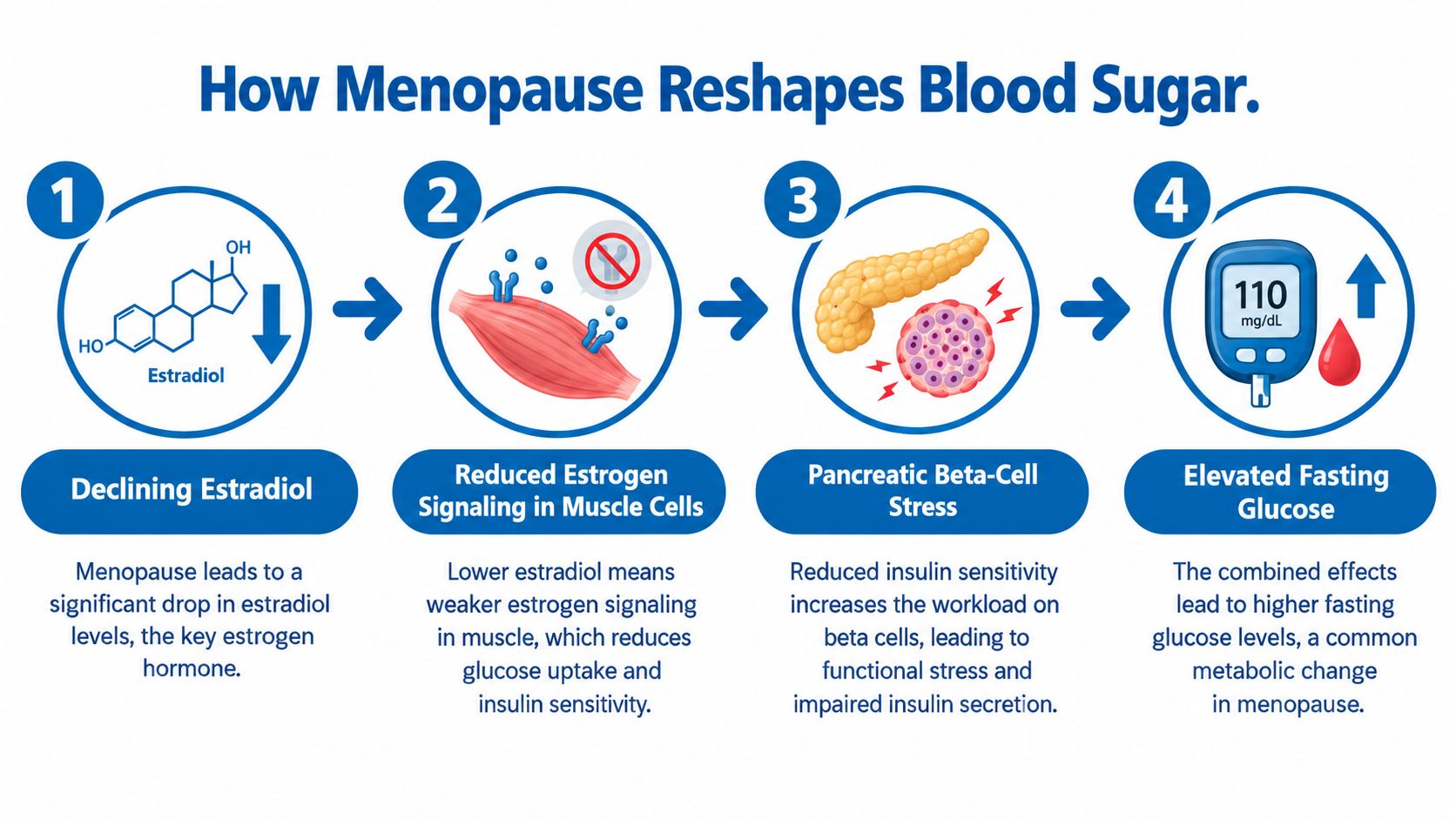
Menopause usually begins in midlife as ovarian function declines. The process itself is not a disease, yet its effects can disrupt work, relationships, sleep, sexual health, and daily confidence. Estrogen withdrawal is associated with vasomotor symptoms such as hot flashes and night sweats, while broader clinical research connects these changes with reduced daily functioning and quality of life.
After menopause, estrogen production falls by about 95% . This lower level can affect genitourinary tissues and contribute to genitourinary syndrome of menopause, a chronic condition reported in 14% to 87% of postmenopausal women ( NCBI overview of genitourinary syndrome of menopause).
Your symptoms are real, but they don't automatically identify one diagnosis. The pattern deserves attention, not dismissal.
Symptoms that begin earlier than expected may have several possible causes, so a clinician should review the timing, menstrual history, health background, and affected body systems rather than rely on an at-home hormone result alone. Readers can also review treatment approaches for low estrogen. For Mississippi residents, Pause Medical's hormone balance care offers a structured discussion of symptoms, health history, and treatment goals. That clinical context helps explain why symptoms and a single blood test may not always align.
Physical Signs Your Body May Be Producing Less Estrogen
The most recognizable physical sign is often a sudden hot flash, but estrogen-related changes extend well beyond temperature swings. Estrogen decline can affect thermoregulation, mucosal tissue, bone, skin, sleep, and the musculoskeletal system. Not every symptom proves low estrogen, yet the combination and timing can give a clinician important context.

Heat, sweating, and disrupted sleep
Estrogen decline can alter hypothalamic thermoregulation, making the body's temperature-control system more likely to trigger cooling responses. A hot flash may arrive abruptly, with an intense feeling of warmth and sweating. Night sweats are similar episodes during sleep, and they can repeatedly interrupt rest even when the bedroom is comfortable.
Clinical trial data indicate that 40% to 80% of postmenopausal women report hot flashes , making vasomotor symptoms a high-yield clinical marker of estrogen deficiency ( review of vasomotor symptoms). Poor sleep can then worsen fatigue, irritability, concentration, and pain sensitivity, creating a cycle in which one symptom amplifies another.
Bones, joints, skin, and hair
Bone health deserves attention even when there isn't pain. Estrogen deficiency increases osteoclast formation and differentiation, which accelerates bone loss. Bone mineral density loss can begin during the menopausal transition, as estrogen deficiency becomes more influential, according to Endotext's review of estrogen and bone health.
Other physical changes may include drier skin, reduced elasticity, changes in hair texture or thickness, breast tissue changes, headaches, fatigue, and aching joints. These complaints have many possible causes, so a clinician should consider nutrition, thyroid function, medications, sleep disorders, and other medical explanations rather than assigning every change to estrogen.
For another practical overview, Lila's guide to recognize estrogen drop signs can help you organize symptoms before an appointment. Keep a short record of temperature episodes, sleep interruption, menstrual changes, pain, and new physical changes. A clear timeline often proves more useful than trying to remember everything during a brief visit.
Emotional and Cognitive Changes Linked to Estrogen Decline
Mood and concentration changes can accompany estrogen shifts, even when hot flashes are absent. A woman may feel unlike herself, becoming more anxious, tearful, irritable, forgetful, or mentally slowed. Others may dismiss these experiences as stress or aging, which can leave her questioning whether the symptoms deserve attention.

Estrogen helps regulate brain signaling involving neurotransmitters such as serotonin and dopamine. As levels fluctuate or decline, some women notice mood instability, anxiety, irritability, lower motivation, or trouble concentrating. “Brain fog” can feel like a desk covered with scattered papers: words disappear, familiar information needs rereading, and switching between tasks takes more effort. You might forget why you entered a room or lose your place during a conversation.
Hormones and mental health can coexist
A hormonal contribution does not explain away anxiety or depression. Both can be present, so an evaluation should consider hormonal patterns alongside mental health history and other medical causes. Someone with previous depression may also experience hormone-related changes, while new symptoms during perimenopause may call for a different combination of support.
Track timing and context. Mood or cognitive symptoms that occur with cycle changes, night sweats, sleep disruption, or other physical signs may fit a hormonal transition. Severe or persistent symptoms, hopelessness, thoughts of self-harm, or inability to function call for prompt mental health support, whatever the underlying cause.
Brain fog deserves clinical attention. It does not define your character or erase your abilities.
Pause Medical's guide to brain fog and hormones explains how hormonal changes may relate to concentration. A clinician may review sleep quality, thyroid symptoms, anemia risk, medications, alcohol use, stress, and mood history. These factors can resemble or intensify estrogen-related symptoms, so a broader assessment is more useful than relying on an at-home hormone test or a single blood result.
For additional perspective on how symptoms can affect daily functioning, this educational video offers a general discussion:
Genitourinary and Sexual Health Effects of Low Estrogen
Vaginal and urinary changes may be the first, or most disruptive, signs of declining estrogen. Dryness, burning, itching, painful intercourse, urinary urgency, frequent urination, leakage, and repeated urinary infections can occur with hot flashes, before them, or without them. The absence of hot flashes does not rule out a hormone-related change.
Clinicians call this pattern genitourinary syndrome of menopause , or GSM. Reduced estrogen affects vaginal, urethral, and bladder tissues, making the surface thinner and less able to maintain lubrication and elasticity. The result can be discomfort with sex, altered urinary sensations, and reduced bladder control. Symptoms may also reflect infection, pelvic-floor dysfunction, skin disease, medication effects, or another condition, so their presence does not identify one cause by itself.
What the clinical data shows
GSM has been reported in 14% to 87% among postmenopausal women , and estimates vary across studies and populations. A clinical reference reports that roughly 75% of women experience vaginal dryness , about 40% report pain during intercourse , and approximately 30% to 40% experience urinary urgency and frequency . These figures describe patterns across groups, not a diagnosis for any individual. Symptoms can be present before menopause as well, with 15% of women reporting vaginal-atrophy symptoms before menopause . Among postmenopausal individuals, approximately 40% to 54% report bothersome symptoms . A systematic review found GSM-related symptoms, including dryness, irritation, itching, and dyspareunia, across 13% to 87% of participants.
Numbers alone cannot explain why one person has severe discomfort while another has mild symptoms. A clinical evaluation connects the symptom pattern, examination findings, medical history, and treatment goals, rather than treating a home hormone result as the whole picture.
A practical path to evaluation
Name the symptom plainly and seek assessment for persistent or repeated urinary burning or urgency. Testing may be needed, and indefinite self-treatment can delay care for an infection or another problem.
Treatment depends on symptom location, severity, health history, and preferences. Options include nonhormonal moisturizers, lubricants, pelvic-floor care, localized estrogen, or systemic therapy when broader symptoms are present. For concerns about desire or discomfort, Pause Medical's low-libido resource can support a more comfortable discussion.
Why Blood Tests Alone Cannot Confirm Low Estrogen
A single estradiol result is a snapshot, not a complete explanation. During the menopause transition, hormone production can vary, and symptoms can change independently of the value recorded on one day. That makes it risky to use one number as the sole answer to a complex symptom pattern.

One large study found little evidence of clinically important associations between serum estradiol and bother from hot flashes, night sweats, sweating, aching joints, sexual desire changes, or vaginal dryness. The authors concluded that single E2 measurements weren't clinically useful for distinguishing symptomatic from asymptomatic women ( study of serum estradiol and menopausal symptoms).
What a fuller assessment includes
A clinician typically starts with your symptom history and timeline. Important details include menstrual pattern, surgeries, pregnancy and breastfeeding history, medications, cancer treatment, exercise and nutrition patterns, sleep, mood, sexual symptoms, and family or personal health risks.
Laboratory testing can still be helpful when the history raises questions about another condition or an atypical presentation. The key is interpretation. A result may support a diagnosis, prompt additional testing, or help assess another cause, but it shouldn't replace clinical reasoning.
An at-home hormone test may give you a result. It may not tell you why you feel different.
At-home kits can be especially confusing when they encourage people to compare one fluctuating result with a fixed reference range. If you're trying to understand results, Pause Medical's guide to reading hormone blood test results can help clarify terminology, but personalized interpretation still requires a qualified healthcare professional. A thorough consultation is more informative than chasing a single “normal” or “abnormal” value.
Age-Related Decline Versus Pathological Causes
Natural menopause is common, but low estrogen isn't always age-related. The age at which symptoms begin, the speed of change, menstrual history, and medical context help clinicians decide whether the pattern fits expected ovarian decline or needs investigation.
When age changes the question
Guidance recommends considering premature ovarian insufficiency in women under 40 who have menstrual irregularity, subfertility, or vasomotor symptoms. Perimenopause should still be considered in women aged 40 to under 45 who develop menstrual irregularity or vasomotor symptoms ( European guidance on premature ovarian insufficiency and menopause).
A younger woman with missed periods and hot flashes shouldn't be told automatically that she's “too young” for an estrogen-related disorder. The evaluation may need to consider ovarian function, thyroid or pituitary conditions, nutrition, intense exercise, eating disorders, previous ovarian surgery, chemotherapy, radiation, or anti-estrogen treatment.
Compare the pattern, not just the age
| Pattern | Why it deserves attention |
|---|---|
| Gradual cycle changes with midlife symptoms | May fit perimenopause, but still warrants care when symptoms disrupt life |
| Menstrual irregularity before age 40 | Raises concern for premature ovarian insufficiency |
| Abrupt symptoms after ovarian surgery or cancer treatment | May reflect treatment-related estrogen loss |
| Missed periods with restrictive eating or excessive exercise | May reflect disrupted reproductive signaling and needs medical assessment |
Sudden or severe symptoms also deserve evaluation, particularly when they involve fainting, chest pain, unusual bleeding, severe depression, or other urgent concerns. For a practical comparison of symptoms and treatment considerations, see Pause Medical's perimenopause versus menopause guide.
How Personalized Hormone Therapy Can Help Restore Balance
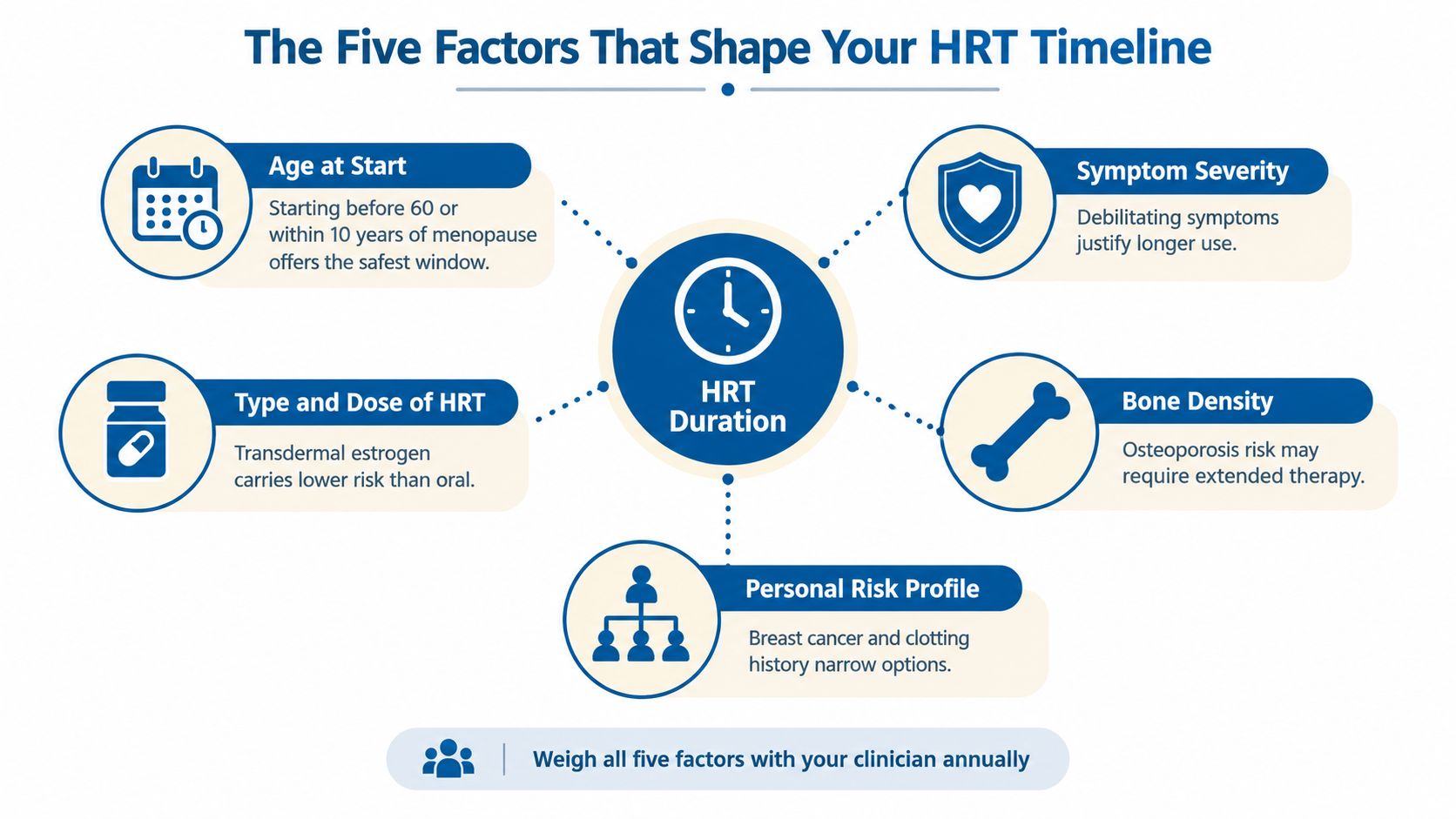
Treatment should match the problem being treated. If symptoms reflect estrogen deficiency and no contraindication exists, hormone replacement therapy may address several symptoms at once rather than forcing you to manage hot flashes, sleep disruption, vaginal discomfort, and mood changes as unrelated problems.
A careful consultation reviews symptom burden, menstrual history, medical conditions, medications, family history, breast and reproductive health, bone health, and personal goals. The clinician then discusses whether systemic estrogen, localized therapy, a combined approach, nonhormonal medication, lifestyle support, or further investigation makes sense. If you have a uterus, the safety plan may require attention to endometrial protection when systemic estrogen is prescribed.
Why individualized oversight matters
Bioidentical hormones are designed to be chemically identical to hormones made by the body, but the word “bioidentical” alone doesn't determine whether a treatment is appropriate or safe. The route, dose, formulation, monitoring plan, medical history, and treatment indication all matter. Hormone optimization with pellets is one treatment approach patients may encounter, and an educational overview of hormone optimization with pellets can help you prepare questions for a clinician.
Pause Medical provides hormone replacement therapy consultations and personalized treatment planning for patients in Mississippi. Its providers also address related concerns such as medically supervised weight management, chronic disease care, and medication management, which can be useful when fatigue, weight changes, thyroid symptoms, or metabolic concerns overlap with menopause complaints.
Don't start estrogen, testosterone therapy, supplements, or compounded products based only on an online symptom checklist. A board-certified medical professional can help separate likely hormone-related symptoms from conditions that need another treatment and can follow your response over time.
If low-estrogen symptoms are affecting your sleep, mood, sexual health, or daily functioning, schedule an in-person evaluation with Pause Medical to review your history and treatment options. Visit Pause Medical to arrange a Mississippi consultation for personalized hormone replacement therapy and ongoing medical guidance.