Metabolic Health Program: What It Is and How It Works
You've probably had the same wake-up call many Mississippi patients describe in clinic, a routine physical that looks “mostly fine” except for a creeping waistline, blood sugar that's inching up, and energy that never fully comes back after lunch. When those changes show up together, they usually aren't separate problems. They're often part of the same pattern, and that's where a metabolic health program can help.
A good program doesn't chase one symptom at a time. It connects weight, glucose, blood pressure, sleep, hormones, and daily habits into one plan so you're not bouncing between different offices for related issues. That matters because metabolic syndrome is now a widespread population-level concern, with global prevalence rising from 11.9% in 2000 to 28.4% in 2023 , and reaching 31.0% in women and 25.7% in men in 2023 in one large analysis, while another pooled estimate put global prevalence at 32% ( Nature analysis).
What a Metabolic Health Program Actually Is
A patient might come in after a yearly exam in Jackson, see a higher glucose number than last year, notice the belt is tighter, and wonder if they just need to “try harder.” That's usually the wrong frame. The better question is whether the body is drifting toward insulin resistance, visceral fat gain, poor sleep, hormonal change, or all of the above at once.
A metabolic health program is a structured, clinician-supervised plan that looks for those drivers together. It is not a crash diet, a fitness challenge, or a supplement stack. It uses labs, body measurements, nutrition changes, movement, behavior support, and, when needed, medication or hormone treatment so care is coordinated instead of fragmented. For readers who want a simple starting point, this overview from Pause Medical's metabolic health resource fits that idea well.
What makes it different from one-off advice
The important shift is from treating symptoms separately to treating the system. A person can have fatigue, stubborn weight gain, elevated blood sugar, and low libido, and each issue can nudge the others. If the plan only targets pounds on the scale, it misses the reason the scale is moving in the first place.
That's why the most useful programs start with a baseline and then make targeted changes. The Diabetes Prevention Program showed that a structured lifestyle approach can reduce diabetes incidence far more than vague advice, with the intensive lifestyle arm lowering incidence by 58% versus placebo in the original trial, and still showing benefit years later ( DPP trial report). The lesson is simple. Structure works better than guesswork.
Practical rule: If your plan doesn't include labs, follow-up, and a way to adjust the approach, it's not really a metabolic program. It's just a list of hopes.
For Mississippi patients who want one care team instead of separate referrals, the appeal is obvious. One clinician can connect the dots between weight, hormones, cardiometabolic risk, and lifestyle so changes happen in the right order.
The Core Components of a Metabolic Health Program
A strong program usually starts with a full intake, not a prescription. That intake should review medical history, family risk, medications, waist circumference, body composition, and baseline labs. For many patients, that means checking fasting glucose, A1c, lipids, liver enzymes, thyroid function, and sex hormones so the clinician can see whether the problem is glucose handling, fat distribution, hormonal decline, or a mix of factors.
The first pass is assessment, not treatment
The assessment stage matters because the same symptom can come from different causes. Fatigue might reflect sleep loss, anemia, thyroid problems, blood sugar swings, low testosterone, menopause, or stress. A good clinician doesn't guess, they narrow the cause and then decide which lever to pull first.
From there, nutrition is customized. That usually means a plan built around protein adequacy, fiber, and steadier glucose control rather than a one-size-fits-all calorie target. Movement comes next, with resistance work to preserve lean tissue and aerobic work to improve cardiometabolic fitness. Behavior support closes the gap between knowing what to do and doing it.
Useful benchmark: Programs that keep patients moving, eating with more structure, and checking in regularly tend to create better momentum than plans that rely on motivation alone.
The medical layer enters when lifestyle alone isn't enough or when the clinical picture calls for added support. That can include anti-obesity medication, hormone therapy, or other metabolic medications, with scheduled follow-ups and repeat labs to see whether the plan is working. For a look at how testing fits into this process, Pause Medical's metabolic health testing guide is a practical companion.
The same framework can also be helpful for clinic operations. A workflow tool like Recepta.ai medical wellness solution shows how patient intake, follow-up, and care coordination can be organized in a medical wellness setting, which is especially relevant when metabolic care spans multiple concerns.
Biomarkers and Goals That Define Success
Success in a metabolic program should be measured with more than body weight. The usual clinical screen for metabolic syndrome looks at five markers, and a person is generally diagnosed when at least three are abnormal. Those markers are waist circumference, triglycerides, HDL cholesterol, blood pressure, and fasting glucose ( Cleveland Clinic overview). The NHLBI also uses sex-specific HDL cutoffs, with low HDL defined as less than 50 mg/dL for women and less than 40 mg/dL for men ( NHLBI diagnosis guide).
What to watch, and why it matters
Waist size often changes before the scale does, and that's useful. It can show whether visceral fat is moving in the right direction even when water shifts or muscle changes blur the picture on the scale. For that reason, a program should treat waist circumference as a meaningful marker, not an afterthought.
The table below gives a plain-language way to compare the clinical threshold with the target a program is aiming for. The exact target can vary by person, but the idea is the same. You're not trying to “win” a number. You're trying to improve risk.
| Biomarker | Metabolic Syndrome Threshold | Program Target |
|---|---|---|
| Waist circumference | Over 40 inches in men, over 35 inches in women | Downward trend over time |
| Triglycerides | 150 mg/dL or higher | Lower than the syndrome threshold |
| HDL cholesterol | Below 40 mg/dL in men, below 50 mg/dL in women | Higher than the syndrome threshold |
| Blood pressure | 130/85 mm Hg or higher | Below the syndrome threshold |
| Fasting glucose | 100 mg/dL or higher | Below the syndrome threshold |
Clinical point: The best marker is the one you'll actually recheck. Good care uses the numbers to guide decisions, not to hand out praise or blame.
The International Diabetes Federation describes metabolic syndrome as a cluster of major risk factors for cardiovascular disease and type 2 diabetes, including abdominal obesity, high cholesterol, high blood pressure, and diabetes if not yet present ( IDF definition). That framing is useful because it reminds patients that the goal isn't only weight loss, it's lowering downstream risk.
For more specific testing questions, Pause Medical's insulin resistance guide can help patients understand what the labs are for and how they're interpreted.
Nutrition, Exercise, and Behavior Change Targets
The daily habits matter because they're the part of the program that changes biology between visits. A Mediterranean-style or lower-carbohydrate pattern usually works well when it's built around enough protein, plenty of vegetables, and fewer ultra-processed foods. The point is steadier blood sugar and better satiety, not starving yourself.
The habit stack that usually works
Most patients do better when nutrition is individualized instead of handed a rigid calorie number. Some people need a firmer structure early on. Others do better with simpler rules, like building each meal around protein, non-starchy vegetables, and a slower carb source. That approach is more sustainable than swinging between restriction and rebound eating.
Exercise should do two things at once, protect muscle and improve glucose handling. A common target is 150 minutes of moderate aerobic activity each week , plus two resistance-training sessions to preserve lean mass while weight is coming off ( NCBI clinical reference). Simple daily movement still matters, especially walking after meals, which is one of the easiest ways to lower post-meal glucose swings.
Behavior work sits underneath both nutrition and exercise. Sleep, stress, alcohol intake, and routine tracking all affect consistency. If you need practical food ideas that fit a lower-carb style, Recipe One's plant-based low carb meal ideas can be a useful source of inspiration for meals that are simple enough to repeat.
| Timepoint | Nutrition & Weight | Exercise & Fitness | Biomarker & Lifestyle Wins |
|---|---|---|---|
| 3 months | Meals feel more structured, early weight change may be modest | Walking becomes routine, strength work starts to feel familiar | Energy is steadier, glucose readings start to settle |
| 6 months | Clothing fit changes, eating pattern feels more automatic | Better stamina, stronger resistance sessions | Blood pressure often improves, habits feel less forced |
| 12 months | Weight pattern is more stable, maintenance skills improve | Fitness becomes part of normal life | Biomarkers and daily routines are easier to sustain |
A 2024 systematic review found that losing less than 5% of body weight improved health markers in 60% of studies , covering 87% of participants where data were reported ( systematic review). That's one reason I tell patients not to wait for dramatic weight loss before checking progress.
How Medical Weight Loss and HRT Fit In
Lifestyle is the foundation, but medical treatment belongs in the plan when the biology calls for it. GLP-1 medications can be appropriate for patients with a BMI of 27 or higher with a weight-related comorbidity , or 30 and above without one , especially when diet and exercise alone have stalled. In a phase 3 trial of oral orforglipron, the highest-dose group lost an average of 27.3 pounds , or 12.4% of body weight , at 72 weeks , and 59.6% lost at least 10% of body weight ( trial release).
When medication helps, and what still matters
Medication works best when it sits on top of habits, not in place of them. Patients still need protein, resistance training, and follow-up because weight loss can include lean mass if the plan is too loose. Gastrointestinal side effects are common enough that they should be discussed early, along with dosing changes and how the body will be monitored over time.
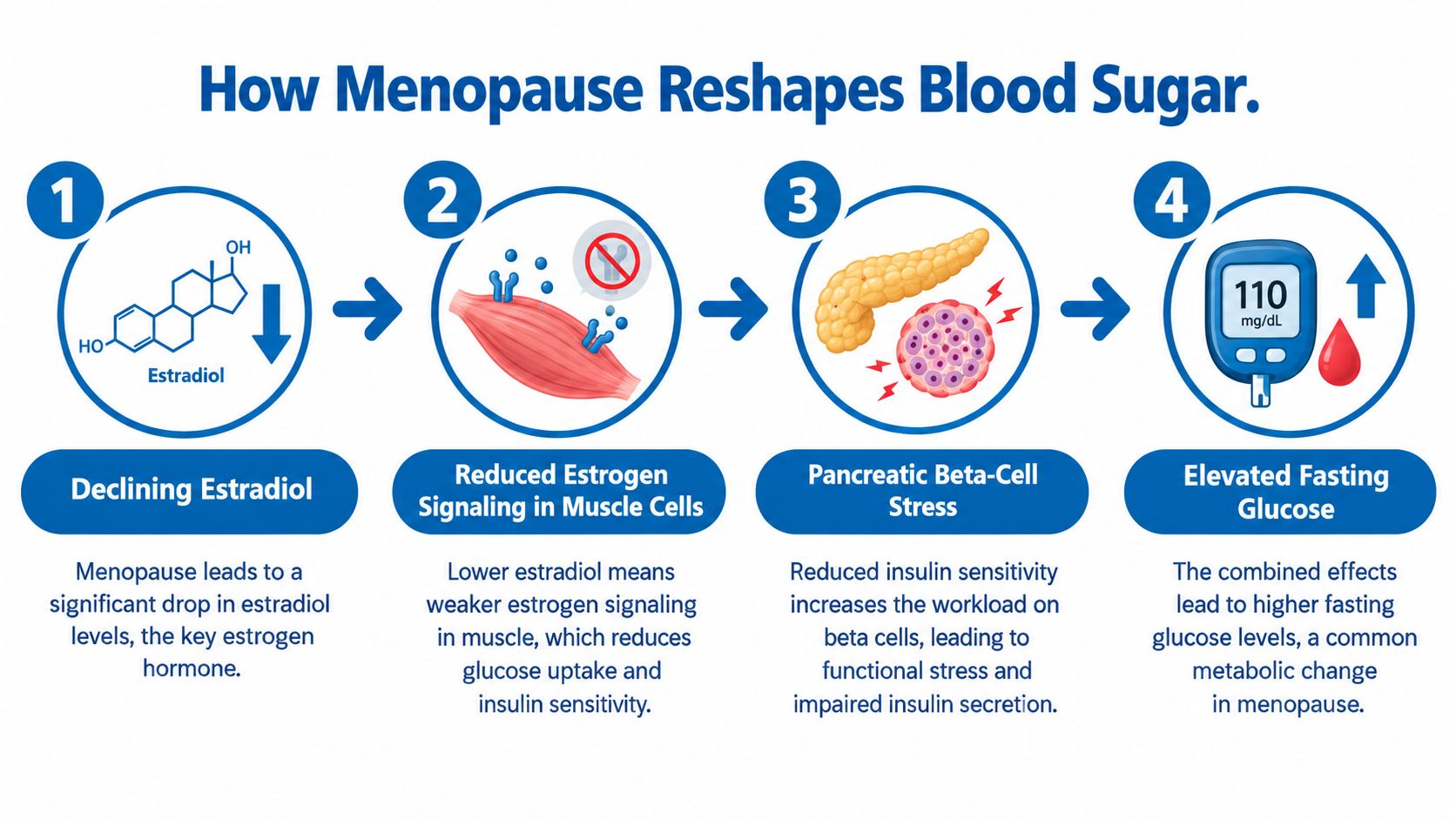
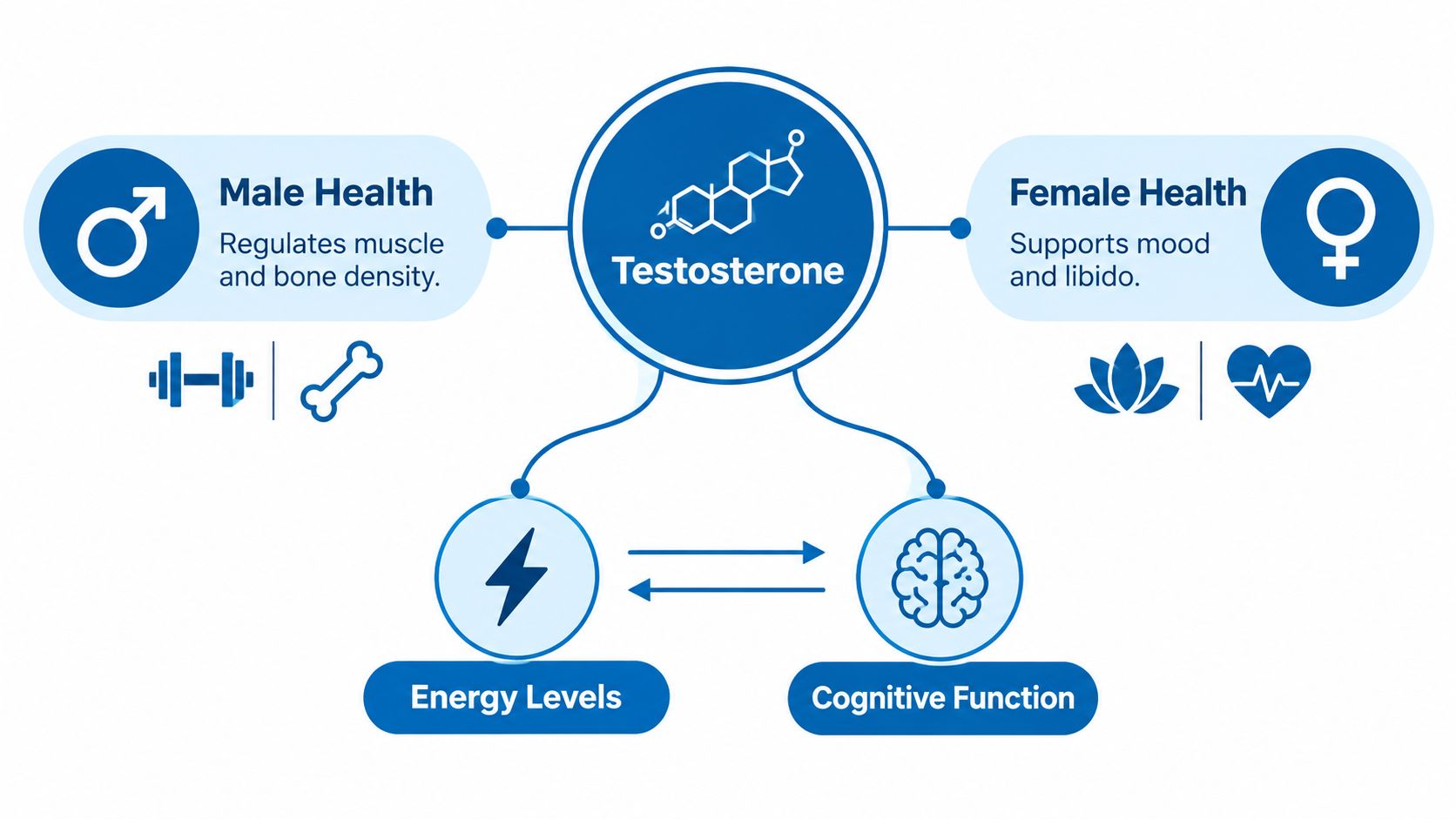
Hormone treatment fits when the metabolic picture is being driven by androgen decline in men or menopausal hormone change in women. For men, that means symptoms such as fatigue, low libido, and visceral weight gain alongside documented low testosterone. For women, perimenopause and postmenopause can bring hot flashes, sleep disruption, and weight changes that make metabolic control harder.
The program usually works best when one clinician coordinates the whole picture. That means labs, prescriptions, nutrition coaching, and follow-up all point in the same direction instead of competing with each other. A medically supervised weight loss plan can be reviewed through Pause Medical's supervised weight loss page, especially when weight and hormones need to be managed together.
Typical Patient Journeys Through the Program
No two patients move through a metabolic program in the same way, and that's the point. A 52-year-old man with creeping waistline gain, borderline hypertension, and low testosterone needs a different plan than a perimenopausal woman with hot flashes and insomnia. The framework stays the same, but the emphasis changes.
Three common paths
Marcus is a good example of the male pattern. He comes in with a BMI of 33, prediabetes, and low testosterone. His plan combines testosterone replacement therapy, a GLP-1 medication, resistance training, and a Mediterranean eating pattern. Over time, he's usually looking for more than scale change, he wants better energy, better blood sugar, and less central fat.
Linda's path is different. She's in perimenopause, still exercising, but the hot flashes and sleep disruption are making weight gain feel unfair and confusing. Her plan may lean more on bioidentical hormone therapy, sleep-focused behavior work, and nutrition adjustments that are modest but sustainable. Strength work becomes important because menopause can accelerate muscle loss if it isn't addressed.
James, by contrast, is a slower-build case. He has full metabolic syndrome and a strong family history of type 2 diabetes, so his program may start with metformin, structured nutrition therapy, and gradual aerobic progression rather than immediate GLP-1 treatment. The pace is different, but the logic is the same. Assess, intervene, reassess.
Each journey shows the same pattern. The best plan isn't the most aggressive one, it's the one the patient can follow long enough to change labs, symptoms, and daily life.
Measuring Progress Beyond the Scale
The scale is useful, but it's not the full story. A person can lose inches, improve glucose handling, and feel better long before the bathroom scale moves much. That's why follow-up should include fasting insulin trends, HbA1c, lipid patterns, blood pressure averages, and inflammation markers when they're part of the workup.
What improvement feels like in real life
If fasting insulin starts improving, patients often notice fewer energy crashes and less urgency around meals. If glucose control gets better, they may feel fewer afternoon dips and steadier concentration. If body composition improves, the waistband loosens even when the scale stalls.
The 2025 obesity guideline from the VA emphasizes that there isn't enough evidence to recommend one adiposity measure over another for clinical outcomes, while still supporting comprehensive lifestyle intervention and reassessment ( VA guideline PDF). That's a polite way of saying the number on the scale can't be the only scorecard.
A practical reassessment cadence is straightforward. If progress stalls for more than several weeks, if fasting glucose rises, or if medication side effects appear, the plan should be reviewed and adjusted. That keeps the patient from drifting into a stale routine that looks active but isn't changing biology.
| Marker | Target Range | What Improvement Looks Like |
|---|---|---|
| Fasting insulin | Trending down | Fewer crashes, less constant hunger |
| HbA1c | Improving toward normal | Better glucose stability over time |
| Blood pressure | Averaging lower | Less strain, better clinical risk profile |
| Lipids | Moving in the right direction | Healthier cardiometabolic pattern |
| Waist circumference | Decreasing | Clothes fit better, central fat is receding |
Bottom line: If your energy, sleep, and labs are improving, you're moving in the right direction even when the scale pauses.
Getting Started and Frequently Asked Questions
Starting is usually simpler than people expect. The first step is baseline labs and measurements, then a consult where symptoms, medications, sleep, eating habits, and weight history are reviewed together. From there, the first two weeks are usually about setup, not perfection.
A practical launch checklist
- Lab orders: Fasting glucose, A1c, lipids, liver enzymes, thyroid studies, and sex hormones when indicated.
- Baseline measurements: Weight, waist circumference, blood pressure, and symptom review.
- First consult agenda: Main concerns, past efforts, medication history, and goals.
- 14-day onboarding timeline: Get the plan started, make the first nutrition changes, and begin tracking the habits that matter.
Common questions come up quickly. Who qualifies? Adults with weight gain, metabolic risk, prediabetes, hormonal symptoms, or trouble losing weight often do. Does insurance cover everything? Sometimes labs or medications are covered, but many wellness visits and some treatments are self-pay. How often are visits? Many programs use regular check-ins early, then space them out as things stabilize.
What should you bring to the first appointment? A current medication list, any recent labs, and a clear picture of what's been bothering you most. How long before results show? Some people notice better energy and fewer crashes early, while lab changes and body composition shifts take longer. That's normal.
For a smart question list to bring with you, Pause Medical's consultation guide is worth reading before you schedule. A metabolic health program isn't a crash diet. It's the infrastructure that helps you manage energy, weight, hormones, and aging with one coordinated plan.
If you're in Mississippi and you're tired of treating weight, hormones, and blood sugar as separate problems, Pause Medical can help connect them into one plan. Visit Pause Medical to explore clinician-guided metabolic care, medically supervised weight loss, and hormone treatment with a single coordinated approach.