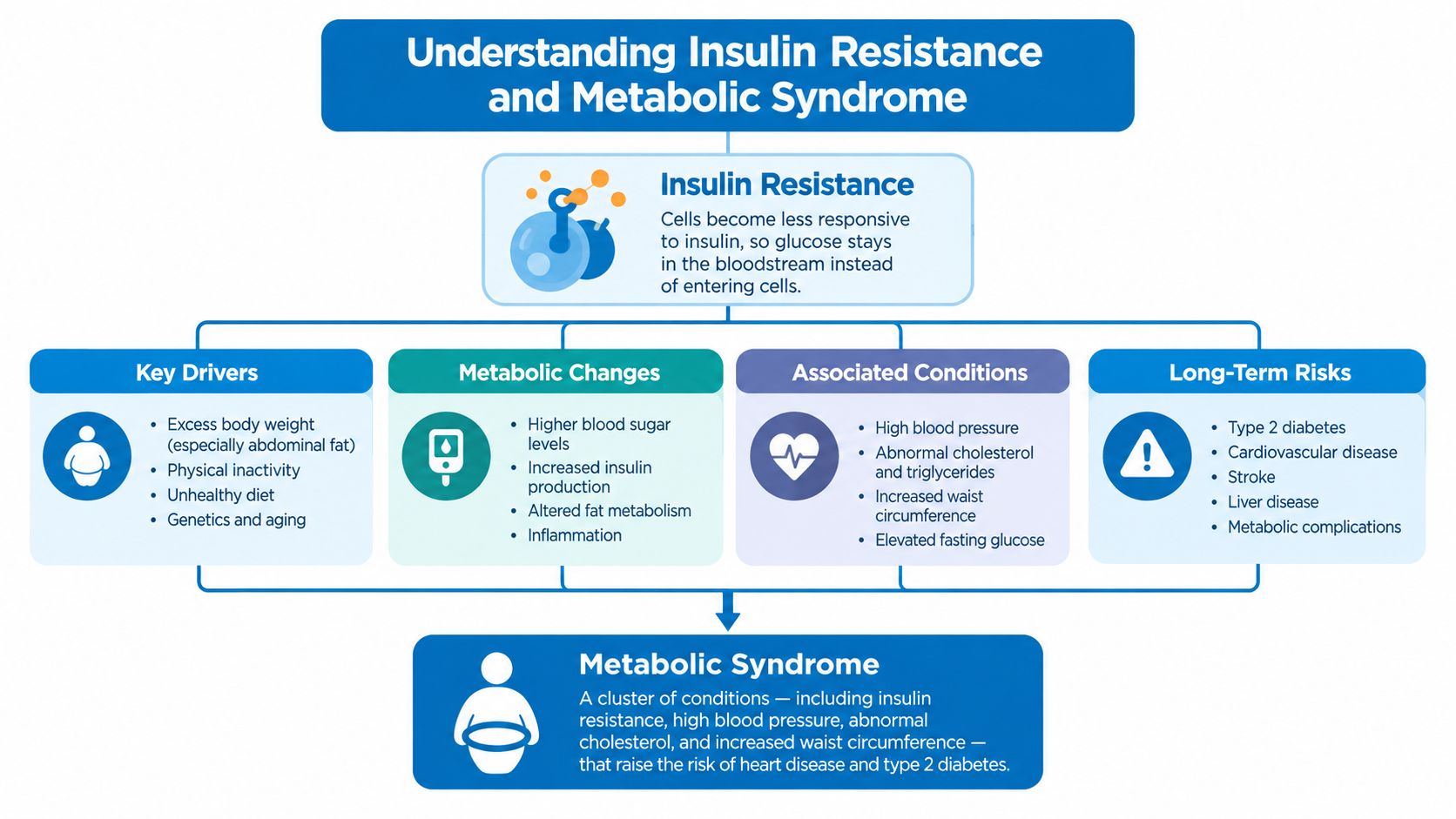
What Is Testosterone Therapy: A Complete Guide
Testosterone therapy is a medical treatment that supplements the body's natural testosterone levels to alleviate symptoms associated with deficiency, such as fatigue, low libido, and mood changes. In recent U.S. prescribing data, the number of people receiving testosterone annually rose from 1,216,982 to 1,656,641 in 2022 , a 27% increase .
You may be searching this after months of feeling unlike yourself. You sleep, but wake up tired. Your concentration feels unreliable, your interest in sex has changed, or your mood seems flatter than usual. Those symptoms can have many causes, so an internet quiz or a single lab result can't tell you whether testosterone therapy is appropriate. A careful evaluation can.
Understanding Testosterone and Hormonal Imbalance
A patient might describe the problem this way: “I'm exhausted, foggy, and less motivated, but my routine hasn't changed.” That experience is real, yet it doesn't automatically prove low testosterone. Sleep disorders, thyroid disease, depression, medication effects, chronic illness, nutritional problems, and menopause-related changes can create similar symptoms.
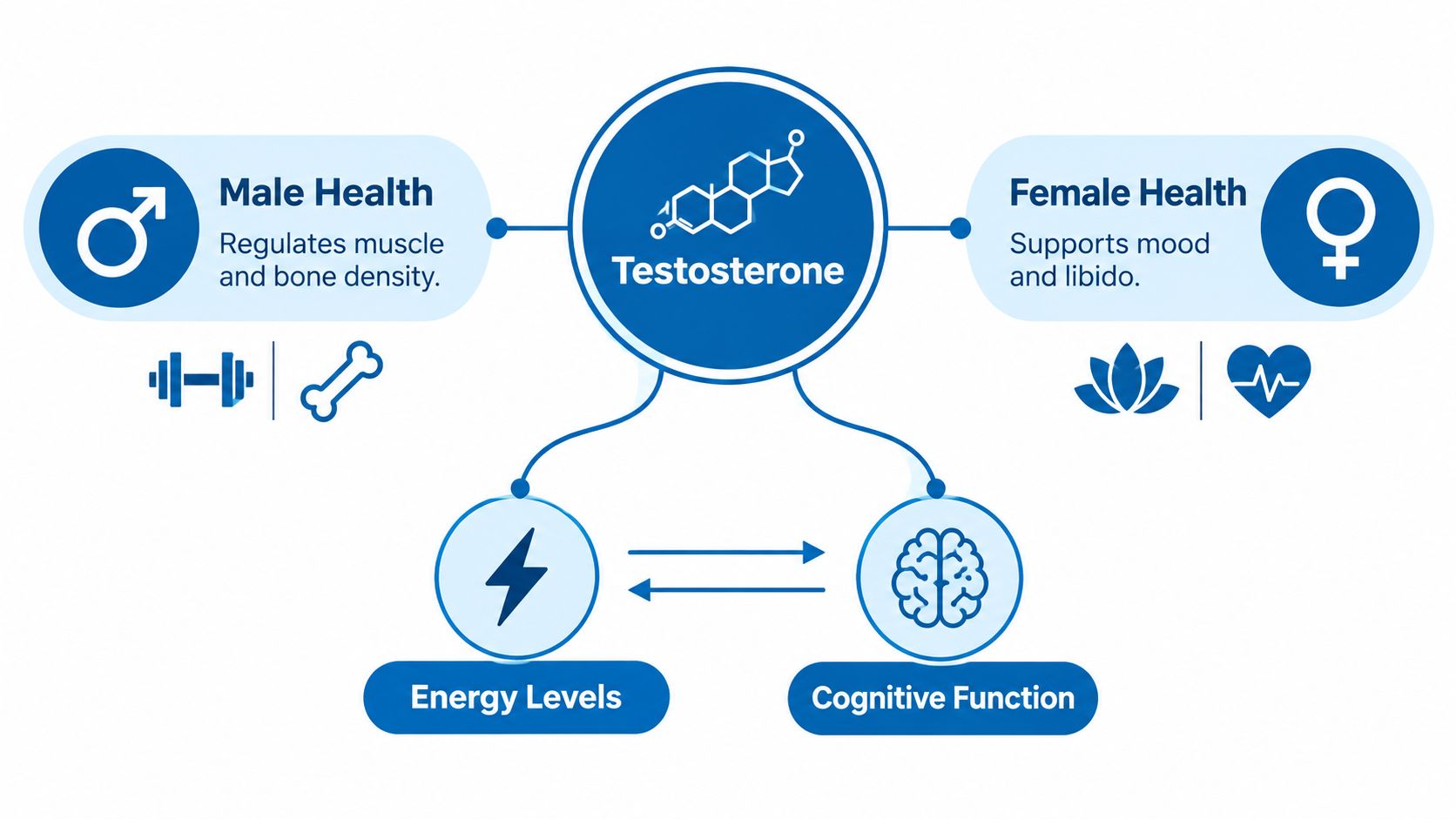
Testosterone is a hormone produced in all bodies , although typical levels and clinical uses differ between men and women. In men, it supports sexual function, muscle and bone health, red blood cell production, and energy. In women, smaller amounts contribute to libido, muscle function, bone maintenance, and a sense of well-being. Hormones also interact, so one abnormal result rarely explains every symptom by itself.
More than a performance hormone
Testosterone therapy is not the same as using anabolic steroids for bodybuilding or athletic performance. Medical treatment aims to address a documented deficiency or a clinically appropriate hormone-related concern under supervision. The intended outcome is physiological balance and improved quality of life , not pushing hormone levels beyond a healthy range.
Men often associate low testosterone with reduced libido, erectile difficulties, fatigue, loss of strength, depressed mood, and difficulty concentrating. Women may notice changes during perimenopause or menopause, although testosterone isn't a universal treatment for every menopause symptom. A broader hormone assessment matters.
For a plain-language overview of symptoms and possible causes, review what low testosterone can look like. The key point is simple: symptoms deserve investigation, but they shouldn't be self-diagnosed from a social-media checklist.
Who Is a Candidate for Testosterone Therapy
You may be wondering whether persistent fatigue, lower desire, or changes in strength point to low testosterone. A candidate usually has compatible symptoms and laboratory evidence of low testosterone , plus a medical history that makes treatment appropriate. Fatigue alone is not enough because sleep problems, medications, stress, chronic illness, and other conditions can produce the same feeling.
A clinician reviews the pattern rather than treating one isolated result. The assessment may include medication use, sleep, weight changes, reproductive goals, chronic conditions, physical findings, and related symptoms. This process helps separate a hormone concern from problems that need a different solution.
For men, testing commonly includes testosterone and, when appropriate, other hormone studies. These results can help clarify whether the issue involves the testes, pituitary gland, medication effects, or another health condition. Testing conditions affect interpretation, so an unexpectedly low result may be repeated before treatment is considered. An online or mail-order number cannot provide that context by itself.
Women need a separate discussion because their expected testosterone levels are naturally lower than men's. A result marked “low” on a general reference range does not automatically mean therapy is indicated. A provider may consider menopause-related changes, sexual concerns, bone health, medications, mood, sleep, and other causes of reduced energy. The HRT suitability guide offers questions to consider before an appointment.
Fertility changes the decision
A man planning to conceive should state that goal before treatment begins. Exogenous testosterone can suppress spermatogenesis , which means it may reduce sperm production. Current clinical guidance advises against prescribing testosterone to men who are actively trying to conceive, so fertility preservation belongs in the first treatment conversation. See testosterone therapy and fertility planning for clinical context.
Women also need individualized planning around pregnancy intentions, menstrual status, contraception, and menopause stage. Pregnancy, fertility treatment, or breastfeeding may change the safest approach.
Practical rule: Tell your clinician what you want your body to do, not only which symptoms you want to stop. Fertility, pregnancy plans, and gender-affirming goals can change the treatment pathway.
Exploring Testosterone Delivery Methods
Testosterone can be delivered through the skin, muscle, or a small implant placed under the skin. The right choice depends on absorption, convenience, dose adjustments, skin sensitivity, needle comfort, insurance or payment considerations, and how closely the treatment must be adjusted.
| Method | Frequency | Key Considerations |
|---|---|---|
| Topical gel | Applied on a regular schedule | Convenient and adjustable, but requires careful application and precautions to prevent transfer to another person |
| Patches | Applied on a regular schedule | Avoids injections, though skin irritation can be a concern |
| Intramuscular injections | Given on a scheduled interval | Can provide a clear dosing routine, but some patients notice symptom fluctuations or dislike needles |
| Subcutaneous pellets | Inserted during an office procedure | Offers longer-lasting delivery, but the dose can't be adjusted as quickly after placement |
Matching treatment to daily life
Topical products may suit someone who prefers a needle-free routine and can apply medication consistently. They also require attention to washing, clothing, and contact with children or partners until the product is safely absorbed. Patches can be another skin-based option, but a person with sensitive skin may find them inconvenient.
Injections may appeal to patients who want a defined treatment appointment or a familiar dosing rhythm. The experience isn't identical for everyone. Some people feel stable, while others discuss timing or dose adjustments with their provider when symptoms change between administrations.
Pellets reduce the need for frequent at-home dosing, but placement is a procedure and the treatment isn't instantly reversible if a patient develops a problem. That tradeoff makes follow-up especially important.
Read about hormone replacement options compared for your needs before choosing a method. A delivery route is only one part of therapy. Dose, laboratory monitoring, symptoms, and safety findings matter just as much.
The Evaluation Process at Pause Medical
A responsible evaluation starts with a conversation, not a prescription. At a Mississippi clinic such as Pause Medical, the process can begin with online scheduling, followed by an in-person visit where a provider reviews your symptoms, health history, goals, and current medications.

What the assessment looks for
Bring a complete medication list, previous hormone results, relevant diagnoses, and a short timeline of your symptoms. The provider may ask about sleep, mood, libido, menstrual or reproductive history, urinary symptoms, exercise, alcohol use, and family history. These questions help separate hormone-related symptoms from problems that need a different treatment.
Laboratory testing can help confirm the hormone picture and identify safety considerations. The clinician may also consider conditions such as thyroid disorders, diabetes, sleep apnea, cardiovascular disease, and blood abnormalities. This integrative approach focuses on root causes rather than treating one symptom in isolation .
For practical preparation, review how testosterone levels are checked. Results need clinical interpretation, and treatment plans should reflect the person, not only the lab report.
The following video offers another patient-oriented explanation of the consultation process:
Board-certified medical oversight and follow-up allow the provider to adjust the plan when symptoms, laboratory results, or health goals change. That matters whether care involves testosterone therapy, broader hormone replacement therapy, medical weight loss, or medication management.
Benefits and Safety Considerations
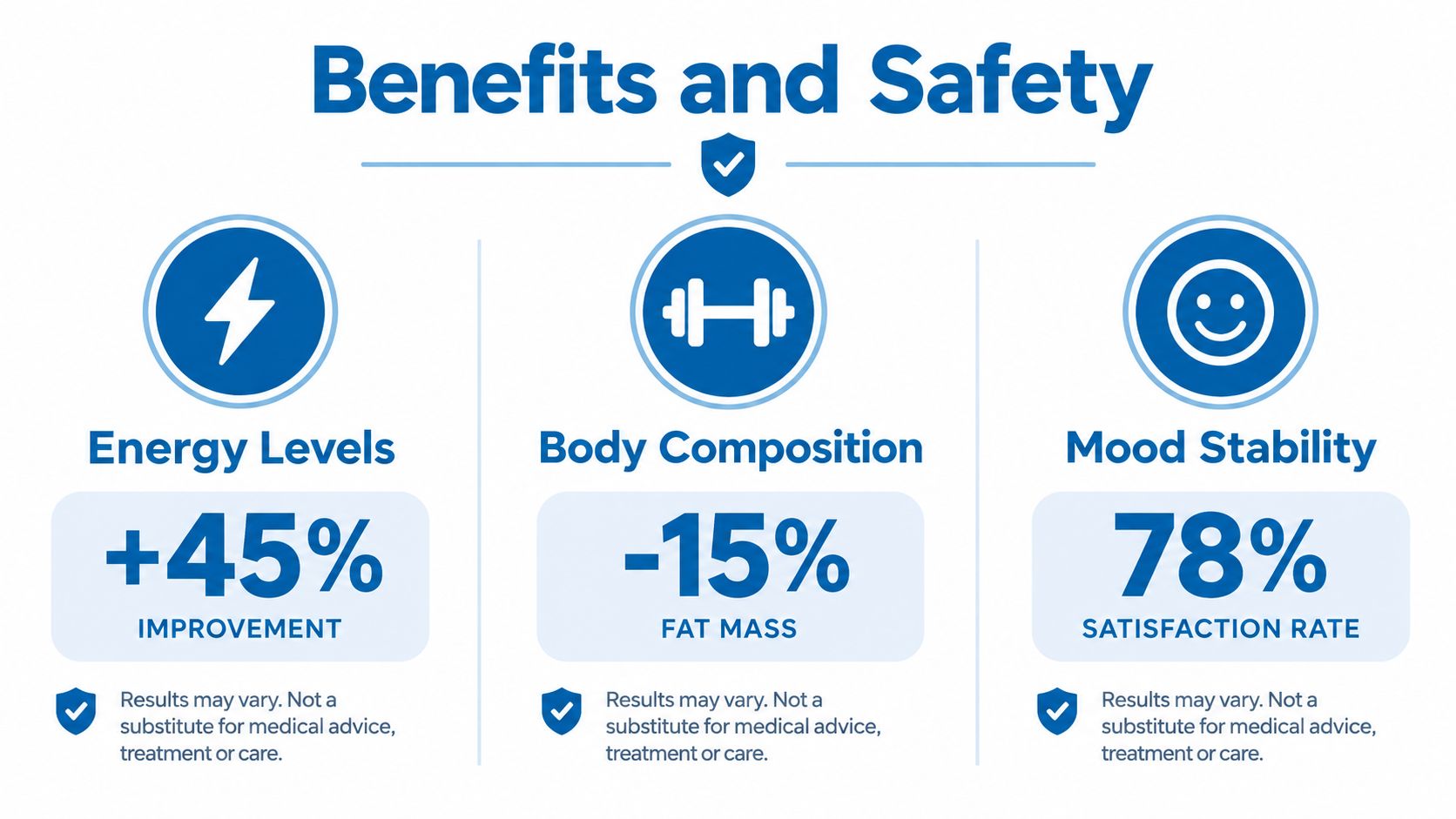
When treatment is appropriate, testosterone therapy may support energy, sexual health, mood, muscle function, and bone health . Results vary, and not every symptom will improve. For example, fatigue caused by untreated sleep apnea or thyroid disease requires attention to that condition rather than testosterone alone. Women may also discuss hormone balancing with a clinician, but treatment still depends on symptoms, health history, goals, and follow-up.
Safety monitoring is part of treatment. Testosterone can increase red blood cell production, making erythrocytosis a recognized concern. During the first 20 months of therapy, one study reported cumulative incidence of 12.6% for hematocrit above 50.4%, 1.0% above 52%, and 0.6% above 54% ( clinical literature on testosterone-associated erythrocytosis). Several guidelines identify a 54% hematocrit threshold for intervention or stopping treatment, as described in this review of testosterone safety monitoring. Review the detailed testosterone therapy risks and patient safety guide for monitoring thresholds and when to contact your provider.
What changed in cardiovascular safety
In 2025 , the U.S. FDA removed the class-wide cardiovascular black-box warning from testosterone labels and added blood-pressure monitoring requirements. The change followed evidence from the TRAVERSE trial, summarized by the FDA, which found no meaningful difference in serious cardiovascular events between men treated with AndroGel and placebo, 7.0% versus 7.3% , respectively. The testosterone replacement therapy market analysis reports commercial forecasts of about USD 2.05 billion in 2025 , USD 2.13 billion in 2026 , and USD 2.57 billion by 2031 , at a projected 3.88% CAGR .
These regulatory changes do not make testosterone risk-free or appropriate for everyone. Modern care pairs current evidence with blood-pressure checks, hematocrit monitoring, symptom review, and decisions made for each patient. Report headaches, shortness of breath, swelling, severe mood changes, or other concerning symptoms promptly.
Addressing Common Myths About HRT
Myth: Testosterone therapy is only for bodybuilders.
Medical testosterone therapy addresses a clinically evaluated deficiency or hormone-related need. The aim is to restore an appropriate range and improve health-related symptoms, not enhance athletic performance. A prescription should follow an assessment, not an internet recommendation.
Myth: Testosterone therapy always causes infertility.
Externally supplied testosterone can suppress sperm production, so it may be a poor choice for a man actively trying to conceive. That effect does not determine every person's long-term reproductive outcome. Discuss fertility plans before treatment begins, as emphasized in recent fertility-focused guidance discussed earlier.
Myth: A low result automatically means I need treatment.
One laboratory result rarely explains the whole situation. Providers consider symptoms, repeat testing when appropriate, other hormones, medication effects, and medical conditions. Treating a number without identifying its cause can leave the underlying problem unaddressed.
Myth: Women should not discuss testosterone.
Women produce testosterone too. Hormone balancing may be part of an individualized menopause or sexual-health discussion, although testosterone is not suitable for every woman. Symptoms, life stage, medical history, goals, and monitoring all shape the decision.
Internet forums often flatten these distinctions into simple rules. Medical oversight keeps treatment connected to your health, rather than someone else's dose, delivery method, or experience. That matters as testosterone therapy continues to evolve for men with low T and women considering carefully selected hormone support.
Preparing for Your Consultation
Write down your symptoms before the appointment, including when they began, whether they fluctuate, and how they affect sleep, work, relationships, exercise, or sexual health. Bring medication and supplement lists, previous laboratory reports, major diagnoses, and information about reproductive goals.
Use the visit to ask direct questions:
- Diagnosis: What findings support low testosterone or another hormone problem?
- Alternatives: Could sleep, thyroid disease, medication, mood, or another condition explain these symptoms?
- Treatment choice: Why is this delivery method appropriate for my health and routine?
- Monitoring: Which laboratory tests and vital signs will you track, and when?
- Fertility: Could treatment affect sperm production, menstrual function, pregnancy plans, or future fertility?
- Expectations: Which symptoms might improve, and what would indicate that the plan needs adjustment?
- Safety: Which symptoms require a call to the clinic or urgent medical attention?
Don't start testosterone purchased online or use another person's medication. Products, concentrations, and monitoring requirements differ, and a treatment that seems reasonable in a forum may be unsafe with your medical history. This article is for education only and doesn't replace an examination, laboratory evaluation, diagnosis, or individualized medical advice.
Pause Medical provides hormone replacement therapy, testosterone therapy, medically supervised weight loss, and disease management through personalized provider evaluations in Mississippi. Visit Pause Medical to schedule a consultation and discuss your symptoms, treatment options, monitoring needs, and long-term health goals with a qualified care team.