How to Get Your Testosterone Level Checked: A Complete Guide

Deciding to get your testosterone level checked is a pivotal first step toward understanding your health and reclaiming your well-being. The process begins with a simple blood test, which is most accurate when performed in the morning. A board-certified provider can order this test for you after a consultation where you discuss your symptoms, whether it's persistent fatigue, low libido, unexplained weight gain, or other concerns. Taking this proactive step is key to uncovering the root cause of why you're not feeling like yourself and finding a path back to vitality.
Recognizing the Signs: When to Get a Testosterone Test

If you're constantly battling exhaustion, struggling with frustrating mood swings, or noticing a significant dip in your sex drive, it's easy to dismiss it as just "part of getting older." However, these are often classic signals from your body that a hormone imbalance, such as low testosterone, could be at play. Acknowledging these signs is the first real step toward taking control and getting your health back on track.
The conversation around hormonal health is growing, and for good reason. It’s not just a concern for men experiencing andropause—women also require balanced testosterone for optimal energy, mood regulation, muscle health, and libido, especially during perimenopause and menopause. The global market for testosterone replacement therapy is projected to reach $2.2 billion by 2027, highlighting the increasing recognition of this issue. In fact, testing among men in one large U.S. veteran population surged by 83% over a decade, showing that more people are seeking definitive answers for their symptoms.
Common Symptoms That May Signal Low Testosterone
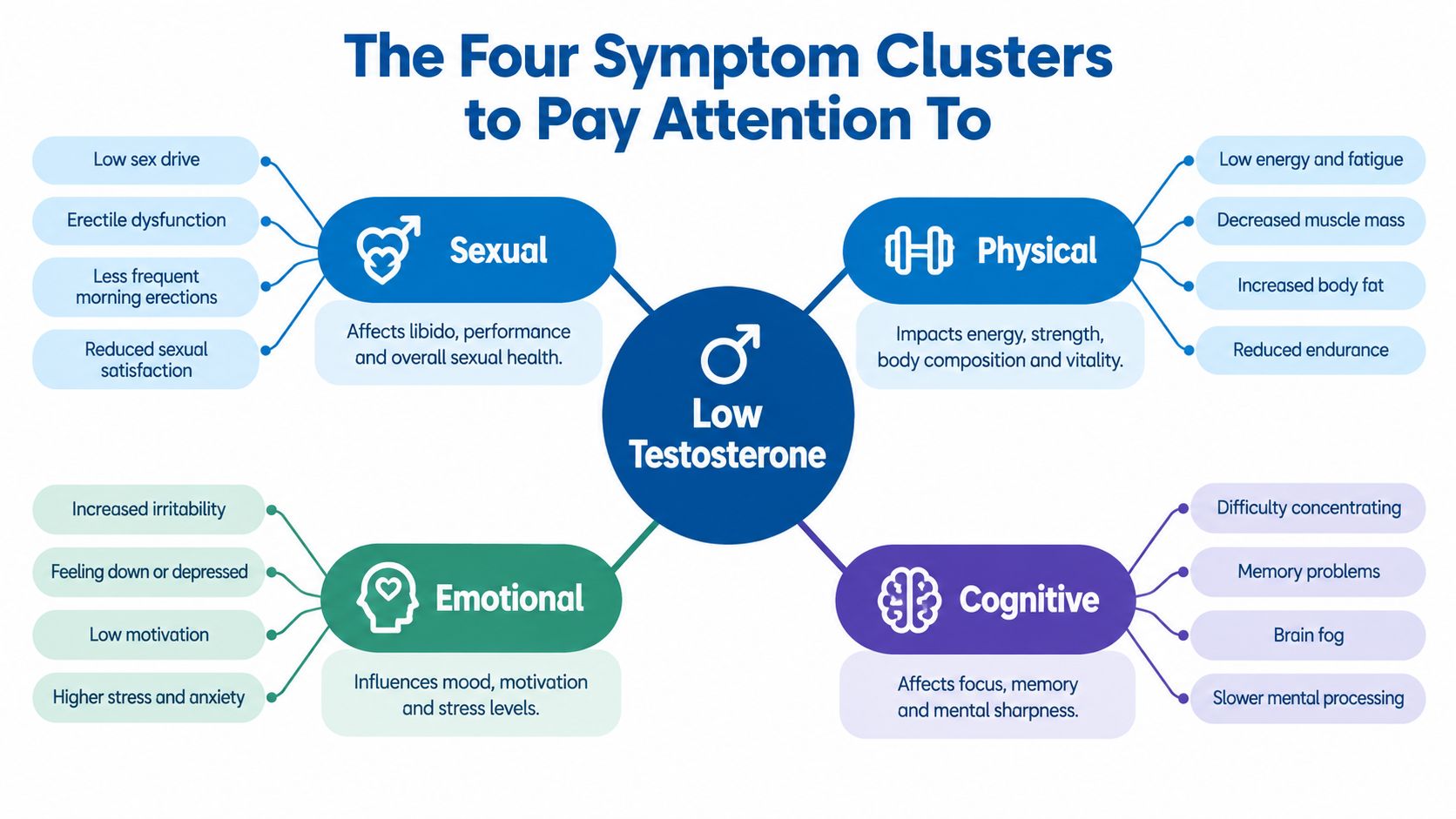
It's helpful to see the common symptoms laid out, as they often appear together. This quick-reference table can help you connect the dots between how you're feeling and a potential underlying hormonal issue.
| Symptom Category | Common Signs to Watch For |
|---|---|
| Physical | Unexplained fatigue, decreased muscle mass, increased body fat (especially around the abdomen), reduced bone density, hair loss, sleep disturbances. |
| Sexual | Low libido (sex drive), difficulty achieving or maintaining erections (erectile dysfunction), reduced sexual satisfaction. |
| Mental & Emotional | Mood swings, irritability, difficulty concentrating ("brain fog"), feelings of depression or apathy, lack of motivation or drive. |
If several of these signs feel familiar, it's a strong indicator that a consultation with a healthcare provider who specializes in hormone health is a crucial next move.
Validating Your Concerns and Seeking Expert Guidance
Feeling "off" without knowing why is an incredibly frustrating and isolating experience. Your symptoms are real, and they warrant a closer look from a medical professional who understands the complexities of the endocrine system. A simple blood test provides the objective data needed to see if your symptoms are connected to what’s happening with your hormones.
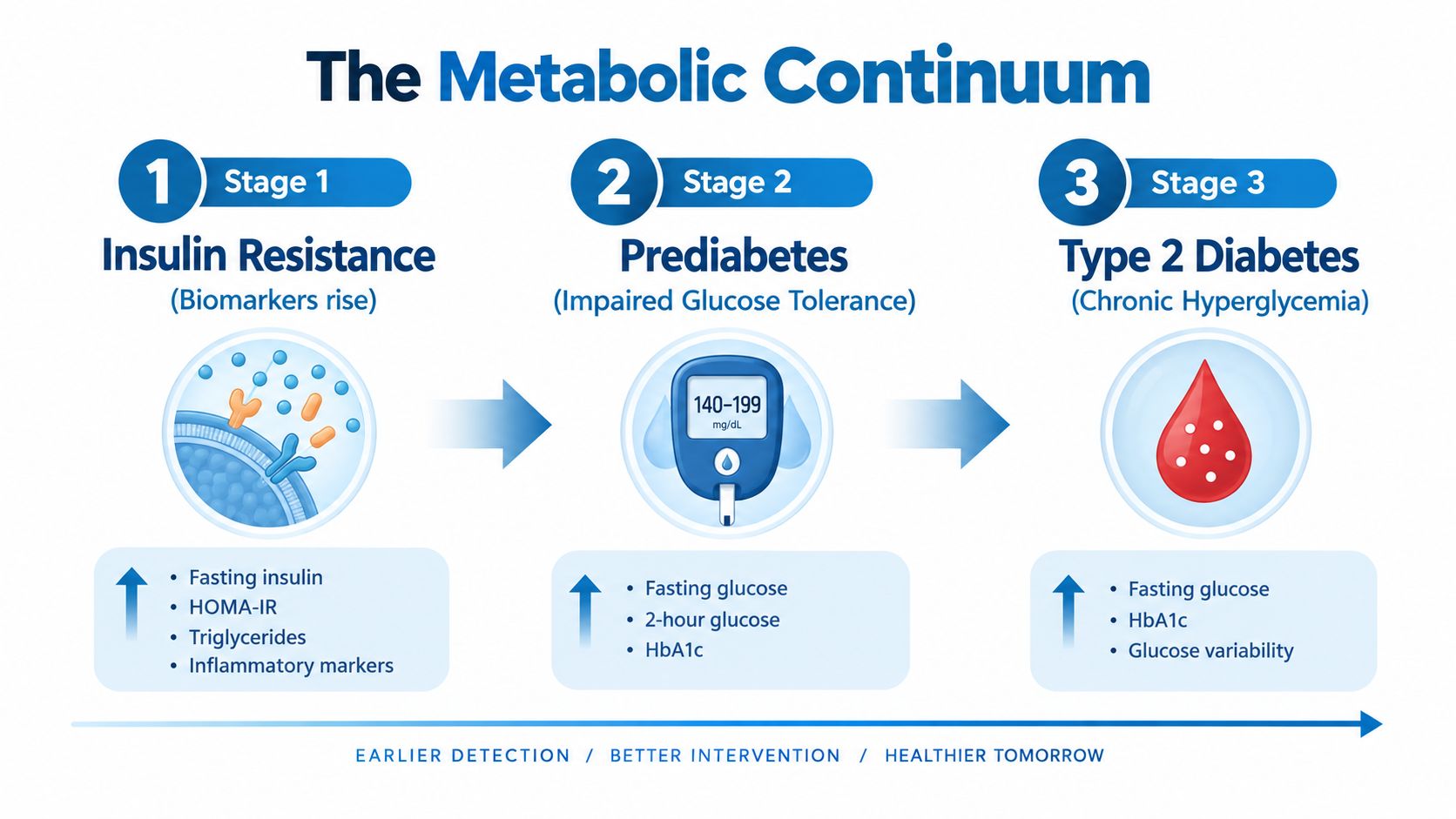
At Pause Medical, we look at the whole picture—you're not just a symptom list or a number on a lab report. Our board-certified medical providers take an integrative, evidence-based approach to find the root cause of your issues. Sometimes, this means looking at how your overall metabolic health and blood sugar levels or thyroid function might be affecting your hormones. Our process begins with listening empathetically to your struggles and goals.
Your journey toward feeling revitalized begins with understanding. By getting your testosterone level checked, you are taking control of your health and opening the door to real, effective, and personalized solutions.
Our mission is to empower you with the right information and a clear path toward feeling like yourself again. We provide comprehensive consultations and create personalized treatment plans aimed at restoring balance and promoting lasting wellness.
Ready to take the first step? Schedule a consultation with our expert team today.
What Testosterone Tests Actually Tell You
Getting your lab report back shouldn't feel like you're trying to crack a secret code. When you’re learning how to get your testosterone checked, it's crucial to understand that not all tests are created equal. A comprehensive panel will always give you a much clearer picture of your hormonal health than a single number ever could.
The most reliable and accurate way to get tested is a simple blood draw performed at a certified lab. While you might see at-home saliva or finger-prick kits advertised, these methods can be far less accurate and often miss key pieces of the puzzle that a proper blood test provides. For a diagnosis you can trust, you need the medical oversight you get from a qualified clinic like Pause Medical.
Total Testosterone: The Big Picture
Think of Total Testosterone as the grand total of all the testosterone in your bloodstream. This single number includes every bit of it—both the hormone that's actively working for you and the portion that's tightly bound to proteins and held in reserve.
This measurement offers a general snapshot and a starting point, but it definitely doesn't tell the whole story. It's entirely possible to have a "normal" total testosterone level but still experience all the classic symptoms of low T. This often happens when not enough of that testosterone is actually available for your body to use.
Free and Bioavailable Testosterone: What Really Matters
This is where more specific, detailed tests become essential for an accurate diagnosis. Free Testosterone is the active, unbound hormone that’s ready for your cells to put to work right now. It is the form of testosterone directly responsible for your energy, libido, and muscle function.
Only about 2-3% of your total testosterone is "free." But this tiny fraction has a huge impact on how you feel. Measuring it is absolutely critical for an accurate diagnosis and for creating an effective treatment plan.
Bioavailable Testosterone is another key marker. It includes your free testosterone plus any testosterone that's loosely attached to a protein called albumin. This albumin-bound testosterone can easily break away and become active whenever your body needs it.
Looking at your free and bioavailable levels together shows us exactly how much testosterone your body can actually put to work. A proper evaluation from a knowledgeable, board-certified provider will always analyze all these markers to get to the bottom of what's truly going on.
If you're interested in learning more about how hormones impact your overall well-being, explore our other educational articles, such as our guide on how hormone imbalances can affect sleep.
Here at Pause Medical, our providers don't just glance at one number on a lab report. We analyze your complete hormonal panel alongside your specific symptoms, medical history, and wellness goals. This integrative approach ensures we’re treating you, not just a number, helping you feel your best based on the full story your body is telling.
Getting Your Testosterone Levels Checked: What to Expect
Figuring out how to get your testosterone checked shouldn't be a source of stress. When you understand the steps, the process feels less like a medical chore and more like an empowering move toward taking control of your health. It all boils down to a few key stages, starting with a professional consultation.
First, you’ll schedule a consultation with a provider. At Pause Medical, this is your opportunity to connect with a board-certified medical expert who will listen with empathy. We'll conduct a thorough review of your symptoms, discuss your health goals, and develop a diagnostic plan that makes sense for you.
Prepping for Your Blood Test
To get a truly accurate reading on your testosterone, a little preparation goes a long way. Timing is everything, and a few small adjustments can make a significant difference in the quality of your results. After your initial consultation, your provider will order the necessary blood work—this is the gold standard for reliably measuring hormone levels.
Here are a few pointers to ensure your results are spot-on:
- Book an early-morning slot. Your testosterone is at its peak first thing in the day, so aim to have your blood drawn between 7 a.m. and 10 a.m. for the most accurate baseline.
- Fast before you go. You will likely need to avoid food and beverages other than water for at least 8-12 hours prior to your appointment. This helps prevent recent meals from skewing the numbers.
- Stay consistent. If a follow-up test is needed, try to schedule it for the same time of day as your first one. Consistency is crucial for accurate comparison and monitoring.
According to the Endocrine Society's clinical practice guidelines, a diagnosis of low testosterone in men is often confirmed when levels fall below 300 ng/dL on at least two separate morning tests, especially when accompanied by symptoms like low libido or persistent fatigue. Following these preparation steps helps ensure we’re looking at your true, uninfluenced baseline.
This flowchart illustrates the different types of testosterone the lab will measure. It’s not just about the total number; it’s about how much is actually usable by your body.
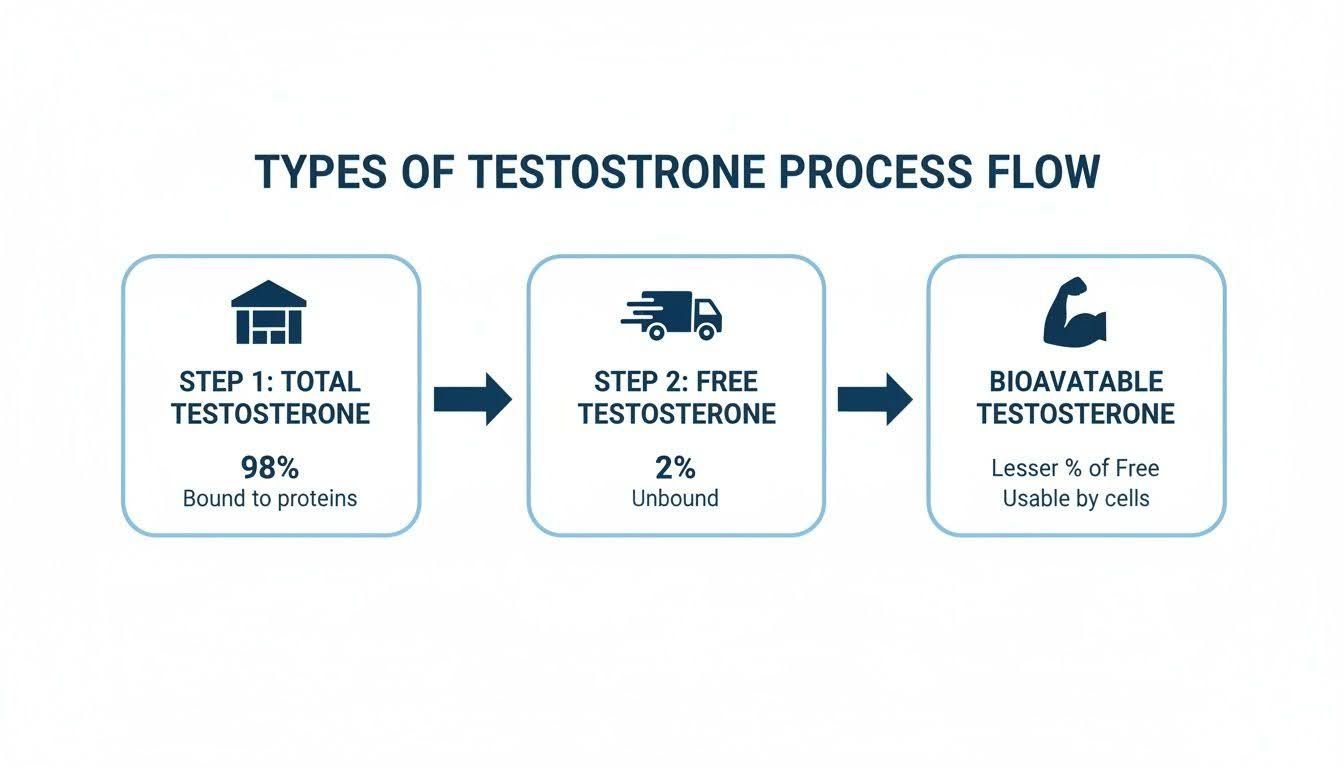
As you can see, a comprehensive panel that looks at Free and Bioavailable testosterone provides a much clearer and more clinically relevant picture than a Total Testosterone reading alone.
The Day of the Lab Visit
When your appointment day arrives, the blood draw itself is quick and simple. You’ll head to a certified lab where a phlebotomist—a professional trained in drawing blood—will take a small sample from a vein in your arm. The entire process typically takes less than five minutes.
We want you to feel comfortable and confident through every step. That's why we partner with trusted, professional labs to ensure your experience is as smooth and easy as possible.
If you need help locating a lab, there are excellent online resources that can help you find testing facilities nearby.
Once your sample has been analyzed, the results are sent directly to your provider at Pause Medical. We will then contact you to schedule a follow-up appointment to walk you through what it all means for your health.
How to Interpret Your Testosterone Test Results
So, you've got your lab report. Seeing a page full of numbers and medical terms can feel a bit overwhelming, but this is the moment you start to connect the dots between how you've been feeling and what’s happening inside your body. Let's walk through how to make sense of your testosterone results with your provider.
On the report, you'll find your testosterone level listed next to a "normal range." Think of this as a statistical average for a broad population. The issue? That range can vary significantly from one lab to another, and it’s heavily influenced by one major factor: your age.
"Normal" Isn't Always "Optimal"
Here's the most important concept to grasp: having a "normal" testosterone level doesn't automatically mean it's the optimal level for you. This is a core principle of our integrative medicine philosophy at Pause Medical. You might be squarely within the standard reference range but still be dealing with debilitating symptoms like brain fog, zero energy, and a nonexistent libido.
Why? Because your personal experience—how you actually feel day-to-day—is just as important as any number on a lab report. We don't just treat the numbers; we treat the patient. Our job is to correlate your lab values with your lived experience to determine the true cause of your symptoms and create a plan to help you feel your best.
Why Age Matters So Much
Testosterone levels are not static; they naturally decline with age. This is a crucial detail that a one-size-fits-all approach often misses.
For instance, a major harmonized study established the normal range for young men (ages 19-39) as 264–916 ng/dL. However, looking at age-specific data tells a more nuanced story. The lower end of "normal" for a man aged 20-24 is around 409 ng/dL, while for a man aged 40-44, it drops to 350 ng/dL.
Key Takeaway: A testosterone level that's considered "normal" for a 65-year-old could be the very reason a 40-year-old feels terrible. This is precisely why a generic approach to hormone health fails so many individuals.
Our board-certified medical providers are trained to see these nuances. We look beyond the generic reference range to determine what level will help you achieve your wellness goals, always factoring in your health history and personal symptoms.
If your results and symptoms point to a hormonal imbalance, the good news is that there are highly effective solutions. The next step is a detailed conversation about what a personalized treatment plan would involve. You can learn more about our approach to expert-guided hormone replacement therapy and how it helps our patients regain their vitality.
Think of your results as the starting line. A more energetic, focused, and vibrant future is well within reach.
What to Do After You Get Your Testosterone Results

Getting your lab results back is a significant step, but it’s truly just the beginning. The real work—and the real progress—starts with the follow-up consultation with your provider. What you do next depends on what the numbers say and, just as importantly, how you’re actually feeling.
Most people fall into one of two scenarios after their tests. The first is a common, and frankly frustrating, situation: your levels are technically "normal," but you're still wrestling with symptoms like fatigue, brain fog, and a lack of drive. If this is you, do not feel discouraged. At Pause Medical, we see this as a critical clue, not a dead end.
Your symptoms are real, and they're telling us there's more to the story. Our integrative approach means we don't stop at testosterone. Your provider will dig deeper to explore other potential root causes, such as thyroid disorders, metabolic syndrome, chronic disease, or nutrient deficiencies. We are committed to looking at the whole picture to uncover the true source of your health issues.
When Your Results Show Low Testosterone
The second scenario is more straightforward: the test confirms your testosterone is low. For many of our patients, this diagnosis comes as a relief. Finally, there's a concrete, medical explanation for why they've been feeling off. And the best part? There are safe and effective ways to fix it and get you back to feeling like yourself.
The most direct and effective path forward is often Testosterone Replacement Therapy (TRT). This is a well-established, evidence-based treatment for low testosterone, a condition that affects nearly 40% of men over 45 and is also a common issue for women in perimenopause and menopause. TRT works by restoring your body’s hormone levels to an optimal range.
At Pause Medical, we specialize in Bioidentical Hormone Replacement Therapy (BHRT), which uses hormones that are molecularly identical to the ones your body produces naturally. This allows for a more personalized and potentially better-tolerated treatment experience.
Your follow-up appointment is where your personalized plan takes shape. We don't just hand you a prescription. We sit down with you to co-create a comprehensive treatment strategy that aligns with your health goals, symptoms, and lifestyle, all under the guidance of our board-certified medical team.
Your Personalized Treatment Consultation
Think of this next meeting with your provider as the most important step in the entire process. It’s a collaborative working session where we will map out your path to feeling better.
During this consultation, your provider will:
- Walk You Through Your Results: We'll break down what each number means for you, connecting the lab report to the symptoms you've been experiencing in a way that’s easy to understand.
- Explore All Your Treatment Options: We’ll discuss the different methods for administering BHRT—such as creams, injections, or pellets—reviewing the pros and cons of each so you can make an informed choice.
- Build Your Integrative Action Plan: Together, we will decide on the best strategy. This may involve starting hormone therapy, but it will also include lifestyle recommendations, nutritional guidance, and potential supportive supplements to address the root cause of your imbalance.
We believe that patient education is paramount. Our job is to give you the information, confidence, and expert medical oversight you need to take control of your health.
If your results show that low testosterone is the issue, it’s time to take the next step. Learn more about our specialized Testosterone Therapy and Hormone Replacement Therapy programs to see how we help people of all ages reclaim their energy and vitality. Scheduling that follow-up is your first move toward feeling great again.
Your Questions About Testosterone Testing, Answered
When you're considering getting your testosterone levels checked, many practical questions can come to mind. To help you feel prepared and informed, we've compiled straightforward answers to the questions we hear most often from our patients.
What's the Cost of a Testosterone Test Without Insurance?
This is often one of the first questions people ask. The cost of a testosterone blood test can vary depending on the lab you use and the comprehensiveness of the panel. A basic total testosterone test alone may be less expensive but provides an incomplete picture.
For a truly accurate diagnosis, a more detailed panel that includes Free and Bioavailable Testosterone, as well as other relevant markers, is necessary. At Pause Medical, we believe in transparent pricing. We will provide a clear breakdown of the costs for the comprehensive lab work recommended by your provider during your initial consultation.
Isn't Testosterone Testing Just for Men?
This is a very common myth, but the answer is a definitive no. While testosterone is known as the primary male sex hormone, it is absolutely crucial for women's health, vitality, and well-being, especially during the stages of perimenopause and menopause.
For women, balanced testosterone is key for:
- Maintaining energy levels and mood stability
- Preserving healthy muscle mass and bone density
- Supporting a healthy libido and sexual function
If you're a woman dealing with persistent fatigue, unexplained weight gain, or a decline in your sex drive, a testosterone imbalance could be a contributing factor. Our board-certified providers can help determine if checking your levels is the right next step for restoring your hormonal health.
At Pause Medical, we treat the whole person, not just a single symptom or hormone. Our integrative approach involves evaluating the complete hormonal picture for both men and women to get to the real root cause of their health concerns.
Can My Medications Affect My Testosterone Results?
Yes, they absolutely can. It is critically important to be completely transparent with your provider about every medication and supplement you take, including prescriptions, over-the-counter drugs, and vitamins.
Certain medications are known to potentially impact hormone levels. A few common examples include:
- Opioids and other powerful pain relievers
- Corticosteroids like prednisone
- Certain antidepressants or anti-anxiety medications
- Some drugs for high blood pressure or cholesterol
Your provider will carefully review your medication list to determine if any adjustments are needed before your blood draw. This is precisely why professional medical oversight is non-negotiable—it ensures your results are interpreted accurately within the context of your unique health situation.
If I Start Therapy, How Soon Will I Feel Better?
If your labs show low testosterone and you decide to begin a personalized treatment plan like Testosterone Replacement Therapy (TRT), it's natural to wonder when you'll feel a difference. While every person's body responds uniquely, many of our patients begin to notice positive changes relatively quickly.
Often, improvements in mood, mental clarity, and energy levels can be felt within a few weeks. Libido also tends to respond early in treatment. Physical changes, such as increased muscle mass and reduced body fat, typically require more time and consistency, with results becoming more apparent over several months of medically supervised therapy. Your provider will be with you every step of the way, monitoring your progress and fine-tuning your personalized plan to ensure you achieve optimal results safely.
Ready to stop guessing and get real answers? The expert team at Pause Medical is here to guide you with compassionate, personalized care, from your first consultation to a comprehensive treatment plan built just for you. Book your consultation at pausemedical.org and take the first step toward reclaiming your vitality.
Disclaimer: This blog post is for informational purposes only and does not constitute medical advice. Please consult with a qualified healthcare professional for any health concerns or before making any decisions related to your health or treatment. The information provided is not a substitute for professional medical advice, diagnosis, or treatment.