Metabolic Health Coaching: A Mississippi Patient's Guide
Only a small share of U.S. adults meet the usual markers of good metabolic health. If that feels discouraging, it can also be clarifying. Struggling with weight, energy, sleep, or blood sugar is often a body systems problem, not a character flaw.
At Pause Medical, we see this often in people who are also dealing with hormone change. Menopause can shift where weight is stored, how you sleep, and how steady your energy feels. Andropause can affect muscle mass, motivation, libido, and insulin sensitivity. Add thyroid disease, prediabetes, or a GLP-1 medication that has reduced appetite but not solved the day-to-day habits, and it becomes clear why generic advice falls short.
Metabolic health coaching helps connect those pieces. It works like having a skilled guide translate your lab trends, symptoms, medications, and routines into a plan you can follow. That plan can support medical weight loss, hormone therapy, and treatment for conditions such as diabetes, rather than sitting off to the side as a separate wellness service.
Many people describe the same pattern. They are doing their best, yet they still feel exhausted after meals, hungry at odd times, foggy in the afternoon, or frustrated that progress stalls. If low energy is part of your story, this guide on why you feel constantly drained offers helpful background because fatigue and metabolic dysfunction often show up together.
Tired of Health Advice That Doesnt Work
Many adults show signs that their metabolism is under strain, which helps explain why standard advice so often falls flat. If you have been told to eat less, exercise more, and stay disciplined, yet your weight, energy, or labs still are not improving, the problem may be that the plan is too generic for your biology.
That frustration is common at Pause Medical.
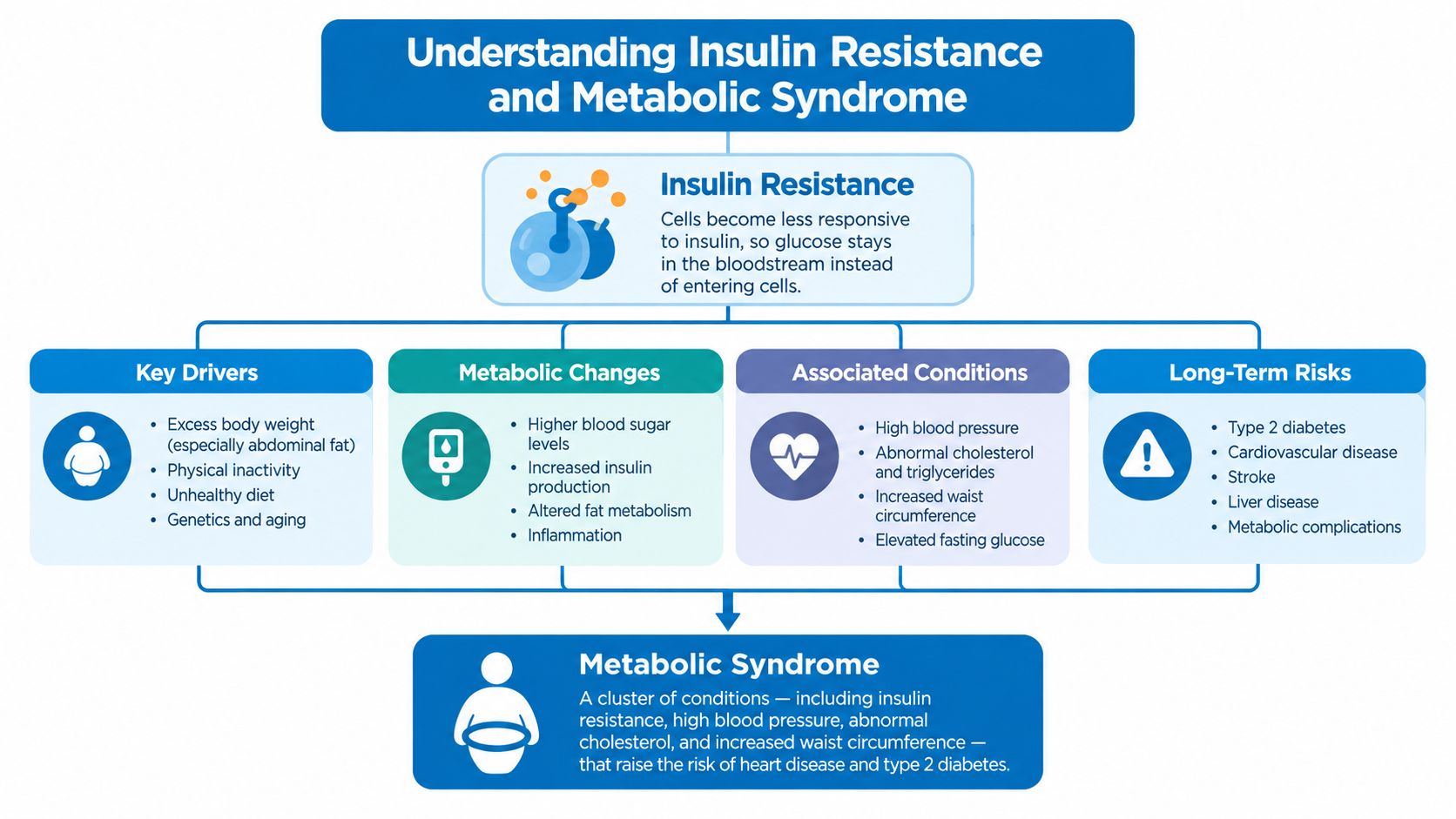
A healthy metabolism is your body's engine for using fuel. It affects how you process carbohydrates, store fat, build or maintain muscle, regulate blood sugar, and keep blood pressure and cholesterol in range. When that engine is not running well, the symptoms usually show up in daily life before they show up as a diagnosis.
You might notice:
- Energy crashes after meals
- More hunger or cravings than your routine should cause
- Weight gain around the abdomen
- Brain fog or poor concentration
- Sleep that feels light or unrefreshing
- Slower progress even when you are trying hard
Those patterns become even more confusing during menopause and andropause. Hormone shifts can change insulin sensitivity, body composition, sleep quality, recovery from exercise, and appetite signals. A woman in menopause may feel like the same habits that worked for years suddenly stop working. A man dealing with age-related testosterone decline may notice more belly fat, less muscle, and lower drive. Someone taking a GLP-1 may be eating less but still struggle with protein intake, strength, constipation, fatigue, or old eating patterns that the medication does not fully solve.
This is why a medical approach matters. At Pause Medical, metabolic health coaching is not treated as a separate wellness add-on. It is used alongside hormone care, thyroid evaluation, diabetes management, and medical weight loss so your plan matches what your body is dealing with now. If you want a clearer picture of the basics, our guide on how to improve metabolic health explains the foundation.
Fatigue is often part of this story too. If that symptom stands out for you, this guide on why you feel constantly drained is a helpful companion because low energy often overlaps with sleep disruption, hormone change, and blood sugar instability.
Good care starts with a different question. Not "Why can't you stick to the plan?" but "What is getting in the way inside your body, and how do we address it with the right medical and behavioral support?"
Defining Metabolic Health Coaching
Many patients ask, "Why aren't diet and exercise working for me?" That question often points to metabolic dysfunction that generic advice can't fix. Coaching helps address that missing link by moving beyond surface habits and working on root metabolic misalignments, as described in this article on mastering metabolic chaos.

It goes beyond accountability
Some people hear "coaching" and think of reminders, check-ins, or encouragement. Those things matter, but metabolic health coaching is more specific than that.
It helps a patient and medical team make sense of patterns such as:
- Blood sugar swings after meals that look "healthy" on paper
- Cravings and fatigue that show up at the same time every day
- Poor recovery from exercise
- Sleep disruption that drives hunger and stress
- Hormone-related changes during menopause or andropause that make previous habits stop working
A personalized plan may use lab work, symptom tracking, body-composition trends, meal timing, sleep review, and sometimes wearable data or continuous glucose monitoring. The point isn't to collect data for its own sake. The point is to turn confusion into a plan.
What "retraining" metabolism means
A healthier metabolism usually isn't built through a crash diet. It's built by learning what your body tolerates and what throws it off.
For one person, the issue may be carbohydrate tolerance. For another, it may be late-night eating plus poor sleep. For someone else, the underlying problem may be low hormones, chronic stress, under-eating, or doing too much cardio while losing strength. Even tools from other areas of health can help patients understand body patterns. For example, the idea of app syncing for fertility tracking shows how simple daily data can reveal trends that aren't obvious in a single office visit.
A useful rule: if a plan ignores your labs, symptoms, medication list, sleep, and hormone status, it probably isn't personalized enough.
For patients who want a broader overview of this kind of root-cause thinking, this page on improving metabolic health offers a helpful starting point.
Evidence-Based Benefits of Metabolic Coaching
This approach matters because it has measurable clinical results, not just good intentions.
Published research found that health coaching produced 15.7% excess weight loss after 12 weeks, compared with 2.5% in control groups , and it also showed a positive effect on A1C with an average reduction of 0.62% , according to this peer-reviewed review of health coaching outcomes. That same review also reported that 78% of published studies showed a positive effect on A1C , 87% confirmed a positive impact on weight reduction , and 88% showed improvement in nutritional behavior .
Why those numbers matter in real life
Patients don't experience A1C as a statistic. They experience it as fewer crashes, steadier hunger, less irritability, and more confidence around food.
Weight loss also matters differently when it happens in a medically guided setting. The goal isn't solely a lower number on the scale. The goal is improved body composition, better energy regulation, and less metabolic strain while preserving long-term health.
Here are the practical benefits people often care about most:
- More stable appetite instead of feeling controlled by cravings
- Better daily energy with fewer peaks and crashes
- Improved follow-through because the plan fits real life
- Stronger disease management for people with diabetes or metabolic syndrome
Why coaching pairs well with medical weight loss
Some patients do well with GLP-1 weight loss treatment but still need help with meal structure, strength training, medication management, and symptom interpretation. Others want medical weight loss support without relying on a single tool.
Coaching fills that gap. It helps patients understand what to eat when appetite changes, how to protect muscle while losing weight, and how to notice when fatigue, nausea, constipation, or poor protein intake are slowing progress. Patients looking for a realistic, long-term framework can explore how to lose weight sustainably as part of a broader care plan.
Coaching works best when it translates medical treatment into daily decisions you can actually keep doing.
Coaching vs Nutritionists Trainers and HRT
People often ask whether they need a nutritionist, a trainer, hormone replacement therapy , or metabolic health coaching. The most accurate answer is that these aren't always competing choices. Sometimes they solve different parts of the same problem.
Comparing Health & Wellness Professionals
| Professional | Primary Focus | Key Methods | Best For |
|---|---|---|---|
| Metabolic health coach | Whole-body behavior change linked to metabolic function | Symptom tracking, habit design, data review, lifestyle integration, support around sleep, stress, movement, and nutrition | People who need a personalized plan that connects daily habits with metabolic and hormone issues |
| Registered dietitian or nutritionist | Food intake and nutrition strategy | Meal planning, nutrition education, dietary adjustments | Patients whose main need is structured nutrition support |
| Personal trainer | Physical performance and exercise programming | Strength work, conditioning, exercise form, training progression | People focused mainly on fitness, strength, or movement consistency |
| Hormone replacement therapy | Correction of hormone deficiency or imbalance | Estrogen, progesterone, testosterone, medication management, follow-up care | Patients with menopause, andropause, low testosterone, and hormone-driven symptoms affecting metabolism |
Where HRT fits
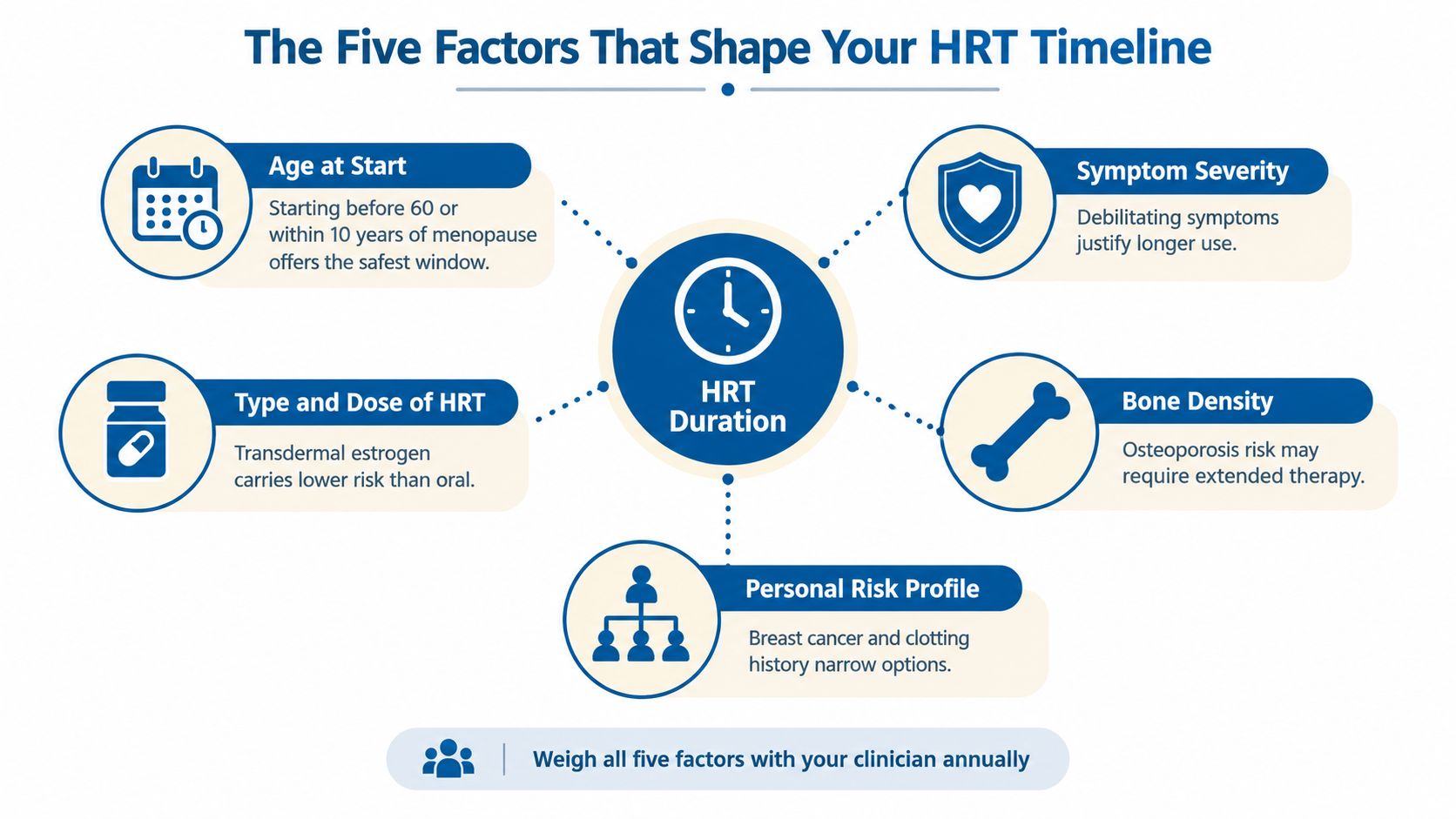
HRT isn't just about symptom relief. It can be part of a metabolic strategy when hormone shifts are driving body-composition changes, insulin resistance, sleep problems, or reduced recovery.
A retrospective cohort study of 6,566 participants found that hormone replacement therapy was associated with a 30.7% lower incidence of diabetes over a 20-year follow-up , with stronger protective effects in certain age groups, according to this HRT review in the NCBI Bookshelf. That helps explain why patients in menopause or andropause often do best when coaching and hormone care work together instead of in separate silos.
Why integration matters
A trainer may help you exercise consistently. A dietitian may help you improve food quality. HRT may address the hormonal environment that made your previous efforts feel ineffective.
Metabolic health coaching ties those pieces together. It asks whether the plan still works when sleep is broken, appetite is altered by a GLP-1, testosterone is low, or hot flashes keep waking you up. For patients exploring treatment options, this overview of hormone therapy provides useful background on the medical side of that equation.
What to Expect from a Pause Medical Coaching Program
The best programs don't throw you into a generic plan on day one. They build a map first.

Phase one begins with a full assessment
A thorough intake usually covers symptoms, medical history, medications, weight history, sleep, stress, eating patterns, and goals. For some patients, the most important clue isn't their current weight. It's that they suddenly started gaining weight during menopause, developed afternoon crashes, or lost muscle while trying to diet.
This phase is especially important for people using GLP-1 weight loss medication, receiving testosterone therapy , or considering bioidentical hormones . Safe progress depends on understanding the full picture, not just one symptom.
The plan should protect metabolism, not punish it
A safe and effective program must protect resting metabolic rate during weight reduction. Coaching protocols should prioritize resistance training over excessive cardio and track critical signals like energy levels and strength so the metabolism gets stronger, not weaker, as outlined in this discussion of supervised metabolic coaching.
That changes the tone of care. Instead of telling a tired patient to push harder, a better program asks whether the body is under-fueled, losing lean mass, reacting poorly to medication, or overdue for reassessment.
A solid personalized plan often includes:
- Nutrition guidance that fits appetite, blood sugar patterns, and daily schedule
- Resistance training to help preserve lean mass and function
- Sleep support because poor sleep can disrupt hunger, recovery, and hormones
- Stress strategies that reduce all-or-nothing cycles
- Medication management with medical oversight when prescriptions are part of care
If your energy is falling and your strength is dropping, that isn't a sign to ignore your body. It's a signal to reassess the plan.
Ongoing monitoring keeps the plan honest
The strongest programs don't assume the first version will be perfect. They adjust.
That may mean reviewing symptom trends, lab changes, wearable data, appetite changes on medication, or how a patient is responding to resistance training. This kind of age and hormone-aware care is one reason many patients look into what an age management center does in Mississippi when they want a broader approach than routine primary care alone.
Finding Your Ideal Metabolic Health Coach
Choosing a coach shouldn't feel like guessing. You want someone who can work inside a medical framework, especially if you're dealing with menopause, andropause, diabetes, thyroid issues, or prescription-based weight loss.

Questions worth asking before you commit
Use these questions to separate generic coaching from medically informed care:
- How do you collaborate with licensed medical providers? This matters if hormones, diabetes medications, or weight-loss prescriptions are involved.
- What data do you use to personalize a plan? Good coaching should be based on more than a calorie target.
- How do you support patients on HRT or GLP-1 medications? Medication changes daily life, appetite, and training tolerance.
- What are your credentials and scope? A trustworthy coach knows where coaching ends and medical care begins.
- How do you adjust the plan when symptoms change? Hormones, sleep, stress, and medication side effects can shift quickly.
Signs of a strong fit
A high-quality program is usually easy to recognize. It doesn't overpromise, it doesn't shame you, and it doesn't pretend every patient needs the same protocol.
Look for these traits:
- Medical integration so the coach and clinician aren't working in opposite directions
- Personalization based on symptoms, labs, and real-life constraints
- Evidence-based methods instead of detox claims or extreme restriction
- Support for complex patients including those with disease management needs
This short video offers another useful perspective on the topic:
For people in Mississippi who want in-person support, it helps to choose a clinic with accessible local care. You can review Pause Medical locations across Mississippi when comparing options.
Your Metabolic Health Coaching Questions Answered
How long does metabolic health coaching usually last
It depends on your goals and medical complexity. Some patients need focused support for a defined phase of weight loss or hormone transition. Others benefit from longer guidance while stabilizing blood sugar, rebuilding strength, or learning how to maintain progress.
One important caution comes from research on underserved patients with type 2 diabetes. Existing evidence supports meaningful improvement during coaching, but a key gap remains around what happens after support ends, especially beyond one year, as described in this capstone review on long-term sustainability in health coaching. That's why durable habits and follow-up planning matter.
Can metabolic health coaching work with HRT or GLP-1 medications
Yes. In many cases, it works better that way.
Coaching helps patients apply medical treatment in daily life. That may include eating enough protein when appetite drops, structuring meals around nausea or low hunger, adjusting movement when energy changes, or understanding how menopause and testosterone decline affect recovery, sleep, and body composition.
Is this relevant if my main symptoms are fatigue low libido sleep issues or hot flashes
Yes. Those symptoms often overlap with metabolism and hormone status. Patients rarely experience these issues in neat categories. A person may come in for hot flashes and also be struggling with weight gain, poor sleep, blood sugar swings, and low motivation because all of those systems influence each other.
Does insurance cover it
Coverage depends on the exact service model and clinic structure. Many integrative clinics in Mississippi use a direct-pay approach instead of relying on insurance. That can make scheduling and treatment planning simpler, but it's smart to ask about costs, medication management, and follow-up options upfront.
Medical disclaimer
This article is for educational purposes only and isn't a diagnosis, treatment plan, or substitute for personal medical care. Hormone replacement therapy, bioidentical hormones, testosterone therapy, GLP-1 weight loss treatment, and disease management should be supervised by a licensed medical professional who can review your history, symptoms, medications, and risks.
If you're in Mississippi and you're tired of piecing this together on your own, Pause Medical offers consultations for hormone replacement therapy, medical weight loss, GLP-1 weight loss support, testosterone therapy, medication management, and personalized metabolic care. If you're dealing with menopause, andropause, diabetes, thyroid concerns, fatigue, low libido, sleep issues, hot flashes, or stubborn weight gain, schedule a visit and get a plan built around your actual physiology.