Testosterone Therapy for Men: A Complete Patient Guide
A lot of men don't set out looking for testosterone therapy for men. They just notice that workouts feel heavier, sleep feels less restorative, libido has cooled off, and motivation isn't where it used to be. Those changes can be normal aging, but they can also be a clue that something worth checking is happening in the background.
Testosterone matters because it helps coordinate sex drive, muscle, bone density, red blood cell production, and parts of mood and metabolism . The tricky part is that low energy or a quieter sex life doesn't automatically mean low testosterone. A careful evaluation separates vague symptoms from a true hormone problem, which is why responsible care looks a lot different from a quick prescription.
When Energy and Drive Quietly Change
A man in his late 40s often describes the same pattern in different words. He used to recover after lifting in a day or two, and now soreness lingers. He's still functioning at work and at home, but he feels less sharp, less interested in sex, and more tired by late afternoon.
That story is common enough that it's easy to blame age and move on. Sometimes that's the right call. Sometimes it isn't, especially when the changes keep building and start affecting quality of life.
Start with the pattern, not the guess
The best next step is not to self-diagnose from a checklist. It's to ask whether the changes are new, persistent, and broad enough to justify a medical workup. That means looking at sleep, stress, medications, weight changes, and any symptoms that point toward hormone imbalance or another condition.
Practical rule: if the same concerns show up across sex drive, recovery, and motivation, that's a better reason to get evaluated than any single symptom on its own.
For men in Mississippi who want a simple overview of fatigue patterns before they schedule care, this guide to low energy and fatigue can help frame the conversation. It's a good starting point, but it can't replace an exam and labs.
What Testosterone Does in the Male Body
Testosterone is one signal in a larger hormonal system, not a magic fuel tank. It helps the body maintain libido, lean muscle, bone strength, red blood cell production, and parts of mood and metabolism , but it does not control every part of energy or health.

Age-related decline is common, true hypogonadism is different
Testosterone levels tend to fall gradually with age, and large summaries describe an average decline of about 1% per year after age 30 . That decline alone does not automatically mean disease. Hypogonadism is the medical condition where testosterone is too low because the testes or the brain's signaling system is not working as it should.
The difference matters because the symptoms can look similar at first. A man with ordinary aging might feel slower in the gym. A man with hypogonadism may also notice sexual changes, reduced morning erections, or a loss of interest that feels out of character.
Why the label changes the treatment
When clinicians diagnose hypogonadism, they are not trying to pathologize aging. They are trying to identify men who are most likely to benefit from replacement and least likely to be harmed by it. That is why testosterone therapy for men is meant for selected patients with symptoms plus confirmed low levels, not for anyone who wants a quick boost.
Testosterone also matters for fertility, which is where some men get surprised. External testosterone can reduce the body's own signal to make sperm, so treatment choices need a careful conversation before anything starts. The point is not to scare people away from care, but to make sure the treatment matches the problem.
For a patient-friendly way to spot the kinds of symptoms that deserve a deeper look, recognizing low testosterone signs is a useful read. For Mississippi patients who would rather move from reading to evaluation, this overview of low testosterone symptoms explains what a clinician listens for during a visit.
Symptoms That Often Prompt a Workup
A man may first notice that sex feels different. Lower libido, weaker erections, fewer morning erections, or a drop in sexual interest that seems out of step with the rest of life are the changes that usually raise the question of testosterone.
The rest of the picture can be less specific. Some men report more belly fat, less muscle, slower recovery after exercise, foggier thinking, or a flatter mood. Those symptoms matter, but they do not point to testosterone on their own, because other conditions can cause the same complaints.
What looks like low testosterone but often isn't
Sleep apnea can leave a man exhausted and less interested in sex. Depression can dull motivation and pleasure. Thyroid disorders, chronic stress, alcohol use, and certain medications can all create a pattern that resembles a hormone problem, which is why symptoms alone are not enough.
A better way to think about the pattern is to look for overlap. When sexual changes, body changes, and low drive show up together, the reason for testing becomes stronger. When only one vague symptom is present, another explanation is often more likely.
For men who want a plain-language symptom checklist, recognizing low testosterone signs is a helpful reference. For men in Mississippi who want to know what to mention at an in-person visit, Pause Medical's symptom page gives a simple starting point.
How Low Testosterone Is Diagnosed
A single low lab result is not enough. Testosterone changes during the day, and it can fall temporarily with poor sleep, illness, or major stress, so diagnosis depends on both the numbers and the clinical picture.
What a responsible workup usually includes
Clinicians usually start with two early-morning total testosterone tests on separate days . They also ask about sleep, medications, sexual symptoms, fertility goals, body composition changes, and any history that could point toward another diagnosis. Depending on the case, they may add free testosterone, LH, FSH, SHBG, prolactin, and a hematocrit check.
A proper diagnosis takes a conversation, not just a lab printout.
That approach keeps men from being treated for a number instead of a problem. It also helps distinguish primary testicular issues from signaling problems higher up in the brain and pituitary system.
If you're in Mississippi and want to understand the testing process before booking, this guide to getting testosterone levels checked is a helpful first stop. The main idea is simple, the workup should be specific enough to explain why treatment is or isn't appropriate.
Treatment Options and Delivery Methods
Once diagnosis is clear, the practical question is how testosterone should be replaced. The choice usually comes down to routine, convenience, and how steady the hormone level needs to be.
The main options in everyday terms
Injections are common and often the most familiar option. Many men like them because dosing is straightforward, but they do require a schedule and some comfort with needles.
Gels are applied daily to the skin. They're easy to use, but they can transfer to other people if the skin isn't managed carefully.
Patches deliver testosterone through the skin and can be a good fit for men who want a steady daily method. Skin irritation is the main annoyance for some users.
Pellets are placed under the skin in a procedure visit and release hormone over time. They reduce day-to-day upkeep, but they also involve an in-office insertion step.
| Comparing Testosterone Delivery Methods | How Often | Key Advantage | Key Tradeoff |
|---|---|---|---|
| Injections | Weekly or every few weeks, depending on plan | Simple and familiar | Needle routine |
| Gels | Daily | Easy at home | Transfer risk |
| Patches | Daily | Steady dosing | Skin irritation |
| Pellets | Every few months, depending on plan | Low maintenance | Minor procedure visit |
For readers who want a broader primer on hormone replacement, what HRT treatment means can help explain how replacement therapy is generally framed. In Mississippi, testosterone pellet therapy is one delivery method patients may discuss if they want a longer-acting option.
Realistic Benefits and Honest Risks
The strongest evidence for testosterone therapy in men is in sexual function . In men with confirmed low testosterone, large reviews found small but real gains in libido, erectile function, and sexual activity, while broader symptom relief tends to be more modest.
That's an important reality check because marketing often promises more than the data support. Energy, mood, and cognition may improve for some men, but those changes are smaller and less predictable than the sexual benefits.
What the safety data suggest
For cardiovascular safety, the best large randomized evidence has been reassuring over the short-to-medium term. The TRAVERSE trial in about 5,200 men with low testosterone and high cardiovascular risk found no higher rate of major adverse cardiovascular events than placebo, and a recent meta-analysis reported 7.5% cardiovascular or cerebrovascular events on testosterone versus 7.2% on placebo, with an odds ratio of 1.07 and a 95% CI of 0.81 to 1.42 . That said, long-term risk beyond a few years is still less certain as summarized in recent coverage.
The more reliable practical risks are different. Testosterone can raise hematocrit, worsen acne, cause fluid retention, and suppress fertility. Prostate health also needs to be discussed before and during treatment, because good care includes monitoring, not guesswork.

Bottom line: the goal isn't to chase youth. It's to see whether a man with confirmed low testosterone gets a meaningful symptom improvement without creating a new risk.
Monitoring and Ongoing Follow-Up
Testosterone therapy isn't a one-time decision. A responsible clinician keeps checking whether the treatment is doing what it should, and whether it's doing anything the patient didn't want.
What good follow-up looks like
Early follow-up usually includes repeat testosterone levels, symptom review, and bloodwork to watch hematocrit . That matters because rising red blood cell concentration can make blood thicker, which changes risk discussions and can force a dose adjustment. Many clinicians also revisit blood pressure, sleep quality, and side effects so small problems don't turn into bigger ones.
Prostate health stays part of the conversation too. The exact tests and timing can vary, but the principle is consistent, monitor what could be affected and don't rely on how someone feels alone. If the numbers or symptoms don't line up, the plan should be revised.
Fertility is the question many articles skip
Exogenous testosterone can suppress sperm production. For men who want to preserve fertility, that's a major issue, and professional guidance says testosterone should not be prescribed when fertility preservation is the goal. In infertility care, adding hCG or similar strategies is still not proven enough to count as a full safeguard.
That's why younger men deserve a slower conversation. A treatment that may help sexual symptoms can also interfere with conception, and those two facts need to be held together.
Lifestyle still matters
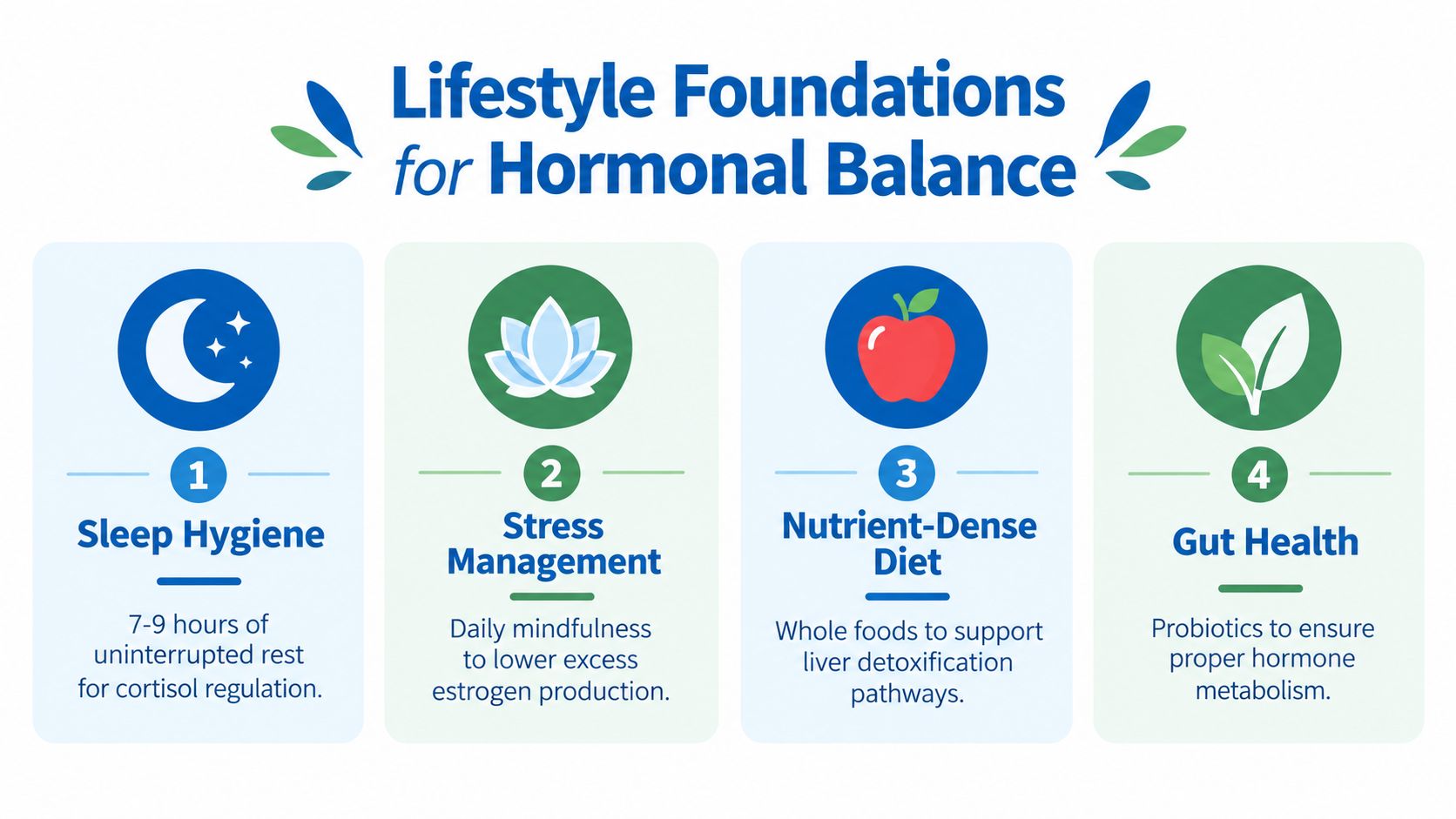
Sleep, weight loss, resistance training, reducing alcohol, and stress management can all support testosterone in some men. That doesn't replace medical care when true hypogonadism is present, but it does mean hormone therapy is only one part of the picture.
For clinics building follow-up systems, tools like streamlined medication adherence call support can help keep refill questions, symptom check-ins, and visit reminders organized. The point is simple, consistent follow-up is part of treatment, not an optional extra.

How Pause Medical Approaches Testosterone Therapy in Mississippi
Pause Medical delivers hormone replacement therapy, medically supervised weight loss, and disease management services for patients across Mississippi, with locations in Oxford, Meridian, Tupelo, Flowood-Jackson, and Starkville as noted on the clinic site. The process is straightforward, schedule a consultation, meet in person with a provider, and review your goals, symptoms, and lab results before a plan is built.
That kind of evaluation matters because testosterone therapy for men should be personalized, not rushed. A first visit is a chance to sort out whether the issue is true hypogonadism, a sleep problem, a medication effect, or something else entirely. If treatment makes sense, the plan should match your symptoms, your labs, and your goals.

If you want a practical explanation of hormone care before you book, what hormone replacement therapy is is a good place to start. This article is educational and isn't a substitute for individualized medical advice, but it can help you walk into a visit with better questions and clearer expectations.
If you're in Mississippi and you've been wondering whether low energy, low libido, or fading drive might be related to testosterone, reach out to Pause Medical for an in-person evaluation. They offer hormone replacement therapy, weight management, and ongoing medical support, so you can get a careful, evidence-based review instead of a rushed guess.