How to Lower Blood Sugar Naturally: A 2026 Guide to Metabolic Health

Bringing your blood sugar back into balance naturally comes down to a handful of core lifestyle shifts. Think of it as a holistic approach: combining nutrient-rich foods, consistent movement, smart stress reduction, and prioritizing quality sleep. When these pieces work in harmony, they can dramatically improve your body's insulin sensitivity and help you maintain steady, reliable energy all day long.
Your Guide to Understanding and Managing Blood Sugar
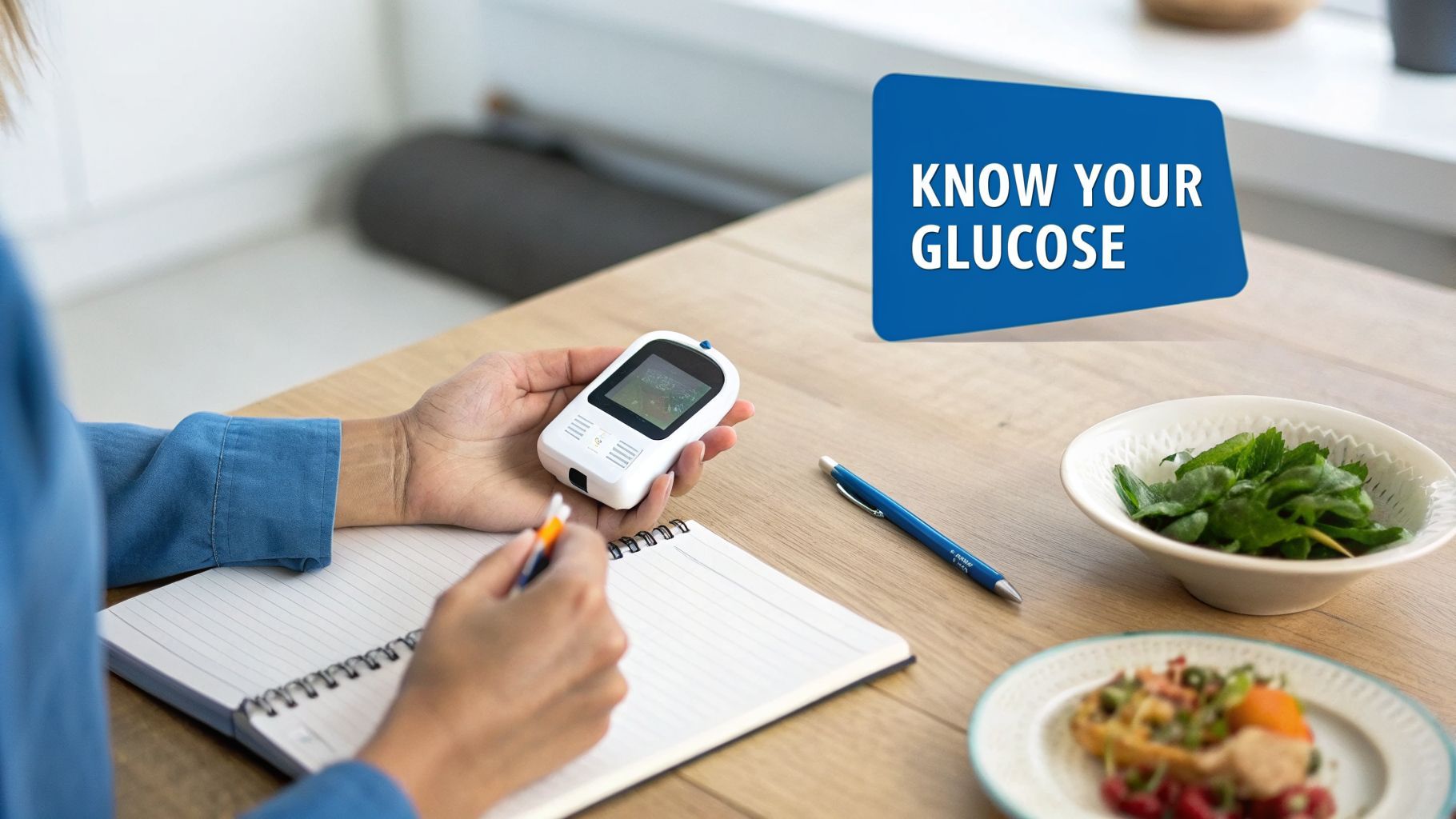
If you're dealing with nagging fatigue, stubborn weight gain, or feel like you're on an emotional rollercoaster, unstable blood sugar could be the silent driver behind it all. Getting a handle on blood sugar—also known as glucose—is fundamental to feeling your best. Glucose is the main fuel for your body's cells, but when levels are constantly spiking and crashing, it can trigger a cascade of health problems.
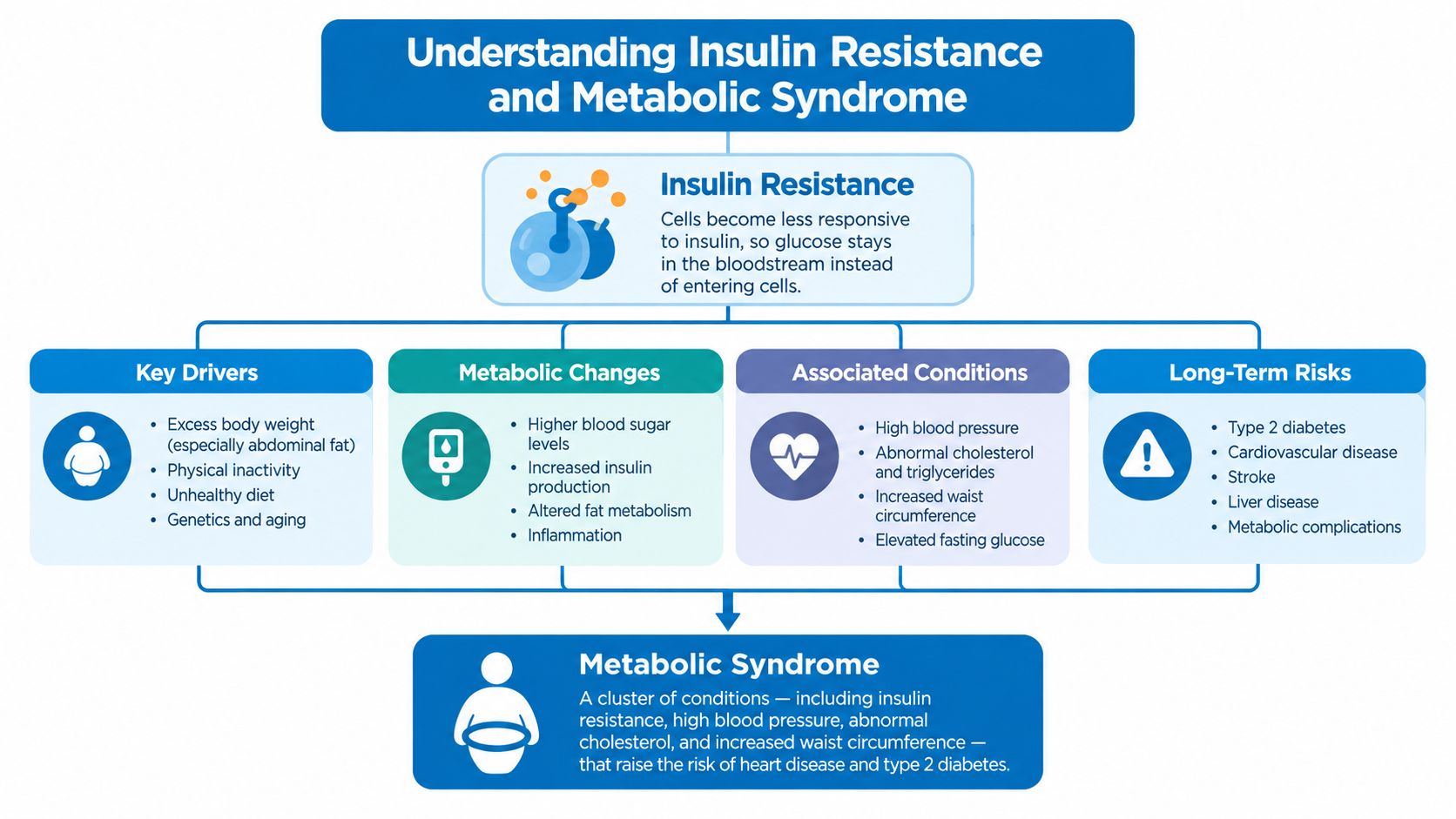
For many people, especially those navigating the hormonal changes of menopause or andropause, the body’s ability to manage glucose can change significantly. This often leads to insulin resistance, a condition where your cells become "numb" to insulin's signal, causing sugar to build up in the bloodstream. Left unchecked, this can pave the way for prediabetes and even type 2 diabetes.
But here’s the empowering part: these conditions aren't just manageable; they are often reversible with the right integrative approach. It’s all about taking small, consistent actions and understanding what your body needs.
The Connection Between Hormones and Blood Sugar
You can't talk about blood sugar without talking about hormones—they are deeply intertwined. For women moving through perimenopause and menopause, shifting levels of estrogen and progesterone can directly increase insulin resistance. Men experience something similar as testosterone levels decline during andropause.
This hormonal link is often the missing piece of the puzzle, explaining why it suddenly feels harder to manage your weight or why you’re so tired, even when your daily habits haven't changed. To truly address the problem, you have to look at the whole picture: diet, activity, stress, sleep, and your underlying hormonal health.
Key Insight: You're not just fighting symptoms like fatigue or weight gain. You're tackling an underlying metabolic imbalance that you have the power to correct. Learning how to lower blood sugar naturally is one of the most effective steps you can take to restore your body's equilibrium.
Taking Control of Your Metabolic Health
Regaining control of your metabolism is completely within your power, and it all starts with small, daily choices that build over time. A huge part of this journey is figuring out how to stop sugar cravings naturally, which frees you from the cycle of highs and lows.
This guide is meant to be hopeful because there's every reason to be optimistic. The strategies we'll cover are practical, evidence-based, and designed to fit into a real, busy life. We believe in educating our patients, empowering you with the knowledge to reclaim your vitality.
Pillars of Natural Blood Sugar Management
| Strategy Pillar | Key Focus Area | Primary Benefit |
|---|---|---|
| Mindful Nutrition | Eating whole, unprocessed foods rich in fiber, protein, and healthy fats. | Stabilizes glucose release, preventing spikes and crashes. |
| Purposeful Movement | Finding enjoyable physical activity and being consistent. | Improves insulin sensitivity and helps muscles use glucose for energy. |
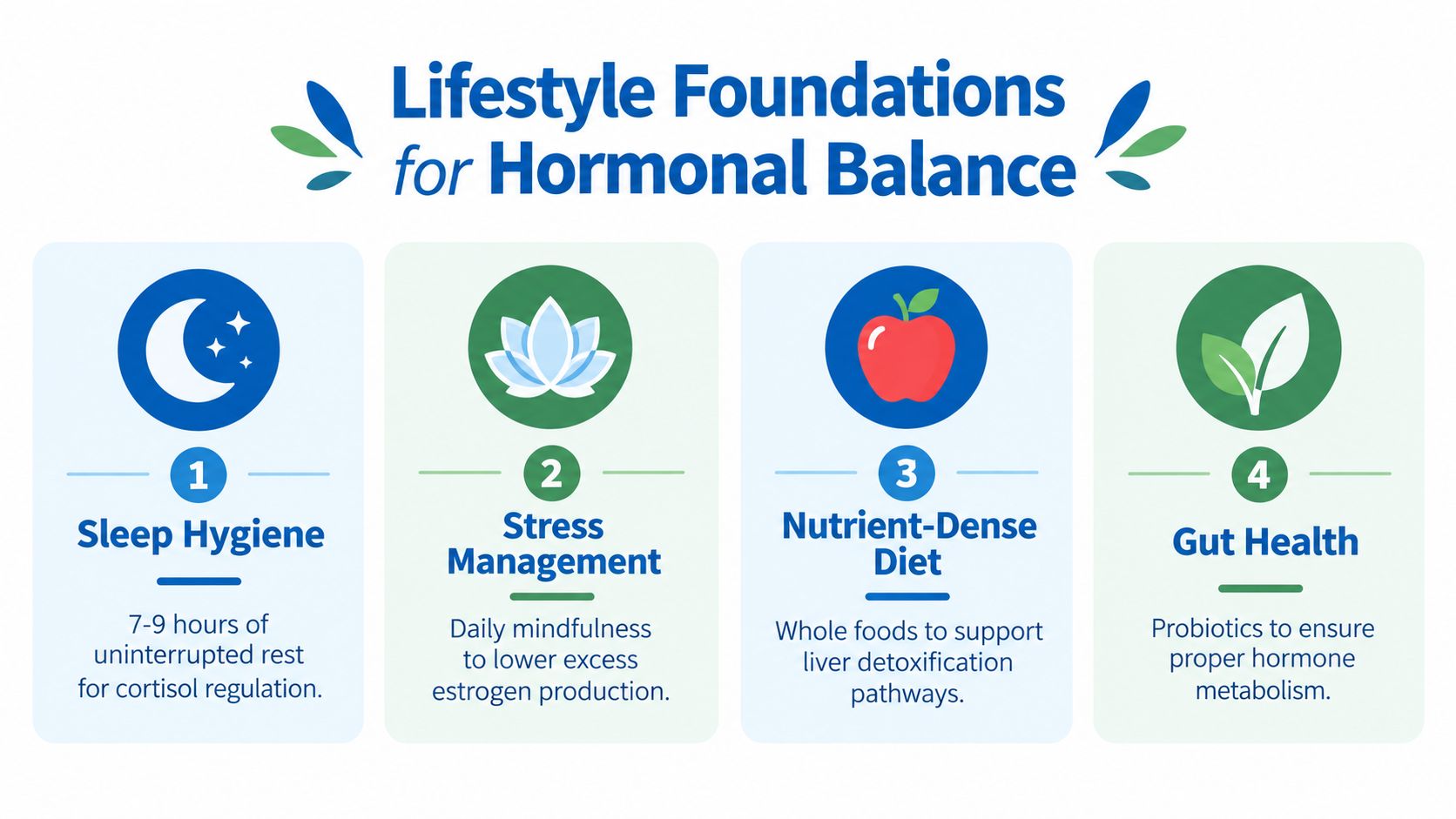
| Stress & Sleep | Prioritizing 7-9 hours of quality sleep and managing chronic stress. | Lowers cortisol levels, which can otherwise raise blood sugar. |
| Targeted Support | Adding specific foods, supplements, and monitoring tools. | Provides data and compounds that directly support glucose metabolism. |
By focusing on these areas, you create a powerful, synergistic effect that supports your body from the inside out.
At Pause Medical, we champion this integrative approach. While these lifestyle changes are the cornerstone of good health, sometimes you need expert medical guidance to see the best results. Our board-certified providers specialize in creating personalized plans, which may include comprehensive disease management, to address your unique physiology. We’re here to support you every step of the way toward a healthier, more vibrant life.
The Best Foods for Lowering Blood Sugar
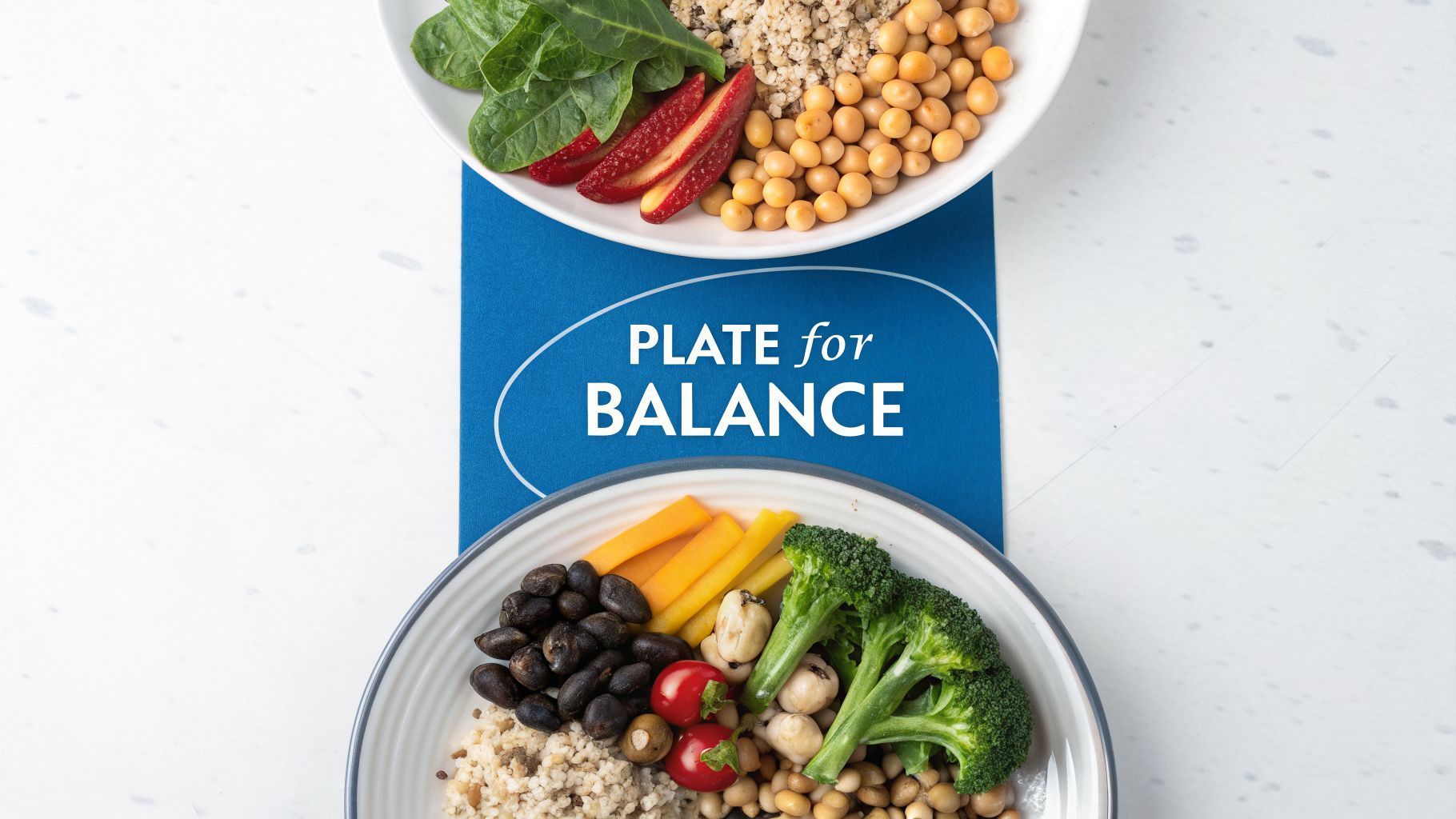
When you're trying to get your blood sugar under control, the food on your plate is your most powerful lever. This isn't about harsh restrictions or saying goodbye to entire food groups. It’s about being strategic with your choices to stabilize your energy and help your body process glucose more efficiently.
What we're aiming for is a way of eating you can stick with for the long haul—one that supports not just your blood sugar, but your hormones and weight, too. By focusing on whole, nutrient-packed foods, you can make a real, positive difference in your metabolic health.
Embrace High-Fiber Foods
If there's one nutrient to get friendly with for blood sugar control, it's fiber. Soluble fiber, specifically, is a game-changer. It creates a gel-like substance in your gut that literally slows down how quickly sugar enters your bloodstream. This is what helps you avoid those sharp energy spikes and the inevitable crashes that leave you feeling drained and hunting for more sugar.
You'll find fantastic sources of fiber in everyday foods:
- Legumes: Lentils, chickpeas, black beans, and kidney beans are true powerhouses of both fiber and protein.
- Whole Grains: Think oats, quinoa, barley, and brown rice instead of their refined white versions.
- Vegetables: Broccoli, Brussels sprouts, avocados, and leafy greens are all excellent choices.
- Fruits: Berries, apples, and pears (keep the skin on!) deliver fiber along with other vital nutrients.
Even a small change, like using a whole-wheat tortilla instead of a white one or tossing a handful of beans into your salad, can have a noticeable impact on your glucose levels after a meal.
Make Smart Carbohydrate Choices
The idea that all carbs are bad for blood sugar is a myth. The secret is to choose the right kind of carbohydrates—specifically, complex carbs with a low glycemic index (GI). The GI scale simply ranks foods based on how quickly they raise your blood sugar. Low-GI foods are your allies because they're digested slowly, giving you a much gentler, more gradual rise in glucose.
For instance, a sweet potato has a far lower GI than a white potato. An apple has a lower GI than a slice of white bread. When you focus on these slower-burning carbs, you give your body a steady stream of energy without overwhelming its ability to produce and use insulin.
A Practical Tip: Try to never eat carbs on their own. Pairing them with a protein or a healthy fat—like an apple with a handful of almonds or whole-grain crackers with hummus—slows digestion even more and helps buffer the impact on your blood sugar.
Prioritize Lean Protein and Healthy Fats
Protein and healthy fats are your partners in feeling full and keeping your blood sugar steady. Because they take longer to digest than carbs, they promote satiety and help blunt the glucose response from your meal.
When you're putting a meal together, make it a goal to include a source of lean protein and healthy fat every single time.
- Lean Proteins: Chicken breast, fish, tofu, lentils, and Greek yogurt are great options.
- Healthy Fats: Think avocado, olive oil, nuts, and seeds like chia and flax.
This balanced-plate approach does more than just stabilize blood sugar; it also supports muscle mass and hormone health. This is particularly crucial during life transitions like menopause and andropause. For anyone dealing with hormone-related weight gain, this dietary foundation is an essential part of an effective plan. Our team can help you navigate these connections in our personalized medical weight loss programs.
The Power of Plant-Centered Eating
Imagine discovering that simply switching to a vegan diet could slash your diabetes risk by nearly three times—that's exactly what one major health study revealed in its analysis of nearly 61,000 participants. Those following a vegan diet showed just a 2.9% incidence of diabetes, compared to much higher rates in other groups. This isn't a fleeting trend; it's rooted in how plant-based eating transforms your body's handling of blood sugar. In a groundbreaking 2023 crossover trial, type 2 diabetes patients on insulin saw dramatic improvements in just seven days on a whole food, plant-based diet. Their insulin sensitivity improved, they required lower insulin doses, and they achieved better blood sugar control. The magic lies in weight loss and the explosion of fiber from plants that slows glucose absorption. For adults grappling with hormonal imbalances or stubborn weight, this approach aligns perfectly with a comprehensive wellness strategy. Incorporating more fruits, veggies, legumes, and whole grains while reducing animal products can be a game-changer. Learn more about how plant-based diets impact diabetes from the Physicians Committee for Responsible Medicine on their health topics page.
For those already managing diabetes, following a structured diabetic meal plan is often a cornerstone of blood sugar control. It can provide clarity and take the guesswork out of planning your meals.
At Pause Medical, our board-certified providers emphasize this integrative, evidence-based approach. We understand that your journey is unique. We create personalized plans that address the root causes of metabolic issues, helping you achieve lasting balance and vitality.
Using Movement as Medicine for Glucose Control
When it comes to lowering your blood sugar, getting your body moving is one of the fastest and most effective tools you have. Think of your muscles as sponges that are thirsty for glucose.
When you exercise, they soak up sugar directly from your bloodstream for energy—a process that happens so efficiently it doesn't even need insulin's help.
This is a powerful, built-in mechanism for managing your blood sugar. We're not talking about training for a marathon here. It's about weaving consistent movement into your life to support your metabolic health. Even a little bit of activity can produce immediate, measurable results.
Finding Your Ideal Movement Mix
For the best long-term results, the science is clear: combining aerobic exercise with resistance training is the winning formula. Each type of movement helps your body manage glucose in a unique, complementary way.
- Aerobic Exercise: This is anything that gets your heart rate up for a sustained period. Think brisk walking, cycling, swimming, or even a lively dance session. Aerobic activity makes your entire body more sensitive to insulin.
- Resistance Training: This means building strength, whether by lifting weights, using resistance bands, or doing bodyweight exercises like squats and push-ups. Building muscle is like building more storage warehouses for glucose, giving it a place to go besides your bloodstream.
Putting them together is so effective because you get the immediate glucose-lowering benefit from the cardio, while strength training builds a more resilient metabolic system for the future.
The Power of a Post-Meal Walk
Here's one of the simplest and most impactful habits you can build: go for a short walk right after you eat. Studies have shown time and again that just 10-15 minutes of walking after a meal can dramatically reduce the blood sugar spike that normally follows.
It works like a charm. The movement signals your muscles to start pulling that new glucose from your meal out of your bloodstream for immediate fuel. It’s a simple bio-hack that prevents a major sugar surge.
Practical Tip: This doesn't have to be a power walk. A gentle stroll is perfect. The goal is simply to break the habit of sitting down right after a meal. Walk around the block, do a few laps of your house, or even tackle some light chores.
Starting Safely and Staying Consistent
If you're feeling tired or haven't exercised in a while, the idea of getting started can feel like a huge hurdle. The secret is to start small and—this is crucial—pick something you actually enjoy. Consistency will always be more important than intensity.
Start with just 10 minutes a day. See how it feels. As you get stronger, you can gradually do a little more. Remember, every bit of movement counts toward better blood sugar control. Taking the stairs, gardening, or dancing in the kitchen while you cook... it's all good.
At Pause Medical, we know that movement is a pillar of a healthy life, especially when navigating hormonal shifts or a weight management journey. Our team can help you build an effective movement plan that fits into your life and supports your goals for preventative wellness solutions. We’re here to help you find an approach that feels empowering, not exhausting, as you take back control of your health.
The Overlooked Keys to a Healthy Metabolism
We all know that what you eat and how you move are cornerstones of good blood sugar control. But what about the hours you spend outside the kitchen and the gym? The truth is, your metabolism is deeply affected by some less-obvious, but incredibly powerful, factors: stress, sleep, and body weight.
Think of them as the hidden keys. When you’re under chronic stress, for example, it’s not just in your head—it triggers a real, physical reaction. Your body releases cortisol, a hormone that tells your liver to release stored sugar into your bloodstream. This is your ancient "fight or flight" response. While helpful if you’re actually running from a tiger, it becomes a problem when the "threat" is a stressful work meeting or a traffic jam, leading to consistently high blood sugar.
The same goes for sleep. Even a single night of tossing and turning can wreck your glucose management. Research has shown that sleep deprivation can slash your insulin sensitivity by as much as 25% the very next day. This can kick off a frustrating cycle: poor sleep raises blood sugar, and unstable blood sugar makes it harder to get good sleep.
Mastering Your Stress Response
You can't eliminate stress from your life, and you shouldn't try. The real goal is to get better at managing your response to it. Building a small toolkit of simple, proven practices can make an enormous difference in calming both your mind and your metabolism.
Here are a few things that work:
- Mindfulness and Meditation: You don't need to sit for an hour. Just 5-10 minutes of a guided meditation app or simply paying attention to your breath can effectively lower cortisol.
- Breathwork: When you feel that familiar tension building, try "box breathing." It's simple: inhale for a count of four, hold for four, exhale for four, and hold again for four. A few rounds can quickly reset your nervous system.
- Gentle Movement: Activities like yoga and tai chi are metabolic powerhouses. They combine physical movement with mindful breathing, giving you a two-for-one benefit for both stress and glucose control.
The Critical Role of Restorative Sleep
If you're getting serious about your blood sugar, you have to get serious about your sleep. This is non-negotiable. Quality sleep is when your body does its most important repair work, and it's absolutely essential for maintaining healthy insulin sensitivity.
Your target should be 7-9 hours of truly restorative sleep each night. To make that happen, focus on your "sleep hygiene." Start winding down an hour before bed by dimming the lights and putting away screens. Make your bedroom a sanctuary: cool, dark, and quiet. For many of our patients, hormonal symptoms like night sweats can be the main sleep disruptor, so addressing those root causes is often the first, most crucial step.
A Holistic View: When it comes to blood sugar, sleep and stress aren't secondary concerns; they are primary players. An integrative approach recognizes that a calm mind and a rested body are prerequisites for a balanced metabolism.
Why Healthy Weight Management Is Key
Managing a healthy weight is the final, critical piece of the metabolic puzzle. Excess body fat—especially the visceral fat that accumulates around your internal organs—isn't just sitting there. It's metabolically active, churning out inflammatory signals that promote insulin resistance.
But here’s the encouraging part: you don't have to reach some "ideal" number on the scale to see profound changes. Studies show that losing just 5-7% of your starting body weight can dramatically improve glucose control and can even be enough to reverse prediabetes for many people. This is precisely why medically supervised weight loss can be such a game-changer.
This visual breaks down the two types of exercise that are fundamental for both weight management and better blood sugar.
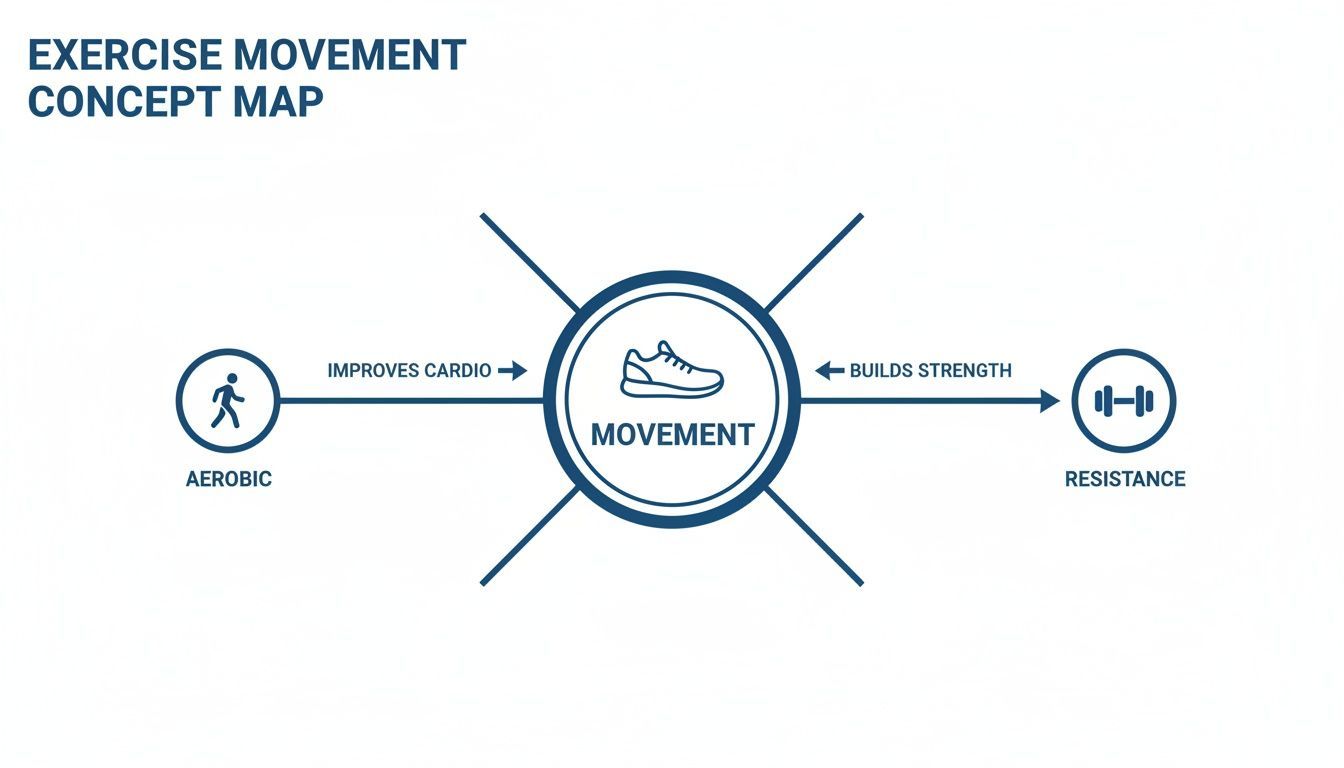
Pairing aerobic exercise (which boosts insulin sensitivity) with resistance training (which builds more muscle to store glucose) is a fantastic one-two punch for metabolic health.
At Pause Medical, we see how interconnected these factors are every day. Hormonal shifts during perimenopause, menopause, or andropause can throw sleep, stress, and weight out of balance, all of which sends blood sugar soaring. Our board-certified providers are experts in identifying these connections and building a plan that works for you. If you think hormonal changes might be affecting your metabolic health, you can learn more about how we approach hormone replacement therapy to get to the root of the problem.
When Lifestyle Changes Aren't Enough: The Role of Medical Guidance
You can do everything "right"—eat clean, exercise, get enough sleep—and still feel stuck. If your blood sugar isn't budging and the weight won't come off, it’s incredibly frustrating. More often than not, it isn't a lack of effort.
Often, there are underlying issues like a hormonal imbalance or full-blown metabolic syndrome that make progress feel impossible. This is precisely where general advice falls short and a personalized medical plan can truly change the game. It bridges the gap between what you should do and what your body needs.
Making Your Efforts Count with Medical Support
Think of targeted medical support as a way to clear the roadblocks that are holding you back. It doesn't replace a healthy lifestyle; it allows your hard work to finally pay off.
A perfect example is a hormone imbalance. If low testosterone or estrogen is draining your energy and making your body resistant to insulin, even the best workout plan will feel like a slog. By identifying and correcting the root hormonal issue, we help your body respond to healthy habits again. Suddenly, your efforts in the gym and kitchen start to deliver the results you've been working for.
The same goes for stubborn, hormone-driven weight gain. For many, it’s more than just calories in, calories out. This is where advanced tools like GLP-1 medications can be so effective. They help regulate appetite and improve insulin sensitivity, giving you a powerful assist while you build the sustainable habits that will last a lifetime.
At Pause Medical, our board-certified providers are trained to see the whole picture. We look beyond the symptoms to find the real drivers of metabolic dysfunction, creating plans that deliver lasting results for our patients across Oxford, Tupelo, and other Mississippi communities.
Building Your Plan on a Proven Foundation
When we build a personalized nutrition plan, we often start with what's been proven to work time and time again. The Mediterranean Diet is a cornerstone for naturally managing blood sugar for a reason—decades of research show it’s a powerful tool for diabetes management.
Studies consistently show it helps with weight loss and provides superior glucose control. This is more critical than ever, with WHO reporting that diabetes prevalence among adults shot up from 7% in 1990 to 14% by 2022. For our patients in communities from Meridian to the Flowood-Jackson area, adopting this nutrient-rich eating style can be a game-changer for stabilizing blood sugar, boosting energy, and even improving mood.
The International Diabetes Federation agrees, highlighting the importance of choosing unsaturated fats like olive oil to help regulate glucose and lower the risk of complications. You can find more excellent nutritional advice on the International Diabetes Federation's website.
Adding Targeted Support with Supplements
Beyond diet, specific nutrients can offer an extra layer of support for blood sugar control. When chosen correctly and based on your unique needs, high-quality supplements can become a key part of your metabolic health toolkit.
Certain vitamins, minerals, and plant-based extracts can help improve how your body uses insulin, lower inflammation, and support healthy carbohydrate metabolism. It's not about just grabbing a bottle off the shelf, though. This should always be done with medical guidance to ensure you’re taking the right thing, at the right dose, and that it’s safe for you.
Our providers can help figure out if supplements are a good fit and seamlessly integrate them into your overall plan. To get a better sense of our philosophy, you can check out some of our recommendations for high-quality, evidence-based supplements.
Your journey to better health is yours alone. By pairing powerful natural strategies with the precision of a medical professional, you can create a plan that truly works for your body and helps you finally feel your best.
Common Questions About Lowering Blood Sugar
Once you start making real changes to your diet and lifestyle, a few practical questions almost always come up. It's one thing to know the science, but it's another to apply it to your day-to-day life. Let's walk through some of the most common questions we hear from our patients.
Think of this as a quick-reference guide from an expert who's been in the trenches. While this is solid advice, remember it's here to educate and empower you, not to replace a one-on-one conversation with a healthcare provider who knows your personal health story.
How Quickly Can I Lower My Blood Sugar Naturally?
This is probably the number one question we get, and the answer has two parts.
You can actually see short-term effects very quickly. Something as simple as a brisk walk right after a meal can start lowering your blood sugar in as little as 15-30 minutes. Your muscles get to work immediately, pulling that glucose out of your bloodstream for fuel. It's a powerful and immediate tool.
But for the deep, lasting changes—like improving your body's overall insulin sensitivity—you need consistency. Most people start to feel a significant difference in their energy and general well-being within a few weeks of cleaning up their diet, sleeping better, and managing stress. The proof in the bloodwork, like a lower HbA1c reading, usually takes about two to three months of sustained effort to show up.
Can I Still Eat Fruit if I'm Watching My Sugar?
Absolutely. We'd never tell you to stop eating fruit! The key is just being smart about how you eat it. Fruits are loaded with vitamins, minerals, and fiber, and that fiber is your best friend because it helps slow down how quickly your body absorbs sugar.
The concern isn't the fruit; it's the dose and delivery. Here’s how to enjoy it without sending your glucose on a rollercoaster:
- Choose Lower-Glycemic Options: Berries, cherries, apples, and pears are fantastic choices. They tend to have a gentler impact on blood sugar than sweeter tropical fruits like pineapple and mango.
- Watch Your Portions: A single, whole piece of fruit is a great snack. A giant glass of fruit juice, which has all the sugar but none of the fiber, is not. A good rule of thumb is a serving that fits in the palm of your hand.
- Pair It with Protein or Fat: This is a pro tip. Never eat fruit all by itself on an empty stomach. By pairing it with a handful of almonds, a spoonful of nut butter, or some full-fat Greek yogurt, you slow down digestion and prevent that sharp sugar spike.
What’s the Single Most Important Change to Make?
If you feel overwhelmed and just want to start with one thing, this is it: focus on reducing or eliminating sugary drinks. We're talking about sodas, sweet teas, blended coffee drinks, and yes, even fruit juices.
These drinks are basically a direct IV of sugar into your bloodstream. There’s no fiber or fat to slow them down, so they cause a massive, damaging spike in blood sugar and a huge demand for insulin.
Making the switch to water, unsweetened herbal tea, or sparkling water is the fastest, most high-impact dietary change you can make for your metabolic health. It cuts out a huge source of empty calories and gives your body a chance to reset.
Key Takeaway: The goal isn't just about what to add to your diet, but also what to remove. Eliminating liquid sugar is a foundational step for anyone serious about lowering their blood sugar naturally.
When Should I Seek Medical Help?
While these natural strategies are incredibly effective, they aren't a replacement for professional medical care, especially in certain situations. It’s crucial to know when to bring in an expert.
You should definitely consult a medical provider if:
- You're experiencing classic symptoms like constant thirst, frequent urination, sudden weight loss, or deep, persistent fatigue.
- You have a strong family history of diabetes and want to understand your personal risk.
- You're checking your blood sugar at home and the readings are consistently high.
- You've been diligently making lifestyle changes for a few months but just aren't seeing the results you expected.
- You're a woman navigating perimenopause or menopause, or a man dealing with andropause, and you suspect hormonal shifts are derailing your metabolic health.
A board-certified provider can give you a clear diagnosis, order the right lab work, and build a personalized plan that might include more advanced treatments if they're needed.
At
Pause Medical, our team of board-certified providers is dedicated to helping you find the root cause of your metabolic concerns. We offer personalized, in-person consultations to create a plan that addresses your unique physiology and wellness goals. If you're ready to move beyond generic advice and get a plan that truly works for you,
schedule a consultation with Pause Medical today.