How to Treat Hormone Imbalance: Evidence-Based Steps
You wake up after a full night in bed and still feel as though you haven't rested. By midmorning, your thoughts feel slow, your patience is thin, and your clothes fit differently despite no obvious change in your routine. At night, a hot flash or restless sleep interrupts your recovery again. You may wonder whether you're experiencing stress, aging, depression, thyroid disease, menopause, or something else entirely.
That uncertainty is often the most frustrating part. Hormone imbalance isn't a diagnosis by itself , and effective treatment starts by identifying the condition behind the symptoms. The right plan may involve hormone replacement therapy, thyroid medication, medical weight loss, changes in sleep and nutrition, or treatment for another health issue. Guesswork, including taking hormones based on symptoms alone, can delay the care you proper need.
Recognizing the Signs of Hormonal Distress
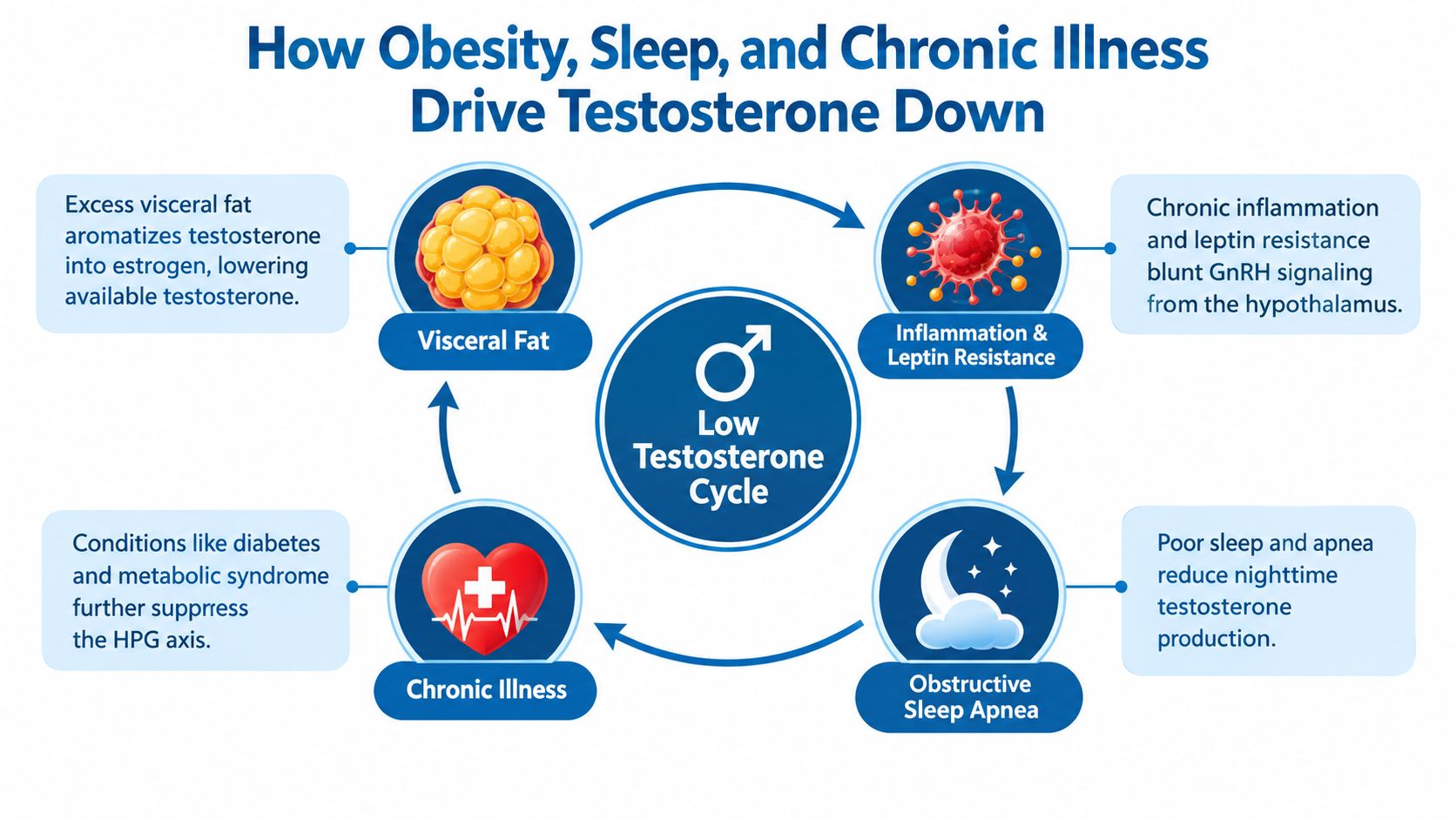
Consider a common pattern. A woman in the menopause transition begins feeling exhausted even after sleeping, forgets words during conversations, wakes with night sweats, and gains weight around her middle. She may be told that the fatigue is stress, the brain fog is depression, and the weight gain is just part of aging. A man may describe a similar loss of energy, reduced libido, mood changes, and declining exercise tolerance, then receive advice to work harder without an evaluation for testosterone deficiency, thyroid disease, sleep disorders, or metabolic problems.
These symptoms deserve attention because hormones influence temperature regulation, sleep, mood, reproductive function, metabolism, and sexual health. Menopause and andropause can contribute to recognizable patterns, but so can hypothyroidism, insulin resistance, depression, medication effects, and inadequate sleep. A symptom such as fatigue points to a clinical question, not a conclusion.
Symptoms that warrant a closer look
Keep a short timeline rather than relying on memory during an appointment. Record when symptoms began, whether they fluctuate with menstrual cycles or treatment changes, and how they affect work, relationships, exercise, and sleep.
- Energy and cognition: Heavy fatigue, reduced concentration, and brain fog that persist despite reasonable rest.
- Temperature and sleep: Hot flashes, night sweats, insomnia, or waking repeatedly without an obvious cause.
- Mood and sexual health: Irritability, low mood, anxiety, reduced libido, vaginal dryness, erectile changes, or difficulty with arousal.
- Metabolic changes: Unexpected weight gain or loss, appetite changes, energy crashes, or a shift in body-fat distribution.
- Reproductive changes: Irregular, unusually heavy, or missed periods, fertility concerns, or symptoms associated with early estrogen deficiency.
The symptoms of hormonal imbalance guide can help you organize what you're experiencing before a clinical visit. Persistent or worsening symptoms, unusual bleeding, severe headaches, vision changes, fainting, chest pain, or sudden neurological symptoms require prompt medical assessment rather than self-treatment.
The Diagnostic Pathway to Accurate Treatment
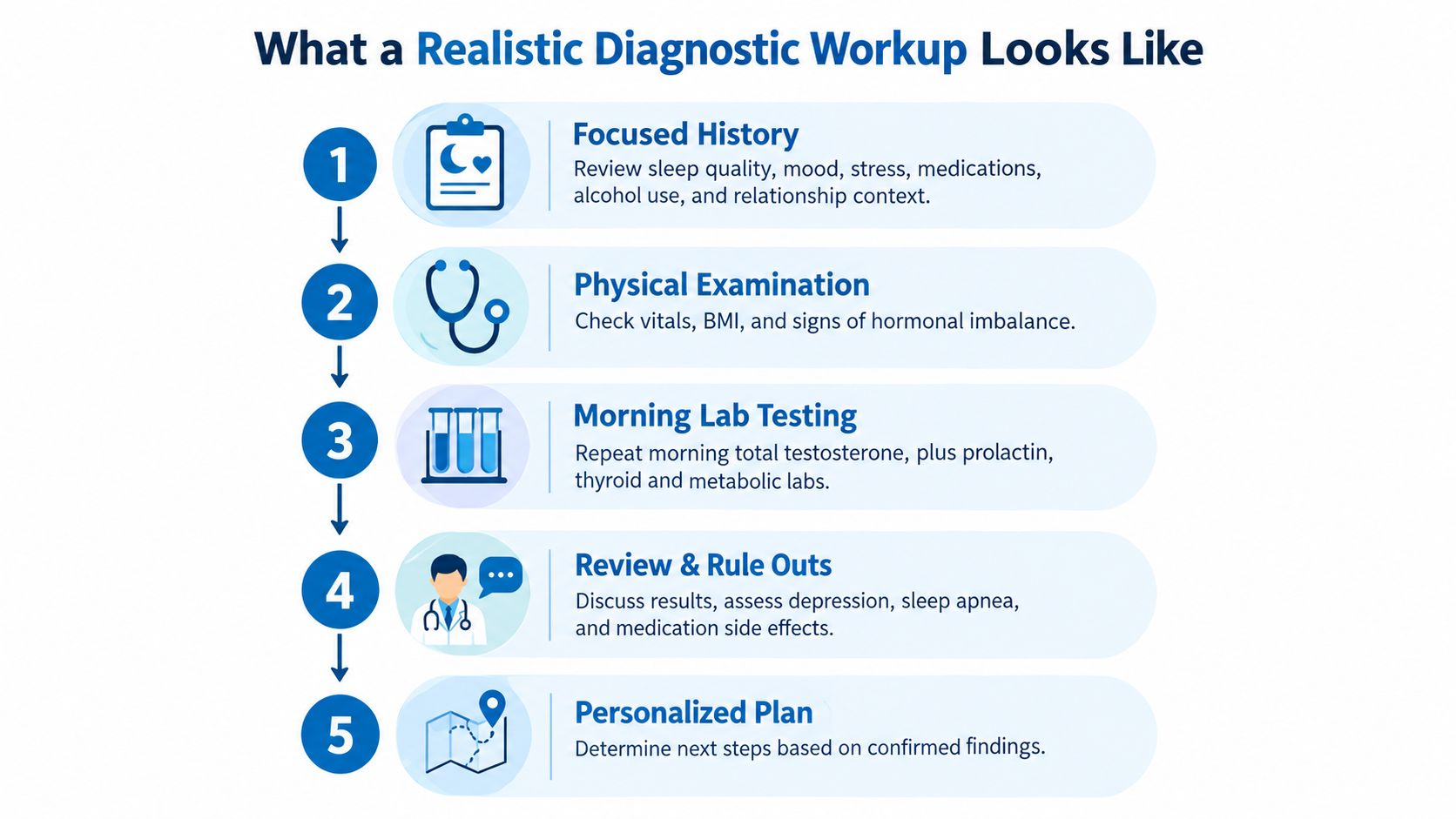
Treatment can't be precise when the underlying cause remains unclear. A careful evaluation combines your history, symptom timeline, physical findings, medications, family history, reproductive stage, and appropriate testing. It also considers conditions that can mimic hormonal distress, including thyroid disease, insulin resistance, depression, sleep disorders, and medication side effects.
What to discuss at the clinic
Depending on your symptoms and life stage, a provider may consider FSH, estradiol, testosterone, SHBG, and thyroid panels . These tests don't function as a universal checklist. Timing, menstrual status, medications, pregnancy possibility, hormone use, and the suspected condition all affect whether a result is useful.
Ask your provider questions that connect testing to decisions:
- What conditions could explain this symptom pattern? Fatigue and weight change, for example, may involve thyroid function, sleep, mood, glucose regulation, or sex-hormone changes.
- Which tests will change the treatment plan? A test is valuable when its result helps distinguish causes or guides a safe intervention.
- How will you interpret the results with my symptoms? A laboratory value outside a reference range doesn't automatically explain how you feel.
- What findings would require referral or urgent follow-up? Abnormal bleeding, suspected gland disorders, and significant metabolic abnormalities may need additional evaluation.
Routine FSH, estradiol, or progesterone testing generally isn't recommended for monitoring a person's response to menopausal hormone therapy. Clinical guidance on hormone-imbalance testing emphasizes the practical point: symptom relief, side effects, medical history, and risk review often matter more than chasing an isolated number.
Diagnostic gaps are real. A 2025 national survey reported that nearly 40% of women felt misdiagnosed during perimenopause according to the Cleveland Clinic's discussion of hormonal imbalance. That finding doesn't mean every symptom is hormonal. It means patients need a structured conversation that tests competing explanations instead of dismissing symptoms or assigning them to menopause automatically.
Evaluating Hormone Replacement Therapy Options
Once the diagnosis and risk profile are clear, treatment becomes a matter of matching the intervention to the problem. Menopausal hormone therapy is widely described in major guidelines as the most effective treatment for vasomotor symptoms such as hot flashes and night sweats. It also helps prevent bone loss and fracture, but it isn't appropriate for everyone, and it shouldn't be prescribed solely to prevent chronic disease.
Standard HRT and bioidentical hormone replacement therapy , or BHRT, can overlap conceptually. Some approved hormone products are chemically identical to hormones made by the body, while “bioidentical” may also refer to compounded products whose consistency, approval status, and evidence can differ. The meaningful questions involve the specific hormone, dose, route, quality controls, indication, contraindications, and follow-up plan.
| Treatment Type | Best For | Key Consideration |
|---|---|---|
| Menopausal hormone therapy | Troublesome hot flashes, night sweats, and selected estrogen-deficiency symptoms | Individualize by age, time since menopause, contraindications, route, dose, and progestogen needs |
| Local vaginal estrogen or other local therapy | Genitourinary symptoms that don't require systemic treatment | Lower-dose local treatment may be appropriate; people with a uterus generally need protection from endometrial risk when using systemic estrogen |
| Thyroid replacement | Confirmed hypothyroidism | Levothyroxine remains first-line therapy and effectively treats about 80% to 90% of patients in the Endocrine Society's position statement |
| Non-hormonal medication | People who can't use hormones or prefer another route | Benefits, adverse effects, and long-term evidence vary by medication |
| Medical weight loss with GLP-1 medication | Selected patients with weight-related metabolic concerns | Requires medical screening, medication management, nutrition support, and a plan for ongoing care |
GLP-1 medications aren't hormone replacement therapy, but they may have a role when weight gain occurs alongside metabolic disease or insulin resistance. A systematic review summarized placebo-subtracted weight loss of roughly 15% with semaglutide and about 19% with tirzepatide , with some commercially available therapies reaching up to about 24% total weight loss in certain analyses as summarized by Medscape. Those figures describe study-level outcomes, not a promise for an individual.
Pause Medical's comparison of hormone replacement options can help frame a consultation. The decision should remain personal and clinical, not driven by the label “natural,” a single lab result, or an online protocol.
Lifestyle Foundations for Hormonal Balance
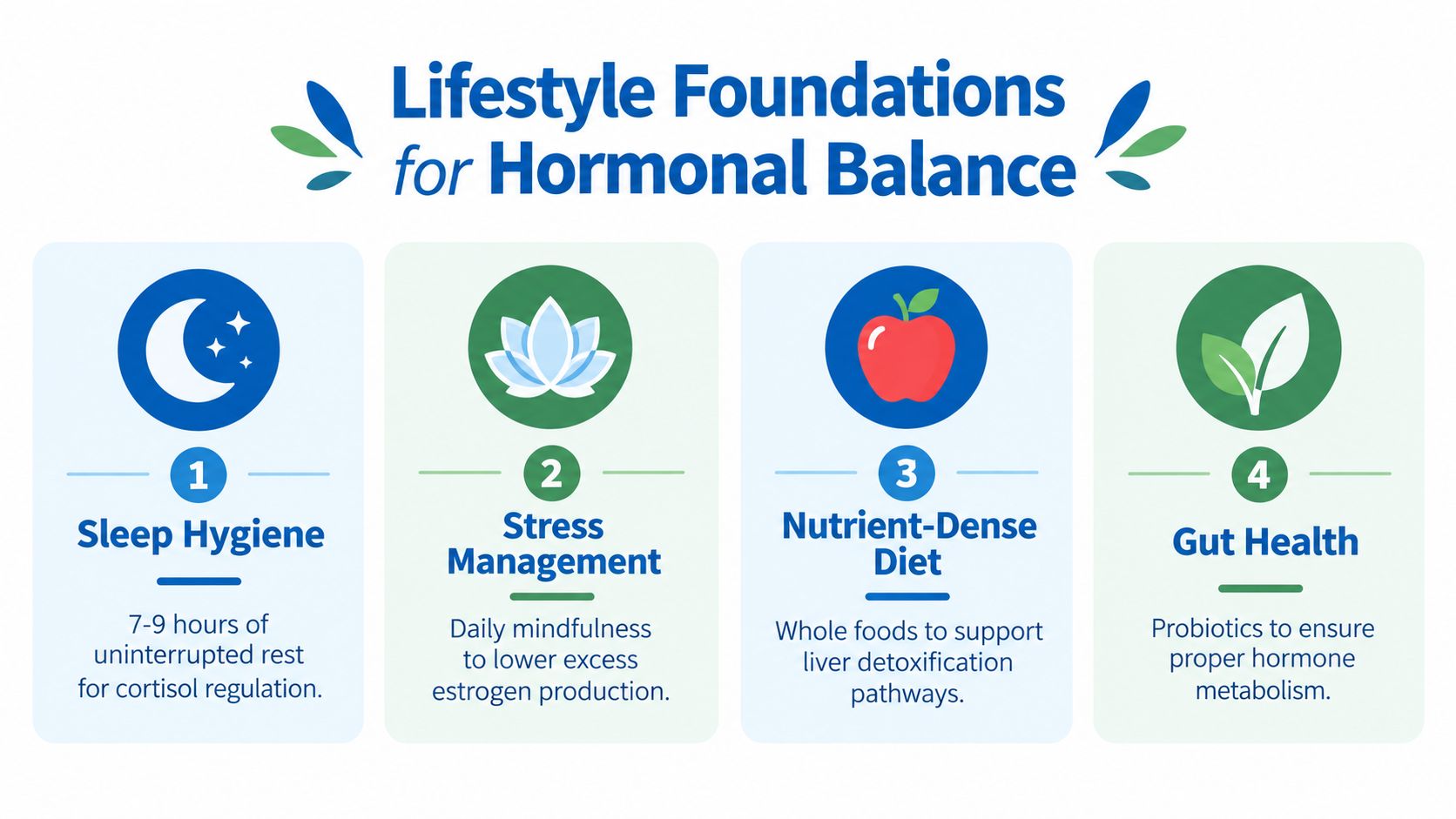
Medication may address a hormone deficiency or a defined disease, but daily habits influence sleep, glucose regulation, body composition, stress physiology, and how well a treatment fits your life. Lifestyle changes shouldn't replace necessary medical care. They should make the medical plan more sustainable.
Build habits that support treatment
- Protect sleep: Keep a consistent wake time, reduce late-evening stimulation, and address snoring or repeated awakenings with a clinician. Poor sleep can worsen fatigue, appetite, mood, and perceived hot flashes.
- Train for strength: Resistance exercise supports muscle and bone health and can improve how the body handles glucose. Start with a manageable routine and progress gradually rather than treating exhaustion as a reason to stop moving entirely.
- Prioritize nutrient density: Build meals around protein, vegetables, fruit, high-fiber carbohydrates, and unsaturated fats. This approach supports satiety and steadier energy without promising that one food will “balance” every hormone.
- Use time-restricted eating carefully: A consistent eating window may help some adults organize meals and reduce unplanned snacking, but it isn't suitable for everyone, especially people using glucose-lowering medication, those with a history of disordered eating, or anyone whose symptoms worsen with restriction.
- Lower daily stress load: Breathing exercises, counseling, mindfulness, walking, and social connection can help. If you're looking for practical ideas beyond medication, this resource on natural stress relief that works offers additional approaches to consider.
Gut-directed supplements and “detox” programs deserve caution. Your liver and kidneys already process metabolic waste, and supplements can interact with prescriptions or contain inconsistent ingredients. Discuss products with your provider before adding them, particularly if you're taking thyroid medication, anticoagulants, diabetes medication, or hormone therapy.
A practical plan should be realistic enough to follow during a difficult week. Pause Medical's guide to balancing hormones naturally can support that conversation, but lifestyle strategies work best when they complement diagnosis and appropriate treatment.
Navigating Safety Concerns and Long-Term Risks
A patient may arrive worried that hormone replacement therapy (HRT) automatically causes cancer or blood clots after reading about the Women's Health Initiative. Those concerns deserve a precise explanation. Among women aged 50 to 79, the WHI found that oral estrogen-plus-progestin therapy increased stroke and blood-clot risks, did not prevent heart attacks, and increased breast cancer risk. It also lowered diabetes and fracture risk, while increasing gallbladder disease, urinary incontinence, and dementia risk in women over 65 according to the WHI summary.
Absolute numbers clarify the trade-off. For every 10,000 women using estrogen-progestin for one year , the trial recorded about 6 additional coronary heart disease events, 9 additional strokes, 21 additional venous thromboembolisms, and 9 additional breast cancers , or about 20 extra adverse events per 10,000 women-years overall in the published WHI analysis. Those findings apply to a specific regimen and study population. They do not support treating all HRT as equally dangerous or assuming newer approaches carry no risk.
How clinicians individualize risk
The benefit-risk balance is generally more favorable for women younger than 60 or within 10 years of menopause onset. Starting later may involve higher absolute rates of coronary heart disease, stroke, venous thromboembolism, and dementia as summarized in the NCBI clinical review. Age, route, dose, progestogen selection, personal and family history, and the treatment goal all influence the decision.
A detailed discussion of hormone therapy risks and benefits should cover those factors, including whether local or systemic treatment is appropriate.
Practical rule: Use the lowest effective dose that meets the treatment goal, review the plan regularly, and reassess rather than continuing automatically.
The Endocrine Society recommends revisiting continued treatment at least annually and using the shortest duration consistent with the patient's goals and risk assessment in its clinical practice guideline. A personalized protocol may differ from older oral regimens, but “bioidentical” does not remove the need for screening, informed consent, and follow-up. Accurate diagnosis remains the safeguard against treating the wrong problem.
Working with Your Provider for Ongoing Care
Hormone treatment is a process of adjustment, not a single prescription. At follow-up, your provider should review symptom response, side effects, blood pressure, bleeding patterns when relevant, medications, medical history, and whether the original diagnosis still explains your current concerns. Dose changes should follow that information rather than an automatic increase based on a laboratory number.
Ask how long you should wait before evaluating benefit, which symptoms signal a problem, and when testing or referral is necessary. People with primary ovarian insufficiency or early estrogen deficiency may need a replacement-focused plan that protects bone health, while someone with isolated genitourinary symptoms may need local treatment instead of systemic exposure. Testosterone is a niche option for selected postmenopausal women with hypoactive sexual desire disorder, and expert guidance advises stopping it if there's no response by 6 months , with limited safety and efficacy data beyond 24 months in the clinical review of primary ovarian insufficiency and hormone therapy.
Pause Medical provides in-person provider consultations, personalized hormone replacement therapy and medically supervised weight-loss planning, and ongoing medication management for patients in Mississippi. The clinic serves communities including Oxford, Meridian, Tupelo, Flowood-Jackson, and Starkville, with care designed around individual goals and medical oversight. Hormone therapy and GLP-1 treatment require clinician screening and aren't appropriate for every patient, so discuss risks, benefits, alternatives, pregnancy or fertility considerations, and urgent symptoms with a qualified healthcare professional.
If persistent fatigue, hot flashes, weight gain, low libido, or mood changes are disrupting your life, schedule an in-person evaluation with Pause Medical to review possible causes and appropriate treatment options. The Mississippi clinic offers personalized HRT, medical weight loss, disease management, and ongoing medication support, so you can move from symptom guesswork to a medically supervised plan.