Hormone Imbalance Testing Near Me: A Practical Guide
You're probably tired of guessing. The fatigue won't quit, the weight keeps creeping up, your libido's gone quiet, and every ad you see makes it sound like one hormone panel will finally explain everything. In Mississippi, I've watched plenty of people walk in ready to buy the biggest test they can find, then feel even more confused when the numbers come back.
My blunt advice is this, don't start by chasing the most expensive panel . Start by asking whether hormone testing is even the right first move, then choose the right test, the right timing, and the right place to get it done. That's how you avoid paying for a result nobody can use.
Why Hormone Testing Is Not Always the First Step
Fatigue, weight gain, low libido, mood changes, and brain fog are real symptoms, but they don't all point to a generic hormone problem. They can show up with thyroid disease, menopause or perimenopause, sleep problems, blood sugar issues, chronic stress, or medication effects , and a single lab value usually won't sort that out on its own. The CDC's hormone-disorders tracking page also reflects the broader point, hormone testing is useful when it's tied to a real question, not treated like a universal screening tool.
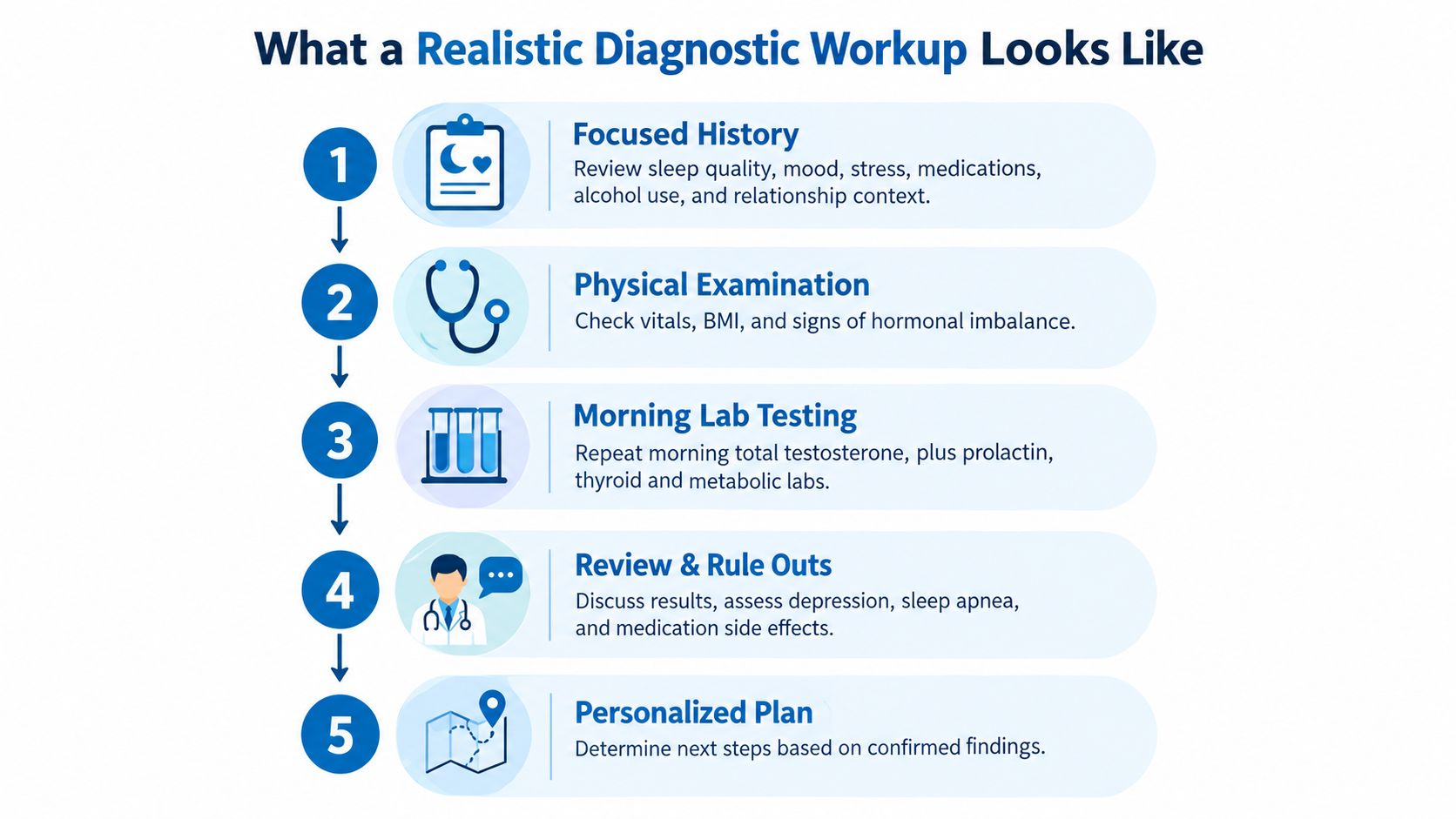
The first consult matters more than the first panel
A lot of people want a test before they want a conversation. I think that's backwards. A good clinician starts with symptoms, life stage, medications, and timing, then decides whether testing will clarify the problem or just create noise.
Practical rule: if the symptom list is broad and nonspecific, the first win is a smart differential, not a giant lab order.
That matters because hormone results can mislead without context. NBC News has also noted that people should be off birth control for at least 90 days before hormones return to baseline, and older postmenopausal women often don't gain much from estradiol or progesterone testing. That's exactly why a “near me” search should lead to judgment, not just convenience.
If you want a concise explanation of which kind of clinician should order and interpret these labs, I'd start with this guide to who treats hormone imbalance. It's a better first click than a random panel checkout.
Symptom Clusters That Point to Specific Hormones
You do not need to show up with a vague complaint and hope someone guesses right. You need a symptom map. When a patient can describe the pattern clearly, I can usually tell which hormone axis deserves attention first and which lab order would just waste time and money.

What your symptoms are trying to tell you
Fatigue plus cold intolerance plus weight gain usually points me toward the thyroid. In that situation, TSH, free T4, and sometimes thyroid antibodies give me more useful information than a broad sex-hormone panel. The thyroid is the gland that most often explains the “I'm exhausted and my body feels slowed down” story.
Irregular cycles plus acne plus facial hair raise a different set of questions. That cluster fits androgens, LH, FSH, and sometimes DHEA-S , with PCOS high on the list. Testing only estrogen in that situation usually misses the point.
Night sweats, skipped periods, and brain fog often fit perimenopause . That is a life-stage issue as much as a lab issue, so the history matters just as much as any number. Symptoms and stage guide interpretation.
Loss of morning erections, low drive, brain fog, and stubborn belly fat make me think about testosterone and the metabolic side of the picture. Total testosterone, free testosterone, SHBG, and sometimes prolactin are the markers I want reviewed, not a single number pulled out of context.
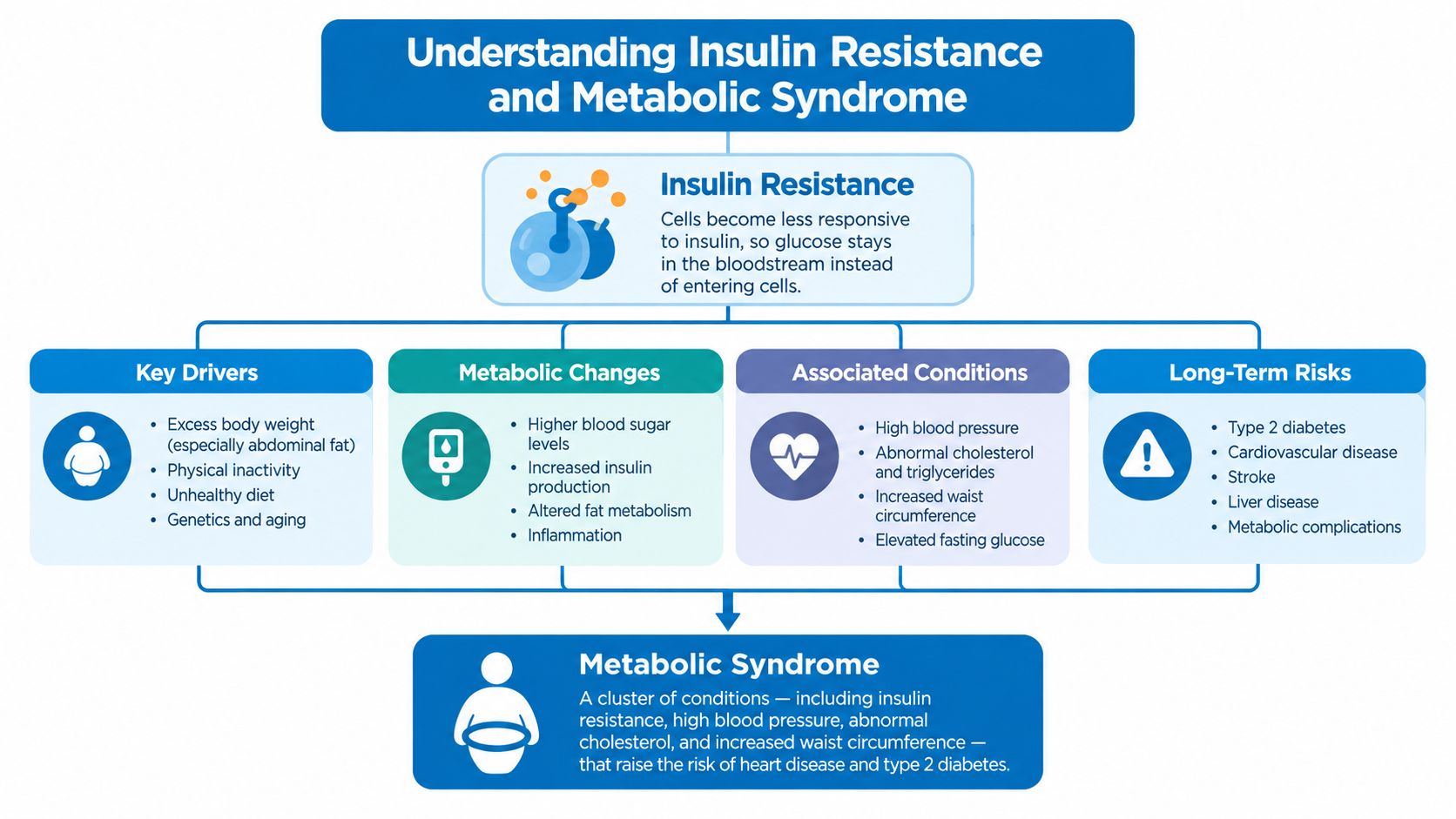
Afternoon crashes, sugar cravings, and central weight gain usually pull me toward insulin and cortisol rather than reproductive hormones alone. That is the point where a provider should think about fasting glucose, insulin, and a cortisol strategy that matches the symptom pattern.
If you want a fertility-specific comparator for how one marker fits into a larger hormonal picture, the Venus Health Co. AMH guide is a useful read. AMH does not answer everything, but it shows why one marker never tells the whole story.
For a practical look at how thyroid symptoms overlap with broader hormone complaints, Pause Medical's thyroid and hormone testing guide is worth a look. Thyroid problems are common, and they get missed when a panel is ordered without a symptom pattern in mind.
Blood, Saliva, or Urine, Which Test You Need
People ask for a “hormone panel” and end up buying the wrong test. The sample type matters. A serum blood test measures circulating hormone in the bloodstream and is widely available, saliva testing is better for the free, unbound fraction and often fits cortisol rhythm work, and dried urine testing captures metabolites over roughly 24 hours so you can see breakdown patterns a blood draw misses. Each method answers a different question. Healthflow's overview of hormone testing methods lays out that practical difference well.
Timing errors are the fastest way to get junk results
Testosterone is highest in the early morning , progesterone makes the most sense in the mid-luteal phase , and cortisol follows a strong diurnal pattern. Draw those at random, then treat the result like a final answer, and you can end up with a false “normal” or a false alarm.
A random afternoon specimen can be technically accurate and clinically useless at the same time.
Biotin causes trouble too. It can interfere with immunoassay-based thyroid and hormone values if you have not held it long enough before testing, so the sample can look better or worse than it really is. The technical guide from Lamkin Clinic also emphasizes morning blood draw for testosterone and cortisol , cycle-day-specific sampling for reproductive hormones, and fasting collection for insulin and glucose when metabolic symptoms are in play.
My rule for picking the modality
Use blood when you need a baseline and want the broadest access. Use saliva or dried urine when the question is rhythm, free-hormone activity, or metabolite patterns. Repeat the same test at the same time of day when you are tracking trends, because one-off comparisons waste money.
If you are trying to understand ovarian reserve as part of a fertility conversation, the Venus Health Co. AMH guide is a useful supplement to the lab discussion, not a substitute for it. And if thyroid symptoms are driving the visit, this thyroid and hormone testing resource shows why the thyroid workup deserves its own lane.
Choosing Between Local Labs, Clinics, and Telehealth
People either save money or waste it. If you're searching for hormone imbalance testing near me , you've got three real paths, a commercial lab, a clinic visit, or telehealth. The right choice depends on whether you already have someone who can interpret the result and turn it into a plan.
The tradeoffs are pretty straightforward
| Option | Typical turnaround | Provider interpretation | Best for |
|---|---|---|---|
| Local labs | Lab-dependent, often quick | Only if your clinician orders and reviews it | Straightforward retesting, known follow-up plan |
| Clinic-based testing | Visit plus lab ordering | Yes, built into the visit | Complex symptoms, thyroid concerns, perimenopause |
| Telehealth or direct-access testing | Often fast, varies by platform | Sometimes, but not always personal | Convenience, remote follow-up, repeat checks |
Walk-In Lab says results arrive in 5 to 7 business days , and Accesa Labs says results can be available in as soon as 3 business days . That kind of turnaround is useful, but turnaround alone doesn't tell you whether the numbers will be interpreted correctly.
My rule is blunt. If you already have a provider who knows the question you're asking, a panel is fine. If the symptoms are messy, mixed, or likely thyroid or perimenopause, the consult is worth more than the checkout cart. Telehealth is most useful for simple follow-up or retesting when the workup is already clear.
A specialty clinic can also bundle the next step instead of leaving you to decode a PDF on your own. One Mississippi option is Pause Medical's hormone testing and evaluation pathway, which is built around provider review rather than test-only shopping.
Scheduling and Preparing for Accurate Results
People mess up hormone testing in the same few ways over and over. They book at the wrong time of day, eat when they should've fasted, forget supplements, or test too soon after stopping birth control. None of that means the symptoms aren't real. It just means the lab may not be.
A clean prep checklist beats guesswork
- Schedule a morning draw: Testosterone and cortisol are best checked early in the day, not after lunch.
- Fast when the order calls for it: Insulin and glucose testing is most useful when collection is done fasted.
- Track your cycle day: Estradiol and progesterone need the right window if you want a result that means anything.
- Hold biotin before testing: It can distort thyroid and hormone immunoassays if you don't stop it long enough.
- Bring your medication list: Birth control, hormone therapy, thyroid meds, and supplements all matter.
If you've recently come off hormonal birth control, don't rush the baseline. Give the body time to settle before assuming the first value tells the truth. That 90-day buffer is a practical rule, not a decorative one.
Don't ignore follow-up cadence
Most testing results come back within a few days to one week , and monitoring doesn't stop there. Early hormone therapy often needs repeat checks every 3 to 6 months , while thyroid management is commonly followed every 6 to 12 months . Those intervals help you see whether the treatment is stabilizing things or just changing the paper trail.
Insurance can complicate the picture, but it doesn't have to control the process. Direct-access panels are often self-pay up front, and some patients submit for reimbursement later. Clinics like Pause Medical also keep the process simpler by not requiring insurance to move forward, which saves time when the priority is getting an answer.
Questions to Ask Your Provider and How to Read the Results
Bring a script. Don't sit down and hope the visit magically becomes organized. Ask which hormones were ordered and why, what time of day the sample was collected, whether the reference range fits your age and sex, and how the result will be interpreted alongside your symptoms and medical history. Those questions turn a lab slip into a clinical conversation.
You'll also want to know what happens next if something is high, low, or borderline. If the answer is “we'll just repeat it,” push for the reason. Repeating a bad test without changing timing or context doesn't help.
Mindset shift: a hormone number is one data point, not a verdict.
When you read the report yourself, pay attention to total versus free hormone , because binding proteins like SHBG can change what's biologically active. “In range” isn't always the same as “optimal,” especially when symptoms are persistent and the assay timing was imperfect. If the lab report doesn't match the way you feel, that's when a second opinion makes sense.
For a practical walkthrough of how to interpret those values without spiraling into internet nonsense, use this guide to reading hormone blood test results. Then sit with a provider who knows how to read the whole chart, not just the number.
From Results to a Real Treatment Plan
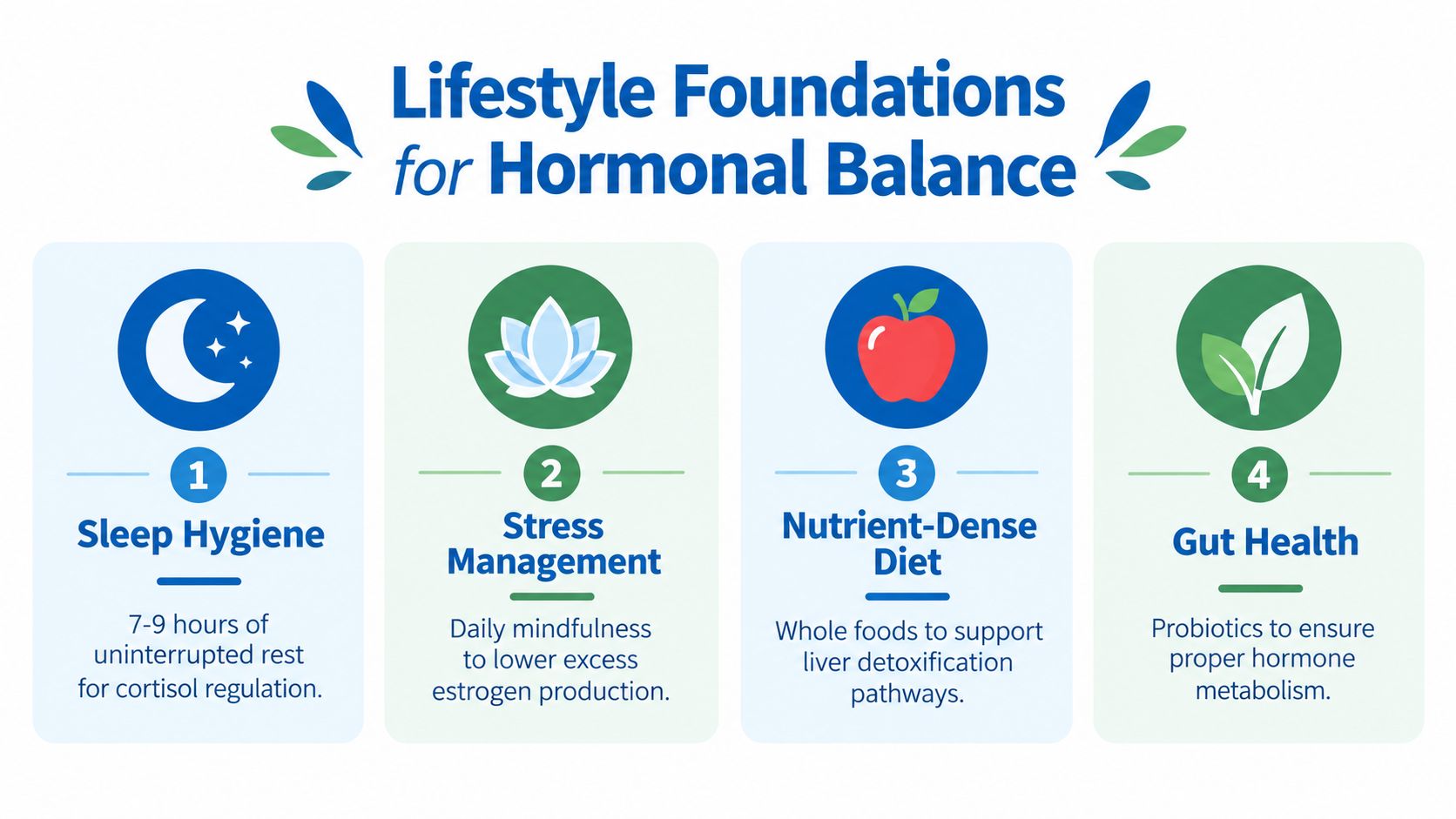
Testing only matters if it leads somewhere useful. For some patients, that next step is simpler sleep work, nutrition changes, and stress reduction. For others, it's bioidentical hormone replacement therapy , thyroid treatment, or medically supervised weight loss when hormones and metabolism are tangled together. The right plan is not theoretical, it's personal.
What a real plan usually looks like
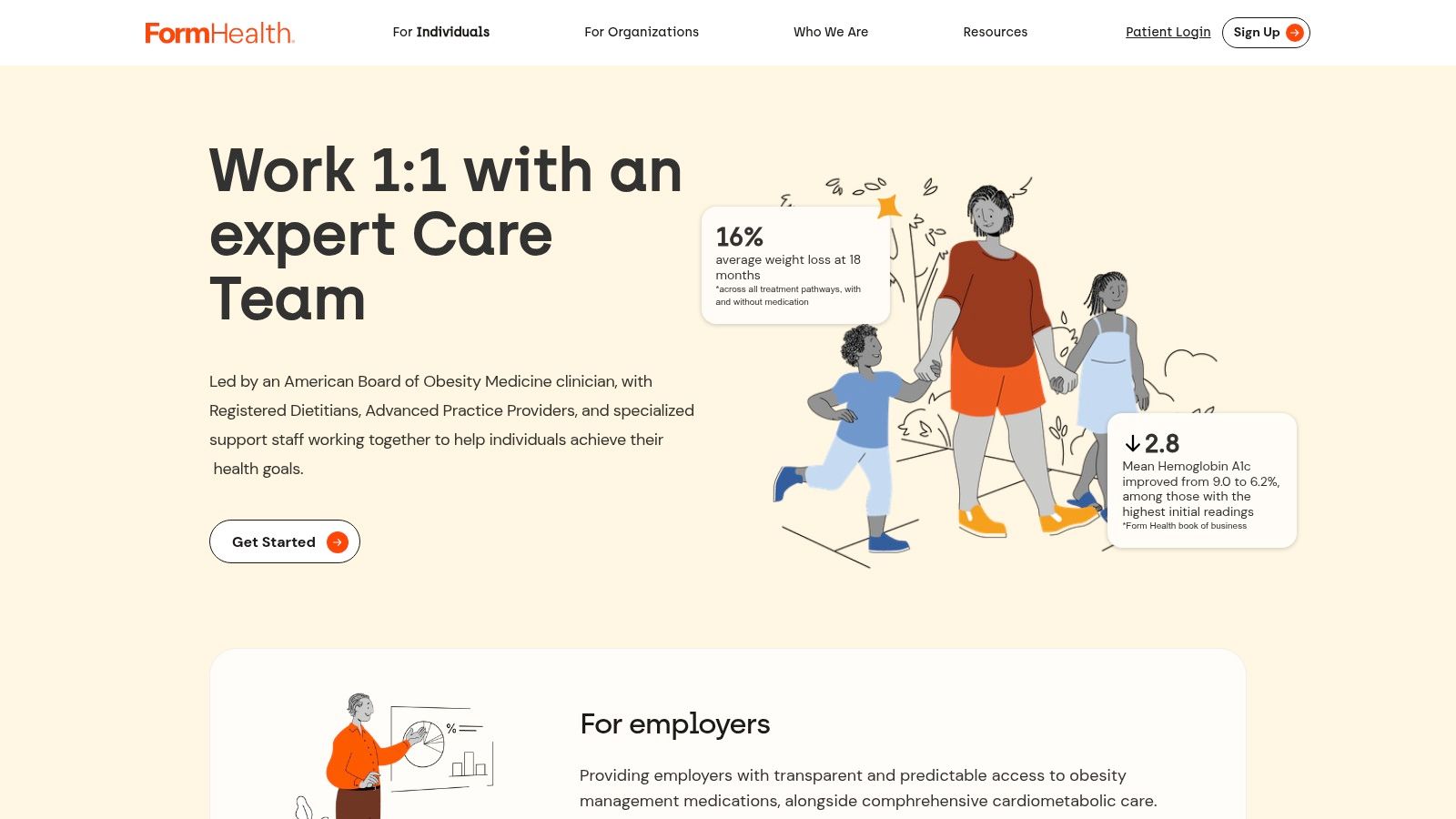
If the issue is early hormone decline in perimenopause, menopause, or andropause , I'd rather see a personalized hormone plan than a scattershot supplement stack. If thyroid labs are off, the treatment should focus on the thyroid pattern, not just the symptoms. And if weight gain is part of the picture, GLP-1 weight loss options may belong in the conversation when a clinician confirms they fit the medical story.
One Mississippi clinic option that combines evaluation, treatment planning, and follow-up is Pause Medical's personalized treatment plans. That matters because testing without a plan just leaves people with more paper and no progress. For a practical system to keep lab work, prescriptions, and visit notes straight, Family Folder's medical records guide is worth keeping handy.
Medical disclaimer: This article is for education only and isn't a diagnosis or a treatment plan. If you have severe symptoms, heavy bleeding, chest pain, thoughts of self-harm, or sudden worsening, get urgent medical care.
Testing is the starting point, not the finish line. The goal is energy, balance, and long-term vitality, and a local team that knows how to interpret the numbers makes that path much easier to follow.
If you're ready to stop guessing, schedule a visit with Pause Medical and get a focused hormone evaluation, clear interpretation, and a treatment plan built around what's driving your symptoms. Their Mississippi team works with hormone health, weight management, and ongoing medication oversight so you're not left trying to decode lab results on your own.