Low Estrogen Levels: Causes, Symptoms, and Treatment
Low estrogen levels mean your body has less estradiol than typical for your age and life stage, often causing hot flashes, vaginal dryness, mood shifts, and fatigue. About 75% to 80% of women experience hot flashes or night sweats, while 50% to 75% experience genitourinary symptoms such as vaginal dryness or urinary changes.
You may be waking up drenched in sweat, struggling to sleep, feeling unlike yourself, or avoiding intimacy because sex has become uncomfortable. You may also notice fatigue, brain fog, changes in weight, or a drop in sexual desire. These symptoms can feel disconnected, but estrogen affects many systems beyond reproduction.
Low estrogen is most often associated with perimenopause and menopause, but it can also result from medical treatments, procedures, ovarian conditions, changes in body weight, or other health problems. Understanding the cause matters because the right response may involve hormone therapy, non-hormonal treatment, medical weight loss, medication management, or evaluation for another condition.
What Low Estrogen Levels Actually Mean
Estrogen is a group of hormones, and estradiol is the main form discussed when clinicians evaluate estrogen status in adults. Low estrogen levels mean estradiol is lower than expected for a person's age, reproductive stage, and overall health. During the menopausal transition, ovarian function declines and circulating estrogen falls, which can affect the brain, bones, blood vessels, skin, urinary tract, and vaginal tissue. The clinical overview of estrogen and progesterone offers additional background on how these hormones work together.
A useful analogy is to think of estrogen as part of the body's thermostat and lubrication system . When the thermostat becomes less stable, you may suddenly feel overheated or wake with night sweats. When tissues receive less hormonal support, the vagina and urinary tract may become drier and more sensitive. Changes in brain signaling can also contribute to sleep disruption, mood changes, and mental cloudiness.

Common signs to recognize
Low estrogen doesn't look identical in every person. Common experiences include:
- Temperature changes: Hot flashes, night sweats, or feeling overheated without an obvious trigger.
- Sleep problems: Difficulty falling asleep, frequent waking, or poor sleep after night sweats.
- Mood and concentration changes: Irritability, low mood, anxiety, or brain fog.
- Genitourinary symptoms: Vaginal dryness, burning, pain during sex, urinary urgency, or recurring urinary discomfort.
- Sexual changes: Reduced libido, less comfortable intimacy, or difficulty becoming aroused.
- Body changes: Fatigue, changes in weight, or a shift in how the body stores fat.
These signs can point toward low estrogen, but they don't prove it. Thyroid disorders, anemia, medication effects, depression, chronic illness, and sleep disorders can cause similar complaints. A clinician needs to interpret symptoms in context rather than treating a single symptom or lab result in isolation.
Common Causes of Low Estrogen
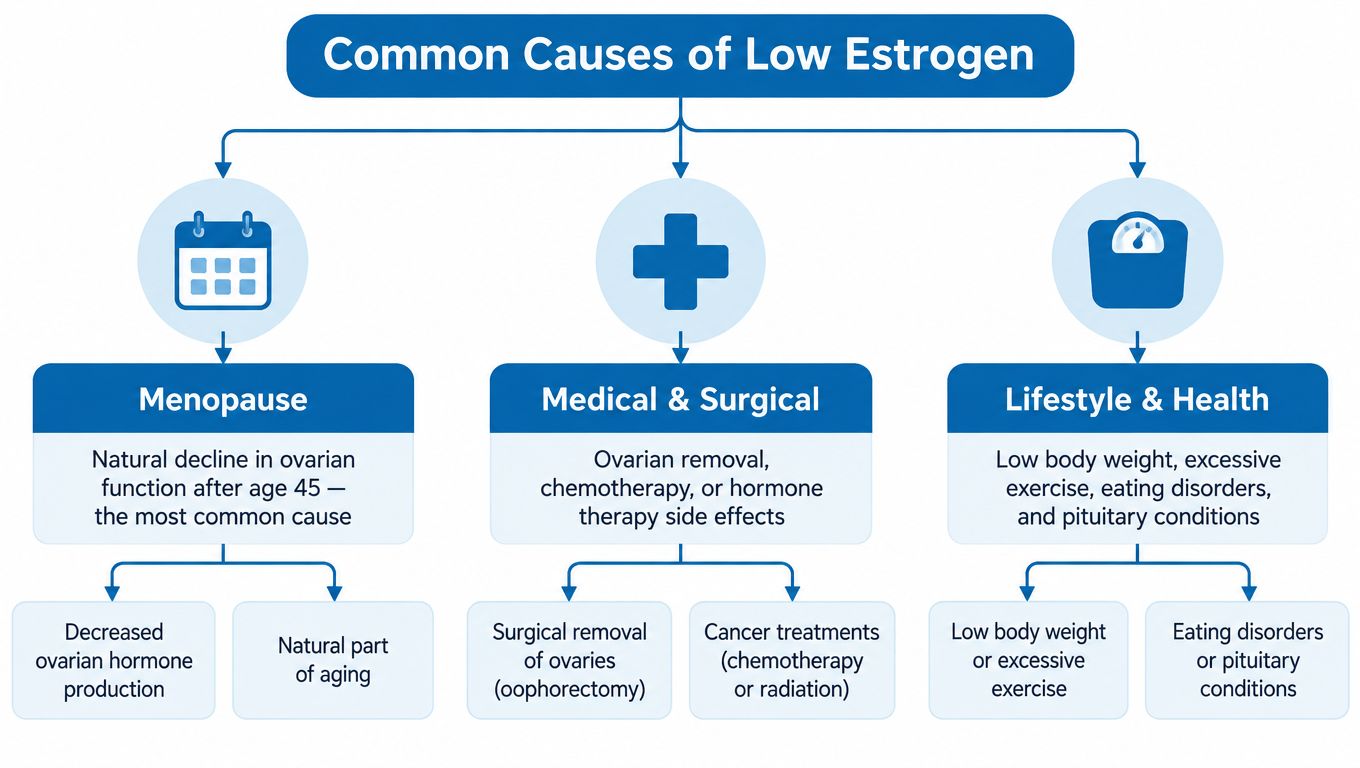
The most common pathway is the menopausal transition . As ovarian follicular function declines, circulating estrogen levels fall. Perimenopause can bring fluctuating hormone levels before estrogen settles at a lower postmenopausal level, so symptoms may appear even while menstrual cycles are still occurring. A practical guide to what happens during perimenopause can help explain why symptoms may change from month to month.
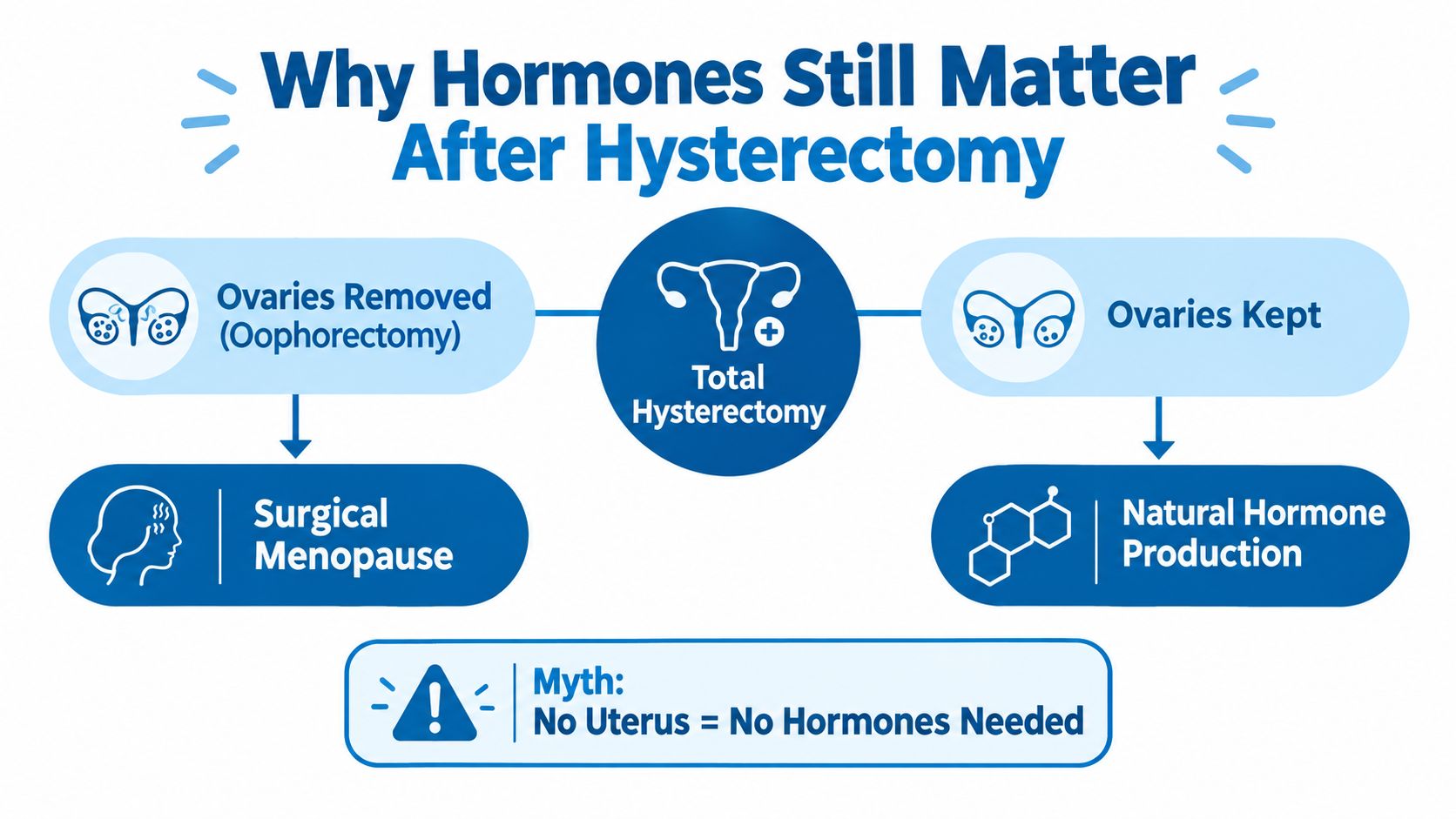
A second pathway involves medical or surgical effects. Removal of the ovaries can cause an abrupt reduction in estrogen production. Chemotherapy, radiation, medications that suppress ovarian function, and some treatments for hormone-sensitive disease may also produce low estrogen. The speed of the change often affects the experience. A gradual decline may bring fluctuating symptoms, while an abrupt change can feel sudden and intense.
Other pathways clinicians consider
Low estrogen can also occur with primary ovarian insufficiency , very low body weight, intense exercise, eating disorders, or conditions affecting the pituitary gland. These causes deserve careful assessment because the treatment plan may focus on restoring adequate nutrition, adjusting training, treating an underlying illness, or replacing hormones when appropriate.
Low estrogen isn't limited to women. Clinical guidance also describes men with low estrogen who may experience increased belly fat and decreased sex drive. That doesn't mean every change in body composition or libido is hormonal. Estrogen varies by age and, in people who menstruate, by cycle phase, while fatigue, mood changes, brain fog, and weight change overlap with many other conditions.
For broader conversations about women's health and wellness, readers may also find wellness news from SunnyBay useful as a general educational resource. It shouldn't replace a medical evaluation, especially when symptoms are persistent, severe, or appearing outside the expected reproductive stage.
Signs and Symptoms to Watch For
Low estrogen often appears as a cluster of changes rather than one unmistakable symptom. You might wake repeatedly at night, feel drained at work, and struggle to concentrate the next morning. Another person may have hot flashes without a major menstrual change. Someone else may mainly notice vaginal dryness, painful sex, urinary urgency, or a sudden drop in sexual confidence.
Hot flashes and night sweats are known as vasomotor symptoms . They occur when changing estrogen levels affect the body's control of blood vessels and temperature. These symptoms affect approximately 75% to 80% of women , according to the University of Rochester Medical Center. Even a brief hot flash can interrupt sleep, exercise, work, or social activities.
Symptoms below the waist matter too
Genitourinary syndrome of menopause, or GSM, describes estrogen-related changes in vaginal and urinary tissues. Approximately 50% to 75% of women experience GSM. Possible symptoms include dryness, irritation, pain during sex, reduced sexual function, urinary urgency, recurrent urinary tract infections, and other urinary problems, as described by the same medical reference.
These symptoms can affect relationships, exercise, sleep, confidence, and willingness to seek care. Vaginal and urinary discomfort belongs in the main symptom picture, not in an embarrassing category that patients should tolerate. Clinical guidance increasingly addresses urinary symptoms, painful sex, and vaginal dryness as part of menopause care.
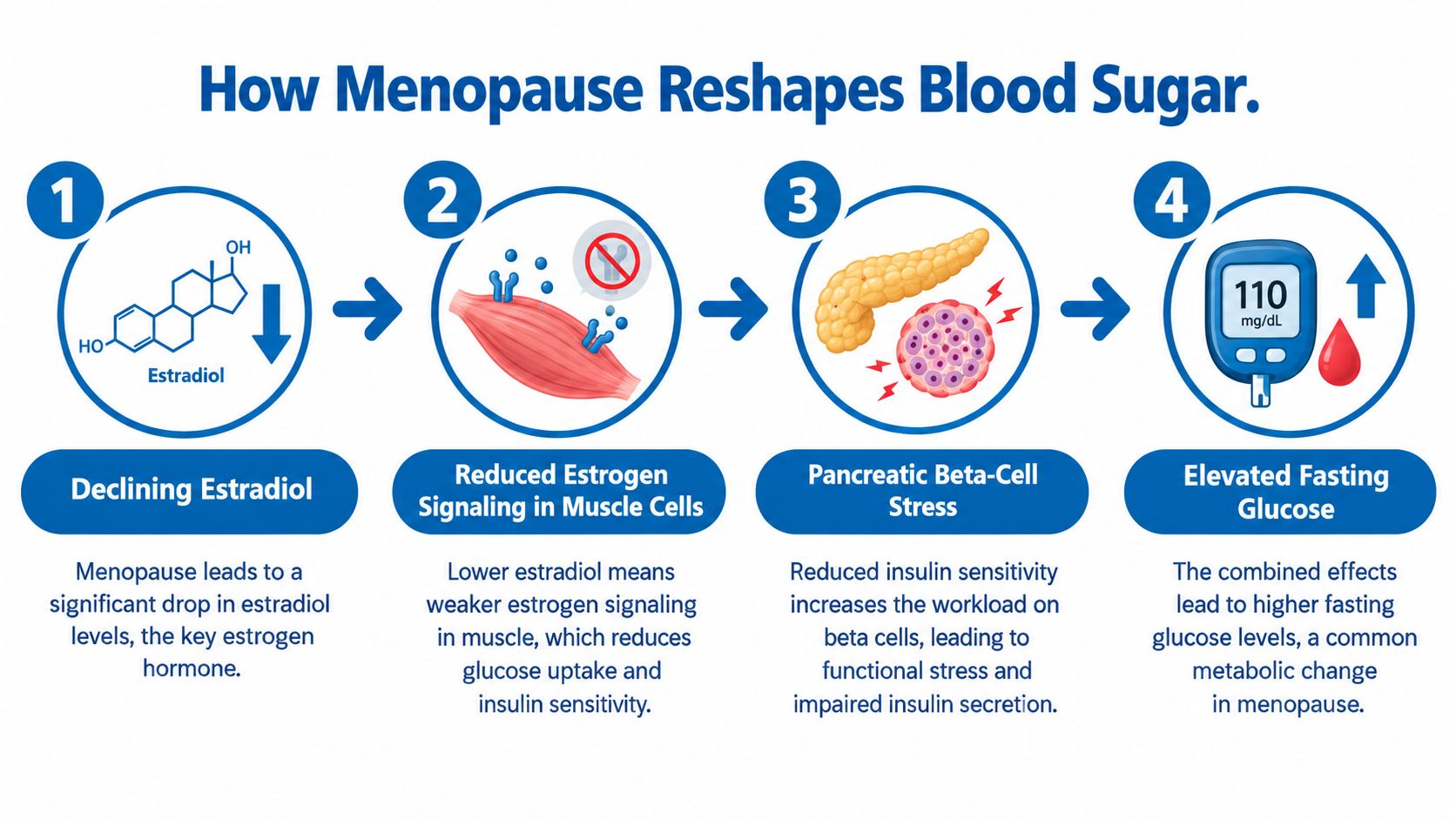
Estrogen's effects also extend beyond reproductive tissues. Changes in sleep, energy, appetite, or body composition may feel metabolic, while fatigue and disrupted sleep can make mood and concentration worse. These symptoms overlap with many other conditions, so they do not prove that estrogen is the cause.
Mood and cognition may be difficult to describe. You might feel more emotionally reactive, less able to cope with stress, or unable to find the right word. Depression, anxiety, thyroid disease, medication effects, and chronic sleep loss can produce similar experiences.
Practical rule: Track symptoms alongside sleep, menstrual changes, medications, and major stressors. Patterns give your clinician more useful information than a single difficult day.
Record when symptoms began, how often they occur, what worsens them, and how they affect daily life. Include sexual and urinary symptoms, even when they feel uncomfortable to mention. For broader general education, readers may also consult wellness news from SunnyBay. Persistent, severe, or unexpected symptoms still warrant medical evaluation.
How Low Estrogen Is Diagnosed
Diagnosis starts with a conversation, not just a blood test. Your clinician may ask about menstrual history, age, reproductive stage, surgeries, cancer treatments, exercise, nutrition, medications, sleep, mood, sexual health, and family history. A physical examination or additional laboratory testing may be appropriate when symptoms suggest thyroid disease, anemia, pregnancy, or another explanation.
A blood test can measure estradiol , but the result needs context. In people who menstruate, estrogen changes with cycle phase. A result that looks low during one phase may not mean the same thing during another phase. In postmenopause, estradiol is expected to be much lower. Cleveland Clinic lists a typical postmenopausal range of 2 to 21 pg/mL , compared with 30 to 100 pg/mL during the early follicular phase, as shown in its reference on estradiol levels and estrogen function.
Estradiol levels across life stages
| Life stage | Typical estradiol range |
|---|---|
| Postmenopause | 2 to 21 pg/mL |
| Early follicular phase before menopause | 30 to 100 pg/mL |
These ranges are reference points, not a diagnosis by themselves. Laboratory methods differ, and symptoms may not match a number perfectly. Your provider may repeat testing, assess other hormones, or focus more heavily on the clinical picture when the result doesn't fit your symptoms.
The same reasoning applies to urinary and sexual symptoms. A clinician may evaluate for infection, pelvic floor problems, dermatologic conditions, medication effects, or other causes instead of assuming every complaint reflects estrogen deficiency. Before your appointment, prepare a symptom timeline and review how to read hormone blood test results so you can ask informed questions about timing, reference ranges, and next steps.
Treatment Options for Low Estrogen
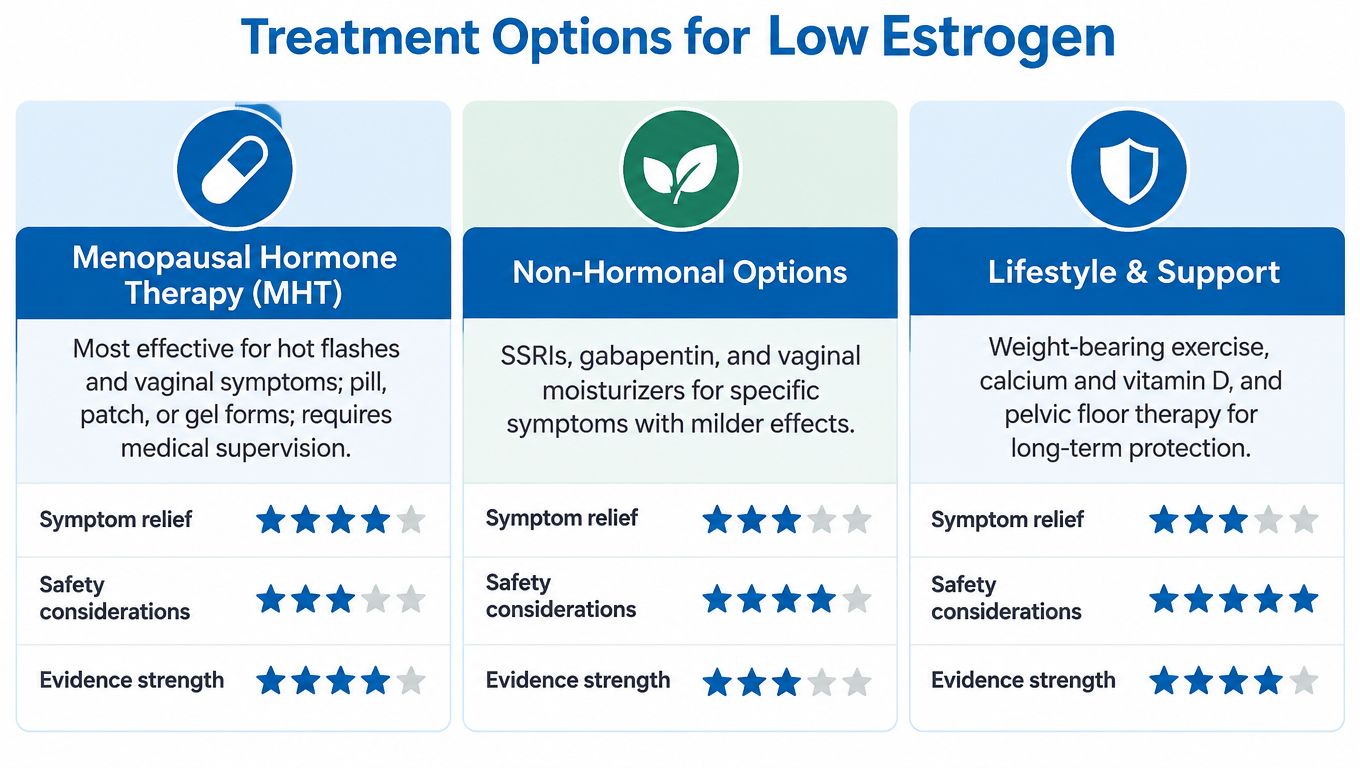
Treatment depends on the cause, symptoms, age, reproductive stage, health history, and personal goals. For bothersome hot flashes and genitourinary syndrome of menopause, menopausal hormone therapy is the most effective treatment , according to evidence-based menopause guidance. Estrogen may be delivered through a pill, patch, gel, or localized vaginal treatment, and some patients also need progesterone to protect the uterine lining.
MHT is especially important to discuss when ovarian function ends earlier than expected. Guidance recommends it for primary ovarian insufficiency, meaning menopause before age 40, and early menopause, meaning menopause before age 45, even when symptoms aren't prominent. The same guidance states that MHT generally offers its greatest benefit when started during perimenopause or within the first 10 years after menopause , preferably before age 60 . Read more about estrogen and progesterone replacement therapy before discussing options with a qualified clinician.
Comparing the main approaches
Traditional HRT and bioidentical hormones both require individualized medical decisions. The term bioidentical usually refers to hormones designed to be chemically identical to hormones made by the body. A regulated estradiol patch or gel may be considered bioidentical, while compounded products can vary in formulation and oversight. Ask exactly which hormone, dose, delivery method, and monitoring plan a provider is recommending. A product described online as natural estrogen balance 200 mg isn't a substitute for clinician-directed estrogen therapy or an evaluation of symptoms.
Non-hormonal options may suit people who can't use MHT or prefer another approach. Depending on the symptom, clinicians may discuss prescription medications such as SSRIs or gabapentin, vaginal moisturizers, lubricants, pelvic floor therapy, sleep support, and mental health care.
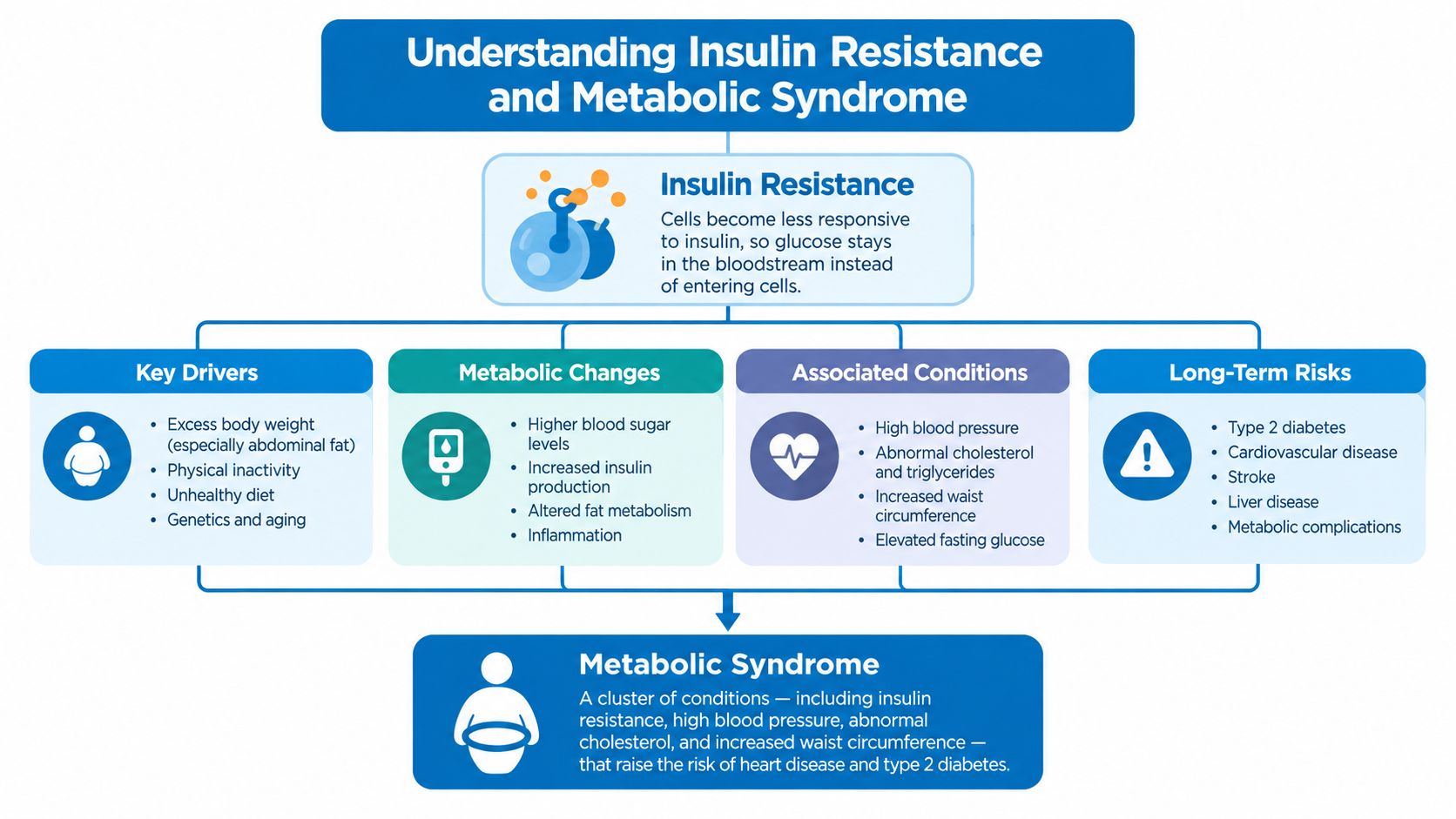
Weight management deserves separate attention. Estrogen-related body changes can occur alongside reduced activity, sleep disruption, insulin resistance, thyroid disease, or medication effects, so weight gain shouldn't automatically be blamed on hormones. For eligible patients, FDA-approved obesity medications include semaglutide, sold as Wegovy, tirzepatide, sold as Zepbound, and liraglutide, sold as Saxenda. Semaglutide's standard maintenance dose for weight management is 2.4 mg once weekly , reached through titration from 0.25 mg weekly over 16 weeks , according to this clinical review of obesity pharmacotherapy. These medicines require prescribing, screening, and follow-up.
Risks, Benefits, and Timing Considerations
Hormone therapy is an individualized decision. A clinician weighs symptom burden against personal and family history, cardiovascular and metabolic health, clotting risk, breast and reproductive health, migraine history, liver disease, medications, and time since menopause. The route and formulation also shape the plan. This review of hormone therapy risks and benefits explains why those factors matter.
Estrogen affects more than hot flashes. A treatment discussion may consider sleep disruption, mood changes, urinary or vaginal symptoms, sexual discomfort, and other changes that affect daily functioning. The potential benefits must be balanced against the person's medical risks and treatment goals.
Timing changes that balance. Evidence-based guidance identifies MHT as the most effective treatment for vasomotor symptoms and genitourinary syndrome of menopause. Starting therapy after age 60 or more than 10 years after menopause may raise absolute risks such as coronary artery disease, venous thromboembolism, and stroke, as described in this menopause hormone therapy guideline.
People outside that timing window may still have treatment options. The decision calls for closer review of alternatives, symptom severity, risk factors, and the reason therapy is being considered. Someone with disabling symptoms may need support, but the safest approach can differ from the plan used earlier in the menopausal transition.
A safe treatment plan is more than a prescription. It includes an indication, an appropriate formulation, informed consent, follow-up, and a clear way to reassess benefits and side effects.
Seek medical advice for persistent hot flashes, unexplained bleeding, severe mood changes, new urinary symptoms, significant sexual pain, or symptoms that begin after a procedure or medication change. Do not start, stop, or increase hormones based only on an online symptom checklist.
When to Seek Care and Next Steps
Schedule a consultation if hot flashes disrupt sleep, mood changes interfere with relationships or work, vaginal or urinary symptoms affect daily life, libido changes concern you, or unexplained weight gain occurs alongside fatigue and other hormone-related symptoms. You don't need to wait until symptoms become unbearable. Early evaluation can identify low estrogen, another medical condition, or several issues occurring together.

Prepare for the first visit
Bring a current medication and supplement list, relevant medical records, menstrual or menopause history, and a short symptom diary. Note when symptoms started, what you have tried, whether you have had ovarian surgery or cancer treatment, and whether you have a history of blood clots, stroke, heart disease, breast cancer, or unexplained bleeding.
During the visit, expect a provider to review your goals and health history before recommending testing or treatment. A personalized plan may include hormone replacement therapy, localized treatment for genitourinary symptoms, non-hormonal medication, medical weight loss, sleep support, pelvic floor care, or medication management. Board-certified medical oversight is particularly important when several treatments or chronic conditions overlap.
For Mississippi residents, in-person care is available through Pause Medical at locations in Oxford, Meridian, Tupelo, Flowood-Jackson, and Starkville . The clinic evaluates hormone-related symptoms and medically supervised weight management through consultations, customized treatment plans, and ongoing follow-up.
This video provides another way to think about the clinical conversation and the questions you may want to bring to an appointment.
Low estrogen is manageable, but the treatment should match the cause and your health profile. This article is for education and isn't a substitute for diagnosis or individualized medical advice. A qualified clinician should review your symptoms, test results, medical history, and treatment risks before you begin hormone therapy or prescription weight-loss medication.
Pause Medical offers clinician-guided hormone replacement therapy, evaluation of low estrogen symptoms, and medically supervised weight-loss support for Mississippi adults. Visit Pause Medical to schedule a consultation and discuss a personalized plan for hot flashes, mood changes, low libido, sleep disruption, metabolic concerns, or genitourinary symptoms.