Hormone Home Test: A Practical Guide to What It Measures
You're awake at 3 a.m. again, replaying the same questions. Is this perimenopause, thyroid disease, stress, or poor sleep? Perhaps your weight has changed, your libido has faded, or your energy no longer returns after a night in bed. A hormone home test can feel like a private, practical way to gather information before making an appointment.
That appeal is understandable. Home collection avoids travel and scheduling friction, and a mailed report can give you a sense of control after months of symptoms that haven't received a clear explanation. But hormones change with cycle timing, time of day, medications, breastfeeding, sample quality, and assay method . A result can be analytically accurate yet clinically misleading.
The most useful question isn't, “Which kit is best?” It's, “What does this sample measure, and can anyone act on the result?” This guide walks through sample types, common markers, interpretation traps, and the point at which an in-person clinician becomes essential.
Why People Are Reaching for a Hormone Home Test
Consider a woman in the menopausal transition who has begun waking during the night, feeling unusually irritable, and struggling with daytime fatigue. She may search for a hormone home test because she wants evidence before scheduling care, especially if previous appointments ended with general advice about sleep or stress.
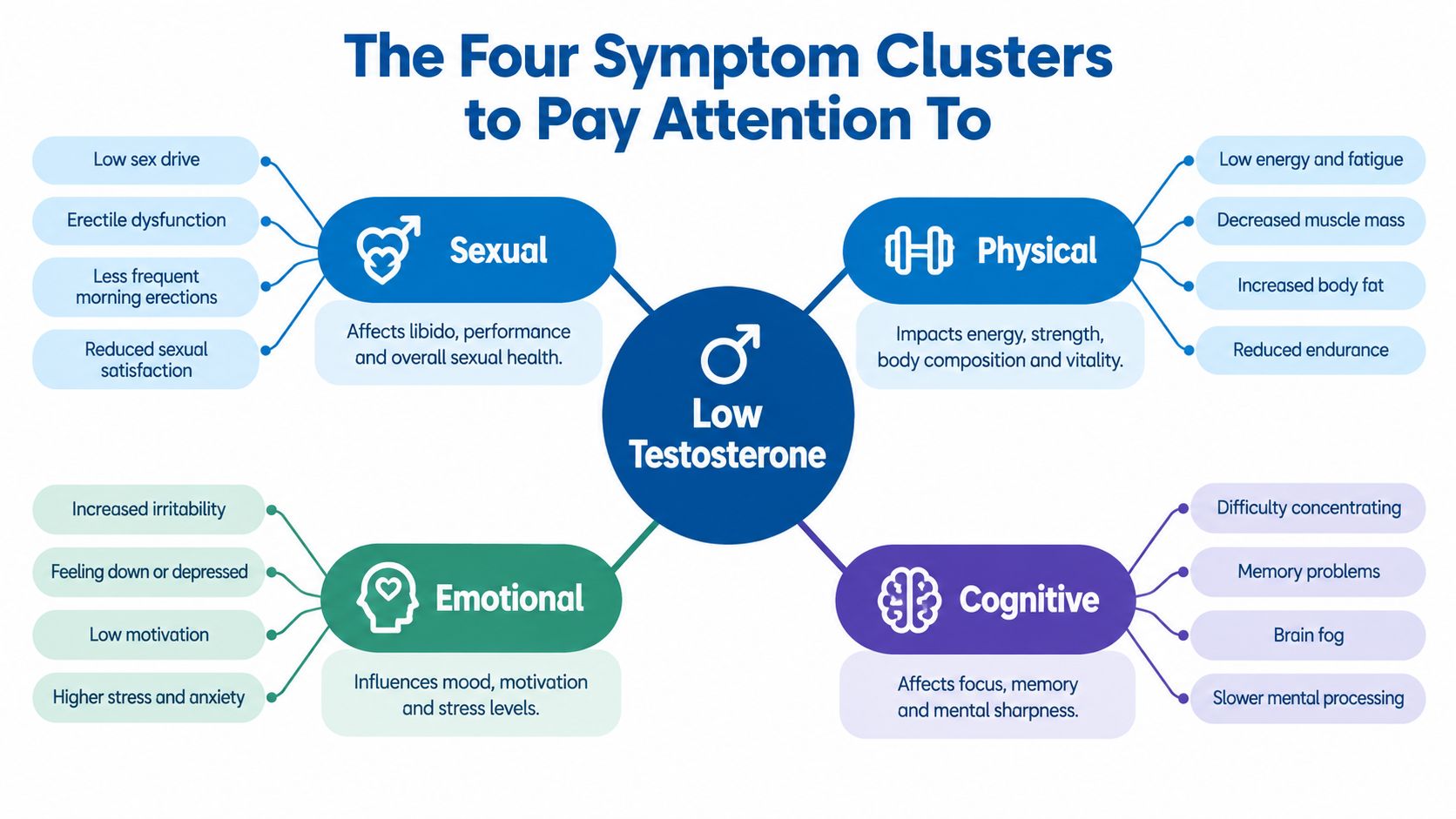
A man in his late forties may arrive at the same decision from a different direction. His gym progress has stalled, his motivation feels lower, and his sex drive has changed. A consumer panel promising testosterone, cortisol, thyroid markers, and other hormones can appear to offer a complete explanation in one package.
People also test after months of unanswered symptoms. Fatigue, weight changes, low libido, irregular periods, mood changes, and sleep problems are real concerns , but they can arise from endocrine conditions, medication effects, metabolic health, mental health, sleep disorders, or ordinary physiologic variation. A panel may provide useful background, but it can't identify the cause by itself.
The appeal is practical, not irrational
Home testing attracts people for several understandable reasons:
- Privacy: Collection takes place at home, without discussing intimate symptoms in a waiting room.
- Convenience: The kit arrives by mail, and many people find finger-prick, saliva, or urine collection easier than arranging a blood draw.
- Agency: A report can help someone organize symptoms and prepare for a medical visit.
- Access: Home collection may be particularly appealing when finding a regular clinician is difficult.
The direct-to-consumer laboratory testing market is projected to reach USD 3.99 billion in 2026 and USD 6.48 billion by 2031 , with a projected 10.19% CAGR from 2026 to 2031 , according to market analysis of direct-to-consumer laboratory testing. That growth reflects demand, not proof that every hormone panel offers clinically useful answers.
Use a home report as a conversation starter and information record , not as permission to start testosterone therapy, bioidentical hormones, supplements, or medication changes without medical review. A practical guide to the difference between screening and diagnosis is available in this hormone imbalance testing resource.
The Three Main Ways a Hormone Home Test Collects a Sample
The collection method determines what reaches the laboratory. That matters because saliva, urine, and blood don't represent the same biological information .

Saliva
You spit into a tube or collect oral fluid on an absorbent device. Saliva is most useful for selected steroid hormones and can help map changes across the day, particularly when the clinical question involves cortisol rhythm. Because it samples the free fraction that has entered oral fluid, results can be affected by food, oral bleeding, dental products, and hormone creams that contact the mouth.
Urine
Urine testing measures hormones or the metabolites produced when the body processes them . A single urine sample offers limited context, while timed collections can show excretion patterns across a period. Dried urine methods use absorbent cards or strips that must dry properly before shipping.
Urine can be useful when the question concerns metabolite patterns rather than the current circulating concentration. It also requires careful instructions, because incomplete collection, hydration differences, storage, and transport can change interpretation.
Dried blood spot
A finger prick places capillary blood onto special filter paper. Once dried, the card travels to a laboratory for analysis. When the method is fully validated, dried blood spot testing can be analytically comparable to venipuncture, but collection technique, spot homogeneity, drying conditions, and analyte stability remain important, as described in this dried blood spot testing overview.
Simple rule: Choose saliva for a cortisol curve, urine for metabolite patterns, and dried blood spot when you need circulating values that may align more closely with a conventional blood panel.
The right sample also depends on the specific hormone and laboratory method. If you're checking testosterone, learn what questions to ask in this guide to getting testosterone levels checked.
Which Hormones a Hormone Home Test Can Actually Measure
A long panel can look impressive, but more markers don't automatically create a better answer . Each hormone should connect to a specific clinical question.
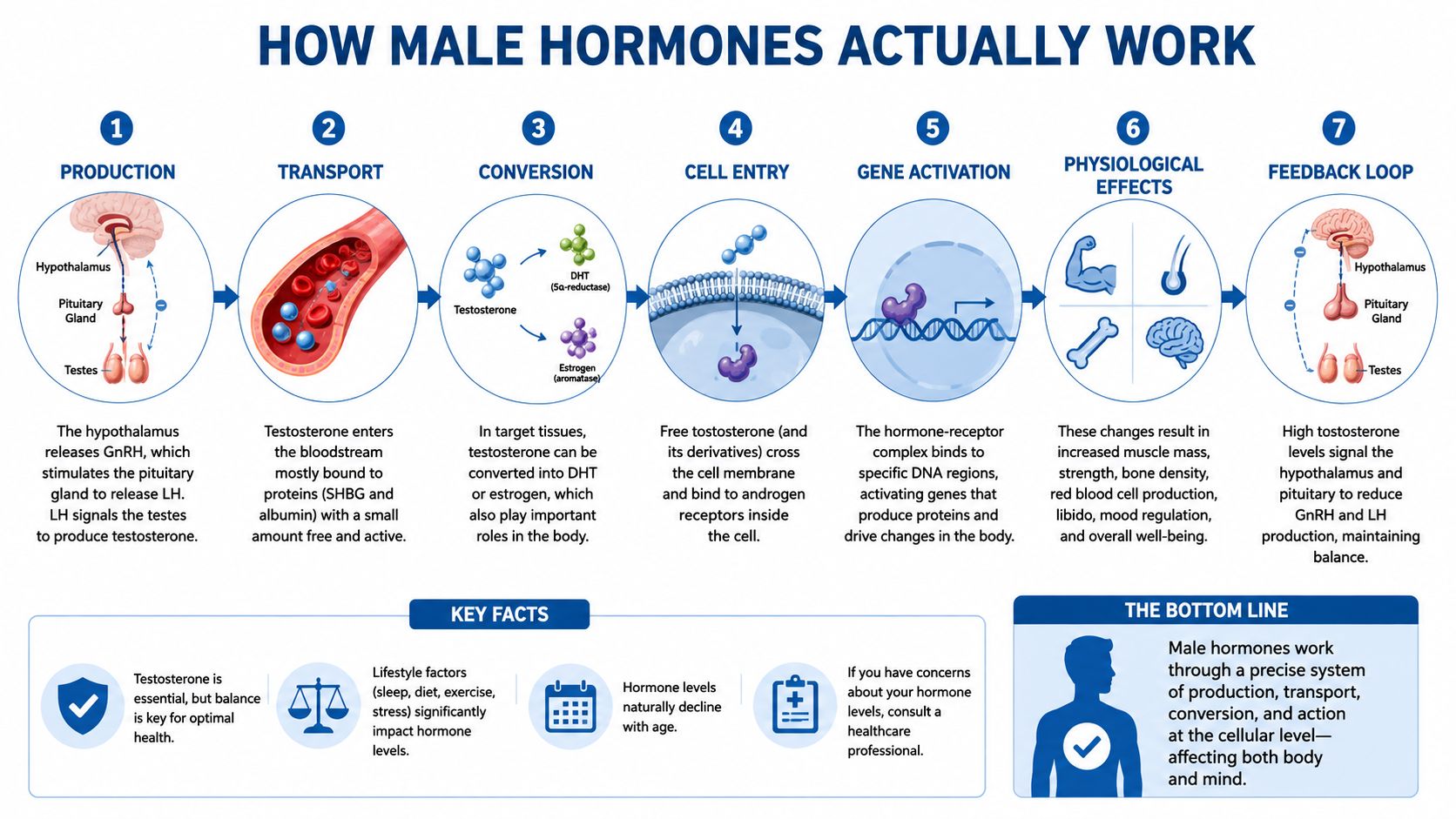
Estradiol, progesterone, follicle-stimulating hormone, luteinizing hormone, and anti-Müllerian hormone are often included in reproductive panels. Estradiol changes across the menstrual cycle and during the menopausal transition. Progesterone is most informative after ovulation when the question involves luteal-phase activity. FSH can support assessment of ovarian function, while AMH provides information related to ovarian reserve, not a complete prediction of fertility.
For androgen questions, total testosterone, free testosterone, DHEA-S, and sex hormone-binding globulin can be helpful when interpreted together. Thyroid panels may include TSH, free T3, free T4, and thyroid antibodies. Cortisol is sometimes collected at several points because a single sample may miss the daily pattern.
| Hormone | What a result is screening for | Limitation of a single snapshot |
|---|---|---|
| Estradiol | Ovarian or menopausal hormone activity | Changes across the menstrual cycle and with treatment |
| Progesterone | Post-ovulation or luteal-phase activity | A result before ovulation can appear low for physiologic reasons |
| FSH | Ovarian function or menopausal transition | Varies with cycle phase and reproductive state |
| LH | Ovulatory signaling | A single value may miss a surge or normal fluctuation |
| AMH | Ovarian reserve assessment | Doesn't measure overall fertility or guarantee conception |
| Total and free testosterone | Androgen status and symptoms such as low libido | Timing, binding proteins, and assay sensitivity affect meaning |
| DHEA-S | Adrenal androgen production | Doesn't explain fatigue or stress symptoms alone |
| SHBG | A protein that affects available sex hormone | Must be interpreted with testosterone and clinical context |
| TSH, free T3, and free T4 | Thyroid function screening | A panel may require repeat testing and symptom correlation |
| Cortisol | Daily adrenal rhythm or selected endocrine questions | One morning result can't rule out every adrenal disorder |
| Insulin or HbA1c | Metabolic risk and glucose regulation | These markers don't identify every cause of weight change |
Hormone levels can fluctuate through the day and across physiologic states. Cycle day, collection time, current medication, and symptoms often matter more than the number of items on the report. For thyroid-focused concerns, review the difference between screening and interpretation in this thyroid and hormone testing guide.
Saliva vs Urine vs Dried Blood Spot Compared
The best test format depends on the question you're trying to answer. A person investigating a daily cortisol pattern needs different information from someone monitoring a circulating testosterone level or exploring hormone metabolites.
Saliva is noninvasive and convenient for repeated collection. It can be useful for selected steroid hormones and rhythm mapping, but oral estrogen, topical products, food, bleeding gums, and collection technique can interfere. A saliva result may therefore be difficult to interpret if the person uses hormone products near the mouth or doesn't follow preparation instructions.
Dried blood spot testing offers a middle ground. A finger prick samples circulating capillary blood, and validated methods can provide clinically useful measurements for selected hormones. The weak point is volume and handling. A smeared or undersized spot, incomplete drying, or shipping problems can reduce confidence in the result.
Urine answers a different question. It reflects what the kidneys excrete, including hormone metabolites, and timed collection can provide a broader pattern than one blood or saliva sample. The tradeoff is complexity. Missed collections, inconsistent timing, fluid intake, and laboratory methodology all influence the report.
| Sample format | Hormones best measured | Ideal clinical question | Key limitations |
|---|---|---|---|
| Saliva | Selected free steroid hormones and cortisol | Is there a meaningful daily rhythm pattern? | Sensitive to oral contamination and collection conditions |
| Urine | Hormone metabolites and excretion patterns | How is the body processing and clearing selected hormones? | Doesn't directly equal the circulating blood level |
| Dried blood spot | Selected circulating sex and thyroid hormones | What level may correspond most closely with a blood panel? | Finger-prick volume and drying quality can affect reliability |
Peer-reviewed reviews describe mass spectrometry as the dominant platform for dried blood spot hormone analysis , particularly because it improves specificity for steroid hormones compared with some immunoassays. Even so, an assay can't repair an improperly collected sample or answer a question the test wasn't designed to address.
Before ordering, define whether you need a daily rhythm, a current circulating level, or a metabolite profile. If you're unsure where testing should occur, this guide to where to get hormones tested can help you prepare for the choice.
Why Home Hormone Test Results Can Mislead
The most confusing reports often don't come from a laboratory mistake. They come from a mismatch between the timing of collection and the biology being measured .
A progesterone sample taken early in the menstrual cycle can be low because ovulation hasn't happened yet. That value may be normal for the collection day but alarming if the report is read without cycle context. Cortisol and testosterone also vary by time of day, so an afternoon result shouldn't automatically be compared with a morning reference interval.
Common sources of confusion
- Cycle phase: Estradiol, progesterone, FSH, and LH change as the cycle progresses. Record the first day of bleeding and the collection date.
- Hormonal contraception: Birth control can alter the body's own hormone production and change the meaning of reproductive markers.
- Hormone therapy: Estrogen, progesterone, testosterone, and topical products may affect results differently depending on the sample type.
- Breastfeeding: Lactation changes reproductive hormone physiology. A basic panel may label expected changes as an imbalance without recognizing that context.
- Assay selection: Immunoassays and LC-MS/MS methods don't have identical strengths, especially for low hormone concentrations.
- Shipping and handling: Heat, delay, contamination, incomplete drying, or an insufficient sample can undermine an otherwise well-designed test.
Independent reviews have found that direct-to-consumer hormone content frequently makes unsupported claims about fertility and menopause prediction, while clinical guidance warns that sex-hormone testing can be confusing during breastfeeding or after stopping hormonal birth control. The practical issue is not only laboratory accuracy. It's decision quality , meaning whether the result leads to an appropriate next step.
For readers considering other home health tests, this AloeCure iodine testing advice offers useful context about why self-testing and interpretation need to be separated from diagnosis. Iodine status, thyroid function, and hormone symptoms shouldn't be inferred from one isolated number.
A reference range tells you how the laboratory reports the result. It doesn't tell you whether the result explains your symptoms.
Review the report alongside medication history, cycle timing, collection time, and the exact assay used. This guide on how to read hormone blood test results can help you identify the questions to bring to a clinician.
Turning a Hormone Home Test Result Into a Real Plan
A printed report is an information artifact , not a treatment plan. Start by recording the result, the laboratory reference range, the sample type, and the exact collection date and time. Then write down the symptom or question that prompted testing.
Build a context sheet
Bring one page containing:
- Cycle information: Include the first day of the latest period, usual cycle pattern, and collection day.
- Medication history: List contraception, hormone replacement therapy, thyroid medication, steroids, and other prescriptions.
- Supplements and topical products: Include over-the-counter hormones, DHEA, creams, and supplements.
- Physiologic context: Note breastfeeding, recent pregnancy, major illness, unusual sleep disruption, or significant changes in exercise and nutrition.
- The original goal: State whether you were investigating hot flashes, low libido, fatigue, fertility, weight gain, or another concern.
Next, identify which values deserve confirmation. A result collected at an unsuitable time, during hormone treatment, or after a collection problem may need repetition rather than immediate action. Don't stop medication or begin a supplement because a consumer report suggests an abnormality.
A clinician may pair the home report with a focused venous blood draw, particularly for thyroid or sex-steroid questions, or use a timed urine collection when metabolite information is relevant. The follow-up test should answer a defined question and use a comparable method whenever possible.
Clinical habit: Compare like with like. A follow-up result is easier to interpret when the collection timing and testing method are documented.
Finally, schedule a review rather than leaving the report in a drawer. A useful plan identifies what will be monitored, which symptoms matter, and when treatment or lifestyle changes will be reassessed.
When to Follow Up With an In-Person Provider
An in-person visit becomes important when a home result changes how you feel about your health, falls outside the laboratory's reference range, or might lead to medication or hormone therapy. It's also the right next step when symptoms persist despite a report that says everything is “normal.”
A clinician can ask questions a kit can't. Are symptoms linked to the menstrual cycle? Did testosterone collection occur in the morning? Have you recently stopped contraception? Are you breastfeeding? Could a medication, sleep disorder, thyroid condition, diabetes, or metabolic syndrome explain the complaint?
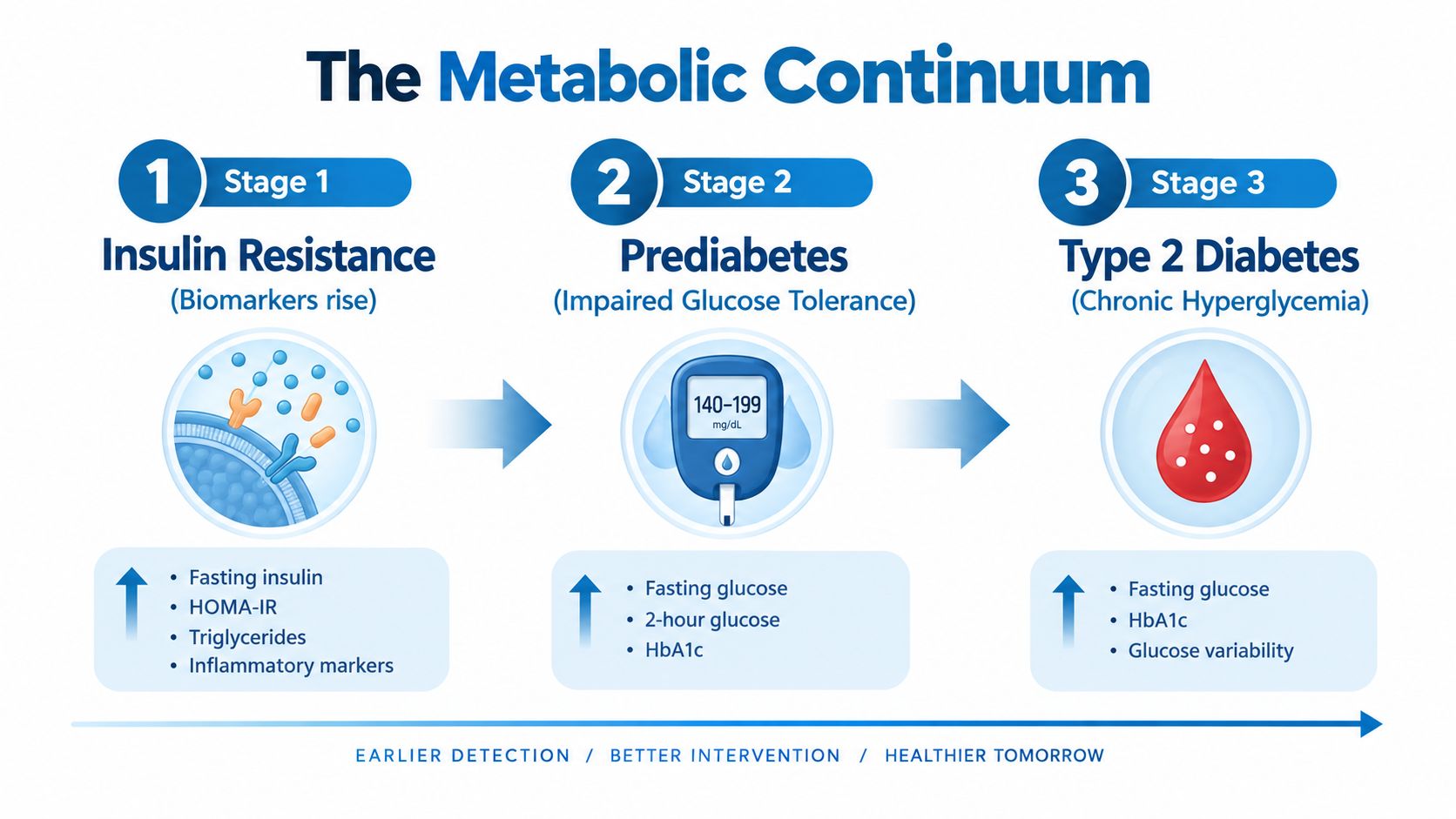
Metabolic health deserves particular attention when weight gain, fatigue, blood pressure changes, or glucose concerns accompany hormone symptoms. Metabolic syndrome can be diagnosed when at least three of five ATP III criteria are present, including waist circumference, triglycerides, low HDL cholesterol, blood pressure, and fasting glucose, as described by the American Heart Association criteria. A hormone panel alone cannot make that diagnosis.
Treatment decisions also require risk assessment. Menopause hormone therapy is generally most clearly indicated for distressing hot flushes, night sweats, and vaginal dryness, with early initiation emphasized for premature ovarian insufficiency or early menopause when appropriate, according to international menopause guidance. Cardiovascular risk, personal history, medications, and symptoms all belong in that decision, not just an estradiol value.
A Mississippi provider can review your home report, repeat or add appropriately timed venous labs, assess thyroid and metabolic health, and discuss options such as hormone replacement therapy, testosterone therapy, medically supervised weight loss, or referral. That continuity provides prescription oversight and follow-up that a mailed report can't provide.
Home testing can be a reasonable starting point, but interpretation is where safety and usefulness meet . Don't let a confusing number determine treatment on its own.
Pause Medical provides clinician-guided hormone evaluation, hormone replacement therapy, medical weight loss, and ongoing medication management for Mississippi adults who want a clear plan after home testing. Bring your report and symptom history to a personalized consultation by visiting Pause Medical, and take the next step toward evidence-based care with continuing provider support.