Thyroid and Hormone Testing
You've probably had the same frustrating experience a lot of people in Mississippi go through. You feel tired even after a full night's sleep, your weight isn't moving the way it used to, your mood feels harder to steady, and your libido is lower than it should be. Then the basic labs come back “normal,” and you're left wondering why your body still doesn't feel like your own.
That gap between how you feel and what a quick checkup shows is exactly where thyroid and hormone testing can help. The right blood work doesn't just name a hormone, it gives you a map of what your body is trying to do, what it can't keep up with, and what needs attention next. If fatigue has been dominating your days, this guide to low energy and fatigue is a useful companion to what you're reading here.
At its best, hormone testing is not about chasing every number. It's about finding the few results that explain your symptoms, support safer decisions, and point toward a personalized plan for hormone replacement therapy , medical weight loss , or medication management when that's appropriate.
Why You Might Feel Off Your Game
A patient might come in saying she's “just not herself anymore.” She's dragging through the afternoon, her clothes fit differently, and she's snapping at small things she used to brush off. A simple thyroid check or hormone panel can turn that vague story into something clearer, because these symptoms often overlap and the body rarely sends one tidy signal at a time.
Thyroid and hormone testing helps sort out whether the issue looks more like a thyroid shift, a sex hormone change, a stress response problem, or a combination. Thyroid dysfunction is common in adults, with a prevalence range of 1% to 10% depending on the population studied, so it's not unusual for clinicians to look there early when symptoms are broad and nonspecific ( American Thyroid Association function tests guide). That same source notes that routine screening in asymptomatic adults isn't always useful, because the U.S. Preventive Services Task Force found insufficient evidence to determine the net benefit of screening nonpregnant, asymptomatic adults ( American Thyroid Association function tests guide).
What patients usually notice first
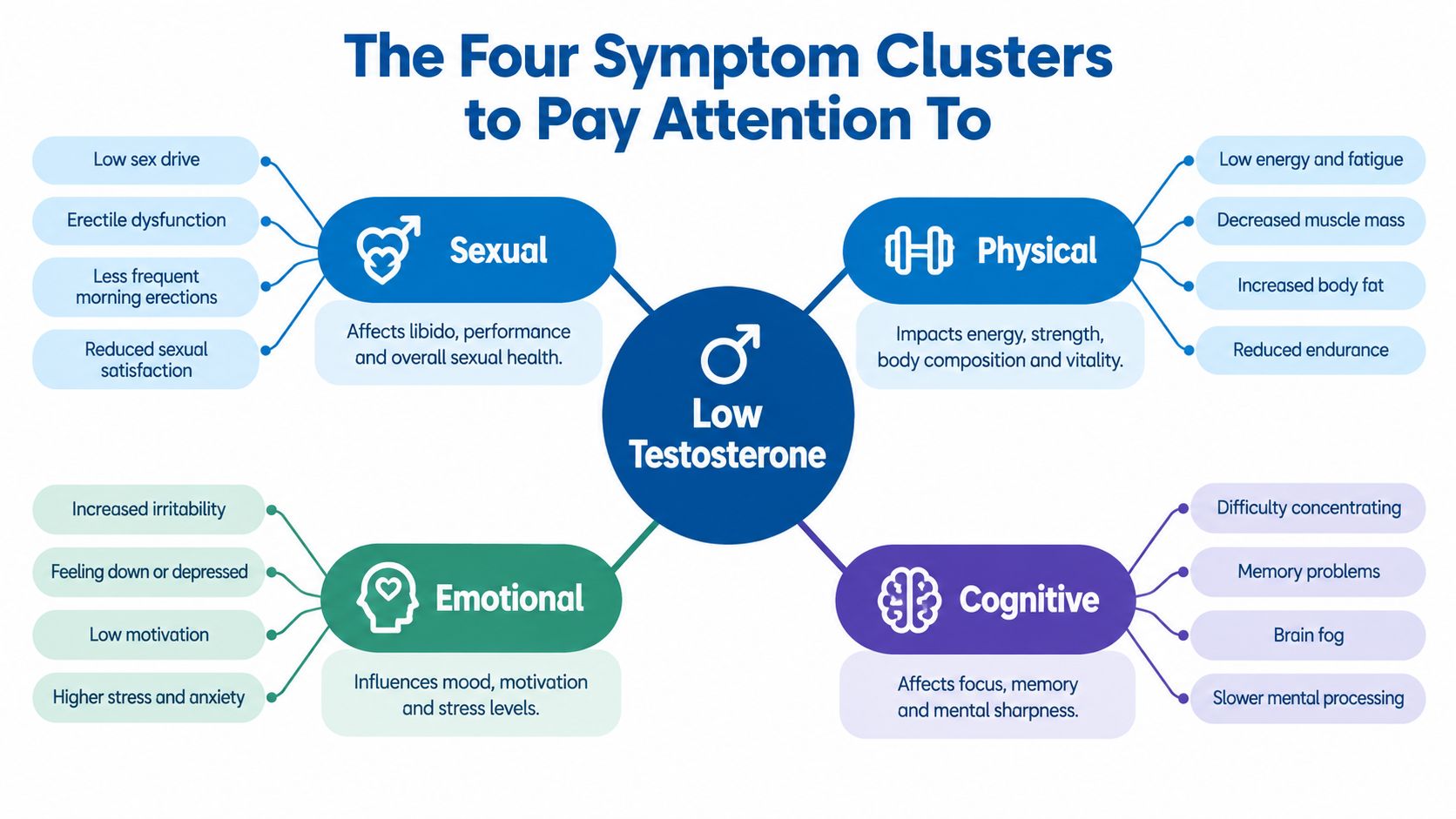
Some people feel the change in their energy. Others notice weight gain that doesn't match their eating habits, or a lower sex drive that starts to affect relationships. Men and women can both feel the effects of hormone shifts, but they don't always describe them the same way.
Practical rule: if several “small” symptoms are happening at once, the pattern matters more than any single complaint.
That's why a clinician at a hormone-focused clinic will usually ask about sleep, menstrual changes, libido, weight, and medication use together rather than in isolation. The value is in connecting the dots, not in forcing one symptom into one label.
Hormones 101 Your Body's Communication Network
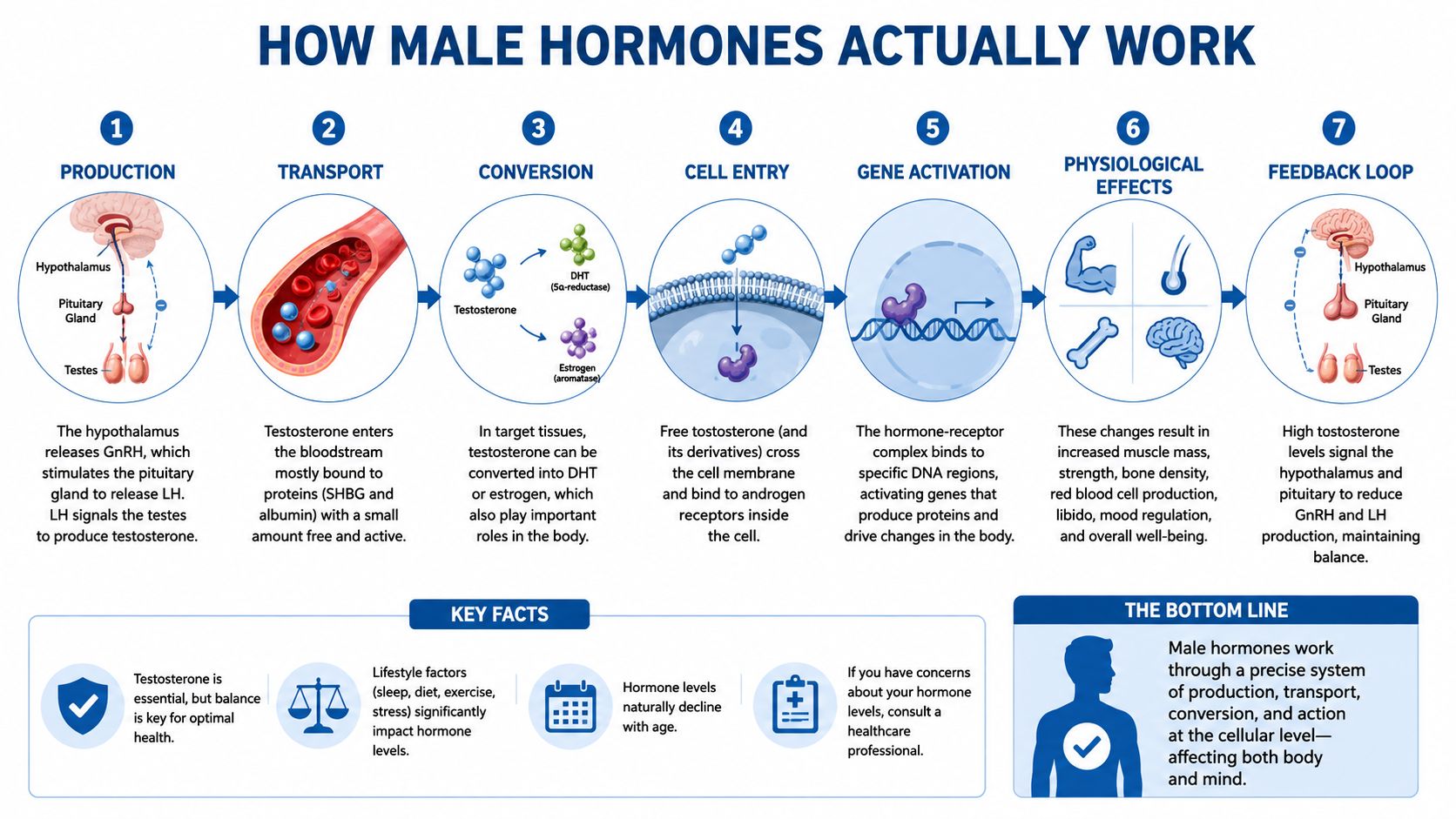
Hormones work like a command center sending messages between departments. One gland makes a signal, another gland receives it, and the body adjusts metabolism, stress response, reproduction, and energy use. When the messages are clear, things feel steady. When one signal is too strong, too weak, or blocked, the whole system can feel out of sync.
The thyroid is one of the most important parts of that network because it helps regulate how fast the body uses energy. The adrenal glands shape the stress response, and the gonads, ovaries or testes, shape sex hormones that influence mood, libido, and body composition. Modern labs usually measure these hormones from serum with automated immunoassay methodology , which is the standard way many thyroid hormones and TSH are measured in practice ( NCBI Bookshelf on thyroid testing).

That matters because a single blood draw can show different layers of the same story. TSH reflects the pituitary's message to the thyroid, while free T4 and T3 show how much thyroid hormone is available for the body to use. In real-world care, the question is never just “Is the number normal?” It's also “Is the signal being sent correctly, and is the body responding the way it should?”
An easy way to think about it is like email in a company. If the message is sent but not opened, the department still falls behind. If the message is too urgent, the whole team scrambles. Hormone testing helps identify where the communication broke down.
Decoding Your Thyroid Panel
The first thyroid test clinicians usually want is TSH , because it is the most sensitive initial marker of thyroid dysfunction and the main screening biomarker for thyroid disease in ambulatory patients with intact pituitary function ( PMC review). If TSH is abnormal, clinicians often add free T4 and sometimes T3 to sort out whether the pattern fits hypothyroidism, hyperthyroidism, central hypothyroidism, or a medication effect ( American Thyroid Association function tests guide).

What each part of the panel tells you
TSH works like a control signal. When TSH is high, the pituitary is asking the thyroid to make more hormone. When it is suppressed, the body may be getting too much thyroid hormone, or the signal coming from the brain may not be working normally. That is why TSH usually comes first. It gives the clearest starting point.
Free T4 and free T3 show the hormone that is not bound to protein, so they are closer to the form the body can use ( NCBI Bookshelf on thyroid testing). Total hormone values can shift with binding proteins, which is one reason clinicians often rely on free hormone measurements when the picture is unclear. If your symptoms and your numbers do not match, these results help explain why.
Antibody tests matter when autoimmune thyroid disease is suspected. NIDDK notes that thyroid testing may include TSH, T4, T3, and thyroid antibody tests ( NIDDK thyroid diagnostic tests). That matters when symptoms do not line up neatly with hormone values alone, because antibodies can point to an immune process that is affecting the gland before the full pattern is obvious.
The timing of repeat testing matters too. After a thyroid dose change, TSH is usually rechecked after the body has had time to settle, and once a dose is stable, yearly testing is often enough ( American Thyroid Association function tests guide). Rechecking too early can be like reading a thermometer while the room is still warming up. The number may not reflect the final effect yet.
Patient-friendly takeaway: a thyroid panel is less like a single yes-or-no test and more like a conversation between the brain and the thyroid.
For a closer look at how these values are interpreted in everyday care, this thyroid function tests overview is a practical reference.
Looking Beyond Thyroid at Stress and Sex Hormones
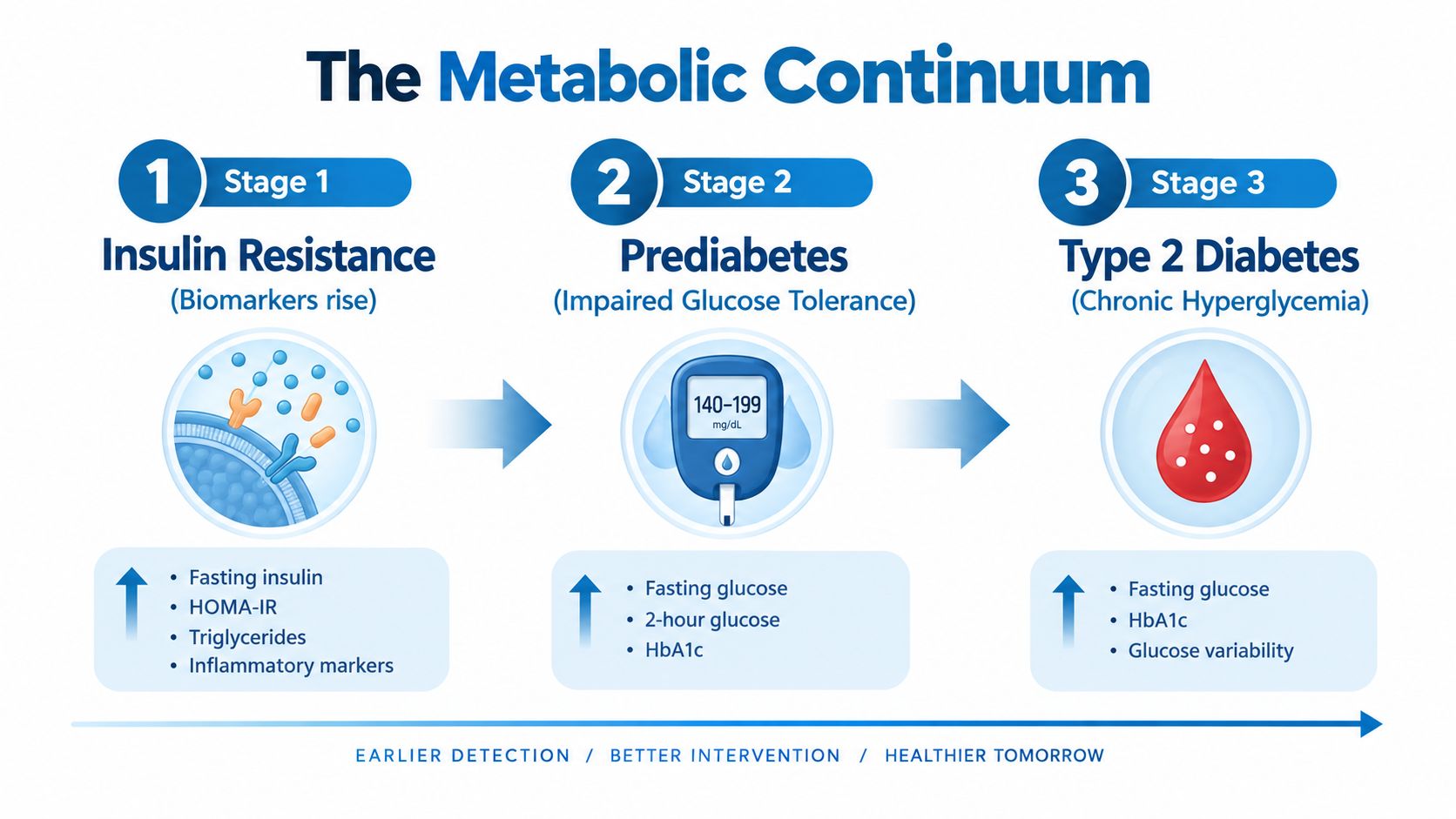
A thyroid problem can explain a lot, but it does not explain everything. Fatigue, weight change, low mood, and changes in libido can also show up when cortisol or sex hormones are out of balance, so broader thyroid and hormone testing can give a clearer picture than a thyroid-only panel. That broader view matters when a clinic is trying to match symptoms with an HRT plan, a medical weight loss plan, or a personalized wellness plan.

Stress hormones
Cortisol helps manage the stress response and also affects sleep, immunity, and inflammation. When stress stays high for a long time, people often describe feeling drained yet unable to relax, which can make it hard to tell whether the problem is thyroid-related, stress-related, or both. Hormone testing cannot explain every cause of stress, but it can show whether the body is acting like it is under constant strain. If you are trying to make sense of that pattern alongside your lab work, this guide for mental well-being offers helpful lifestyle context, and this guide to lowering cortisol can help connect the numbers to day-to-day next steps.
Sex hormones
Estrogen and progesterone help regulate the menstrual cycle and can affect mood and brain function. Testosterone influences energy, libido, muscle mass, and motivation in both women and men, not only men. When those hormones shift, patients often notice vague symptoms first, then more obvious changes later. That is the kind of pattern a provider looks for when deciding whether thyroid results alone are enough, or whether hormone testing should guide a customized treatment plan.
Imaging can also help when blood work suggests a structural issue. The AHRQ explains that a thyroid scan uses a small amount of radioactive material to show the thyroid's size, shape, and position , and the radioactive iodine uptake test helps assess thyroid function and identify the cause of hyperthyroidism or nodules ( AHRQ thyroid tests overview). The same overview notes that very high uptake is seen in overactive states and low uptake in underactive states.
When the symptom picture is broader, the lab strategy should be broader too. That does not mean ordering everything for everyone. It means choosing the right hormones for the story the patient is telling, so the results can point toward the next step instead of adding more confusion.
How to Prepare for Accurate Hormone Testing
A good blood draw starts before the needle ever goes in. If the test is thyroid-focused, hormone-focused, or both, small prep mistakes can blur the results and create confusion that wasn't there before.
Start with the basics. If your clinician gives you a timing window, follow it closely, especially for hormones that shift through the day or across the menstrual cycle. Then review everything you take, including prescription medications, over-the-counter supplements, and any “hair, skin, and nails” products that might contain biotin .
Here's a simple checklist that usually helps:
- Pause biotin early: Don't take biotin for 2 days before blood draw , because it can distort several thyroid test results ( Healio summary of thyroid testing rates and biotin guidance).
- Bring a medication list: Some medicines can change thyroid results or complicate interpretation, so your provider needs the full picture.
- Ask about timing: Certain hormone tests are more useful at specific times of day, and some are interpreted differently depending on symptom timing.
- Don't guess on fasting: Follow the instructions you were given, because not every hormone panel uses the same prep.
Blood work is only as useful as the context around it. The lab can't tell whether you skipped biotin, took a supplement, or changed a medication dose unless you say so.
The goal isn't perfection. The goal is a sample that reflects your real baseline instead of a preventable artifact. If you're arranging testing through a clinic visit, this page on where to get hormones tested is a helpful place to start.
From Lab Results to a Personalized Wellness Plan
Lab results matter most when they lead to a decision. A high TSH with low free T4 usually points toward hypothyroidism, while a low TSH with an abnormal free T4 or T3 can point toward hyperthyroidism or another cause that needs a closer look ( American Thyroid Association function tests guide, NIDDK thyroid diagnostic tests). If the pattern is more subtle, clinicians may think about subclinical hypothyroidism , which one review notes is identified in guidance at TSH 4.7 to 10 mU/L , while primary hypothyroidism is noted at TSH 10 mU/L or greater ( NIDDK thyroid diagnostic tests).
That's where individualized care matters. The number alone doesn't tell you whether the right move is thyroid medication adjustment, more testing, nutrition support, or a broader look at sex hormones, stress hormones, or metabolic markers.
How the plan changes by pattern
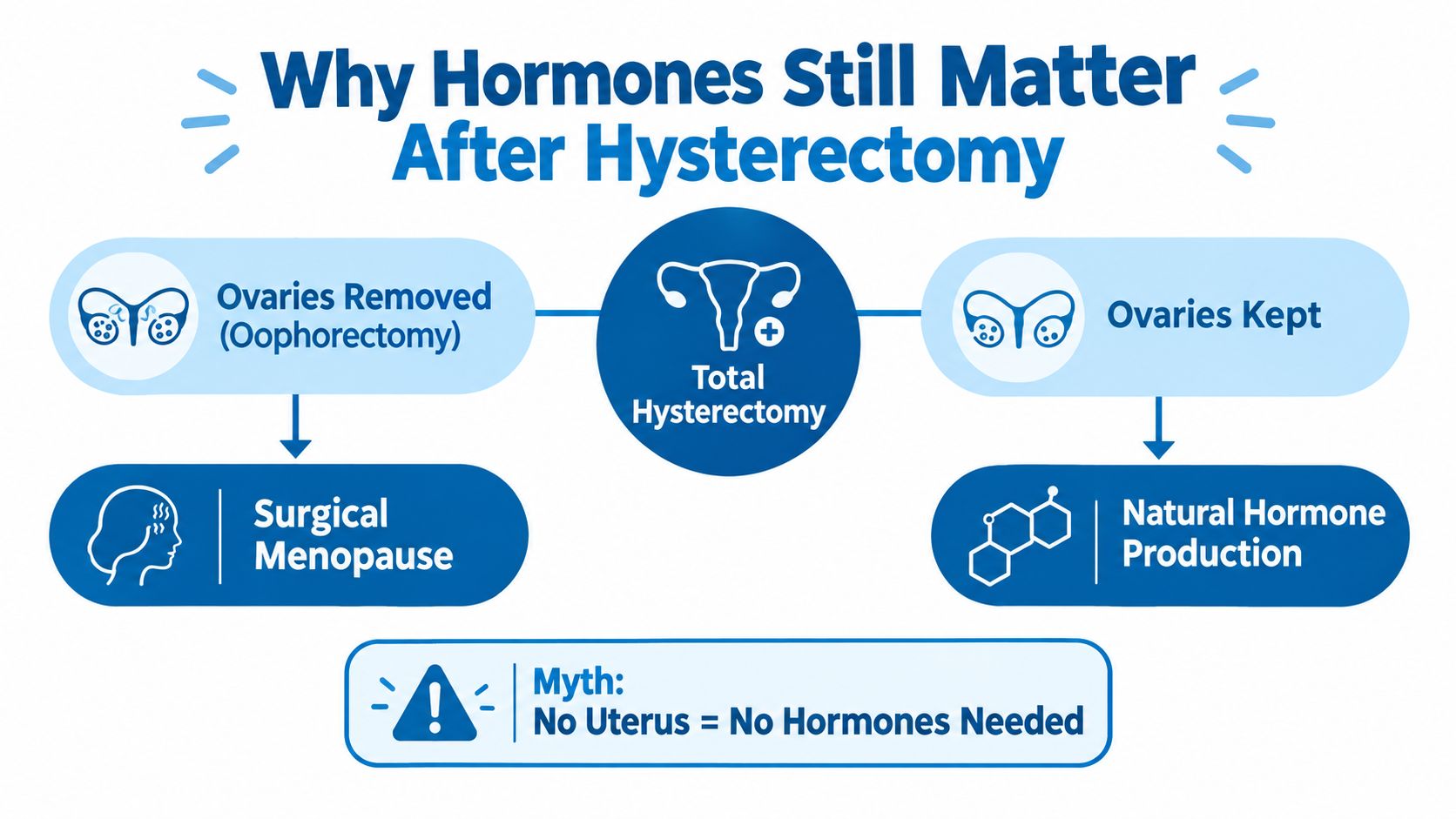
If thyroid results point toward underactive function, a provider may discuss medication management and monitor the response at the right interval instead of changing doses too quickly. If sex hormone results line up with menopause or andropause symptoms, a personalized hormone replacement therapy or bioidentical hormones conversation may be appropriate. If the bigger issue is weight gain and metabolic strain, those same labs can guide medical weight loss planning, including whether GLP-1 weight loss treatment fits the patient's goals and risk profile.
Pause Medical's model fits that kind of interpretation because it connects lab data to symptom relief, follow-up timing, and treatment choices rather than treating each result as an isolated event. For readers who want a plain-language walk-through of what the numbers mean, this hormone blood test results guide is a useful next step.
A thoughtful plan also considers activity and nutrition. People using GLP-1 medications often need realistic support for exercise tolerance and energy management, and this BionicGym guide for GLP-1 users is one example of how that support can look outside the exam room.
The point is simple. Good testing should reduce guesswork, not create it. When the right labs are matched to the right symptoms, patients can move from uncertainty to a plan that makes sense for their body.
Common Questions About Hormone Testing at Pause Medical
What if my results are in the normal range but I still have symptoms?
Normal ranges are useful, but they don't replace a clinical conversation. If your symptoms are strong and your labs don't explain them, a provider may look at timing, medications, biotin use, thyroid antibodies, sex hormones, stress, sleep, and metabolic factors together. The goal is to interpret the whole picture, not just one line on the report.
How often will I need to be re-tested once I start treatment?
For thyroid treatment, TSH is typically rechecked about 6 weeks
or 6 to 10 weeks
after a dose change, and once stable, annual testing
is often enough ( American Thyroid Association function tests guide). Other hormones may need different follow-up depending on the treatment plan and the symptoms being tracked. Your provider should tell you what interval makes sense for your situation.
Does Pause Medical require insurance for hormone testing and treatment?
Pause Medical is designed to be accessible for patients in Mississippi, and care is offered without the usual insurance bottlenecks that slow people down. That can make it easier to get evaluated, review labs, and start a personalized plan without a drawn-out process.
Can thyroid testing help with weight gain or low libido?
Yes, but only if the right labs are chosen and interpreted in context. Thyroid problems, sex hormone changes, and stress hormone shifts can all affect weight, energy, mood, and libido, so the most useful approach is targeted testing paired with a treatment plan that matches the result pattern.
What should I do before my blood draw?
Bring your medication and supplement list, follow any timing instructions, and stop biotin for 2 days before blood draw
( Healio summary of thyroid testing rates and biotin guidance). That simple step can protect you from a misleading result and unnecessary confusion.
If you're ready for clear answers about thyroid and hormone testing, schedule a visit with Pause Medical and bring the symptoms that haven't been making sense. A board-guided conversation can connect your labs to a real plan for energy, weight, mood, libido, and long-term wellness. Visit Pause Medical to get started.