How to Reduce Cortisol Levels for Better Health and Wellness
Tackling high cortisol isn't about finding a single magic bullet. It's about a steady, thoughtful approach that weaves together better stress management, quality sleep, smart nutrition, and the right kind of movement. Simple strategies like deep breathing, mindful movement, or even just cutting back on that extra cup of coffee can send a powerful signal to your body that it's safe to power down the stress response. At Pause Medical, our board-certified providers help patients create personalized plans that address the root causes of hormonal imbalance, offering a clear path back to feeling your best.
Understanding Cortisol Beyond the Stress Hormone
Cortisol gets a bad rap as just the "stress hormone," but that label really sells it short. Produced by your adrenal glands, it’s more like your body’s internal manager, with a hand in just about every system and cell. Its most famous job is helping you handle threats, but its influence is far broader than just fight-or-flight.
We like to explain the body's stress response system—the Hypothalamic-Pituitary-Adrenal (HPA) axis—as a sophisticated security system. When it senses a threat, whether it’s a looming deadline, a tough conversation, or even just a bad night's sleep, the alarm goes off and cortisol is dispatched. In the short term, this is incredibly useful, giving you a surge of energy and focus.
The problem is, our modern lives keep that alarm system stuck in the "on" position. Chronic stressors from work, relationships, or health worries mean cortisol is being pumped out constantly, leading to a state of chronic elevation that wears the body down. This is a common struggle for our patients dealing with everything from menopause to chronic disease.
The Subtle Signs of High Cortisol
When cortisol stays high for too long, the fallout starts to show up in ways that can be confusing. So many of our patients at Pause Medical come in describing symptoms they can’t quite put their finger on, which often turn out to be the classic calling cards of cortisol dysregulation.
These aren't just small annoyances. They are your body's way of telling you it's been under a heavy load for way too long. Recognizing these signs is the first step toward reclaiming your health and finding balance.
Here are some of the most common signs we see in our practice:
- Stubborn Abdominal Weight Gain: High cortisol is notorious for shifting fat storage directly to the midsection, a symptom that can be particularly frustrating for those already managing hormone-related weight changes.
- Persistent Fatigue: This is that classic "wired but tired" feeling—you’re exhausted all day but can't get deep, restorative sleep at night.
- Cognitive Issues or "Brain Fog": Many people complain about trouble concentrating, memory slips, or just feeling mentally fuzzy.
- Weakened Immune System: Are you catching every cold that goes around? High cortisol can suppress immune function, making you more susceptible.
- Mood Fluctuations: Feeling unusually irritable, anxious, or down can often be tied back to hormonal imbalances, including out-of-whack cortisol.
Why Managing Cortisol Is a Health Imperative
Letting high cortisol run unchecked is a gamble with your long-term health. Extensive medical research has linked chronically elevated levels to a greater risk for serious issues like metabolic syndrome, diabetes, high blood pressure, and even osteoporosis. It also throws other critical hormones out of balance, like thyroid and sex hormones, which can make the journey through menopause and andropause much more challenging.
At Pause Medical, we see cortisol management as a fundamental piece of preventative health. It’s not just about "feeling less stressed." It's about protecting your metabolic, cognitive, and cardiovascular health for the long haul by getting to the root of hormonal imbalance. Our integrative approach ensures we address the whole person, not just a single symptom.
Understanding how to bring your cortisol levels back into a healthy range is one of the most powerful things you can do for your vitality. By supporting your body's stress response system, you can reduce these risks and dramatically improve your quality of life. Exploring our preventative wellness solutions can give you the expert guidance you need to restore that balance.
Making Lifestyle Changes to Bring Cortisol Down
Trying to lower cortisol can feel like a massive undertaking, but the most effective strategies are often the simplest. This isn't about a complete life overhaul overnight. It’s about making small, consistent shifts in key areas that tell your nervous system it's safe to relax.
At Pause Medical, our integrative approach always starts with these foundational pillars. By focusing on restorative sleep, mindful movement, and smart nutrition, you can build a powerful buffer against chronic stress and start to rebalance your body’s internal chemistry under expert medical oversight.
Get Serious About Restorative Sleep
Sleep is absolutely non-negotiable for hormone regulation. Even a single night of bad sleep can send your cortisol levels soaring the next day, locking you into a nasty cycle of exhaustion and stress. The goal isn't just to lie down, but to get seven to nine hours of high-quality, uninterrupted rest.
A great way to achieve this is by creating a "wind-down" ritual that signals to your body it’s time to power down. This could be anything from turning off all screens an hour before bed, taking a warm bath, or just reading a book. Consistency is the magic ingredient here; the routine trains your brain to associate these activities with relaxation.
Think of your bedroom as a sanctuary for sleep. It needs to be cool, dark, and quiet. This environment is crucial for optimizing melatonin, your sleep hormone, which works directly against cortisol. If symptoms like hot flashes or night sweats are disrupting your rest, it's a sign that an underlying hormonal imbalance may need to be addressed.
Move Mindfully, Not Aggressively
When you're already feeling fried, the last thing your body needs is a punishing workout. In fact, high-intensity exercise can act as another stressor, causing a temporary surge in cortisol. While regular exercise is vital, the kind of movement you choose matters immensely when your goal is to dial down your stress response.
Instead of grueling gym sessions, try leaning into grounding activities that calm your nervous system.
- Walks in nature: Getting outside has a well-documented soothing effect on the mind and body.
- Yoga: This practice is a fantastic two-for-one, combining physical movement with the deep breathing and mindfulness that directly activate your body's relaxation response.
- Tai Chi: Often called "meditation in motion," this gentle art uses slow, flowing movements to promote a sense of deep calm.
These activities work by reducing physiological arousal, not amplifying it. They’re a practical way to teach your body how to shift from a state of high alert to a state of ease.
Build an Anti-Inflammatory Plate
The food on your plate has a direct and profound impact on your cortisol levels. Diets loaded with processed foods, sugar, and refined carbs send your blood sugar on a rollercoaster. Your body perceives these spikes and crashes as a threat, prompting the adrenal glands to release even more cortisol. This is a huge problem for anyone already struggling with hormone-related weight issues.
Your goal is to eat in a way that stabilizes blood sugar and tames inflammation. It’s about calming your system, not revving it up. Focus on a diet packed with whole foods that support your adrenal health.
This means plenty of:
- Lean Proteins: Think chicken, fish, and legumes. They provide the essential building blocks for your brain's chemical messengers.
- Healthy Fats: Avocado, olive oil, nuts, and seeds are fantastic for regulating hormones.
- Fiber-Rich Vegetables: Leafy greens, broccoli, and bell peppers feed your gut microbiome, which is a key player in managing inflammation.
Making these nutritional shifts is a cornerstone of any effective plan. Our approach to medically supervised weight loss integrates targeted nutrition with medical oversight to address the hormonal root causes of weight gain.
Find a Creative Outlet
Engaging in hobbies you genuinely enjoy is another surprisingly powerful way to lower cortisol. Activities that absorb your full attention and give you a sense of accomplishment are incredibly therapeutic. This isn't just a nice thought; it's backed by science.
One study found that just 45 minutes of creative activity significantly lowered cortisol in about 75% of participants—and their artistic skill level didn't matter at all. Younger participants saw an even bigger drop, showing just how potent creative expression can be for stress relief. You can see the full research and its implications for stress management in this scientific article. This aligns perfectly with our philosophy at Pause Medical, where we always encourage patients to find activities that nourish their well-being alongside their medical treatment.
Using Laughter and Social Bonds to Your Advantage
While we often focus on diet and sleep, we can't forget the incredible physiological power of pure, simple joy. That deep, belly laugh with a close friend? It’s not just a nice moment. It's a direct, measurable action that helps get your stress hormones back in check.
When you experience genuine happiness, your brain releases a flood of endorphins, our body's natural mood lifters. These chemicals are the perfect antidote to stress. They essentially tell your adrenal glands, "Hey, the emergency is over," signaling them to pump the brakes on cortisol production. It's a beautifully simple biochemical response.
The Science of a Good Laugh
Laughter is so much more than an emotion—it's a physical event. When you laugh, you contract your muscles, take in more oxygen, and boost your circulation. The result is a wonderful feeling of release and relaxation.
And this isn't just a feeling; it's backed by solid science. A 2023 systematic review and meta-analysis confirmed what many of us suspected: laughter is a certified cortisol crusher. Across multiple studies, laughter interventions were shown to slash cortisol by an average of 31.9%.
Even better, a single session of just 9-60 minutes dropped cortisol levels by an impressive 36.7%. This tells us you don't need a month-long comedy regimen to start seeing real-time benefits. A little bit of laughter goes a long way.
Building a Stronger Social Safety Net
Beyond a good laugh, the strength of your social network acts as a powerful buffer against the daily grind of chronic stress. Humans are fundamentally wired for connection. When we feel lonely or isolated, our nervous system can interpret it as a genuine threat, which can keep cortisol levels stubbornly high.
On the flip side, having strong, positive relationships fosters a deep sense of security and belonging. These connections give you a safe space to talk through tough times and serve as a reminder that you're not going through life's challenges alone. This feeling of being supported helps calm your HPA axis—your body’s central stress command center.
Weaving More Joy and Connection into Your Life
Making time for friends and fun isn't a luxury; it’s a non-negotiable part of a smart wellness plan. The trick is to be intentional about building these moments into your regular routine, just like you would with exercise or meal prep.
Here’s a quick table to spark some ideas for bringing more laughter and connection into your week.
The Science of a Good Laugh
| Activity Type | Example | Cortisol-Lowering Benefit |
|---|---|---|
| Scheduled Social Time | Put a coffee date or a walk with a friend on your calendar. | Reinforces social bonds and creates dedicated time for stress-free interaction. |
| Consume Humorous Content | Watch a stand-up special on Netflix or listen to a comedy podcast. | Triggers the physical act of laughter, leading to an immediate drop in cortisol. |
| Share Good News | Call a family member to tell them about a small win at work. | Amplifies positive emotions and strengthens the social connection. |
| Practice Being Present | Put your phone on silent and truly listen during a conversation. | Deepens the quality of the interaction, making you feel more connected and understood. |
These small but consistent actions create a powerful upward spiral. By actively prioritizing your social wellness, you're not just having more fun—you're taking a direct, evidence-based step to lower your cortisol and build resilience.
Building Stress Resilience with Supplements and Mindful Practices
Lifestyle changes like diet and exercise are the foundation for managing cortisol, but sometimes your body needs a little extra help. When you’ve been running on empty for too long, targeted supplements and specific mindful practices can provide that direct support.
Think of it as calling in reinforcements. These tools work by giving your adrenal and nervous systems the precise resources they need to recover and build resilience. But this isn't a DIY project—professional guidance is an absolute must.
Using Supplements Strategically (With a Doctor's Help)
The supplement aisle can feel like the Wild West, but a few key players have solid evidence behind them when it comes to supporting adrenal health. These aren't magic bullets; they simply help your body’s natural stress-response systems function better.
A Quick but Critical Note: Always, always talk to your doctor before starting any new supplement. Self-treating with supplements can be a waste of money at best and harmful at worst. A board-certified provider at Pause Medical can review your health history and lab work to create a personalized plan and determine if a specific supplement is actually right for you.
Here are a few that are backed by good science:
- Adaptogenic Herbs: This is a fascinating class of plants that help your body adapt to stress, just as the name implies. Ashwagandha is one of the most well-researched, known for its ability to lower cortisol levels and ease feelings of anxiety. Another great one is Rhodiola Rosea, which is fantastic for fighting the deep fatigue that often comes with chronic stress.
- Magnesium: We like to call this the ultimate calming mineral. It directly helps regulate your HPA axis (the central command center for your stress response). The tricky part is that many of us are already low in magnesium, and stress burns through it even faster, creating a nasty feedback loop.
- Vitamin C: Did you know your adrenal glands have one of the highest concentrations of Vitamin C in your entire body? It’s essential for making cortisol. When you're under constant stress, your body’s demand for it goes through the roof.
If you want to learn more about how specific nutrients can support your body, you can find more information on our page about clinically supported supplements.
Mindful Practices That Don't Require an Hour on a Cushion
Let's be honest—when someone says "mindfulness," most of us picture an hour-long silent meditation session, and that can feel completely out of reach.
The good news is that effective mindfulness can be as simple as taking a few minutes to consciously pause. These techniques work by activating your parasympathetic nervous system, the "rest and digest" side of the coin. You’re basically telling your body, "Okay, the immediate threat is over. You can stand down."
Your Quickest Path to Calm: Breathing Exercises
One of the fastest ways to slam the brakes on an acute stress response is to take control of your breathing. The 4-7-8 breathing technique is a go-to because it’s simple, discreet, and it works.
Here’s how you do it:
- Breathe in quietly through your nose for a count of four.
- Hold that breath for a count of seven.
- Exhale everything out through your mouth with a whoosh sound for a count of eight.
- That’s one cycle. Do it three or four times.
This simple exercise physically slows your heart rate and brings an immediate sense of relief. You can do it anywhere—at your desk before a big presentation, in your car after a frustrating commute, or anytime you feel that familiar tension rising.
Getting It All Out: The Power of a 5-Minute Brain Dump
A lot of our stress comes from an endless loop of worries and to-do lists swirling around in our heads. Journaling is a practical way to stop the spinning.
It doesn't have to be poetry. Just try a "brain dump" for five minutes before you go to sleep. Grab a notebook and write down everything that's on your mind—the anxieties, the tasks for tomorrow, that conversation that didn't go well.
This simple act of getting the thoughts out of your head and onto paper can clear your mental slate, making it much easier to fall asleep and helping prevent those disruptive cortisol spikes in the middle of the night.
When Lifestyle Changes Aren't Enough to Lower Cortisol
So, you’ve cleaned up your diet, you're prioritizing sleep, and you've even started a regular yoga practice. But that stubborn weight around your middle just won't budge, the brain fog feels thicker than ever, and you’re still dragging yourself out of bed exhausted.
This is a frustratingly common scenario we hear from patients at Pause Medical every single day. We understand how discouraging it can be to do all the "right" things and still not feel better.
Sometimes, even the most dedicated efforts just aren't enough to correct a significant or long-standing cortisol imbalance. This isn't a sign of failure; it’s a signal from your body that it might need more targeted, medically supervised support to get to the root of the problem. If you feel like you’re hitting a wall, it’s time to consider a professional evaluation.
Knowing when to ask for help is a crucial step. When your best efforts aren’t moving the needle and symptoms persist, it’s a clear sign that something more is going on.
A few key indicators include:
- Unexplained Weight Gain: Specifically, fat that seems to collect in your abdomen, face, or upper back and doesn't respond to diet and exercise.
- Debilitating Fatigue: This is more than just being tired. It’s a profound sense of exhaustion that rest can't fix, often described as feeling "wired but tired."
- Severe Mood Fluctuations: Persistent anxiety, irritability, or feelings of depression that are actively disrupting your daily life.
The Pause Medical Approach to Cortisol Imbalance
When you come in for a consultation with one of our board-certified providers, we go far beyond just treating symptoms. Our goal is to truly understand your unique hormonal landscape and create a personalized plan that restores balance from the inside out.
Your first visit is a deep, comprehensive conversation. We listen empathetically to your health history, your current symptoms, and your lifestyle in detail. This helps us build a complete picture of what you're experiencing before we recommend any diagnostic testing.
This visual guide can help you map out your own path forward, balancing mindful practices with more targeted interventions when you're feeling overwhelmed.
The flowchart really highlights our core philosophy: building stress resilience often involves a combination of personal practices and, when needed, professional guidance and supplementation.
Advanced Diagnostics for a Clearer Picture
To get a precise understanding of your body's cortisol rhythm, we use advanced testing methods. A single blood draw only gives us a tiny snapshot in time. Instead, depending on your situation, we might use saliva, urine, or blood tests that map out your cortisol levels over a full 24-hour period. This reveals your body’s unique pattern of cortisol production and is far more telling.
The complexity of cortisol regulation is truly fascinating. For instance, a surprising 2016 study found that young adults in Greece during a severe financial crisis actually had significantly lower cortisol levels than their counterparts in less-stressed Sweden. This suggests that chronic, society-wide stress can sometimes cause the adrenal system to downregulate, leading to symptoms of burnout and low energy instead of a constant high alert. You can read the full research about these counterintuitive findings.
Integrative Treatments for Lasting Relief
Once we have your test results, we don't just hand you a lab report and send you on your way. We sit down with you to explain what the numbers mean in the context of your life and your symptoms. This is where a truly integrative treatment plan comes together.
For many of our patients, this personalized plan might involve:
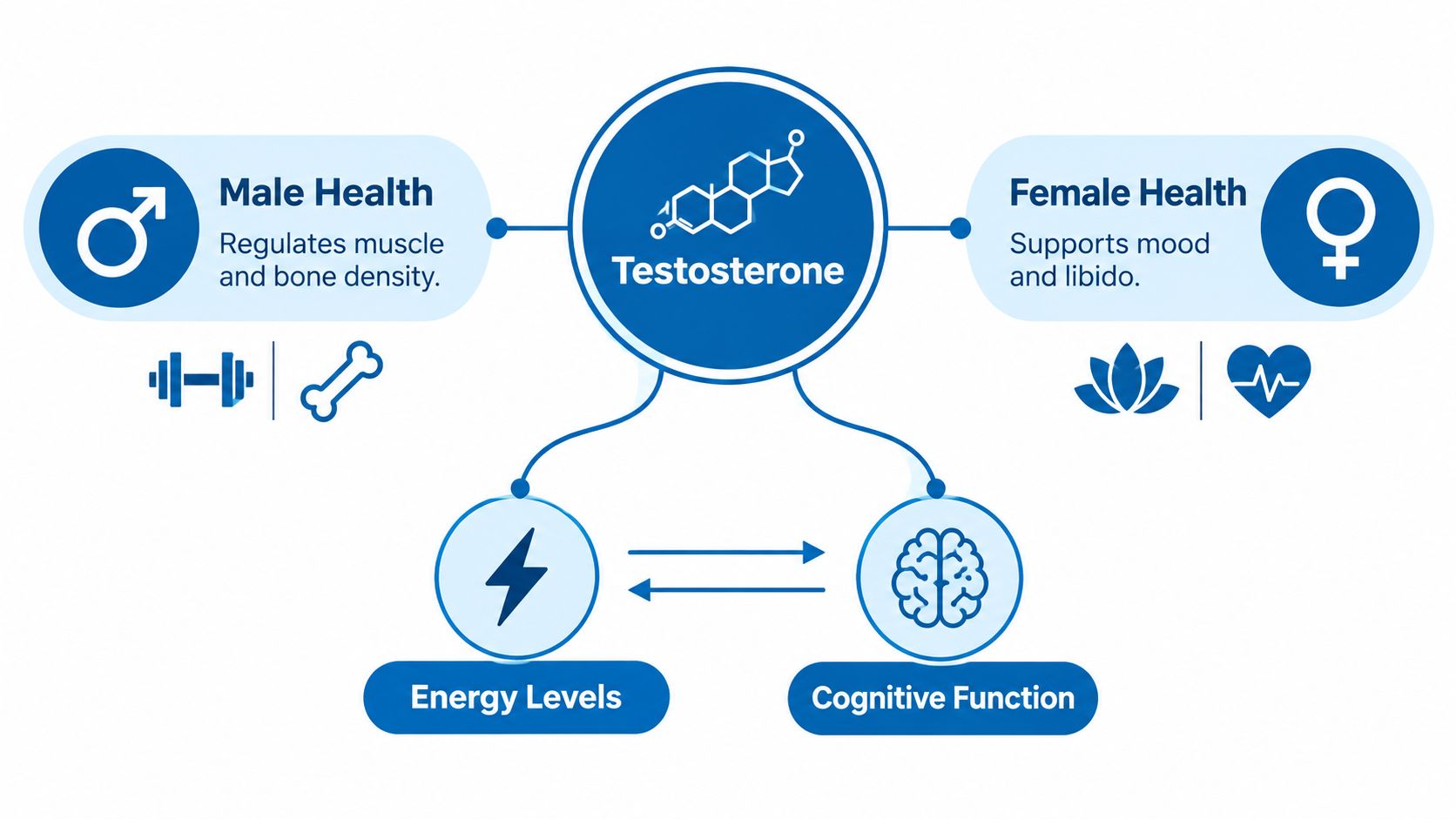
- Bioidentical Hormone Replacement Therapy (BHRT): If you're in perimenopause, menopause, or andropause, correcting underlying shifts in estrogen, progesterone, or testosterone can have a profound, stabilizing effect on your entire stress response system.
- Medically Supervised Weight Loss: When high cortisol has contributed to metabolic dysfunction and weight gain, our programs—which may include GLP-1 medications like Ozempic® or Wegovy®—can help reset your metabolism while we address the hormonal drivers behind it.
- Disease Management: For patients with conditions like thyroid disorders or diabetes, we integrate cortisol management into their overall care plan to improve outcomes and overall well-being.
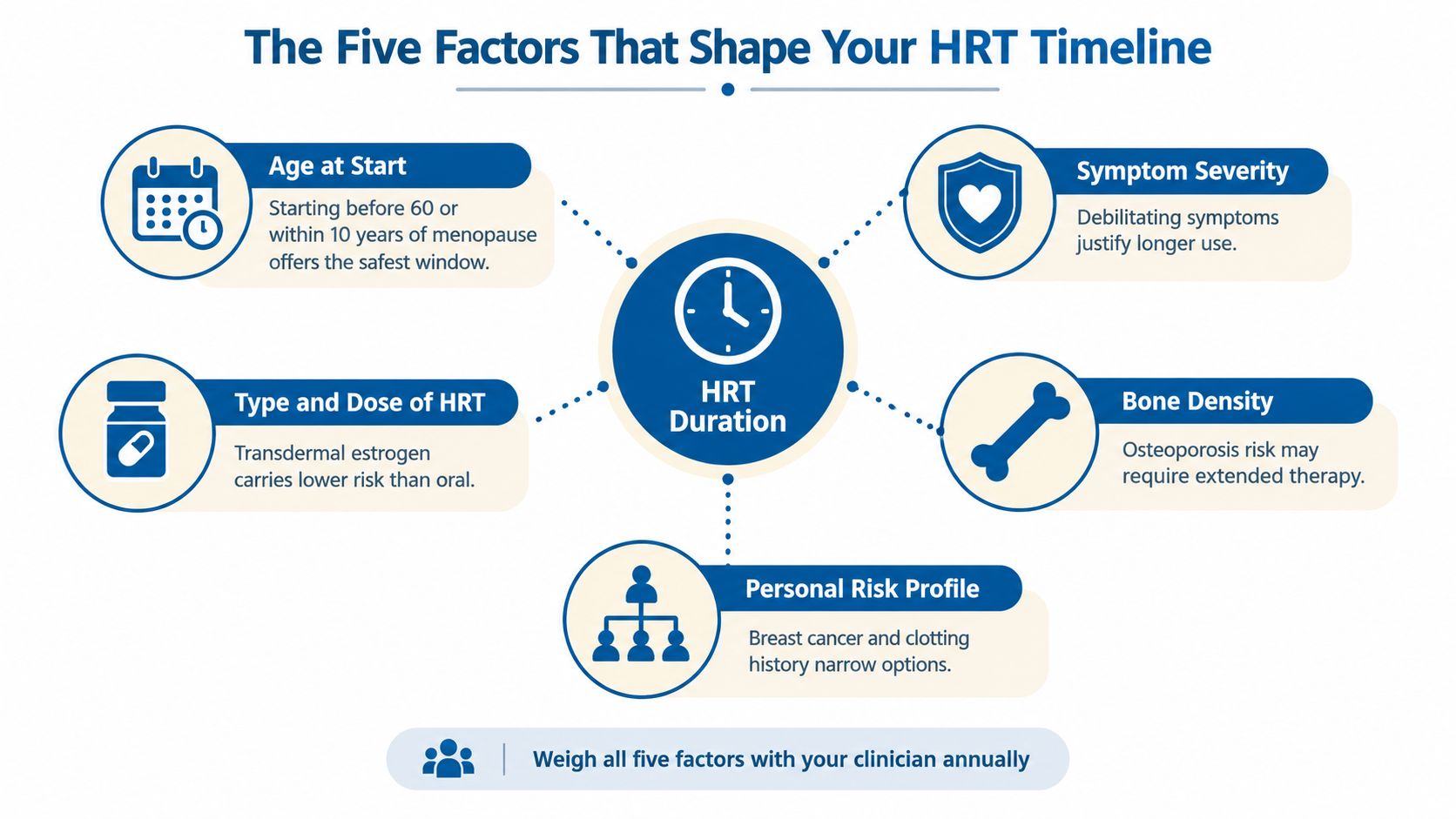
By combining targeted medical interventions with continued lifestyle support, we tackle the imbalance from every angle. Our board-certified providers create a strategy that not only lowers cortisol but also restores your energy and vitality for the long term. If you feel stuck, learn more about how our approach to expert-led hormone therapy can help you find lasting relief.
Your Questions About Cortisol Answered
What is the fastest way to reduce cortisol?
While long-term balance requires consistent effort, you can lower acute cortisol spikes very quickly. Techniques that activate the parasympathetic nervous system (your "rest and digest" mode) work almost instantly. A few rounds of the 4-7-8 breathing technique, a 10-minute walk outside, or even a genuine laugh can provide immediate relief by signaling to your body that the threat has passed. These are powerful tools for managing in-the-moment stress.
What foods should I avoid if I have high cortisol?
When you're trying to get a handle on high cortisol, your plate is one of the best places to start. The goal is to avoid foods that send your blood sugar on a rollercoaster, which in turn signals your adrenals to release more stress hormones. Think of it as calming your system from the inside out.
Highly processed snacks and sugary drinks are the biggest culprits. They give you a quick burst of energy, but the inevitable crash that follows is a major stressor on your body, prompting it to pump out more cortisol.
Here’s a quick list of what to limit or sidestep altogether:
- Refined carbs: Things like white bread, pastries, and most packaged cereals can fuel cortisol release.
- Excessive caffeine: While a morning coffee is fine for many, too much can overstimulate your adrenal response, making anxiety and jitteriness worse.
- Trans fats: Often lurking in fried foods, margarine, and many packaged snacks, these fats are known to promote inflammation, another stressor for your body.
Instead, a shift toward whole foods—lean proteins, healthy fats, and lots of fiber-rich vegetables—is the key. This approach helps stabilize your blood sugar and takes a significant load off your adrenal glands.
How long does it take to lower cortisol levels?
This is a question our providers get all the time, and the honest answer is: it depends. The timeline for lowering cortisol hinges on what’s causing the imbalance in the first place and how consistently you stick with your new habits.
You can feel the effects of acute stress-relief techniques, like deep breathing exercises, in just a few minutes. But tackling a chronic imbalance is more of a long game. It often takes weeks, or even a few months, of consistent effort to see real, lasting change.
Expert Insight from Pause Medical: Most clinical studies show significant, measurable shifts in cortisol levels within 4 to 12 weeks of sustained lifestyle changes, especially when combined with professional medical support.
Having a personalized plan makes a world of difference. When a provider can tailor interventions to your unique biology and lifestyle, progress can happen much more quickly.
| Approach | Typical Timeline | What It Helps With |
|---|---|---|
| Breathing Techniques | Immediate to 1 week | Great for lowering those acute, in-the-moment spikes. |
| Mindful Movement | 2–4 weeks | Starts to improve sleep quality and overall mood. |
| Dietary Adjustments | 4–8 weeks | Key for stabilizing blood sugar and reducing inflammation. |
| Medical Evaluation & Tests | 6–12 weeks | Helps pinpoint and target the root hormonal issues. |
Can hormonal shifts like menopause cause high cortisol?
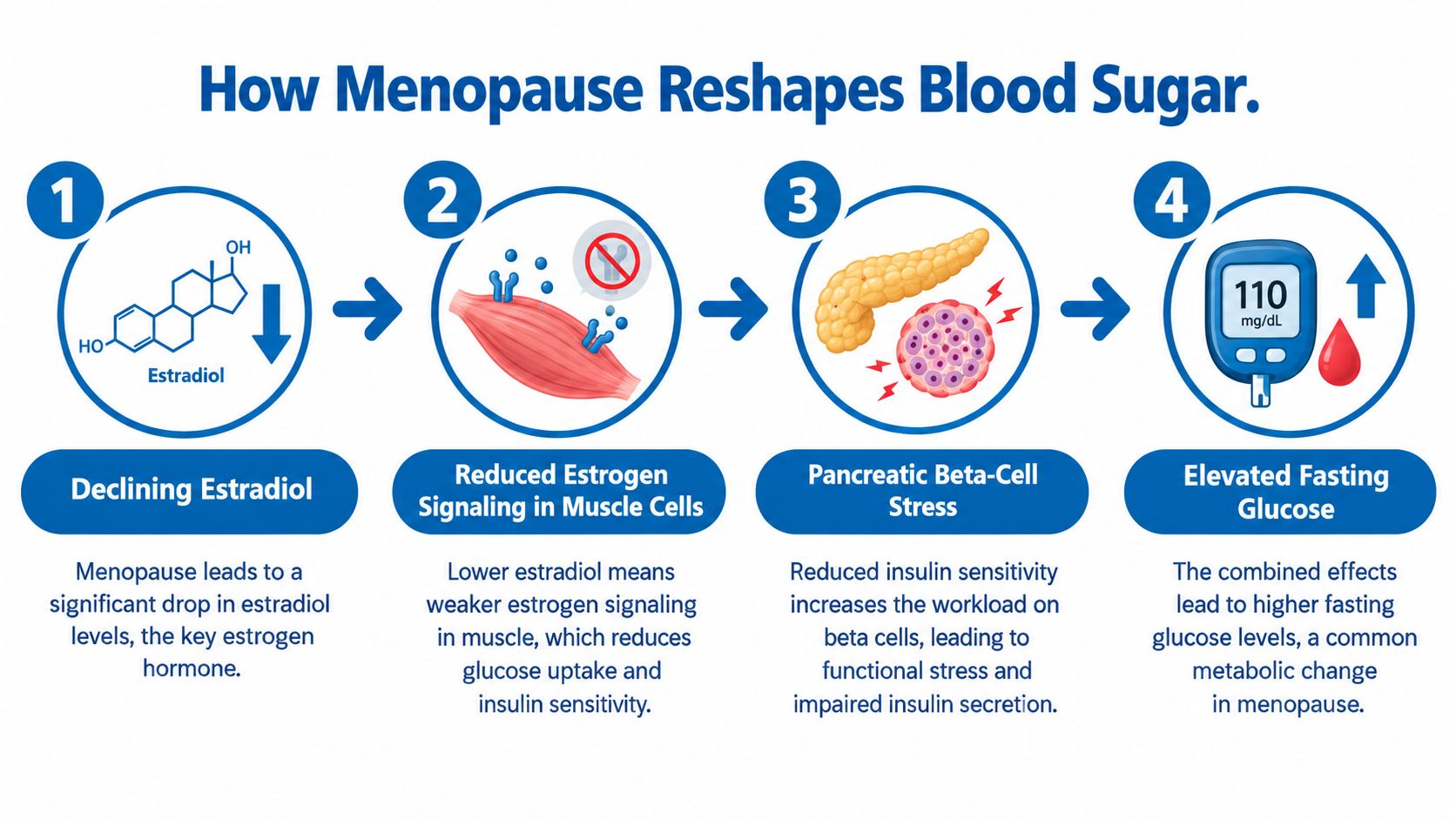
Absolutely. There's a strong connection here. As estrogen levels fluctuate and decline during perimenopause and menopause, your body's stress response system (the HPA axis) can become much more sensitive. This often leads to higher cortisol readings.
Think about it: common menopausal symptoms like hot flashes, night sweats, and disrupted sleep are all physical stressors. They act as constant triggers that keep pushing cortisol upward.
- The hormonal shifts of this life stage often go hand-in-hand with an increase in anxiety.
- When night sweats fragment your sleep, it prevents cortisol from following its natural daily rhythm, where it should be lowest at night.
This interplay shows why managing cortisol isn't just about "de-stressing." It also involves addressing those underlying hormonal changes, sometimes with therapies like Bioidentical Hormone Replacement Therapy (BHRT). By supporting estrogen levels and improving sleep quality, you can help normalize your daily cortisol rhythm and calm that hypersensitive stress response.
How do you test for high cortisol?
Accurately measuring cortisol requires more than a single blood test because its levels naturally fluctuate throughout the day. At Pause Medical, we use comprehensive testing to get a full picture.
- Saliva or Urine Tests: These are often preferred as they can measure cortisol levels at multiple points over a 24-hour period (e.g., morning, noon, evening, and night). This "diurnal rhythm" test shows us your unique cortisol pattern and reveals if it's elevated when it should be low, like at bedtime.
- Blood Tests: A morning blood test can be useful for checking baseline cortisol levels but doesn't capture the daily pattern.
It is possible to do these tests at home with a kit, but interpreting the results requires clinical expertise. A board-certified provider can analyze the data in the context of your symptoms and health history to create an effective, personalized treatment plan.
Disclaimer: This article is for informational purposes only and does not constitute medical advice. The information contained herein is not a substitute for and should never be relied upon for professional medical advice. Always talk to your doctor about the risks and benefits of any treatment. The board-certified providers at Pause Medical can help you determine the best course of action for your individual health needs.
Ready to balance your cortisol and reclaim your energy?
Schedule a consultation at Pause Medical. Our team of board-certified medical experts is here to provide a personalized, evidence-based plan to help you feel your best.