Personalized Weight Loss Plan: A Medical Guide for 2026
You've cut calories, downloaded meal plans, and promised yourself that this attempt would be different. For a while, the scale moved. Then your energy dropped, hunger intensified, sleep became unreliable, and the weight returned. If you're dealing with menopause, andropause, thyroid disease, insulin resistance, chronic illness, or medication-related weight gain, another generic diet may not address the reason progress keeps stalling.
A personalized weight loss plan starts with a different question: what is affecting your appetite, metabolism, movement, hormones, and ability to maintain change? Medical weight loss combines that investigation with nutrition, activity, self-monitoring, medication management when appropriate, and follow-up under clinical supervision. For Mississippi adults seeking care for weight gain, hormone imbalance symptoms, or metabolic disease, the aim isn't a short-term drop on the scale. It's a safer plan you can continue when life gets busy.
Why Generic Diets Fail and Personalized Plans Work
A patient I often see has already tried several approaches. She may have followed a low-carbohydrate plan, lost weight quickly, then regained it when fatigue and cravings became harder to manage. He may have increased exercise but noticed no meaningful change after starting a medication associated with weight gain. Both patients can feel as if they lack discipline, when the larger problem is that the plan never accounted for their health history.
A templated meal plan assumes that the same food rules will work across different bodies and circumstances. It doesn't ask whether a patient has untreated thyroid dysfunction, disrupted sleep, insulin resistance, menopause-related symptoms, low testosterone, depression, joint pain, or a medication that makes appetite control more difficult. Those factors don't make weight loss impossible, but they can change which interventions are realistic and which risks need attention first.
The difference between a diet and a clinical strategy
A generic plan usually tells you what to eat. A medically supervised plan also asks:
- What is driving weight gain? Symptoms, medical conditions, medications, sleep, stress, and hormonal changes all belong in the history.
- What can you sustain? Food preferences, work demands, family meals, finances, mobility, and cultural habits affect adherence.
- What needs treatment? A confirmed hormone deficiency or metabolic condition may require medication management rather than more restriction.
- How will progress be judged? Weight is useful, but waist measurements, body composition, laboratory markers, energy, sleep, and function provide additional context.
Personalization doesn't guarantee effortless results. In fact, a randomized trial of 204 adults found that six-month weight loss was -4.31% with a standardized low-fat diet and -3.26% with a personalized diet , a difference that wasn't statistically significant, as reported in the JAMA randomized clinical trial. The lesson is important: tailoring food instructions alone may not improve outcomes unless it also improves consistency, feedback, and behavior change.
A stronger approach combines medical evaluation with practical support. Pause Medical's guide to personalized treatment plans describes the broader principle, care should be shaped around the patient rather than forced into a preset template. If repeated dieting has produced the same cycle of loss and regain, a clinical evaluation is more useful than another unmonitored restriction plan.
Initial Assessment and Lab Work for Your Plan
Before changing your calories, exercise routine, or medication, establish a medical baseline. A first consultation should give your provider enough information to distinguish ordinary implementation problems from conditions that require treatment.

Step one is a detailed clinical history
Expect questions about prior weight-loss attempts, appetite patterns, eating behaviors, sleep, stress, menstrual or menopausal symptoms, sexual health, family history, medications, alcohol use, and physical limitations. Your provider should also review conditions such as diabetes, thyroid disorders, hypertension, sleep apnea, liver disease, and cardiovascular disease.
Body weight alone doesn't describe your health. A body composition analysis may help estimate changes in fat mass and lean mass, while waist measurement can add information about central adiposity. These tools don't replace clinical judgment, but they can make follow-up more informative than relying on the scale alone.
Step two is targeted laboratory testing
The exact panel depends on your symptoms and history, but a clinician may consider:
- Thyroid testing: Thyroid function can help identify whether hypothyroidism may be contributing to fatigue, cold intolerance, mood changes, or weight concerns.
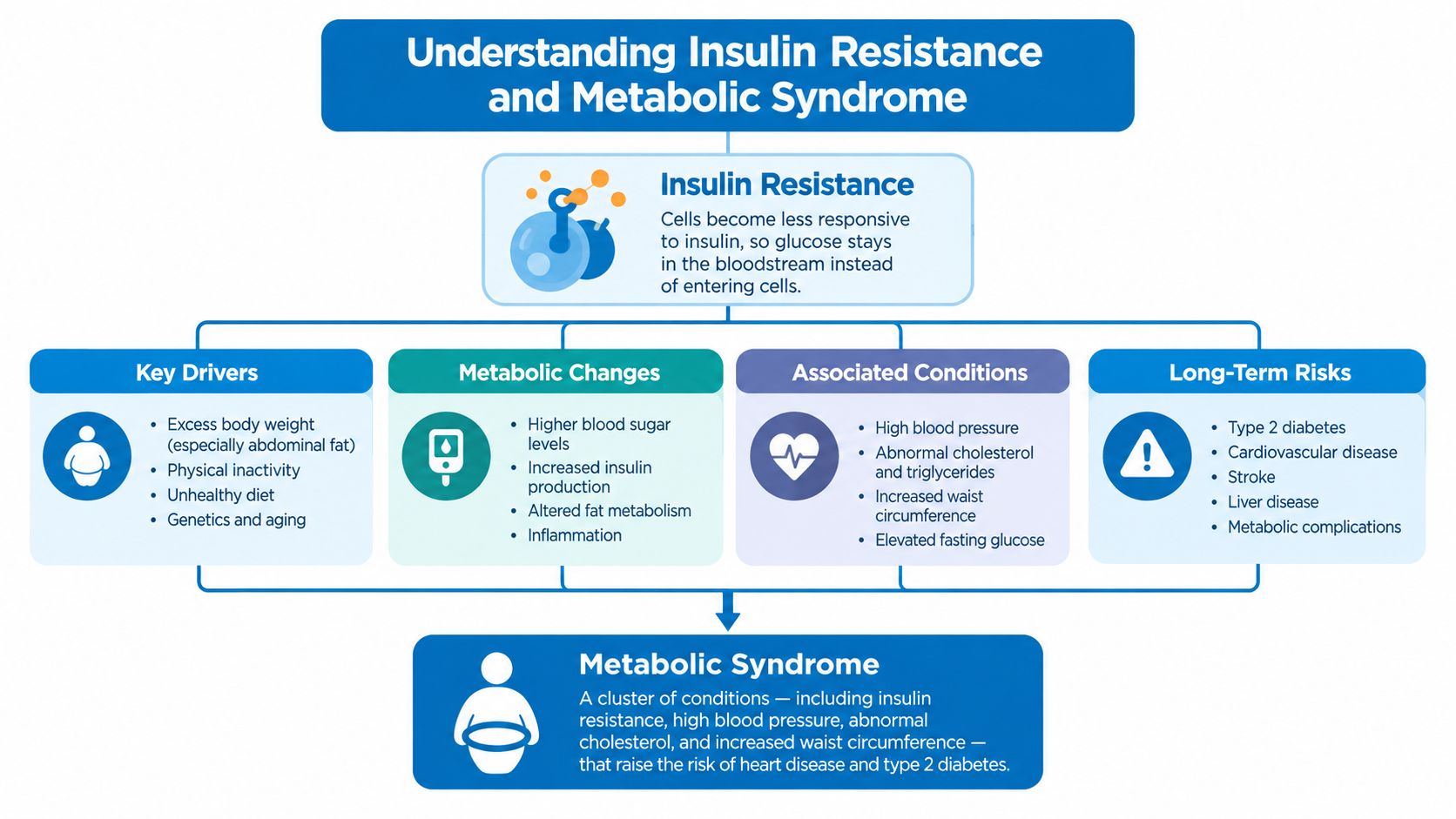
- Glucose markers: Fasting glucose, fasting insulin, and HbA1c help assess glycemic regulation and possible insulin resistance.
- Lipid testing: Total cholesterol, LDL cholesterol, HDL cholesterol, and triglycerides help define cardiovascular and metabolic risk.
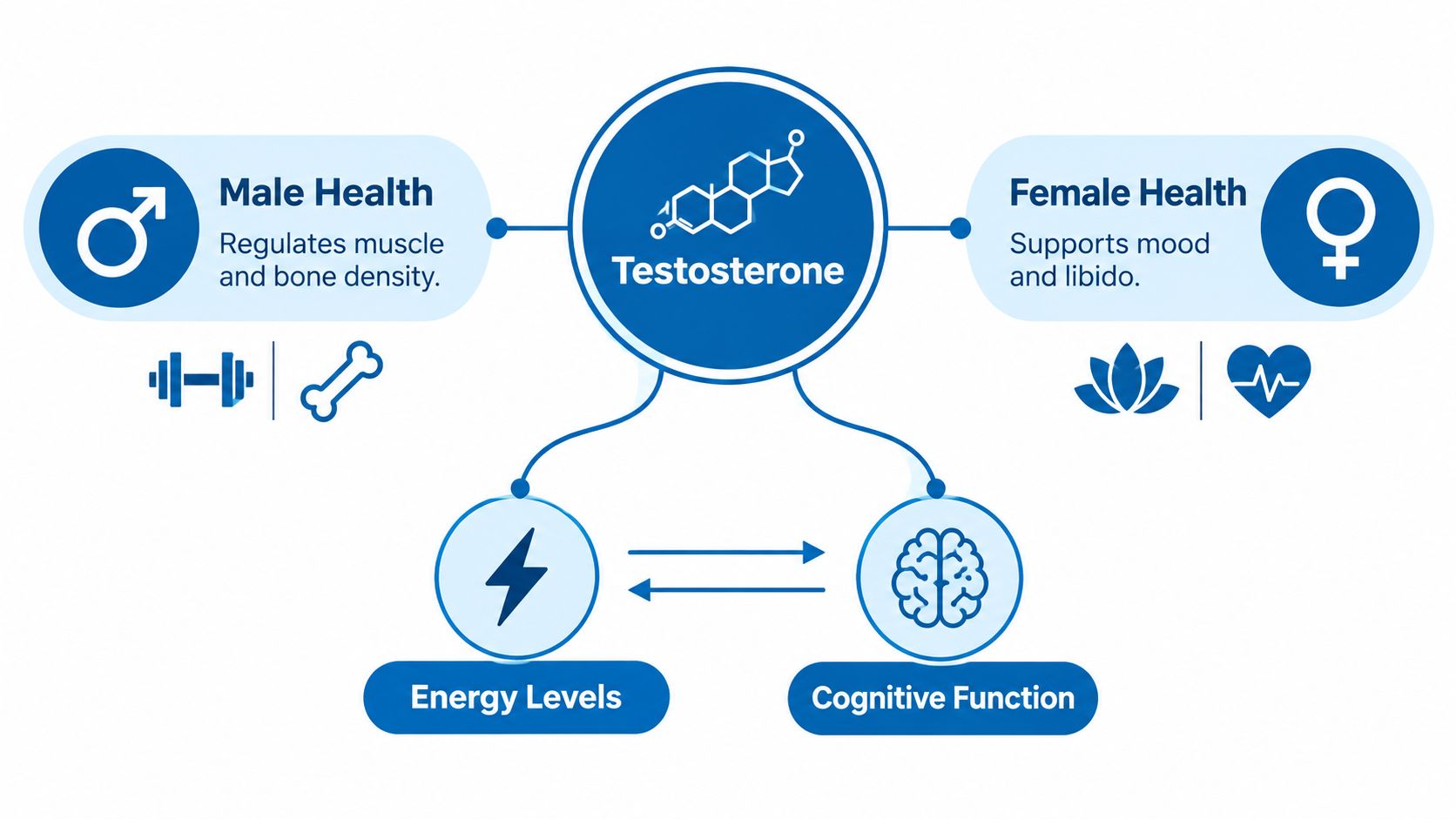
- Hormone evaluation: Testosterone, estrogen, and other sex hormones may be relevant when low libido, hot flashes, irregular cycles, erectile symptoms, fatigue, or body-composition changes are present.
- Additional testing: Cortisol and other markers may be considered when symptoms and examination suggest they could change management.
Metabolic syndrome is diagnosed when at least three of five criteria are present, including a waist circumference above the relevant population threshold, triglycerides of at least 150 mg/dL , low HDL, blood pressure of at least 130/85 mm Hg , or fasting glucose of at least 100 mg/dL , according to the American Heart Association scientific statement. Those cut points show why a weight plan should address cardiometabolic health, not just appearance.
Practical rule: Don't interpret one abnormal result in isolation. Symptoms, examination findings, medications, and trends determine whether a lab result changes treatment.
You can review the types of testing commonly used in a wellness lab panel. Lab work should guide decisions, not serve as a substitute for a complete evaluation.
The video below offers additional visual context for how a structured health plan can be organized.
Building Your Individualized Nutrition and Exercise Strategy
Once the clinical picture is clear, nutrition and exercise become more precise. The plan shouldn't prescribe the same carbohydrate, protein, meal timing, or activity pattern to every patient. It should translate your health data and daily constraints into actions you can repeat.
For a patient with impaired glucose regulation, a clinician may emphasize portion awareness, protein distribution, high-fiber foods, and meal patterns that reduce uncontrolled hunger. Someone with inflammatory disease may benefit from a whole-food dietary pattern that limits highly processed choices while accommodating symptoms and treatment. A patient with a history of restrictive eating may need a less rigid strategy focused on regular nourishment and behavioral support.
Build around adherence, not perfection
Your plan should answer practical questions:
- What meals can you prepare during a workday?
- Which foods keep you satisfied without triggering overeating?
- Can you follow the plan at restaurants, family gatherings, and while traveling?
- Does the protein target support muscle preservation without creating unnecessary complexity?
- Does the fiber and fluid strategy fit your gastrointestinal tolerance?
- What will you do after an unplanned meal?
A body composition analysis can help frame these decisions, particularly when the goal includes preserving lean tissue. Understanding body composition analysis can help patients see why scale weight isn't the only useful outcome.
Exercise also needs medical context. Walking may be a reasonable starting point for someone with low conditioning or joint pain. Resistance training may deserve greater emphasis when preserving strength is a priority. Cardiovascular activity can be adapted to fitness level, blood pressure, heart health, and mobility. Hormonal symptoms, fatigue, and sleep disruption may affect when and how intensely a person can train.
The strongest evidence supports combining behavioral counseling, dietary structure, activity targets, and self-monitoring. In the USPSTF evidence review, behavioral interventions nearly doubled the likelihood of achieving at least 5% weight loss , with a pooled risk ratio of 1.94 across 38 trials involving 12,231 participants , and the estimated number needed to treat was 8 , as reported in the JAMA evidence review. That finding supports a plan with frequent feedback rather than a prescription handed over once.

GLP-1 Medications and Hormone Therapy: What the Evidence Shows
A patient may be eating thoughtfully and exercising regularly, yet persistent hunger, metabolic disease, obesity-related complications, or hormone deficiency can keep progress limited. Medication is a clinical option when these factors make lifestyle treatment alone insufficient, not a reward or punishment.
GLP-1 treatment requires a broader plan
Semaglutide acts on appetite and satiety pathways. It does not replace protein intake, movement, sleep, or follow-up. In the STEP 1 program, adults with overweight or obesity without diabetes who received once-weekly semaglutide 2.4 mg experienced about 15% to 16% mean weight loss over 68 weeks , compared with roughly 2% to 3% with placebo , as summarized in the STEP 1 evidence resource. A provider should review medical history, contraindications, current medications, symptoms, and the patient's ability to attend monitoring visits. Patients can also review how semaglutide works to understand why appetite changes are only one part of treatment.
During GLP-1 therapy, monitor gastrointestinal symptoms, hydration, food tolerance, and strength. Resistance training and adequate nutrition help protect lean tissue. how to build muscle on GLP-1 offers practical guidance for supporting muscle during medication-assisted weight loss.
Hormone therapy addresses a different clinical problem
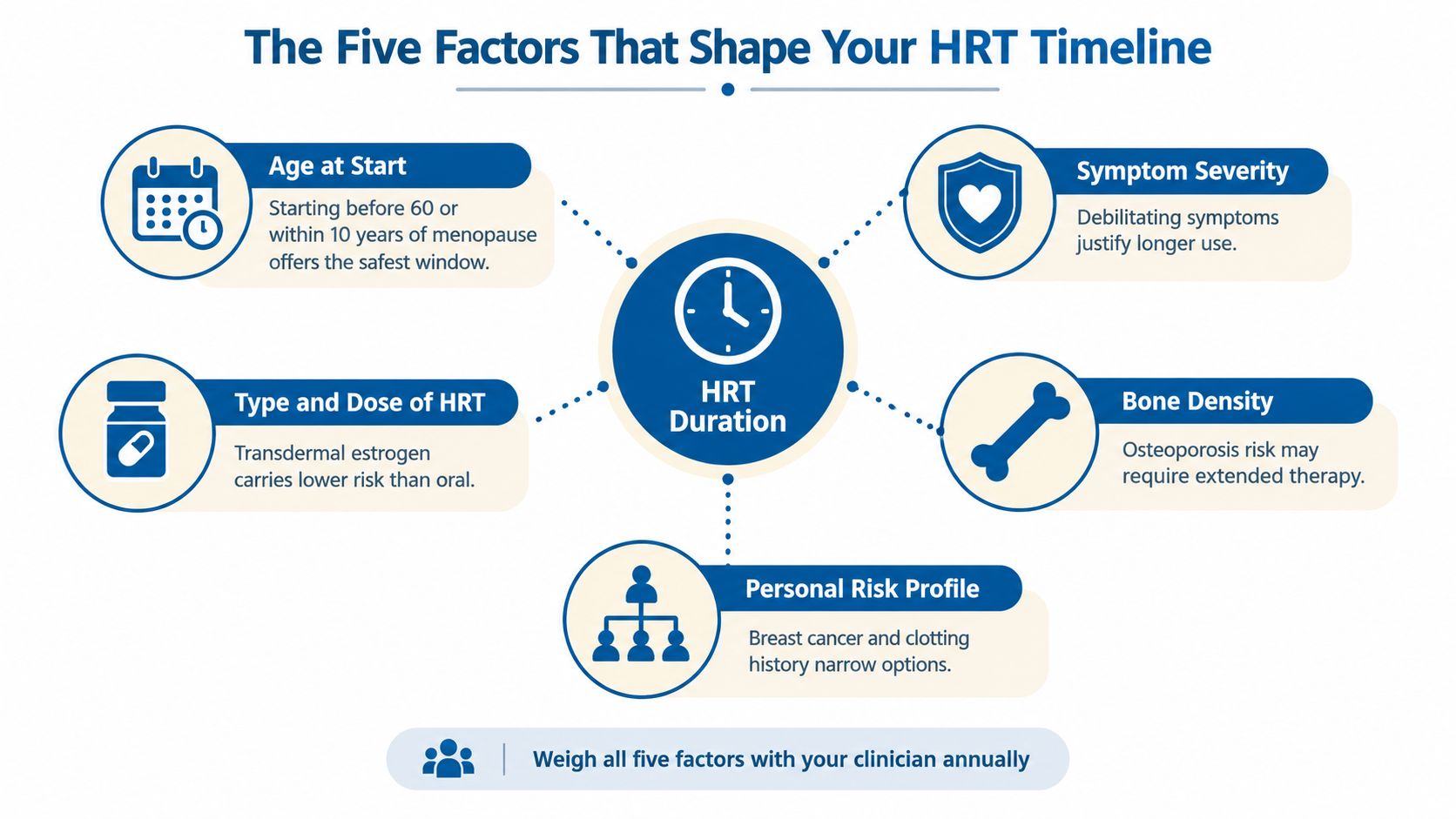
Hormone replacement therapy, including bioidentical hormones when clinically appropriate, is not a general weight-loss medication. It may address documented hormone deficiency and symptoms such as hot flashes, sleep disruption, low libido, or vaginal discomfort. The North American Menopause Society identifies hormone therapy as the most effective treatment for vasomotor symptoms and genitourinary syndrome of menopause, and notes that it prevents bone loss and fractures. Treatment should be individualized and periodically reevaluated, as described in its position statement.
For symptomatic women younger than 60 or within 10 years of menopause onset, the benefit-risk profile is generally more favorable. Starting systemic therapy more than 10 years after menopause onset or after age 60 carries higher absolute risks of coronary heart disease, stroke, venous thromboembolism, and dementia, according to the menopause guidance indexed by PubMed. Local vaginal estrogen or other local treatments may address genitourinary symptoms when systemic therapy is not indicated.
GLP-1 medication and hormone therapy are not interchangeable. They may belong in the same plan, or neither may be appropriate. Confirm the underlying problem, review risks, and monitor response before adjusting treatment.

Tracking Progress and Adjusting Your Plan Over Time
A personalized weight loss plan is a working document, not a permanent set of instructions. Your provider should look at how your body responds, whether you can follow the plan, and whether the treatment is improving health markers without creating unacceptable side effects.
Track more than scale weight. Useful measures may include waist circumference, body composition, blood pressure, glucose markers, lipid results, sleep quality, energy, hunger, strength, and symptoms related to menopause or andropause. A patient who loses little scale weight but improves glucose control, strength, and daily function may be making meaningful progress. Another patient whose weight loss has stopped alongside worsening fatigue or medication side effects may need reassessment.
The loss phase and maintenance phase are different
Behavior-based follow-up helped participants retain more of their weight loss than controls in the USPSTF review, with a pooled mean difference of -1.6 kg across eight trials involving 1,408 participants , as reported in the same JAMA evidence review. Maintenance requires continued attention to portions, activity, self-monitoring, and follow-up because the habits that initiate loss may not be enough to preserve it.
The evidence also has limitations. Recent reviews note that personalization studies are often short-term and may use small, relatively homogeneous samples, making long-term superiority across diverse populations difficult to prove, as discussed in the review of personalized nutrition and obesity care. Personalization may improve engagement without producing dramatically better weight loss than a simpler plan.
That's why follow-up matters. If progress is inadequate, a clinician may revisit calorie or portion targets, medication selection or dose, exercise intensity, sleep, emotional eating, or an untreated condition. A practical guide to weight-loss accountability can help patients understand why regular check-ins support long-term execution.

Common Barriers and How to Overcome Them
Personalization doesn't remove obstacles. It gives you a way to respond to them without abandoning the entire plan.
Travel and social eating require a flexible default, not perfection. Choose a protein-centered meal when practical, keep a simple backup snack available, and return to your normal routine at the next meal instead of compensating with extreme restriction. Your provider can help identify the situations that repeatedly lead to overeating.
GLP-1 medications can cause nausea, vomiting, diarrhea, constipation, or stomach discomfort, particularly early in treatment. Report symptoms rather than stopping medication or pushing through severe reactions. Your clinician may adjust the dose, change the medication, review food and fluid intake, or determine whether another medical issue needs attention.
Plateaus need investigation
A plateau can reflect reduced adherence, lower activity, changes in appetite, inadequate sleep, medication effects, or a need to revise the plan as body weight changes. It doesn't automatically mean you need a more restrictive diet. Review food records, hunger patterns, movement, strength, stress, and relevant laboratory data before making a major change.
Hormonal symptoms can also undermine consistency. Hot flashes can disrupt sleep, low testosterone may coincide with reduced energy or libido, and untreated thyroid disease can mimic or worsen fatigue. Hormone testing and medication review should be based on symptoms and clinical judgment, not on the assumption that every weight problem is hormonal.
Clinical perspective: The plan should become more workable after a setback, not more punitive.
A provider can help separate a temporary disruption from a safety concern. Seek prompt medical guidance for severe medication reactions, chest pain, fainting, persistent vomiting, or other urgent symptoms.
Your Timeline for Results and Next Steps
The first two weeks usually focus on assessment, habit formation, food structure, activity that fits your current capacity, and medication decisions when indicated. Early scale changes can include fluid shifts, so don't judge the entire plan by the first few weigh-ins.
During the first three months, many patients begin to see measurable changes in weight, appetite, energy, sleep, or laboratory markers, but the pace varies. A phenotype-specific lifestyle intervention reported mean weight loss of 7.4 kg over 12 weeks , compared with 4.3 kg with a standard lifestyle intervention, while adjusted loss among those completing the visit was 8.0 kg versus 3.7 kg , according to the phenotype-tailored intervention study. That result supports careful customization, but it doesn't promise the same outcome for every patient.
By six months and beyond, the focus shifts toward preserving lean tissue, maintaining habits, managing medications, and addressing new barriers. A 2023 evaluation of a personalized multicomponent digital program found average weight loss of 4.25% at three months and 5.05% at six months , with 51.0% reaching at least 5% loss at six months, as reported in the evaluation published in PMC.
For Mississippi residents, the next step is an in-person consultation that connects your goals with your medical history, symptoms, laboratory needs, and treatment options. Pause Medical serves patients near Oxford, Meridian, Tupelo, Flowood-Jackson, and Starkville, with care that may include hormone replacement therapy, medical weight loss, disease management, and medication management.
Pause Medical offers in-person evaluation and medically supervised weight-loss care built around nutrition guidance, lifestyle changes, laboratory review, and prescription treatment when appropriate. Visit Pause Medical to schedule a Mississippi consultation and begin a personalized plan with ongoing provider support.