Insulin Resistance and Skin Tags: Key Warning Signs
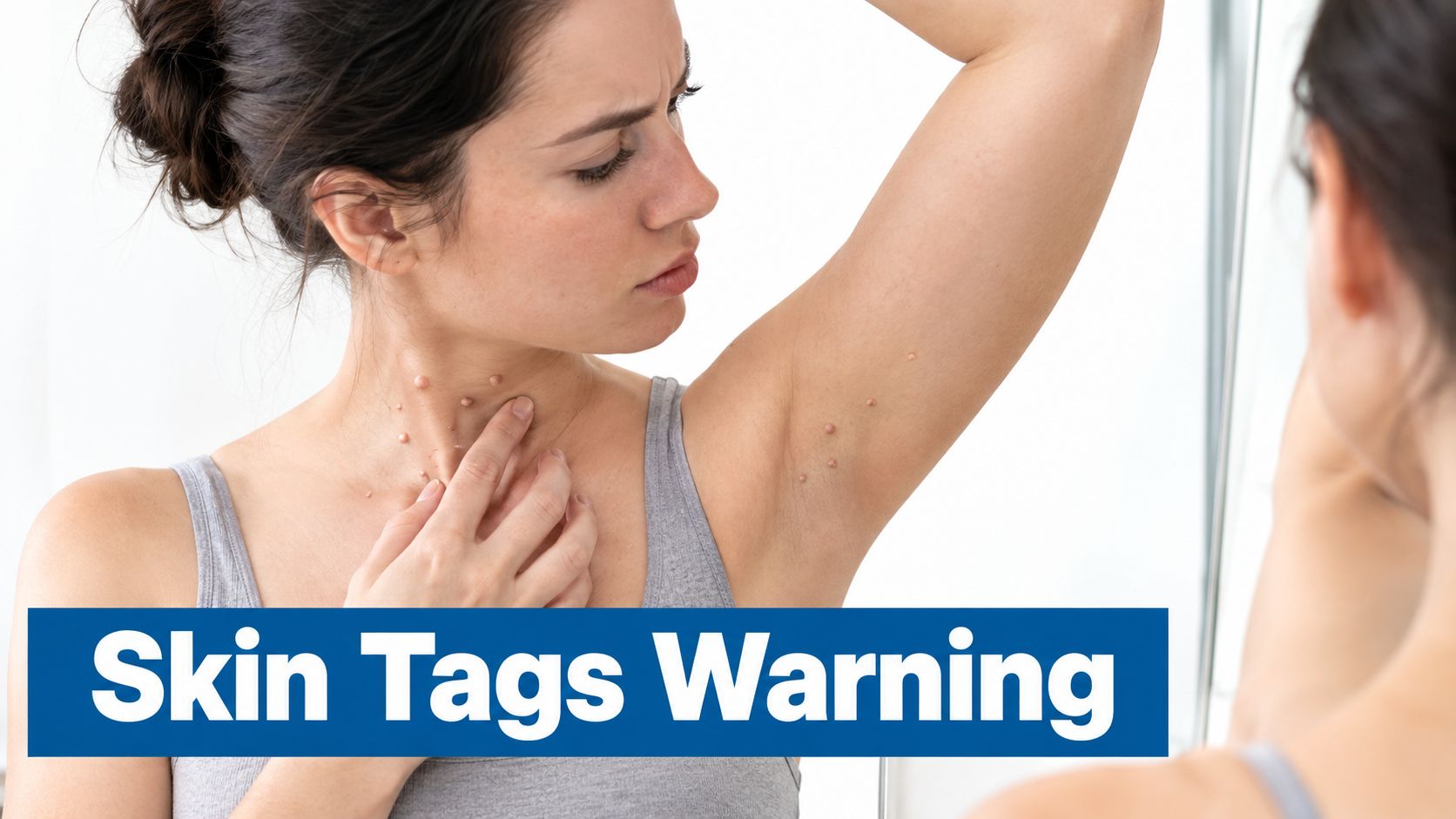
You notice them while getting dressed: soft, skin-colored bumps along your neck, underarm, or beneath the breast. At first, they seem like a minor cosmetic nuisance. Then more appear, and someone mentions diabetes. That comment can feel alarming, especially when a skin tag is usually described as harmless and removable.
Both ideas can be true. Skin tags, also called acrochordons, are usually benign , but multiple or newly appearing tags may deserve a broader health conversation. They can occur alongside insulin resistance, central weight gain, abnormal lipids, high blood pressure, and other metabolic risk markers. They don't diagnose any of these conditions, and many people with skin tags have normal metabolic health. The useful question isn't, “Do these tags prove I have diabetes?” It's, “Could this visible change be a reason to check what's happening beneath the skin?”
The Skin Finding Nobody Warned You About
A patient may arrive at a dermatology clinic worried about a cluster of tiny growths around the collar line. The immediate answer is often reassuring: the lesions look like skin tags, they're generally harmless, and they can be removed if they catch on clothing or jewelry. That information is valuable, but it may leave out the endocrine story.
Insulin is more than a blood-sugar regulator. At persistently high levels, it can also act as a growth signal. Researchers have proposed that this signal may influence skin cells and connective-tissue cells, particularly when tags occur in friction-prone folds. The relationship is not deterministic, and a skin tag isn't a diagnosis. It's better understood as a visible triage signal that may justify a closer look at metabolic health.
Why the pattern matters
One isolated tag may reflect friction, age, genetics, hormones, or simple chance. A growing number of tags, especially around the neck, axillae, or groin, offers more context. The pattern becomes more relevant when it appears with central weight gain, darkened velvety skin, a family history of type 2 diabetes, or known lipid or blood-pressure problems.
Darkened patches on elbows or other body folds can have several explanations, too. For general background on distinguishing dark skin changes from ordinary irritation, readers may find Mesoderm RX dark spot advice useful, but persistent or changing lesions should still be assessed by a qualified clinician.
The rest of the story is practical. Insulin resistance can develop without warning, sometimes before routine glucose testing becomes abnormal. Understanding the physiology helps you decide when skin tags are just a cosmetic concern and when they're a sensible prompt for screening.
What Insulin Resistance Actually Means
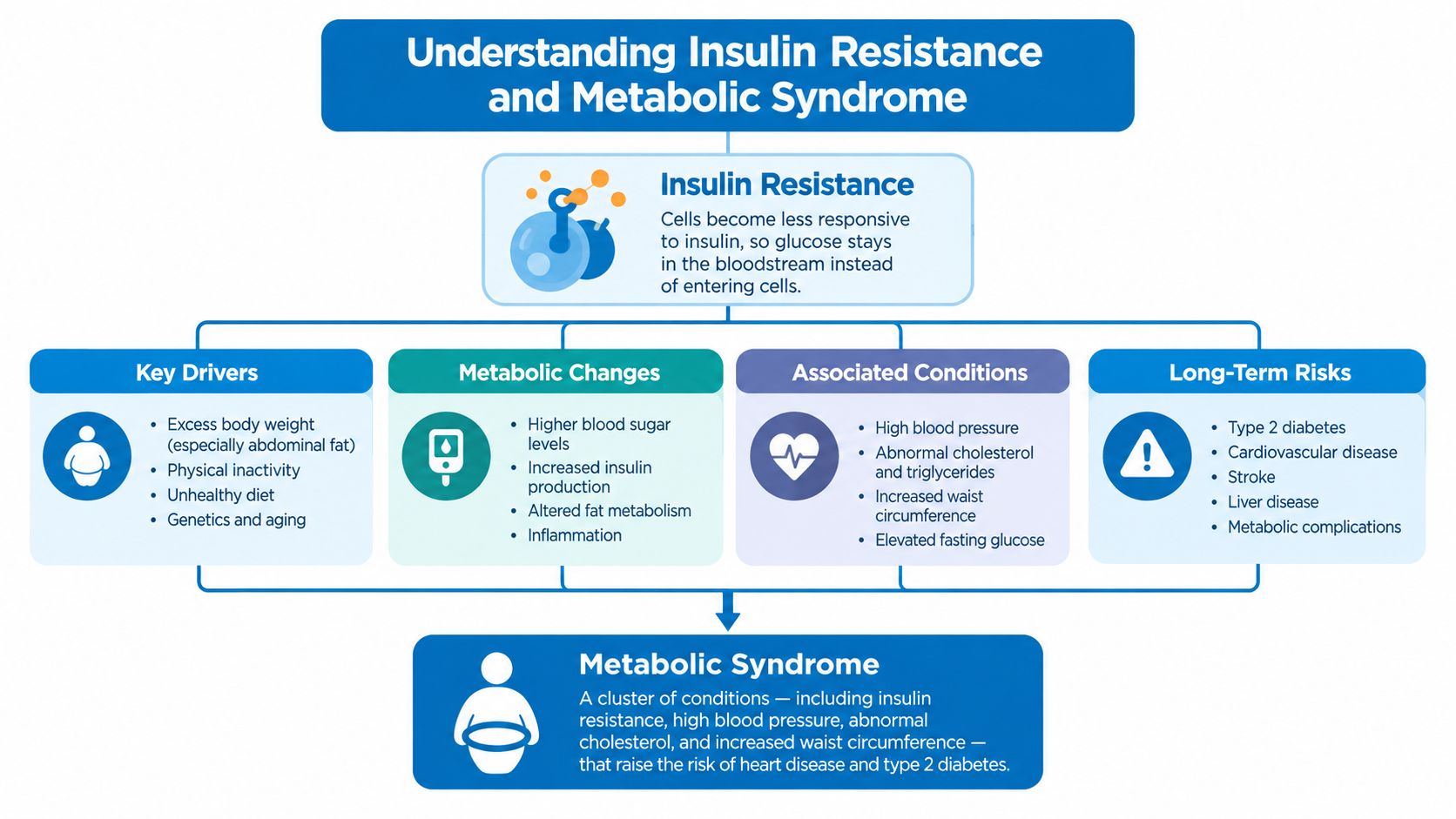
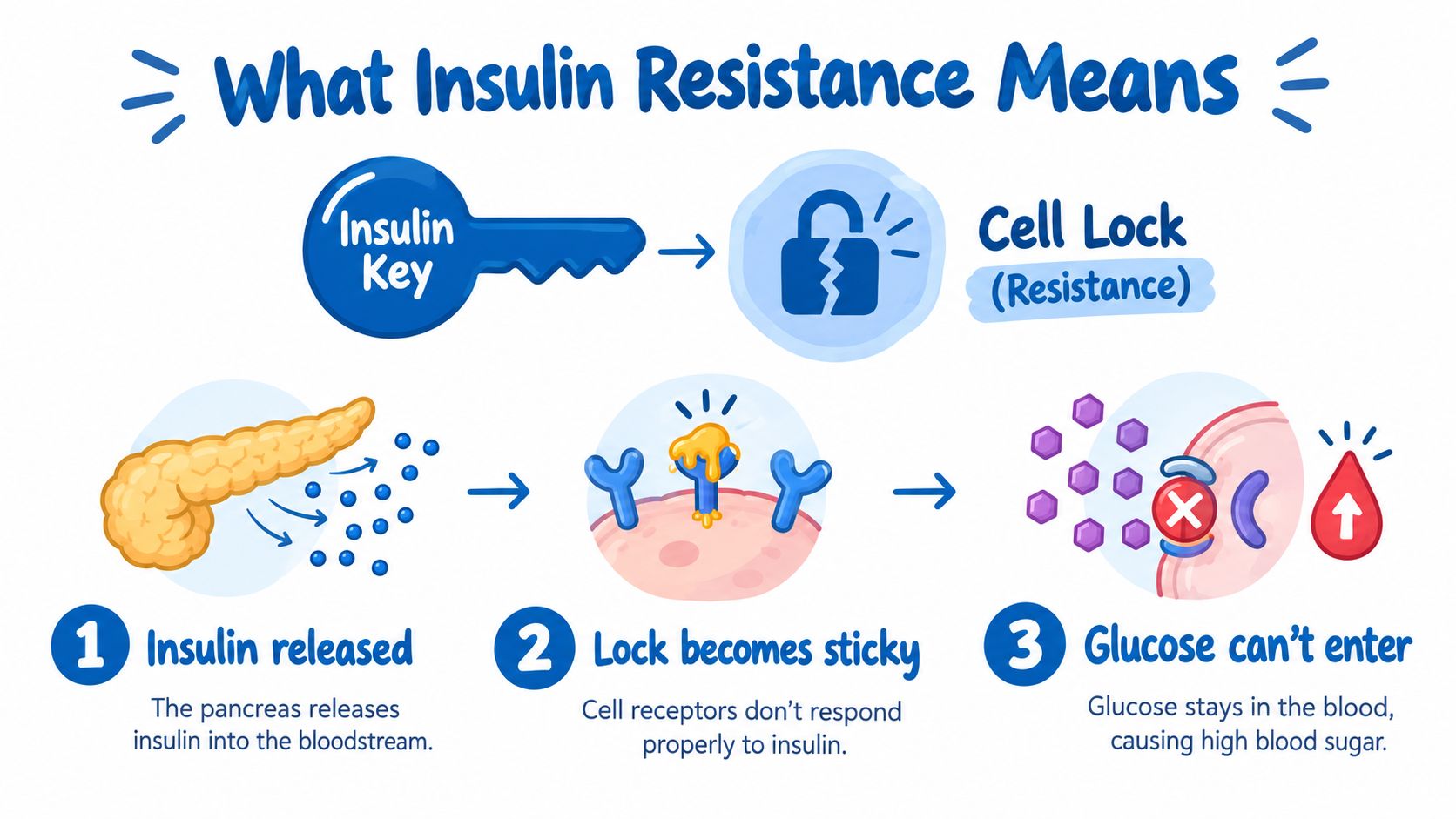
Think of insulin as a key and a muscle, liver, or fat cell as a locked room. After you eat, carbohydrates are broken down into glucose, which enters the bloodstream. Insulin helps open the cell so glucose can move inside and be used or stored.
With insulin resistance, the lock becomes sticky. The key still exists, but the cell responds less efficiently. The pancreas compensates by producing more insulin, creating a state called hyperinsulinemia . For a while, extra insulin may keep glucose within a usual range. That's why a person can have an underlying problem while feeling well and seeing an ordinary fasting glucose result.
Three ways clinicians view the same process
- Impaired fasting glucose looks at glucose after an overnight fast. It can reveal that the pancreas is beginning to struggle with baseline control.
- Impaired glucose tolerance looks at the body's response after a measured glucose load. It can uncover difficulty handling glucose that a fasting test misses.
- Hemoglobin A1c estimates average glucose over the preceding period, offering a longer view rather than a single moment.
Prediabetes describes a stage in which compensation is under strain and glucose has risen above the usual range, but hasn't reached the diabetes range. Insulin resistance can precede that stage, which is why normal glucose doesn't always settle the question.
Insulin also has growth-promoting effects. That matters for skin tags because high insulin may influence growth pathways in dermal tissue, providing a plausible connection between a metabolic pattern and a soft skin growth.
For a patient-friendly overview of the condition and why it matters, see Pause Medical's guide to insulin resistance. A blood-sugar education resource such as Canadian blood sugar support from SupplementSource.ca may provide additional general information, but supplements shouldn't replace testing or medical care.
Why Insulin Resistance May Show Up as Skin Tags
The proposed connection between insulin resistance and skin tags involves several biological steps, not one proven switch.
First, insulin levels remain higher as the pancreas compensates for reduced cellular sensitivity. Higher insulin may interact with pathways related to insulin-like growth factor 1 , or IGF-1. Dermal fibroblasts, the connective-tissue cells that help form the skin's supportive framework, may respond by multiplying more actively.
Hyperinsulinemia may also reduce the liver's production of IGF-binding protein 1. With less binding protein available, more IGF-1 may remain biologically available near tissues. That local growth signaling could encourage the soft, pedunculated structure associated with an acrochordon.
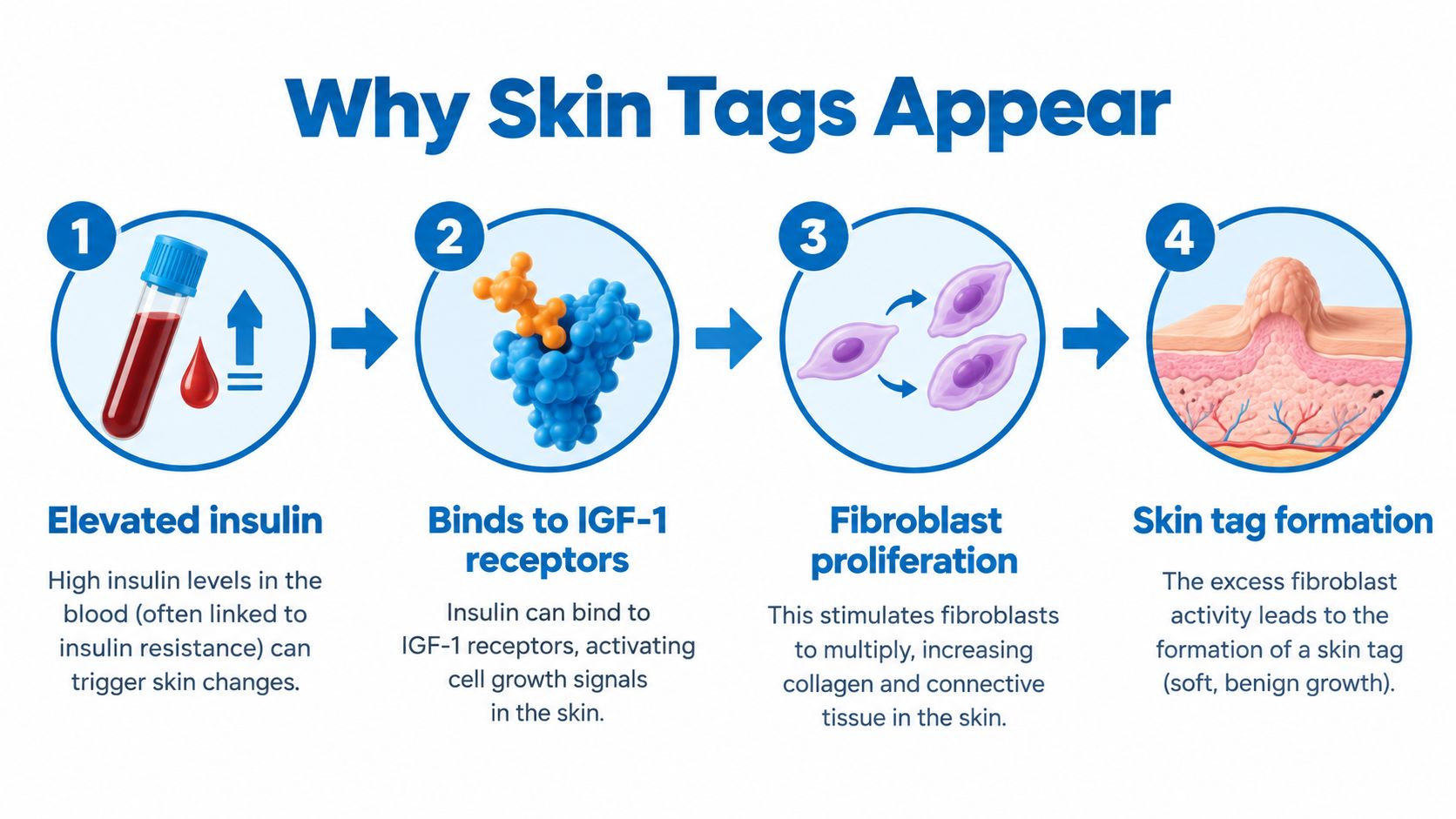
Growth signals meet mechanical stress
Other skin processes may contribute. Keratinocyte proliferation, glycosaminoglycan deposition, and reduced programmed cell removal, known as impaired apoptosis, could all favor extra tissue growth. The areas where tags commonly appear also experience repeated rubbing, including the neck, armpits, and groin. Friction may act as a mechanical amplifier when metabolic and growth signals are already present.
That mechanism remains a proposed explanation rather than a universal rule. HPV, hormonal influences, inherited susceptibility, age, pregnancy, and friction may also play roles. A person can develop tags without insulin resistance, while another person with insulin resistance may never develop them.
The practical interpretation is therefore measured. Multiple tags may fit a broader metabolic pattern, but the skin finding needs context from symptoms, medical history, physical examination, and laboratory testing.
What the Research Actually Shows
Research supports an association between skin tags and metabolic risk, but it doesn't establish that skin tags cause insulin resistance or that they can diagnose it.
A foundational clinical study reported that 21.2% of patients with skin tags had insulin resistance . Those patients also had higher fasting glucose, insulin, HbA1c, triglycerides, LDL cholesterol, and high-sensitivity C-reactive protein than controls. The same study reported hypertension in 30.1% and dyslipidemia in 59.3% of patients with skin tags. These findings suggest that acrochordons can cluster with broader cardiometabolic markers, as described in the 2010 clinical study indexed by PubMed.
A historical review described earlier observations as well. In 1976, Margolis and colleagues found acrochordons in 9.4% of 500 hospitalized patients , and 72% of those patients had type 2 diabetes. The same review noted that Norris and colleagues later reported hyperinsulinemia in 61% of their skin-tag population. More recent studies have reported a higher prevalence of tags among people with diabetes and an association with metabolic syndrome, but study designs and populations differ. The review is available through Clinical, Cosmetic and Investigational Dermatology.
Selected studies on skin tags and insulin resistance
| Study | Population | Key finding | Reported association |
|---|---|---|---|
| Foundational clinical study | Patients with skin tags and controls | Insulin resistance clustered with higher glucose, insulin, HbA1c, lipids, and inflammation markers | 21.2% had insulin resistance; hypertension was 30.1%; dyslipidemia was 59.3% |
| Controlled clinic-based study | 1,016 adults | Diabetes, hypertension, and metabolic syndrome were more prevalent among patients with tags | Metabolic syndrome risk was 11.13 times higher in cases than controls, P = 0.001 |
| Cross-sectional literature summary | Adults with acrochordons and controls | Insulin resistance was more common among cases | 41.4% of cases versus 17.1% of controls; odds ratio 3.42 |
| Historical and later review | Hospital and clinical populations | Findings repeatedly linked tags with diabetes, hyperinsulinemia, and metabolic risk | Reported findings included 9.4%, 72%, 61%, 94.6%, 79.4%, and 11.13-fold associations across different studies |
The controlled study of 1,016 adults found that high waist circumference and low HDL were the only metabolic-syndrome components significantly associated with skin tags, supporting their use as a possible external cue for central adiposity and dyslipidemia rather than as an isolated diagnosis. The full report is available through the study in PMC.
For a broader review of metabolic markers and testing decisions, see Pause Medical's metabolic health testing guide.
A More Honest Way to Read the Signal
Online health content often treats skin tags as if they were a blood test. They aren't. Acrochordons are common, and they can appear in people without diabetes, insulin resistance, or metabolic syndrome. Friction, hormones, pregnancy, age, genetics, and other factors can all influence their development.
The evidence is also uneven. Some studies are cross-sectional, meaning they observe people at one point in time. Others recruit patients from clinics or hospitals, where metabolic conditions may already be more common than in the general population. Different researchers may also define “multiple” tags using different counts, which makes direct comparison difficult.
Practical rule: A cluster of skin tags deserves evaluation, not a diagnosis.
When testing makes sense
Testing becomes more reasonable when the tags appear alongside other clues:
- Central weight gain: Extra weight around the abdomen can add context to the skin finding.
- Acanthosis nigricans: Dark, thickened, velvety skin in folds may indicate a different insulin-related skin change.
- Family history: A parent or sibling with type 2 diabetes raises the value of proactive screening.
- Metabolic findings: High blood pressure, abnormal triglycerides, low HDL, or a previous abnormal glucose result strengthen the case for follow-up.
- A growing pattern: New tags appearing over time may be more informative than one longstanding lesion.
A study of predominantly White European adults with morbid obesity found that skin tags were more common among people with diabetes and hypertension, while the difference in insulin resistance wasn't statistically significant. That result is a useful warning against overpromising prediction across every age, ancestry, and body size. A thoughtful next step is to discuss fasting glucose, HbA1c, and, where clinically appropriate, fasting insulin or HOMA-IR. More detail on sustainable improvement is available in Pause Medical's guide to reversing insulin resistance.
What to Ask Your Provider Next
A visit about skin tags doesn't need to become vague reassurance or an overwhelming battery of tests. Bring a simple observation and ask whether a focused metabolic evaluation fits your risk profile.
Start with the core information
Tell the provider when the tags began, whether new ones are appearing, and where they occur. Estimate the number rather than trying to count perfectly. Mention recent weight changes, thirst or urination changes, menstrual or reproductive symptoms, medications, sleep concerns, and family history of type 2 diabetes.
A reasonable discussion may include:
- Fasting glucose , which evaluates baseline blood sugar after fasting.
- Hemoglobin A1c , which offers a longer-term view of glucose exposure.
- Fasting insulin , which may show compensatory hyperinsulinemia before glucose rises.
- A lipid panel , including triglycerides and HDL, because dyslipidemia can accompany insulin resistance.
- HOMA-IR , a calculation using fasting glucose and fasting insulin to estimate insulin resistance.
HOMA-IR can be useful in context, but it isn't interpreted as a stand-alone verdict. Cutoffs vary by laboratory, population, and clinical setting, so your provider should explain what the result means alongside your other findings.
When a broader test helps
If initial results are borderline or don't match the clinical picture, a provider may discuss a 75-gram oral glucose tolerance test . This test examines how glucose changes after a measured challenge and can reveal impaired glucose handling that a fasting result doesn't capture.
The next step depends on the whole picture. A mildly concerning pattern may lead to nutrition, movement, sleep, and repeat-testing plans. More significant abnormalities may prompt diabetes evaluation, medication discussion, or referral to endocrinology.
Bring your medication list, recent laboratory results, family history, and a short timeline of skin changes. Those details turn a cosmetic complaint into a clinically useful pattern.
Pause Medical's patient guide to insulin resistance testing can help you prepare questions, but only a qualified provider can select and interpret tests for your situation.
Options for Moving Forward
Removing a tag may improve comfort or appearance, but it won't address an underlying metabolic pattern. A clinician can remove skin tags using appropriate office techniques, while you and your care team investigate whether insulin resistance or another factor needs attention.
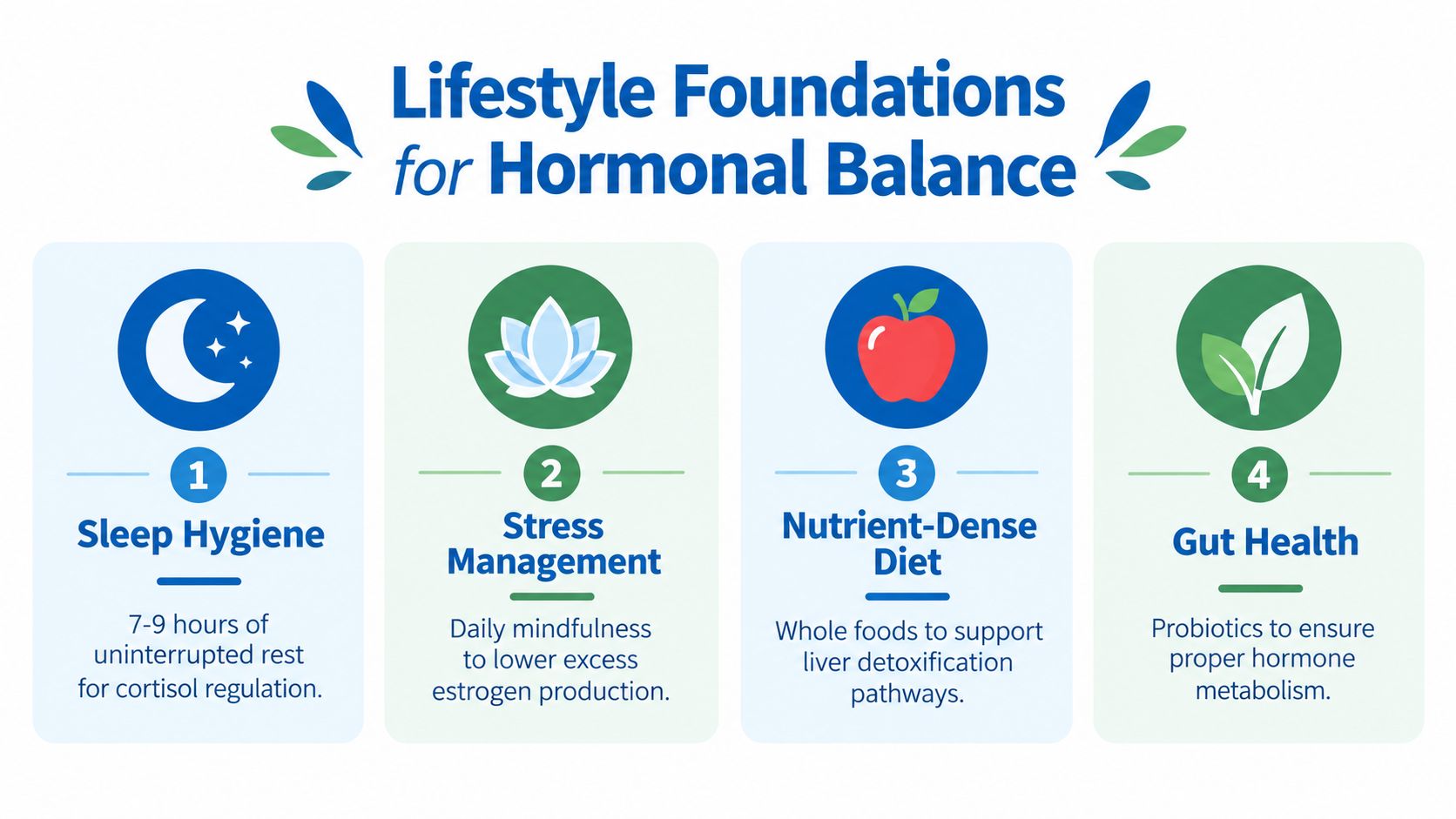
Lifestyle care usually forms the foundation. The plan should be realistic enough to continue, not so restrictive that it collapses after a short period.
- Food pattern: A Mediterranean-style or lower-glycemic approach can emphasize vegetables, legumes, high-fiber carbohydrates, fish, nuts, and protein while reducing heavily refined foods and sugar-sweetened drinks.
- Muscle activity: Resistance training helps muscle use glucose more effectively. Walking after meals can also be a practical starting point for someone who isn't ready for a formal exercise program.
- Sleep: Poor or inconsistent sleep can make appetite, activity, and glucose regulation harder to manage.
- Weight change: Where medically appropriate, gradual weight reduction may improve insulin sensitivity, especially when abdominal weight is part of the pattern.
- Medication review: Your clinician should assess whether current medicines, hormone conditions, PCOS, or other diagnoses affect metabolic risk.
Metformin may be appropriate for some patients with prediabetes or metabolic syndrome, but it isn't suitable for everyone. Other therapies, including newer options used in medically supervised weight management, require a discussion of indications, contraindications, side effects, cost, and follow-up. Don't start, stop, or borrow medication based on skin tags.
Primary care may be enough when laboratory abnormalities are mild and the plan is straightforward. Endocrinology becomes more useful when glucose results are difficult to interpret, diabetes is suspected, several hormone conditions overlap, or the response to initial care is inadequate. Pause Medical's practical guide to insulin resistance treatment offers additional context for discussing treatment choices.
Visible skin changes may not disappear at the same pace as internal metabolic markers. The goal isn't to chase every tag. It's to improve the upstream pattern and monitor health over time.
A Clear Path Forward for Mississippi Patients
Skin tags can serve as an early invitation to investigate metabolic health, but they remain a triage signal, not a diagnosis . The strongest interpretation comes from combining the skin pattern with personal history, examination findings, and laboratory results.
A Mississippi patient discussing this concern with a metabolic-focused provider may ask about a panel that includes fasting glucose, hemoglobin A1c, fasting insulin with HOMA-IR calculation, and a lipid profile. The clinician can then interpret those results alongside waist changes, blood pressure, medications, sleep, family history, and any signs of acanthosis nigricans or hormonal imbalance.
What a personalized visit can address
A useful consultation should answer practical questions:
- Are these lesions consistent with ordinary skin tags?
- Are there enough metabolic clues to justify testing or repeat testing?
- Do the results suggest prevention-focused care, prediabetes monitoring, or medication evaluation?
- Would nutrition, movement, sleep support, medical weight loss, or hormone evaluation help?
- Is primary care follow-up sufficient, or would endocrinology or dermatology add value?
Pause Medical provides consultations and personalized plans for Mississippi patients, including people near Oxford, Meridian, Tupelo, Flowood-Jackson, and Starkville. Its services include hormone replacement therapy, medically supervised weight loss, disease management, and preventative wellness support. A plan may combine education, nutrition, movement, sleep, and medication when clinically warranted, with ongoing follow-up rather than a one-time interpretation.
No single skin finding can predict your future. Still, you don't need to wait for thirst, frequent urination, or a clearly abnormal glucose result before asking sensible questions. If multiple tags are appearing, especially alongside central weight gain or a family history of diabetes, scheduling a medical review is a reasonable act of prevention.
Pause Medical offers Mississippi patients personalized metabolic evaluations, medically supervised weight loss, hormone care, and disease management with provider guidance. If new or multiple skin tags have raised questions about insulin resistance, visit Pause Medical to schedule a consultation and turn that visible concern into a clear, individualized health plan.