Insulin Resistance Treatment: A Practical 2026 Guide
You know the feeling. You've been eating “right,” you're trying to stay active, and yet the day still falls apart by early afternoon. Your energy crashes, your clothes fit tighter around the middle, and your brain feels foggy even when routine blood work doesn't look dramatic. That pattern often points to insulin resistance , a condition where your cells stop responding well to insulin, so your body has to make more of it just to keep blood sugar steady.
That matters because insulin isn't only a blood sugar hormone, it's also closely tied to fat storage, appetite, and metabolic signaling . Major diabetes guidance still places metformin at the center of initial treatment alongside diet and exercise, because insulin resistance often needs a plan that addresses both daily habits and the underlying metabolic problem historical and modern guidance review. For some people, lifestyle change is enough. For others, medication, hormone evaluation, or both become necessary.
Why Insulin Resistance Treatment Matters in Everyday Life
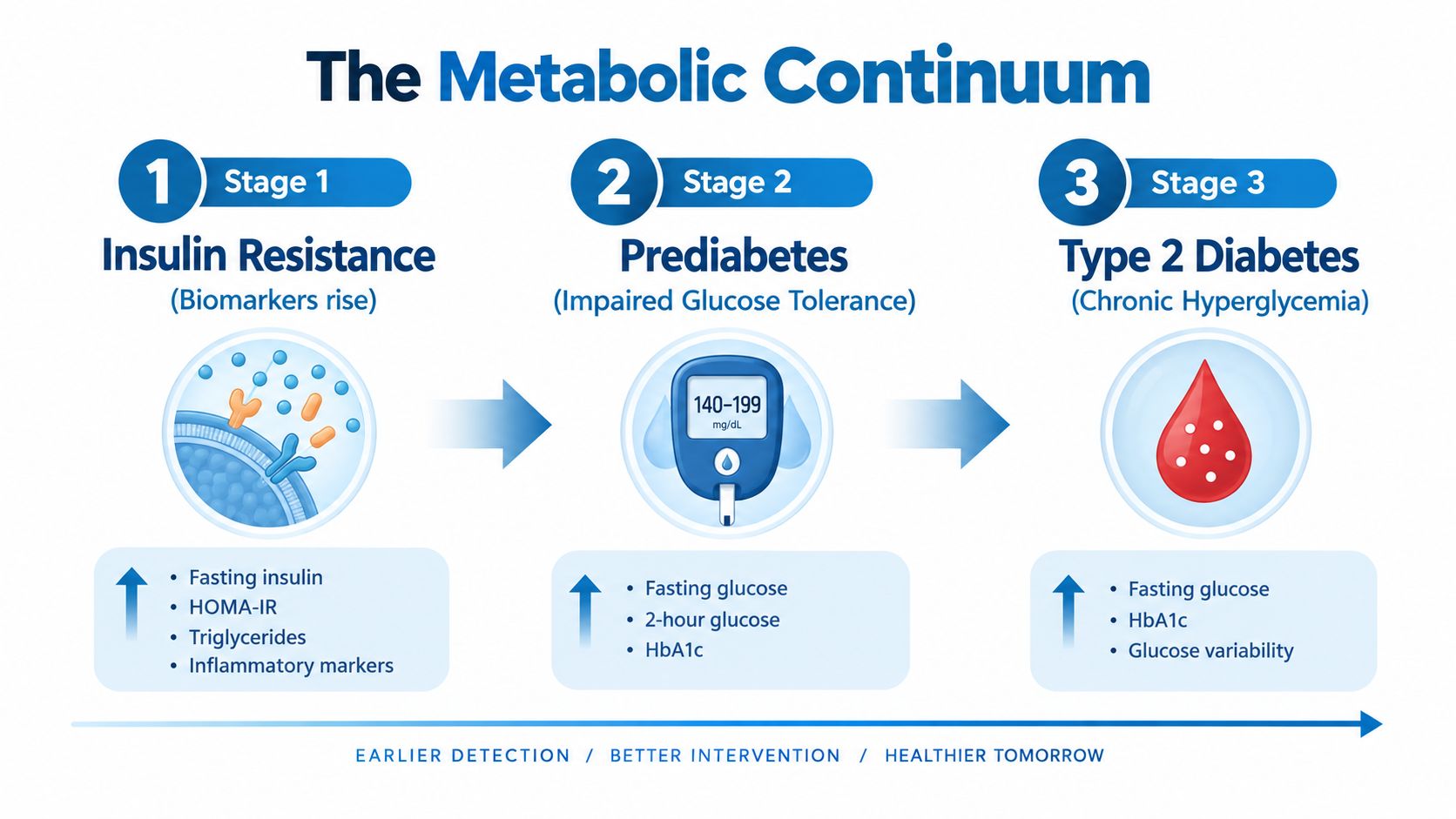
Insulin resistance usually doesn't announce itself with one dramatic symptom. It tends to show up as a cluster of frustrating, ordinary problems, such as midday fatigue , stubborn abdominal weight, hunger that returns too quickly, or brain fog that seems out of proportion to what you ate. When insulin levels stay high for too long, the body can drift toward prediabetes , then type 2 diabetes, while cardiovascular risk can rise in the background.
Think of it as a signaling problem, not a willpower problem
Insulin's job is to move glucose out of the bloodstream and into cells. When cells respond poorly, the pancreas compensates by making more insulin, and that extra insulin can push the body toward more fat storage and more hunger. This is why many people feel like they're doing everything “right” and still not getting traction.
Practical rule: if abdominal weight, low energy, and cravings keep showing up together, don't assume the problem is just calories. Look at insulin signaling, sleep, stress, and hormones at the same time.
Early treatment matters because insulin resistance is often a progressive problem rather than a static one. Lifestyle can reverse mild cases, especially when the main issue is diet quality, inactivity, poor sleep, or stress. More established resistance often needs medication support, and in some people, the missing piece is a hormonal driver that keeps the cycle going despite good effort.
If you want a broader metabolic foundation, this overview of how to improve metabolic health can help frame the next steps in a practical way: metabolic health guidance.
Diagnosing Insulin Resistance Before You Treat It
A normal fasting glucose can miss early insulin resistance. That's why a treatment plan works better when it starts with the right labs, not guesswork. The point is to see whether the pancreas is still compensating well, or whether the body is already struggling enough to justify more aggressive support.
The numbers that give you the clearest picture
A standard metabolic workup often includes fasting glucose , HbA1c , and a lipid panel , but clinicians may also look at fasting insulin , HOMA-IR , triglyceride-to-HDL patterns, and sometimes C-peptide or an oral glucose tolerance test with insulin measurements . Metabolic syndrome itself is defined with measurable cutoffs, including waist circumference greater than 40 inches in men or 35 inches in women, triglycerides at or above 150 mg/dL, HDL below 40 mg/dL in men or below 50 mg/dL in women, blood pressure at or above 130/85 mmHg, and fasting glucose at or above 100 mg/dL NHLBI criteria.
Key Labs for Insulin Resistance Diagnosis
| Test | Optimal Range | Indication of Resistance |
|---|---|---|
| Fasting glucose | Normal, not elevated | Rising values suggest worsening glucose control |
| HbA1c | Within target for the person | Higher values suggest longer-term glycemic strain |
| Fasting insulin | Low to moderate, not persistently high | Elevated insulin suggests compensation |
| HOMA-IR | Lower is better | Higher values suggest reduced insulin sensitivity |
| Lipid panel | Triglycerides not elevated, HDL not low | High triglycerides and low HDL support resistance pattern |
| Waist circumference | Below metabolic syndrome cutoffs | Central adiposity raises suspicion even if glucose is normal |
Clinical insight: a patient with central weight gain and skin darkening in body folds can have significant insulin resistance even when fasting glucose still looks “fine.”
Trend matters more than a single snapshot. If your fasting glucose is normal today but fasting insulin stays high, that can signal a body working too hard behind the scenes. Tracking numbers over time helps decide whether lifestyle alone is enough or whether medication and deeper hormone evaluation should enter the plan.
For a more detailed testing discussion, this guide is a useful companion: insulin resistance testing guide.
Lifestyle Interventions That Actually Move the Numbers

The first lever is food quality, but not in a vague “eat better” sense. Reducing refined carbohydrates and sugary drinks lowers the amount of insulin your body has to produce. Adding fiber, protein, and healthy fats slows glucose entry into the bloodstream and makes meals more stable.
Food timing matters too
Eating in a more consistent window gives insulin levels a break. Late-night snacking is a common reason people feel stuck, because glucose and insulin can stay high overnight when the body should be resting. A simple 10-minute walk after meals can also help muscles use glucose more efficiently.
Movement needs two forms. Resistance training helps muscle act like a bigger glucose sink, while low-intensity cardio supports metabolic flexibility and recovery. That can be as simple as squats, wall pushups, rows, and brisk walking done regularly enough to become routine.
Sleep and stress are not optional extras. Poor sleep and chronic stress keep cortisol high, and cortisol pushes blood sugar higher even when the plate looks perfect. If a person sleeps poorly, eats well, and still can't improve their numbers, the missing piece may be recovery rather than discipline.
Useful habit: build one repeatable evening routine, such as dim lights, no late snack, and a short unwind period before bed. Consistency beats intensity here.
A short video can help make the movement-and-meal piece more concrete, especially for people who do better seeing the pattern in action.
For people pairing lifestyle changes with weight-focused care, this resource may help connect the dots: medical weight loss and insulin resistance.
Medications for Insulin Resistance and When They Help
Medication isn't a replacement for the basics, it's what you add when the basics aren't enough or the biology is already more advanced. Metformin remains the most familiar starting point because it improves insulin sensitivity and reduces hepatic glucose output, which is why it sits at the center of many first-line plans metformin review. In prediabetes, guideline-based care often starts with lifestyle first, then metformin if targets aren't met, with reassessment after a few months guideline and meta-analysis review.
Comparing common medication classes
| Medication | Mechanism | Typical A1c Reduction | Average Weight Change | Key Consideration |
|---|---|---|---|---|
| Metformin | Lowers liver glucose output and improves insulin sensitivity | Modest | Often neutral or small loss | Often first-line, GI upset can limit use |
| GLP-1 receptor agonists | Increase satiety and slow gastric emptying | Meaningful | Often clinically meaningful loss | GI side effects, dose titration matters |
| Dual GIP/GLP-1 agents | Incretin-based appetite and glucose support | Meaningful | Often clinically meaningful loss | Still requires individualized selection |
| SGLT2 inhibitors | Increase urinary glucose excretion | Modest | Modest loss | Best suited when there's a matching diabetes or cardiorenal indication |
GLP-1 medications are especially relevant when weight and appetite are major drivers. In a large meta-analysis of obesity trials, 50.2% of treated participants achieved at least 5% weight loss , and 17.5% achieved at least 10% weight loss , both better than placebo GLP-1 obesity meta-analysis. That doesn't mean everyone needs a GLP-1, but it does show why these medicines have changed the conversation about obesity and insulin resistance.
If sleep disruption is part of the picture, some people also look at practical sleep supports like natural mouth tape strips as one piece of a broader sleep routine. That isn't a treatment for insulin resistance by itself, but better sleep can make metabolic work easier.
For readers trying to understand how semaglutide fits into a real-world plan, this explainer helps: how semaglutide works.
The Hormone Connection Most Plans Overlook
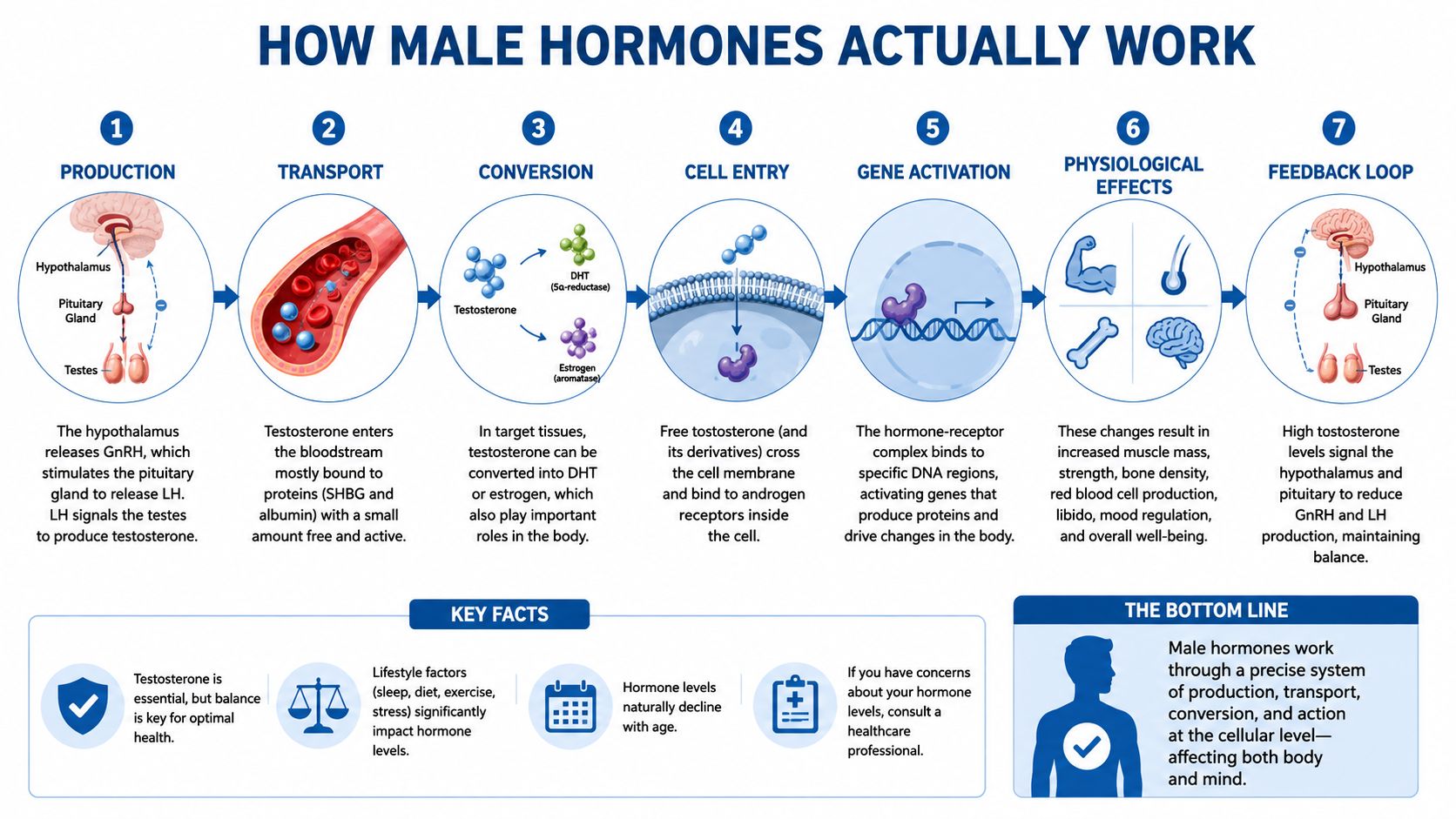
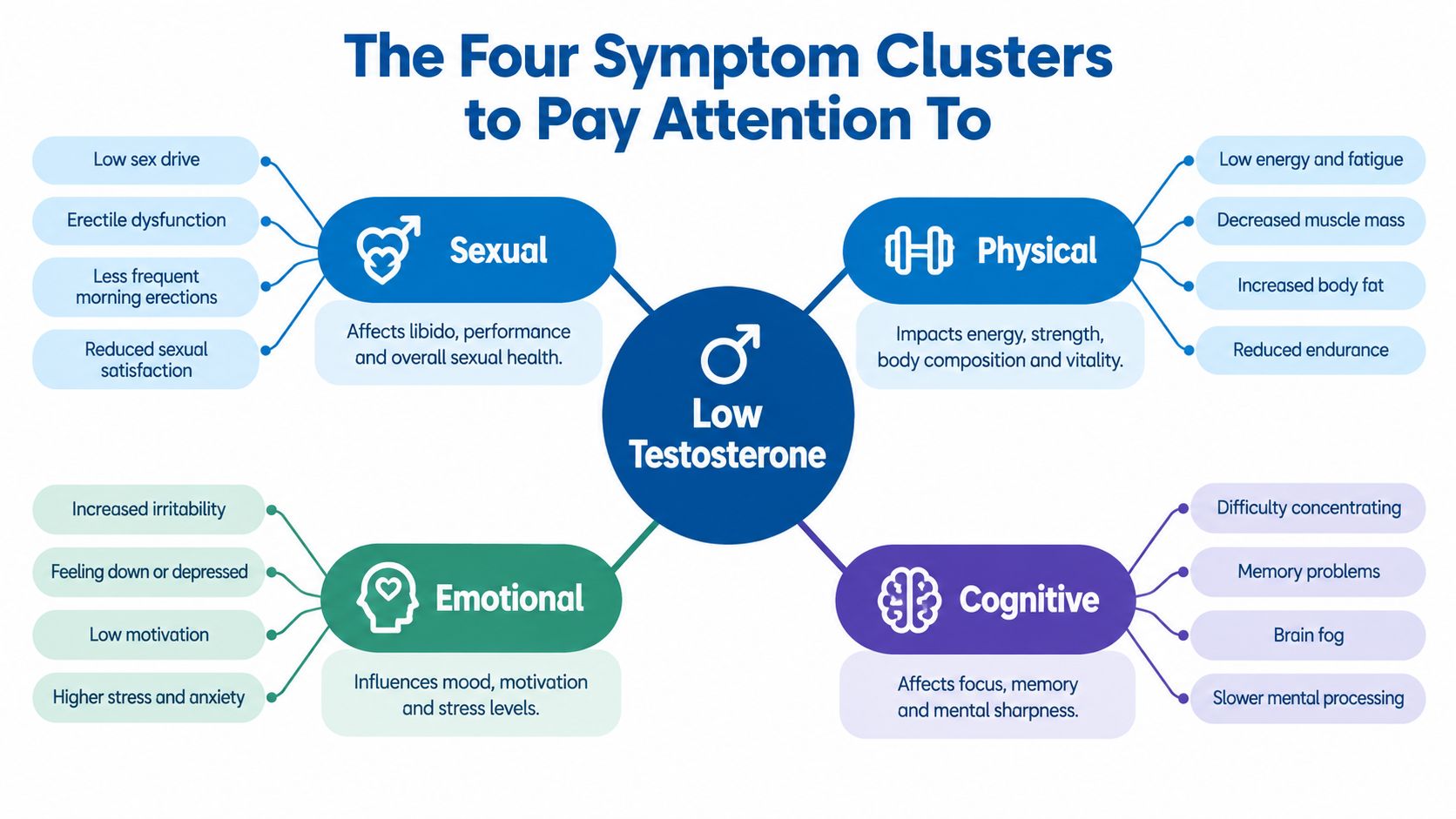
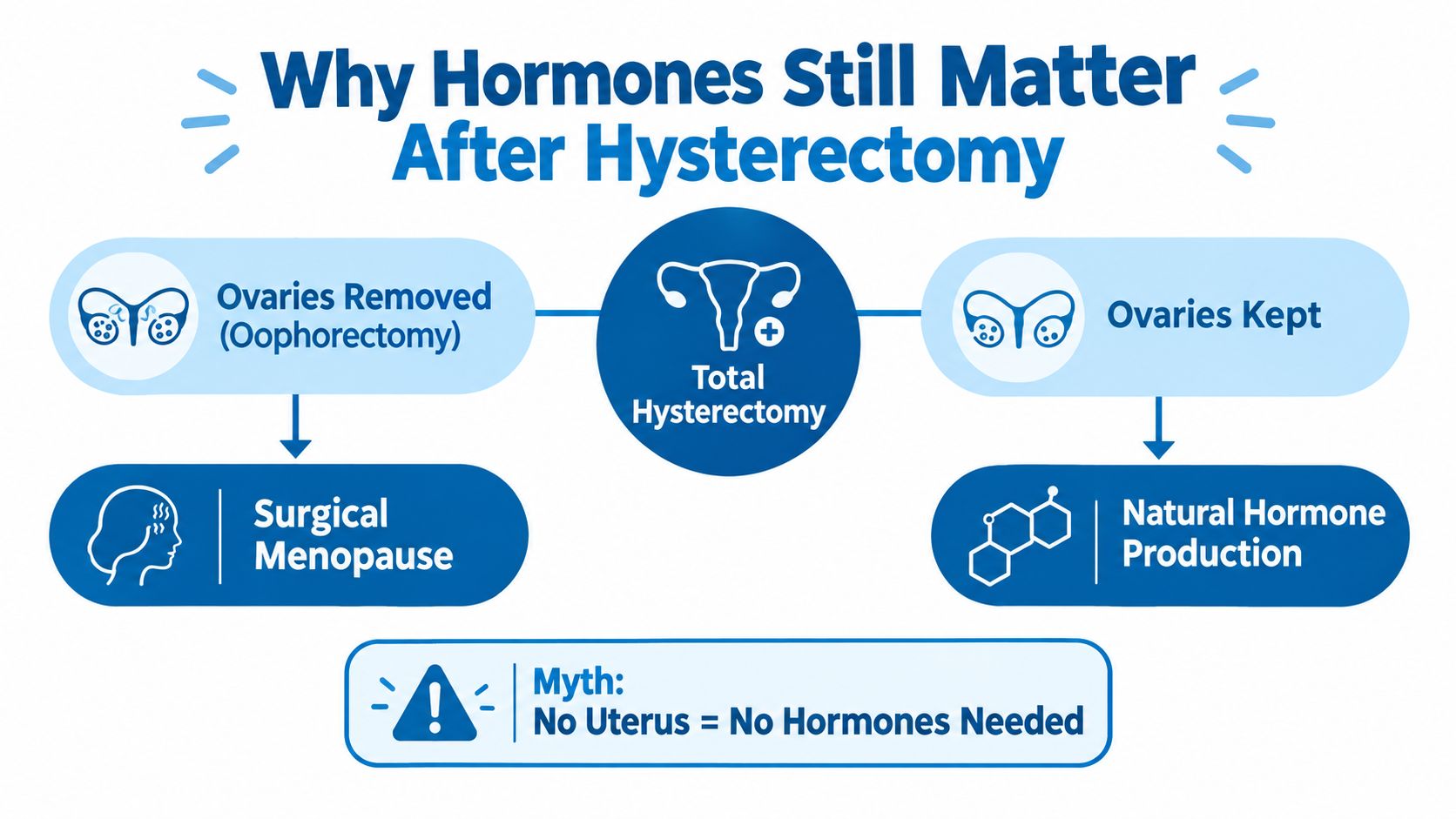
Insulin resistance often worsens when hormones shift. In peri- and postmenopausal women, estrogen loss can make visceral fat more likely to accumulate and can make glucose handling less forgiving. In men, lower testosterone can have a similar effect on body composition and energy, which is why the problem can look like “weight gain” on the surface but function more like a hormone-metabolism mismatch underneath.
Stress, thyroid, and reproductive hormones deserve a closer look
Cortisol matters because chronic stress and poor sleep can raise glucose independent of diet. The NIDDK has also highlighted research linking chronic sleep deficiency to higher insulin resistance in women, and more recent menopause literature supports a more nuanced view of treatment in healthy postmenopausal women NIDDK recent advances. In menopause care, the 2022 North American Menopause Society statement says hormone therapy should be individualized, with periodic reevaluation, and that it remains the most effective treatment for vasomotor symptoms and the genitourinary syndrome of menopause NAMS 2022 statement NAMS position statement PDF.
Thyroid dysfunction and PCOS can also sit in the background and make insulin resistance harder to improve. The labs that often clarify the picture are estradiol, free testosterone, SHBG, TSH, and morning cortisol . When those values are off, treating only food and exercise can feel like pushing uphill.
A practical meal resource can help people who want structure without overcomplication, especially when inflammation and cravings are part of the story: browse 49 healing recipes.

For hormone-focused evaluation, this internal resource can help frame testing choices: thyroid and hormone testing.
What a Personalized Care Plan Looks Like
A real care plan starts with a history, not a prescription. The first visit usually covers symptoms, sleep, medication list, family history, waist size, blood pressure, body composition, and baseline labs. That first snapshot helps separate mild resistance from more entrenched metabolic disease.
What a structured follow-up looks like
Over the next several weeks, the plan is adjusted based on how your body responds, not just on intention. Many clinics recheck around 3 months , because HbA1c reflects a longer glucose pattern and because medication or lifestyle changes need time to show up. If fasting glucose rises despite good adherence, or if fatigue, blood pressure, or fatty liver concerns worsen, the plan usually needs escalation rather than more waiting.
Practical rule: bring your medication list, a meal pattern summary, sleep notes, and recent lab results to follow-up. That gives the clinician something concrete to adjust.

The maintenance phase is different from the first phase. Once numbers stabilize, the goal becomes keeping insulin sensitivity steady with a plan you can live with. That may mean fewer medication changes, continued lab monitoring, and periodic updates if weight, menopause status, stress, or sleep patterns change.
Common Questions and Your Next Steps

What should I do first
Start with food sequencing, movement, sleep, and lab tracking . Eat more slowly, center meals around protein and fiber, walk after meals, and keep sleep consistent. If you've already been doing that and your numbers aren't moving, the issue may be medication need, hormone imbalance, or both.
How long until I see results
Lifestyle changes often begin helping before labs fully catch up, but the cleanest lab read is usually after a few months of consistency. That's why follow-up timing matters. If you're changing several things at once, it's easier to tell what works when the same labs are rechecked on a schedule.
Do I need metformin or a GLP-1
Not always. Metformin is often used when lifestyle alone doesn't get glucose or insulin markers where they need to be, while GLP-1 medications are more often considered when appetite, weight, or higher metabolic risk make a stronger intervention useful metformin review GLP-1 meta-analysis. The trade-off is that stronger medication can bring stronger side effects, so the choice should match your biomarkers and your goals.
Can insulin resistance be reversed
Often, yes, especially when it's caught early. The earlier the intervention, the more likely lifestyle changes can do the heavy lifting. More advanced cases can still improve, but they may need ongoing medication or hormone support to hold the line.
When should I see a specialist
If fasting glucose keeps rising, weight keeps climbing despite adherence, fatigue stays severe, or symptoms suggest menopause, androgen deficiency, thyroid dysfunction, or fatty liver, it's time for a deeper evaluation. A clinician who understands insulin resistance treatment as a hormone-and-metabolism issue can help match the plan to the biology instead of repeating the same advice.
If you're trying to get your energy, weight, and labs moving in the right direction, Pause Medical offers clinician-guided evaluation that connects insulin resistance, hormones, and weight changes in one plan. Visit Pause Medical to schedule a consultation and get a personalized approach built around your labs, symptoms, and treatment goals.