How to Improve Metabolic Health: A Practical Guide
Improving your metabolic health isn’t about chasing fad diets or punishing yourself at the gym. It's about a smarter, science-backed strategy that focuses on nutrition, movement, sleep, stress, and hormone balance. The goal is to get your body back to what it does best: using and storing energy efficiently. For men and women experiencing changes from andropause or menopause, or anyone struggling with stubborn weight gain, this means making real, sustainable changes that tackle the root causes of metabolic issues head-on.
Why Metabolic Health Is Your Most Important Asset

Let's be real—trying to figure out health advice these days is overwhelming. You might be struggling with weight that just won't come off, a kind of fatigue that coffee can't fix, or just a general feeling that something is 'off.' We understand how frustrating this can be. These common struggles often point back to one central issue: your metabolic health.
Think of your metabolism as your body's engine. It’s the incredibly complex process that turns food into fuel, powering everything you do, from thinking clearly to your heart beating. When that engine is humming along, you feel great. Energetic. Resilient. But when it starts to sputter, a whole host of problems can follow, including an increased risk for chronic diseases like type 2 diabetes and heart disease.
The Real Meaning of a Healthy Metabolism
Good metabolic health goes way beyond weight. It's the ultimate measure of how well your body is managing its energy. When this system is out of whack, it's directly linked to many of the chronic conditions affecting millions of people today.
Poor metabolic health is more than a number on a scale—it’s a critical indicator of your risk for developing long-term health problems. Addressing it is one of the most powerful steps you can take for your future vitality.
The statistics are sobering. The Centers for Disease Control and Prevention (CDC) reports that more than 1 in 3 adults in the U.S. have metabolic syndrome. That’s not just a number; it represents a massive public health challenge and a personal struggle for millions trying to feel their best.
To give you a clear starting point, let's break down the foundational elements we'll be covering in this guide.
Key Pillars of Metabolic Health at a Glance
| Pillar | What It Means for Your Body | Why It's Critical |
|---|---|---|
| Nutrition | Fueling your body with nutrient-dense foods that stabilize blood sugar and reduce inflammation. | The right foods provide the building blocks for hormones and cellular energy, while the wrong ones drive dysfunction. |
| Movement | Engaging in regular physical activity to improve insulin sensitivity and build lean muscle. | Muscle is your most metabolically active tissue; using it helps your body manage glucose effectively. |
| Sleep | Getting consistent, high-quality rest to regulate crucial hormones like cortisol and ghrelin. | Poor sleep throws your appetite and stress hormones into chaos, directly sabotaging metabolic function. |
| Stress Management | Actively reducing chronic stress to lower cortisol levels and prevent metabolic dysregulation. | High cortisol promotes fat storage (especially around the midsection) and disrupts blood sugar control. |
| Hormonal Balance | Ensuring key hormones (thyroid, sex hormones, insulin) are at optimal levels for proper function. | Hormones are the chemical messengers that direct your entire metabolism. If they're off, the whole system is off. |
This table provides a snapshot, but this guide will dive deep into each pillar. We're moving past the generic "eat less, move more" advice to give you a clear, evidence-based roadmap that addresses the root cause of your symptoms.
This guide will empower you to understand:
- Why your body might be struggling to use and store energy efficiently.
- The crucial role hormones play in running your metabolism.
- Actionable steps you can take to reclaim your energy and vitality.
- When it's time to partner with an expert medical team.
Fixing your metabolic health isn't a quick fix; it's about building a sustainable system for your long-term well-being. By focusing on these core pillars, you can start restoring your body's natural balance. At Pause Medical, our board-certified providers specialize in creating personalized treatment plans that integrate these factors as a whole. You can explore our approach to preventative wellness to see how it all fits together.
With the right strategy and support, reclaiming your vitality is absolutely within reach.
Getting a Handle on Your Personal Metabolic Scorecard
If you want to improve your metabolic health, the first step is figuring out where you actually stand. Think of it like a personal financial statement for your body—you can't plan for a better future until you know your current assets and liabilities. This means we have to look past the number on the scale and focus on the specific biological markers that tell the real story of what’s happening inside.
These aren't just abstract numbers on a lab report. They’re direct signals showing how well your body is managing energy, keeping inflammation in check, and regulating key hormones. Getting a clear picture of them is the first truly actionable step toward taking back control.
The Five Core Markers of Metabolic Health
When we assess metabolic health, we typically start with five key measurements. Having concerning levels in three or more of these areas is the clinical definition of metabolic syndrome, a condition that dramatically ramps up your risk for serious chronic diseases.
Let's break down each part of this "metabolic scorecard":
- Waist Circumference: This is so much more than a number for your jeans. It's a key indicator of visceral fat—the dangerous, inflammatory fat that wraps around your internal organs. A waistline over 40 inches for men or 35 inches for women is a major red flag.
- Blood Pressure: Ideally, your blood pressure should be below 130/85 mmHg. When it’s consistently high, it means your heart is working way too hard, often because your arteries have become stiff or narrow—a common side effect of poor metabolic health.
- Fasting Blood Glucose: This simple test measures the amount of sugar in your blood after you haven't eaten overnight. A reading of 100 mg/dL or higher suggests your body is having trouble managing its blood sugar, a hallmark of insulin resistance.
- Triglycerides: Think of these as fats floating around in your bloodstream. When they’re high (over 150 mg/dL), it’s often a sign that your body is taking in more calories than it can use, especially from sugar and refined carbs.
- HDL Cholesterol: This is the "good" cholesterol. Its job is to help clear out the harmful cholesterol from your arteries. Low levels (under 40 mg/dL for men or 50 mg/dL for women) can leave you more vulnerable to heart disease.
Knowing where you stand on these five markers gives you a solid, no-nonsense baseline. It turns a vague goal like "get healthier" into a concrete, measurable mission.
Why Standard Labs Don't Tell the Whole Story
While those five markers are a great starting point, they often show the result of deeper issues that have been brewing for years. A standard lab panel might tell you that your blood sugar is high, but it won’t always explain why. This is where a more comprehensive, integrative medical approach is absolutely essential.
At Pause Medical, our board-certified providers know we have to look under the hood. For instance, insulin resistance—your body’s declining ability to respond to the hormone insulin—is the root cause of most metabolic problems. And yet, a fasting insulin test isn't typically included in a routine checkup. Without that data point, you’re missing a huge piece of the puzzle.
Your lab results are not a final grade; they are simply data. This data, when interpreted correctly by an experienced, board-certified provider, becomes the roadmap that guides your personalized journey back to optimal health.
Hormones are another critical, and frankly, often overlooked, part of the metabolic equation. They are powerful chemical messengers that direct everything from how you store energy to when you feel hungry.
- Thyroid Hormones (T3 & T4): Your thyroid is the master thermostat for your metabolism. If it’s sluggish (hypothyroidism), your entire system slows down, which can lead to weight gain, fatigue, and high cholesterol.
- Sex Hormones (Testosterone & Estrogen): As we age, declining testosterone in men (andropause) and shifting estrogen in women (menopause) directly impact muscle mass, where we store fat, and our sensitivity to insulin.
- Cortisol: We all know this one as the "stress hormone." When cortisol is chronically high, it signals your body to store fat—especially around the belly—and can completely derail your blood sugar control.
Trying to fix your metabolic health without looking at these hormonal factors is like trying to fix a sputtering engine without checking the oil or the electrical system. It's an incomplete picture. To see how we connect all these dots, you can learn more about our comprehensive approach to disease state management. Getting your personal scorecard is that essential first step toward building a strategy that will actually work for you.
Building Your Foundation for a Metabolic Reset
Knowing your metabolic numbers is the starting point, but the real change happens when you turn that knowledge into action. This isn't about a temporary, extreme fix. Forget punishing workouts and restrictive diets that only leave you feeling deprived. Instead, we’re going to focus on building powerful, evidence-based habits that work together to reset your metabolism from the ground up.
This is a straightforward process: We get the data from your labs, identify the key markers that matter, and then build a personalized plan that’s right for you.
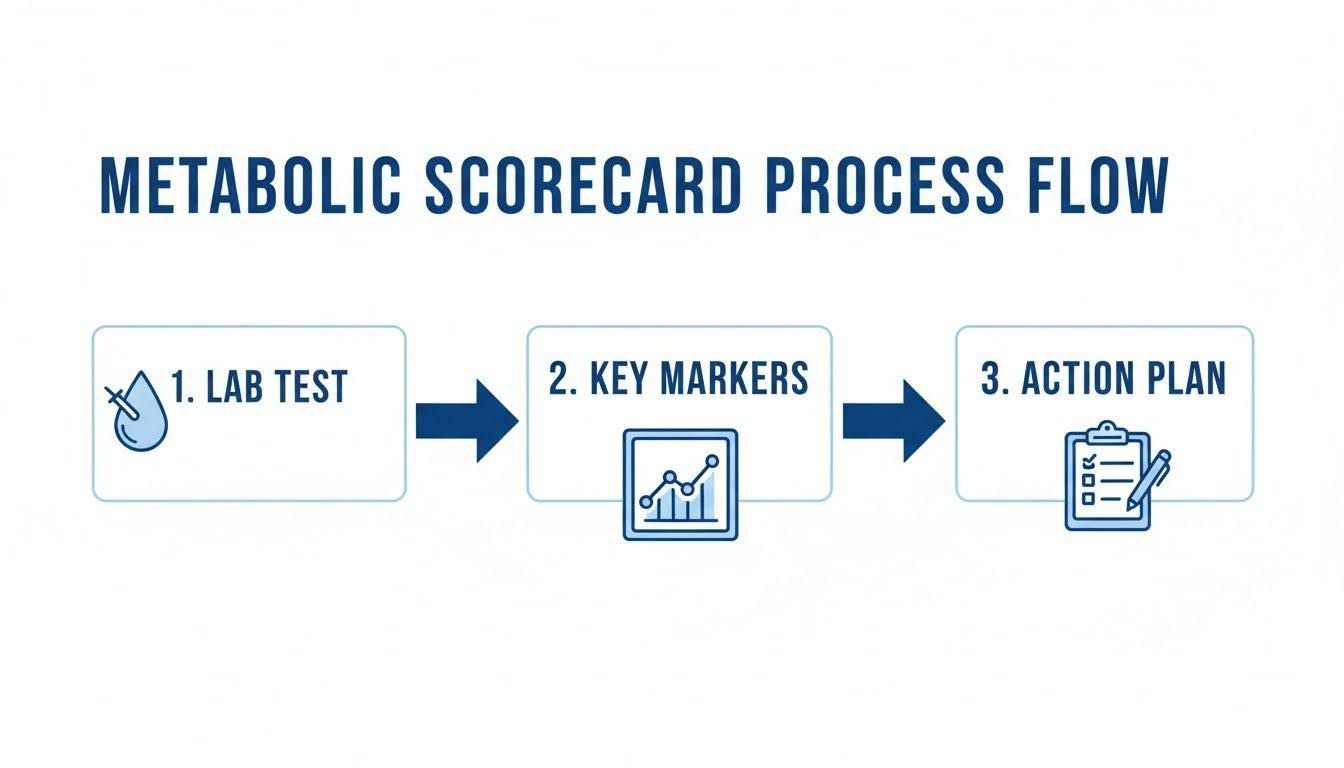
As you can see, it’s a clear path forward. We gather the data, understand what it means, and then create a targeted action plan.
Fueling Your Body for Metabolic Success
What you eat is arguably the single most impactful lever you can pull for your metabolic health. The goal isn't just about cutting calories; it's about changing the quality of those calories to send the right signals to your body. We want to stabilize blood sugar, cool off inflammation, and give your body the building blocks for healthy hormones.
Research published in The Lancet highlights the significant global burden of metabolic diseases like type 2 diabetes, which now affects over 500 million people worldwide. These staggering numbers show just how urgent it is to address the root causes, and nutrition is right at the top of the list.
Let’s zero in on two nutritional pillars that make a world of difference:
- Protein First: Prioritizing protein at every meal is a game-changer for satiety, meaning you feel fuller and more satisfied for longer. It has minimal impact on blood sugar and is absolutely essential for building and maintaining muscle—your body's most metabolically active tissue.
- Fiber is Your Friend: Fiber from vegetables, fruits, and legumes acts like a brake, slowing down digestion. This prevents the rapid blood sugar spikes that, over time, pave the road to insulin resistance.
A simple, practical strategy our providers often recommend is to build every plate around a solid source of protein (think chicken, fish, or tofu) and a colorful variety of non-starchy vegetables (like broccoli, spinach, and bell peppers). This simple combination is an incredibly powerful tool for managing cravings and keeping your energy stable all day long.
Moving Your Body With Purpose
Exercise is completely non-negotiable for metabolic health, but you have to be smart about it. The most effective approach combines two specific types of movement that work synergistically to improve how your body uses energy.
You cannot out-exercise a poor diet, but you also cannot achieve optimal metabolic health without intentional movement. The combination of resistance training and cardiovascular exercise is the one-two punch your metabolism needs.
Resistance Training for Muscle Building Lifting weights or doing bodyweight exercises does way more than just build strength. It increases your muscle mass, which acts like a "glucose sink"—a place for your body to shuttle excess blood sugar instead of letting it circulate and cause problems. More muscle literally means you have a bigger, more efficient engine for burning fuel.
Cardiovascular Exercise for Insulin Sensitivity Getting your heart rate up with activities like brisk walking, cycling, or swimming makes your cells more receptive to insulin. This means your body doesn't have to work as hard or produce as much insulin to get the job done, which reduces the strain on your pancreas and lowers your risk of insulin resistance. Even 20-30 minutes of moderate cardio most days of the week can make a huge difference.
The Overlooked Pillars: Sleep and Stress
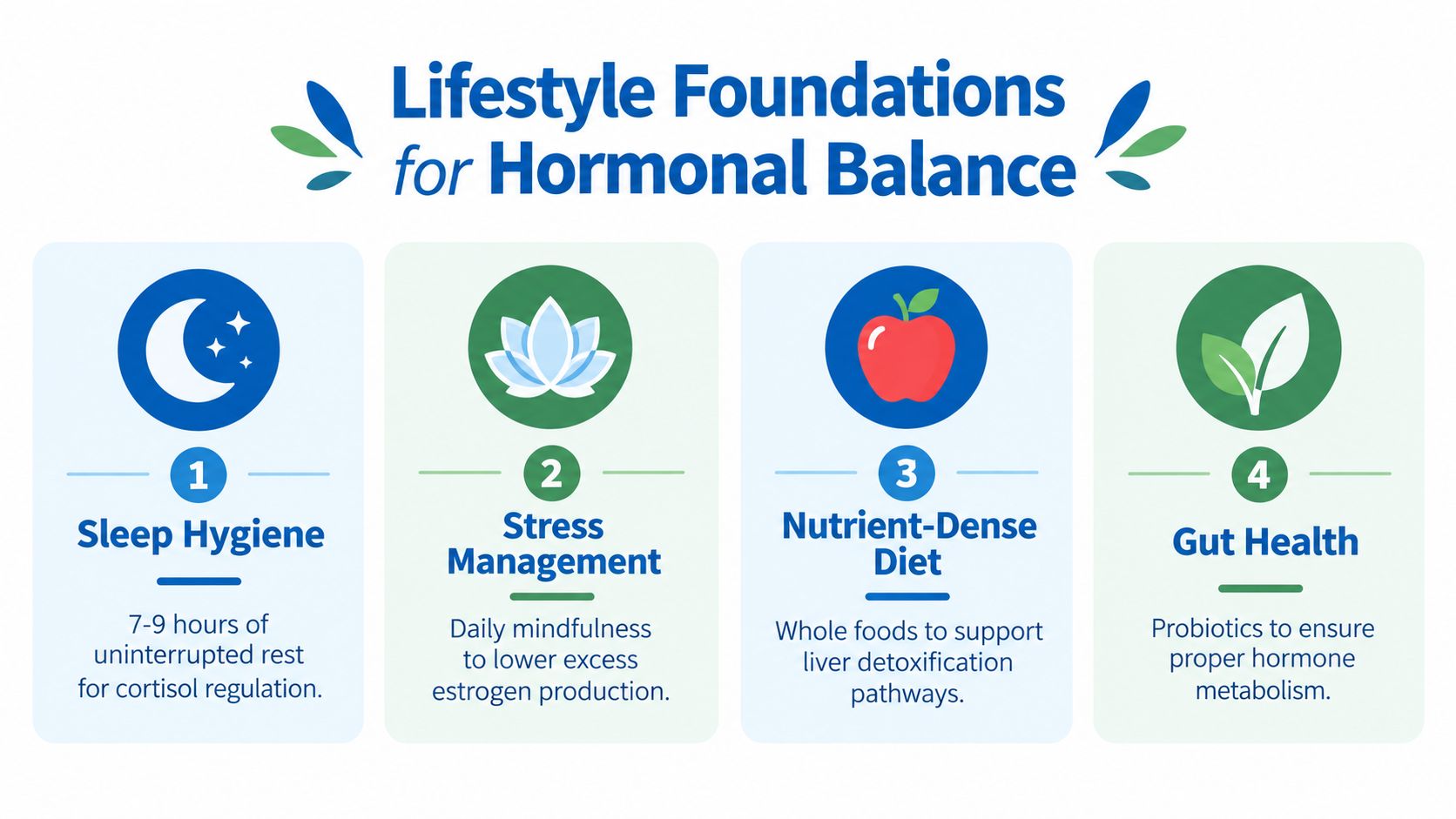
Here’s the thing: you can have a perfect diet and exercise plan, but if your sleep is a mess and your stress is through the roof, you will struggle to see results. These two factors have a profound, direct impact on the very hormones that run your metabolism.
Prioritizing High-Quality Sleep When you consistently fall short of the 7-9 hours of quality sleep you need, your body's hormonal symphony turns into chaos. Cortisol, the stress hormone, starts to climb, which can ramp up your appetite and tell your body to store fat. At the same time, ghrelin and leptin—the hormones that control hunger and fullness—get thrown out of whack, triggering intense cravings for sugary, high-carb foods.
Here are a few simple tips for better sleep hygiene:
- Create a Routine: Try to go to bed and wake up around the same time every day, even on weekends.
- Optimize Your Environment: Your bedroom should be a cave: dark, cool, and quiet.
- Limit Screen Time: The blue light from screens can interfere with melatonin production, so try to put them away at least an hour before bed.
Managing Chronic Stress Chronic stress keeps your body stuck in "fight or flight" mode, which means a constant drip of cortisol into your system. As we've covered, chronically high cortisol leads to elevated blood sugar, insulin resistance, and that stubborn fat around the midsection.
Finding effective ways to manage this stress is critical. For some, it’s mindfulness and meditation. For others, it's gentle yoga or just spending time outside in nature. The key is to find what genuinely works for you and make it a non-negotiable part of your routine.
These foundational habits—nutrition, movement, sleep, and stress management—are the cornerstones of any successful metabolic reset. For those who find that lifestyle changes alone aren't quite enough to move the needle, exploring a structured program can be the next logical step. You can learn more about how Pause Medical integrates these principles into our medically supervised weight loss programs to provide comprehensive support on your journey.
What to Do When Lifestyle Changes Aren't Enough
You’ve been doing everything right. You're eating clean, getting active, prioritizing sleep, and trying to keep stress in check. But despite all your hard work, the scale isn't budging, and you still feel sluggish. It's an incredibly frustrating place to be, and it’s a reality for so many people.
This is not a personal failure. More often than not, it’s a sign that there are deeper biological factors at play, creating headwinds that make progress through lifestyle alone feel almost impossible.
When you hit this wall, it’s not time to give up; it’s time to bring in more targeted support under the guidance of a medical expert. Think of medical interventions not as a shortcut, but as a strategic tool. They're designed to work with your healthy habits to finally overcome the specific metabolic roadblocks holding you back.
The Role of GLP-1 Medications in Metabolic Health
One of the biggest game-changers in medical weight management is a class of medications called GLP-1 receptor agonists. These were originally developed to treat type 2 diabetes, but they've proven to be incredibly effective for weight loss and improving metabolic health across the board.
So, how do they actually work? GLP-1s essentially mimic a hormone your gut naturally releases after a meal, and this creates a few powerful effects in your body:
- Tackles Appetite: They signal to your brain that you're full and satisfied, which helps quiet the constant "food noise" and cravings. This allows you to naturally reduce your calorie intake without feeling deprived.
- Slows Down Digestion: By keeping food in your stomach a bit longer, they help you feel full for an extended period and prevent those sharp blood sugar spikes after you eat.
- Improves Insulin Response: They prompt your pancreas to release insulin more effectively, helping your body manage blood sugar the way it's supposed to.
For many of our patients, GLP-1s are the key that finally unlocks real, sustainable progress. They create the biological calm needed for healthy habits to finally stick and deliver results.
It’s important to see these medications for what they are: one part of a comprehensive, physician-led plan. They are most powerful when used under medical supervision alongside personalized nutrition coaching and lifestyle support. This ensures you're not just losing weight, but truly building a foundation for lasting health.
Correcting Hormonal Imbalances for Lasting Change
Beyond medications, another critical piece of the puzzle is hormone optimization. Think of your hormones as the conductors of your body's metabolic orchestra. If even one key instrument is out of tune, the whole performance can fall flat—no matter how diligently you follow the sheet music of diet and exercise.
Hormonal shifts, especially those that come with aging, are a major driver of metabolic dysfunction for both men and women. Addressing these imbalances gets to the root cause of stubborn weight gain, relentless fatigue, and a lack of motivation.
Key Hormones and Their Metabolic Impact
- Thyroid Hormones: If your thyroid is underactive (hypothyroidism), your entire metabolism slows to a crawl. It can feel like you're fighting an uphill battle. Optimizing thyroid levels helps restore your body's natural calorie-burning engine.
- Testosterone: Crucial for both men and women, healthy testosterone levels help maintain lean muscle—the tissue that burns the most glucose. When testosterone is low, we tend to lose muscle and store more fat, especially around the belly.
- Estrogen: During the transition to menopause, drops and fluctuations in estrogen can trigger insulin resistance and cause fat to accumulate around the midsection.
By bringing these hormones back into their optimal range, a board-certified provider can help your body function as it was meant to. This isn't about just chasing symptoms; it's about fixing the underlying biological machinery with approaches like bioidentical hormone replacement therapy (BHRT). When your hormones are balanced, the healthy lifestyle choices you make can finally produce the results you work so hard for. Understanding how all these systems work in concert is a powerful step, and learning more about personalized hormone replacement therapy can shed light on your own health journey.
Ultimately, seeking medical support is a proactive, intelligent move. When combined with a solid foundation of healthy habits, these advanced treatments can be the missing piece that helps you achieve sustainable metabolic wellness for good.
Your Metabolic Health Journey With Pause Medical

Knowing the science behind metabolic health is one thing. Actually putting it into a personalized plan that works for your body? That's where expert medical guidance makes all the difference.
If you’re tired of the guesswork and conflicting advice online, or you feel like your best efforts just aren't moving the needle, it’s time for a different approach. Partnering with a medical team that’s committed to finding the why behind your struggles can change everything.
At Pause Medical, we see you as the most important person on your own healthcare team. Our entire process is built around giving you the clarity, support, and tools you need to finally feel in control. We don't just patch up symptoms; we work right alongside you to build a foundation for long-term health and energy.
Your Initial Consultation: More Than Just a Check-Up
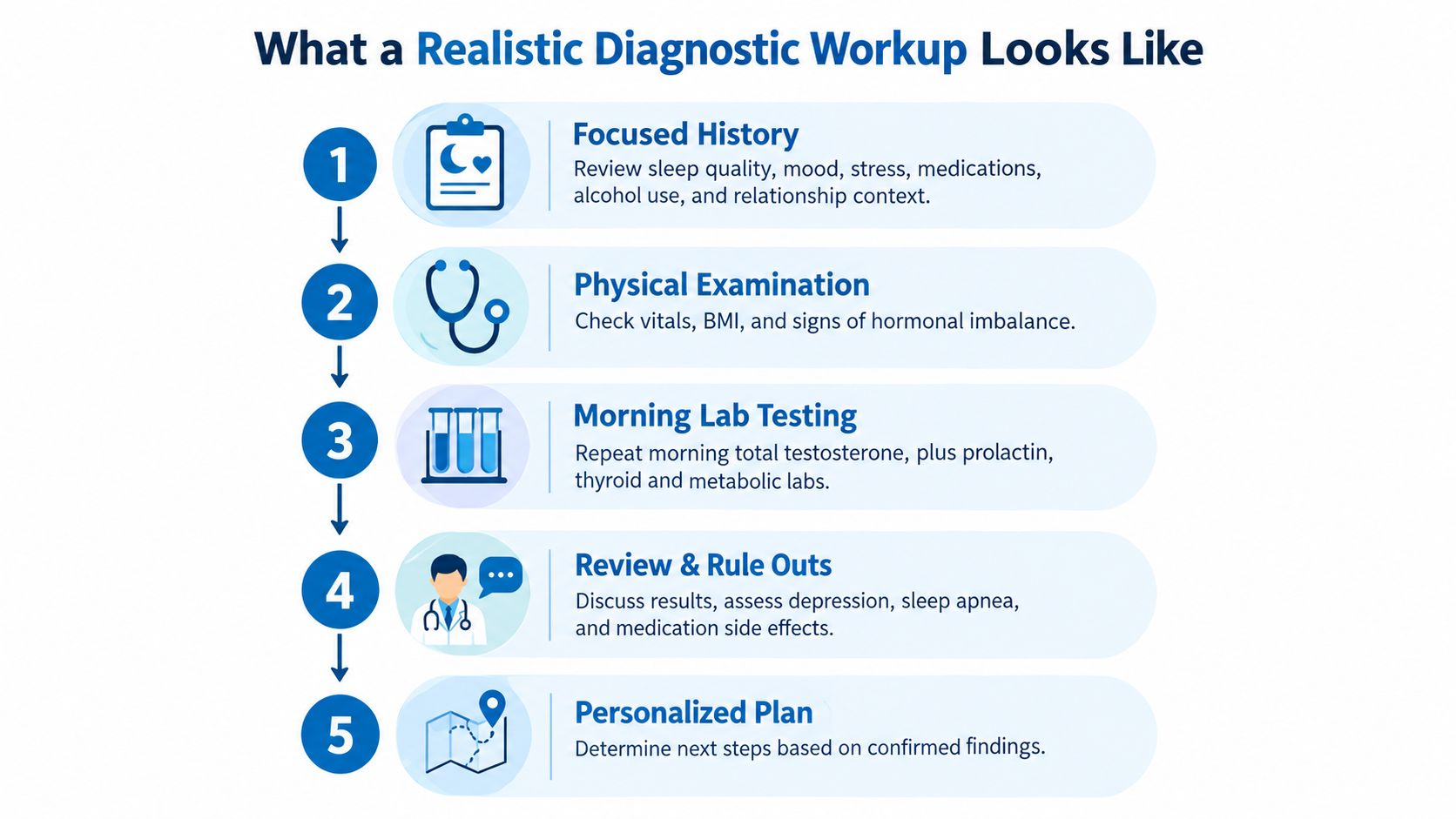
Your journey starts with a thorough consultation. Forget rushed appointments—this is a real conversation, a deep dive with one of our board-certified providers who genuinely wants to hear your story.
We'll talk through your health history, what's frustrating you right now, and what you're hoping to achieve. What does "feeling better" actually mean to you? Is it having the stamina to keep up with your kids? Feeling comfortable in your clothes again? Or maybe it’s finally getting a handle on a chronic condition that's been holding you back. This conversation, paired with advanced lab work, gives us the full picture.
Building Your Personalized Treatment Plan
Once we have your lab results and a solid understanding of your goals, we get to work. No more one-size-fits-all advice. Your provider will collaborate with you to create a plan that pulls from multiple strategies for the biggest impact.
This isn't just a list of "do's" and "don'ts." It's a cohesive, integrative medicine strategy that might include:
- Practical Lifestyle Coaching: Down-to-earth, sustainable advice on nutrition, activity, and stress that actually fits into your life.
- Hormone Optimization: If we find an imbalance, we may recommend bioidentical hormone replacement therapy (BHRT) to help your body find its natural equilibrium again.
- Medical Weight Loss: For patients who are good candidates, we can integrate proven treatments like GLP-1 medications within a structured, medically supervised program.
Think of your personalized treatment plan not as a rigid set of rules, but as a living roadmap. It’s something we build together and adjust as you progress, making sure it always serves your body’s needs.
A True Partnership for the Long Haul
That initial plan is just the starting line. We know from experience that lasting change happens with consistent support and smart adjustments.
Our providers are your dedicated partners. We’ll be there to guide you, track your progress, and use real data to refine your plan over time. We’re committed to giving you the knowledge you need to feel confident in your own health decisions, celebrating every win and helping you navigate any bumps in the road.
This idea of partnership is at the core of what we do. You can see how this commitment to patient-focused care sets our clinic apart by exploring why patients choose Pause Medical. Your path to better metabolic health is a journey, and you shouldn't have to walk it alone.
Your Top Questions About Metabolic Health, Answered
Starting a journey to improve your metabolic health naturally brings up questions. That’s a good thing. Getting clear, honest answers from a trustworthy medical source is the first step toward making confident decisions for your well-being.
Let's walk through some of the most common questions we hear from patients just like you.
How Long Until I Actually See Results?
This is probably the number one question we get, and the straight answer is: it really depends on the individual. Some people feel a noticeable difference in their energy and cravings in just a few weeks of making consistent changes.
But for the hard numbers on your lab reports, you'll need a bit more patience. You might feel better in a month, but seeing a real drop in your A1C or triglyceride levels often takes three to six months. The key is to see this as a long-term investment in your health, not a race. Progress isn't always a straight line, but stick with it, and the positive changes will come.
Do I Really Have to Give Up All Carbs?
Definitely not. The goal is not to declare war on an entire food group. It's about getting smarter about the types of carbs you eat and when you eat them.
A better, more sustainable approach focuses on:
- Choosing complex carbs: Think fiber-heavy vegetables, beans, and specific whole grains that don’t send your blood sugar on a rollercoaster.
- Timing them right: Eating carbs alongside protein and healthy fats helps buffer the blood sugar response.
- Knowing your personal limits: This is where a knowledgeable provider can help you figure out your own unique carbohydrate tolerance.
It's all about finding a balance you can live with for the long haul, not forcing yourself into a super-restrictive diet you'll abandon in a month.
If I Need Medication, Does That Mean I Failed?
Absolutely not. Viewing medical support like hormone optimization or GLP-1 medications as a failure is a huge misconception. In reality, it’s a proactive and strategic move. Lifestyle is, and always will be, the foundation of good health. But sometimes, your own biology—like a hormone imbalance or significant insulin resistance—is working against you, making progress feel impossible.
Think of medical interventions as powerful tools that allow your diet and exercise efforts to finally gain traction. They don't replace healthy habits; they amplify them, helping you break through frustrating biological barriers.
My Doctor Says My Labs Are "Normal," but I Still Feel Awful. What Gives?
This is incredibly common, and we hear this from patients all the time. Standard lab ranges are designed to flag full-blown disease, not to pinpoint what’s optimal for you. You can easily be "in range" for a marker like testosterone or thyroid but still be far from your personal best, which is why you still have symptoms like fatigue, brain fog, and stubborn weight gain.
A provider who specializes in preventative and integrative medicine looks at labs with a different goal. We're looking for trends and subtle clues to get ahead of problems
before
they become chronic diseases. This proactive mindset is what truly turns metabolic health around. The economic impact of ignoring these early signs is staggering. Projections show that inaction could cost the global economy
$2.76 trillion
in lost GDP by
2050. On the flip side, taking a proactive stance could unlock a massive
$5.65 trillion
annual uplift. You can
explore the full economic impact of metabolic health on McKinsey.com.
At Pause Medical, our board-certified providers are here to give you clear answers and create a personalized plan for your metabolic health. It's time to stop guessing and start a supported journey back to feeling like yourself again. Schedule your consultation today to take that first step.
Medical Disclaimer: The information in this article is for educational purposes only and is not a substitute for professional medical advice, diagnosis, or treatment. Always seek the advice of your physician or other qualified health provider with any questions you may have regarding a medical condition. Never disregard professional medical advice or delay in seeking it because of something you have read in this article.