Vitality and Energy: How to Reclaim Your Drive
You can do almost everything “right” and still feel wiped out by midafternoon. You sleep enough, try to eat well, maybe even keep up with workouts, yet your body still acts like the battery is draining faster than it should. That kind of fatigue can feel discouraging, especially when people around you assume it's just stress, aging, or not trying hard enough.
The more useful question is usually not, “Why am I lazy?” It's, “What's limiting my vitality and energy right now?” If sleep has already improved and coffee isn't fixing it, the answer often lives deeper, in hormones, metabolism, sleep quality, and the way your cells make usable energy. A good starting point on the sleep side is sleep's role in daily energy, because poor sleep can drain you in ways that feel surprisingly physical.
If that sounds familiar, this is worth a closer look at the body systems behind fatigue, not just the habits around it. For a more focused review of common causes, see Pause Medical's guide to low energy and fatigue.
Why You Feel Drained Even When You Do Everything Right
A common pattern shows up in clinic conversations. Someone wakes up tired, pushes through work, eats a decent lunch, maybe exercises a few times a week, and still hits a wall by afternoon. By evening, they're too depleted to enjoy the rest of the day, and they start wondering whether they're missing some secret wellness trick.
The problem is that tiredness isn't always a behavior problem. It can be a signal that something underneath the surface is limiting how much usable energy your body can produce and deploy. That's why generic advice like “sleep more” or “drink less coffee” sometimes helps a little, then stalls out.
Practical rule: if fatigue keeps returning after basic lifestyle fixes, think physiology first, not willpower.
That distinction matters because vitality and cellular energy aren't the same thing. Vitality is the felt experience of being alive, engaged, and ready to act. Cellular energy is the actual biological work of making ATP, moving oxygen, using nutrients, and keeping tissues supplied.
In that sense, persistent fatigue can be a mismatch between what your body needs and what it can currently deliver. It's a clue, not a character flaw.
The Difference Between Vitality and Cellular Energy

Subjective vitality is a real feeling
In self-determination theory, vitality is the subjective experience of enthusiasm and aliveness, or “energy available to the self,” and it's tied to motivation and health ( Ryan and Deci). That makes it more than a mood. People often feel less vital when stress is high, autonomy is low, or life feels like constant self-control.
The same framework notes that autonomous self-regulation doesn't usually drain vitality the way self-controlling regulation does. In plain language, when everything feels forced, people often feel more depleted.
Cellular energy is a biological process
At the cellular level, energy comes mainly from mitochondrial ATP production. A peer-reviewed review explains that fatigue can appear when calorie intake, oxygen delivery, or metabolic cofactor supply can't match tissue demand, and that a common feature of fatigue is a sense of energy depletion linked to insufficient calories ( review). That's why low energy can show up with sleep loss, under-fueling, anemia, or micronutrient issues.
A more technical review ties vitality to mitochondrial function, oxygen use, autonomic balance, and inflammation, all of which influence ATP synthesis ( review). The key point is simple, even if the biology is complex. You can feel emotionally flat because of stress, physically depleted because of poor energy production, or both at the same time.
A helpful way to think about it is this:
- Vitality is how alive you feel.
- Cellular energy is how much fuel your body can make and use.
- Fatigue often appears when those two systems are both struggling.
That's why one person can look “fine” on paper and still feel exhausted, while another person can push through a demanding day and still feel internally drained. The complaint is real either way, but the cause may sit in different layers of physiology.
Hormonal and Metabolic Drivers of Low Energy
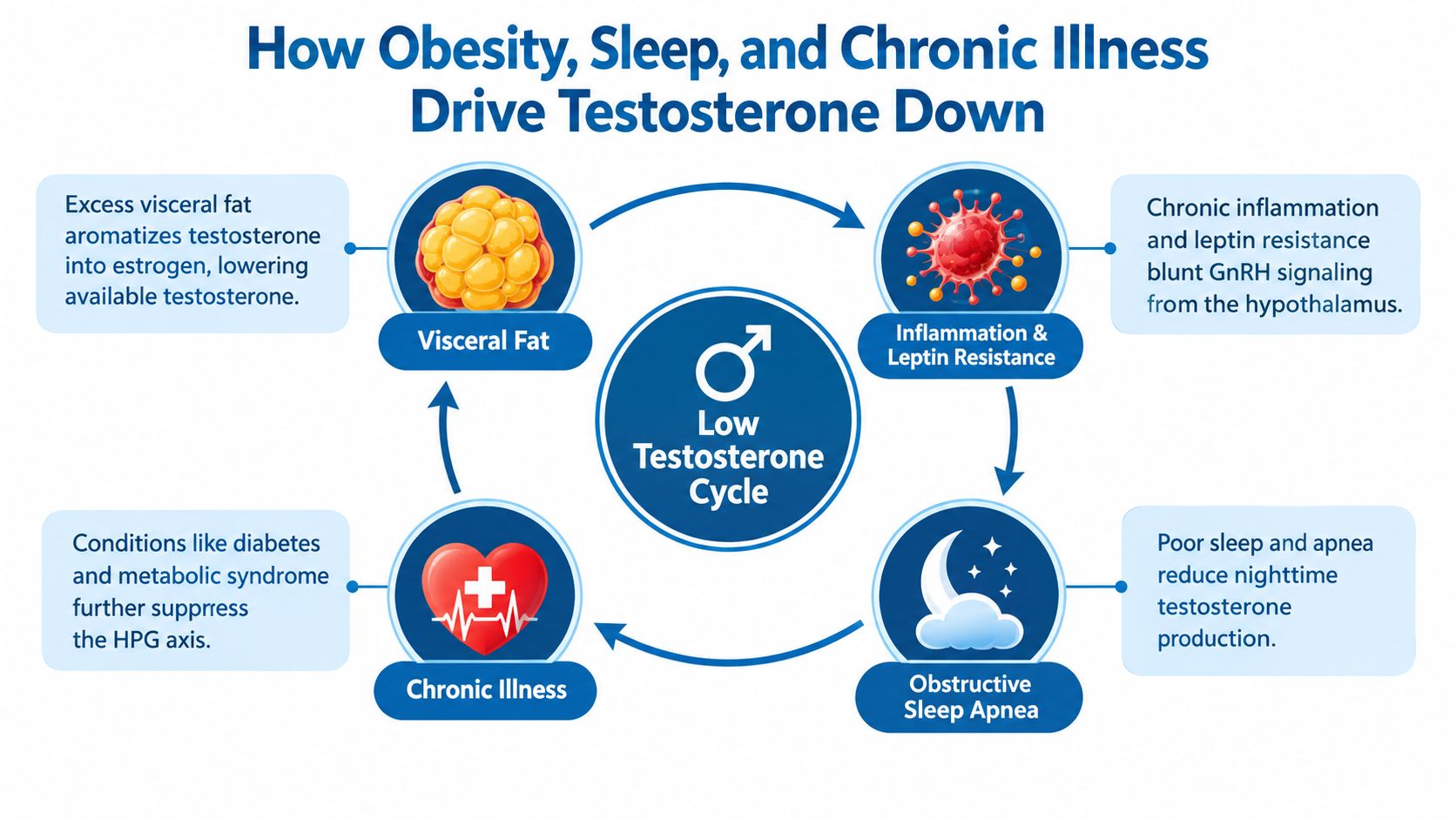
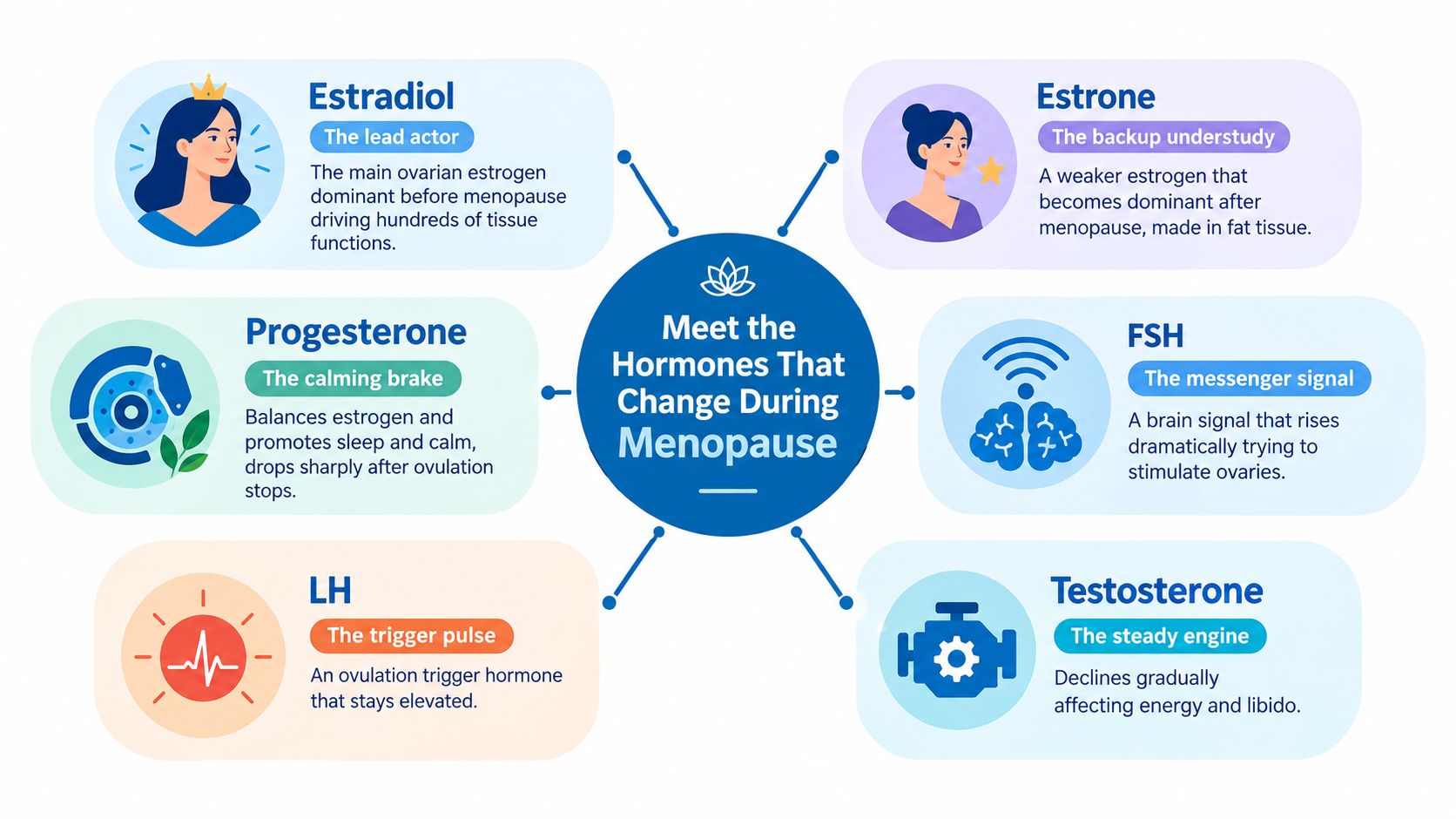
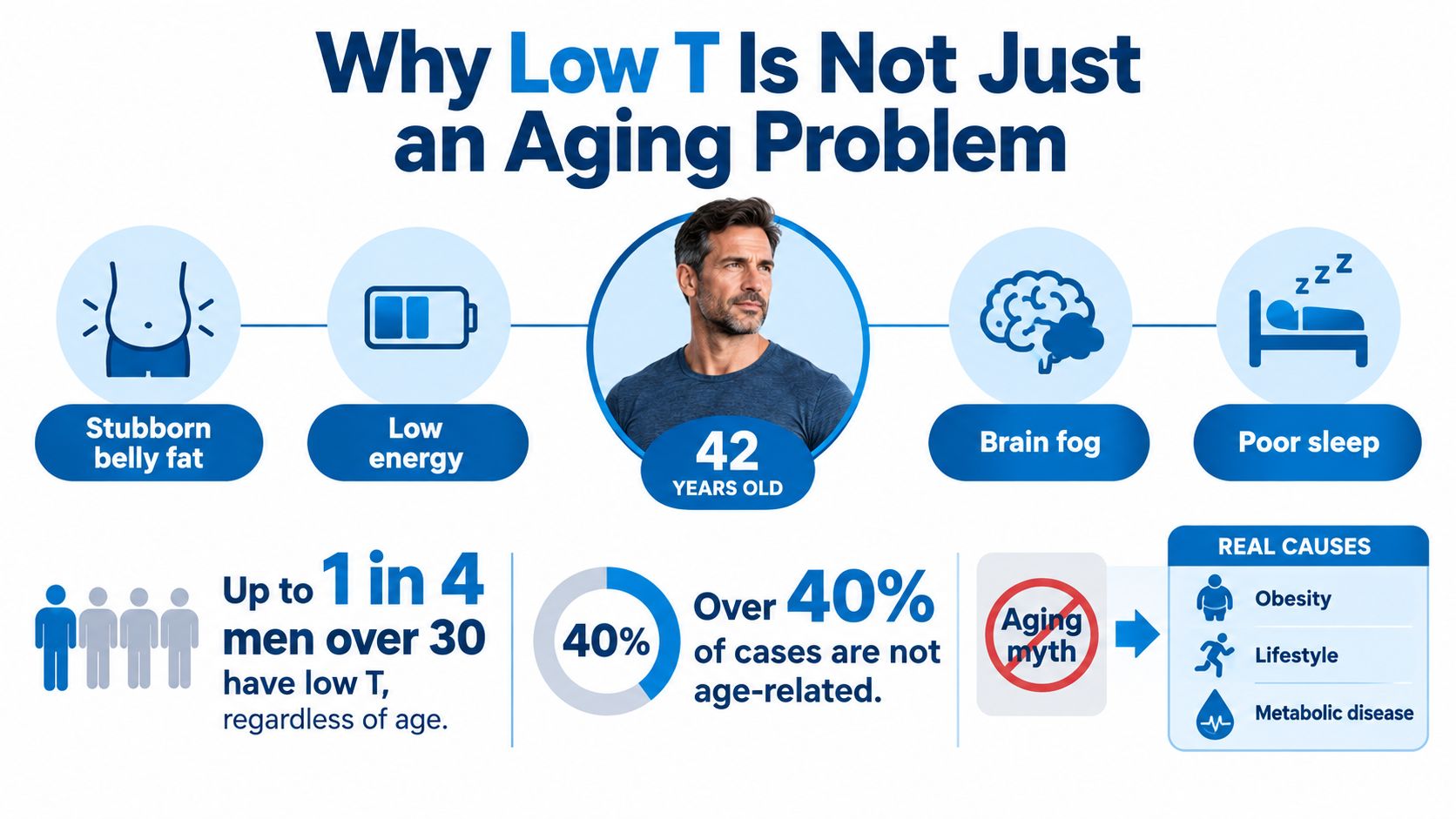
In midlife, hormones often become part of the story. Declining testosterone in men can affect energy, drive, and motivation, while the estrogen and progesterone shifts of perimenopause and menopause can change sleep, mood, and how steady a person feels during the day. These aren't cosmetic changes, they can alter the way the whole system regulates energy.
The broader metabolic picture matters too. Insulin resistance, thyroid dysfunction, and chronic inflammation all make it harder for the body to produce and use energy efficiently. That helps explain why a person may feel “off” long before anything dramatic appears on routine screening.
National vitality has stalled, not improved
The Cigna Group's 2024 Vitality in America report found that U.S. adults averaged about 67 on a 0 to 100 vitality scale for the third consecutive year , which suggests the national picture is flat. The report also noted a small 2% shift from medium vitality to high vitality, with 1 in 5 people now classified as high vitality. It also found a persistent gender gap, with women averaging 66.0 and men 69.0 since 2022.
Those numbers matter because they point to something bigger than individual discipline. People aren't suddenly becoming less motivated as a group. Many are living with the kind of sleep, hormone, and metabolic strain that makes day-to-day energy harder to maintain.
Hormones and metabolism work together
People often get confused. They hear “hormone issue” and assume it has to be a single lab result or a single pill. In reality, the body's energy systems are networked. The sections that control glucose stability, stress response, thyroid output, and reproductive hormones all influence how well mitochondria can do their job.
If you want a practical overview of that bigger picture, improving your body's energy engine is a useful way to think about metabolic health without reducing it to one symptom or one number. Energy is often the visible output of several hidden systems working, or not working, together.
For a clinical workup, targeted testing matters. Thyroid and hormone testing can help sort out whether the problem is hormonal, metabolic, or a mix of both, which is why Pause Medical's thyroid and hormone testing belongs in the conversation when fatigue doesn't improve on its own.
Clinical takeaway: if energy drops alongside sleep disruption, mood changes, libido changes, or weight shifts, the pattern deserves medical evaluation, not just more supplements.
Evidence-Based Ways to Restore Vitality and Energy

The most effective approach usually starts with the basics and moves upward. That means sleep, food, and movement first, then targeted support when symptoms point to a deeper problem.
Start with the foundations
Sleep optimization is still the first lever for many people. Not because sleep is a magic fix, but because poor sleep pulls down cognition, mood, glucose control, and recovery all at once. Nutrition matters too, especially when someone is under-fueled, skipping protein, or living on highly processed meals that don't support stable energy.
Exercise deserves special attention because the evidence base is unusually strong. A 2022 meta-analysis covering 81 studies and 172 effects found that moderate-intensity exercise interventions lasting at least 6 weeks significantly improved vitality, with a standardized mean change difference of 0.537 versus controls ( meta-analysis). The same review found improvements in energy at 0.415 and fatigue at -0.374 , and most estimates were directionally positive.
That doesn't mean people with low energy should go start with punishing workouts. It means gentle, consistent movement can be restorative rather than depleting when it's dosed appropriately.
Add targeted support when needed
Stress management belongs in the middle tier because psychological strain can lower vitality even when labs look acceptable. Breathwork, pacing, boundaries, and regular routines help, but they work best when the biological drivers are also addressed.
Some readers also look for nutritional support for cellular energy. A product such as life extension PQQ coq10 combo is sometimes discussed in that context, but supplements should be chosen carefully and matched to the person, not used as a stand-in for diagnosis.
Use medical treatment when the pattern fits
Hormone therapy, thyroid care, and medically supervised weight loss aren't “last resorts.” They're appropriate when symptoms and testing show a treatable imbalance. Bioidentical hormone therapy can be part of that conversation for some patients, and so can weight management when excess weight or insulin resistance is driving fatigue.
For patients who need a more structured plan, Pause Medical's hormone optimization therapy can fit into a broader strategy that includes lifestyle support and follow-up. The point isn't to replace healthy habits. It's to make healthy habits work again when the underlying biology has been getting in the way.
Red Flags That Require Medical Evaluation
Not every low-energy day needs a full workup, but certain patterns shouldn't be brushed off. Fatigue that comes with unexplained weight change, persistent low mood, sleep problems that don't improve with better habits, or a sudden drop in libido or mental sharpness deserves attention.
What clinicians look for
Clinicians often track symptom change with standardized tools, including visual analogue scales. A study of normal volunteers found that VAS-based ratings of physical and mental energy are reliable indicators of self-perceived vigor and fatigue, and stable enough to support broader well-being research ( study). That matters because it turns “I'm tired all the time” into something measurable over time.
A careful evaluation usually asks:
- When the fatigue started, and whether it was sudden or gradual.
- What else changed, especially mood, sleep, weight, libido, or cognition.
- What treatments you've already tried, including supplements and sleep changes.
- Which medical issues are in the background, such as thyroid disease, diabetes, or hormone changes.
When self-treatment stops being enough
If energy loss is paired with a broader symptom cluster, the goal should be to find the cause, not just mask the feeling. That's especially true when symptoms cluster around midlife changes, chronic disease, or suspected hormone imbalance.
A more detailed reading of labs can be helpful here, which is why how to read hormone blood test results is worth reviewing if you've already had testing and don't know what it means. Low energy is easier to treat when the data are interpreted in context, not in isolation.
Your Path to Better Energy at Pause Medical
Pause Medical takes the next step from symptom guessing to structured care. A consultation starts with your symptoms, goals, and medical history, then moves into targeted lab work and personalized recommendations. Depending on what's found, that plan may include bioidentical hormones , GLP-1 weight loss medications, or practical lifestyle guidance built around your real day-to-day life.
That kind of individualized approach matters because low energy rarely has one cause. Some patients need hormone support, some need weight and metabolic treatment, and some need both. You can read more about that process in Pause Medical's guide to personalized treatment plans.
If you live in Mississippi and you're tired of guessing, Pause Medical offers a board-guided path that focuses on the root causes behind fatigue, hormone imbalance, and metabolic strain. Book a consultation, bring your questions, and get a plan that's based on your symptoms instead of generic wellness advice.
Pause Medical helps adults in Mississippi get a clearer answer for low energy, hormone imbalance, and stubborn weight changes with personalized hormone therapy and medically supervised weight loss. If you're ready to stop chasing short-term fixes and start addressing the causes of fatigue, visit Pause Medical to schedule a consultation and take the next step toward steadier vitality and energy.