Holistic Health Solutions That Actually Work for You
You wake up tired, step on the scale, and feel the same frustration you felt last month. Your energy's low, your clothes fit differently, and every symptom seems to be getting folded into the same vague answer, aging, stress, or “just part of life.”
That's where integrated health solutions matter. The idea isn't to collect random wellness tips, it's to connect the dots across hormones, metabolism, sleep, nutrition, mood, and daily habits so the drivers of symptoms get attention instead of being treated one at a time.

What Holistic Health Solutions Really Mean
A patient may arrive with fatigue, stubborn weight gain, brain fog, and poor sleep, then leave with a few separate answers that never quite fit together. Whole-person care starts by treating those symptoms as parts of one picture, because the body, mind, emotions, and daily habits usually influence each other.
That approach matters especially in hormone and weight-related care. One concern can hide behind another, and a plan that only addresses each complaint on its own can miss the pattern driving all of them.
From symptom chasing to root cause thinking
Symptom-focused care can still help, and it has a clear place in medicine. Whole-person care adds a second layer of thinking, asking whether hormones, stress, blood sugar, nutrition, or activity patterns are pushing the body off balance. A smoke alarm can tell you something is wrong, but it cannot tell you where the fire started.
That is why this model fits medically supervised care and lifestyle support together. For a plain-language primer on the reasoning behind this approach, functional medicine explained offers a useful framework for understanding root-cause thinking.
For readers in Mississippi who want to see how that idea becomes clinical care, Pause Medical's holistic wellness approach for hormonal and metabolic health shows how a whole-person model can be built around medical oversight instead of vague wellness language.
Practical rule: if a plan only changes one piece, like a pill or a meal plan, but never checks whether the rest of the system is working, it is leaving too much unexamined.
Instead of replacing medicine with lifestyle, use evidence-based medical therapies inside a broader plan that also respects sleep, stress, movement, and nutrition. That is where whole-person health solutions matter.
The Four Pillars of Evidence-Based Holistic Care
Care works best when it's organized, not abstract. At a clinic like Pause Medical, the model makes sense as four connected pillars, hormone optimization , medical weight loss , disease management , and lifestyle support . Each one does a different job, but they influence one another constantly.
The reason this approach feels more mainstream now is simple, more adults are already using complementary and integrative approaches in everyday care. The NIH reported that the share of U.S. adults using at least one complementary health approach rose from 19.2% in 2002 to 36.7% in 2022 , and meditation, yoga, and acupuncture use also climbed over the same period, showing that mind-body care is no longer sitting at the edge of medicine, it's become part of how many people manage health ( NIH analysis on complementary health approaches).

How the pieces work together
Think of the pillars as a relay team, not separate departments. When hormones are off, sleep often gets worse. When sleep is poor, cravings rise and insulin handling can become harder. When metabolic health slips, weight loss usually slows down. That's why a plan looks at the sequence, not just the symptom that feels loudest.
A patient-centered clinic also has to keep the plan practical. The goal is to match the right tool to the right problem, then follow up and adjust based on what the body does, not what the brochure promised.
Bottom line: holistic care isn't a single treatment. It's a coordinated way of deciding which treatment belongs where, and when.
For people comparing options, a personalized plan matters more than a generic protocol. That's the idea behind personalized treatment plans at Pause Medical, where the treatment path is shaped around symptoms, goals, labs, and medical history rather than a one-size-fits-all checklist.
How Hormone Replacement Therapy Fits the Holistic Model
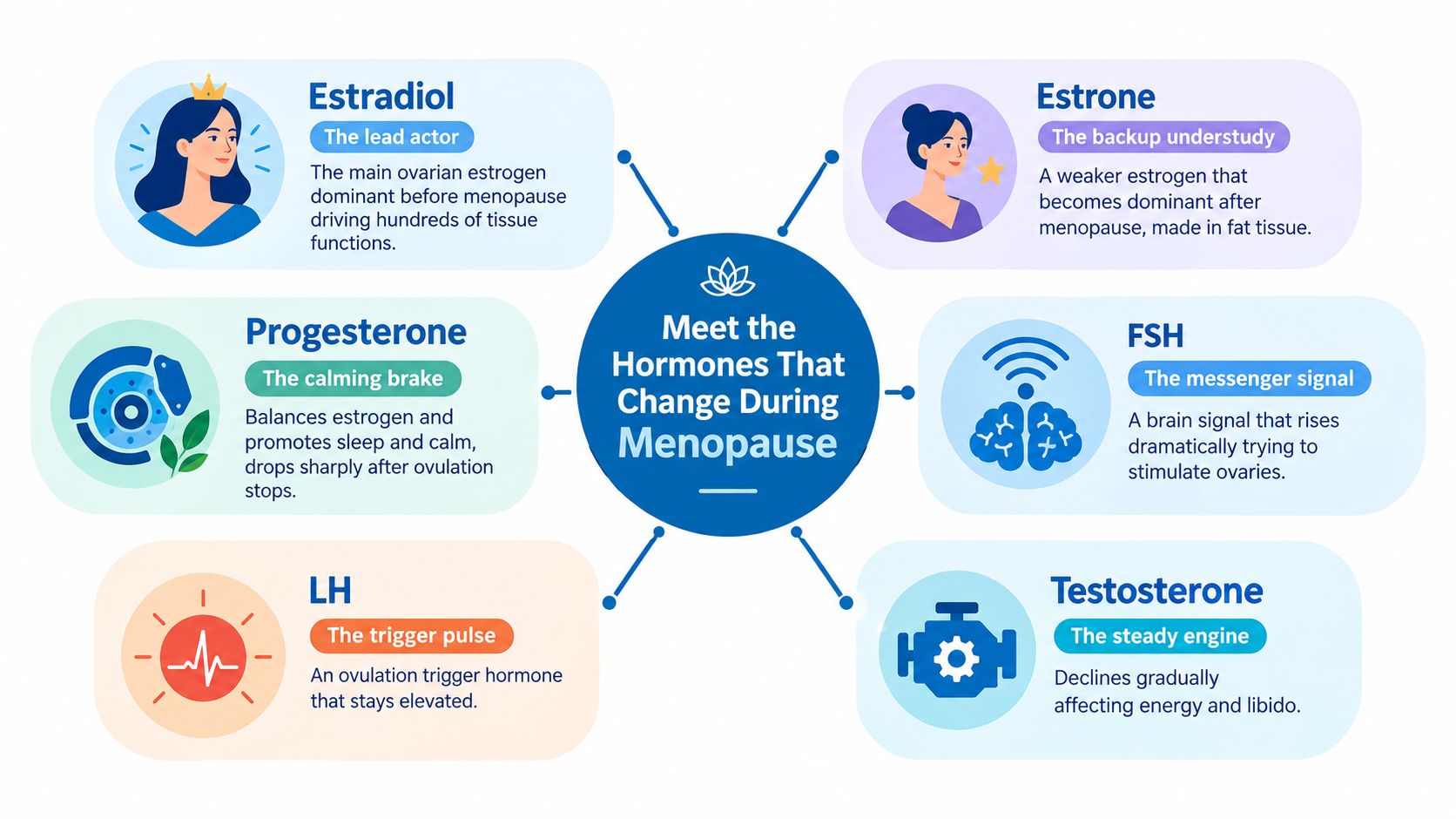
Hormones work a lot like the body's operating system. When one signal drifts, the effects don't stay neatly in one place. Sleep, mood, energy, libido, body composition, and even motivation can all feel different at the same time.
That's why hormone replacement therapy and bioidentical hormones belong in a complete conversation. They're not stand-alone fixes, they're tools that can help restore balance while the rest of the plan addresses nutrition, sleep, movement, and follow-up care.

Common hormone symptoms people notice first
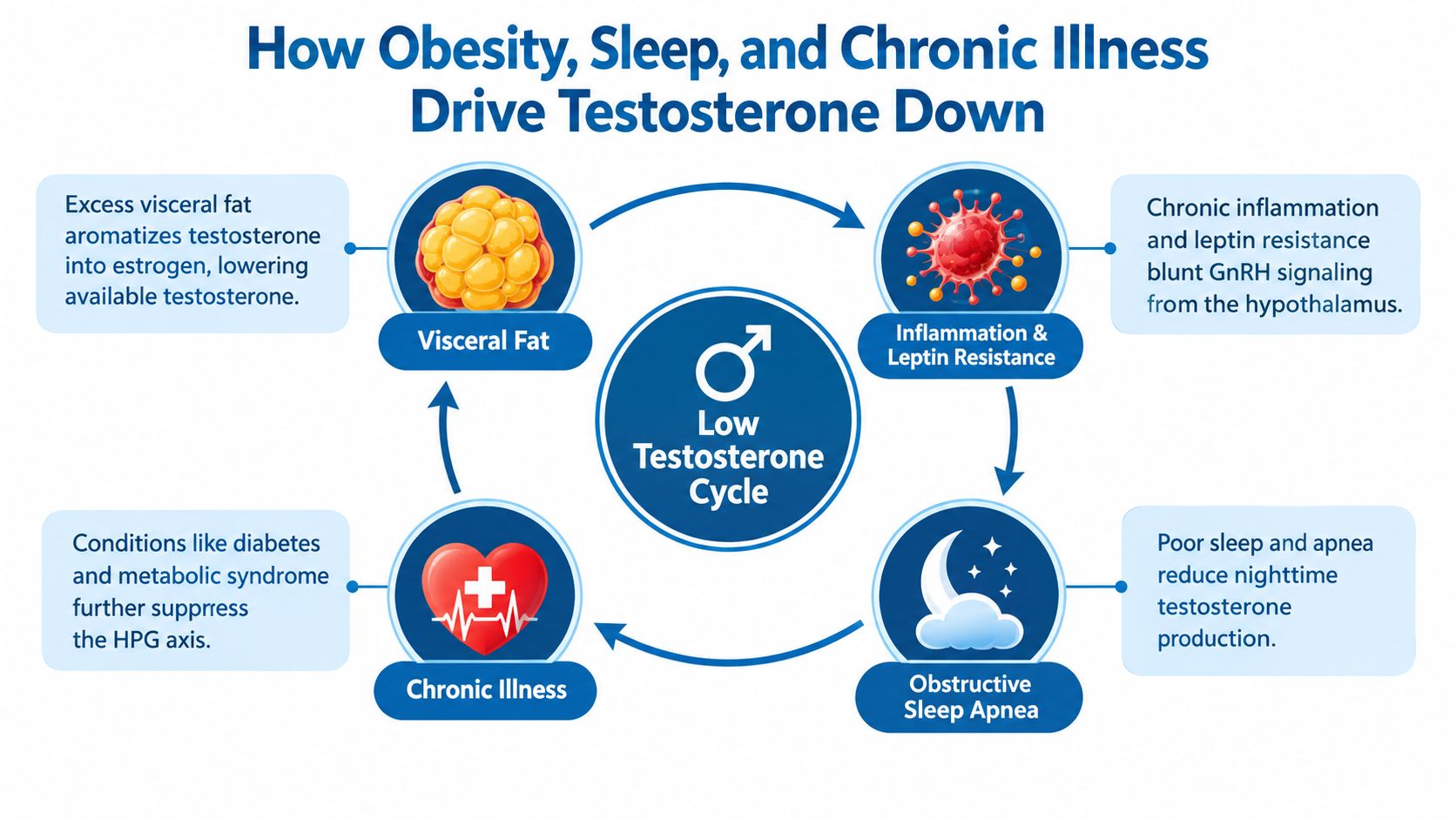
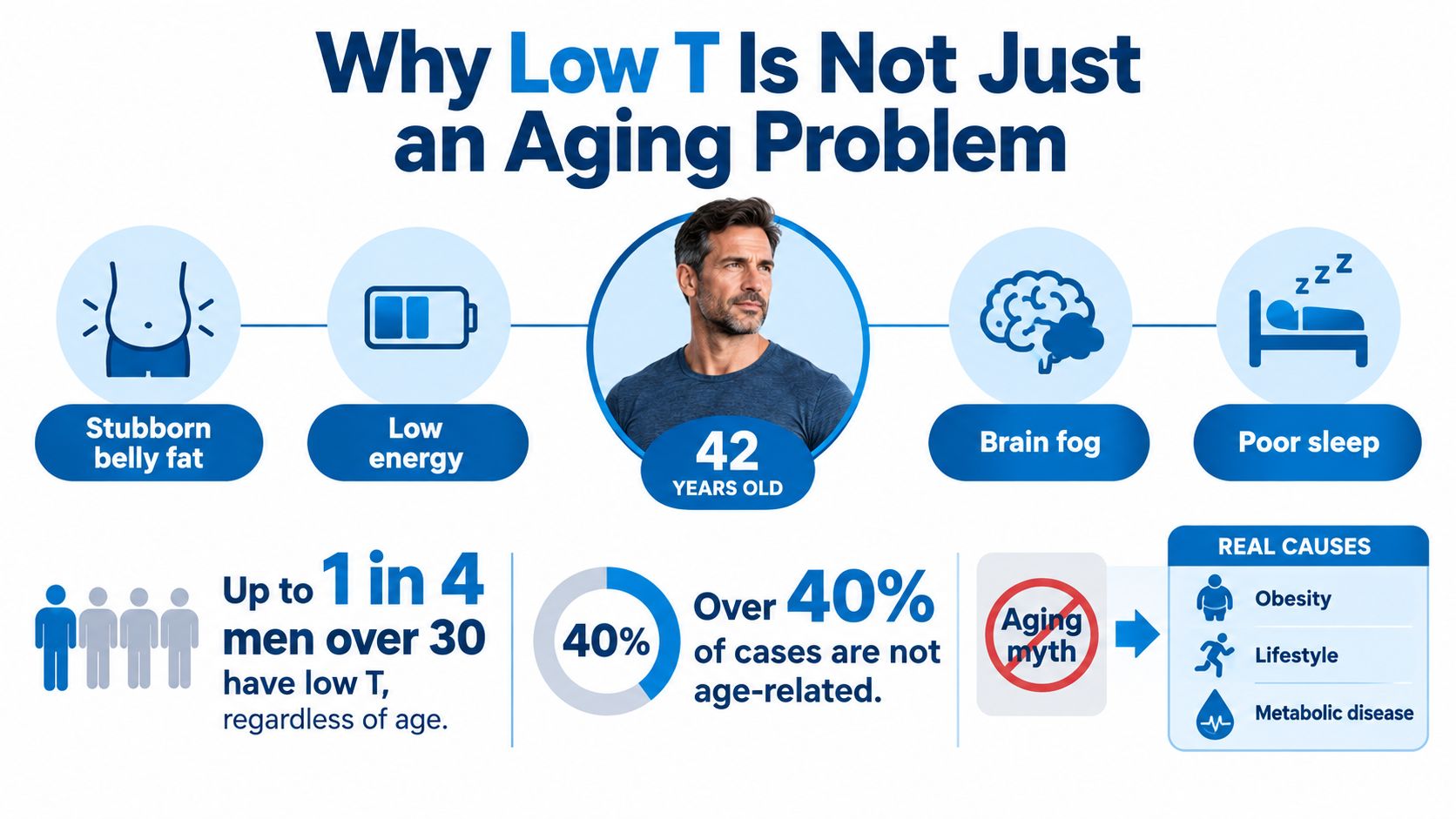
In women, the pattern often shows up as hot flashes, mood swings, low libido, and brain fog . In men, people may notice fatigue, reduced muscle mass, low motivation, and weight gain . Those symptoms don't prove a hormone problem by themselves, but they do justify a careful evaluation rather than a shrug.
Hormone care starts with labs and a real conversation. It should include dosing that matches the individual, monitoring over time, and attention to what happens after treatment begins. That's where safety lives, in board-certified medical oversight and regular follow-up, not in guesswork.
A patient may also need to hear that hormone care isn't just about replacing a number on a lab report. It's about whether the plan improves daily life without creating new problems. For a closer look at the clinical side of that balance, see hormone therapy risks and benefits.
When hormone support is combined with practical lifestyle changes, the result is usually more stable than chasing symptoms one by one. The point isn't to promise perfection. The point is to make the body easier to live in.
Medical Weight Loss as Part of Whole-Person Care
Weight gain is rarely just about calories on paper. Hormone shifts, thyroid problems, insulin resistance, sleep loss, and chronic stress can all change how the body regulates appetite and stores energy. That's why patients often feel frustrated when standard dieting advice doesn't match their experience.
Medical weight loss takes biology seriously. It doesn't frame weight as a moral issue, and it doesn't treat willpower as the only variable that matters. It starts with assessment, then uses the right tools for the person in front of the clinician.

Why structured treatment works better than guessing
GLP-1 medications such as semaglutide and tirzepatide are part of that structured approach in the right setting. They're not shortcuts. They're clinical tools used alongside nutrition, movement, and behavior support so the patient has more than one lever to pull.
A systematic review and meta-analysis found that interventions combining physical activity, diet, and mental-health components produced a mean weight loss of 1.70 kg and a reduction in perceived stress (Lancet eClinicalMedicine review00486-8/fulltext)). That matters because it shows the value of combining domains instead of isolating them.
For a patient trying to lose weight while managing fatigue or menopausal symptoms, the best plan often includes hormone-aware nutrition, activity that's realistic, and medication management when appropriate. A practical overview is available in Pause Medical's guide to lasting results with medical weight management.
If the plan ignores sleep, stress, or hormone changes, it may still produce effort. It just won't always produce durable progress.
That's the core of whole-person weight care, not a bigger list of rules, but a smarter order of operations.
A Realistic Patient Journey From First Call to Follow-Up
A realistic patient journey should feel simple from the start. That usually means online scheduling, a first visit focused on symptoms and goals, baseline labs if needed, and a treatment plan that doesn't try to solve everything on day one. People are often relieved when the process feels organized instead of rushed.
A good example is a 52-year-old woman in Mississippi who calls because she's tired, having hot flashes, and gaining weight she can't explain. At the first visit, the provider reviews her history, current medications, sleep pattern, and what's changed over the last year. The next step is a plan that may combine hormone support, nutrition changes, and weight-loss treatment if her labs and symptoms point that way.
For clinics that want to remove friction before the visit even starts, tools for streamline patient onboarding can make intake smoother and help patients arrive prepared instead of overwhelmed.
What the first three months can look like
During the first month, the main goal is clarity. The provider identifies the likely drivers of fatigue and weight gain, explains the options, and sets expectations for follow-up. If medication is part of the plan, the dose is chosen carefully and tracked.
By the second month, the focus shifts to response. Is sleep improving. Are hot flashes settling down. Is appetite changing in a useful way. Those are the kinds of questions that tell a clinician whether the plan is helping.
By the third month, adjustments are common. The provider may refine dosing, update nutrition guidance, or tighten disease-management support if blood sugar, thyroid, or metabolic concerns are part of the picture. For readers who want to know how the clinic experience works step by step, what to expect at Pause Medical lays out the process in plain language.
Common Misconceptions About Whole-Person Health Solutions
The biggest myth is that this care is unproven. That claim is too broad to be accurate. Higher-quality evidence reviews have found whole-system, multi-modality naturopathic medicine effective for type 2 diabetes, depression, anxiety, cardiovascular disorders, and musculoskeletal pain ( PMC review).
Another misconception is that integrative care means avoiding medicine. Real integrative care incorporates prescription treatment and decides where it belongs within a broader plan. That distinction matters for hormone therapy, GLP-1 medications, and chronic disease management.
What board-certified oversight actually changes
Board-certified oversight means the clinician can check labs, screen for contraindications, review drug interactions, and adjust treatment when the body changes. It also means the plan stays accountable. If a therapy is not helping, or it is causing a problem, the provider has to respond.
A third myth is that whole-person care is only for affluent wellness consumers. Good whole-person care should do the opposite, it should reduce barriers. That includes clearer expectations, better coordination, and thoughtful use of telemedicine and integrated primary care when appropriate.
Important distinction: evidence-based whole-person care is not the same as buying supplements on your own and hoping they help.
The strongest version of this model fits alongside conventional medicine. It is not an ideology. It is a clinical approach built around what helps the patient and what can be monitored safely.
Taking the Next Step With a Mississippi Holistic Clinic
If you're in Mississippi and tired of piecing together your care from separate appointments, the next step is straightforward. Schedule a consultation, bring a symptom list, current medications, and any recent labs you already have, then use the first visit to ask how hormones, weight, sleep, and disease management fit together.
Pause Medical offers in-person care in Oxford, Meridian, Tupelo, Flowood-Jackson, and Starkville , along with insurance-free pricing and flexible hours so the visit can fit real life. That can matter a lot when symptoms have already taken enough time from your day.
The hardest part for many people is asking for help after being told their symptoms are just normal aging. You don't have to sort that out alone. If you want clinical guidance that treats the whole picture, start with Pause Medical and see whether a personalized plan makes sense for you.
Frequently Asked Questions About Holistic Health Solutions
| Question | Short Answer |
|---|---|
| How is holistic care different from conventional primary care? | Holistic care looks at connected drivers like hormones, sleep, stress, and metabolism, while conventional care often focuses on the main symptom first. |
| Are HRT and GLP-1 medications safe under medical supervision? | They can be, when a clinician checks labs, screens for contraindications, and follows up regularly. Safety depends on oversight, not guesswork. |
| Do I need insurance for the first consultation? | No, Pause Medical uses insurance-free pricing, so patients can plan costs more clearly. |
| How soon will I feel changes? | Some people notice changes in energy, sleep, or appetite early, while weight and symptom shifts often take follow-up and adjustment. |
Is care for the whole person just an alternative to regular medicine? No, it's a coordinated way to use medical treatment, lifestyle support, and monitoring together. The goal is better decision-making, not replacement.
Can care help with menopause or andropause symptoms? Yes, especially when hormone evaluation, medication management, and lifestyle support are combined thoughtfully. The plan should be based on symptoms and labs, not assumptions.
Pause Medical helps patients in Mississippi connect hormone therapy, medically supervised weight loss, and ongoing follow-up into one clear plan. If fatigue, weight gain, menopause, or metabolic issues have made you feel stuck, visit Pause Medical to schedule a consultation and take the next step with a clinician who can walk you through the options.