Personalized Treatment Plans: A Guide to Custom Care
You may be in this spot right now. Your labs were called “normal,” but you still feel off. You're exhausted by midafternoon, your weight has shifted in ways that don't match your habits, your sleep feels shallow, your libido has changed, and your mood doesn't feel like you.
That experience is common, especially for adults dealing with menopause, andropause, metabolic changes, thyroid concerns, or chronic disease management. Many people in Mississippi aren't looking for more generic advice. They want someone to connect the dots. They want a plan that fits their body, symptoms, goals, and day-to-day life.
Moving Beyond One-Size-Fits-All Healthcare
A one-size-fits-all approach can work for simple problems. It doesn't work nearly as well when your symptoms sit at the intersection of hormones, metabolism, stress, sleep, aging, medications, and chronic disease risk.
Take a familiar example. A woman in her late 40s starts having hot flashes, irritability, poor sleep, and steady weight gain. She's told to “watch stress” and “eat better.” A man in his 50s notices lower energy, reduced muscle mass, low motivation, and a drop in libido. He's told that aging is part of life. Neither answer is exactly wrong. Neither answer is complete.
What many patients are asking for is care that recognizes individual biology and real life . That expectation isn't fringe. 88% of healthcare consumers expect their medical experience to be personalized , according to this review of demand for personalized care. The same discussion notes that individualized care can improve adherence and long-term outcomes because the plan feels relevant to the patient instead of generic.
You shouldn't have to choose between “everything is fine” and “just live with it.”
That shift is happening across medicine. Patients want clinicians to look at patterns, not isolated symptoms. They want treatment to account for work schedules, family obligations, food habits, menopause symptoms, exercise tolerance, and how they feel each week.
A good personalized plan also depends on communication. Many readers first learn what modern, patient-centered care looks like through resources on healthcare digital strategy, because better systems often make it easier for patients to book, follow up, and stay engaged in care.
What patients usually mean by better care
- “Listen to the full story.” Fatigue, low libido, poor sleep, and weight gain often overlap.
- “Look deeper when needed.” Basic screening can miss the bigger hormonal or metabolic picture.
- “Give me a plan I can follow.” A treatment plan should fit your routine, not an idealized version of your life.
For patients seeking a root-cause, integrative framework, a holistic wellness approach for hormonal and metabolic health can be a helpful model of what more individualized care looks like in practice.
What Exactly Is a Personalized Treatment Plan
A personalized treatment plan is a medical plan built for your specific needs instead of based only on a standard protocol. The easiest way to think about it is clothing.
An off-the-rack suit may technically fit. A custom-made suit fits your exact measurements, moves with your body, and feels better because it was made with you in mind. Medicine works the same way. A standard plan might help some people. A personalized plan is adjusted to your hormone patterns, symptoms, medical history, preferences, and goals.
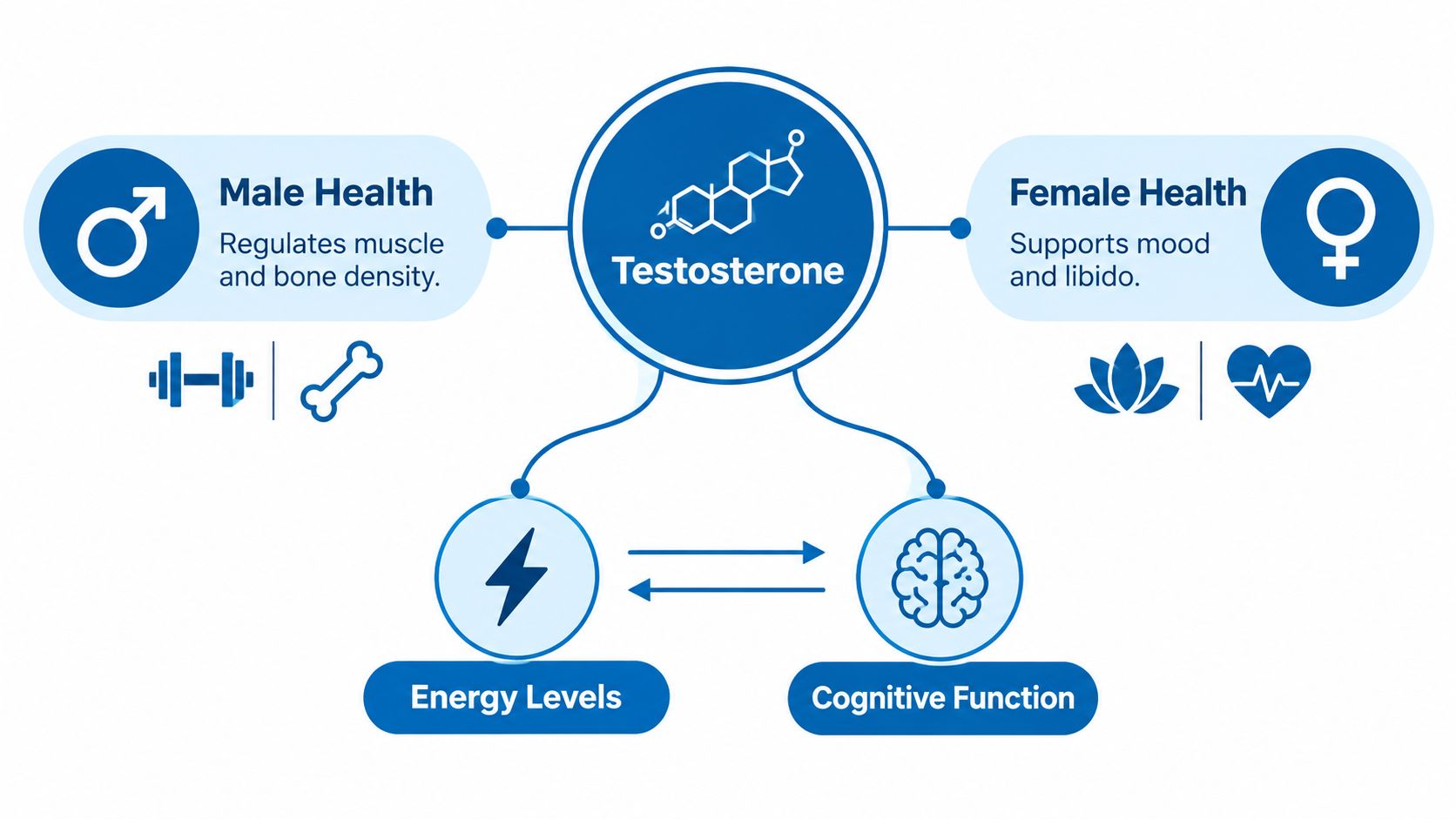
Here's a simple visual that captures the idea:

A personalized plan doesn't just ask, “What symptom do you have?” It asks different questions:
- What's driving the symptom? Hormones, insulin resistance, sleep disruption, medication effects, stress, nutrition, or several at once?
- What matters to you? Relief from hot flashes. Better sexual health. More stable energy. Sustainable weight loss. Prevention.
- What's the safest fit? Medication choice, dose, formulation, follow-up schedule, and when not to treat.
What a personalized plan includes
A true custom plan usually blends several inputs rather than relying on a single lab value.
| Part of the plan | What it helps answer |
|---|---|
| Symptoms | What you're actually experiencing day to day |
| Medical history | What patterns, risks, or past treatments matter |
| Lab data | What your hormones, metabolic markers, or other tests suggest |
| Lifestyle factors | Whether sleep, stress, food habits, or activity are shaping the picture |
| Personal goals | What success looks like for you |
A closer look at individualized care can also help patients know what standards to expect from a clinic. This overview on why patients choose a personalized care model reflects that broader shift toward custom, guided treatment.
Later in the decision process, some people find it helpful to watch a short overview before booking an appointment:
Practical rule: If a treatment plan never changes after your first visit, it's probably not very personalized.
The Core Components of Your Custom Medical Blueprint
Once you understand the concept, the next question is practical. What goes into a personalized plan?
The answer usually comes down to three parts. First, the clinician gathers the right information. Second, the treatment is matched to that information. Third, the plan is adjusted over time instead of left on autopilot.

Comprehensive assessment
This part is often where patients realize why previous care felt incomplete. A personalized plan starts with a broad clinical picture.
For hormone replacement therapy, that level of detail matters. A personalized HRT evaluation can include serum hormone tests, genetic panels, and detailed symptom assessments , and this kind of workup helps reduce risk tied to standardized dosing, according to this discussion of individualized HRT protocols.
That doesn't mean every patient needs every test. It means the assessment should match the problem.
Tailored therapy selection
After the assessment, the plan has to be built. Medication management then becomes more than writing a prescription.
A patient with menopause symptoms may need a different route of therapy than someone with a different risk profile. A patient struggling with hormone-related weight gain may benefit from nutrition support, behavior change coaching, and carefully selected prescription options. Someone with thyroid symptoms may need medication review, lab interpretation, and a plan for monitoring, not just a one-time decision.
Dynamic monitoring
Bodies change. Symptoms change. Stress changes. Weight changes. Treatment should change too.
That's why follow-up is part of the blueprint, not an afterthought. Dynamic monitoring may include symptom tracking, repeat labs when appropriate, dose changes, side-effect review, and revisiting goals.
What patients should expect from the process
- Depth, not speed alone. Fast scheduling is helpful, but the medical thinking still has to be thorough.
- A clear rationale. You should understand why a medication, dose, or delivery method was chosen.
- Room for adjustment. Early plans are often starting points, not final answers.
If you want an example of the kind of testing foundation that supports this work, a structured wellness lab panel shows how clinicians can move beyond a very basic snapshot of health.
Personalized Plans for HRT and Weight Loss in Action
This gets real when you apply it to common patient concerns.
A woman entering menopause may come in saying, “I don't feel like myself.” She may report hot flashes, poor sleep, mood swings, brain fog, and stubborn weight gain. Another patient may be years past menopause and still dealing with fatigue, vaginal symptoms, or loss of libido. A personalized treatment plan for hormone replacement therapy doesn't assume these patients need the same product or the same dose.
Hormone therapy that fits the person
Bioidentical hormone therapy , often called BHRT , is one example of personalized HRT. It starts with a more detailed clinical picture and then uses dosing adjustments based on symptoms and response over time.
According to this overview of personalized BHRT planning, BHRT begins with extensive blood panels, and dosing is adjusted based on real-time symptom response. The article also notes that this individualized approach can support faster relief of fatigue, mood swings, and libido loss with fewer adverse reactions than non-personalized regimens because it accounts for biological differences between patients.
That matters because “hormone therapy” is not one thing. Route, dose, formulation, timing, and monitoring all affect the experience.
Relief is rarely about finding a magic prescription. It's about finding the right prescription, at the right dose, with the right follow-up.
Weight loss that addresses more than calories
Now consider medical weight loss. Two patients may have the same body mass index and need very different plans. One may have insulin resistance and poor sleep. Another may have menopause-related body composition changes and emotional eating tied to stress. Another may be taking medications that affect appetite or metabolism.
That's why personalized medical weight loss often blends several pieces:
- Medication selection: Some patients may be candidates for GLP-1 weight loss medication under medical supervision.
- Hormone review: Weight gain can overlap with menopause, andropause, thyroid dysfunction, or metabolic syndrome.
- Nutrition and behavior support: A prescription can help, but habits still shape outcomes.
- Ongoing management: Doses, side effects, appetite changes, and energy levels need regular review.
For patients exploring supervised support in Mississippi, a medical weight loss clinic model can give a clearer sense of how medication management, accountability, and metabolic care fit together.
Your Patient Journey at Pause Medical
A lot of frustration in healthcare doesn't come from lack of science. It comes from broken handoffs, short visits, and unclear follow-up. Patients get tested, but the next step is vague. They're given a prescription, but no framework for adjustment. They're told to return if symptoms persist, but nobody explains what progress should look like.
That gap is real. In modern healthcare, scientific discovery often moves faster than everyday implementation. In one cited example, only 36% of patients received the medication their biomarker tests indicated they needed , as described in this examination of the clinical implementation gap. The same source argues that a structured clinic model helps close that gap by making sure diagnostic data turns into an actual treatment plan.

What the journey looks like in practice
A Mississippi patient's experience often starts with a straightforward consultation request. From there, the process becomes more intentional than rushed.
-
Initial consultation
You meet with a provider and discuss symptoms, goals, history, and concerns in plain language. -
Deeper clinical review
The provider looks at what may be driving the problem, not just what label fits it. -
Plan development
This may include hormone replacement therapy, testosterone therapy, medication management, medical weight loss support, lab review, or chronic disease guidance. -
Start and support
Patients begin treatment with clear instructions, realistic expectations, and a plan for follow-up. -
Adjustments over time
If symptoms improve only partly, if side effects appear, or if goals change, the plan changes too.
Why communication matters so much
A good patient journey is part medical design and part communication design. Reminders, check-ins, refill coordination, and quick follow-up questions all help prevent people from dropping out of care. Some clinics also study broader patient engagement systems such as Call Loop for healthcare communication to understand how consistent contact supports treatment adherence and continuity.
The best plan on paper won't help if the patient gets lost between the lab draw, the prescription, and the follow-up visit.
Prioritizing Safety with Evidence-Based Care
Personalization doesn't mean “try anything.” It means matching treatment carefully, using evidence, weighing risks, and monitoring closely.
That matters most with hormone replacement therapy, bioidentical hormones, testosterone therapy, and prescription medications used for weight loss or chronic disease management. These treatments can be very helpful for the right patient. They also require medical judgment.

Why oversight matters
All hormone therapies, including bioidentical ones, carry real risks. Those can include blood clots, stroke, or cancer, particularly with long-term use. That's why board-certified oversight and individualized dosing are essential , as emphasized in this review of risks and misconceptions around bioidentical hormones.
Safety is one of the strongest arguments for personalized treatment plans, not against them. A careful clinician doesn't ask only, “Can this help?” They ask:
- Is this appropriate for this patient?
- What is the lowest effective dose?
- Which route is safest?
- What follow-up is needed?
- When should treatment be changed or stopped?
What safe care usually includes
- Clear screening: Personal and family history shape risk assessment.
- Thoughtful prescribing: Dose, formulation, and timing matter.
- Monitoring: Side effects, symptom response, and evolving health status should be reviewed regularly.
- Access to follow-up: Patients need a practical way to ask questions and report changes.
Some patients also appreciate options that make follow-up easier, especially when travel is difficult. Broader tools like secure video conferencing for healthcare have helped raise expectations for safe, accessible communication in modern care settings.
If you're weighing treatment options, it helps to review a plain-language guide to hormone therapy side effects so you know what deserves monitoring and when to call your clinician.
This article is for education only. It isn't a diagnosis or personal medical advice. Decisions about HRT, BHRT, testosterone therapy, GLP-1 weight loss medication, or any prescription treatment should be made with a qualified healthcare professional who knows your history.
Your Questions Answered and How to Begin
How should I prepare for my first consultation
Bring a list of your symptoms, even the ones that seem unrelated. Write down when they started, what makes them worse, and what you've already tried. If you have prior labs, medication lists, or a history of hormone therapy, thyroid treatment, diabetes care, or weight loss medication, bring that too.
Do you take insurance
Pause Medical uses a direct-pay model rather than requiring insurance. For many patients, that means clearer pricing, easier scheduling, and a more convenient experience. If cost is one of your concerns, ask for details before your visit so you know exactly what to expect.
How long does it typically take to see results
That depends on the condition and the treatment. Some symptoms may begin improving sooner than others. With bioidentical hormones, for example, patients often feel mild symptom relief within a few weeks, while the full effect typically takes about three months, according to Cleveland Clinic's overview of bioidentical hormones. Weight loss, energy, sleep, and libido can also improve on different timelines.
What if I'm not sure whether my symptoms are hormonal
That's common. You don't have to diagnose yourself before scheduling. Fatigue, low libido, sleep problems, hot flashes, weight gain, and mood changes can overlap across several conditions. A thorough consultation helps sort out what needs attention first.
Is this only for women
No. Personalized treatment plans can help women and men dealing with menopause, andropause, hormone imbalance, metabolic concerns, chronic disease management, and preventive wellness goals.
If you're ready to stop guessing and start getting answers, Pause Medical offers personalized treatment plans for hormone replacement therapy, bioidentical hormones, medical weight loss, GLP-1 weight loss support, testosterone therapy, and medication management in Mississippi. With in-person care, board-certified oversight, and a patient-centered approach focused on root causes, the team helps adults move from frustrating symptoms toward a clear plan. Schedule a consultation to take the next step.