Holistic Wellness Approach for Hormonal & Metabolic Health
You may be doing many things right and still not feel like yourself.
Your lab work may come back “normal,” but your body tells a different story. You're tired after a full night of sleep. Your weight has changed even though your routine hasn't. Your mood feels flatter, your focus is off, and symptoms like hot flashes, low libido, cravings, or stubborn belly weight keep getting dismissed as stress, aging, or lack of discipline.
That's where a holistic wellness approach matters. It asks a better question. Not just “What symptom do you have?” but “What systems are driving it, and how do we support all of them together?” For adults in Mississippi dealing with menopause, andropause, hormone imbalance, metabolic changes, thyroid concerns, diabetes risk, fatigue, sleep issues, or interest in preventative care, that shift can be the difference between temporary relief and meaningful progress.
What Is a Holistic Wellness Approach
An integrated wellness approach treats the whole person , not a single symptom in isolation. That means physical health, mental well-being, emotional resilience, daily habits, relationships, environment, and hormonal balance all matter. Instead of chasing one complaint at a time, the goal is to understand how these pieces connect.
This isn't vague wellness language. It's a practical model for clinical decision-making. If someone has weight gain, poor sleep, anxiety, brain fog, and low energy, those problems rarely live in separate boxes. Hormones affect sleep. Sleep affects appetite and insulin regulation. Chronic stress affects coping, food choices, and inflammation. A fragmented plan misses those links.
The broader healthcare system has moved in this direction for a reason. The global well-being market was valued at USD 5.2 trillion in 2025 and is projected to reach USD 9.5 trillion by 2033 , reflecting demand for more integrated care that addresses mind, body, and spirit rather than isolated symptoms alone, according to holistic wellness market data.
What this looks like in real care
A good holistic plan usually starts with a few questions:
-
What are the symptoms really saying Is fatigue coming from low iron, poor sleep, stress overload, hormone shifts, insulin resistance, medication effects, or several at once?
-
What pattern keeps repeating Many patients don't need more willpower. They need someone to identify the cycle that keeps restarting the problem.
-
What tools fit this person Nutrition changes may help. So might HRT, medication management, strength training, better sleep timing, or counseling support.
A holistic plan doesn't reject medical treatment. It puts medical treatment in context.
For people who want a broader look at mind-body care, this overview to learn about integrative wellness with IPA offers a helpful companion perspective. If you're also trying to understand how preventive and age-focused medicine fits into this model, this Mississippi-focused guide on what an age management center does gives useful context.
What holistic care is not
It's not guessing. It's not avoiding diagnostics. It's not pretending every problem can be solved with supplements, meditation, or clean eating.
It's a partnership between patient and provider to identify root causes, use evidence-based tools, and build a plan that's sustainable in real life.
The Seven Pillars of a Truly Holistic Health Plan
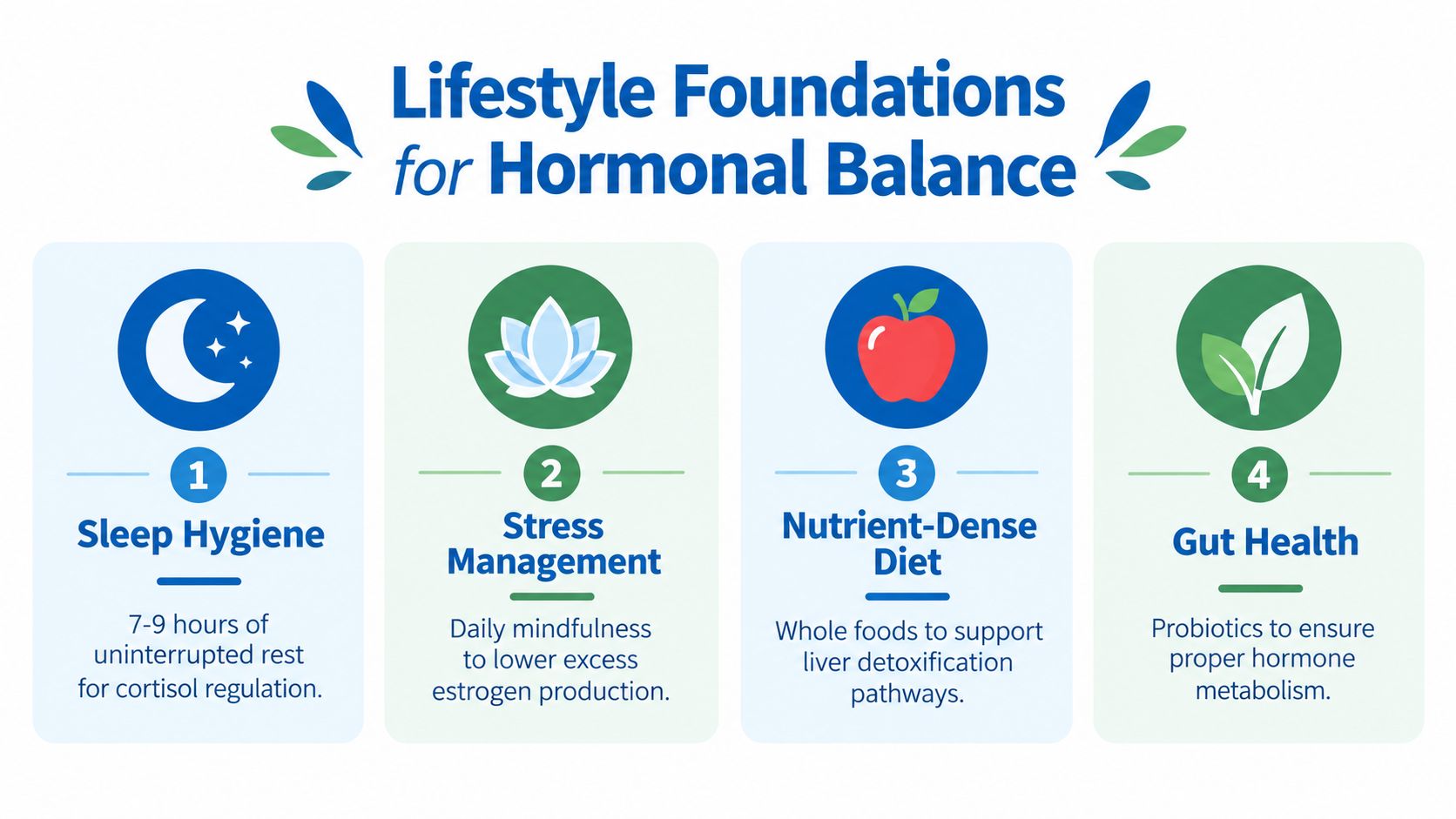
Think of your health like a wheel. If one spoke weakens, the whole ride gets rough. If several are off at once, you feel it everywhere. Hormones and metabolism are especially sensitive to that imbalance.

Nutrition
Food is information, not just fuel. A steady eating pattern with adequate protein, fiber, and minimally processed foods can support energy, satiety, blood sugar stability, and recovery.
For hormone and metabolic health, the most common issue isn't that people know nothing about nutrition. It's that they under-eat protein, over-rely on convenience foods, and swing between restriction and overeating. That pattern can leave them tired, hungry, and discouraged.
Movement
Exercise affects far more than calories burned. It supports insulin sensitivity, mood regulation, stamina, muscle preservation, and long-term metabolic health. It also helps many people reconnect with their body in a positive way.
A large systematic review found that regular physical exercise is as effective at relieving depression as pharmacological medication , and the World Health Organization links physical activity to decreased type 2 diabetes incidence and better adiposity regulation, as summarized in this review on exercise and lifestyle medicine.
Sleep
Sleep is where repair happens. Poor sleep often worsens hunger cues, irritability, recovery, concentration, and stress tolerance. Many adults try to fix fatigue with caffeine while ignoring the sleep disruption that keeps the cycle going.
A practical goal is consistency. The body responds well to regular sleep and wake times, a darker sleep environment, and less stimulation late at night.
Stress management
Stress isn't only emotional. It's physiological. Workload, caregiving, grief, overtraining, under-eating, and untreated symptoms can all keep the nervous system on high alert.
Helpful stress management doesn't have to be elaborate. Breathing work, walking, boundaries with technology, and realistic scheduling often outperform complicated routines people can't maintain.
Hormonal balance
Hormones influence temperature regulation, mood, libido, body composition, sleep quality, and mental clarity. When hormones shift, the effects can look like burnout, depression, poor motivation, or aging “too fast.”
Assessment matters. You don't want to guess whether symptoms come from estrogen, progesterone, testosterone, thyroid function, cortisol patterns, or metabolic dysfunction.
Mental health
Mental health is not separate from physical health. Anxiety, low mood, irritability, and loss of motivation can both affect and reflect hormone and metabolic changes.
A holistic plan should leave room for therapy, medication management when indicated, and mind-body practices that help the brain and body regulate together.
Purpose and connection
Isolation makes health harder. People do better when they feel supported, useful, and connected to something beyond symptom tracking.
That could mean family, faith, friendships, group exercise, volunteering, or one accountable relationship. If you're working on blood sugar, weight, or energy, support systems often make the difference between short bursts of effort and long-term consistency. For a deeper dive into that bigger-picture framework, this resource on improving metabolic health connects lifestyle habits to metabolic function in a practical way.
Practical rule: Don't try to perfect all seven pillars at once. Pick the one that gives the fastest stability, then build from there.
The Science of Holistic Wellness for Your Hormones and Metabolism
An integrated approach only helps if it works. For hormone and metabolic concerns, the strongest plans combine physiology, behavior, and medical evaluation instead of treating those as competing philosophies.

Why hormones and metabolism can't be separated
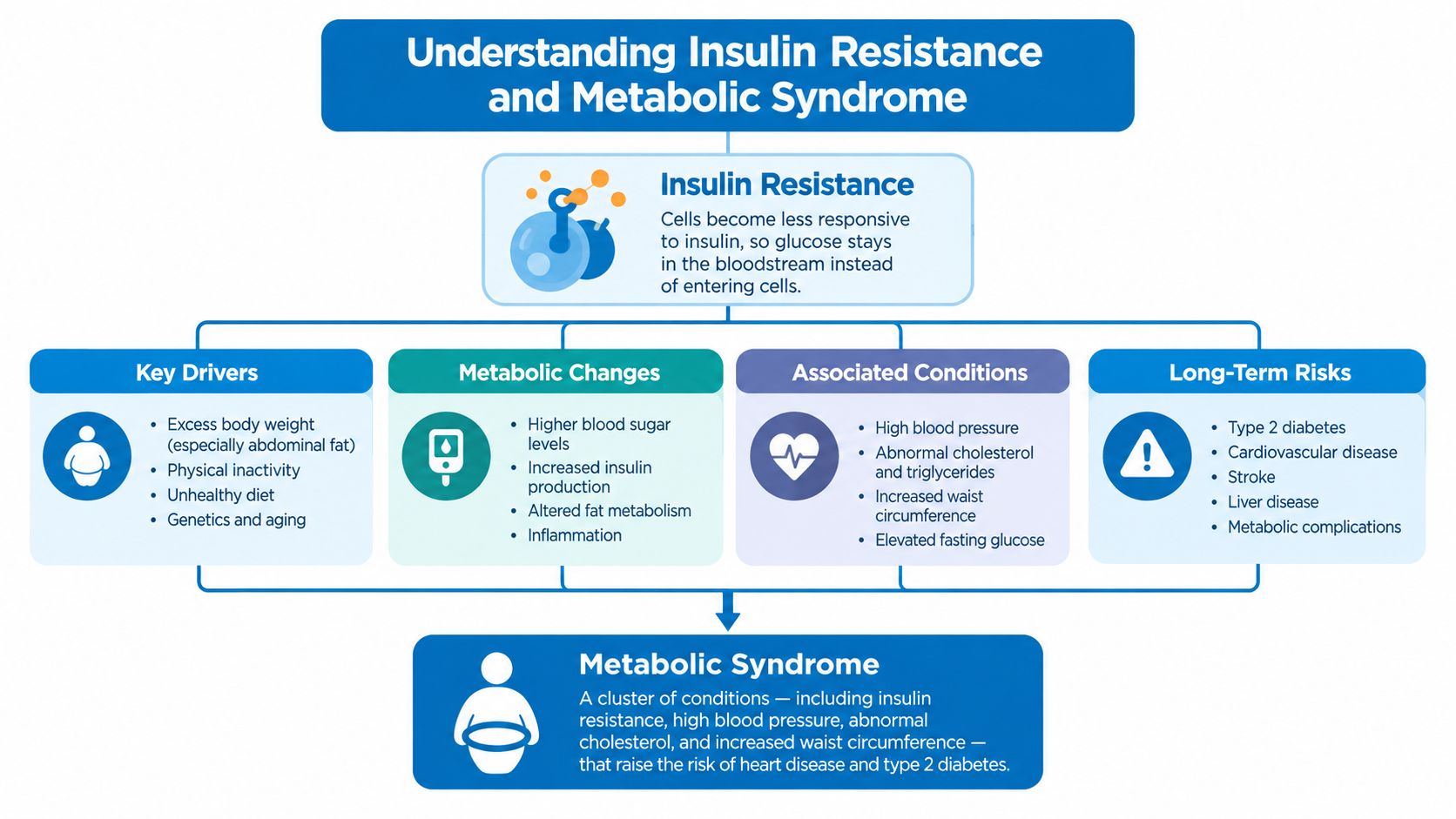
In practice, people often describe “weight issues” when they're also dealing with sleep disruption, perimenopause, low testosterone, insulin resistance, stress overload, thyroid dysfunction, or medication side effects. The body doesn't separate these neatly.
That's why root-cause work often starts with patterns such as:
| Concern | What may be interacting |
|---|---|
| Weight gain | Appetite changes, insulin resistance, sleep loss, hormone shifts |
| Fatigue | Nutrient issues, poor sleep, stress, thyroid or sex hormone changes |
| Brain fog | Menopause, poor recovery, mood strain, unstable blood sugar |
| Low libido | Hormones, stress, relationship strain, sleep disruption, medications |
Where evidence matters
One area where integrative and medical care clearly overlap is hormone treatment. Evidence shows that hormone replacement therapy reduces the risk of new-onset diabetes mellitus by 20% to 30% by improving insulin resistance and increasing glucose tolerance, based on evidence summarized here. That matters because hormone care isn't only about symptom relief. In the right patient, it can be part of a larger metabolic strategy.
There's also evidence from a face-to-face holistic intervention program showing improved quality-of-life scores across multiple dimensions, with the strongest gains in psychological health and additional improvements in social and environmental health, according to this published report on holistic intervention outcomes. That aligns with what clinicians see every day. When patients feel mentally better, they often sleep better, move more consistently, and make steadier decisions about food and self-care.
What supports the science in daily life
You don't need a perfect routine. You need a repeatable one.
Small changes work better when they're specific. A patient trying to stabilize blood sugar may do well with a protein-forward breakfast, planned meals, resistance training, and medication support when appropriate. For meal inspiration, especially if you're trying to reduce carbs without defaulting to bland food, these flavorful low carb chicken ideas can help make consistency easier.
If symptoms suggest a deeper hormonal or metabolic issue, broad wellness advice isn't enough. A more useful next step is targeted testing. This guide to a wellness lab panel explains how objective data can help connect symptoms to physiology.
How Medical Treatments Fit into a Holistic Plan
A common misconception is that an integrated approach means natural only, and that once medication enters the picture, the plan is no longer whole-person care. That idea doesn't hold up in practice.
If a patient can't sleep because of severe hot flashes, replacing missing hormones may be the intervention that finally allows restorative sleep. If someone has significant obesity, persistent food noise, and metabolic dysfunction, a GLP-1 may create enough appetite regulation for the person to follow through on nutrition and movement changes that previously felt impossible. Medication doesn't erase lifestyle work. It can make lifestyle work possible.

Integration beats false choices
Data from integrated care models show that combining conventional treatments such as HRT and GLP-1s with lifestyle pillars improves quality of life scores by 22% and reduces burnout by 18% compared to lone behavioral approaches , as discussed in this review of comprehensive integrated care models.
That makes clinical sense. If hormones are low, motivation and recovery may fall with them. If insulin resistance is driving cravings and energy swings, nutrition advice alone may feel like a constant uphill fight. Good medicine removes barriers. Good lifestyle care builds on that opening.
Where HRT belongs
Hormone therapy is often discussed with unnecessary fear or unnecessary hype. The better approach is individualized risk assessment, symptom review, and careful follow-up.
Some patients need education on benefits because they've only heard the worst-case version. Hormone therapy use for menopause declined from 4.4% in 2007 to 1.7% in 2023 , and among women ages 50 to 59, only 3.5% used hormone therapy in 2023 , despite proven symptom benefits, according to Mayo Clinic reporting on menopause hormone therapy use.
For the right patient under medical supervision, HRT may support sleep, mood, vasomotor symptoms, body composition, and overall function. Some patients are particularly interested in bioidentical hormone therapy benefits as part of that conversation.
Where GLP-1s and medication management belong
GLP-1 medications can be valuable in a holistic plan when they're used thoughtfully. They're not a substitute for protein intake, resistance training, hydration, bowel support, and follow-up care. They're also not a moral shortcut. They're one tool.
A strong medication management plan should answer practical questions:
-
What problem are we treating Appetite dysregulation, insulin resistance, obesity, or another driver?
-
What habits need support alongside the medication Muscle preservation, adequate nourishment, sleep, and activity still matter.
-
How will progress be monitored Side effects, nutrition adequacy, symptom changes, and labs all matter.
The most holistic plan is the one that uses the right tool at the right time for the right patient.
Practical Steps to Begin Your Holistic Wellness Journey
Start smaller than your motivation wants to start. People often fail because they build a plan for their best week, not their real week.

A simple first week plan
Try one action in each area below. That's enough.
-
Nutrition Add protein to breakfast. Greek yogurt, eggs, cottage cheese, or a protein shake are practical starting points.
-
Movement Walk after one meal a day or begin two short strength sessions each week. If you want to start running, use Swift Running's injury prevention tips so enthusiasm doesn't turn into setbacks.
-
Sleep Pick one consistent bedtime and protect the hour before it. Less scrolling, less overhead light, more routine.
-
Stress Spend five quiet minutes breathing, stretching, or sitting without input. It sounds small because it is. Small is repeatable.
Build momentum, not pressure
The best health plans are boring in the best way. They're stable. They don't rely on a dramatic reset every Monday.
Here's a useful sequence many patients can manage:
- Stabilize meals so energy and cravings are less chaotic.
- Improve sleep timing so decision-making and recovery get easier.
- Add structured movement once the body has more capacity.
- Track persistent symptoms that still don't improve.
If a habit only works when life is calm, it isn't built for real life.
This short video offers a helpful mindset reset for building sustainable habits:
Know when home strategies aren't enough
Some symptoms improve with consistency. Others keep returning because a deeper issue hasn't been addressed. If you've made good-faith changes and still feel off, that doesn't mean you're failing. It may mean you need more than general advice.
For people who want lifestyle support as part of a broader hormone strategy, this guide on how to balance hormones naturally is a solid starting point.
Signs You Need Professional Guidance for Your Health
There's a point where self-help becomes too blunt an instrument. If symptoms are persistent, escalating, or affecting daily function, it's time for professional evaluation.
Symptoms worth taking seriously
Consider medical guidance if you're dealing with:
-
Fatigue that rest doesn't fix Especially if you're sleeping but still waking unrefreshed.
-
Weight gain despite honest effort If nutrition and exercise changes aren't matching what your body is doing, hormones or metabolic factors may be involved.
-
Hot flashes, night sweats, or disrupted sleep These can spiral into mood changes, poor concentration, and low resilience.
-
Low libido, brain fog, or mood shifts These symptoms are common, but they shouldn't be dismissed as something you just have to tolerate.
-
Blood sugar concerns, thyroid symptoms, or chronic disease management needs These require more than generic wellness advice.
Why expert help matters
Hormone and metabolic symptoms overlap. Menopause can look like anxiety. Poor sleep can look like depression. Insulin resistance can look like constant hunger and “lack of willpower.” Without proper assessment, people often treat the wrong problem.
That's one reason so many adults live with untreated symptoms for too long. Menopause hormone therapy use has dropped sharply even though it offers proven symptom relief for appropriate candidates, and many women in the age range most likely to benefit still aren't using it, as noted in the earlier Mayo Clinic report.
A qualified provider can sort through symptoms, review medications, order the right testing, and determine whether your next step should be lifestyle change, HRT, testosterone therapy, medical weight loss support, thyroid evaluation, or broader medication management.
Your Questions About Holistic Wellness Answered
Is holistic the same as natural
No. An integrative wellness approach means looking at the whole person and using the best evidence-based tools for that person. Sometimes that includes nutrition, sleep work, stress reduction, therapy, and exercise. Sometimes it also includes HRT, testosterone therapy, GLP-1 weight loss medication, thyroid treatment, or other prescription care.
How long does it take to feel better
That depends on the issue. Some people notice changes quickly when sleep improves, blood sugar stabilizes, or hot flashes are treated. Other concerns take longer because hormones, metabolism, and behavior patterns need time to respond. The key is steady reassessment, not expecting one intervention to solve everything at once.
Can I use HRT or GLP-1 medication and still be “doing wellness right”
Yes. A medically supervised treatment can be part of a high-quality holistic plan. If a medication helps reduce symptoms, improve function, or create the stability needed to follow through on lifestyle changes, it belongs in the conversation.
What happens at a first consultation
A good first visit should review symptoms, health history, goals, current medications, and likely drivers behind what you're experiencing. Depending on your needs, the next steps may include labs, discussion of bioidentical hormones, menopause or andropause treatment options, medical weight loss planning, diabetes or thyroid evaluation, and a personalized follow-up plan.
Does insurance have to be involved
Not always. Many patients prefer direct, transparent care because it simplifies scheduling, follow-up, and treatment planning. What matters most is that you understand the plan, the reasoning behind it, and how progress will be monitored.
Is this relevant if I'm in Mississippi and dealing with menopause, andropause, fatigue, low libido, sleep issues, or weight gain
Absolutely. These are common reasons adults seek hormone replacement therapy, bioidentical hormones, testosterone therapy, GLP-1 weight loss support, and medication management. The most effective plan is the one built around your actual symptoms, health history, and goals.
If you're in Mississippi and you're tired of being told your symptoms are “just aging,” Pause Medical offers board-certified medical oversight for hormone replacement therapy, bioidentical hormones, testosterone therapy, medical weight loss, GLP-1 weight loss, and disease management with an integrative focus on root causes. Schedule a consultation to get a personalized plan that fits your symptoms, your goals, and your real life. This article is for education only and isn't a substitute for individual medical advice, diagnosis, or treatment.