How to Balance Hormones Naturally: A Guide for Mississippi Residents
Feeling perpetually tired, moody, or stuck with stubborn weight? You’re not alone. So many people I talk to in our Mississippi clinics feel this way every day, and they often don't realize that a hormonal imbalance is the root cause.
Your hormones are like the master conductors of your body's orchestra, controlling everything from your appetite and sleep patterns to your energy and sex drive. When they're all playing in harmony, you feel fantastic.
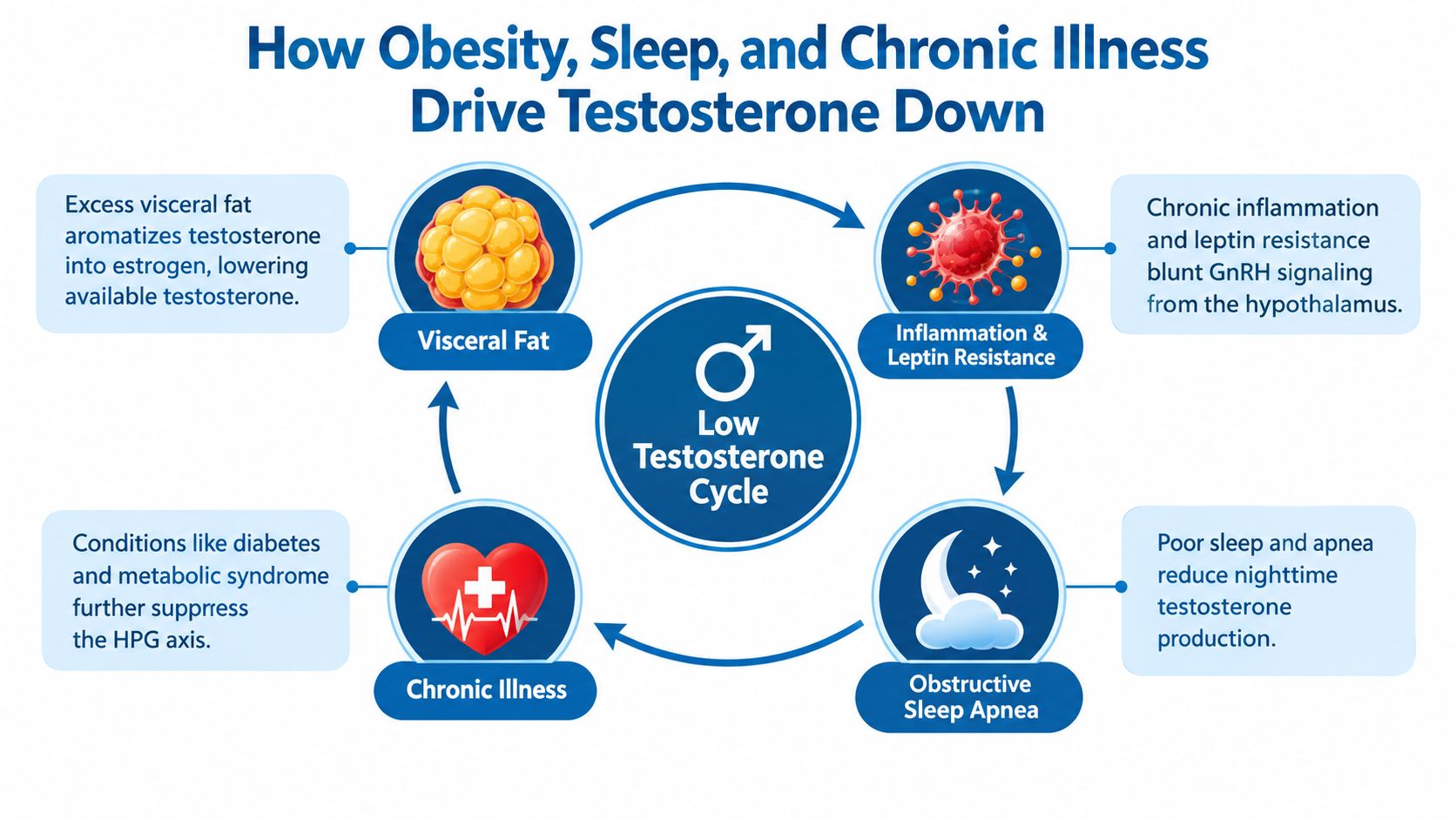
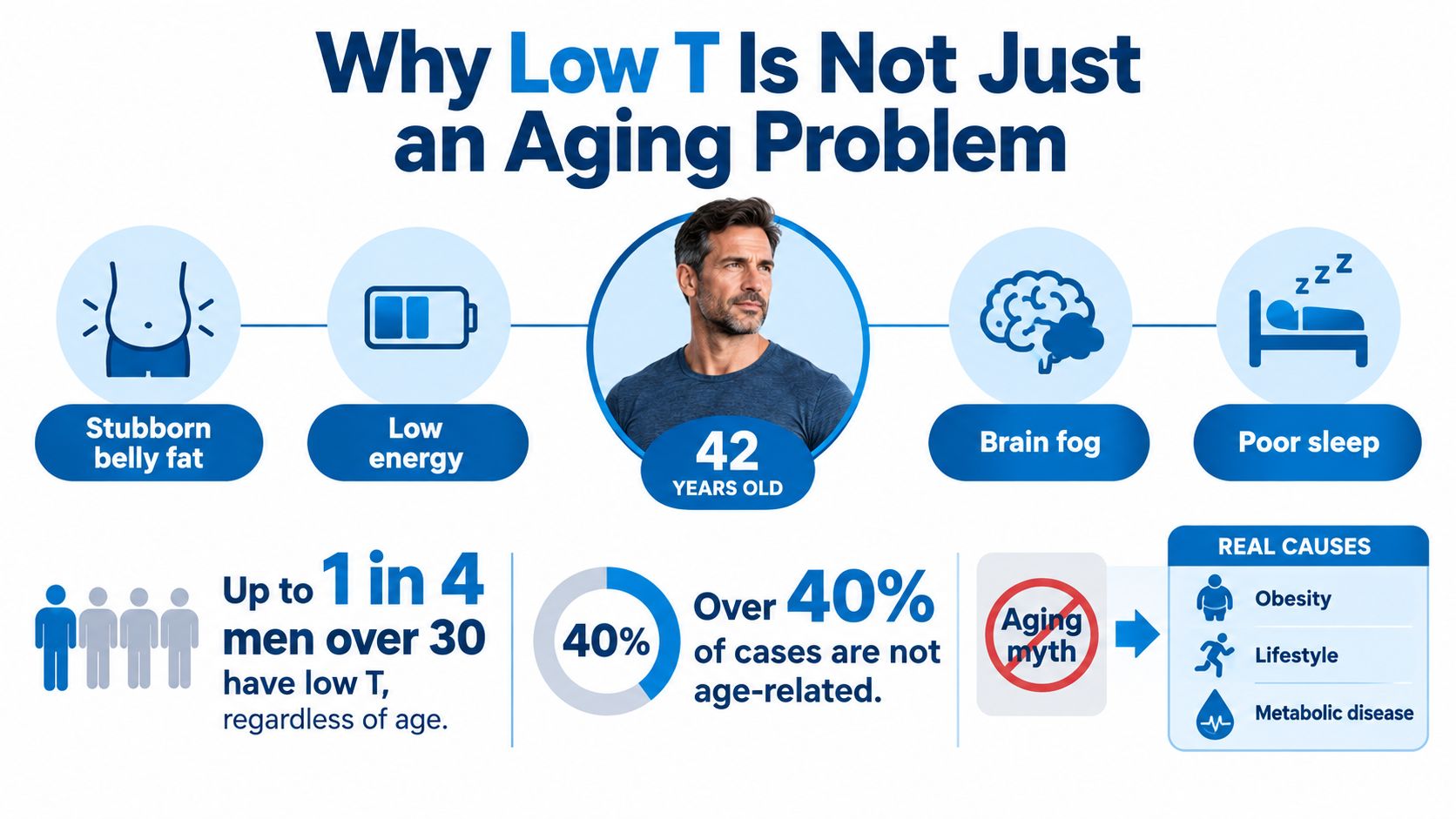
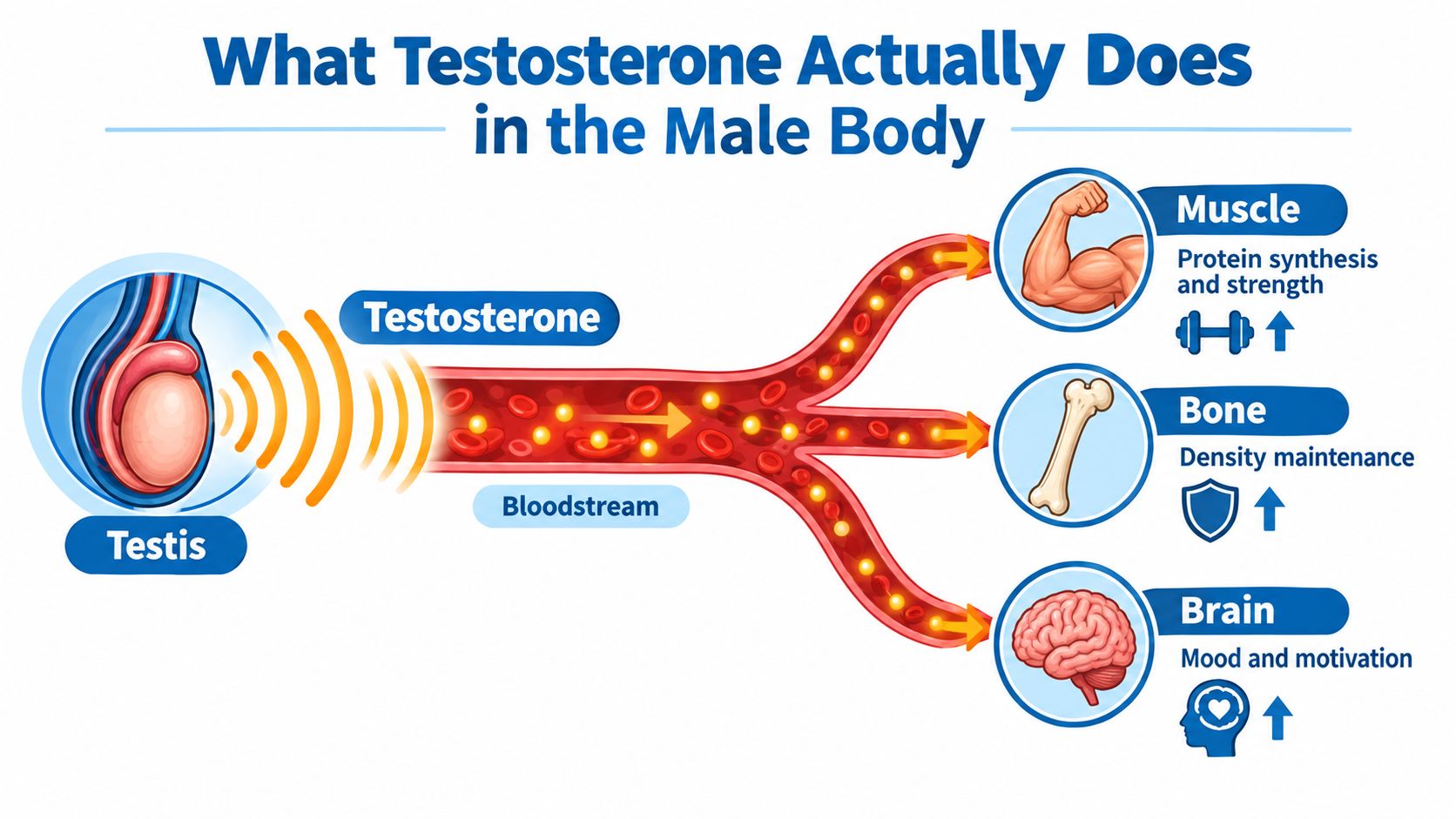
But when key hormones like cortisol (your stress hormone) and testosterone get out of sync, things can go sideways. Chronic stress spikes cortisol, which often leads to that frustrating belly fat and a feeling of being completely drained. At the same time, low testosterone can tank your energy, lead to muscle loss, and crush your libido. This is more than a small annoyance—it's a real barrier to feeling your best, and it's something we see often in men throughout Mississippi.
The Four Pillars of Natural Hormone Health
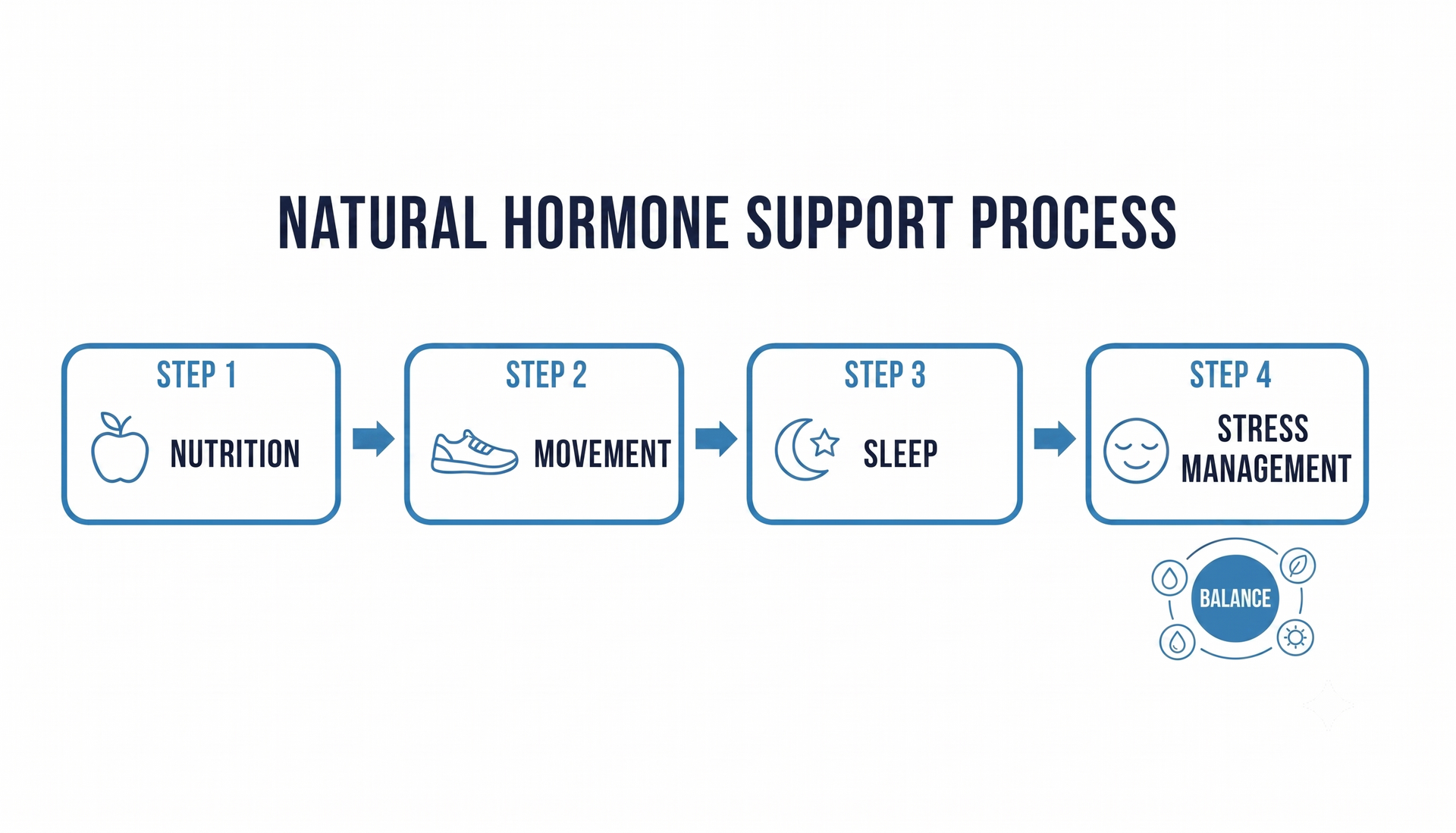
Getting your hormones back on track doesn't have to be overwhelming. From my experience, the most impactful changes come from focusing on four fundamental areas of your daily life.
This quick table breaks down the core pillars of a natural approach to hormonal well-being. Think of these as the foundation for everything else.
| Pillar | What It Influences | A Practical First Step |
|---|---|---|
| Nutrition | Provides the essential building blocks for producing hormones like testosterone. | Add a source of lean protein (like eggs, chicken, or Greek yogurt) to every meal to support muscle health and stabilize blood sugar. |
| Movement | Helps regulate insulin, boosts mood-lifting endorphins, and supports a healthy metabolism. | Go for a brisk 20-minute walk outside during your lunch break. The movement and sunlight are great for cortisol levels. |
| Sleep | Critical for regulating cortisol, growth hormone, and hunger hormones (ghrelin and leptin). | Set a "digital sunset." Turn off all screens (phone, TV, tablet) at least 60 minutes before you plan to go to sleep. |
| Stress Management | Directly lowers cortisol, which prevents the hormonal cascade that leads to weight gain and fatigue. | Try a 5-minute guided meditation using an app like Calm or Headspace when you feel stress levels rising. |
By consistently working on these four areas, you create a powerful, self-reinforcing system for better hormonal health. It’s all interconnected.
This isn’t a small-scale issue. Globally, a staggering 80% of women report experiencing symptoms of a hormonal imbalance at some point. It’s a huge reason why so many people are looking for natural ways to feel better, fueling a global market for hormonal health supplements valued at over $3.5 billion. You can find more details about this growing trend in recent market analyses.
For many of our patients here in Mississippi, making these lifestyle changes is a game-changer. But if you’ve already been focusing on these areas and you still feel like something is off, it might be time to look a little deeper. A simple conversation with a professional can bring so much clarity.
At Pause Medical, we start by empowering you with practical, foundational knowledge. But we’re also here to provide medical expertise when lifestyle changes aren’t enough. Whether that means exploring our medically supervised weight loss programs or considering testosterone replacement therapy, our mission is to help you find the most effective path back to feeling like yourself again. Our clinics do not offer services for estrogen, but we are experts in optimizing testosterone levels for men's health.
If you’re ready to stop feeling frustrated and start feeling better, book an appointment online to speak with our team at one of our convenient Mississippi locations.
Fueling Your Body for Hormonal Harmony
What you put on your plate every day is one of the most powerful tools you have for getting your hormones back on track. The food you eat literally provides the raw materials your body needs to produce hormones, keep blood sugar stable, and calm inflammation—all huge factors in how you feel from one day to the next.
It's helpful to think of food as information. It's sending signals to your body, telling it how to function.

Here in Mississippi, I see so many people dealing with the fallout from diets high in processed foods and sugar, which can send hormones on a rollercoaster. The good news is that making small, strategic shifts can bring about profound changes in your energy, mood, and metabolism.
Embrace Healthy Fats for Hormone Production
Let's clear this up right away: healthy fats are not the enemy. In fact, they are absolutely essential for making hormones. Cholesterol, for example, is the starting point for producing vital hormones like testosterone. If you don't get enough healthy fats, your body simply doesn't have the building blocks it needs.
Try to consciously work these sources into your meals:
- Avocados: Fantastic for heart health and loaded with fiber.
- Nuts and Seeds: Think almonds, walnuts, and chia seeds. They deliver omega-3 fatty acids that fight inflammation.
- Olive Oil: A true staple of a healthy diet. It's perfect for salad dressings and cooking at lower temperatures.
- Fatty Fish: Salmon and mackerel are packed with omega-3s that support both your brain and your hormones.
Even a simple swap, like using olive oil instead of processed vegetable oil or adding avocado to your toast, can make a real difference over time.
Master Your Blood Sugar to Reduce Stress
Every time you eat a meal full of sugar or refined carbs, your blood sugar spikes. This forces your pancreas to pump out insulin to bring things back down. This constant up-and-down cycle is a major stressor on your body and often leads to higher levels of the stress hormone, cortisol.
When cortisol is constantly elevated, it can suppress other important hormones like testosterone, leaving you feeling exhausted and contributing to that stubborn belly fat.
If you do just one thing, focus on stabilizing your blood sugar. It's arguably the most important nutritional step for hormonal balance. A stable blood sugar level means more consistent energy, fewer cravings, and less internal stress on your entire system.
The best way to do this is to build your meals around what I call the "hormone-friendly trio": protein, fiber, and healthy fat. This combination slows down digestion, which prevents the sharp spikes and crashes that throw your hormones out of whack.
So, instead of a plain bagel for breakfast (a recipe for a crash), try scrambled eggs (protein and fat) with a side of spinach and a slice of whole-grain toast (fiber).
Prioritize Fiber for Detoxification
Fiber does more than just keep you regular. It plays a critical role in helping your body clear out excess hormones that have already done their job. Both soluble and insoluble fiber bind to these waste products in your digestive tract, making sure they're properly escorted out of your system.
You don't need fancy supplements to get enough. A visit to a local Mississippi farmers' market in a place like Tupelo or Jackson is a perfect way to stock up on fresh, fiber-rich produce.
Excellent Sources of Fiber:
- Leafy Greens: Spinach, kale, and collard greens are nutritional powerhouses.
- Cruciferous Vegetables: Think broccoli, cauliflower, and Brussels sprouts.
- Berries: Raspberries and blackberries are particularly high in fiber and antioxidants.
- Legumes: Lentils, chickpeas, and black beans are fantastic plant-based options.
A good target for most adults is 25-30 grams of fiber per day. For more specific ideas on building a balanced plate, you can dive into the expert nutrition tips for weight loss that our most successful patients put into practice.
This kind of nutritional strategy is the bedrock of the medically supervised weight loss programs we've built at Pause Medical. We know that knowing what to do is one thing, but actually fitting it into a busy life is a completely different challenge.
If the thought of building these balanced meals feels like just another chore on your already full plate, you're not alone. Creating a plan that you can actually stick with can be tough, and that's where personalized guidance really shines. Our team at Pause Medical can help you create a realistic, effective nutrition plan that truly fits your Mississippi lifestyle.
Ready to stop guessing and start fueling your body for hormonal harmony? Schedule a consultation at pausemedical.org to discuss how a personalized nutrition plan can support your weight loss and wellness goals. We have convenient locations across the state, from Oxford to Meridian, ready to help you thrive.
Smart Movement and Restorative Sleep
What you eat provides the building blocks for your hormones, but how you move and rest dictates how your body actually uses them. In our fast-paced Mississippi culture, it’s easy to get caught in the "more is better" trap with exercise. But when it comes to hormonal health, smart, intentional movement almost always wins out over grueling, high-stress workouts.
The goal isn't to run yourself into the ground; it's to send the right signals to your body. Pushing through intense, prolonged exercise can actually cause a spike in cortisol, your primary stress hormone. When cortisol stays high, it can interfere with testosterone production and tell your body to store fat, especially around your midsection. That’s the exact opposite of what we’re trying to achieve.

Prioritize Strength and Low-Impact Activity
Instead of grinding out high-intensity cardio every single day, your focus should be on activities that build muscle and manage stress. Why? Because muscle is metabolically active tissue. It helps your body manage blood sugar and supports a healthier metabolism—both of which are absolutely crucial for keeping your hormones in check.
Here are a few hormone-friendly movement strategies that fit right into a busy Mississippi lifestyle:
- Strength Training: Aim for two to three sessions a week. This doesn’t mean you have to become a bodybuilder. Simply using dumbbells, resistance bands, or even your own body weight is enough to build and maintain the lean muscle mass that supports healthy testosterone levels.
- Brisk Walking: A daily 30-minute walk is more powerful than you think. Getting out in your neighborhood or a local park helps lower cortisol, improves insulin sensitivity, and soaks up some valuable vitamin D without putting your body under excess strain.
- Gentle Movement: Don't underestimate the power of activities like yoga or simple stretching. They are fantastic for reducing stress and improving flexibility, which contributes to your overall sense of well-being.
The key takeaway is this: consistent, moderate movement is far more beneficial for hormone regulation than sporadic, punishing workouts. It’s about building a sustainable routine that supports your body, not one that constantly stresses it out. To learn more about how different exercises impact your hormones, check out our guide on exercise and hormone health.
The Critical Role of Restorative Sleep
Sleep is non-negotiable. It’s when your body does the heavy lifting of hormonal repair and regulation. Just one night of bad sleep can throw critical hormones like cortisol and insulin out of whack, leading to those familiar sugar cravings, crushing fatigue, and brain fog the next day.
For many men in Mississippi struggling with weight, poor sleep is often the hidden roadblock. A lack of quality rest jacks up ghrelin (the "I'm hungry" hormone) and tanks leptin (the "I'm full" hormone). This makes it physically harder to manage your appetite and stick with your nutrition plan.
If you’ve been putting in the work with diet and exercise but the scale won’t move and you’re still exhausted, your sleep habits might just be the missing piece of the puzzle.
Create a Better Sleep Routine Tonight
You don't need a massive overhaul to see results. Small, consistent tweaks to your evening routine can make a huge difference in your sleep quality.
Here’s a simple checklist to get you started:
- Set a Consistent Bedtime: Try to go to bed and wake up around the same time every day—yes, even on weekends. This is the best way to regulate your body's internal clock (your circadian rhythm).
- Create a Sleep Sanctuary: Your bedroom should be cool, dark, and quiet. Think blackout curtains, a fan for white noise, and a thermostat set to around 65°F.
- Implement a "Digital Sunset": Power down all screens—phones, tablets, TVs—at least 60 minutes before you plan to sleep. The blue light from these devices messes with melatonin, the hormone that tells your brain it's time to rest.
- Avoid Late-Night Disruptors: Steer clear of caffeine, huge meals, and too much alcohol right before bed. They can all interfere with your natural sleep cycles.
For many of our patients, these strategies are game-changers. But if you’ve tried it all and chronic fatigue is still winning the battle, it could be a sign of an underlying issue like clinically low testosterone. You don’t have to guess.
Let's find out what's really going on. Book a simple consultation at pausemedical.org to see our team at our convenient clinics in Oxford or Tupelo. A straightforward evaluation can help determine if low testosterone is the root cause of your fatigue and get you on the path to feeling energized again.
Taming Stress Before It Sabotages Your Health
Chronic stress is one of the biggest roadblocks to hormonal health I see, especially for busy Mississippians trying to juggle everything. When you're constantly under pressure, your body is flooded with cortisol, our main "fight or flight" hormone. While a little is good for you, constantly high cortisol levels can throw your entire system into chaos.
This hormonal flood essentially tells your body to start storing fat, particularly around your middle. It also breaks down muscle tissue and can directly suppress vital hormones like testosterone. The result? A frustrating cycle of low energy, a disappearing libido, and stubborn weight gain that feels impossible to break.

Learning how to manage your body's response to stress is often ground zero for balancing hormones. The goal isn't to eliminate stress—that's just not realistic. It's about building resilience and giving your body a chance to shift out of that constant high-alert state.
Recognizing the Physical Signs of Stress
Your body will tell you when it’s overwhelmed. The real first step is learning to listen to those signals.
So many of our patients at Pause Medical come in describing these exact feelings, often before they connect the dots to stress:
- Persistent Fatigue: That classic "wired but tired" feeling. You can't seem to get restorative rest, no matter how much you sleep.
- Intense Cravings: You find yourself constantly reaching for sugary or salty snacks. That's high cortisol driving your body to find quick energy.
- Brain Fog: Having trouble concentrating or remembering little things becomes a daily frustration.
- Irritability and Mood Swings: Small annoyances suddenly feel like major crises because your nervous system is perpetually on edge.
These aren't just minor inconveniences. They are tangible signs that your stress response is actively interfering with your hormonal health.
Think of your stress response like a bucket. Everyday stressors—traffic on I-55, work deadlines, family demands—slowly fill it up. If you don't build in moments to intentionally empty that bucket, it overflows, and hormonal disruption is the result.
Practical Stress Management for Mississippi Lifestyles
You don't need a week-long retreat to get a handle on stress. Simple, accessible techniques woven right into your daily routine can make a huge difference.
Mindful Breathing: When you feel that wave of overwhelm, just stop. Take five minutes for a simple box breathing exercise. Inhale for four seconds, hold for four, exhale for four, and hold for four. This simple act directly activates your parasympathetic nervous system—your body’s "rest and digest" mode.
Grounding in Nature: We're lucky to have Mississippi's beautiful outdoors at our fingertips. A quiet walk at a local spot like Tishomingo State Park or even just a few minutes of fresh air in your backyard can significantly lower cortisol. The combination of gentle movement and nature is a potent de-stressor.
Digital Detox: Be intentional about putting your phone away at a specific time each evening. The constant pings and notifications keep your brain in a state of high alert. Disconnecting allows your mind to truly unwind and prepares your body for restful, restorative sleep.
If even these strategies feel out of reach because you’re battling bone-deep fatigue or a total lack of motivation, it could signal a deeper hormonal imbalance like low testosterone. It’s a common problem we see in men who feel like they've lost their edge. You don't have to just push through it alone. Book a straightforward consultation at pausemedical.org to talk with our team at any of our Mississippi locations, from Flowood to Starkville.
Understanding how your body reacts to pressure is key. For more insights on building resilience and supporting your body, our Pause Medical wellness blog is a great resource filled with practical, evidence-based advice. Gaining these tools empowers you to manage your body's response, helping you reclaim control over your hormonal health and your vitality.
When Natural Methods Aren't Enough
You’ve been doing everything right. You're swapping processed snacks for whole foods, getting your steps in, and making sleep a priority, but you still feel like you're fighting an uphill battle.
This is a common and completely valid frustration we hear from men and women all the time.
It’s easy to feel defeated when your hard work doesn't seem to pay off. Maybe you’re still wrestling with a deep fatigue that no amount of coffee can touch, dealing with mood swings that feel completely out of your control, or facing a frustrating inability to lose weight no matter how disciplined you are.
These persistent symptoms aren't a sign that you've failed. Think of them as clear signals from your body that there might be a deeper issue at play—one that lifestyle changes alone can't fully fix. It's often at this point that getting some professional support is the most logical next step.
Recognizing the Signs It's Time for Support
Sometimes, even the most dedicated natural approach needs a boost from medical expertise. A condition like clinically low testosterone, for example, often requires a more direct intervention to really move the needle on your health and get you feeling like yourself again.
Here are some tell-tale signs that it might be time to get a professional evaluation:
- Unrelenting Fatigue: You get a full eight hours of sleep but wake up feeling like you haven't rested at all.
- Stubborn Weight Gain: Despite a clean diet and consistent exercise, the scale won’t budge, especially around your middle.
- Serious Mood Changes: You’re experiencing heightened irritability, anxiety, or a sense of apathy that's starting to affect your relationships and daily life.
- Drastically Low Libido: Your sex drive has completely vanished and shows no signs of coming back.
- Brain Fog and Poor Concentration: You're struggling to focus at work or remember simple things, and it's impacting your productivity and confidence.
These symptoms are more than just an inconvenience; they can seriously diminish your quality of life. For men in Mississippi, these are classic signs of low testosterone, a condition that can be safely and effectively managed with professional guidance. For a closer look at what that entails, you can learn more about our approach to hormone therapy.
Navigating Hormonal Shifts
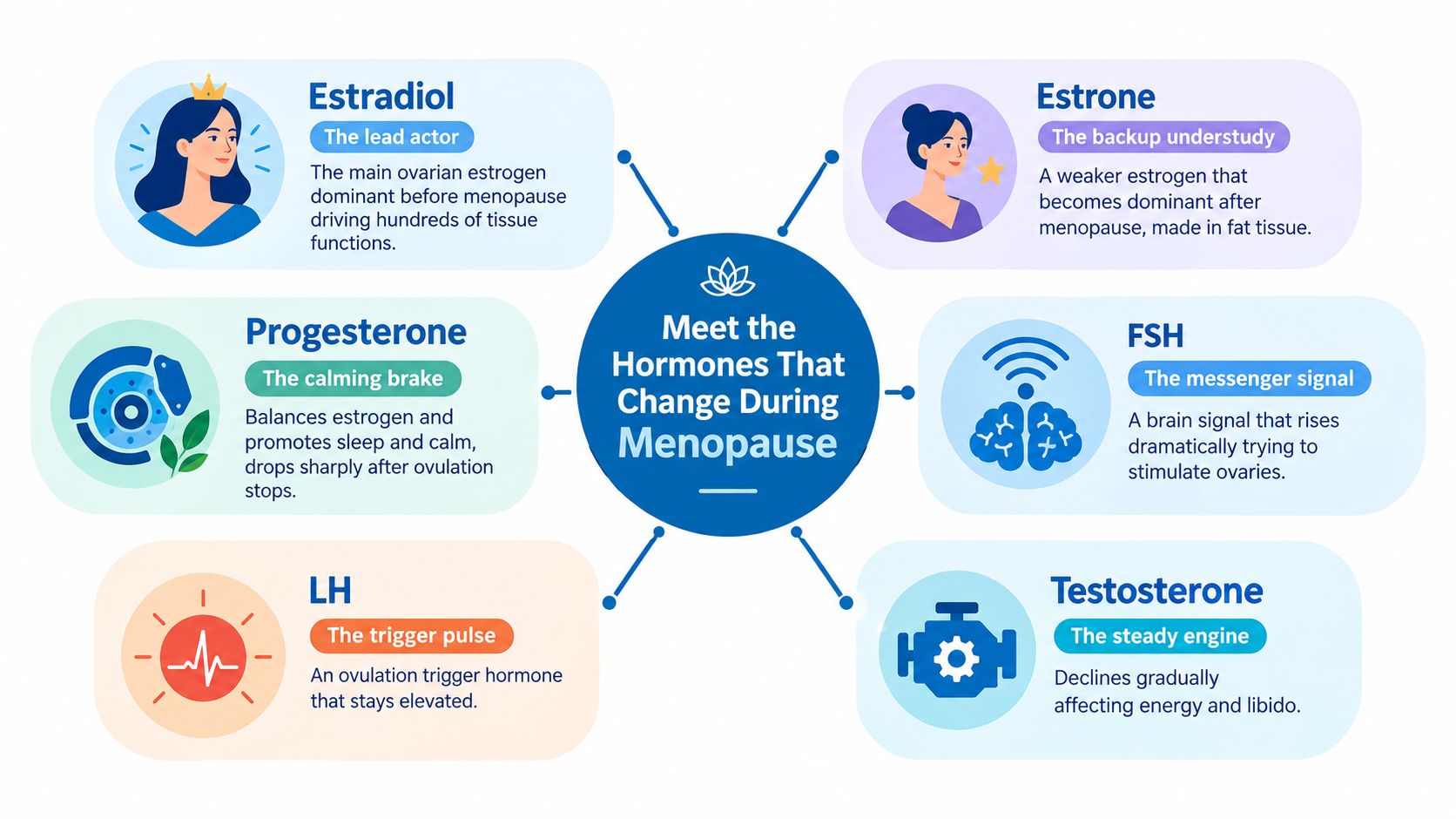
While our clinics focus exclusively on testosterone replacement for men, we know that women also face significant hormonal shifts. For women, these changes often become much more pronounced around menopause, a natural transition that typically happens between ages 45 and 55. The World Health Organization highlights that informed women can significantly lessen their symptoms with targeted lifestyle adjustments. For instance, fiber-rich diets are fantastic for stabilizing blood sugar and hormone ratios. Even a simple 30-minute daily walk can slash cortisol levels by 15%, creating much better metabolic harmony.
But when symptoms take over your life, it’s a clear sign that natural methods may not be enough on their own. Seeking professional guidance is an act of empowerment, not defeat.
Your Path to Clarity and a Personalized Plan
The good news is you don’t have to figure this out alone. Getting clear answers is often much simpler than you think. At Pause Medical, our goal is to make the process straightforward and compassionate, focusing on understanding your unique situation to create a plan that truly works for you.
It all starts with a simple conversation. We listen to what you’ve been going through, review your symptoms, and can run targeted lab work to get a precise picture of what’s happening inside your body. This data-driven approach takes the guesswork out of the equation. It allows us to recommend solutions that directly address the root cause, whether that’s a medically supervised weight loss program or testosterone replacement therapy.
You've already put in the work. Let us help you find the missing piece of the puzzle. With convenient clinic locations across Mississippi in Flowood, Meridian, and Starkville, expert help is closer than you think.
Don't let frustration become your new normal. Book your consultation today and let our team help you find the clarity and personalized plan you deserve.
Common Questions About Balancing Hormones
As you've seen, getting your hormones back on track naturally comes down to a few key lifestyle pillars. But it's totally normal to have questions as you start putting all this into practice.
Let's walk through some of the most common questions we hear from our patients across Mississippi. The goal here is to clear up any confusion and give you the confidence to take the next step.
How Long Does It Take to Balance Hormones Naturally?
This is always one of the first things people ask, and the honest answer is: it really depends. You'll likely start noticing small wins—maybe a little more energy or a better mood—within a few weeks. But to achieve a deep, stable balance, you’re usually looking at three to six months of consistent effort.
Remember, you're essentially reteaching your body new, healthier habits, and that takes time. It’s all about consistency, not perfection. If your symptoms are severe or just aren't budging despite your best efforts, that's a clear sign it's time to get a professional look. Our team at Pause Medical can run simple tests to see if something like low testosterone is the real issue holding you back.
Can I Fix My Hormones with Diet Alone?
Nutrition is a huge piece of the puzzle, no doubt about it. But it’s most powerful when it’s part of a complete strategy that also includes smart exercise, quality sleep, and stress management.
Think of it like a four-legged stool—if you take one leg away, the whole thing gets wobbly.
For many folks in Mississippi who are also trying to manage their weight, diet is absolutely the right place to start. That’s why our medically supervised weight loss programs at Pause Medical are so effective; they provide the structure and support you need to get real results. A strong nutritional base makes everything else you do that much more effective.
The real magic happens when all four pillars work together. You can't out-exercise a poor diet, and you can't sleep your way out of constant stress. Each one builds on the others.
What Is the Best First Step I Can Take Today?
The secret to long-term success is to start small. Don't overwhelm yourself by trying to change everything overnight. Just focus on one or two things this week. A great starting point is to add more whole foods to your plate and try to get to bed at the same time each night.
Once that feels like a solid habit, maybe add a 30-minute walk to your daily routine. If you've already been doing all of this and still feel like you're spinning your wheels, then the best first step is to get some baseline testing done. Stop guessing. Schedule a consultation at pausemedical.org to talk through your symptoms with our team and find out if a personalized weight loss plan or testosterone therapy makes sense for you.
Does Pause Medical Take My Insurance?
We operate on a direct-pay basis and don't accept insurance, which allows us to keep our care affordable and focused 100% on you. This model means we can offer transparent pricing and personalized treatment without the red tape and delays that often come with insurance companies.
It’s all about making sure you get the help you need, when you need it, at any of our Mississippi clinics. You can see a full list of our
Pause Medical clinic locations to find the one closest to you. Ultimately, this approach puts you in the driver's seat of your own health.
Ready to stop guessing and get a clear, personalized plan? The team at Pause Medical is here to help you go from feeling stuck to feeling your best. Book your appointment online at pausemedical.org and start your journey toward better health today.