Metabolic Weight Loss Program Guide for Mississippi Patients in 2026
A metabolic weight loss program takes a fundamentally different approach than the typical "eat less, move more" advice. It addresses the underlying biology—the hormones, metabolic signals, and cellular processes—that regulate hunger, energy, and where your body stores fat. For Mississippi patients struggling with weight gain related to menopause, andropause, or chronic conditions like thyroid disorders, this evidence-based method offers a hopeful, sustainable path forward.
At Pause Medical, we understand the frustration that comes with trying everything without seeing lasting results. Our board-certified medical team specializes in creating personalized, integrative plans that address the root causes of weight gain, not just the symptoms.
Understanding the Key Concepts of a Metabolic Weight Loss Program
If you've ever felt like you're doing everything right but the scale won't budge, there's a medical reason. Your body isn't a simple calculator of calories in versus calories out. It's a complex system, and when an underlying issue like insulin resistance, a sluggish thyroid, or a hormone imbalance exists, willpower alone is rarely enough.
A metabolic weight loss program works by identifying and correcting these root issues. Think of it like this: if your car engine is misfiring, new tires won't fix the problem. You need diagnostics, proper tuning, and the right fuel. That's what this approach does for your body.
Here's what a comprehensive program at Pause Medical includes:
- Comprehensive Lab Testing: We go beyond basic check-ups. Our panels include fasting insulin, HbA1c, full thyroid function, lipid profiles, and hormone levels to see what's truly happening "under the hood."
- Personalized Nutrition Guidance: Based on your lab results and lifestyle, we create a food framework centered on protein and fiber to stabilize blood sugar and minimize cravings. This is not a restrictive diet; it's a sustainable way of eating.
- Targeted Medication Management: When clinically appropriate, we utilize medications like GLP-1 agonists (e.g., Semaglutide) to reset appetite signals and support metabolic health under strict medical supervision.
- Ongoing Monitoring and Support: With regular follow-ups and repeat labs, your plan evolves as your body responds. Our empathetic team is with you at every step, making adjustments to ensure your safety and success.
The real advantage is that you're working with your biology, not against it. When metabolic drivers are corrected, patients often experience significant improvements in health markers like HbA1c , blood pressure, and waist circumference—and they feel the difference in their daily energy and well-being long before the scale reflects the full change.
How Hormones Fit Into the Picture
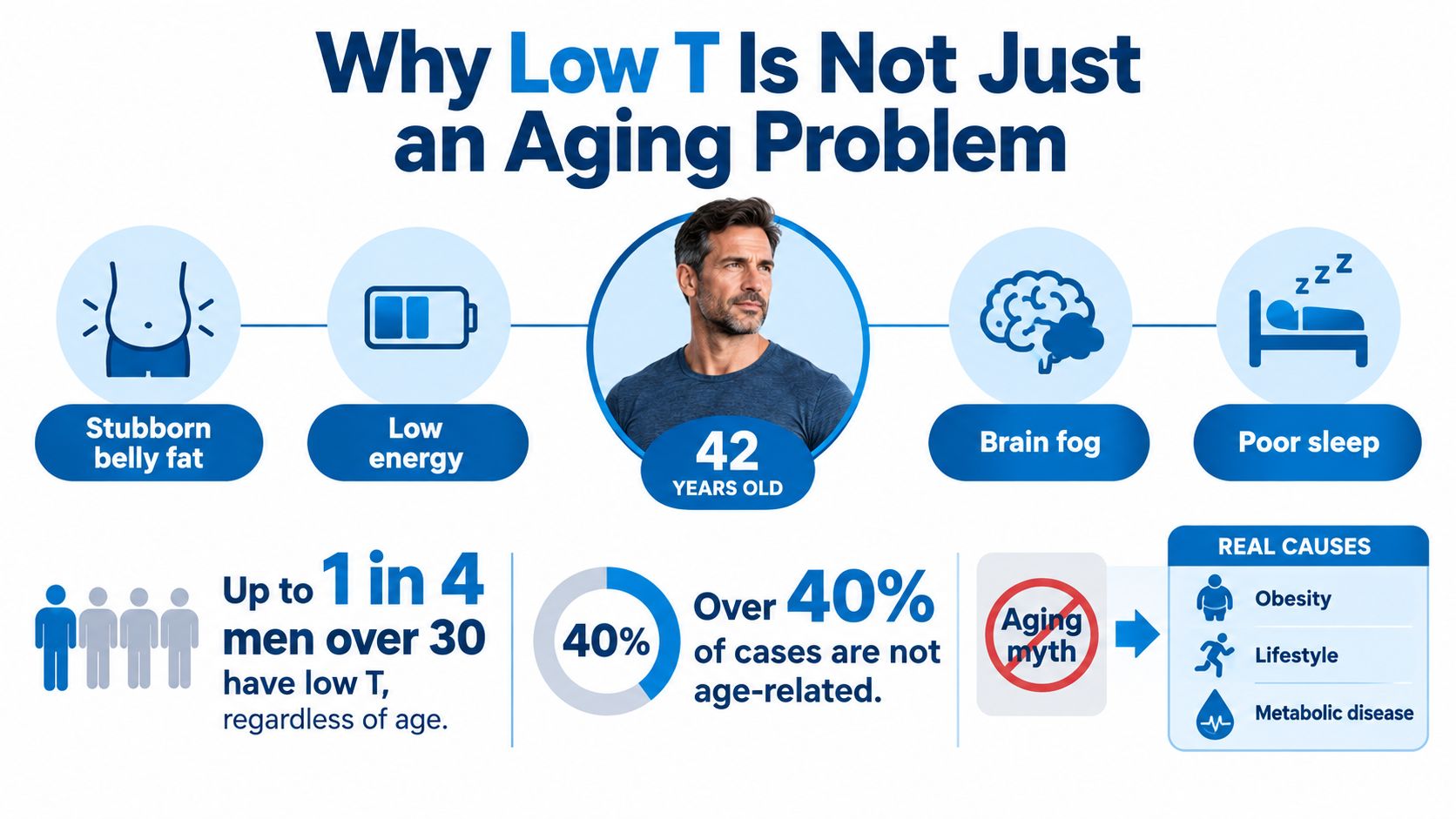
Hormonal shifts during menopause, andropause, or due to conditions like thyroid disorders can fundamentally alter how and where your body stores fat. Low testosterone, estrogen fluctuations, and thyroid dysfunction are common culprits behind stubborn weight that doesn't respond to conventional efforts.
Based on comprehensive lab work, our board-certified providers may integrate bioidentical hormone replacement therapy (BHRT) into your plan. This integrative medicine approach addresses the underlying hormonal imbalances contributing to weight gain, offering a more complete solution than just managing symptoms. Read more about hormone-related weight gain.
"A metabolic approach treats the system that creates weight gain, not the symptom alone. By addressing root causes like hormone imbalances and insulin resistance, we can achieve lasting results." - The Pause Medical Team
Who Typically Benefits from This Approach?
This program resonates most with adults in Mississippi who have been stuck in a cycle of dieting without lasting results. It is especially effective for:
- Individuals with prediabetes, metabolic syndrome, or type 2 diabetes.
- Women experiencing weight gain during perimenopause and menopause.
- Men dealing with weight gain and low energy associated with andropause (low testosterone).
- Anyone whose weight doesn't respond to standard diet and exercise advice.
During your initial consultation at Pause Medical, our clinicians will evaluate your BMI, waist circumference, medical history, and existing health conditions to create a personalized, evidence-based treatment plan that fits you.
Why Board-Certified Medical Oversight Matters
Programs that skip comprehensive lab work and medical oversight are essentially flying blind. Without baseline testing, it's impossible to identify the root cause. Without professional monitoring, you can't catch potential side effects early or adjust treatment as your body changes.
A responsible program, like the one at Pause Medical, includes baseline labs, structured medication titration protocols, and repeat testing at defined intervals. Our board-certified providers use this data to tailor your plan and keep your safety front and center.
For a deeper dive into the principles, this telehealth weight loss guide breaks down how medical weight loss differs from standard dieting.
The Four Pillars of a Metabolic Weight Loss Program
Every credible program rests on these four foundations. Here’s a quick overview of what each one means and why it's crucial for your success:
| Pillar | What It Means in Plain Language | Why It Matters for Your Health |
|---|---|---|
| Metabolic Testing | Comprehensive blood work to understand your unique metabolism, hormones, and nutrient processing. | Identifies the actual drivers behind your weight gain, such as insulin resistance or thyroid issues, so we can target them directly. |
| Personalized Nutrition | A food framework built around your labs, preferences, and lifestyle—not a generic, one-size-fits-all meal plan. | Stabilizes blood sugar, reduces cravings, and provides sustained energy, making it easier to stick with the plan. |
| Medication Management | The clinically appropriate use of therapies like GLP-1s or BHRT under the close supervision of a board-certified provider. | Can reset appetite signaling and correct hormonal imbalances in ways that diet alone often cannot achieve. |
| Ongoing Monitoring | Regular check-ins, repeat labs, and plan adjustments to ensure continued progress and safety. | Your body changes, so your plan should change with it. This keeps you on track and ensures your treatment remains safe and effective. |
Skipping any one of these pillars undermines the effectiveness of the entire program. Together, they create a synergistic system that works with your biology.
Explore Pause Medical's resource on How to Improve Metabolic Health for more practical strategies.
Practical Next Steps to Begin Care in Mississippi
Getting started with Pause Medical is more straightforward than most people think. Here’s what the process looks like:
- Schedule a Consultation: Book an appointment at one of our Mississippi clinics. You'll meet with a board-certified provider who specializes in metabolic health and hormone therapy.
- Come Prepared: Bring a list of your current medications, any recent lab results, and your top health goals. The more information you provide, the more productive your first visit will be.
- Receive a Personalized Plan: Your initial appointment will include a discussion of comprehensive testing, a nutrition framework, and an honest conversation about whether medication options like GLP-1s or BHRT are right for you.
If you're in Mississippi and seeking a medically supervised path forward, schedule a consultation with Pause Medical today . Our team is dedicated to providing personalized plans that address root causes for lasting results.
Inside the Clinical Components
Your initial visit to Pause Medical is less like a lecture and more like a strategy session with an expert who finally looks "under the hood" to see how your body is functioning.
Baseline lab work is your body's dashboard. Fasting insulin, HbA1c , thyroid panels, and lipid profiles reveal how you process fuel and where metabolic roadblocks exist. These results are crucial because they guide a plan tailored to you, often uncovering issues like insulin resistance or hormone shifts that explain years of frustration.

The chart above illustrates how our four pillars—testing, nutrition, medication, and monitoring—work together. Testing and ongoing check-ins multiply the effectiveness of nutrition and medication because every adjustment is grounded in your body's data, not guesswork.
Nutrition Approach That Supports Metabolism
Our personalized nutrition plans focus on building meals around protein and fiber to keep blood sugar stable. Imagine a plate with grilled chicken, a large colorful salad, and a serving of quinoa. This combination supports muscle mass while preventing the glucose spikes and crashes that drive cravings.
- Protein timing helps control hunger hormones like ghrelin.
- Fiber-rich foods slow glucose absorption and promote satiety.
- Simple swap: Choose an apple with almond butter instead of a sugary snack to keep energy levels even.
Practical Takeaway: The goal is to nourish your metabolism and preserve muscle, not just to cut calories.
Activity Guidance That Fits Real Life
We recommend sustainable movement, not punishing workouts. The focus is on strength training and regular walking—two activities that fit into a busy life.
- Strength training builds muscle, which boosts your resting metabolic rate even in a calorie deficit.
- Walking improves insulin sensitivity and is an accessible, low-impact exercise.
Numbered steps to start:
- Begin with two weekly strength sessions (bodyweight or light weights).
- Add daily 20–30 minute walks to support blood sugar control.
- Reassess your routine every 4–8 weeks with your provider based on your progress.
Medications as Tools Paired With Lifestyle
Medications like GLP-1 agonists can be powerful tools for resetting appetite, but they work best when combined with a solid nutrition plan and managed by a board-certified provider.
Our safety protocols include reviewing all your prescriptions, checking for contraindications, and monitoring lab work to catch side effects early. For a detailed look at how GLP-1 medications like Semaglutide fit into a metabolic care plan, read our guide: How Semaglutide Works at Pause Medical.
How Hormones Are Addressed
Hormone-related weight gain is often revealed in lab patterns and a patient's history. When indicated, bioidentical hormone replacement therapy (BHRT) can be added to address low testosterone or estrogen shifts that are dragging down your metabolism. We monitor your progress with repeat labs to ensure symptoms, energy, and metabolic markers are all moving in the right direction.
| Element | DIY Approach | Medically Supervised Metabolic Program |
|---|---|---|
| Testing | Occasional or none | Baseline and regular follow-up labs |
| Accountability | Self-guided, often leading to frustration | Regular medical check-ins and provider support |
| Medications | Risky over-the-counter or unsupervised use | Prescribed and monitored by a board-certified expert |
| Outcomes | Often short-term with weight regain | Aims for sustainable metabolic improvements and lasting health |
This comparison highlights the structural difference: a medically supervised program aligns tools with your physiology, enhancing safety and the likelihood of long-term success. For more on the testing process, Trim's guide for weight loss patients offers a detailed overview.
Who Makes a Good Candidate for This Kind of Care

Many Mississippians who could benefit from a metabolic weight loss program don't realize it's an option for them. You don't have to have a severe illness to qualify.
The person who has "tried everything" is a perfect candidate. If you've cycled through diets only to regain the weight, it's likely that insulin resistance or a slowing metabolism is working against you. A program that tests fasting insulin and HbA1c gets past the guesswork and provides a data-driven plan.
The perimenopausal or menopausal woman who notices weight shifting to her midsection despite a consistent lifestyle is another ideal candidate. Hormone panels often reveal changes that redistribute fat. Integrating BHRT can address this root cause, connecting hormonal health with metabolic results.
Men in their 40s and 50s experiencing new belly fat and fatigue often have declining testosterone. At Pause Medical, we measure waist circumference, free testosterone, and other key markers to determine if testosterone therapy, under board-certified oversight, is a safe and effective option.
Patients with prediabetes, metabolic syndrome, or type 2 diabetes are also excellent candidates. Medical research shows that a 5% weight reduction can significantly lower HbA1c and cardiovascular risk. Our program tracks these markers over time, so you see tangible physiological improvements. For those on existing medications, our providers carefully manage interactions and titration schedules.
We know that fear of judgment or a sense of failure can keep people from seeking help. Our clinic is a supportive, non-judgmental space. Appointments focus on gathering information and creating solutions, not assigning blame.
Getting expert medical oversight early not only improves results but also prevents future complications and ensures medication safety.
Key markers our clinicians evaluate:
- Waist circumference to assess visceral fat and cardiometabolic risk.
- Fasting glucose and HbA1c to detect insulin resistance or prediabetes.
- Comprehensive hormone panels, including thyroid, sex hormones, and cortisol.
If this sounds like your experience, an initial consultation is your next logical step. Pause Medical has clinics throughout Mississippi ready to help you review your labs and create a personalized plan.
Realistic Timelines And Outcomes You Can Expect
The first two weeks are about gathering data and establishing routines. Your provider will order baseline labs—fasting insulin, HbA1c , thyroid panels, and hormone levels—to get a clear starting point. Many patients report early wins during this phase, like steadier energy and fewer cravings, which are motivating even before the scale moves.
Early Progress Through Month Three
From weeks 2 to 12, the focus is on building sustainable habits and noticing initial body composition changes. A weight loss of 1–2 pounds per week is common when nutrition, activity, and any prescribed medications are working in synergy. By the three-month mark, many people also report better sleep, more consistent energy, and less joint pain.
- Habit targets to prioritize:
- Protein at each meal to preserve muscle.
- Daily walks and twice-weekly strength sessions to support metabolism.
- Consistent medication adherence and tracking symptoms.
Small wins like improved mood and energy often precede significant weight loss and help keep you motivated for the long term.
Months Three Through Twelve
This is when meaningful fat loss and metabolic improvements compound. A 5% body weight reduction is a key clinical benchmark linked to lower HbA1c and improved lipid profiles. With tools like GLP-1 medications combined with lifestyle changes, many patients achieve a 5–15% total weight loss during this period, depending on their starting point and individual response.
- Typical measurable outcomes by 6–12 months:
- Lower HbA1c and fasting glucose levels.
- Reduced waist circumference, indicating less harmful visceral fat.
- Improved cholesterol and blood pressure readings.
Plateaus are a normal part of the process. When they occur, your provider will reassess your labs, adjust medications if needed, and refine your plan to get you back on track.
Personalization Factors That Change Pace
Results vary based on starting weight, hormone status, age, and adherence. Unaddressed issues like low testosterone or a thyroid disorder can slow progress. That's why our integrative approach, which may include bioidentical hormone replacement therapy (BHRT) , is so effective—it unlocks further improvements by treating the whole system.
Safety Monitoring And Expectations
Expect regular follow-ups and repeat labs to track both your progress and your safety. Our board-certified oversight ensures that medication interactions are checked and that titration is handled carefully and methodically.
- What to expect in follow-up visits:
- Review of your progress, symptoms, and any side effects.
- Medication adjustments as needed.
- Repeat labs at set intervals to track metabolic changes.
Learn more about our program structure in our detailed guide: Read also: Medical Weight Management A Guide To Lasting Results.
A metabolic weight loss program at Pause Medical sets realistic timelines while prioritizing your safety and long-term health.
Safety Monitoring and the Role of Board-Certified Oversight
Every legitimate metabolic weight loss program prioritizes patient safety above all else. At Pause Medical, this begins before any treatment is prescribed.
Comprehensive baseline labs provide a clear clinical picture of your health. We test fasting insulin, HbA1c , thyroid function, liver and kidney markers, lipid panels, and hormone levels. This data guides individualized treatment decisions and helps prevent complications.
Laboratory Schedule and Follow-Up
Your provider will recheck key labs at specific intervals to monitor your body's response and catch any potential issues early.
- Initial intake labs establish your baseline and screen for contraindications.
- Repeat testing at 4–12 weeks monitors medication tolerance in the early stages.
- Ongoing panels every 3–6 months track your metabolic progress and hormone balance.
Board-certified providers rely on measurable data to guide treatment safely and effectively.
Medication titration follows structured protocols. GLP-1 agonists, for example, are started at low doses and increased gradually to minimize side effects. Each adjustment is carefully documented.
Drug Interaction Screening and Contraindications
Your Pause Medical provider will review every current prescription, over-the-counter medication, and supplement you take to rule out dangerous interactions. We also screen for conditions like pregnancy, personal or family medical histories (e.g., medullary thyroid cancer for GLP-1s), and organ dysfunction that would make certain medications unsafe.
This depth of review is what sets a medical clinic apart from unsupervised online programs, which often rely on a brief questionnaire.
Legal and Ethical Safeguards
We obtain informed consent before any prescription, discussing risks, benefits, alternatives, and realistic timelines, such as the 5% weight loss benchmark that yields significant health benefits.
Ongoing follow-up is a core part of your treatment plan, ensuring both safety and efficacy. You will always have clear instructions on who to contact if you experience any adverse events.
Looking Beyond the Symptom to the Root Cause
Our board-certified providers combine metabolic testing with a holistic evaluation of your health, including thyroid function, sex hormones, sleep quality, and stress levels. This integrative approach allows us to address the true drivers of your metabolic challenges. When a hormone imbalance is identified, bioidentical hormone replacement therapy (BHRT) may be introduced under close medical supervision.
What Sets Regulated Care Apart
Unregulated online programs often skip baseline labs and proper screening, increasing the risk of adverse events and missed diagnoses. Pause Medical provides in-person evaluations in Mississippi with board-certified providers specifically to mitigate these risks and support better, safer long-term outcomes.
To learn more about our safety protocols and how a personalized plan would work for you, schedule a consultation with Pause Medical .
Medical Disclaimer: This content is for educational purposes only and should not be considered a substitute for professional medical advice. All treatment decisions are personalized to the individual patient's needs and health status.
Getting Started With Pause Medical in Mississippi

Starting your journey with Pause Medical is simple and transparent. You can use our online booking tool to schedule a visit at a convenient Mississippi location. We operate on a direct-pay model, so no insurance is required, eliminating delays and paperwork.
Your in-person consultation is an empathetic conversation with a board-certified provider. We will discuss your health goals, review your medical history, and order comprehensive labs to get a clear picture of your metabolic and hormonal health.
What to bring to make your first visit count:
- A list of all current medications and supplements.
- Any recent lab results you may have.
- A brief note of your top health priorities and questions.
What Happens After Your First Visit
We will order labs to serve as a dashboard for your metabolism. Common panels include fasting glucose, HbA1c, a full thyroid panel, a lipid profile, and hormone levels. These results are the foundation of your personalized plan, determining your nutrition strategy and whether medications like GLP-1 therapies or BHRT are appropriate for you.
"Medical oversight reduces risk and makes medication choices safer." - A core principle at Pause Medical.
Practical Flow for Early Care
- Online scheduling & intake forms to share your history before you arrive.
- In-person consultation to set goals and order labs.
- Review visit to go over your results and create your personalized metabolic weight loss program.
- Ongoing follow-ups for monitoring, support, and plan adjustments under board-certified oversight.
What to expect along the way:
- Honest, empathetic conversations about risks, benefits, and realistic timelines.
- Medication plans only when clinically indicated and closely monitored.
- Nutrition guidance centered on protein, fiber, and blood sugar stability.
- Sustainable movement goals focusing on strength and walking.
If you're looking for local, expert care, read more about Pause Medical's approach to Medical Weight Loss Near Me.
Takeaway and Call to Action
Reclaiming your energy and long-term health is possible with consistent, evidence-based medical support built around your unique biology. Schedule a consultation today to review your health, discuss your goals, and build a safe, personalized plan with the expert team at Pause Medical.
Medical Disclaimer: This information is for educational purposes and is not a substitute for individualized medical advice from a qualified healthcare provider.
Frequently Asked Questions About Metabolic Weight Loss Programs
How is a metabolic weight loss program different from a regular diet?
A standard diet provides a generic plan. A metabolic weight loss program at Pause Medical starts by asking why your body is storing weight. We use comprehensive lab testing (fasting insulin, HbA1c , hormones) to find the root cause—be it insulin resistance, a thyroid disorder, or a hormone imbalance. We then build a personalized, evidence-based plan around your specific biology. This is why our approach succeeds where others have failed.
Will I need to stay on medication like GLP-1s forever?
Not necessarily. For some patients, medications are used for a specific period to reset metabolic patterns and establish new habits. For others with chronic conditions, long-term use may be necessary to maintain results. This decision is made collaboratively with your board-certified provider, based on regular check-ins, lab results, and your overall health, always prioritizing your safety and well-being.
How does insurance and payment work at Pause Medical?
Pause Medical operates on a simple, transparent direct-pay model. No insurance is required, which means no delays from prior authorizations. We provide clear pricing for consultations, labs, and medications upfront. If you are prescribed a GLP-1 medication, our team will help you explore all available options to make it as affordable as possible.
How do hormones affect weight, and can HRT be part of the plan?
Hormones are powerful regulators of metabolism. During menopause or andropause, shifts in estrogen, testosterone, or thyroid hormones can cause your body to store fat differently and burn fewer calories. If your lab work indicates a hormonal imbalance is contributing to your weight gain, our providers may integrate bioidentical hormone replacement therapy (BHRT) into your plan. This integrative approach addresses a key root cause, often leading to improved energy, sleep, and body composition.
Common patient concerns — quick answers
- Safety: Your safety is our top priority. Our board-certified providers conduct thorough medication interaction checks, perform baseline labs, and provide continuous monitoring throughout your program.
- Side effects: GI discomfort is a common initial side effect of GLP-1s, but our slow, careful titration protocols are designed to minimize this. Your provider adjusts your dose based on your tolerance.
- Eligibility: Good candidates include individuals with a BMI ≥30 , or a BMI ≥27 with a weight-related health condition (like prediabetes or high blood pressure), as well as those with hormone-related weight gain.
- What to expect: A 5% body weight reduction can lead to clinically significant improvements in your metabolic health markers, often within the first few months.
"With board-certified oversight, treatments like GLP-1s and BHRT can be used together safely and effectively to address the multiple factors contributing to weight gain."
Your next steps, made simple
- Gather your current medication list and any recent lab work.
- Prepare for an in-person consultation at a Mississippi Pause Medical clinic to discuss your goals.
- Book a consultation to get a personalized assessment, a clear timeline, and transparent cost information.
If you're ready to stop the cycle of frustrating diets and start a plan that works with your body, book a consultation with Pause Medical today at https://pausemedical.org.
Medical Disclaimer: This content is for educational purposes and is not a substitute for personalized medical advice from a qualified healthcare provider.