Hormone Imbalance Causing Weight Gain: Signs & Solutions
You're eating carefully. You're walking most days. You may even be skipping dessert, tracking meals, and wondering why your clothes still feel tighter around the waist.
That experience is common, and it's emotionally exhausting. Many people start blaming themselves long before anyone explains that hormones can change how the body stores fat, uses energy, and signals hunger .
When patients tell me, “I'm doing everything right and still gaining weight,” I take that seriously. Sometimes the problem isn't effort. Sometimes it's a hormone imbalance causing weight gain , and the body needs more than generic advice to get back into balance.
Why Diet and Exercise Are Not Always Enough
A familiar story goes like this. A woman in Mississippi starts making “good” choices. Breakfast becomes eggs instead of pastries. Lunch is a salad. She starts going to the gym after work, then gets discouraged because the scale barely moves, or it climbs anyway. She feels embarrassed bringing it up because she assumes the answer will be the same old lecture about discipline.
That's where many patients feel unseen.

Weight regulation is not just about willpower. The body runs on signals. Hormones help decide whether you feel hungry, whether calories are burned quickly or conserved, and where fat is stored. When those signals are off, the body can behave like it's trying to defend weight gain.
Data from the Centers for Disease Control and Prevention shows that obesity prevalence in the United States reached 42.4% between 2017 and 2018 ( reviewed here). That doesn't mean every case is caused by hormones alone, but it does show how widespread metabolic dysfunction has become.
When healthy habits stop producing results
Think of your metabolism like a home heating system. Food and movement matter, but the thermostat still controls how hard the system works. If the thermostat is set too low, the house stays cold no matter how often you adjust the curtains. Hormones work in a similar way.
Here's where readers often get confused:
- You can be eating reasonably well and still struggle if thyroid hormone is low.
- You can be exercising consistently and still store abdominal fat if cortisol stays high.
- You can be in a calorie deficit on paper and still feel unusually hungry, tired, or puffy because the body is getting the wrong internal message.
Practical rule: If weight gain comes with fatigue, sleep disruption, cravings, mood changes, hot flashes, low libido, or menstrual changes, it's worth looking beyond diet advice.
That's also why tools that assess metabolic function can be helpful. Even outside medical care, resources like this explanation of how metabolic testing helps personal trainers show why two people can respond very differently to the same nutrition plan.
The missing piece is often biology
A person with hormonal weight gain isn't “failing” at wellness. Their body may be protecting fat stores, slowing energy use, or pushing appetite higher. That's a medical issue, not a character flaw.
If you've felt stuck in that cycle, a more personalized look at metabolism can help. This overview of sustainable weight loss approaches is a good next step if you want to understand why short-term dieting often backfires.
This article is educational and not a diagnosis. If you're having unexplained weight gain, severe fatigue, rapid body changes, or other concerning symptoms, talk with a qualified healthcare professional.
Understanding the Key Hormones That Control Your Weight
Hormones are chemical messengers. They don't just affect one part of the body. They coordinate appetite, metabolism, muscle maintenance, blood sugar handling, sleep, and fat storage. When even one of those signals shifts, weight can change in ways that feel confusing.

Thyroid hormones are the body's furnace
Your thyroid acts like a furnace setting for metabolism. When thyroid hormone is adequate, the body burns energy at a steadier pace. When it's low, the body shifts into conservation mode.
Hypothyroidism directly reduces basal metabolic rate, leading to lower energy expenditure and fat accumulation even without increased caloric intake ( supporting review). That's why people with low thyroid function often say, “I'm not eating more, but I'm still gaining.”
Common clues include:
- Low energy: You feel drained even after sleeping.
- Cold sensitivity: Everyone else seems comfortable while you're reaching for a sweater.
- Slower body systems: Digestion, focus, and physical stamina may all feel sluggish.
Insulin is the storage manager
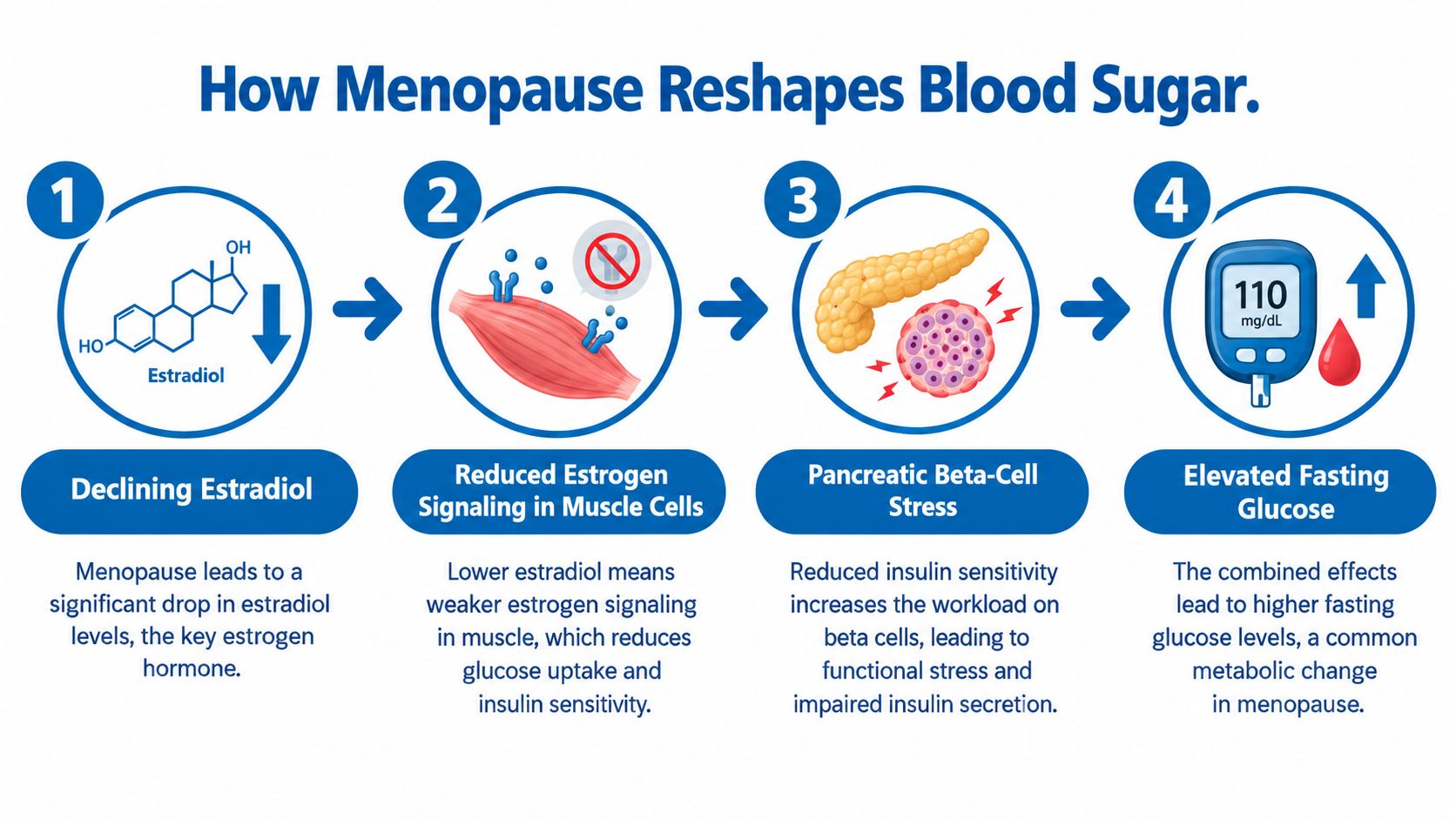
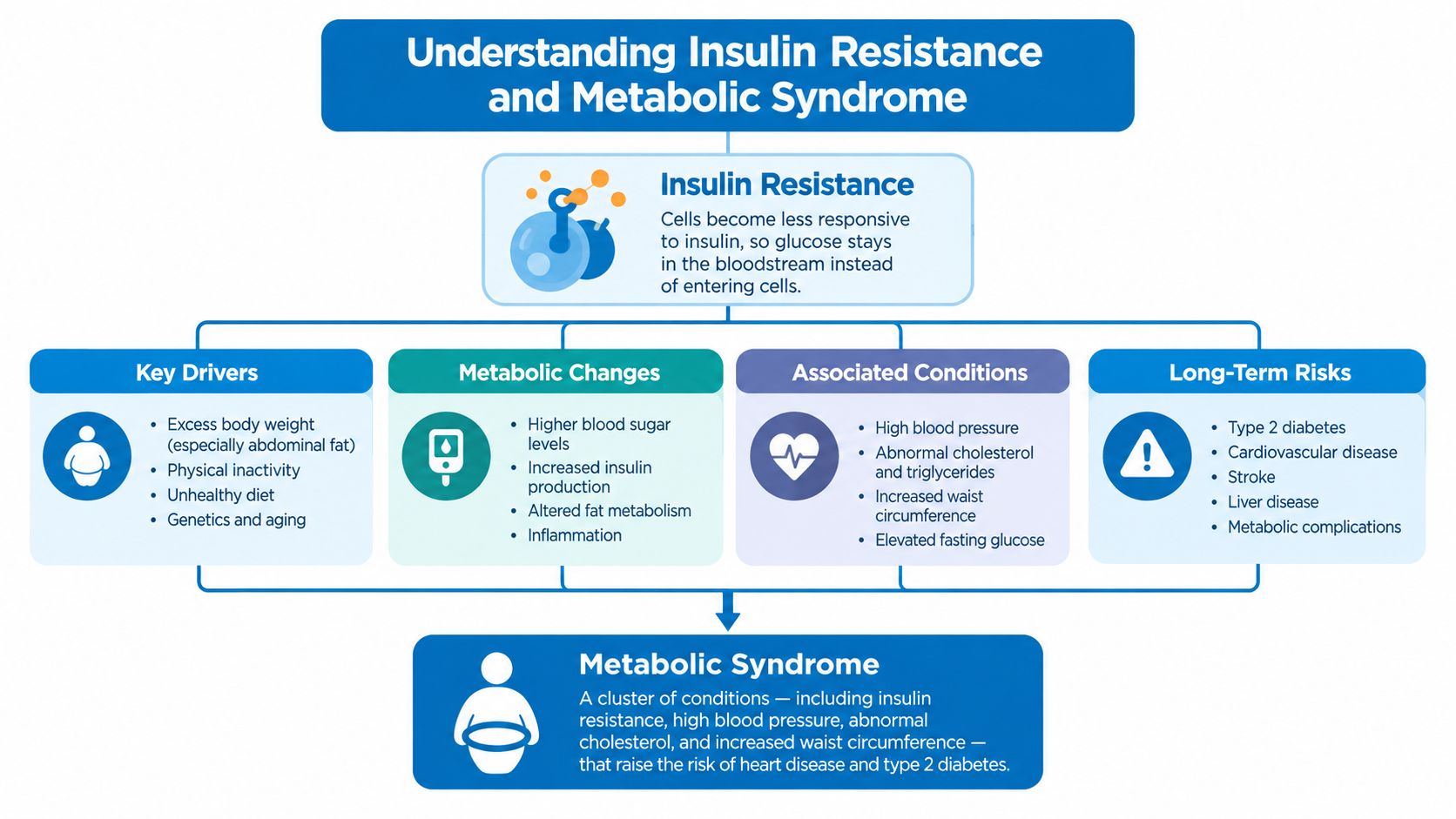
Insulin helps move glucose out of the bloodstream and into cells. In a healthy system, that's efficient and balanced. But when insulin stays high, the body tends to store more energy and release less stored fat.
People often notice this as:
- Strong carb cravings
- Energy crashes after meals
- Difficulty losing belly fat despite effort
Insulin isn't “bad.” It's essential. The problem is when the storage manager never gets to clock out.
Cortisol is the stress alarm
Cortisol helps you respond to stress. Short bursts are normal. Constant elevation is not.
Chronic cortisol excess can increase appetite, promote abdominal fat storage, and make fat breakdown harder. It's one reason stress-related weight gain tends to collect in the midsection rather than showing up evenly across the body. If your sleep is poor and your mind never fully powers down, cortisol may be part of the story.
When patients say, “All my weight goes straight to my stomach,” I think about stress biology, not just calories.
For people trying to reduce that stress load, this guide on ways to reduce cortisol levels is a helpful place to start.
Estrogen and progesterone help direct female body composition
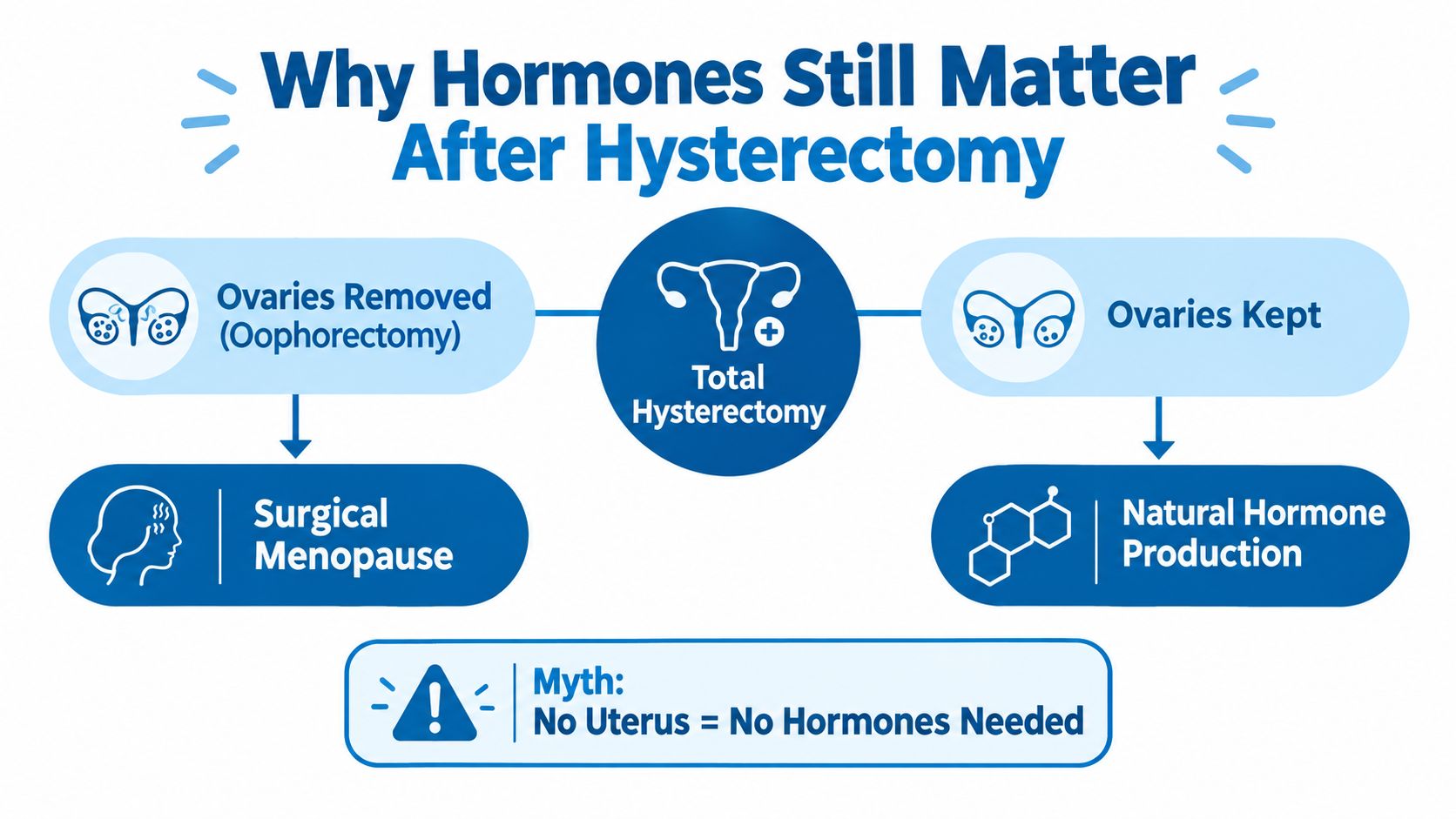
These hormones influence where fat is stored, how hungry you feel, and how stable your energy feels across life stages. When estrogen and progesterone fluctuate, especially in perimenopause and menopause, weight can shift even if routines stay the same.
Many women notice:
- More abdominal or hip weight
- Fluid retention
- Mood changes with cravings
- Sleep disruption that makes appetite harder to control
Testosterone supports muscle and metabolic health
Testosterone matters in men and women. It helps maintain lean mass, and muscle tissue plays a meaningful role in how the body uses energy. When testosterone is low, people may lose strength, recover more slowly, and feel like their body composition is changing despite similar habits.
Leptin and ghrelin are the appetite duo
Leptin helps signal fullness. Ghrelin helps signal hunger. You can think of them as the brake and gas pedal of appetite.
Sleep, stress, meal quality, and body composition all influence these signals. If you've ever had a bad night of sleep and felt ravenous the next day, that wasn't just weak willpower. That was biology.
For practical nutrition support, a simple place to start is meal quality and fullness. This guide to fiber-rich eating for gym-goers can help readers think about foods that support satiety instead of triggering the snack-crash-snack cycle.
Common Symptoms of Hormone-Related Weight Gain
Hormonal weight gain rarely shows up alone. The scale changes, but so do the daily signals your body gives you. That's why a good evaluation looks at patterns, not just pounds.

The pattern matters more than the number
A patient with thyroid-related gain often describes one kind of struggle. A patient with cortisol-related gain describes another. Someone in perimenopause may say, “My body feels unfamiliar,” which is a very real clinical clue.
A reported 90% of women experience significant weight gain between ages 35 and 60, a window that overlaps with perimenopause and menopause ( reference). That's one reason many women feel blindsided. Their routine didn't suddenly collapse. Their physiology changed.
Symptoms that often travel together
Here are common clusters that can point toward a hormone imbalance causing weight gain:
- Thyroid pattern: Fatigue, feeling cold, dry skin, slower thinking, constipation, and weight gain that feels out of proportion to food intake.
- Cortisol pattern: Belly weight, poor sleep, anxious or wired feelings, more cravings for comfort food, and difficulty unwinding at night.
- Insulin-related pattern: Cravings for sweets or starches, mid-afternoon crashes, hunger soon after eating, and stubborn fat loss resistance.
- Perimenopause or menopause pattern: Hot flashes, mood shifts, sleep disruption, irregular cycles, lower libido, and a new tendency to gain around the middle or hips.
- Low testosterone pattern: Reduced strength, lower motivation, decreased libido, more body fat, and slower exercise recovery.
Sometimes the body isn't sending one loud signal. It's sending five quieter ones that only make sense when you put them together.
Why people miss the connection
Many symptoms seem unrelated at first. A person may seek help for low energy, poor sleep, or brain fog and not realize those changes are tied to weight gain. Others assume age is the only reason and never learn that treatable hormone shifts may be involved.
That's why symptom tracking helps. A written record of hunger changes, sleep quality, energy dips, cycle changes, and body composition shifts can give a provider a much clearer picture.
If you're trying to sort out whether your symptoms fit a larger pattern, this page on symptoms of hormonal imbalance can help organize what you're noticing before an appointment.
Getting Answers With Advanced Hormonal Testing
Testing matters because guessing wastes time. Two people can both say, “I'm gaining weight and I'm exhausted,” yet have very different underlying problems. One may have thyroid dysfunction. Another may be dealing with menopause-related hormone shifts. A third may have insulin resistance, poor sleep, and chronic stress driving the picture.
What the evaluation usually includes
A careful medical workup starts with history, not a lab slip. Your provider should ask when the weight gain started, where it's showing up, what other symptoms came with it, what medications you take, how you sleep, how stressed you feel, and whether your cycles, libido, or energy have changed.
After that, lab testing can help clarify the biology. Depending on symptoms, a provider may look at areas such as:
- Thyroid markers: To assess whether thyroid hormone production and conversion may be affecting metabolic rate
- Blood sugar and insulin-related markers: To understand whether storage signals are staying too active
- Cortisol-related evaluation: To see whether stress physiology may be contributing
- Sex hormones: To assess patterns tied to perimenopause, menopause, andropause, or other hormone shifts
Why broad testing is better than one-number thinking
Many patients have been told “your labs are normal” without ever seeing which labs were checked. A narrow screen can miss important contributors. Weight gain linked to hormones is often a pattern problem, not a single-number problem.
A thoughtful provider also interprets labs alongside symptoms. Numbers matter, but so does the lived experience of the person sitting in the room.
Good testing doesn't replace listening. It gives the listening more direction.
If you're wondering where to begin, this page on where to get hormones tested explains the first practical step.
Integrative Treatments for Hormonal Weight Gain
Treating hormonal weight gain works best when the plan addresses both sides of the problem. You have to look at the hormones themselves, and you have to look at the metabolic environment those hormones are working in.
That's the part many people never hear.

Why one-track treatment often falls short
The bidirectional feedback loop between weight gain and hormone imbalance is often overlooked. Adipose tissue can secrete inflammatory cytokines and alter estrogen metabolism, creating a self-perpetuating cycle where hormone therapy alone may not fully solve the problem without metabolic support ( discussion here).
In plain language, fat tissue isn't just passive storage. It behaves like an active organ. Once weight gain builds momentum, it can worsen the very hormone problems that helped start it.
That means:
- Hormones can contribute to weight gain
- Excess weight can then worsen hormone signaling
- Treating only one side may leave the cycle running
What an integrative plan may include
One part of treatment may involve hormone replacement therapy , including bioidentical hormones , when appropriate for menopause or other deficiency states. In other cases, thyroid medication may be necessary if testing shows hypothyroidism. For some patients, testosterone therapy becomes part of the discussion when symptoms and labs support it.
Medical weight loss can also play a role. Depending on the patient, that may include structured nutrition support, exercise planning, medication management, or GLP-1 weight loss treatment under medical supervision.
A practical treatment framework often includes:
- Targeted hormone care: Replace or optimize hormones when a clear deficiency or imbalance is present.
- Metabolic support: Use nutrition, movement, and medication management to improve the body's response to fuel.
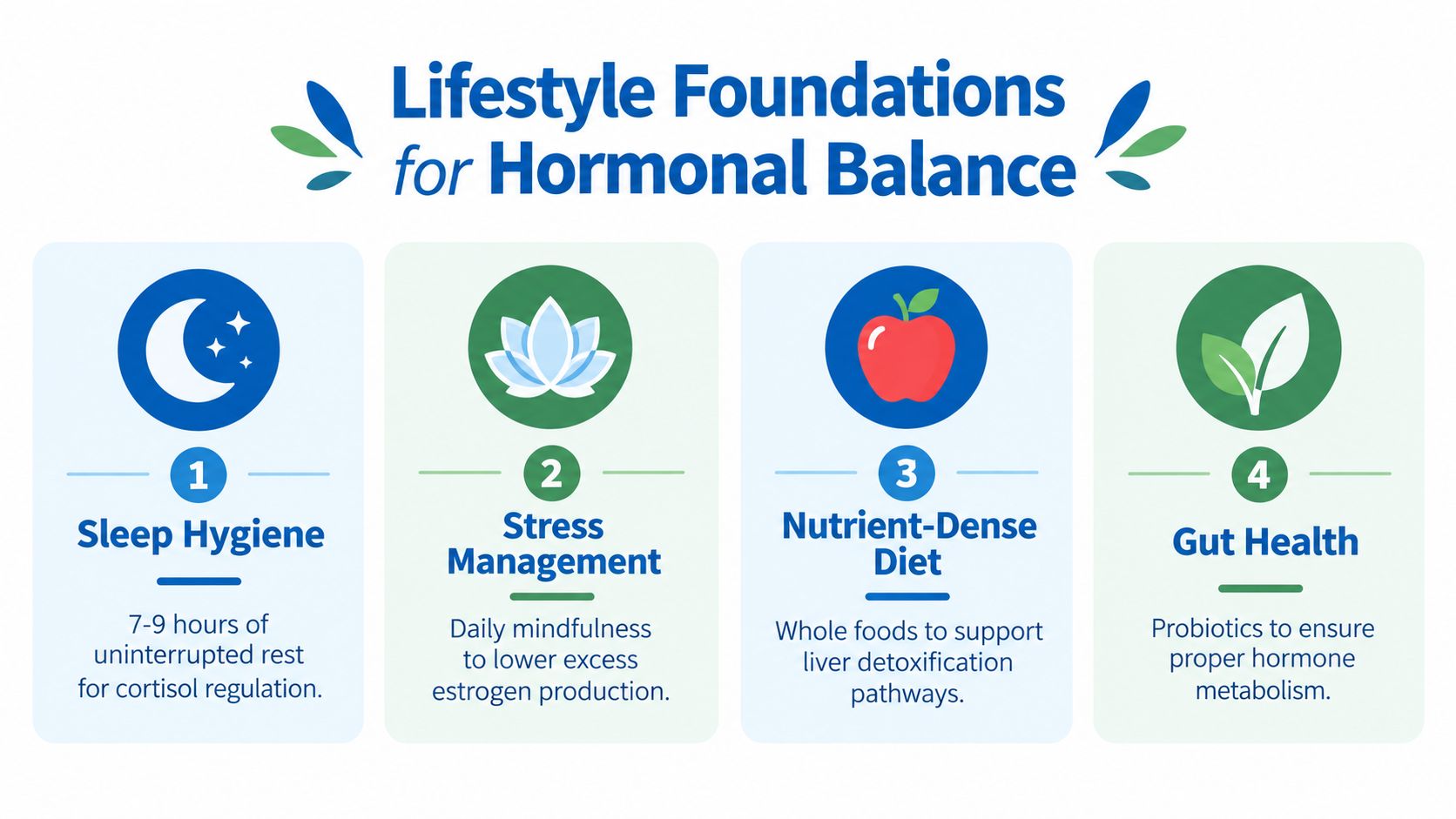
- Sleep repair: Poor sleep can keep hunger and stress signals high.
- Stress reduction: Lowering the stress load can reduce one driver of abdominal weight gain.
- Monitoring over time: Treatment usually works best when it's adjusted based on symptoms and follow-up data.
A useful patient education resource on testosterone and hormone balance may help readers understand how sex hormones fit into the bigger metabolic picture.
A medical discussion can also be easier to follow when you hear it explained out loud:
Where medical oversight fits in
A clinic such as Pause Medical's hormone optimization therapy can fit into care for Mississippi patients who need evaluation, medication management, and a personalized plan that considers both HRT and metabolic health.
That doesn't mean every patient needs every treatment. Some need thyroid care. Some need menopause support. Some need medically supervised weight loss first. The right plan depends on the actual cause.
The most effective plan usually isn't the most aggressive one. It's the one that matches the biology in front of you.
Your Questions Answered by Our Mississippi Medical Team
Do I need a referral to get evaluated?
In many cases, patients can schedule directly. If you've been struggling with unexplained weight gain, fatigue, low libido, hot flashes, sleep disruption, or other symptoms that suggest hormone imbalance, the first step is usually a consultation rather than a referral chase.
What makes medical weight loss different from another diet?
A standard diet plan usually assumes your body is responding normally. Medical weight loss asks whether your body is dealing with hormone shifts, metabolic slowdown, appetite dysregulation, medication effects, or chronic disease at the same time.
That difference matters. If hunger signals are disrupted, the answer isn't always more restriction.
Can HRT help with weight gain?
Sometimes, but not as a stand-alone fix. If hormone deficiency is contributing to symptoms and body composition changes, HRT can be part of a treatment plan. But if the body is also dealing with insulin issues, poor sleep, chronic stress, or low activity, those factors still need attention.
Why does sleep matter so much?
Sleep affects appetite regulation. Poor sleep quality has been linked to up to 30% higher risk of hormonal weight gain, and sleep deprivation can alter appetite cues and make abdominal fat storage more likely ( clinical summary).
That's one reason patients often feel hungrier and less in control after several rough nights. The problem isn't just fatigue. The hunger system itself can shift.
What kinds of problems are usually addressed?
Care may include concerns related to menopause, andropause, thyroid disorders, diabetes, metabolic syndrome, fatigue, low libido, sleep issues, hot flashes, and medication management. Some patients are exploring hormone replacement therapy or bioidentical hormones . Others want help with medical weight loss or GLP-1 weight loss options under board-certified oversight.
Is care available only in Mississippi?
This article is focused on Mississippi patients. If you live near Oxford, Meridian, Tupelo, Flowood-Jackson, or Starkville, you can look for in-person options that provide direct-pay, medically supervised evaluation and follow-up.
What should I do before my first visit?
Bring a symptom timeline if you can. Include changes in weight, sleep, mood, cycle regularity, libido, exercise tolerance, and cravings. Also bring a medication list and any recent lab work. That information helps the provider see patterns faster.
If your body has been feeling unfamiliar, you're not overreacting. You may be noticing a real physiologic shift that deserves a real evaluation.
If you're in Mississippi and want help sorting out whether hormones, metabolism, or both are driving your symptoms, schedule a consultation with Pause Medical. Their care model includes hormone replacement therapy, medical weight loss, disease management, and medication oversight with personalized plans for concerns like menopause, andropause, thyroid dysfunction, fatigue, low libido, sleep issues, and stubborn weight gain. This article is for education only and doesn't replace medical advice, diagnosis, or treatment.