Perimenopause vs. Menopause: Symptoms & HRT Guide
You're still getting periods, but they've changed. One month they're heavy, the next they vanish. You're waking at 3 a.m., snapping at people you love, and wondering why your usual eating and exercise habits suddenly aren't working. Many women in their 40s think, “Am I in menopause already?” Often, the answer is more complicated.
That confusion makes sense. Perimenopause and menopause aren't the same thing. They're connected, but they affect the body differently, especially regarding mood, sleep, weight, and long-term health. If you don't know which phase you're in, it's easy to feel like your body is acting unpredictably.
Understanding the difference is often the first step toward relief. If you've been dealing with shifting cycles, hot flashes, brain fog, or hormone-related weight changes, learning more about hormone balance for women can help you put those symptoms into context and ask better questions at your medical visit.
Understanding the Hormonal Transition
A common story goes like this. A woman in her mid-40s starts feeling anxious for no clear reason. She has trouble sleeping, gains weight around her middle, and notices her period is no longer predictable. Because she's still having cycles, she assumes it can't be menopause. Because the symptoms feel so intense, she worries something else must be wrong.
In many cases, that woman is in perimenopause , the transition leading up to menopause. This stage can feel messy because hormone levels don't decline in a straight line. They rise, fall, and shift unevenly. That's why one month may feel manageable and the next may feel completely different.
Menopause is different. It's not a long phase of unpredictability. It's the point at which a person has gone 12 consecutive months without a menstrual period . After that point, the body moves into a more stable low-estrogen state.
Many women aren't “overreacting” to symptoms in their 40s. They're responding to a real hormonal transition that often starts before periods stop completely.
That distinction matters because treatment shouldn't be one-size-fits-all. The woman with irregular cycles, mood swings, and changing symptoms often needs a different strategy than the woman whose cycles have ended and whose symptoms are now more steady. When people understand that perimenopause vs menopause is a stage-by-stage transition, their symptoms start making more sense.
Defining Perimenopause and Menopause
Think of ovarian hormone activity like a light controlled by a dimmer switch. In perimenopause , the dimmer flickers. Some days the room seems bright, other days it drops suddenly, and the pattern is hard to predict. In menopause , the switch has effectively been turned off. Hormone production doesn't disappear completely, but estrogen remains consistently low.
A key timeline helps clear up the confusion. The median age of natural menopause is 51 years, with most women experiencing it between 45 and 55. Perimenopause typically begins earlier, between ages 45 and 47, and lasts an average of 4 to 7 years, though it can extend up to 14 years in some cases , according to menopause statistics summarized here.

What perimenopause means
Perimenopause is the transition before menopause. During this time, the ovaries still function, but not as predictably as before. Ovulation may still happen, but not on a regular schedule. That's why symptoms often come and go.
You might notice:
- Cycle changes that are earlier, later, heavier, or lighter than usual
- PMS-like symptoms that feel stronger than they used to
- Hot flashes or sleep disruption that show up inconsistently
- Mood shifts that seem to come out of nowhere
Many women seeking help for menopause and weight gain solutions are describing symptoms that began in perimenopause, when hormonal changes first start affecting appetite, body composition, and energy.
A short visual can make the timeline easier to follow:
What menopause means
Menopause is a single clinical milestone. It's reached after 12 straight months without a period . That's why someone can feel “menopausal” for years before being in menopause. The symptoms may be real and disruptive, but the diagnosis depends on the menstrual timeline.
Simple rule: If you're still having periods, even irregular ones, you haven't reached menopause yet.
Treatment decisions often depend on whether hormones are fluctuating or consistently low.
A Detailed Comparison of Hormones and Symptoms
Perimenopause vs menopause becomes much easier to understand when you compare them side by side. The biggest difference is hormonal pattern. In perimenopause, estrogen fluctuates. In menopause, estrogen stays low. That single shift changes how symptoms appear, how long they last, and how treatment is approached.
Perimenopause vs Menopause At a Glance
| Characteristic | Perimenopause | Menopause |
|---|---|---|
| Hormone pattern | Estrogen declines but fluctuates unpredictably | Estrogen remains consistently low |
| Menstrual cycle | Irregular, missed, heavier, or lighter periods | No menstrual period for 12 consecutive months |
| Symptom pattern | Symptoms can vary month to month | Symptoms are often more steady |
| Common clues | Mood swings, changing PMS, breast tenderness, irregular bleeding | Persistent vaginal dryness, ongoing hot flashes, bone health concerns |
| Clinical identity | Transition stage | Defined point in time |
Hormones behave differently in each phase
In perimenopause, hormone output can swing sharply from one cycle to the next. That's why a woman may feel fine for several weeks and then suddenly deal with anxiety, breast tenderness, hot flashes, or sleep disruption. The body is still producing hormones, but the pattern is uneven.
In menopause, the hormone picture is less chaotic but more depleted. The ovaries are no longer cycling in the same way, so symptoms linked to low estrogen can become more consistent.
According to a peer-reviewed review on symptom patterns during the menopausal transition, in perimenopause, the key symptom is frequent mood change, driven by fluctuating estrogen. This hormonal instability causes symptoms like hot flashes and anxiety to vary month-to-month, whereas in menopause, symptoms like vaginal dryness are more consistent due to stable, low estrogen levels.
If your symptoms seem unpredictable, especially while you still have periods, that pattern often points more toward perimenopause than menopause.
Menstrual clues often give the best answer
For many patients, the menstrual cycle tells the story more clearly than a lab result. In perimenopause, periods may come closer together, farther apart, or change in flow. Some months are skipped. Then bleeding may return.
In menopause, the defining feature is absence. Not lighter periods. Not occasional spotting after a gap. The marker is 12 consecutive months with no period .
That's one reason symptom tracking matters. A calendar of bleeding patterns, sleep changes, hot flashes, and mood shifts often gives a clearer picture than guessing. It can also help a clinician connect symptoms to a broader pattern of hormonal imbalance symptoms.
Symptom style matters as much as symptom type
Both phases can involve hot flashes, night sweats, brain fog, and low libido. The difference is often in the rhythm.
- Perimenopause tends to feel erratic. Symptoms come in waves.
- Menopause tends to feel steadier. Symptoms are less tied to a cycle because the cycle has ended.
That's why two women can both say, “I have hot flashes,” but need very different care plans.
Impacts on Metabolic and Emotional Health
Many women notice the metabolic changes before they recognize the hormonal transition. Their usual meals haven't changed much. Their activity may be the same. Yet fat distribution shifts, cravings intensify, and weight becomes harder to move. During perimenopause vs menopause, those changes don't happen for exactly the same reason.

Why perimenopause can feel metabolically chaotic
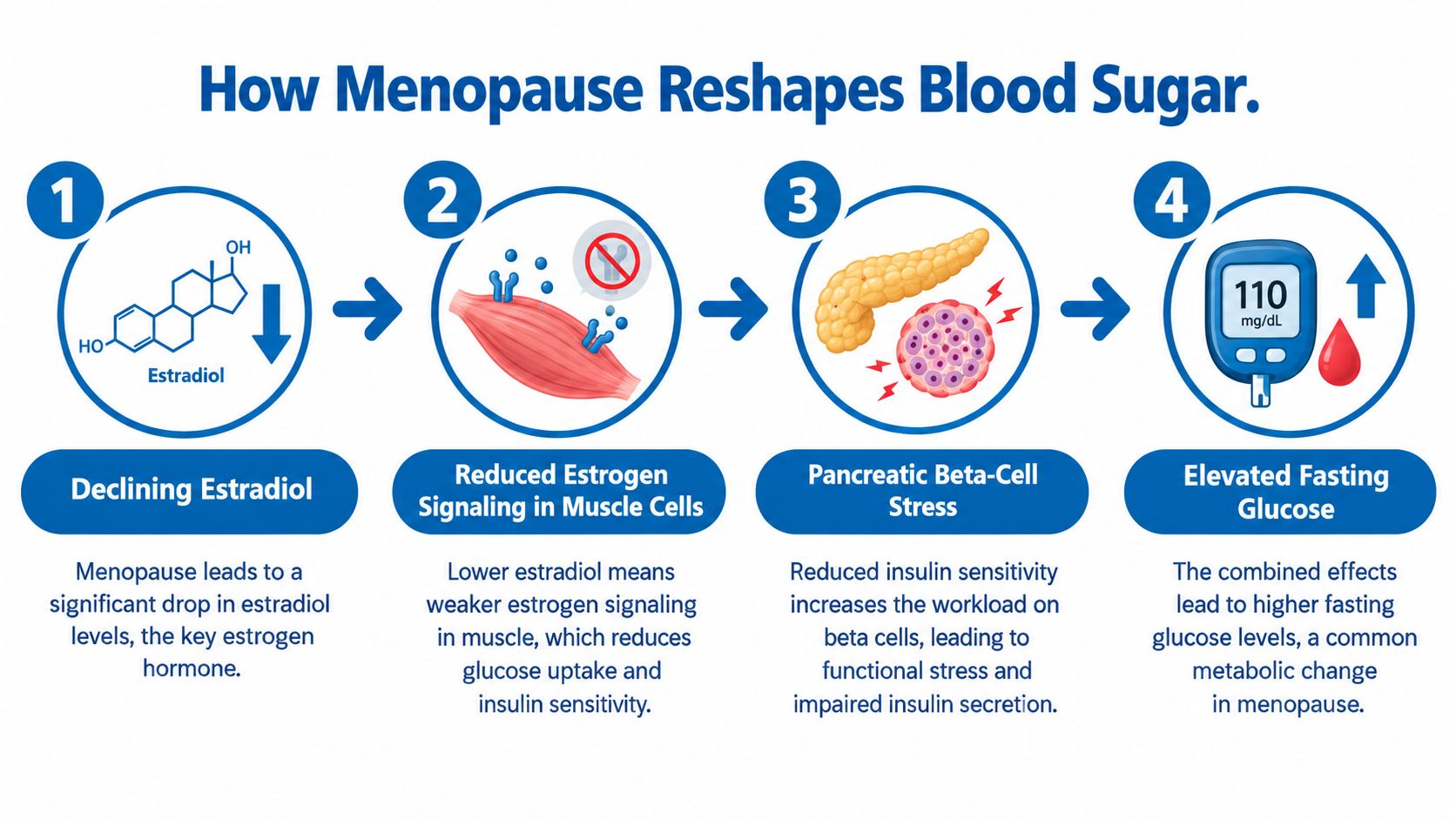
Perimenopause is often the phase where women say, “Nothing works like it used to.” That experience has a physiologic basis. A UC Davis health review discussing the menopause transition reports that recent studies show perimenopausal estrogen decline reduces insulin sensitivity by 18–22% and accelerates visceral fat accumulation. This metabolic slowdown explains why 45% of perimenopausal women struggle with weight despite consistent diet and exercise.
Because estrogen is fluctuating rather than low, the body can feel inconsistent. Hunger, energy, sleep quality, and emotional resilience may all shift from month to month. That can make it hard to tell whether the issue is stress, aging, poor sleep, or hormones. Often, it's a combination.
Emotional symptoms are real physiology
The emotional side of this transition deserves just as much attention as the physical side. During perimenopause, hormonal swings can amplify irritability, tearfulness, anxiety, and a sense of feeling unlike yourself. For readers who want a mental health perspective on sudden emotional sensitivity, Refresh Psychiatry's expert guide offers useful context on why crying more easily can happen during periods of internal change.
In menopause, emotions may feel less erratic than in perimenopause, but low estrogen can still affect sleep, cognition, and overall well-being. When sleep stays disrupted, appetite regulation and stress tolerance often suffer too.
Clinical takeaway: Weight gain and mood changes during the menopausal transition aren't just about willpower. Hormonal shifts can change insulin response, sleep quality, and fat storage.
Why treatment has to match the phase
A woman in perimenopause may need a plan centered on cycle-related symptom variation, mood instability, and metabolic support. A woman in menopause may need a steadier strategy focused on persistent hot flashes, genitourinary symptoms, or long-term cardiometabolic risk.
That's why broad advice like “eat less and exercise more” often falls flat. A better starting point is understanding what phase you're in, then building support around sleep, protein intake, resistance training, and metabolic health improvement in a way that fits your hormone pattern.
Getting Diagnosed and When to See a Provider
Self-diagnosis is tempting because the symptoms are so widely discussed online. The problem is that symptoms overlap with thyroid conditions, sleep disorders, medication side effects, mood disorders, and other medical issues. Heavy bleeding, severe fatigue, vaginal symptoms, and rapid body changes deserve a proper evaluation rather than an internet guess.

How clinicians usually make the diagnosis
Perimenopause is often identified through a combination of age, symptoms, and menstrual history. Menopause is diagnosed clinically after 12 consecutive months without a period . Blood testing can sometimes help in selected situations, but fluctuating hormones in perimenopause can limit how much a single lab value tells you.
A symptom timeline is often more useful than patients expect. Bring notes on:
- Bleeding patterns such as skipped periods, spotting, or heavier flow
- Vasomotor symptoms like hot flashes and night sweats
- Mood and sleep changes including anxiety, insomnia, or early waking
- Body changes such as abdominal weight gain or loss of muscle tone
If you're wondering whether testing might be helpful in your situation, it helps to understand what hormone testing may involve and how clinicians interpret results alongside symptoms.
When it's time to stop waiting
Some people try to push through symptoms for years. That delay can matter. According to global menopause impact data, over a billion women are in perimenopause or menopause globally, and about 6,000 women in the U.S. reach menopause daily. The same source notes that estrogen loss increases the risk of osteoporosis and makes cardiovascular disease the leading cause of death in postmenopausal women.
That doesn't mean every symptom signals danger. It does mean this transition deserves medical oversight, especially when quality of life is suffering.
See a clinician if symptoms interfere with sleep, work, relationships, exercise, or sexual health, or if you have bleeding changes that feel unusual for you.
Personalized Treatment at Pause Medical
Treatment works best when it matches the stage, the symptoms, and the patient's broader health picture. A woman with unpredictable cycles and fluctuating anxiety doesn't need the exact same plan as a woman whose periods ended over a year ago and who now has persistent hot flashes, vaginal dryness, or mounting concern about bone health.

Hormone therapy isn't one-size-fits-all
Hormone replacement therapy can be a powerful tool, but it has to be individualized. In perimenopause, care may focus on smoothing out hormonal swings and improving symptom stability. In menopause, treatment may focus more on replacing low hormone levels in a steady way to improve quality of life and support long-term health.
Some patients also ask about bioidentical hormones . That conversation should be individualized and guided by a qualified clinician who reviews symptoms, risks, cycle status, and treatment goals. The key isn't choosing a trendy label. The key is choosing a safe, medically supervised plan.
Metabolic support may need medical treatment too
Hormonal transition often affects more than hot flashes. It can change insulin response, fat distribution, appetite regulation, and sleep quality. That's why some patients benefit from a broader strategy that includes medical weight loss , nutrition guidance, exercise planning, and, when appropriate, GLP-1 weight loss medications under medical supervision.
This is especially relevant for women who feel dismissed after being told to “try harder.” If hormone-related weight gain is happening alongside fatigue, poor sleep, or prediabetes risk, treatment may need to address several drivers at once.
Integrative care works better than symptom chasing
The most effective plans usually combine several layers of care rather than relying on one fix. That can include:
- Hormonal care through individualized HRT when appropriate
- Lifestyle medicine with resistance training, protein-forward nutrition, and sleep support
- Medication management for symptoms such as hot flashes or related metabolic concerns
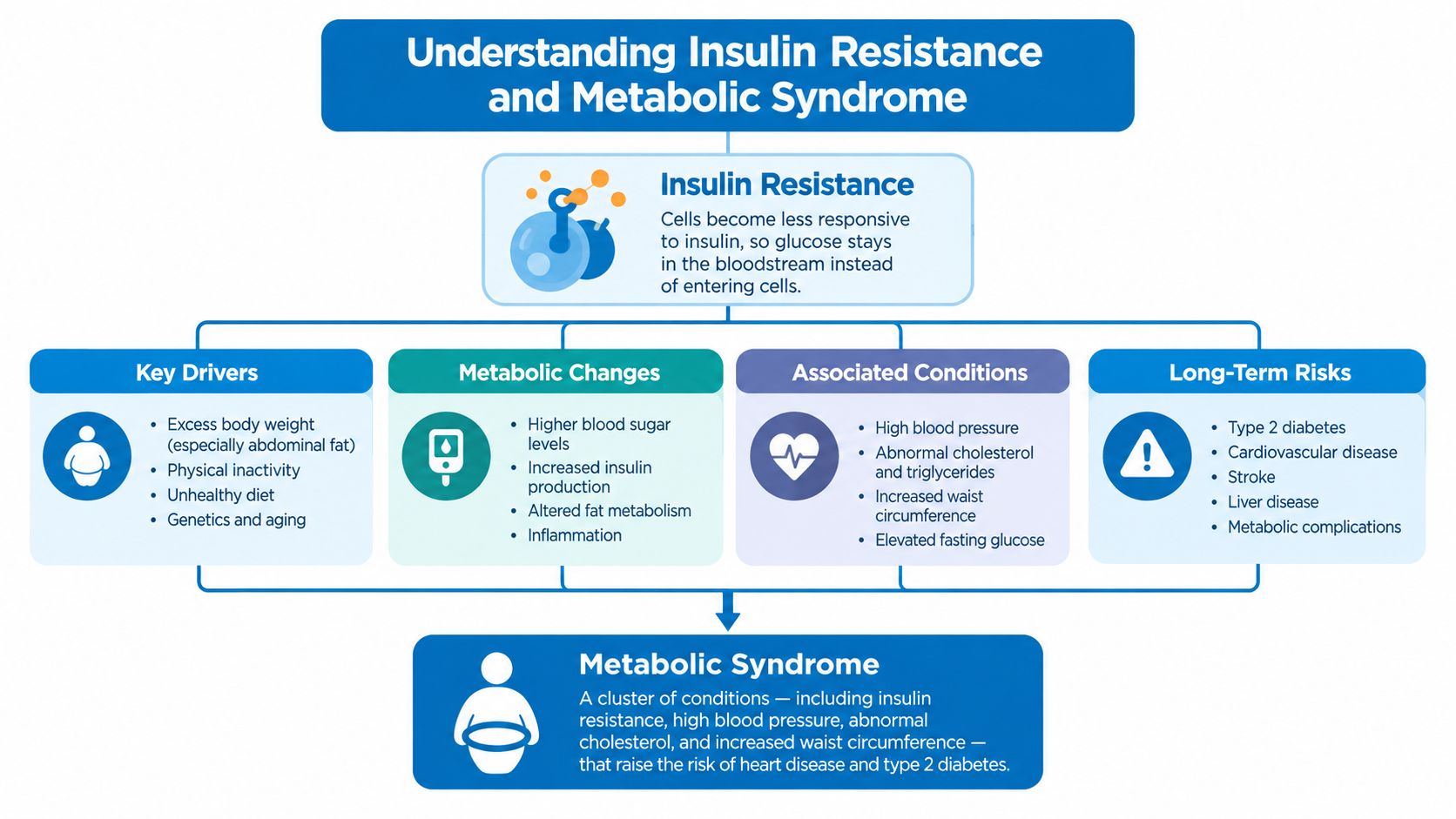
- Disease management when thyroid issues, diabetes, or metabolic syndrome are also present
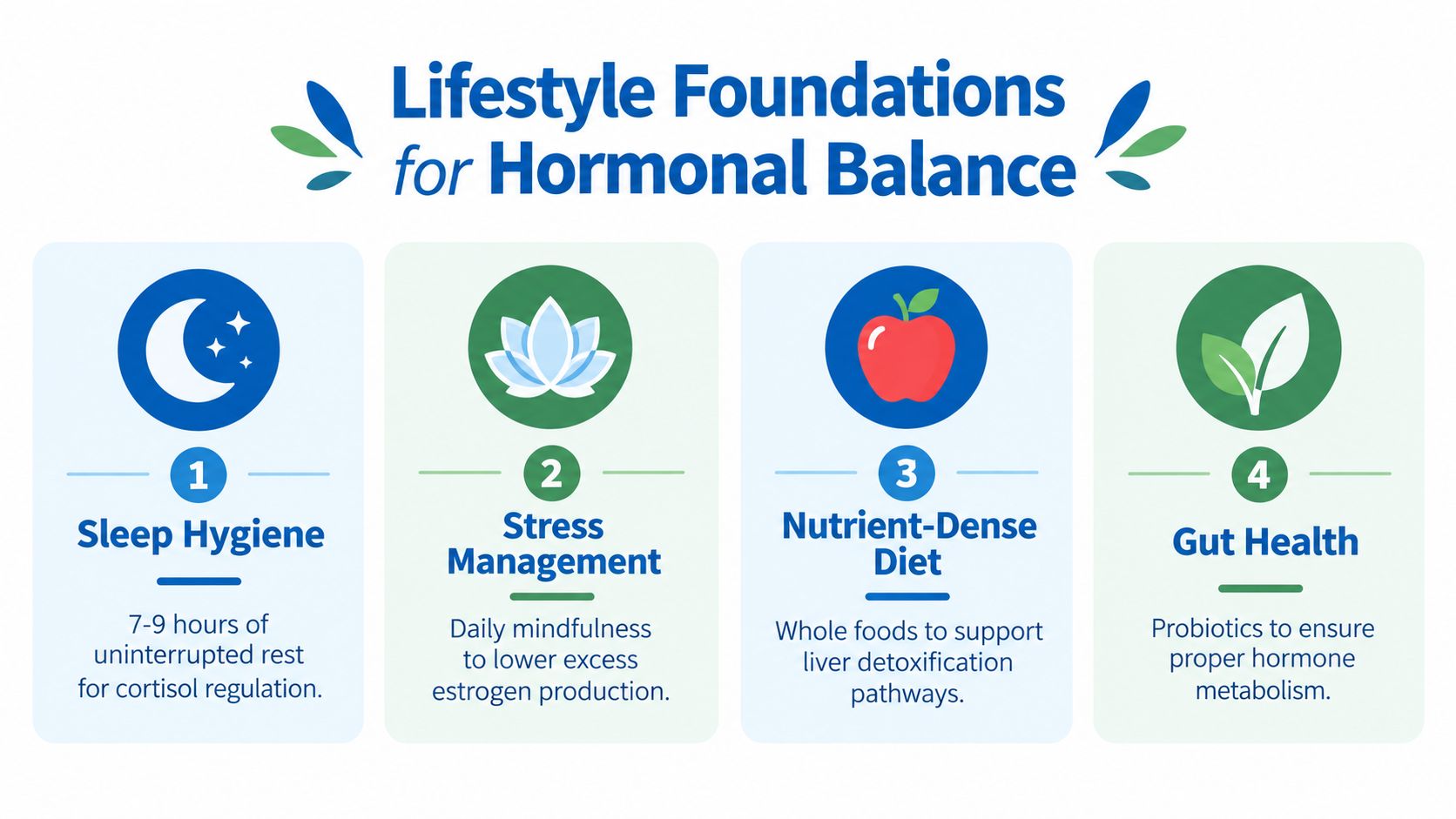
Some women also want non-drug strategies that support overall balance. For readers interested in complementary lifestyle ideas, natural hormone balance for menopause offers a useful overview of one integrative approach that may spark helpful questions for a medical visit.
Why board-certified oversight matters
Hormone therapy, testosterone therapy in selected cases, weight-loss medications, and symptom-specific treatment all require good medical judgment. The right plan depends on bleeding history, symptom burden, cardiovascular risk, family history, and personal preferences. A board-certified clinician can help sort through what's appropriate, what needs monitoring, and what's likely to help most.
For Mississippi patients, that kind of individualized care matters because the goal isn't to mask symptoms for a month. It's to create a long-term plan that addresses root causes, improves daily function, and supports future health.
Frequently Asked Questions About the Transition
Can you still get pregnant during perimenopause
Yes. Ovulation becomes less predictable, but it can still happen. According to MIT Health's perimenopause FAQ, ovulation is inconsistent but still possible during perimenopause, with 10% of unintended pregnancies occurring in this group. The same source notes that 60% of women in their 40s assume they can't get pregnant once cycles become irregular. If you don't want pregnancy, ask your clinician what contraception is appropriate until menopause is confirmed.
What happens at a first consultation in Mississippi
A good first visit usually includes a detailed symptom review, menstrual history, weight and metabolic concerns, sleep and mood discussion, medication review, and a conversation about treatment goals. Some patients may need labs or further evaluation. Others may mainly need a careful clinical history and a plan. If you'd like to compare general approaches before your appointment, you can also explore menopause treatment options through this overview from ProMD Health.
Why does postmenopause still need medical attention
Because the symptoms may change, not disappear. After menopause, low estrogen can affect bone, cardiovascular health, vaginal tissue, sleep, and body composition. Ongoing follow-up helps patients adjust treatment and watch for longer-term health concerns.
If you're in Mississippi and trying to make sense of perimenopause vs menopause, Pause Medical offers in-person, medically supervised care focused on hormone replacement therapy, bioidentical hormones, medical weight loss, GLP-1 weight loss support, medication management, and personalized wellness planning. Whether you're dealing with hot flashes, fatigue, sleep disruption, low libido, hormone-related weight gain, diabetes, thyroid concerns, or metabolic syndrome, a consultation can help clarify what phase you're in and what treatment options fit your needs. Pause Medical serves patients in Mississippi with board-certified oversight, individualized plans, and integrative care that addresses root causes, not just symptoms. This article is for education only and isn't a substitute for personal medical advice, diagnosis, or treatment. If symptoms are affecting your quality of life, schedule a consultation to discuss a plan that's specific to your needs.