Hormone Balance for Women: Achieve Optimal Health
You wake up tired even after a full night in bed. Your jeans fit differently. Small things make you tearful or irritable. Your sex drive feels distant. Maybe your periods have changed, or maybe hot flashes have started showing up out of nowhere. You know something feels off, but it's hard to explain.
Many women in Mississippi sit with these symptoms for months or years before asking for help. Some assume it's stress. Some blame age. Some wonder if it's all in their head. It usually isn't. Hormones affect how your brain, ovaries, thyroid, metabolism, sleep, and reproductive system communicate. When those signals shift, your body notices.
Hormone balance for women isn't about chasing perfection. It's about understanding what your body is saying, identifying what's driving the change, and choosing the right next step with proper medical guidance.
Are Your Hormones Trying to Tell You Something
A woman in her forties comes in saying she “just doesn't feel like herself.” She's exhausted by midafternoon. She's gaining weight without changing much. Her patience is thinner. Sleep isn't steady. She starts wondering whether this is what getting older feels like.
Another woman is younger and postpartum. She feels foggy, emotionally stretched, and physically unlike the version of herself she remembers. A third has regular responsibilities, regular stress, and what seems like irregular biology. Her periods are changing, her nights are sweaty, and her mood feels harder to predict.
These stories are different, but the starting point is often the same. A woman notices a pattern and can't tell whether it's normal, temporary, or something that deserves a closer look.
A major reason these symptoms deserve attention is that hormonal changes are common and biologically meaningful. A review of the evidence summarized that 60% to 80% of women experience vasomotor symptoms during perimenopause and menopause , including hot flashes and night sweats, and that these changes can affect brain function, bone health, and quality of life, as described in this review of estrogen deficiency and menopause symptom prevalence.
Many women were taught to minimize these symptoms. That doesn't make them minor.
Hormonal shifts can also show up in places people don't immediately connect to hormone health. Pregnancy, for example, can change far more than energy or nausea. Some women even notice oral changes, which is why practical resources like this guide on sensitive teeth in early pregnancy can be useful when symptoms seem unrelated at first.
When symptoms start to form a pattern
One rough day doesn't mean you have a hormone disorder. What matters is persistence, clustering, and timing. If fatigue, weight changes, sleep disruption, mood changes, or cycle changes keep recurring, your body may be signaling a real physiologic shift.
A good first move is learning the broader symptom picture. This overview of symptoms of hormonal imbalance in women can help you compare what you're feeling with common patterns patients report in clinic.
The Key Players in Your Hormonal Health
Think of your hormones like an orchestra. Each instrument has a distinct job, and the body works best when timing, intensity, and coordination are in sync. If one section gets too quiet or too loud, the whole performance changes.
That's why hormone balance for women can't be reduced to a single lab value. Female hormonal imbalance occurs when circulating hormones rise above or fall below normal levels , and clinically important shifts often happen during puberty, pregnancy, postpartum, perimenopause, menopause, or with conditions like thyroid disease, diabetes, eating disorders, and medication effects, as explained by Baptist Health's overview of hormonal imbalance.
Why one normal range doesn't explain everything
A lab result is only part of the story. The same number can mean different things depending on your age, menstrual status, medications, symptoms, and health history. A woman who is postpartum, a woman with thyroid disease, and a woman in perimenopause may all say, “I'm tired and not feeling right,” but the biology behind that complaint can be very different.
That's one reason self-diagnosis gets confusing. Hormones don't act in isolation. They overlap.
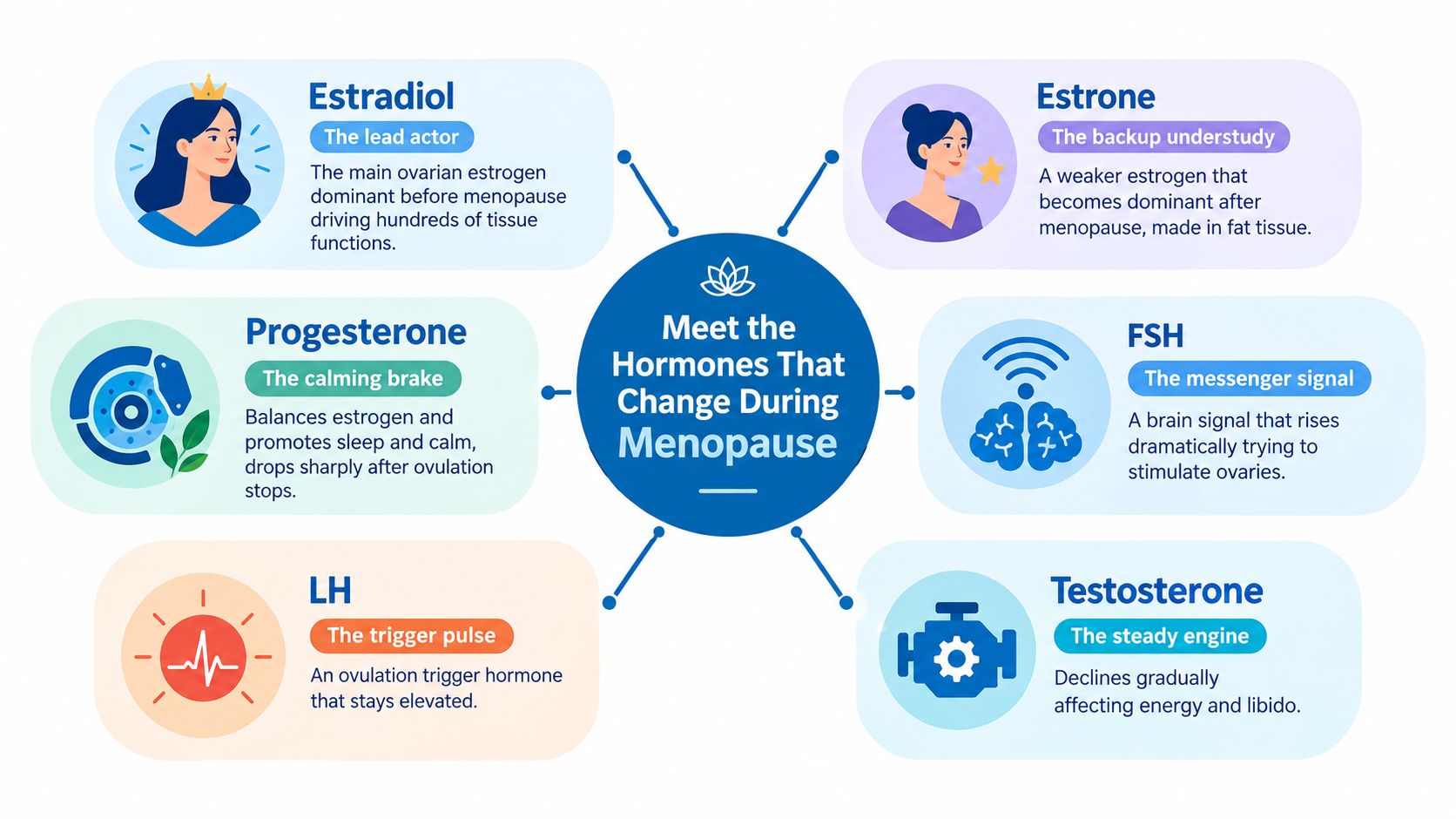
Key hormones and their roles
| Hormone | Primary Function | Common Signs of Imbalance |
|---|---|---|
| Estrogen | Supports menstrual regulation, bone health, vaginal tissue health, and many aspects of temperature regulation and brain function | Hot flashes, night sweats, vaginal dryness, cycle changes |
| Progesterone | Works with estrogen in the menstrual cycle and supports uterine protection when used in menopause therapy. It also influences sleep and emotional steadiness | Sleep disruption, mood changes, cycle-related symptoms |
| Testosterone | Contributes to sexual interest, muscle tone, and energy in women | Low libido, reduced motivation, lower sense of physical drive |
| Thyroid hormones | Help regulate metabolism, energy use, and temperature tolerance | Fatigue, weight changes, brain fog, hair changes |
| Cortisol | Coordinates the body's stress response and affects sleep and energy rhythms | Feeling wired and tired, poor sleep, stress-related energy swings |
Clinical reality: The same symptom can trace back to more than one hormonal pathway. Fatigue might involve thyroid function, estrogen changes, sleep disruption, stress biology, or several at once.
Many readers often get stuck at this point. They ask, “Which hormone is the problem?” Often, that's not the best first question. The better question is, “Which pattern do my symptoms suggest, and what needs to be evaluated in context?”
Recognizing Common Signs of Hormone Imbalance
Some symptoms are dramatic. Others are easy to excuse. A lot of women keep pushing through because each change seems small on its own. The clearer picture appears when you group symptoms together.
Here's a quick visual summary many patients find easier to scan first.

Reputable clinical sources consistently describe a core symptom cluster that includes weight changes, fatigue, mood swings, headaches, irregular periods, night sweats, and low libido , as outlined in this clinical symptom summary on hormonal imbalance.
Physical signs you can feel in your body
Some changes are straightforward. You're more tired. Your weight is shifting. Your periods don't follow the same pattern. You wake up hot at night or find sex less comfortable or less appealing.
Common physical complaints include:
- Fatigue that lingers: You're sleeping, but you still don't feel restored.
- Weight shifts: Some women notice a change in body composition or a stubborn increase around the midsection.
- Temperature symptoms: Night sweats and hot flashes often point people toward evaluation.
- Libido changes: Desire may drop gradually or suddenly.
- Cycle disruption: Missed periods, irregular timing, or heavier changes matter.
For some women, changes in sexual interest become one of the hardest symptoms to talk about. If that's part of your experience, this resource on how to increase low libido in women can help you understand common contributors and treatment options.
Emotional and cognitive signs
Hormones also influence how you feel and think. Patients often describe this as “I'm not myself,” which is medically vague but emotionally accurate.
You might notice:
- Mood swings: Irritability, sadness, or feeling emotionally reactive
- Brain fog: Trouble focusing, slower recall, or feeling mentally dull
- Low frustration tolerance: Small stressors feel bigger than they used to
- Sleep-linked mood changes: A rough night amplifies everything the next day
This short video gives a helpful overview of how symptoms can cluster in real life.
Recognition isn't the same as diagnosis
A symptom list helps you notice patterns. It doesn't tell you the cause. That distinction matters, because many different conditions can create a similar symptom set.
How We Find Answers Through Medical Diagnosis
The hardest part for many women is uncertainty. They know something has changed, but they don't know whether it's perimenopause, thyroid dysfunction, PCOS, medication effects, chronic stress, or another medical issue. A thoughtful workup turns vague concern into a clearer clinical picture.
Symptoms like irregular periods, hair loss, and low libido can come from life-stage changes, endocrine conditions, autoimmune disorders, or even tumors. Cleveland Clinic notes that a professional workup matters because the same symptoms can point to very different causes, as described in this Cleveland Clinic guide to hormonal imbalance causes.

What a real evaluation usually includes
A strong diagnostic visit doesn't start with a prescription. It starts with listening.
Most medical evaluations include:
-
Your symptom history
When did symptoms begin, and what changed first? Was it sleep, mood, periods, libido, weight, or energy? -
Your life-stage context
Puberty, postpartum recovery, perimenopause, menopause, and chronic disease all change the meaning of symptoms. -
Medication and health review
Birth control, thyroid medication, psychiatric medications, steroids, and other treatments can all influence symptoms. -
Targeted lab work
Testing helps clinicians look at hormone patterns in context, not in isolation. -
Rule-out thinking
Good medicine asks what else could explain the complaint before labeling it “just hormones.”
Why testing matters
Testing doesn't replace clinical judgment, but it sharpens it. If your symptoms suggest a hormonal issue, a broad lab review can help clarify whether the pattern fits menopause transition, thyroid dysfunction, metabolic concerns, or another process that needs attention.
If you're preparing for that kind of workup, a wellness lab panel overview can help you understand the purpose of broader testing and why context matters as much as the numbers themselves.
The goal of diagnosis isn't to prove you were right or wrong. It's to make sure you're treating the right problem.
Questions worth bringing to your appointment
- What changed first
- Whether symptoms cycle or stay constant
- Any family history of thyroid disease, diabetes, or reproductive conditions
- Whether your current medications could be contributing
- What should be ruled out before trying supplements or hormone therapy
That last question is especially important. Many women search for quick fixes online. A safer path is understanding the cause before choosing treatment.
Your Personalized Path to Balance and Wellness
Once the cause is clearer, treatment becomes more precise. Not every woman needs the same plan, and not every symptom is best treated with hormones. Good care matches the intervention to the biology, the symptom burden, and your goals.
For women with symptomatic estrogen decline during the menopause transition, hormone therapy is often the most effective targeted treatment . It replaces declining estrogen to address symptoms such as hot flashes and bone loss, and progesterone is added for women with a uterus to protect the endometrium and can also improve sleep, as explained in this guide to hormone therapy for menopausal estrogen decline.

Medical treatment and supportive care are not competitors
A lot of patients think they must choose between “natural” support and medical treatment. In practice, those approaches often work better together.
Here's how that usually looks.
| Approach | Best Use | What it may help with |
|---|---|---|
| Hormone replacement therapy | Symptomatic estrogen decline in menopause transition | Hot flashes, night sweats, sleep disruption, vaginal symptoms, bone-related concerns |
| Other prescribed medications | When another condition or symptom cluster needs direct treatment | Thyroid-related symptoms, mood support, symptom-specific care |
| Medical weight loss support | When weight gain is part of a broader metabolic picture | Appetite regulation, structured weight management, metabolic goals |
| Lifestyle strategies | Useful across nearly all hormone-related concerns | Sleep quality, energy support, nutrition, stress response, symptom tracking |
Where BHRT fits in
Patients often ask about bioidentical hormones . The key issue isn't the label alone. It's whether treatment is medically appropriate, personalized, and monitored by a qualified clinician. A term can sound reassuring while still requiring the same careful screening, dosing decisions, and follow-up as any other hormone therapy plan.
When weight gain is part of the picture
Hormone-related weight changes can be frustrating because they often don't respond to the same habits that used to work. That doesn't always mean hormones are the sole cause. Sleep loss, insulin resistance, reduced activity, thyroid issues, menopause transition, and medication effects can overlap.
That's why many women benefit from a broader strategy that includes nutrition, movement, and medical guidance. If you want practical nonprescription support, SleepHabits' hormone balancing guide offers a food-focused overview that pairs well with medical care.
You can also explore this guide on how to balance hormones naturally for a closer look at lifestyle habits that may support sleep, stress regulation, and daily symptom management.
Treatment works best when it matches both the symptom and the reason behind it.
Your Next Step Toward Feeling Like You Again
You don't have to keep guessing. If your energy, weight, sleep, libido, mood, or cycle has changed and you can't explain why, that's enough reason to get evaluated. Waiting doesn't make the cause clearer. It usually just makes the frustration heavier.
The right next step is simple. Talk with a qualified medical provider who can look at the full picture, not just one symptom. In Mississippi, that means care that considers your life stage, your medical history, your lab results, and your goals together.

A good consultation should leave you with more clarity, not more confusion. You should understand what might be happening, what needs to be ruled out, which options fit your situation, and what follow-up looks like.
Medical disclaimer: This article is for educational purposes only and isn't a diagnosis or a substitute for personal medical care. If you have severe symptoms, sudden bleeding changes, chest pain, major mood changes, or other urgent concerns, seek immediate medical attention.
Frequently Asked Questions About Hormone Health
What is the difference between standard HRT and BHRT
Both terms refer to hormone treatment, but they aren't interchangeable shortcuts for quality. Hormone replacement therapy is the broader category. Bioidentical hormone replacement therapy refers to hormones designed to match the molecular structure of hormones made by the body. The main clinical question isn't which term sounds better. It's whether the treatment is appropriate for your diagnosis, carefully prescribed, and medically monitored.
If you want a deeper review of risks, benefits, and common misconceptions, read this guide on whether bioidentical hormone therapy is safe.
Is hormone therapy safe
Safety depends on the individual. A woman's age, symptoms, medical history, uterine status, clotting risk, cancer history, and treatment goals all matter. Hormone therapy can be very helpful for the right patient, but it should never be started as a blanket solution without evaluation and follow-up.
How long does it take to feel effects from treatment
It varies. Some women notice symptom improvement earlier than others, while some symptoms take longer to respond. The timeline depends on the treatment type, dose, the symptom being treated, and whether another condition is also involved. A good plan includes follow-up so treatment can be adjusted based on response.
Can I balance my hormones with diet and exercise alone
Sometimes lifestyle changes help a lot, especially when poor sleep, chronic stress, inactivity, or nutrition gaps are making symptoms worse. But lifestyle changes don't replace medical evaluation when symptoms are persistent, disruptive, or tied to a condition like thyroid disease, PCOS, or menopause-related estrogen decline.
Do foods or supplements raise estrogen
Patients ask this often, especially after seeing claims online. The honest answer is that food effects are more nuanced than marketing headlines suggest. If you're sorting through diet myths, this article from Cantein on hemp protein and estrogen is a practical example of how to think critically about one common question.
What should I do before my first hormone appointment
Write down your symptoms, when they started, how often they happen, and what has changed in your cycle, sleep, mood, energy, weight, or libido. Bring a current medication list and note any major life-stage changes such as postpartum recovery or menopause transition. That information helps your clinician connect symptoms to the right possible causes faster.
If you're in Mississippi and you're ready for answers, Pause Medical offers patient-centered care for hormone concerns, medical weight loss, and related wellness goals. You can schedule a confidential consultation, meet with an experienced provider, review your symptoms and labs in person, and build a treatment plan that fits your body and your life.