Brain Fog Treatment: A Patient-Centered Guide to Relief
You're staring at the same paragraph for the third time, or you walk into a room and forget why you went there. Coffee doesn't fix it. Sleep doesn't fully fix it either. That frustrating mental haze is what patients usually mean when they say brain fog , and it deserves a real workup, not a shrug.
Brain fog is common enough that clinicians have to take it seriously. A 2025 review in Brain Communications reported that 28.2% of adults say they experience it, and in long COVID, a systematic review of 47 studies found pooled brain-fog prevalence of 30% and cognitive impairment prevalence of 25% , with symptoms sometimes lasting beyond 1 year after infection ( review summary and source). That's why the right brain fog treatment usually starts with asking what's driving the symptom, not just how to mask it.
Understanding Brain Fog and Why It Matters
A patient might describe it as mental static. Another says words disappear mid-sentence, or that simple tasks feel slower than they used to. The symptom can show up as fatigue, impaired memory, attention, and concentration , and it can affect work, conversations, and confidence in everyday life ( brain-fog symptom overview).
The reason this matters is simple, if the brain is struggling to process information, life gets harder in ways that don't always show up on a basic exam. People often get told they're just stressed, aging, or not sleeping enough, but those labels can miss the actual cause. In long COVID specifically, close to half of people in one study reported poor memory or brain fog, which shows how disruptive the symptom can be in real life ( Yale Medicine summary in the review).
Practical rule: if brain fog is affecting your job, relationships, or safety, it deserves the same seriousness as any other ongoing symptom.
The goal of treatment is clarity, but clarity usually comes from a process. That process often includes looking at hormones, sleep, mood, metabolism, medications, and post-viral illness together. For a related example of how fatigue and cognition can overlap with broader health issues, this overview on what causes low energy and fatigue is a useful starting point.
Common Causes of Brain Fog
Brain fog usually reflects more than one problem, and the first job is to sort out which systems are involved. In clinic, I usually think across neurologic, psychiatric, autoimmune, infectious, hormonal, and medication-associated disorders before narrowing the list. That broad view matters because the right treatment depends on the cause, not just the symptom.

Hormonal, metabolic, and sleep-related drivers
Hormonal shifts are a common reason people feel mentally off. Menopause, andropause, and thyroid disorders can each change how alert, sharp, and steady someone feels from day to day. If symptoms also include hot flashes, reduced libido, weight changes, or cold intolerance, hormones move higher on the list. Stress physiology can blur the picture too, so a careful review of cortisol patterns belongs in the workup, and how to reduce cortisol levels can help frame that part of the discussion.
Metabolic issues matter as well. Insulin resistance, diabetes, and obesity can all travel with low energy, sluggish thinking, and trouble concentrating. In practice, those symptoms often overlap with sleep disruption, so a single explanation rarely fits the whole picture.
Nutritional, medication, mood, and post-viral causes
Nutritional gaps can be a hidden driver, especially when intake is inconsistent or absorption is impaired. Clinicians commonly think about B12 , iron, and vitamin D when someone reports brain fog alongside fatigue or reduced stamina. Medication side effects can also play a role, especially when symptoms start after a new prescription or a dose change.
Mood disorders are another frequent contributor. Anxiety, depression, and chronic stress can drain attention and working memory, making the mind feel slow even when basic labs look normal. Post-viral syndromes, especially long COVID, deserve special attention because symptoms can persist and fluctuate for months, sometimes longer than patients expect ( long-COVID review).
How Clinicians Evaluate Brain Fog
A solid evaluation starts with the story, not a lab panel. Clinicians ask when the symptoms began, whether they came on suddenly or gradually, and whether they stay constant or come and go. Those details help separate sleep-related fog, hormone-related changes, post-viral symptoms, medication effects, and more serious neurologic problems.

What a thorough workup usually includes
Providers often review sleep quality, stress level, medication list, chronic conditions, alcohol or substance use, and recent illnesses. They may also order targeted labs based on the history, such as thyroid studies, hormone testing, glucose markers, and nutritional labs when appropriate. If there are signs of inflammation, autoimmune disease, or another systemic condition, that gets folded into the workup too.
Cognitive screening can help show whether the issue is mostly attention, memory, processing speed, or language. If symptoms are persistent or complex, referral for neuropsychological testing may be appropriate. That kind of testing gives a more detailed picture than a brief office screen and can be useful when daily function is clearly affected.
A patient who comes prepared usually gets to a plan faster.
Bring a list of current medications, supplements, sleep patterns, and the exact date symptoms started. Those details often point the clinician toward the right next step.
For hormone and thyroid workups, this page on thyroid and hormone testing gives a clear sense of what structured testing can look like in practice.
Evidence-Based Treatment Options
A patient may sit across from you with clear frustration. The sleep is off, the thinking feels slow, and the usual advice has not helped. Brain fog treatment starts by matching the approach to the cause, because there is no single fix that works for every case. Clinicians usually focus on sleep, nutrition, psychotherapy, medication review, and other supportive strategies while they correct the underlying problem.

What has the strongest signal so far
The best-supported options tend to come from studies in long-COVID and related recovery settings. A systematic review found that noninvasive brain stimulation and hyperbaric oxygen therapy were among the interventions associated with cognitive improvement, and a separate peer-reviewed review describes similar signals across rehabilitation and nutrition-focused care. These findings are encouraging, but they still leave room for patient selection, treatment access, and variation in response.
The practical point is this. Some people improve when the brain gets targeted rehabilitation, and others do better when the treatment plan addresses sleep disruption, inflammation, medication effects, or nutritional gaps first. A short course of one intervention is rarely the whole answer.
What does not reliably outperform simpler approaches
More complex care is not always better. A five-arm randomized study found that computerized cognitive training, structured cognitive-behavioral rehabilitation, and at-home brain stimulation did not clearly outperform simple online puzzles over time, even though all groups improved modestly. That is a useful reminder for frustrated patients who have already tried expensive programs and want a clearer return for their effort.
Nutrition can still matter, especially when intake is inconsistent or the diet is low in key building blocks. A balanced pattern with enough energy and micronutrients, plus fiber, antioxidants, and omega-3 fatty acids , may support cognitive recovery, according to a peer-reviewed review. For people looking at omega-3-centered support, this discussion of heart brain and joint support is a relevant resource, but supplement choices should still match the likely cause rather than the symptom alone.
That is why I usually treat supplements as one part of a larger plan, not the first guess. A structured approach to supplements can fit well after the main drivers are identified, especially if sleep, hormones, medications, or nutrient intake need attention first.
The Role of Hormones in Cognitive Health
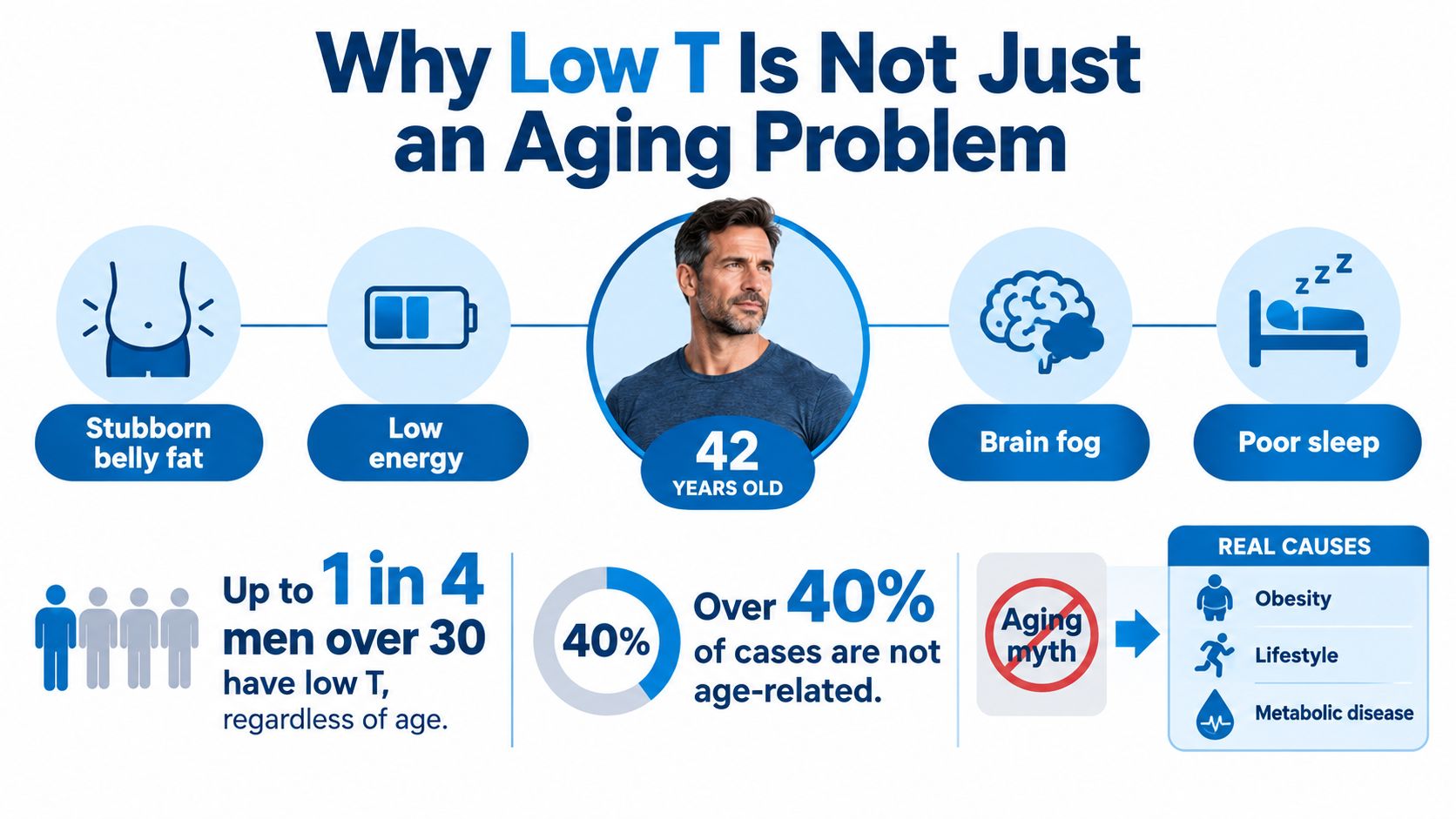
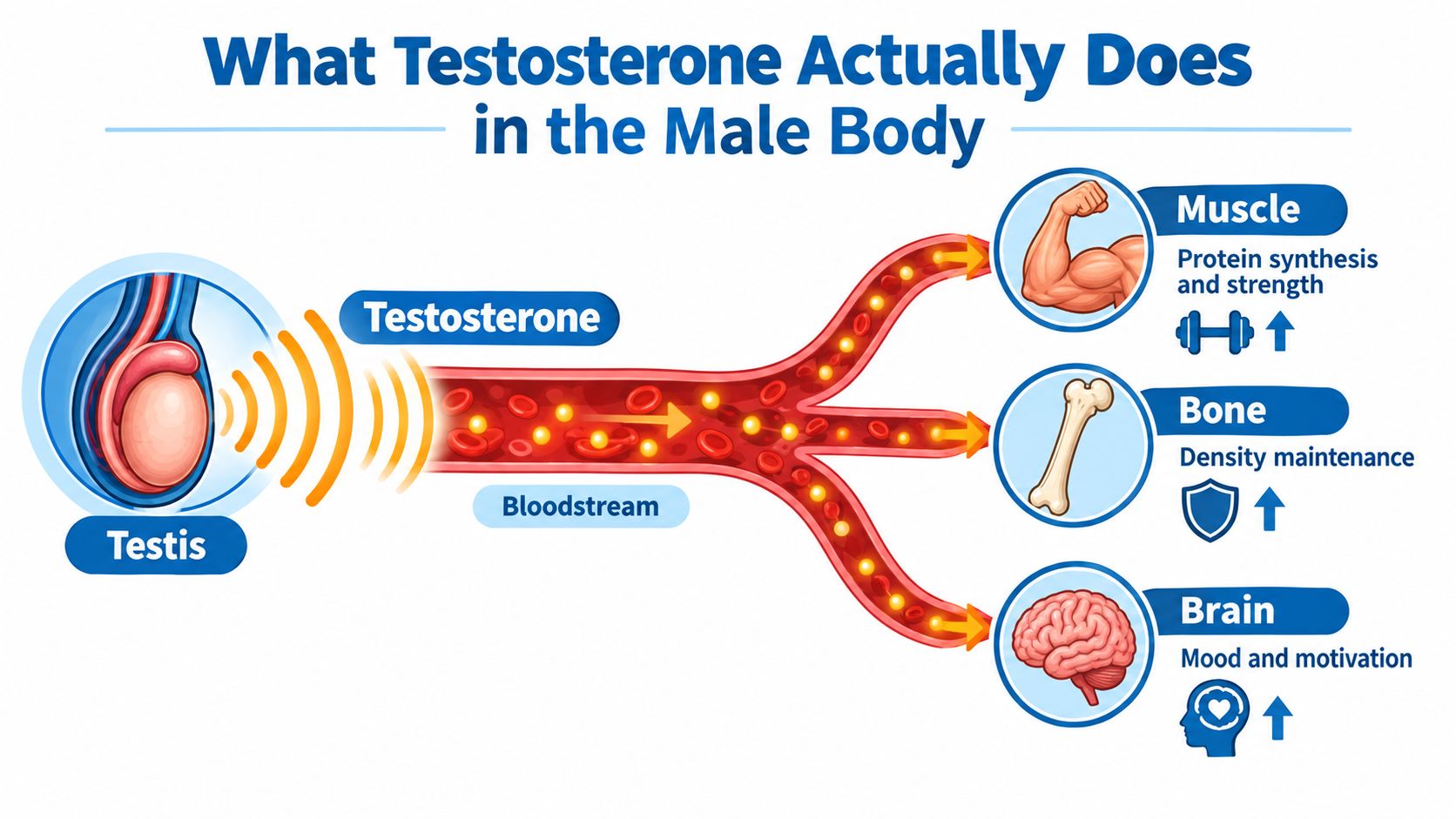
Hormones don't just affect mood and energy, they shape how the brain handles focus, recall, and mental stamina. When estrogen drops during menopause, some people notice word-finding trouble, slower recall, and a general sense that thinking takes more effort. Low testosterone can do something similar in men, often alongside low drive and reduced energy.
Why hormone balance changes the treatment path
Bioidentical hormone replacement therapy can be part of treatment when testing and symptoms support a hormonal cause. The key word is personalized . A good clinician doesn't guess, they match the dose and delivery method to the patient's labs, symptoms, risk factors, and follow-up response.
Thyroid dysfunction deserves the same attention. If thyroid levels are off, cognitive symptoms can sit right beside fatigue, weight change, temperature sensitivity, or mood shifts. That's why hormone optimization often has to happen alongside lifestyle support instead of being treated as a stand-alone fix.
What improvement usually looks like
Cognitive changes don't always lift overnight. Some people notice clearer thinking after reversible issues are corrected, while others need ongoing adjustment before the fog lightens. Monitoring matters because too little hormone won't help, and too much can create new problems.
The best outcomes usually come from combining hormone correction with sleep, nutrition, and medication review, not from chasing a single “magic” therapy.
For readers who want a focused hormone-and-cognition resource, this page on brain fog and hormones solutions for clarity connects the symptoms with a more structured care approach.
Creating Your Personalized Treatment Plan
A useful treatment plan starts with the easiest reversible causes. That usually means checking sleep quality, reviewing medications, correcting nutritional gaps, and looking for hormone or metabolic abnormalities before reaching for more complex therapies. If a plan skips those basics, it often misses the actual driver.
How to track whether treatment is working
Patients do better when progress is measured. A simple daily note can track mental clarity, word-finding, focus, sleep quality, and how well basic tasks went that day. Follow-up labs and repeat cognitive screening can add an objective layer so treatment isn't judged by memory alone.
Different causes improve on different timelines. Sleep and medication changes can sometimes help relatively quickly, while hormone stabilization or rehabilitation may take longer. The important part is that the plan gets adjusted when the data says it should.
What personalized care really means
Personalized care means one person may need hormone support, another may need better glucose control, and another may need a different medication review and sleep plan. The clinician's job is to connect those dots instead of forcing everyone into the same pathway.
If you're trying to sort through symptoms that overlap, a plan built around cause, response, and follow-up is far more useful than a one-size-fits-all checklist.

Red Flags and When to Seek Immediate Care
Most brain fog is not an emergency. Sudden confusion is different. If a person develops abrupt cognitive change, trouble speaking, vision changes, severe headache, weakness, or other neurologic symptoms, that needs urgent medical attention because the cause could be stroke, infection, or another serious condition.
When not to wait and watch
Medication changes can also create urgent problems, especially if the fog starts right after a new drug, a dose increase, or a bad interaction. In that case, the prescribing clinician needs to review the situation quickly, rather than waiting for the symptoms to “settle down.”
Progressive neurologic disorders are another reason to move promptly. Brain fog that keeps worsening, especially when it comes with changes in gait, coordination, or personality, deserves a full evaluation.
Don't assume brain fog is harmless just because it's common. Common symptoms can still signal serious disease.
Most cases do have treatable causes, which is exactly why getting evaluated early matters. The sooner the driver is found, the sooner treatment can be matched to it.
If you're dealing with brain fog and you want a thoughtful medical workup instead of guesswork, Pause Medical offers personalized evaluation and treatment support for hormone balance, metabolic health, and medication management. Visit Pause Medical to explore care options and schedule a consultation that can help you move from confusion to a clear plan.