What Causes Low Energy and Fatigue and How to Fix It
Feeling like you're constantly running on fumes isn't just in your head—it's a real, frustrating problem that we see and treat every day at Pause Medical. Think of persistent fatigue as a check-engine light for your body. It’s more than just being sleepy; it’s a clear signal that something is out of balance, whether it’s your daily habits, stress levels, or a deeper medical issue like a hormonal shift.
We understand how debilitating this feeling can be. At Pause Medical, our board-certified medical providers take an empathetic, integrative approach. We don't just treat symptoms; we partner with you to uncover and address the root cause of your exhaustion, creating a personalized plan to restore your vitality.
Unpacking the Real Reasons You Feel So Tired
If you're constantly asking yourself, "Why am I so tired all the time?" you've got plenty of company. That feeling of dragging yourself through the day, like your personal battery is stuck at 10%, is a massive global health concern.
In fact, a huge 2023 meta-analysis published in Fatigue: Biomedicine, Health & Behavior found that an incredible 16.4% of adults worldwide struggle with persistent fatigue. That figure is based on data from over 623,000 people, which tells you this isn't a small problem.
This isn't the kind of tiredness that a single good night's sleep can fix. It’s a complex puzzle with pieces that often overlap. At Pause Medical, our board-certified providers focus on finding the real root cause of your exhaustion instead of just patching up the symptoms.
The Three Main Culprits Behind Fatigue
To figure out what’s draining your energy, our integrative approach involves looking at three key areas of your health. Each one is a major player in how your body makes and uses energy.
This diagram shows how different lifestyle, hormonal, and medical factors can all lead to that one frustrating symptom: feeling tired.
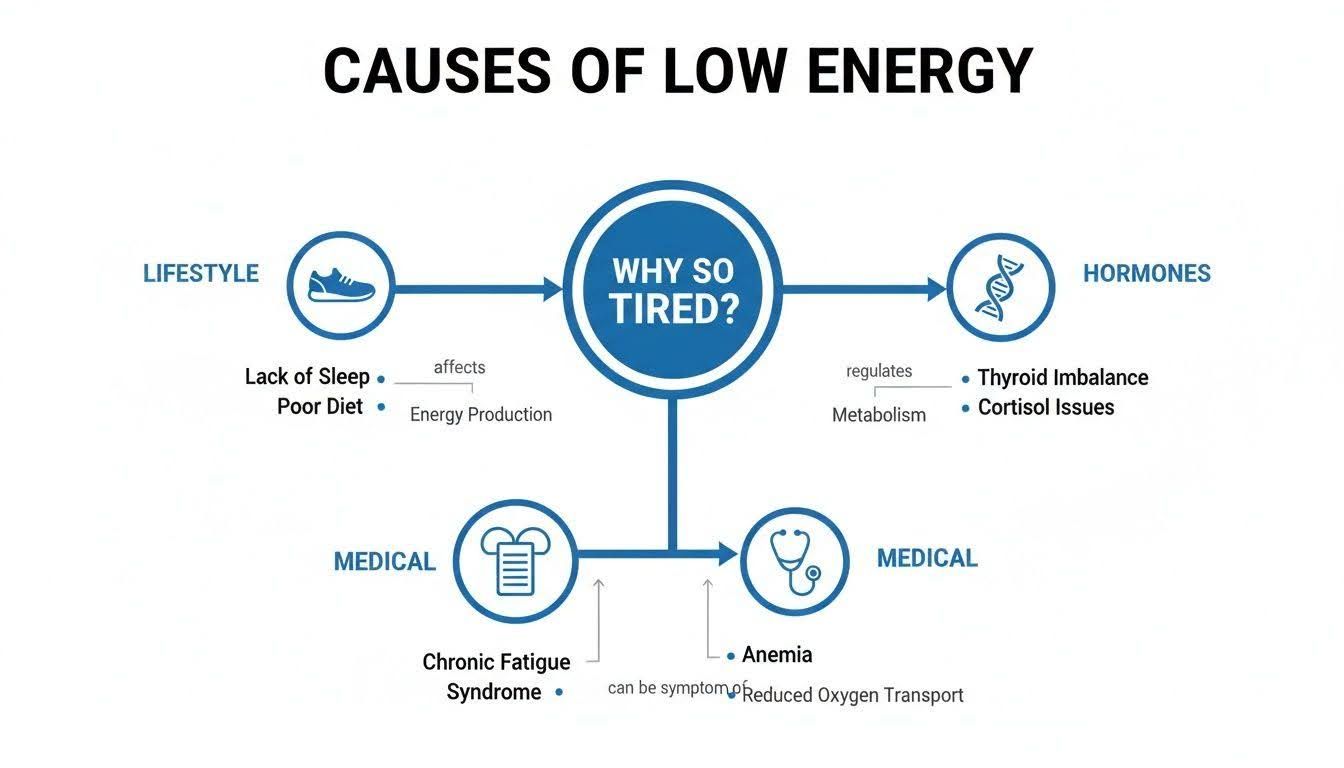
As you can see, fatigue isn't a one-size-fits-all issue. It can start from very different places, which is why a thorough, personalized look at your health under the care of a board-certified medical team is so important.
The Most Common Reasons for Low Energy at a Glance
Before we dive deep, here's a quick summary of the primary culprits behind persistent fatigue. Use this table as a reference as we explore each cause in more detail.
| Category of Cause | Specific Examples | What It Can Feel Like |
|---|---|---|
| Lifestyle Factors | Poor sleep quality, high stress, poor diet, lack of exercise | Feeling groggy, brain fog, difficulty concentrating, physically sluggish |
| Hormonal Imbalances | Low thyroid, high cortisol, low testosterone, perimenopause | Persistent exhaustion, mood swings, weight changes, low motivation |
| Medical Conditions | Anemia, diabetes, autoimmune disorders, vitamin deficiencies | Deep, bone-weary tiredness that rest doesn't fix, weakness |
This table gives you a roadmap to understanding the potential sources of your fatigue. Now, let's break them down.
- Lifestyle Factors:
This bucket covers the pillars of health—your diet, how well you sleep, your stress levels, and how much you move. Bad sleep is a huge one. If you're constantly waking up feeling like you haven't slept, it might be worth checking out this guide on
Why Do I Wake Up Tired Every Morning.
- Hormonal Imbalances:
Hormones are your body's chemical messengers, and they control everything from your metabolism to your mood. When key players like your
thyroid hormones, cortisol, estrogen, or testosterone
are out of whack, deep-seated fatigue is often one of the very first things you'll notice.
- Underlying Medical Conditions:
Sometimes, that constant exhaustion is a red flag for a more serious health issue. Things like
anemia (low iron), thyroid disorders, diabetes, or metabolic syndrome
can all manifest as a profound lack of energy.
Looking closely at these three areas is the first, most critical step toward getting your energy—and your life—back on track.
The Hidden Impact of Your Hormones on Energy
If you’ve dialed in your sleep, cleaned up your diet, and are managing stress, yet you still feel completely drained, it's time to look at your hormones. Think of hormones as the powerful chemical messengers that conduct your body's entire orchestra—they run everything from your metabolism and mood to your sleep cycles. They’re the intricate power grid for your body; when even one connection shorts out, the whole system can feel like it’s in a brownout.
This is exactly why a hormonal imbalance is a primary—and often missed—cause of chronic fatigue. We're not talking about the kind of tired that a good cup of coffee can fix. This is a deep, cellular exhaustion that sticks around because the very signals that regulate your energy are going haywire. At Pause Medical, we specialize in identifying and treating these imbalances to restore your vitality.
The Energy Rollercoaster of Menopause and Andropause
For so many of our patients, major hormonal shifts kick into high gear during midlife. This often brings a host of frustrating new symptoms, and fatigue is usually right at the top of the list. We want you to know that these changes aren't just a normal part of getting older; they're a treatable medical condition.
For Women Navigating Perimenopause and Menopause:
- Estrogen's Exit: Estrogen is a key player in regulating brain chemicals like serotonin and dopamine, which have a huge impact on your mood and energy. As estrogen levels drop during perimenopause and menopause, it can trigger persistent fatigue, brain fog, and a feeling that your get-up-and-go has just... gone.
- Progesterone's Plunge: Progesterone is your body’s natural calming agent, helping you get restorative sleep. When its levels become erratic and then decline, sleep gets completely disrupted. This often leads to night sweats and insomnia that leave you feeling wrecked the next day.
- The Combined Effect: The unpredictable peaks and valleys of these two essential hormones can feel like an exhausting energy rollercoaster, making it nearly impossible to plan your days or feel like yourself.
For Men Experiencing Andropause:
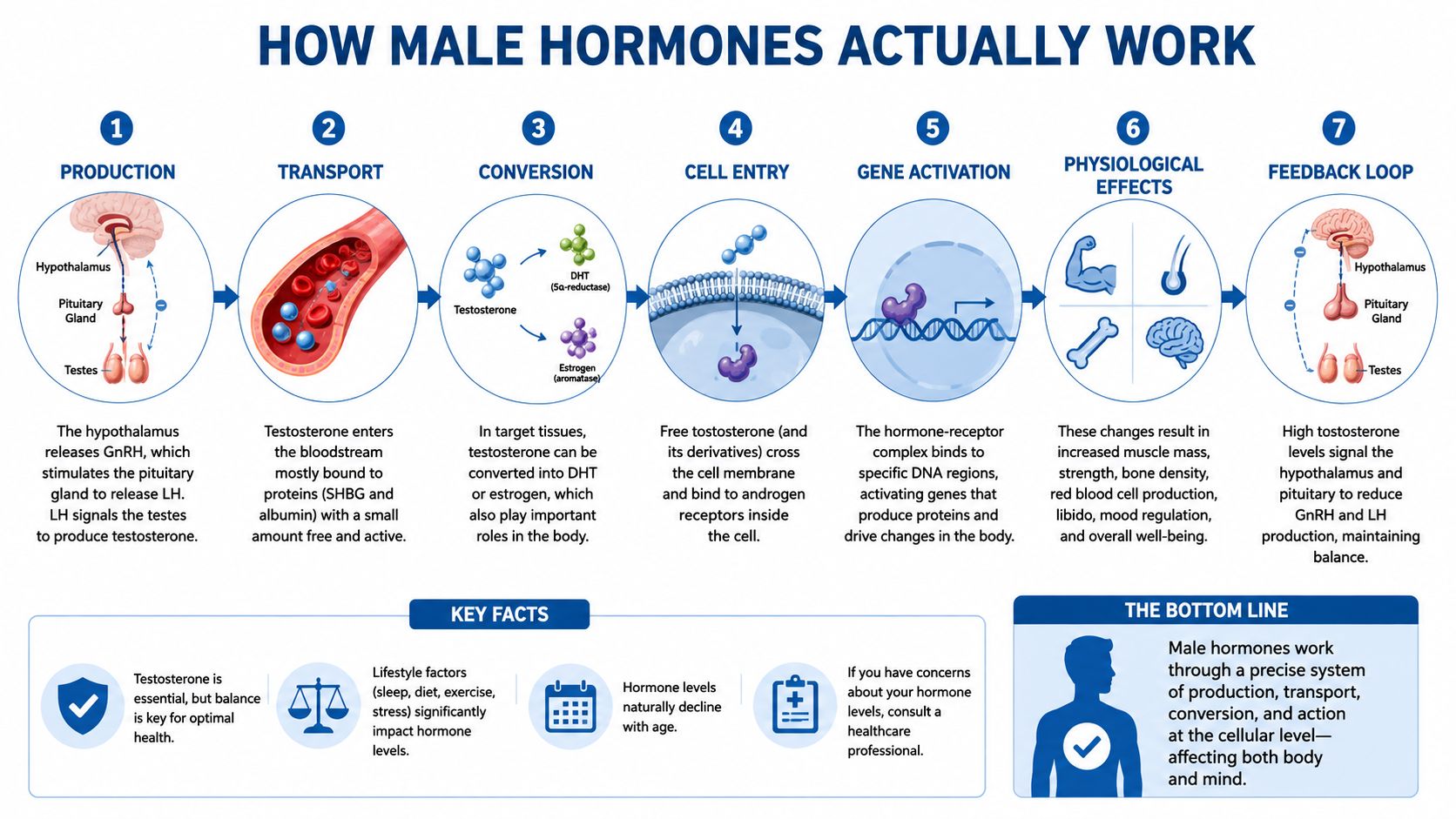
- Testosterone’s Role: Testosterone is absolutely vital for maintaining muscle mass, bone density, and—you guessed it—energy levels and drive. It's perfectly normal for testosterone to gradually decline as men age, a process known as andropause.
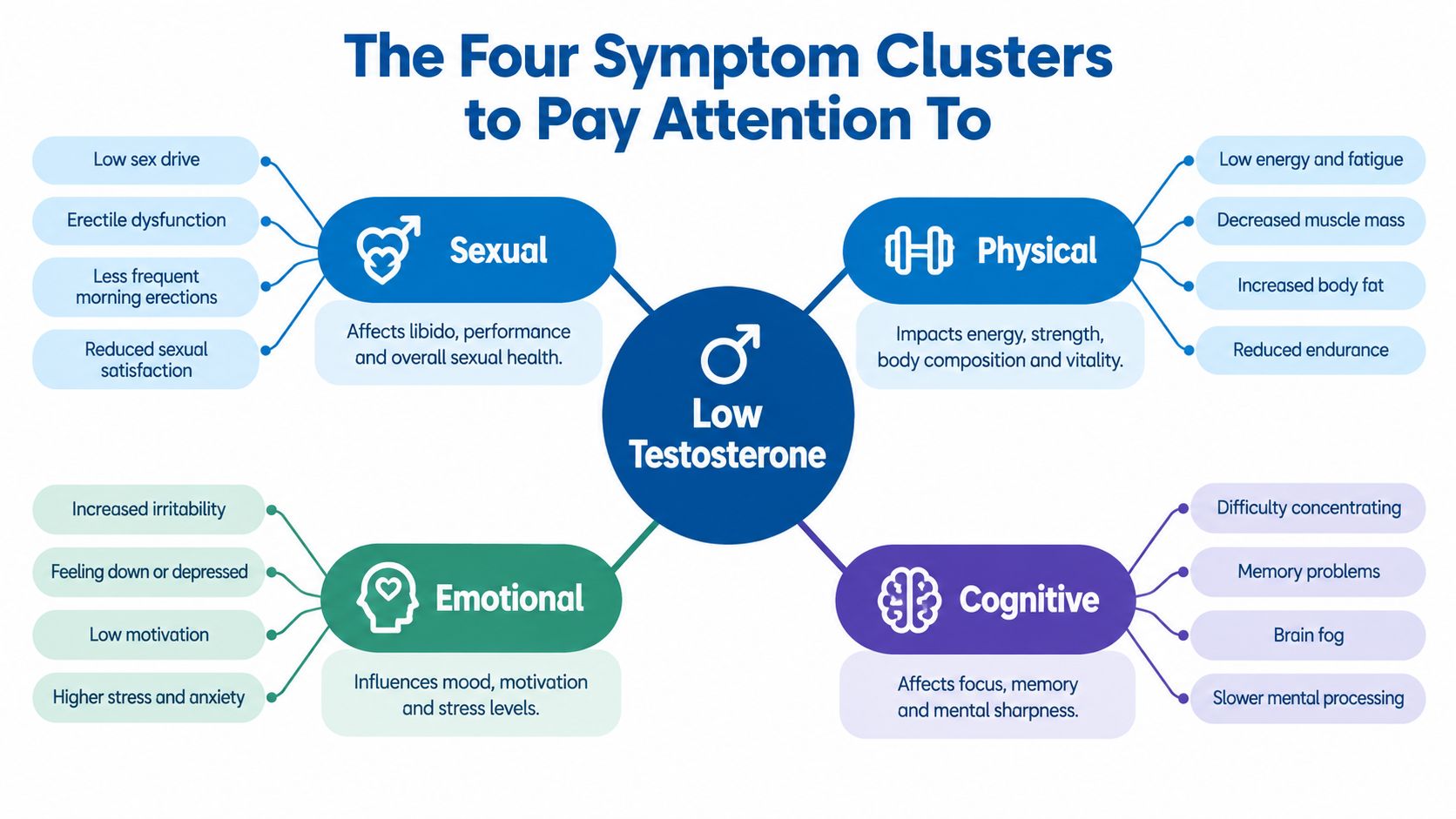
- The Fatigue Connection: The problem arises when those levels drop significantly. This can lead to a crushing fatigue that drains both physical strength and mental motivation. It often comes packaged with other symptoms like a lower libido, more body fat, and just a general feeling of being "off."
This isn't just a women's issue. The Cleveland Clinic Journal of Medicine reports that low testosterone affects up to 40% of men over 45, making it a major, direct cause of chronic fatigue. In fact, when a man's testosterone levels dip below 300 ng/dL, his reports of exhaustion can be two to three times higher.
These hormonal changes mess with your body's ability to make energy at the most basic level—inside your cells. Research shows this disruption to mitochondrial function can slash the production of ATP (your body’s main energy currency) by as much as 20-30%. It’s no wonder you feel wiped out, no matter how much you sleep. If you want to dive deeper, a comprehensive 2023 systematic review in the journal Cureus offers great insight into the link between hormonal shifts and fatigue.
Beyond Estrogen and Testosterone: Your Body's Other Key Players
While sex hormones get a lot of attention, other parts of your endocrine system are just as critical for keeping your energy up. When they're out of balance, your vitality takes a direct hit.
Thyroid: The Metabolic Thermostat
Your thyroid gland is basically the thermostat for your body's metabolism. It churns out hormones that control the speed at which your cells burn energy.
- Hypothyroidism (Underactive Thyroid): When your thyroid isn't producing enough hormone, it's like turning that thermostat way down. Your entire metabolism slows to a crawl, leading to the classic symptoms of profound fatigue, unexplained weight gain, feeling cold all the time, and mental sluggishness.
- Hyperthyroidism (Overactive Thyroid): On the flip side, an overactive thyroid sends your body into overdrive. That might sound energizing, but it actually leaves you feeling "wired and tired"—plagued by anxiety, heart palpitations, and eventual burnout.
Cortisol: The Stress Responder
Cortisol is your main stress hormone. In a healthy system, it gives you that get-up-and-go energy in the morning and fuels your "fight or flight" response when needed. Chronic stress, however, throws this delicate system into complete chaos.
When you're stressed all the time, your cortisol levels stay high, which can wreck your sleep, break down muscle tissue, and cause you to store belly fat. After a while, your adrenal glands can struggle to keep up, leading to a state of dysregulation often referred to as "adrenal fatigue." The result? You feel exhausted all day but find yourself staring at the ceiling at night.
Insulin: The Blood Sugar Regulator
Insulin's job is to act like a key, unlocking your cells to let sugar in for energy. But a diet high in processed carbs and sugars can lead to insulin resistance, where your cells essentially change the locks.
When this happens, sugar gets stuck in your bloodstream instead of fueling your cells. This creates a vicious cycle of energy spikes followed by dramatic crashes. You might feel a quick burst of energy after a sugary snack, only to feel overwhelmingly tired an hour later. Persistent insulin resistance is a major factor in metabolic syndrome and type 2 diabetes, where fatigue is a hallmark symptom.
Understanding these hormonal connections is the first real step toward getting your life back. If this all sounds painfully familiar, a personalized plan with board-certified medical oversight can help you pinpoint and correct these imbalances. You can learn more about how expertly managed hormone replacement therapy directly addresses these root causes to restore your energy and vitality.
How Your Daily Habits Can Drain Your Energy
While we often look for a complex medical reason for feeling tired, the answer can sometimes be hiding in plain sight—right in our daily routines. The way we eat, sleep, and manage stress forms the very foundation of our energy levels.
Think of it like this: your body is a high-performance car. Even if the engine is in perfect shape (meaning your hormones and organs are fine), you can't expect it to run well if you're putting in low-grade fuel, never letting it rest, and constantly redlining it. At Pause Medical, we help you optimize these lifestyle factors as a critical part of a holistic, integrative treatment plan.

The Food-to-Fatigue Connection
The food you eat is quite literally the fuel your cells burn to create energy. If your diet is heavy on processed foods, sugar, and refined carbs, you’re setting yourself up for a frustrating cycle of energy spikes followed by dramatic crashes.
Here’s what’s happening inside your body: sugary foods send your blood sugar soaring, which forces your system to release a flood of insulin to bring it back down. The inevitable result is the "crash" that leaves you feeling sluggish, mentally foggy, and, ironically, craving more sugar to get another quick boost.
Beyond the blood sugar rollercoaster, key nutrient deficiencies can bring your body’s energy production to a screeching halt.
- Iron Deficiency: Iron is a critical component of hemoglobin, the protein in your red blood cells responsible for carrying oxygen. When you're low on iron, it's like having fewer delivery trucks to get oxygen to your cells. This leads to a deep, physical exhaustion called anemia.
- Vitamin B12 Deficiency: Think of this vitamin as a spark plug for your metabolism. It plays a central role in converting food into usable energy at the cellular level. A B12 shortfall can directly sabotage your energy production, leaving you feeling weak and tired.
This is why a diet focused on whole foods makes such a difference. It provides a steady, reliable source of fuel and keeps you off that energy-draining rollercoaster. If poor nutrition has also led to stubborn weight gain, our experts can help you create a sustainable plan. You can learn more about our medically supervised weight loss programs and how we tackle the root causes of metabolic health.
Why Sleep Quality Trumps Quantity
Have you ever spent a full eight hours in bed only to wake up feeling like you barely slept? This experience highlights a crucial point: the quality of your sleep is far more important than the quantity.
It's during deep, restorative sleep that your body and brain do their most important repair work, from healing tissues to cementing memories. If your sleep is constantly broken or you never quite reach those deeper stages, you miss out on this entire process.
A common and often-missed culprit here is sleep apnea, a condition where your breathing repeatedly stops and starts all night. This deprives your brain of oxygen and yanks you out of restorative sleep, leading to profound daytime fatigue.
It’s a common misconception that feeling tired is just about getting more sleep. The truth is, it's about getting better sleep. Unaddressed sleep issues will keep you in a state of chronic exhaustion, no matter how early you turn in.
The Draining Power of Chronic Stress
Stress isn't just in your head—it triggers a potent physical reaction driven by the hormone cortisol. In short bursts, cortisol is your friend, giving you the focus and energy to navigate a threat. But when stress becomes chronic, your body gets stuck in a constant state of high alert.
This sustained cortisol production throws your entire system out of whack. It messes with your sleep, can cause your body to break down muscle for a quick energy fix, and leads to that all-too-familiar feeling of being "wired but tired." You're flooded with stress hormones that keep you on edge, yet you're completely drained from the constant internal pressure.
Over time, this can lead to adrenal strain, where your body can no longer produce the right amount of cortisol at the right time. The result is a flatlined energy curve, leaving you feeling depleted from the moment your alarm goes off. While mastering these lifestyle factors is foundational, sometimes it isn't enough, especially when deeper hormonal or medical issues are the real problem.
When Fatigue Signals a Deeper Medical Issue
We’ve all had those days where we feel completely wiped out. But there's a difference between being tired and a persistent, bone-deep exhaustion that never seems to lift. This kind of fatigue can be your body’s most insistent warning signal that something more serious is going on.
When rest doesn't recharge you and even simple tasks feel like climbing a mountain, it’s time to look beyond lifestyle factors. This is the kind of debilitating fatigue that gets in the way of your life, and at Pause Medical, our board-certified providers take it very seriously. Our job is to dig deep and find the true root cause.

Uncovering the Medical Roots of Exhaustion
A surprising number of common medical conditions are notorious for draining your energy. They interfere with your body's most basic systems for producing or using fuel, leaving you feeling like you're always running on empty.
Anemia and Oxygen Deprivation
Think of your red blood cells as a fleet of microscopic delivery trucks, shuttling oxygen to every single cell in your body. Anemia, most often caused by an iron deficiency, means you just don't have enough of these trucks on the road.
Without enough oxygen, your cells can't convert nutrients into energy efficiently. This forces your body to struggle just to power its basic functions, leading to that profound physical fatigue, weakness, and even shortness of breath.
Hypothyroidism: Your Metabolic Dimmer Switch
As we've touched on, your thyroid gland is the master regulator of your metabolism. An underactive thyroid, or hypothyroidism, is like someone turning a dimmer switch way down on your entire system.
Everything slows to a crawl. Your cells burn energy sluggishly, which is why the classic signs are constant fatigue, unexplained weight gain, feeling cold all the time, and a frustrating mental fog.
Diabetes and Insulin Resistance: The Energy Gridlock
Your cells run on sugar (glucose), but they need the hormone insulin to unlock the door and let it in. With insulin resistance and type 2 diabetes, your cells start ignoring insulin's knock.
This creates a cruel paradox: you have plenty of fuel floating around in your bloodstream, but your cells are starving because they can't access it. This cellular energy crisis is what causes the relentless fatigue, intense sugar cravings, and brain fog so many people experience.
A proper diagnosis is crucial because the symptoms of these conditions—fatigue, weight changes, mood swings—can overlap significantly. A thorough evaluation under board-certified medical oversight ensures that the correct underlying issue is identified and treated effectively.
Other Hidden Causes of Fatigue
Beyond the "big three," several other medical issues can be the hidden source of your exhaustion.
- Autoimmune Conditions: Diseases like lupus or rheumatoid arthritis force your immune system into a state of constant, low-grade civil war against your own body. This chronic inflammation is incredibly draining.
- Chronic Infections: Lingering, low-grade infections from viruses or conditions like Lyme disease can keep your immune system on high alert 24/7. This sustained immune response consumes a massive amount of energy.
- Heart and Lung Conditions: If your heart can't pump efficiently or your lungs aren't getting enough oxygen into your bloodstream, your body is chronically starved of the resources it needs. Fatigue is often the first and most constant companion.
Identifying and managing these complex conditions is a cornerstone of our practice. To see how we help patients navigate these issues, you can learn more about our expert-led disease management services. Pinpointing the exact cause is the first—and most critical—step toward finally getting your energy back.
The Mental and Emotional Weight of Exhaustion
The link between your mind and body is a powerful two-way street, and nowhere is this more obvious than with your energy levels. If you’re feeling emotionally spent, it's almost guaranteed your physical energy will soon hit a wall. This isn't just a feeling; it's a physiological reality.
Psychological challenges like depression, anxiety, and burnout aren't just "in your head." They are major culprits behind profound low energy and fatigue, triggering real, measurable changes in your body that directly sabotage your vitality.
How Your Mind Drains Your Body
Have you ever felt so mentally or emotionally stressed that you’re physically exhausted, even when you haven't done much? It's a deep, bone-weary feeling that sleep can't seem to touch. This happens through a few key pathways that throw your body's delicate internal balance completely off-kilter.
- Neurotransmitter Disruption: When you're dealing with something like depression or anxiety, the brain chemicals that manage your mood, motivation, and sleep—like serotonin and dopamine—can get out of whack. Think of them as your body's internal messaging system. When those signals get scrambled, your whole energy regulation system goes haywire.
- Sleep Cycle Chaos: A racing mind, persistent worry, or a lingering low mood are enemies of good sleep. This often leads to insomnia or sleep that just isn't restorative, creating a vicious cycle. You don't get enough sleep, which worsens your mental state, and then your mental state keeps you from getting the very rest you need to recover.
- The Cortisol Connection: Chronic stress and anxiety basically trick your body into staying in a constant "fight or flight" mode. This floods your system with the stress hormone cortisol. Staying on high alert 24/7 is incredibly draining and can eventually fatigue your adrenal system, leading straight to burnout.
Understanding these connections is key to getting rid of the stigma around mental health's role in our physical wellness. Taking care of your mind is a non-negotiable part of our integrative approach to preventative wellness.
Burnout: The Modern Energy Thief
Burnout is more than just feeling tired; it’s a state of total emotional, physical, and mental exhaustion brought on by excessive and prolonged stress. It's what happens when you feel overwhelmed, emotionally depleted, and simply unable to keep up with constant demands. Given the relentless pace of modern life, it's become an increasingly common reason people feel so drained.
The post-pandemic era has left a long shadow, with fatigue rates surging dramatically. A 2022 survey of over 4,000 adults in Geneva published in the International Journal of Environmental Research and Public Health, for example, found that fatigue prevalence shot up to 31%—a huge jump from pre-COVID baselines of 12-16%. The study pointed to depression as a massive driver behind this spike, showing exactly how stress-induced cortisol dysregulation and hormonal disruptions translate into physical exhaustion.
And it’s not just about a demanding job. Burnout can creep in from caregiving responsibilities, financial worries, or just trying to manage an overwhelming schedule. It's a clear signal that your internal resources have been completely used up, reinforcing why it’s so important to address both mental and physical health together.
Your Action Plan for Reclaiming Your Energy
Knowing what causes low energy is one thing, but taking decisive action is what really changes your life. If you’re tired of feeling drained, it’s time to stop just managing the exhaustion and start looking for real, lasting solutions. At Pause Medical, we've developed a clear, evidence-based path to help you do just that. You don't have to accept constant fatigue as your new normal; there is a way back to feeling like yourself again.
The whole process starts with a simple, confidential consultation to talk about your symptoms and goals. We believe in listening first. This initial conversation paves the way for a comprehensive evaluation with one of our board-certified medical providers.

From Evaluation to a Personalized Plan
This is where we dig deep to uncover the root cause of your fatigue. Your evaluation includes advanced, in-depth bloodwork that goes far beyond what you'd get in a standard physical.
We’ll look closely at:
- Hormone Levels: We measure everything from thyroid function (TSH, T3, T4) and stress hormones (cortisol) to sex hormones like testosterone and estrogen. An imbalance here is a classic energy drain.
- Metabolic Health Markers: This involves checking insulin, glucose, and other key indicators to see if issues like insulin resistance or metabolic syndrome are at play.
- Nutrient Deficiencies: We also screen for common energy-sappers, including low levels of iron, Vitamin D, or Vitamin B12.
Based on these results, your provider creates a personalized treatment plan designed specifically for you. This isn't a one-size-fits-all approach. While you investigate medical options, you might also find it helpful to look into natural remedies for chronic fatigue.
Your treatment plan is more than just a prescription; it's a complete roadmap back to vitality. It integrates evidence-based medicine with supportive lifestyle guidance to address the whole picture of your health.
Our core services directly target the most common culprits behind persistent fatigue:
- Bioidentical Hormone Replacement Therapy (BHRT): To safely restore hormonal balance and relieve symptoms.
- Medical Weight Loss Programs: To improve metabolic health, reduce inflammation, and boost energy.
- Integrated Disease Management: To address underlying conditions like thyroid disorders or diabetes that are robbing you of your vitality.
We also offer guidance on targeted supplements to correct any deficiencies that show up in your lab work. This complete, integrative approach is designed to help you finally move past your exhaustion and reclaim the vibrant, energetic life you deserve.
Frequently Asked Questions About Low Energy
Feeling exhausted all the time can be incredibly frustrating, and it's only natural to have a lot of questions. Let's walk through some of the most common concerns we hear from our patients who are ready to get their energy back and start living fully again.
How do I know if my fatigue is serious?
If your fatigue has been dragging on for more than a few weeks and is genuinely getting in the way of your daily life, it's time to talk to a medical professional. This is especially true if it’s accompanied by other new symptoms.
Pay close attention to red flags like unexplained weight loss, a persistent low-grade fever, or feeling short of breath. These are clear signals from your body that something deeper might be going on.
At Pause Medical, we believe any fatigue that keeps you from enjoying your life deserves a serious look. You don't have to just "power through" it—feeling drained is a real medical issue, and our board-certified providers are here to help you find answers.
What tests can find the cause of low energy?
Getting to the bottom of fatigue always starts with a comprehensive consultation. We need to hear about your symptoms, your health history, and what your day-to-day life looks like. From there, we can pinpoint which advanced lab tests will give us the clearest answers.
A comprehensive workup usually checks for the most common culprits:
- Hormone Imbalances: This means a full look at your thyroid hormones (TSH, free T3, free T4), as well as key players like testosterone, estrogen, and cortisol.
- Nutrient Deficiencies: We'll check levels of crucial energy-supporting nutrients, including iron, Vitamin B12, and Vitamin D.
- Metabolic Issues: We also screen for things like insulin resistance by looking at markers such as fasting glucose and fasting insulin.
This data gives us a concrete, science-backed roadmap of what's happening inside your body, so we can stop guessing and start creating a personalized treatment plan that addresses the real problem.
Can hormone replacement therapy fix my fatigue?
For many people, yes, absolutely. If your exhaustion is a direct result of a confirmed hormonal imbalance—like low testosterone during andropause or the rollercoaster of estrogen in perimenopause—then rebalancing those hormones with bioidentical hormone replacement therapy (BHRT) can feel like a light switch turning back on.
BHRT works by giving your body back exactly what it’s missing, using hormones that are structurally identical to the ones your body naturally produces. Patients often report not just a surge in energy, but also deeper sleep, improved mood, and a profound sense of well-being they thought was gone for good. A personalized plan from a board-certified provider is the key to making sure your treatment is safe, effective, and right for you.
Are you ready to stop wondering what's causing your low energy and start getting real answers? The expert team at
Pause Medical is here to create a personalized, evidence-based plan just for you.
Schedule your consultation today to begin your journey back to feeling your best.