What Causes Slow Metabolism? a 2026 Guide
Most advice about a “slow metabolism” starts in the wrong place. It tells you to eat less, exercise more, or blame your genes, even when the issue may be lost muscle, an underactive thyroid, medication effects, poor sleep, or a biological response to repeated dieting. Metabolism isn't a fixed dial. It's the combined work of your muscles, hormones, nervous system, digestion, movement, and health conditions.
For adults in Mississippi who feel stuck despite consistent effort, the useful question isn't “How do I speed up my metabolism?” It's, “Which part of my energy system has changed, and how can we measure it?” That shift makes room for appropriate hormone testing, body-composition analysis, medication management, medical weight loss, and sustainable lifestyle treatment.
Why Slow Metabolism Is Usually Not What You Think
Many people assume that metabolism is mostly inherited and permanently slow. Genetics can influence body size, appetite, and how someone responds to food or activity, but that explanation is often too simple to guide treatment. A person's resting energy expenditure can change as muscle mass, hormones, sleep, medications, and daily movement change.
Metabolism also includes more than the calories your body burns while sitting still. Your body uses energy to breathe, circulate blood, maintain temperature, support brain function, digest food, and move through the day. Resting energy expenditure is only one part of that total, yet it often receives all the blame when weight changes.
A stack of measurable drivers
A more useful framework includes several overlapping causes:
- Age-related muscle loss: Lean tissue requires energy even at rest. Losing it can reduce resting calorie needs.
- Hormonal signaling: Thyroid disease, sex-hormone changes, insulin resistance, and other endocrine problems can affect energy use and body composition.
- Diet-related adaptation: Prolonged energy restriction can reduce resting expenditure beyond what tissue loss alone would predict.
- Lifestyle inputs: Sleep disruption, chronic stress, and less movement outside formal exercise can change daily energy expenditure.
- Medication effects: Some prescriptions influence appetite, glucose handling, fatigue, fluid balance, or activity levels.
These factors can reinforce one another. Poor sleep may make movement harder. Less movement can contribute to muscle loss. Repeated dieting can reduce energy expenditure while increasing hunger. A medication may add another layer to the same problem.
Practical rule: Don't treat “slow metabolism” as a diagnosis. Treat it as a reason to investigate.
A clinician can begin with your weight history, diet history, sleep, symptoms, medications, and relevant laboratory testing. Body-composition testing may clarify whether your current weight reflects more fat, less lean mass, or both. This medical guide to improving metabolic rate can provide additional context, but persistent symptoms or weight changes deserve individualized medical evaluation.
Age Muscle Loss and the Real Numbers Behind Metabolic Decline
Aging can change resting metabolism, but the main story isn't that the body suddenly “breaks” at a particular birthday. The more important process is the gradual loss of skeletal muscle, combined with reduced daily activity and hormonal changes.
A major review reports that skeletal muscle accounts for about 50% of total body weight in young adults , declining to about 25% by ages 75 to 80 as part of age-related body-composition change. The same research literature notes that muscle loss can begin as early as age 30 and accelerate to roughly 1% to 2% per year from age 50 onward . Because muscle is metabolically active tissue, losing it lowers the amount of energy the body needs at rest. Research on aging, skeletal muscle, and metabolism also describes an estimated 30% decline in basal metabolic rate between ages 20 and 70 as muscle mass decreases.
Why the scale can mislead
Two people can weigh the same amount and still have different resting energy needs. One may carry more lean tissue, while the other carries a greater proportion of fat mass. If someone reaches their 50s at the same body weight they had in their 30s but with less muscle, their body may burn less energy at rest and during ordinary movement.
This distinction matters particularly during menopause and later adulthood. Hormonal changes can make preserving lean mass more difficult, but the appropriate response isn't to assume that weight gain is inevitable. Resistance training, adequate nutrition, sleep support, and evaluation of symptoms can help identify which factors are modifiable.
| Age Range | Average RMR Change per Decade | Typical Lean Mass Shift | Key Driver |
|---|---|---|---|
| Young adulthood | Variable between individuals | Usually relatively stable | Body size, composition, genetics, and activity |
| Midlife | May decline as lean tissue changes | Gradual muscle loss may begin | Aging, reduced movement, and hormonal changes |
| Later adulthood | Decline can become more pronounced | Greater risk of sarcopenia | Continued muscle loss and lower activity |
The table uses qualitative ranges because resting metabolic rate varies substantially by body size, body composition, health status, and activity. A measured result is more useful than a generic age-based prediction.
DEXA can estimate bone density and regional lean and fat mass. Bioelectrical impedance analysis , or BIA, can also help track body-composition trends when performed consistently. A body-composition analysis guide explains why these measurements can reveal changes that the bathroom scale misses.
Hormones That Quietly Slow Your Metabolism
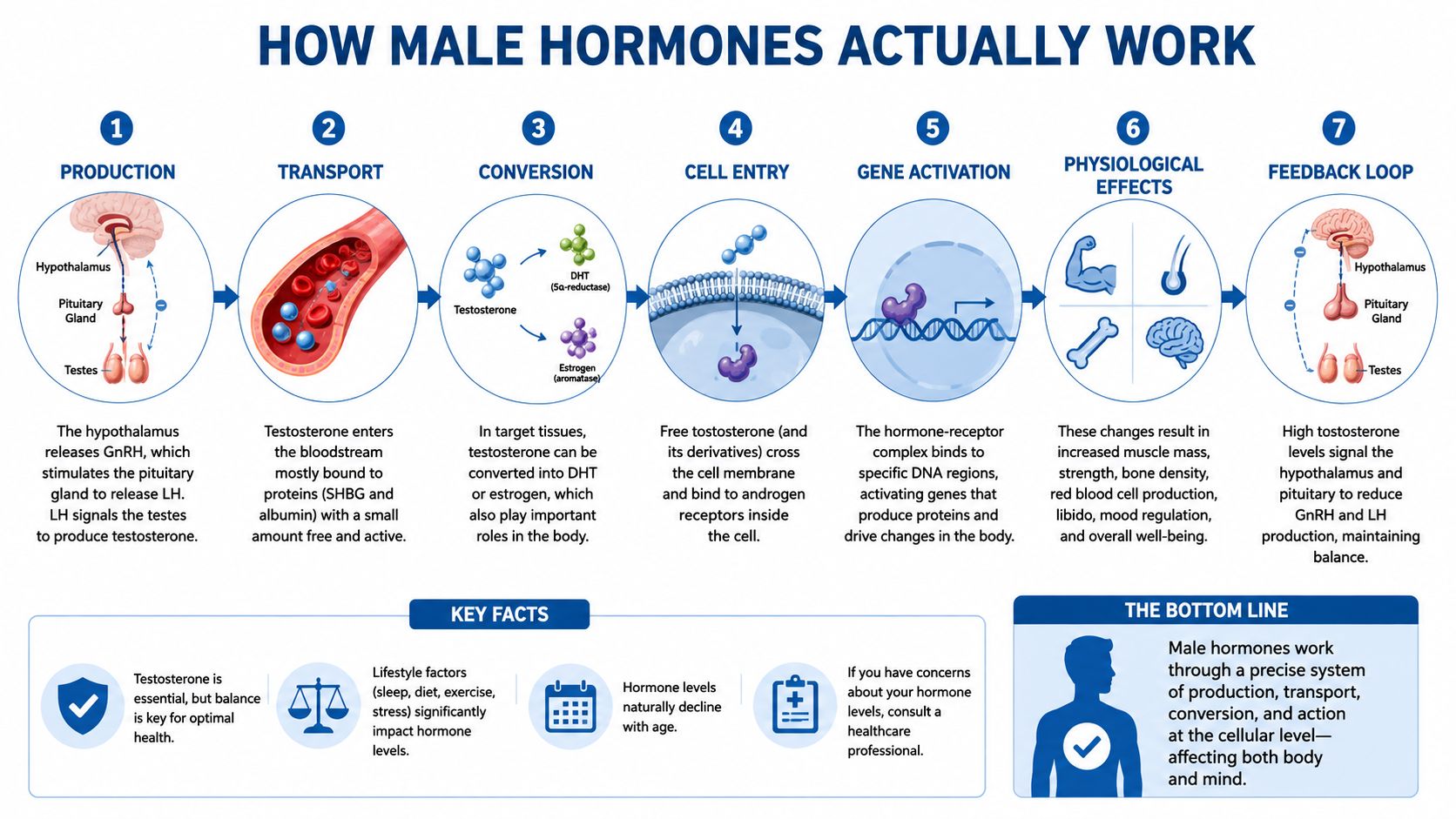
Hormones act as signals that tell cells how to use fuel, preserve tissue, respond to stress, and regulate appetite. They don't operate independently, so a symptom such as fatigue or weight gain may reflect more than one system.

Thyroid signaling
Thyroid hormone helps regulate how quickly cells use energy. The thyroid panel usually begins with TSH , which reflects signaling from the pituitary gland, alongside free T4 and, when appropriate, free T3 . A clinician may consider the broader clinical picture because laboratory values and symptoms don't always line up neatly.
Cleveland Clinic identifies hypothyroidism, nutritional deficiencies, long-term calorie deficit, enzyme disorders, and some medications as possible contributors to reduced metabolic function. A clinical summary also reports that untreated hypothyroidism may reduce resting energy expenditure by about 25% , while restrictive intake has been summarized as producing a 10% to 25% metabolic downshift in some settings. These figures come from Cleveland Clinic's metabolism overview and should not be used to diagnose an individual.
Cortisol and insulin
Cortisol helps the body respond to stress, but persistent disruption in the stress system may affect sleep, appetite, glucose regulation, and muscle preservation. Testing decisions depend on symptoms, medical history, and the suspected disorder, rather than a single “stress hormone” reading ordered without context.
Insulin resistance changes how efficiently the body handles glucose and stored fat. Clinicians may review fasting glucose, fasting insulin, HbA1c, triglycerides, HDL cholesterol, waist pattern, and related metabolic markers. These results help distinguish a problem with fuel handling from a simple assumption that the resting metabolic rate is low.
Sex hormones and appetite signals
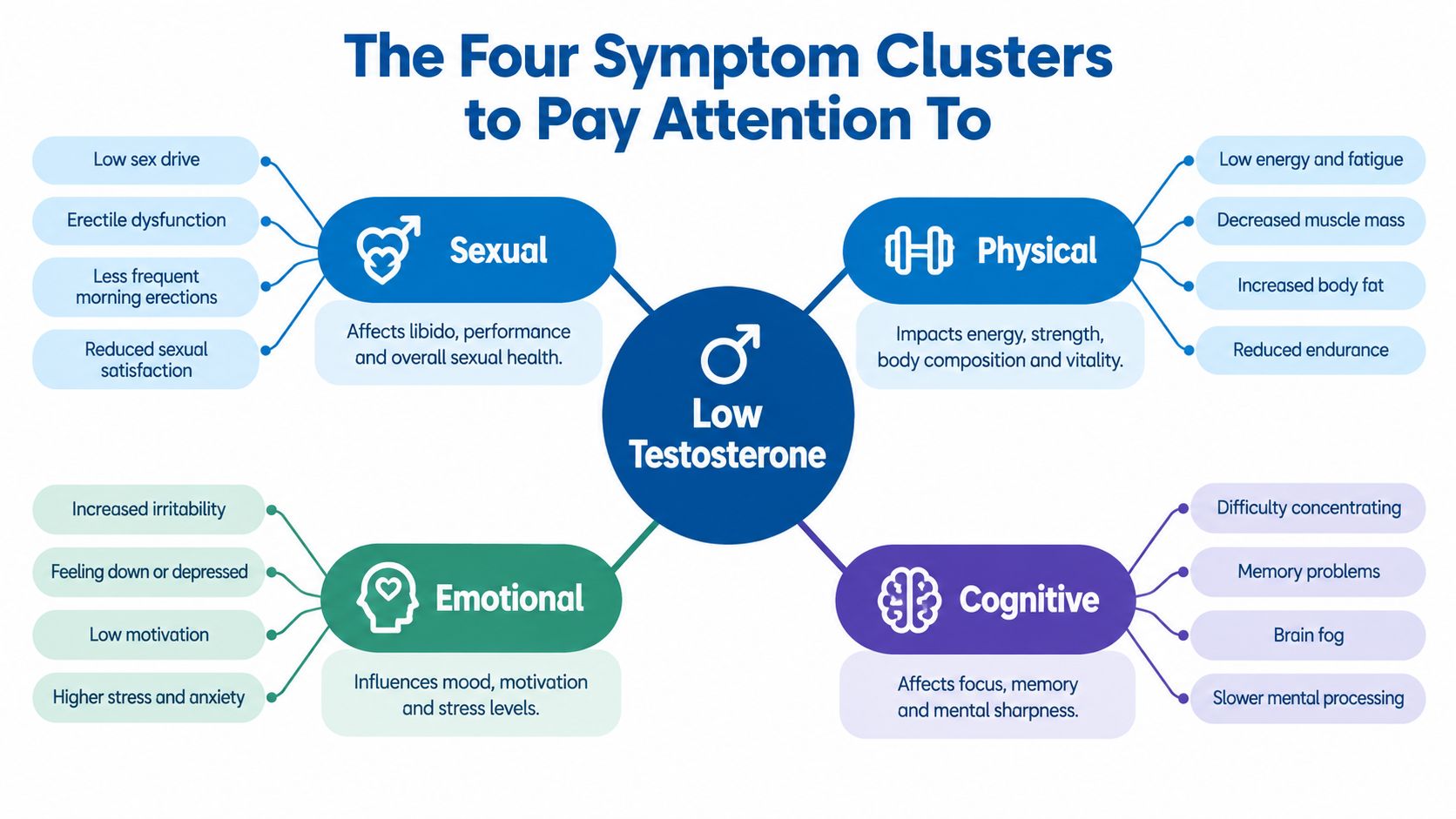
Declining estrogen during perimenopause and menopause can affect body composition, while lower testosterone during andropause may contribute to reduced lean mass, energy, and exercise capacity. Testing may include estradiol, progesterone, testosterone, and SHBG when symptoms and history support evaluation.
Leptin communicates information about energy stores and appetite regulation. After weight loss, leptin and other satiety signals can change, which may increase hunger and make maintenance harder. Adults researching thyroid treatment options may find this overview of Synthroid alternatives useful for general education, but medication changes require a licensed prescriber. A focused thyroid and hormone testing service can help connect symptoms with appropriate laboratory evaluation.
Why Dieting Can Make Metabolism Feel Slower
A familiar pattern sounds like this: someone cuts portions, adds workouts, follows the plan carefully, and then watches weight loss stall. They respond by reducing food further, but fatigue and hunger intensify while ordinary movement drops. That experience can reflect adaptive thermogenesis , a reduction in energy expenditure that occurs during prolonged energy restriction and weight loss.
When body mass decreases, a smaller body generally requires less energy. Adaptive thermogenesis goes beyond that expected change. The body may reduce resting expenditure, alter hunger and satiety signals, and unconsciously decrease movement. A follow-up of participants from The Biggest Loser documented persistent suppression of resting metabolic rate years after major weight loss, as described in this long-term study of metabolic adaptation.

The biological response to restriction
During weight reduction, energy expenditure can fall while hunger pathways become more active. Leptin may decline, thyroid signaling can change, sympathetic nervous-system activity may decrease, and non-exercise movement can diminish. These responses help the body defend energy balance, even when a person remains committed.
The response isn't identical for everyone. Extreme dieting can produce a more disruptive pattern than a moderate, medically supervised approach, particularly when repeated cycles also reduce lean mass. The practical answer isn't automatically to eat less. It may involve preserving muscle, adjusting the pace of weight loss, reviewing protein intake, improving sleep, and checking for thyroid or endocrine conditions.
Protein-containing meals can support satiety and lean-tissue preservation, but people with kidney disease or other medical conditions may need individualized guidance. For general meal ideas, these high-protein snack suggestions for weight loss can help, but they aren't a substitute for a treatment plan.
Weight-loss plateaus can reflect physiology, not a character flaw.
Sleep Stress Inactivity and Medications That Drag Metabolism Down
Lifestyle and medication factors can look similar from the patient's perspective. Both may contribute to fatigue, appetite changes, reduced activity, or difficulty maintaining weight. The difference is that one may improve through behavioral treatment, while the other may require a medication review with the prescribing clinician.
| Driver | How It Lowers Metabolism | Red Flag to Ask Your Clinician |
|---|---|---|
| Sleep disruption | May affect cortisol, glucose handling, appetite, and muscle recovery | Do I snore, wake unrefreshed, or feel sleepy during the day? |
| Chronic stress | Can worsen sleep, appetite regulation, glucose control, and muscle preservation | Has sustained stress changed my sleep, eating, or energy? |
| Low daily movement | Reduces non-exercise activity and total daily energy use | How much time do I spend sitting outside workouts? |
| Medication effects | May alter appetite, glucose, fatigue, fluid balance, or activity | Could any prescription or over-the-counter drug affect weight or energy? |
Some medications associated with weight or metabolic concerns include certain antidepressants, antipsychotics, beta-blockers, glucocorticoids, antihistamines, and sulfonylureas. The effect depends on the specific drug, dose, duration, health condition, and individual response. Don't stop a medication without discussing it with the prescriber.
Sleep apnea deserves attention when loud snoring, witnessed breathing pauses, morning headaches, or daytime sleepiness accompany weight changes. Chronic stress may also make it harder to maintain regular meals, resistance training, and consistent sleep.
A practical self-review can ask:
- Sleep: How long do I sleep, and do I wake rested?
- Alertness: Do I struggle to stay awake during the day?
- Stress: Has my perceived stress remained high for months?
- Movement: Has my walking, standing, or general activity declined?
- Medication: Has anything changed in my prescriptions, supplements, or over-the-counter products?
People who want a structured approach to stress-related symptoms can review this guide to reducing cortisol levels, while remembering that suspected endocrine disease needs clinical assessment.
How a Clinician Pinpoints the Cause of a Slow Metabolism
A careful evaluation starts before the blood draw. The clinician reviews your weight trajectory, previous diets, sleep schedule, stress load, menstrual or andropause symptoms, exercise pattern, digestion, medical conditions, and complete medication list. The same weight change can have very different causes in someone with night-shift work, untreated hypothyroidism, menopause symptoms, or a history of aggressive dieting.
A three-tier evaluation
Screen. Initial testing may include TSH, free T4, free T3, fasting glucose, fasting insulin, HbA1c, a lipid panel, and other tests guided by symptoms. Cortisol, leptin, reverse T3, and sex-hormone panels may be appropriate in selected situations, including estradiol, progesterone, testosterone, and SHBG.
Confirm. Testing must be interpreted alongside symptoms and examination. A single result may not explain fatigue or weight gain, and some tests require specific timing or clinical context.
Intervene. Body composition helps separate lean mass from fat mass. DEXA and BIA can provide useful tracking information, while indirect calorimetry may measure resting metabolic rate when available. Food and activity recalls can identify under-fueling, inconsistent intake, reduced movement, or patterns that a person may not recognize.

This process prevents two common mistakes: prescribing a generic diet without understanding body composition, and attributing every symptom to hormones without confirming a disorder. The goal is not to chase every possible marker. It's to measure the systems most likely to explain your symptoms and create a safe plan.
Medical and Lifestyle Strategies That Actually Move the Needle
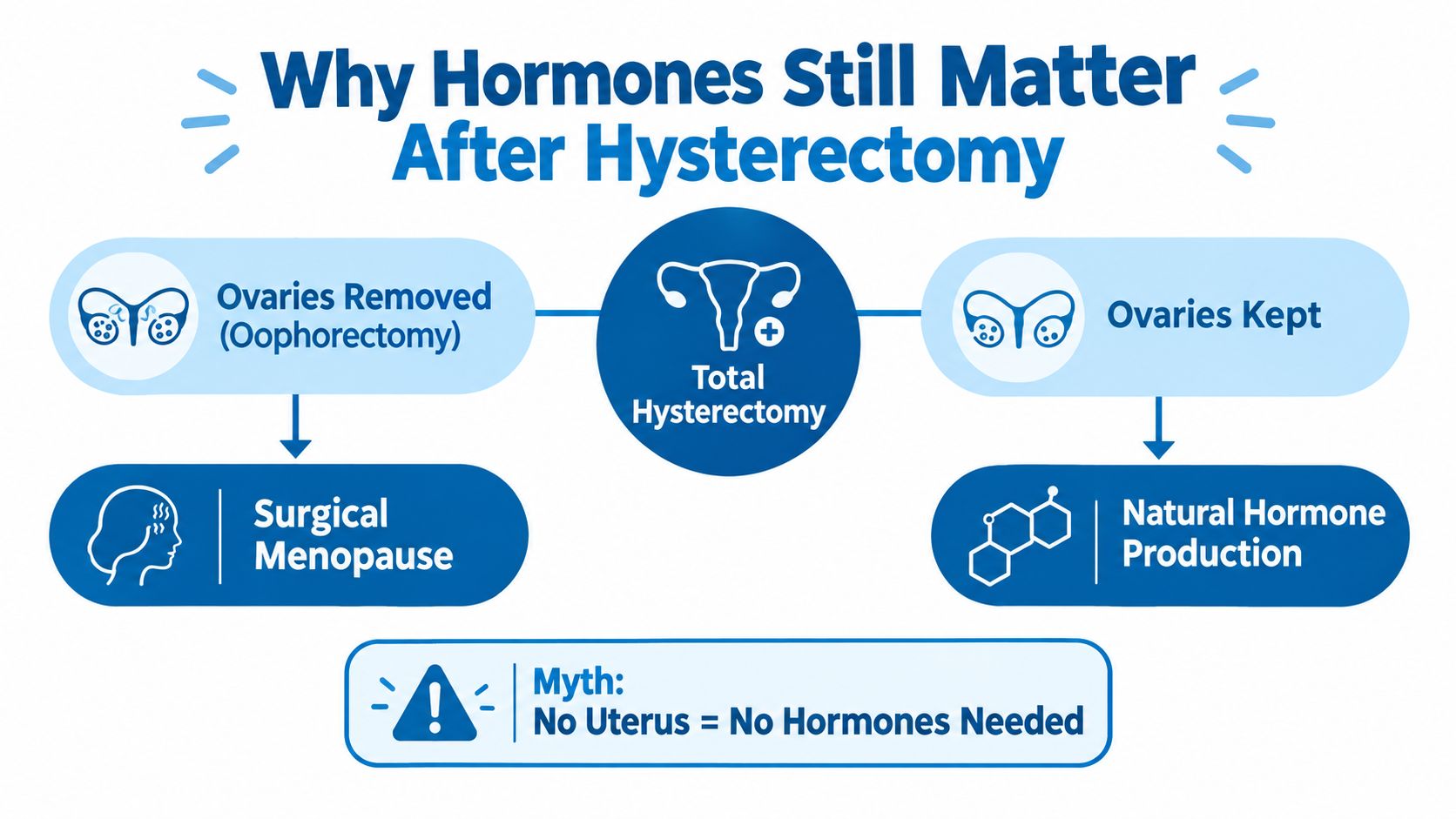
Treatment works best when it matches the driver. Confirmed hypothyroidism may call for thyroid hormone replacement and follow-up testing. Perimenopausal or andropausal symptoms may prompt a discussion of hormone replacement therapy , including the potential role of bioidentical hormones or testosterone therapy when medically appropriate. Insulin resistance may lead to nutrition changes, physical-activity planning, metformin, or a GLP-1 receptor agonist based on the person's health profile.
GLP-1 medications don't “speed up” metabolism in the simple sense. A 2025 review describes multiple mechanisms, including central appetite control, lower energy intake, greater satiety, and delayed gastric emptying, with the gastric-emptying effect often modest, method-dependent, and capable of diminishing over time. A review of GLP-1 and gut-hormone effects explains why GLP-1 weight loss is better understood as a gut-brain-pancreas effect than as one isolated action.
Layer the plan
- Preserve lean tissue: Progressive resistance training and adequate protein can be central when muscle loss is part of the problem. A commonly used protein target in clinical nutrition planning is 1.2 to 1.6 grams per kilogram of body weight , but kidney disease and other conditions require individualized advice.
- Improve fuel handling: Meal composition, activity, and sleep may support insulin sensitivity. Metformin or a GLP-1 medication may be considered when clinical indications support it.
- Treat confirmed hormone disorders: Thyroid replacement or HRT should follow an evaluation, discussion of risks, and monitoring plan.
- Repair recovery: Sleep routines, evaluation for sleep apnea, and stress treatment can support energy and adherence.
- Measure progress differently: Weight can be tracked alongside waist measures, strength, symptoms, laboratory markers, and body composition.
The metabolic health biomarkers guide offers a broader overview of markers clinicians may consider. You can also review ways to improve metabolic health before discussing a personalized plan.
Pause Medical provides hormone replacement therapy, medically supervised weight loss, GLP-1 weight loss support, testosterone therapy, disease management, and medication management for Mississippi adults. A clinician can establish baseline labs and body-composition information, then reassess symptoms, safety, and progress after an appropriate treatment interval.
Schedule a consultation with Pause Medical to review persistent weight gain, fatigue, sleep problems, menopause or andropause symptoms, thyroid concerns, and current medications. Mississippi patients can receive an individualized evaluation and treatment plan focused on measurable metabolic drivers rather than another cycle of guesswork.