7 Best Weight Loss Programs for Women Over 50
One popular diet isn't automatically the best choice after 50. Menopause-related changes, sleep disruption, reduced activity, muscle preservation, medications, thyroid or metabolic conditions, and personal budget can all change which plan makes sense. The best weight loss programs for women over 50 should be judged by more than meal rules or app features.
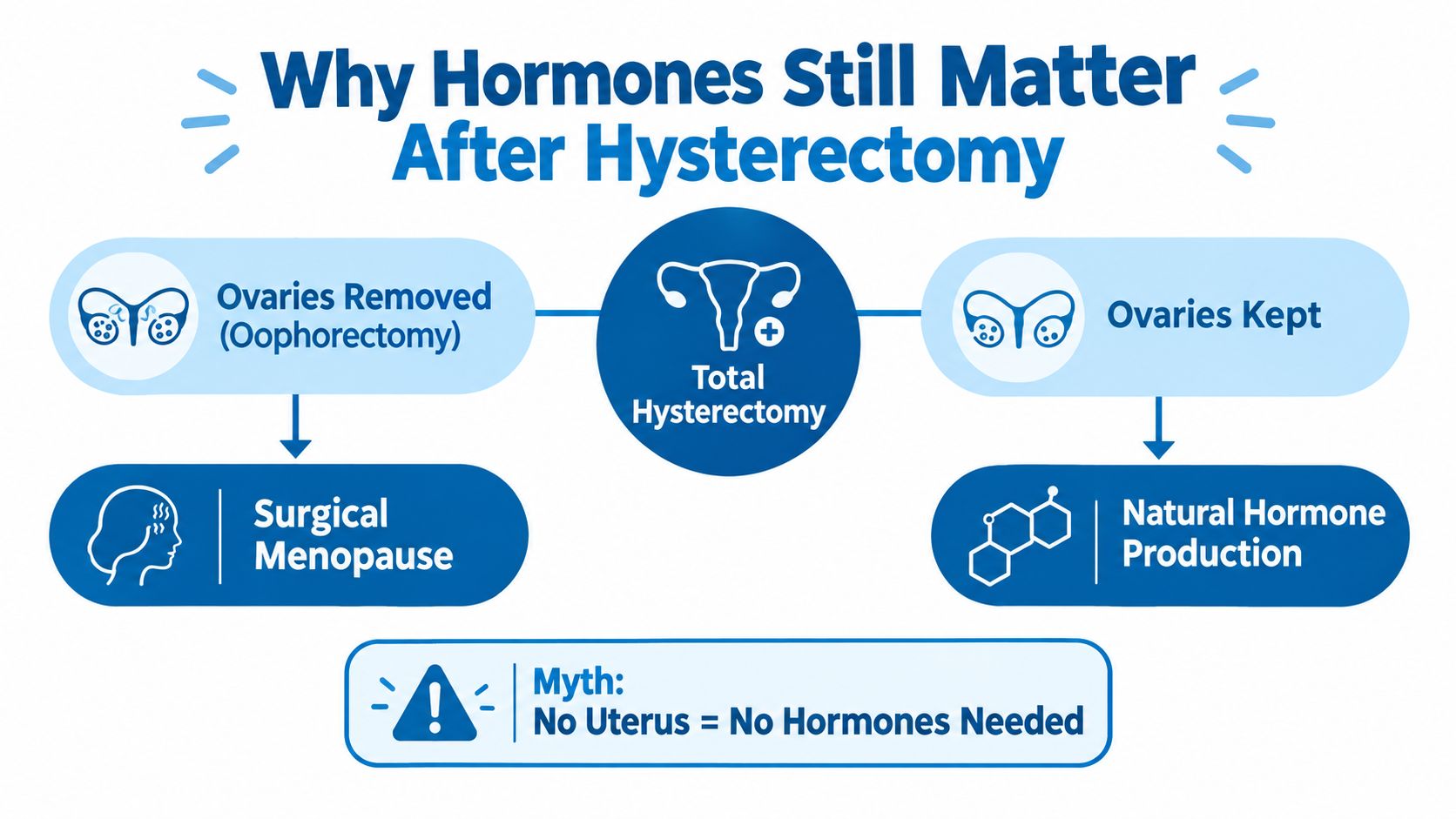
This comparison considers clinical screening, hormone-aware care, GLP-1 eligibility and monitoring, nutrition and exercise support, maintenance planning, accessibility, and total cost. HRT may help manage menopause symptoms, but it isn't a standalone weight-loss program, and medication decisions require qualified medical evaluation. Women in Mississippi can also consider weight loss guidance from Flourish-Everyday as general education, while a provider-led clinic such as Pause Medical can assess individual needs in person. This article is educational, not a substitute for diagnosis, treatment, or urgent medical care.
1. Pause Medical
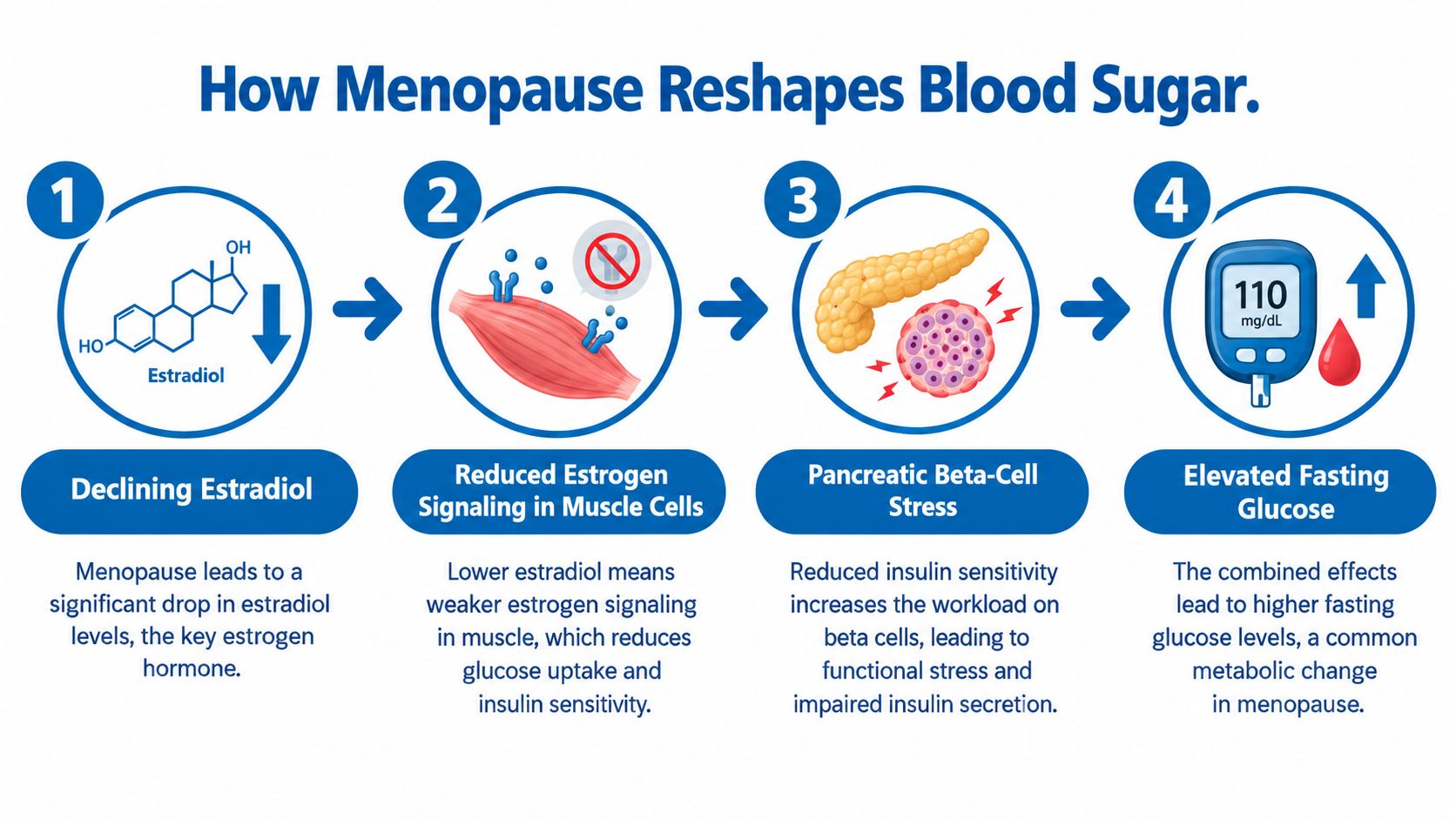
Pause Medical is the strongest fit on this list for a Mississippi woman whose weight concerns overlap with menopause symptoms, medication questions, low energy, or chronic disease management. The clinic specializes in hormone replacement therapy, including bioidentical hormones when appropriate, medically supervised weight loss, testosterone therapy, menopause care, and medication management . That combination matters because a weight-loss plan shouldn't treat the scale while overlooking thyroid disorders, diabetes, sleep problems, or other contributors to weight change.
Care begins with online scheduling and an in-person provider evaluation. A Wellness Lab Panel, listed by the practice at $199 , uses a single blood draw to establish a clinical baseline. Providers can then monitor hormone levels and adjust treatment as the patient's response, symptoms, and health profile change. The clinic's weight-loss services use FDA-approved medications, including GLP-1 options when clinically appropriate, alongside individualized nutrition and lifestyle guidance. Its medical weight-loss solutions explain how personalized care can support women dealing with menopause-related weight gain.
Where Pause Medical stands out
Pause Medical offers in-person services in Mississippi communities including Oxford, Meridian, Tupelo, Flowood-Jackson, and Starkville, along with other locations statewide. Patients can book online or call 833-940-5060 , Monday through Friday from 8 a.m. to 5 p.m. CST . The practice also offers an at-home TRT program and a supplements shop, although supplements shouldn't replace clinical treatment or prescribed medication.
Practical rule: If your weight gain comes with hot flashes, disrupted sleep, fatigue, changing libido, diabetes concerns, or a complicated medication list, start with clinical screening rather than choosing a diet app first.
The main limitation is cost access. Pause Medical is self-pay and doesn't bill insurance, and program pricing beyond the listed lab panel isn't publicly displayed. That can make total treatment cost harder to compare with insurance-based telehealth services. For Mississippi residents who prioritize local provider access, hormone-aware evaluation, lab testing, and ongoing monitoring, however, the clinic offers a more thorough model than a behavior-only subscription.
Best for: Women seeking Mississippi-based HRT, GLP-1 weight-loss evaluation, medication management, and personalized follow-up.
2. WeightWatchers
WeightWatchers, or WW, remains a practical choice for women who want a structured behavior program with several levels of support. Its app-based Points system helps users organize meals without requiring a single rigid menu. The platform also includes macro tracking, recipes, activity and sleep integration, workshops, community groups, and a menopause-focused track within its Core+ offering.
The menopause content is useful because it acknowledges that women in midlife may need guidance that goes beyond generic calorie counting. Still, content about menopause isn't the same as treatment for hot flashes, thyroid disease, diabetes, or clinically significant hormonal symptoms. A woman taking several medications may need a provider review outside the standard membership.
Behavioral and clinical pathways
WW also offers a clinical route called WW Clinic, or Med+, where clinicians can evaluate eligibility for GLP-1 medication and manage treatment when appropriate. That gives WW a clearer escalation path than a program limited to food tracking. Medication costs remain separate from membership fees, and eligibility depends on clinical assessment, medical history, and access.
Independent evidence supports a cautious view of commercial programs. A systematic review found that Weight Watchers produced at least 2.6% greater weight loss than control or education at 12 months , while the same review reported at least 4.9% for Jenny Craig and 3.8% for Nutrisystem at three months ( systematic review of commercial weight-loss programs). Those results suggest structured programs can outperform self-directed dieting, but they don't guarantee an individual outcome or resolve adherence concerns.
WW works best for someone who enjoys tracking, community accountability, and flexible food choices. If tracking feels burdensome, the program may become another short-lived diet rather than a maintenance system.
Best for: Women who want behavior coaching first, with an optional clinical pathway.

3. Noom
Noom is built around the idea that long-term weight management depends on changing automatic eating patterns, not just receiving a list of approved foods. Its Noom Weight track uses psychology-informed lessons, daily coaching, food logging, and a color-based food system. For women over 50 who recognize emotional eating, stress eating, or inconsistent routines as major obstacles, that behavioral focus can be more useful than a highly restrictive menu.
The platform also offers Noom Med, a clinician-guided route that may include GLP-1 medication when indicated. That creates a transition from behavior-first support to medication-assisted care without forcing every user into a prescription pathway. It doesn't mean the app can diagnose menopause, thyroid disorders, or diabetes through habit tracking alone.
The trade-off is access
Noom's coaching is primarily app-based, so it may not meet the needs of someone who wants in-person examination, lab interpretation, or coordinated care with a primary-care clinician. Medication availability and coverage also depend on provider judgment, insurance, and pharmacy access. Those variables can affect both convenience and total cost.
Noom's strongest feature is its attention to the reasons people eat, not just what they eat. Its weakness is that insight doesn't automatically create a medically complete plan. Women experiencing persistent fatigue, hot flashes, sleep problems, or rapid changes in weight should ask a qualified provider whether another health issue needs evaluation before treating the problem as a habit deficit.
For practical accountability ideas that can complement an app-based program, see this guide to weight-loss accountability. Readers who dislike rigid tracking may also prefer the advantages of intuitive eating, provided nutrition remains adequate and medically relevant goals are addressed.
Best for: Women who want psychology-based coaching and a possible route to clinician-guided treatment.
4. Mayo Clinic Diet
The Mayo Clinic Diet is designed for women who want clinically grounded guidance, habit formation, and no prescription management within the program. Its structure moves from a “Lose It!” phase into “Live It!”, combining education with meal planning, food tracking, activity tools, and maintenance guidance.
That sequence addresses a common weakness in short-term diets. Initial weight loss and long-term maintenance require different skills, especially when meals become less structured. Mayo emphasizes repeatable habits rather than a temporary reset, although women must apply much of the guidance independently.
Support limits and clinical context
The program organizes food choices and activity. Women with thyroid concerns, diabetes, medication-related weight gain, menopausal symptoms, or possible sleep disorders should seek clinician-led evaluation alongside dietary guidance. Those issues can require lab testing, medication review, hormone-related assessment, or coordinated treatment beyond a general weight-loss curriculum.
A 12-month randomized trial of 439 postmenopausal women helps illustrate the value of combining approaches. The diet-and-exercise group lost 10.8% of body weight , compared with 8.5% for diet alone, 2.4% for exercise alone, and 0.8% among controls ( postmenopausal diet and exercise trial). These results do not establish an expected outcome for every Mayo user. They support a broader conclusion: food choices, movement, structure, and follow-up can reinforce one another more effectively than relying on one tactic.
Mayo fits self-directed women who value credible education and want to build maintenance skills. A Mississippi patient with persistent symptoms, abnormal labs, diabetes, thyroid disease, or interest in hormone therapy or GLP-1 monitoring may benefit more from a provider-led plan, with Mayo used as dietary support. Anyone comparing options should also review guidance on how to lose weight sustainably.
Best for: Women who want a moderate, education-centered program focused on habits and maintenance.
5. Found Health
Found Health combines telehealth clinicians, coaching, app support, and medication options. It may fit a woman over 50 who wants medical screening but needs insurance navigation or prefers remote care. The platform supports non-GLP-1 and GLP-1 approaches, including compounded options, when a provider determines that treatment is appropriate.
Its insurance integration is a meaningful differentiator. Found works with many insurance plans, including Medicare, although coverage, formularies, eligibility, and prior authorization can vary. A branded medication may be covered for one patient and unavailable to another, so advertised access shouldn't be treated as a guaranteed prescription or final cost.
A flexible model with important questions
Found's personalized care plans, app support, and always-available AI companion may help users stay engaged between clinical contacts. The model is less suitable for someone who specifically wants local, in-person evaluation in Mississippi or a provider who can coordinate face-to-face care with other specialists.
The medication conversation should also include muscle preservation. Menopausal transition is associated with faster lean-mass decline, and obesity-treatment reviews have raised concerns that GLP-1-related weight loss can include lean mass, particularly when patients eat too little protein or stop resistance exercise. A recent analysis reported that GLP-1 receptor agonists remain effective in peri- and postmenopausal women, while another tirzepatide analysis found similar weight loss across reproductive stages ( menopause and GLP-1 evidence). The practical conclusion is that menopause doesn't make medication ineffective, but it does make treatment design more important.
Before enrolling, review any multi-month commitment, medication source, follow-up schedule, and plan for maintaining results.
Best for: Women seeking remote clinician access, coaching, and potential insurance support.

6. Form Health
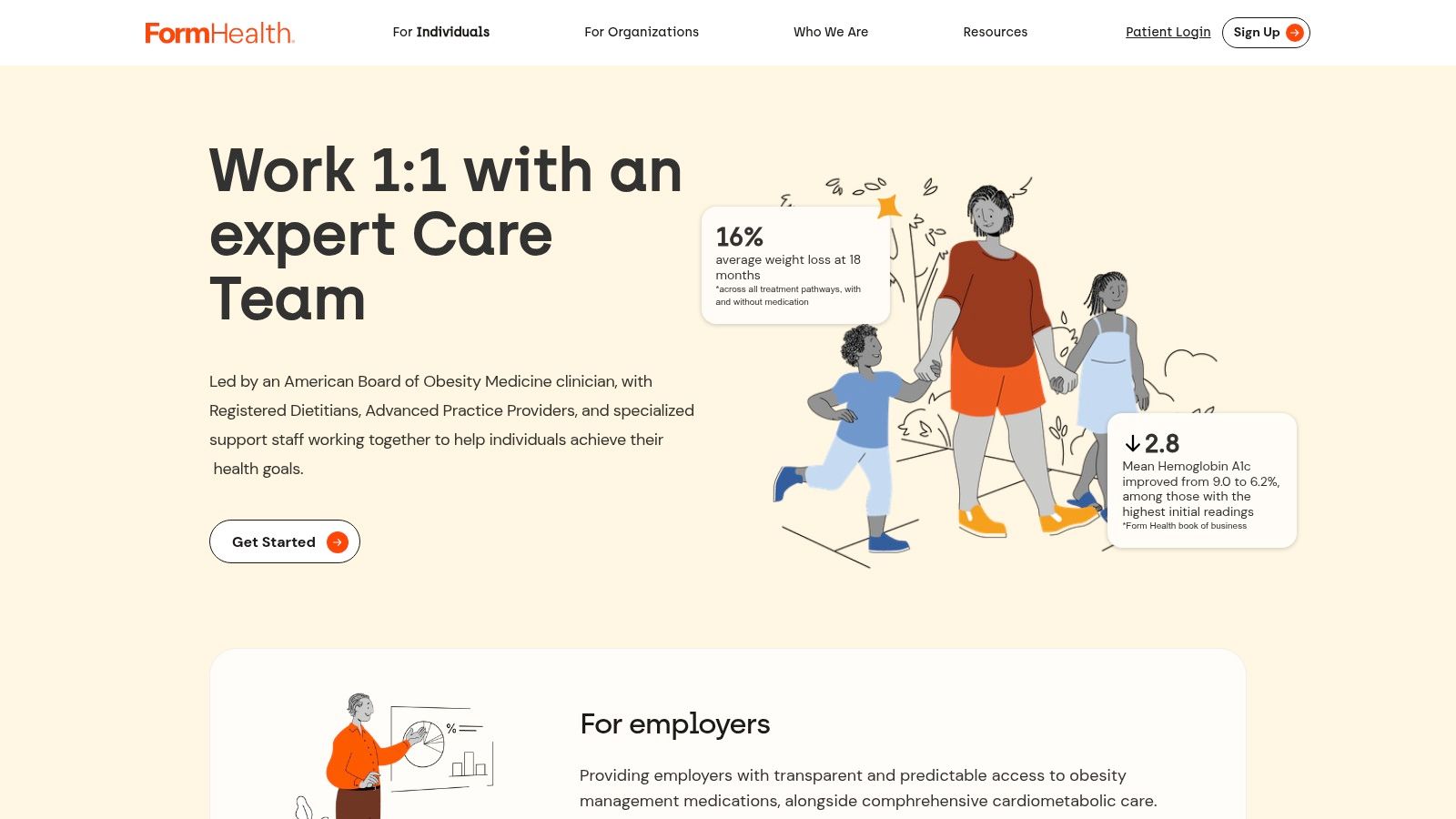
Form Health is designed for women who want physician-led obesity care rather than an app alone. Its model pairs board-certified clinicians with registered dietitians, secure messaging, medication management, and remote monitoring. GLP-1 medications may be included when clinically indicated, and the program accepts many insurance plans, including Medicare, while also offering a self-pay route.
The clinical structure is especially relevant when weight concerns overlap with diabetes, blood-pressure treatment, mobility limitations, or other cardiometabolic issues. A clinician can consider medication interactions and health history in a way a food-only program cannot. Coverage still depends on the patient's individual insurance formulary, diagnosis, eligibility, and authorization requirements.
Why monitoring changes the comparison
GLP-1 medications can produce substantial weight loss, but they require more than a prescription. In key trials, semaglutide produced about 14.9% mean weight loss , while tirzepatide produced about 20.9% at the highest dose over roughly 12 to 18 months ( GLP-1 trial results). A separate meta-analysis of 22 trials involving 17,183 participants found that 50.2% of people taking GLP-1 receptor agonists reached at least 5% weight loss , while 17.5% reached at least 10% ( GLP-1 weight-loss meta-analysis). These findings describe population results, not a promise for an individual patient.
Women over 50 should ask how Form tracks muscle, nutrition, side effects, blood pressure, glucose, and medication changes. The connected scale and remote monitoring available on certain plans may help, but patients should confirm exactly what their selected plan includes.
Best for: Women with obesity or weight-related conditions who want clinician, dietitian, and medication support through telehealth.
7. Nutrisystem for Women 50 Plus
Nutrisystem centers on convenience. It delivers portion-controlled foods and snacks, reducing the need to plan every meal or estimate serving sizes. Its website lists options for women 50+, with app support and partner plans designed for different household or budget needs.
This format may suit women who find portions, grocery planning, and daily calorie decisions difficult. It also offers an organized starting routine for someone who wants immediate structure rather than extensive coaching. Nutrisystem excels at convenience and portion structure but does not include individualized medical oversight.
The maintenance question
Delivered meals can build portion awareness, yet long-term maintenance requires practice with ordinary groceries, restaurant meals, and family cooking. Women transitioning away from packaged foods may need to plan protein-rich foods, vegetables, fiber, and meals that reflect their preferences. Taste and sodium levels vary by product, so women with hypertension or other dietary needs should read labels and discuss the plan with a provider.
Nutrisystem is a weight-loss program, not treatment for menopause symptoms, hypothyroidism, diabetes, or medication-related weight gain. Those conditions can alter nutritional needs and may require medication adjustments. Hormone therapy requires a separate clinical evaluation. For women with an intact uterus, systemic estrogen therapy should include a progestogen to reduce the risk of endometrial hyperplasia and uterine carcinoma. Guidance describes the most favorable benefit-risk profile when treatment begins before age 60 or within 10 years of menopause onset ( menopause hormone therapy guidance).
A Mississippi patient with these concerns may benefit from a provider-led plan before choosing a food-delivery program. Medical review can clarify whether weight changes reflect diet, menopause, thyroid disease, diabetes, or medication effects.
Best for: Women who prioritize convenience, portion structure, and delivered meals.
Top 7 Weight-Loss Programs for Women 50+: Side-by-Side Comparison
| Program | Implementation Complexity 🔄 | Resources & Efficiency ⚡ | Expected Outcomes 📊 | Ideal Use Cases 💡 | Key Advantages ⭐ |
|---|---|---|---|---|---|
| Pause Medical | Medium, in-person evaluation + baseline lab and follow-up monitoring | Moderate–High cost (self‑pay; $199 lab; meds extra) | Measurable hormone balance and medically supervised weight loss when followed | Mississippi residents wanting local, provider‑led HRT and medical weight‑loss | Provider‑led, lab‑guided personalized care; fast scheduling; strong local reputation |
| WeightWatchers (WW) | Low, app-driven Points system; optional Med+ clinical path | Low–Medium (membership; meds billed separately) | Moderate, evidence-backed behavior change; clinical track can add med benefits | Users preferring community, habit change, or optional clinical escalation (40s–50s+) | Established evidence base; flexible behavioral→clinical pathways |
| Noom | Low, app + CBT coaching; Noom Med adds clinician oversight | Low–Medium subscription; medication access via Noom Med/insurance | Moderate, strong long‑term habit change; clinical path for meds if needed | People needing psychology‑driven behavior change who may later use meds | CBT‑informed coaching; scalable app model with medical escalation option |
| Mayo Clinic Diet | Low, phased digital curriculum ("Lose It!" → "Live It!") | Low (digital program; no prescriptions) | Moderate, sustainable lifestyle changes and maintenance focus | Those wanting clinically credible, medication‑free weight management | Clinically grounded guidance; realistic nutrition for midlife |
| Found Health | Medium, telehealth clinician + coaching, insurance navigation | Variable, works with many insurers (including Medicare); meds possible | Moderate–High, medical oversight with GLP‑1 and other med options when appropriate | Patients seeking insurance‑covered medical weight care and medication management | Insurance‑friendly; transparent medication options; personalized telehealth care |
| Form Health | Medium, physician‑led telehealth with RDs and remote monitoring | Variable, accepts many insurers; self‑pay option; connected devices on plans | Moderate–High, effective for obesity and cardiometabolic risk with clinical oversight | Patients with obesity or complex midlife health profiles needing clinician care | Physician + RD team; insurance integration; structured medical monitoring |
| Nutrisystem (Women 50+) | Low, preportioned meal delivery and structured plan | Medium, meal subscription and shipping costs | Short‑term high adherence; long‑term maintenance requires transition planning | People wanting convenience, portion control, or a quick jump‑start | High convenience; reduces decision fatigue; age‑specific meal plans |
Choose the Support You Can Sustain
The best program is the one that matches the problem you need to solve. If menopause symptoms, prescription medications, diabetes, thyroid concerns, or GLP-1 treatment are part of the picture, choose Pause Medical or another clinician-led option that can evaluate risks and monitor changes. A meal-tracking app may be enough when behavior awareness and coaching are the main needs. Meal delivery makes more sense when convenience and portion structure matter most, but it should include a plan for returning to self-selected foods.
A two-year randomized program in overweight and obese women produced 7.9% weight loss in a center-based group and 6.8% in a telephone-based group , compared with 2.1% with usual care ( long-term behavioral weight-loss program evidence). The practical lesson is that both in-person and remote support can work, but the support must continue long enough to become part of daily life. Choose the delivery method you can realistically maintain, not merely the one with the most appealing launch materials.
Before enrolling, ask a provider:
- Menopause symptoms: Could hot flashes, poor sleep, mood changes, or fatigue be affecting appetite, activity, or recovery?
- HRT eligibility: Would hormone therapy be appropriate, and what risks apply to your personal history?
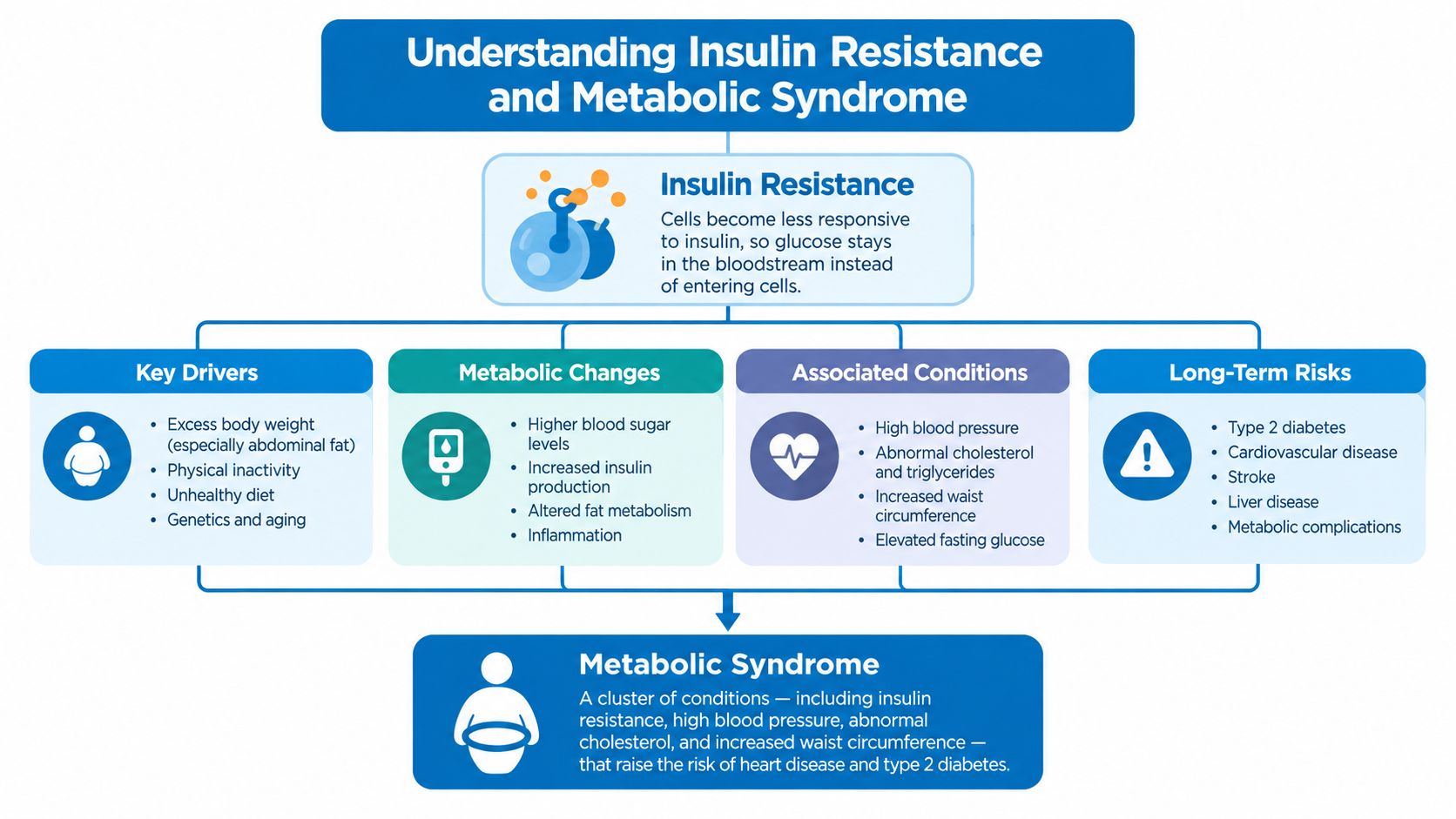
- Thyroid and diabetes concerns: Do you need laboratory evaluation or medication changes before starting weight treatment?
- Medication interactions: Could a GLP-1 medication affect glucose, blood pressure, oral medications, or other treatments?
- Muscle preservation: How will the plan use protein-aware nutrition and resistance exercise while weight decreases?
- Follow-up frequency: Who reviews symptoms, side effects, labs, body weight, and medication response?
- Total cost: What will insurance cover, and what are the full self-pay costs for visits, labs, medication, and follow-up?
- Maintenance: What happens after the initial weight-loss phase?
Women considering hormone therapy should also discuss route and risk. Oral menopausal hormone therapy can raise venous thromboembolism and stroke concerns, while transdermal estradiol is preferred in women with increased baseline clotting or cardiovascular risk in a major guideline summary ( menopause management guidance). HRT may improve symptoms for an appropriate patient, but it isn't a weight-loss substitute.
Mississippi readers can schedule a consultation with Pause Medical to discuss HRT, medical weight loss, lab evaluation, medication management, and ongoing monitoring. Treatment should be individualized, and urgent or concerning symptoms require prompt medical attention.
Pause Medical provides Mississippi-based hormone replacement therapy, menopause care, medically supervised weight loss, GLP-1 medication evaluation, laboratory testing, and medication management with ongoing provider support. Visit Pause Medical to schedule a consultation and discuss a plan built around your symptoms, health history, goals, and long-term maintenance needs.