Achieve Your Goals: Medical Weight Loss Solutions
You may be there right now. You've cleaned up your meals, started walking, cut back on late-night snacking, and tried to stay consistent. At first, the scale may have moved a little. Then it stalled. Or it crept back up, even though your effort stayed high.
That experience can feel defeating. It can also make you question yourself in ways that are hard to admit. Many adults in Mississippi carry that frustration for years, especially during menopause, andropause, thyroid problems, or periods of high stress when the body seems to resist every reasonable change.
A medical approach can offer a different path. Not because weight loss is about willpower alone, and not because medication replaces healthy habits, but because your biology matters. Hormones, appetite signals, blood sugar regulation, sleep, and muscle mass all influence whether your body responds to diet and exercise the way you expect.
When Diet and Exercise Are Not Enough
A common story goes like this. A woman in her late 40s starts gaining weight around the middle as her sleep worsens and hot flashes begin. She keeps eating the same breakfast, still tries to walk after work, and even signs up for a fitness app. But her hunger feels stronger, her energy is lower, and the effort that used to work doesn't work anymore.
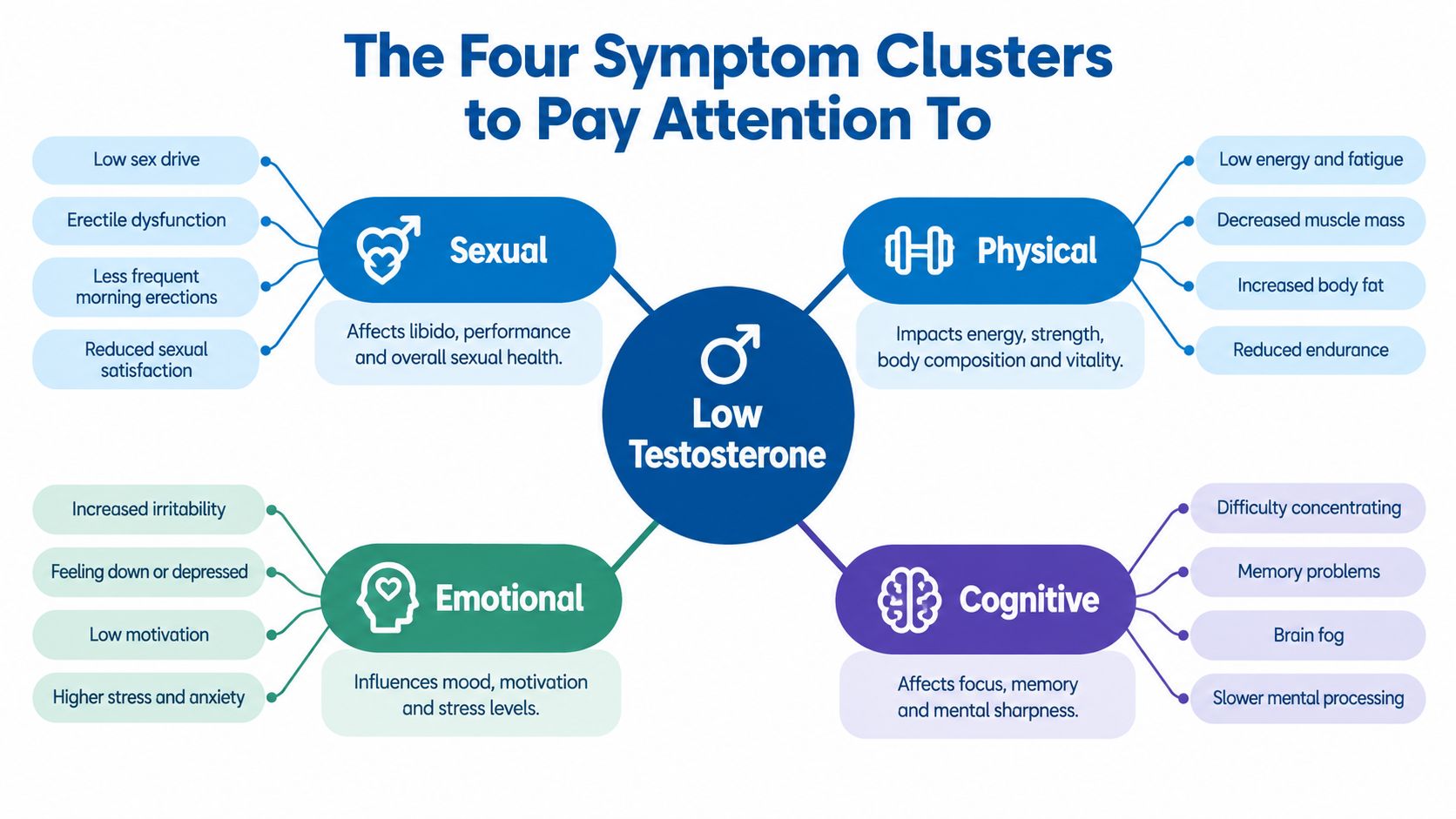
A similar pattern shows up for men in midlife. A man notices lower drive in the gym, less muscle tone, more abdominal weight, and a slower recovery after workouts. He may blame age alone, but testosterone changes, poor sleep, stress, and insulin resistance can all shift how his body stores fat and uses energy.
Those examples matter because they challenge a harmful idea. If you've struggled despite honest effort, that doesn't mean you've failed. It may mean your body needs medical evaluation, not more shame.
Why the body pushes back
Weight regulation isn't just about discipline. The body adjusts hunger, fullness, energy use, and cravings in response to stress, hormonal change, sleep disruption, and prior weight loss attempts. That's why two people can follow similar routines and get very different results.
Weight gain often has a medical layer. When clinicians look for that layer, treatment becomes more precise.
For some people, the next step is learning about how to lose weight sustainably with medical guidance. That means stepping away from all-or-nothing thinking and starting to ask better questions.
What hope looks like
Hope in this setting isn't a promise of fast results. It's the relief of realizing there's a reason your body may be resisting change.
A medically guided plan can help when any of these sound familiar:
- You lose and regain the same weight repeatedly
- Your hunger feels hard to control even when you're trying
- Menopause or andropause seemed to change everything
- You suspect thyroid, blood sugar, or stress issues are involved
- You want medical oversight rather than another generic diet plan
That shift matters. Instead of asking, "Why can't I do this?" you begin asking, "What is my body telling me?"
Understanding the Medical Approach to Weight Management
Medical weight loss solutions are physician-supervised programs designed to identify why weight gain is happening and how to treat it safely. That makes them very different from commercial diets that hand everyone the same meal rules and hope for the best.
According to the CDC, nearly 42% of American adults have obesity , and many struggle to achieve and maintain weight loss through lifestyle changes alone because metabolic and hormonal factors can get in the way ( CDC obesity data). That's one reason medical programs exist. They aren't shortcuts. They're structured care.

Four pillars that set medical care apart
A good program usually rests on four connected pieces.
| Pillar | What it means in practice |
|---|---|
| Medical evaluation | A clinician reviews symptoms, history, medications, and patterns that may be driving weight gain |
| Personalized treatment | Nutrition, movement, and medication decisions are tailored to your health picture |
| Ongoing oversight | Follow-up visits help monitor progress, side effects, and needed adjustments |
| Lifestyle integration | The plan has to fit your real life, not an idealized version of it |
Some people assume this process is mostly about prescriptions. It isn't. Medication can be one tool, but the larger goal is to build a plan your body can respond to and your life can support.
Practical rule: If a program skips your medical history, symptoms, and labs, it isn't personalized care.
How this differs from a commercial diet
Commercial programs often focus on compliance. Medical programs focus on causes.
That means a physician may ask questions a diet company won't. Are you sleeping poorly? Has your thyroid been checked? Did weight gain begin with menopause? Are you taking a medication that affects appetite or fluid retention? Do you feel full after meals, or rarely?
If you're comparing options, this guide to medical weight management and lasting results gives a helpful overview of what supervised care can involve. For business owners who also think about how health and wellness services are presented online, the med spa advertising guide for gym owners is a useful look at how wellness messaging can shape patient expectations before they ever schedule.
What personalized care can include
Not every patient needs the same tools. One person may benefit from hormone evaluation and sleep support. Another may need medication management, nutrition counseling, and close monitoring for diabetes risk. Another may need to address low testosterone, menopause symptoms, or thyroid disease before the scale starts moving.
That is the core idea. The plan should follow the patient, not the other way around.
Exploring GLP-1 Medications and Other Medical Tools
GLP-1 medications get a lot of attention, and for good reason. They can be effective tools for some patients when used as part of a broader medical plan. But they make more sense when you understand what they do.
They don't "melt fat." They work on pathways involved in hunger, fullness, and blood sugar regulation. In plain language, they can help people feel satisfied sooner, reduce persistent food thoughts, and support more stable eating patterns.
For a visual overview of how treatment options fit together, this process map helps:

How GLP-1 medications fit into treatment
You may hear names like Semaglutide and Tirzepatide . These medications are often discussed in the context of appetite control and metabolic health. The key point is that they should be prescribed in the context of a full evaluation, not chosen because they're trending online.
In major clinical trials, participants using once-weekly semaglutide along with lifestyle intervention achieved an average weight loss of nearly 15% of their initial body weight over 68 weeks ( New England Journal of Medicine semaglutide trial). That finding gives people a realistic reason to ask about treatment, but it doesn't mean every person will have the same experience.
This explainer on how semaglutide works in medical weight care is helpful if you're trying to understand the medication in patient-friendly terms.
What patients often misunderstand
The most common confusion is thinking the medication does all the work. It doesn't.
GLP-1 treatment tends to work best when patients also protect muscle mass, improve protein intake, stay physically active, and keep follow-up appointments. If someone uses medication but doesn't eat enough quality nutrition, strength train appropriately, or address sleep and stress, they may feel worse than expected or struggle to maintain progress.
A second misunderstanding is that if a medication helps, no further evaluation is needed. In reality, medication may reveal the need for even more individualized care.
Here are examples of other tools a clinician may use:
- Lab review to look at thyroid function, blood sugar patterns, and other metabolic clues
- Medication review to see whether current prescriptions may be affecting weight
- Hormone evaluation when menopause, andropause, low libido, or fatigue overlap with weight gain
- Follow-up monitoring to adjust dosing, track tolerance, and decide whether the treatment is helping in a meaningful way
This short video offers a useful overview for patients who prefer a visual explanation before meeting with a clinician.
Why the right tool still needs the right setting
A prescription without supervision can create false confidence. A supervised plan asks harder questions. Are side effects manageable? Is the patient nourishing their body well? Is the treatment improving energy, appetite regulation, and consistency, or just suppressing eating in a way that won't last?
That distinction matters in Mississippi, where many adults are balancing weight concerns with menopause symptoms, low testosterone, diabetes risk, thyroid issues, and demanding schedules. Effective care usually comes from matching the tool to the person, then adjusting as the body responds.
Why Hormonal Imbalance Can Sabotage Weight Loss
Many generic weight loss guides barely mention hormones. That's a major gap.
For a lot of adults, especially in midlife, weight gain starts around the same time as other changes. A woman may notice hot flashes, sleep disruption, mood shifts, and stubborn abdominal weight. A man may notice lower motivation, reduced libido, slower recovery, and loss of muscle. In both cases, calorie advice alone may miss the root problem.

Menopause and andropause change the equation
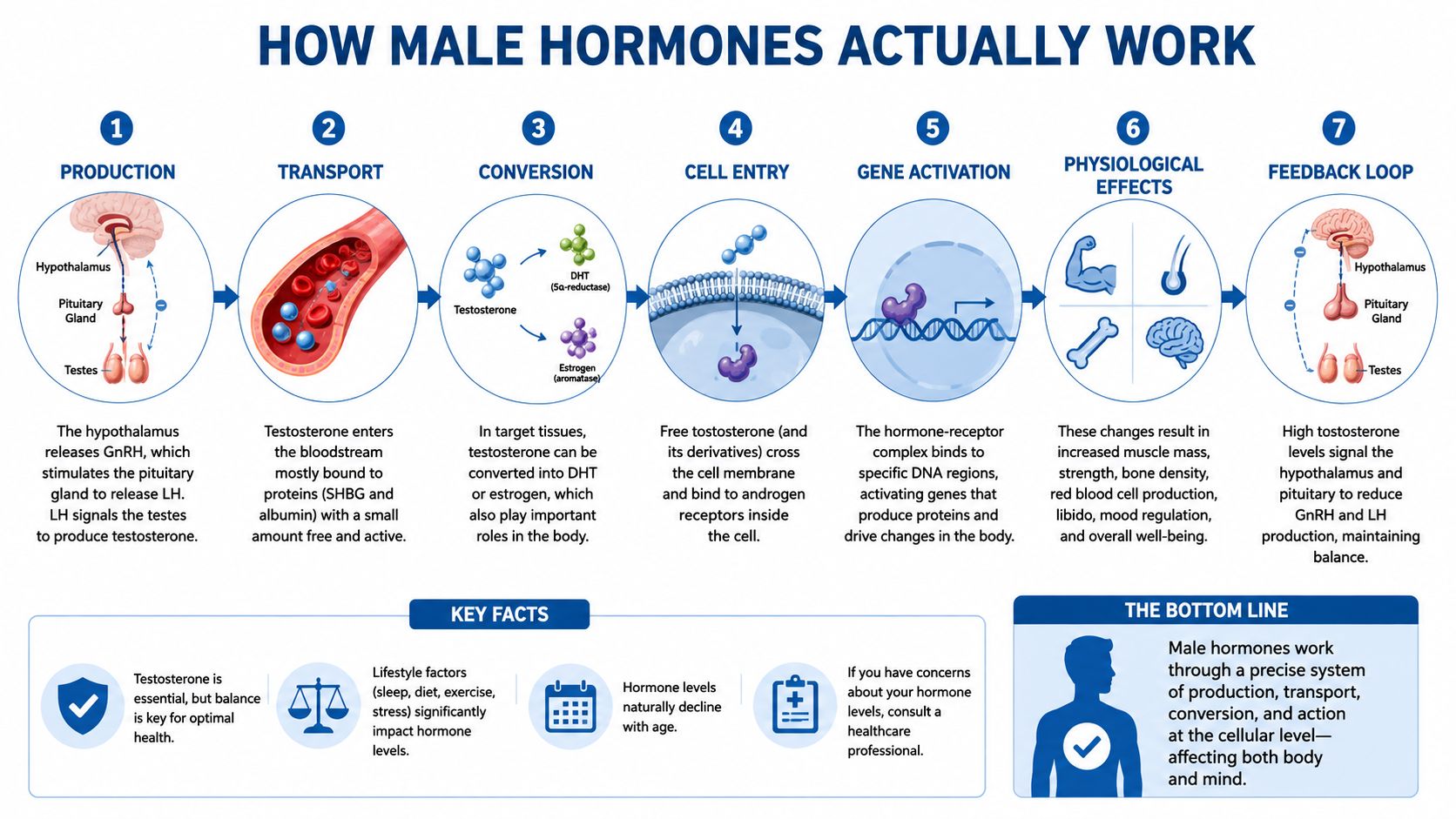
During menopause, shifts in estrogen can influence body composition, sleep, and where weight is stored. During andropause, declining testosterone can affect muscle mass, motivation, and energy expenditure. People often describe this as feeling like their body no longer responds the way it used to.
That doesn't mean hormones are the only factor. It means they may be one of the missing factors.
For patients wondering whether this sounds familiar, this guide on signs a hormone imbalance may be causing weight gain connects symptoms with practical next steps.
Thyroid, insulin, and stress can add to the problem
Weight resistance often has more than one driver. Someone may be dealing with menopause and poor sleep. Another person may have low testosterone and insulin resistance. Another may be carrying chronic stress that affects appetite, cravings, and recovery.
A clinician may look at several overlapping patterns:
- Thyroid-related symptoms such as low energy, feeling slowed down, or difficulty maintaining prior weight habits
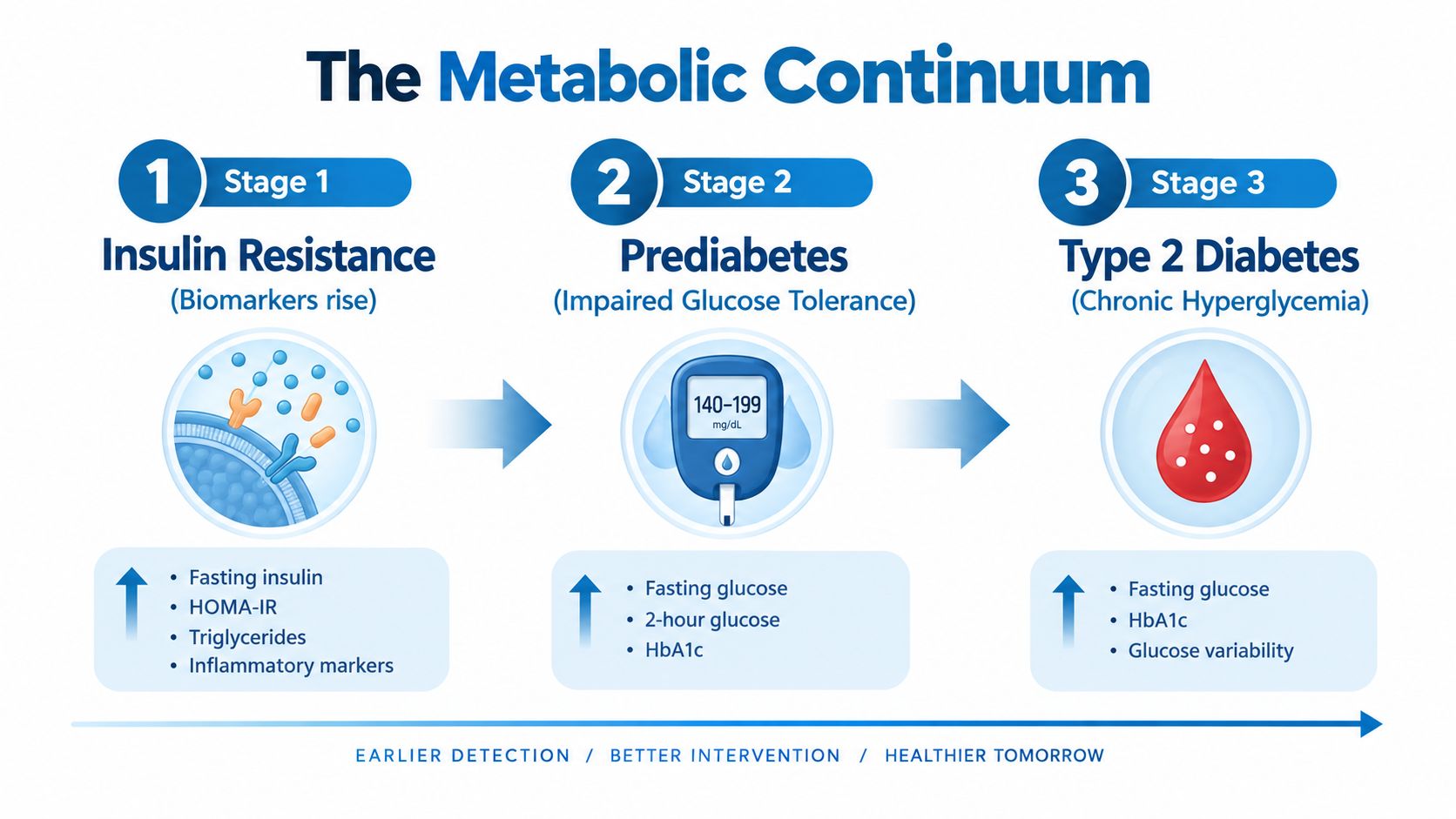
- Insulin-related issues that can make hunger and weight storage harder to manage
- Cortisol and stress patterns that can interfere with sleep, appetite, and abdominal fat loss
- Sex hormone shifts that change muscle mass, body composition, and motivation
When hormones are part of the problem, treating weight alone can feel like rowing against the current.
Why this matters for treatment planning
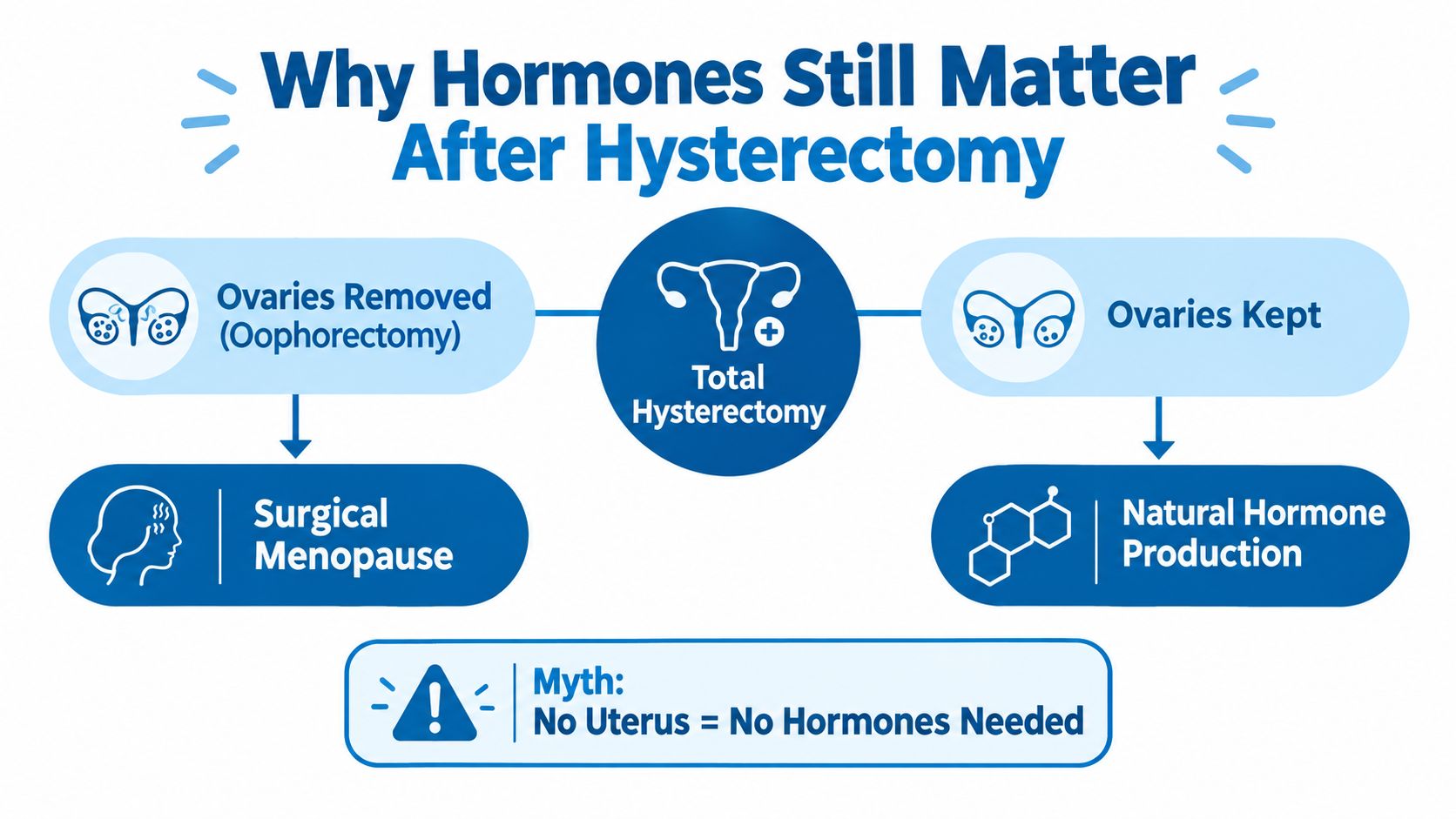
For appropriate patients, hormone replacement therapy , bioidentical hormones , and testosterone therapy may enter the conversation. Not as cosmetic add-ons, and not as universal answers, but as parts of a broader strategy when symptoms and lab findings support that approach.
Pause Medical specializes in hormone care, medical weight loss, and medication management for adults in Mississippi who are dealing with menopause, andropause, weight gain, chronic disease concerns, fatigue, low libido, sleep issues, and other symptoms that often travel together. In real practice, that kind of overlap is common. A patient may need support for both metabolic health and hormone balance to make meaningful progress.
Your Journey with a Medically Supervised Program
People often delay care because they aren't sure what the process will feel like. They worry they'll be judged, rushed, or handed a standard plan that doesn't fit their life.
A well-run clinic visit should feel more grounded than that. The first appointment is usually a conversation, not a lecture. You talk through symptoms, goals, previous attempts, medications, sleep, appetite, stress, and any concerns about menopause, testosterone, diabetes, thyroid issues, or metabolic health.

What the first steps usually include
The details vary by patient, but the path often looks something like this:
-
Consultation with a provider
You review symptoms, health history, and what has or hasn't worked before. -
Lab and diagnostic review
This helps identify whether hormone shifts, thyroid concerns, blood sugar issues, or other patterns may be contributing. -
Personalized treatment plan
That plan may include nutrition changes, movement guidance, medication management, or hormone-focused treatment. -
Ongoing follow-up
The provider monitors how you're feeling, how your body is responding, and whether the plan needs adjustment.
Why follow-up matters so much
Many people think the hardest part is starting. Often, the harder part is adjusting the plan as real life happens.
You might respond well to a medication but need help with side effects. You might improve your appetite control but realize poor sleep is still undermining progress. You might start losing weight and then see that low energy or low libido still needs attention. Follow-up is where treatment becomes more accurate.
Clinical perspective: Safe weight loss care isn't just about choosing a medication. It's about watching how the whole patient responds.
For patients searching locally, this page on medical weight loss near you in Mississippi can help you understand what in-person care may look like. If you're also trying to sort through nutrition education online, these website resources for nutritionists show how patient-friendly nutrition content can support better questions before and after appointments.
What about insurance and cost
Some patients prefer direct-pay care because it offers straightforward access and fewer delays tied to insurance rules. That doesn't make treatment simple or casual. It means the focus stays on clinical decision-making, transparent planning, and timely follow-up.
The most important thing is to ask clearly before you start. What is included in the evaluation? How are labs handled? How often are follow-ups recommended? Who manages medication adjustments? Clear answers now prevent confusion later.
Choosing Your Partner for a Healthier Future
The right provider can make this process feel organized and humane. The wrong one can leave you with a prescription, little guidance, and a lot of uncertainty.
If you're evaluating clinics in Mississippi, use a simple checklist.
What to look for in a provider
- Board-certified medical oversight so treatment decisions are grounded in clinical training and ongoing monitoring
- Personalized plans rather than identical protocols for every patient
- Hormone expertise if your weight gain overlaps with menopause, andropause, fatigue, sleep trouble, or low libido
- Medication management that includes follow-up, side effect review, and adjustment when needed
- Long-term thinking because maintaining results often requires more than a short burst of intervention
A strong clinic should also be comfortable talking about limits. Not every patient is a fit for every medication. Not every symptom points to the same diagnosis. Care becomes safer when the provider is willing to slow down and individualize.
Common questions patients ask
Am I a good candidate for medical weight loss
You may be, especially if lifestyle changes haven't produced sustainable progress, or if symptoms suggest hormones, blood sugar regulation, thyroid function, or medication effects are part of the problem. A proper evaluation matters more than a quick online quiz.
What are the potential side effects of treatment
That depends on the treatment selected. Some medications can cause digestive symptoms or require dose adjustments. Hormone-related treatment also requires medical screening and follow-up. The key question isn't whether side effects are possible. It's whether you have a clinician monitoring for them and helping you respond early.
How do I maintain results
Maintenance usually depends on continuing the habits and medical strategy that made progress possible in the first place. For some people, that means ongoing nutrition structure and exercise. For others, it also means continued medication management, hormone optimization, or periodic reassessment as life and health change.
Choose a clinic that treats weight gain as a health issue with many inputs, not a character flaw with one solution.
If you're ready for a more personalized plan, schedule a consultation with Pause Medical to discuss medically supervised weight loss, hormone replacement therapy, bioidentical hormones, testosterone therapy, and medication management at one of its Mississippi locations. This article is for educational purposes only and isn't a diagnosis or a substitute for personal medical advice. Treatment decisions should always be made with a licensed clinician who can evaluate your symptoms, history, labs, and safety needs.