Finding a Men's Health Clinic Near Me: A 2026 Guide
You wake up tired, push through the workday on caffeine, notice your waistline changing, and tell yourself it's probably stress or age. Then libido drops, sleep gets worse, and the afternoon crash becomes your normal. That's usually when people finally type Men's health clinic near me into Google and hope the right answer shows up.
The problem is that local search results mix real medical care with aggressive “wellness” marketing. Some clinics offer thoughtful diagnosis, medication management, hormone replacement therapy, medical weight loss, and disease management under real medical oversight. Others are basically testosterone storefronts with glossy branding.
If you live in Mississippi and you're trying to sort out fatigue, weight gain, low libido, sleep issues, mood changes, hot flashes, or possible hormone imbalance, you need a practical filter. Use this guide to find a clinic that treats the cause, not just the symptom.
Recognizing the Signs It Is Time to Seek Care
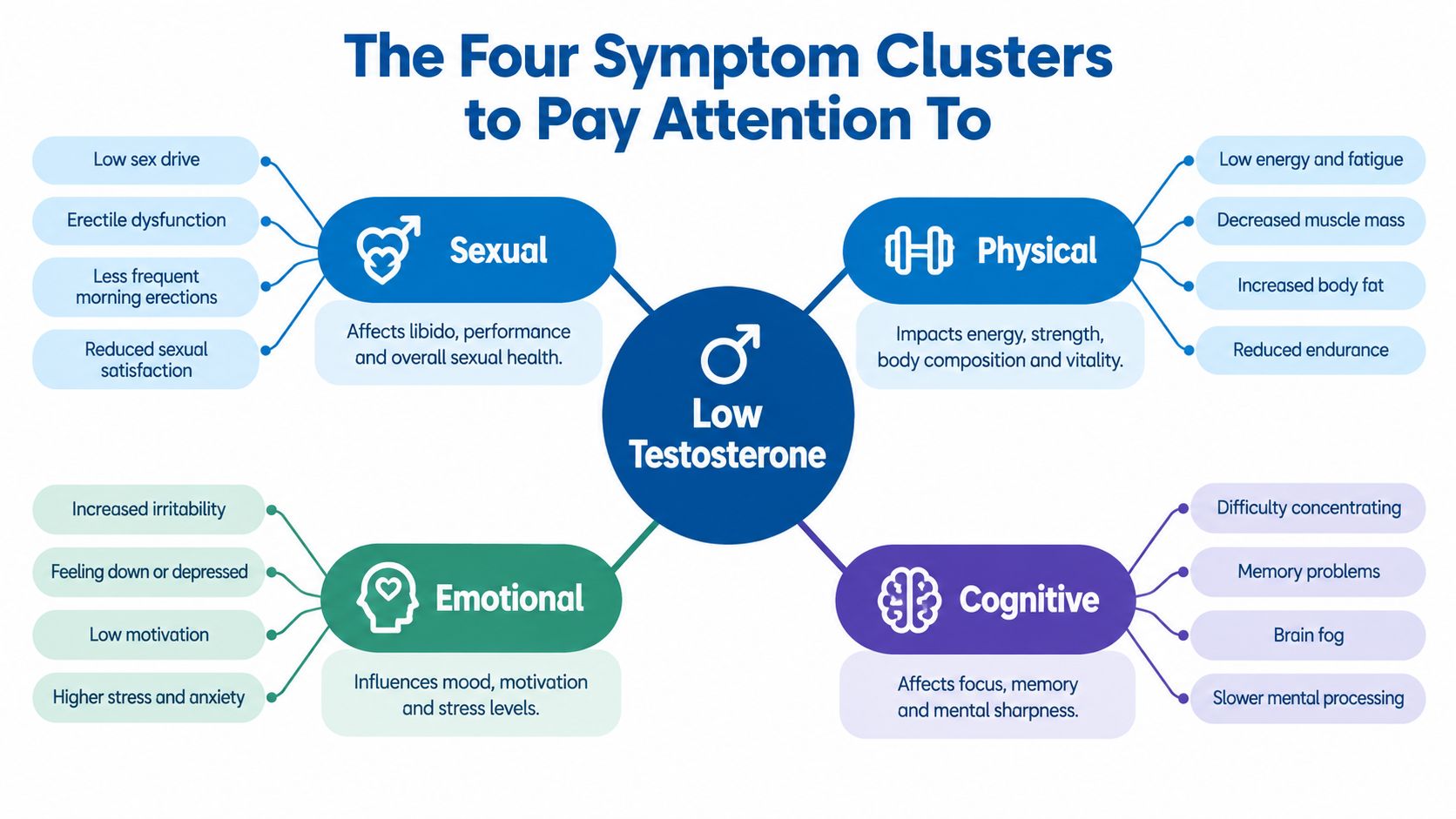
A lot of men don't start by saying, “I think I have low testosterone,” or “I may have metabolic syndrome.” They say, “I'm just off.” Energy is flat. Motivation is lower. Belly weight shows up even though eating habits haven't changed much. Workouts stop working. Sex drive drops. Patience gets thinner. Sleep feels lighter and less restorative.
Those changes matter. They can point to hormone imbalance, thyroid problems, poor metabolic health, diabetes risk, sleep disruption, chronic stress, or more than one issue at the same time. They are not automatically “just getting older.”
Men in the United States visit doctors half as often as women, and that pattern tracks with a life expectancy gap of 5.9 years. This avoidance is a major reason why one in four male deaths is due to cardiovascular disease, which regular checkups can help prevent , according to the Mississippi State Department of Health.
What men often dismiss
Some symptoms look minor when you see them one at a time. Together, they tell a different story.
- Persistent fatigue: You sleep, but you don't feel restored.
- Weight gain around the midsection: This can show up alongside hormone or metabolic shifts.
- Lower libido or weaker performance: Not always a stand-alone sexual health problem.
- Brain fog: Trouble focusing, slower recall, and mental dullness count.
- Sleep problems: Trouble falling asleep, staying asleep, or waking too early.
If that list sounds familiar, review common symptoms of low testosterone in men. It's a useful starting point, not a diagnosis.
Practical rule: If a symptom has lasted long enough to change your routine, your mood, your work, or your relationships, it deserves medical attention.
Don't wait for a crisis
The worst time to get serious about your health is after something obvious breaks. Men delay care because they don't want bad news, don't have time, or think they should tough it out. That instinct backfires.
A good clinic won't shame you for waiting. It will help you figure out whether your fatigue, low drive, or stubborn weight gain is tied to testosterone, thyroid function, diabetes risk, medication side effects, stress, sleep, or cardiovascular factors. That's the point of getting checked.
Decoding What a Modern Men's Clinic Offers
The best men's clinics today don't operate like old-school “T shops.” They don't treat testosterone as a shortcut for every complaint, and they don't pretend one injection solves metabolic, hormonal, and lifestyle issues.
The scope of men's health clinics has evolved from simple testosterone centers to multi-faceted facilities addressing endocrine, urologic, physical performance, and psychological issues. Unlike older models, modern clinics run by multi-disciplinary teams focus on integrated management rather than just symptomatic relief , as outlined in this overview of modern men's health clinic care.

Hormone care should be bigger than testosterone
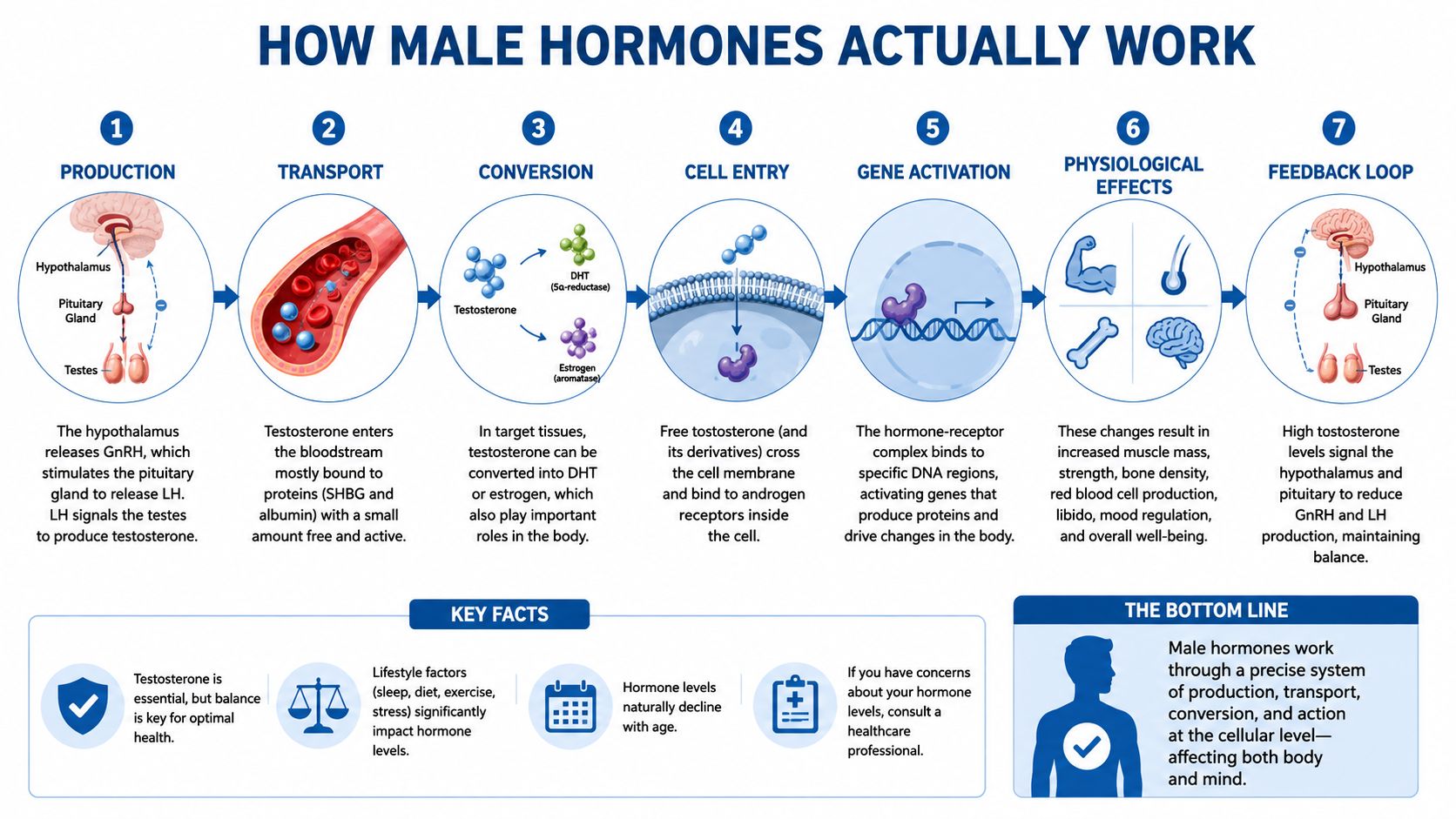
Real hormone care includes careful evaluation of symptoms, labs, medication history, weight changes, sleep, and long-term goals. It can involve hormone replacement therapy , including testosterone therapy when appropriate, and for some patients, discussion of bioidentical hormones or other targeted options depending on diagnosis and age.
If you want a plain-language overview before you book, read what hormone replacement therapy is.
For women searching alongside a spouse or for themselves, this matters too. Hormone care isn't only about men. For women experiencing 7 to 10 hot flashes daily, HRT reduces symptoms to only 2 to 3 mild episodes per day , according to this summary of hormone replacement therapy statistics. In long-term follow-up, conjugated estrogen estrogen-only HRT used for 5 to 9 years was associated with a 23% reduction in breast cancer incidence and a 63% decrease in breast cancer mortality in the source summarized by the NCBI Bookshelf review on hormone replacement therapy.
Weight loss and hormones often overlap
Men often search for testosterone therapy when the bigger issue is metabolic. That's why a credible clinic should also offer medical weight loss , especially when excess weight, insulin resistance, low energy, and hormone changes are feeding each other.
Look for a practice that can discuss:
- GLP-1 weight loss options: When medically appropriate and supervised.
- Hormone-related weight gain: Especially when symptoms changed quickly.
- Medication management: So treatment fits your health history.
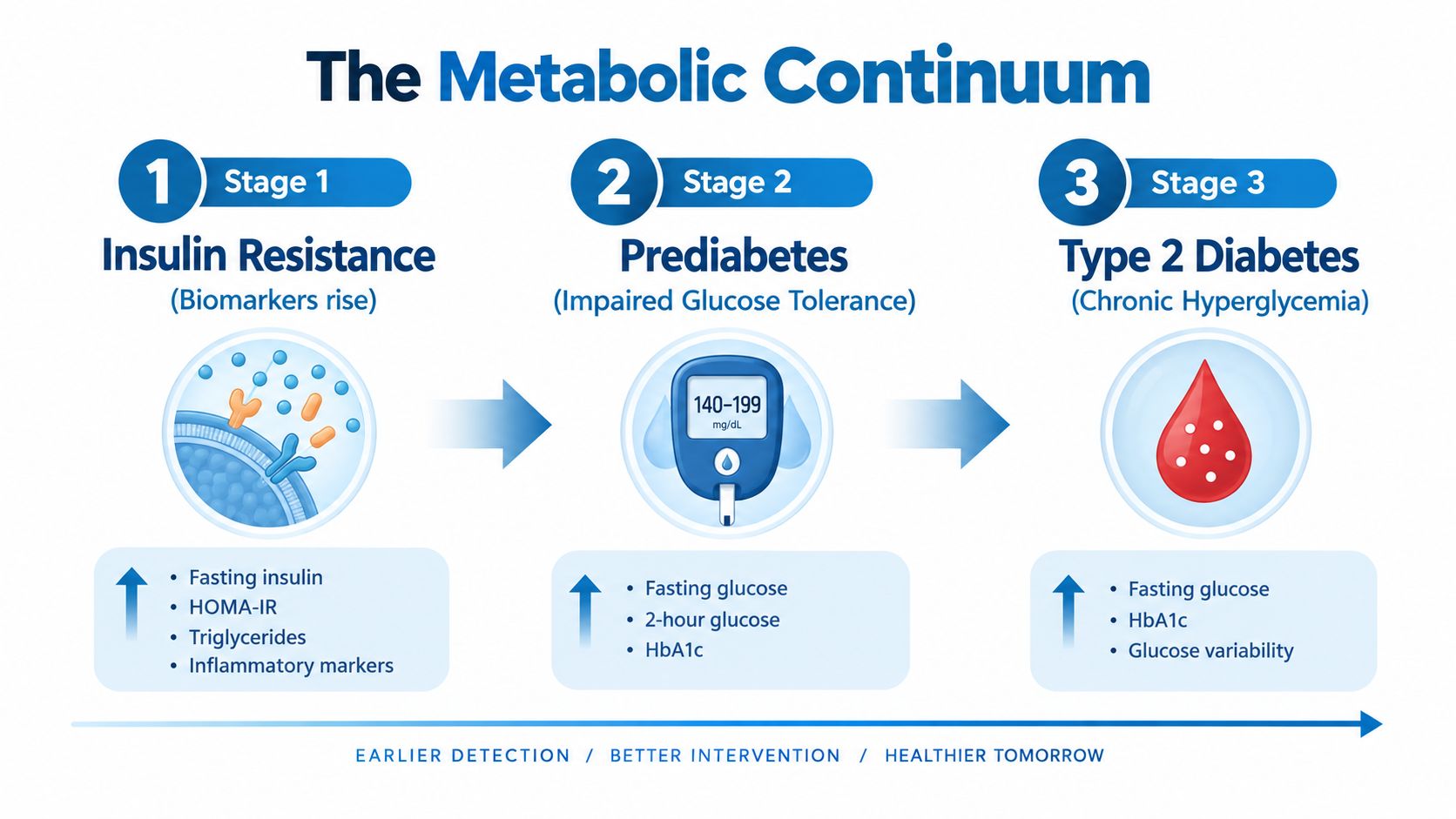
- Disease management: Diabetes, thyroid disorders, and metabolic syndrome don't fix themselves.
Root-cause care is the standard
You want a clinic that can connect the dots. Low energy may be tied to sleep and blood sugar. Low libido may reflect stress, poor sleep, cardiovascular issues, medication effects, or hormone imbalance. Weight gain may be driving the hormone problem, not just resulting from it.
Good care asks, “Why is this happening?” Bad care asks, “Which package can we sell today?”
That distinction matters more than branding, office decor, or same-day marketing promises.
How to Vet a Clinic's Credentials and Safety
Many individuals encounter issues because the local market is full of clinics that use medical language without following medical standards. If you only remember one thing from this article, remember this: being easy to find online doesn't make a clinic legitimate .
Start with this visual checklist.

A useful starting point for local options is checking whether the clinic clearly explains its hormone replacement therapy services near you and who supervises that care.
Green flags that matter
Provider credentials come first. You should be able to verify who is treating you and what their training is. Look for physicians with board certification in relevant areas such as urology, endocrinology, internal medicine, family medicine, or other appropriate medical specialties tied to hormone therapy and chronic disease care.
The diagnostic process should be deliberate. A real clinic won't diagnose low testosterone from a vibe, a quiz, or one random lab drawn at the wrong time.
The treatment plan should be individualized. Your age, blood pressure, sleep, weight, current medications, fertility plans, and cardiovascular risk all affect what's safe and appropriate.
Here's the hard data. Over 80% of for-profit men's clinics lack a urologist on staff and are often run by non-specialists. A valid diagnosis for low testosterone also requires at least two morning lab tests below the threshold , according to Cleveland Clinic's discussion of quick-fix clinics for low testosterone and ED.
Red flags that should make you leave
Some warning signs are obvious. Others are subtle.
| Clinic behavior | What it usually means |
|---|---|
| “Everyone over a certain age needs testosterone” | Sales pitch, not diagnosis |
| Same-day treatment before proper labs | Unsafe shortcut |
| No clear physician oversight | Weak clinical accountability |
| Focus on libido only | Incomplete evaluation |
| Pushes unproven therapies first | Marketing over evidence |
That same Cleveland Clinic discussion warns about clinics marketing unregulated, non-evidence-based therapies. If a place sounds more like a supplement store than a medical office, trust that instinct.
Buyer filter: If the clinic talks more about speed than safety, move on.
A short video can help you hear what this sounds like in real life:
What a proper workup looks like
A worthwhile first visit usually includes a detailed medical history, symptom review, medication review, and discussion of goals. After that, the provider orders the right labs and schedules follow-up to interpret them in context.
You should leave with clarity on three things:
- What they think is going on
- What still needs to be tested
- Why the proposed treatment makes sense for you
If you don't get those answers, don't commit to treatment yet.
Key Questions to Ask During Your Consultation
Treat the consultation like a hiring decision. You are choosing a medical partner, not buying a subscription box. Ask direct questions and stay in the room until you get direct answers.

One area many clinics still miss is the overlap between hormones, metabolism, and mood. Many men have health concerns that combine hormonal, metabolic, and mental health issues, and 40% of men with low testosterone also suffer from depression or anxiety , as noted in this community clinic overview of men's health access.
Questions that reveal how the clinic thinks
Ask these early:
- How do you decide whether symptoms are hormonal, metabolic, or something else?
- What lab work do you order before discussing testosterone therapy?
- How do you handle fatigue, low libido, weight gain, and sleep problems when they show up together?
- If testosterone isn't the answer, what do you evaluate next?
If you want to understand the testing side before you go, review what a testosterone level lab test involves.
Questions that reveal whether care is safe
Some clinics get uncomfortable when patients ask smart questions. Good. Ask them anyway.
- Who reviews my labs and manages my medications over time?
- What side effects do you watch for with hormone replacement therapy or weight loss medications?
- How often do you repeat labs after treatment starts?
- Do you coordinate care if I also have diabetes, thyroid disease, or blood pressure issues?
Ask one simple follow-up every time you hear a recommendation: “Why is that the best choice for me?”
Questions about money and follow-up
You don't need a long lecture. You need transparency.
- What does the first phase of treatment include?
- What is billed separately from the visit?
- How are medications priced and supplied?
- What happens if my labs don't support treatment?
A legitimate clinic doesn't dodge cost questions, and it doesn't pressure you to decide before you understand the process.
Preparing for Your First Appointment
Preparation makes the appointment better. It helps the provider see patterns faster, and it helps you avoid the classic mistake of forgetting half your concerns once you're in the room.
What to bring
Write things down. Don't rely on memory.
- Symptom timeline: When did fatigue, low libido, sleep trouble, hot flashes, mood changes, or weight gain start?
- Medication list: Include prescriptions, supplements, testosterone products, and weight loss medications.
- Health history: Diabetes, thyroid disorders, high blood pressure, sleep apnea, fertility concerns, and prior hormone treatment all matter.
- Your goal: Be specific. “I want more energy” is fine. “I want to stop crashing by 3 p.m. and get back to consistent workouts” is better.
What usually happens at a good first visit
Expect a conversation first. A serious clinic wants context before treatment. That means symptoms, medical history, lifestyle, sleep, stress, and what success would look like for you.
After that, the provider may recommend lab work, further evaluation, medication adjustments, or a return visit to review results before starting therapy. That's a good sign. It means they're practicing medicine, not retail.
Bring your spouse or partner if you want another set of ears. People often remember different parts of the same appointment.
What not to do
Don't show up hoping for one magic fix. Hormone replacement therapy, bioidentical hormones, GLP-1 weight loss treatment, and medication management can all help the right patient. But the right patient is identified through evaluation, not marketing.
Your Local Action Plan in Mississippi
If you're in Mississippi, the right next step is simple. Stop scrolling through random “wellness” ads and choose a clinic that gives you real medical oversight, personalized treatment, and a plan that matches your symptoms.
That means looking for in-person evaluation, thoughtful lab review, medication management, and care that can address more than one problem at once. If your issues involve fatigue, low testosterone symptoms, weight gain, diabetes risk, thyroid concerns, menopause, andropause, low libido, or sleep disruption, one narrow service won't cut it.

What to prioritize locally
Your shortlist should include clinics that offer:
- Board-certified medical oversight
- Personalized treatment plans
- Hormone replacement therapy and testosterone therapy when clinically appropriate
- Medical weight loss, including GLP-1 weight loss options when appropriate
- Disease management for issues like diabetes, thyroid disorders, and metabolic syndrome
- Clear follow-up and ongoing medication monitoring
- A root-cause mindset instead of symptom-only treatment
For Mississippi residents who want a local starting point, review options to find a specialist for men's health in Mississippi.
The decision that matters most
Don't choose the clinic with the loudest ad. Choose the one that acts like a medical practice. The right clinic will explain your labs, tell you when treatment isn't indicated, and build a plan around safety, long-term health, and symptom relief.
That's especially important if you're also considering care for menopause symptoms, hot flashes, hormone-related weight gain, or chronic disease management in the same practice. Integrated care is better than fragmented care when the body systems involved are connected.
Medical disclaimer: This article is for educational purposes only and isn't a diagnosis, treatment plan, or substitute for in-person medical care. Hormone therapy, testosterone therapy, GLP-1 medications, and other prescription treatments require individualized evaluation, lab review, and ongoing clinician supervision.
If you're ready to stop guessing and get clear answers, schedule a consultation with Pause Medical. Pause Medical serves Mississippi patients with in-person, patient-centered care focused on hormone replacement therapy, bioidentical hormones, medical weight loss, GLP-1 weight loss, disease management, and medication management. With locations in Oxford, Meridian, Tupelo, Flowood-Jackson, and Starkville, the clinic offers personalized plans, board-certified medical oversight, and a practical path forward for men and women who want real answers instead of marketing hype.