What Is HRT for Menopause: Your 2026 Guide
When you're exhausted late at night, sweating through your pajamas, snapping at people you love, and wondering whether this is really “just menopause,” you're not alone. Many women reach this question after months or years of trying to push through. They keep a fan at their desk, wake up at 3 a.m., forget why they walked into a room, and start to feel like their own body has become unpredictable.
That experience is common, and it isn't trivial. Hot flashes affect up to 80% of women , and the average duration is 7 to 11 years , according to The Menopause Society press release on hormone therapy usage. That helps explain why more women are revisiting treatment options. The same source reports that HRT prescriptions for women ages 50 to 65 increased 72% from Q2 2021 to Q3 2025 , reflecting a renewed understanding of how much treatment can improve quality of life.
Introduction Navigating Menopause and Finding Relief
Menopause can feel like a series of small losses that add up. Sleep gets lighter. Energy drops. Patience gets shorter. Intimacy may feel different. Some women have obvious hot flashes. Others mainly notice anxiety, foggy thinking, or a sense that they don't feel steady anymore.
A lot of patients come in worried that they're overreacting. They're not. If symptoms are affecting work, relationships, exercise, or sleep, that matters medically.
Why this question comes up so often
When people ask what is HRT for menopause , they're usually asking several questions at once:
- What is it, exactly? Is it estrogen, progesterone, or both?
- Does it work? Or is it overhyped?
- Is it safe for me? Especially if I've heard scary things in the past.
- Will it help only hot flashes? Or can it help sleep, vaginal dryness, and other changes too?
Those are reasonable questions. Menopause isn't just one symptom, and HRT isn't one single product.
Menopause care works best when symptoms are taken seriously early, not after years of white-knuckling through them.
For many women, HRT is the most effective medical treatment for disruptive menopausal symptoms, especially vasomotor symptoms such as hot flashes and night sweats. It can also play a broader role in whole-body health when used thoughtfully and with the right medical guidance.
If you're still trying to sort out whether you're in perimenopause or menopause, this perimenopause vs menopause symptoms and HRT guide can help you put names to what you're experiencing.
A calmer way to think about HRT
HRT stands for hormone replacement therapy . In plain language, it's treatment that replaces some of the hormones your body is making less consistently or in lower amounts during the menopause transition.
That sounds technical, but the goal is simple. Reduce suffering. Improve function. Help you feel more like yourself again.
How Hormone Replacement Therapy Actually Works
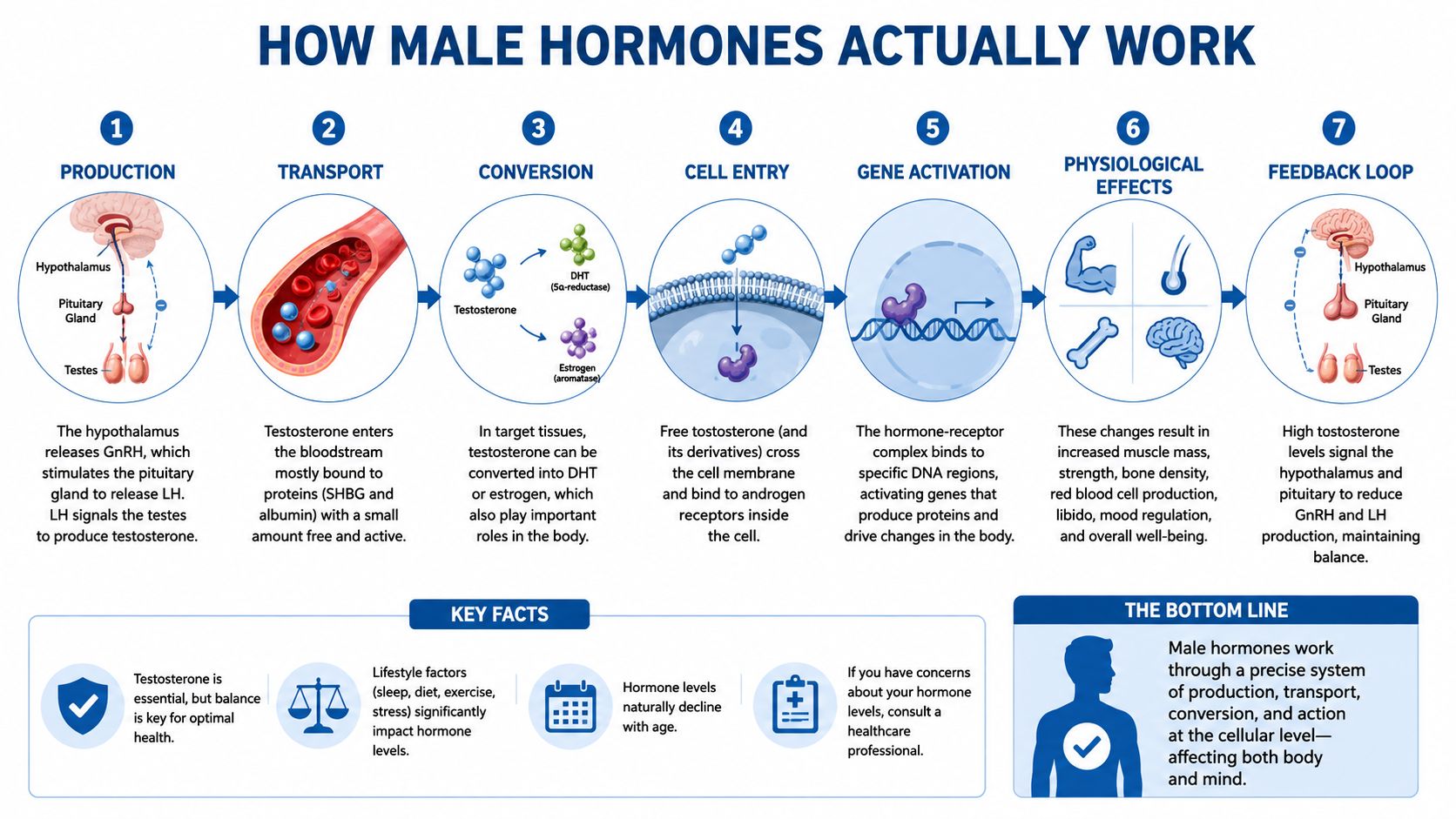
Hormones are chemical messengers. They travel through the bloodstream and tell different parts of the body what to do. During menopause, estrogen and progesterone levels shift and decline. That affects far more than the reproductive system.
A simple analogy helps. Think of your body as a car that used to run smoothly with the right fluid levels. During menopause, one of the key fluids starts running low. The engine still turns on, but systems that depended on that fluid no longer run smoothly. HRT is a way of topping off what has fallen.
The basic mechanism

When estrogen drops, the brain's temperature regulation becomes more sensitive. That's one reason hot flashes can seem to come out of nowhere. Falling hormone levels can also affect vaginal tissues, sleep quality, and the way the body maintains bone.
HRT works by reintroducing estrogen, and in some cases progesterone, so those signaling pathways become more stable again. The body isn't being “tricked.” It's being supported during a hormonal transition that affects multiple organs and systems.
According to Prenuvo's review of how hormone replacement therapy works in the body, menopausal hormone therapy is the most effective treatment for moderate-to-severe vasomotor symptoms and can reduce their frequency by up to 90% . The same source emphasizes three practical rules for safer treatment: individualization , using the lowest effective dose , and regular reassessment .
Why symptoms can improve in different areas
Some women are surprised when treatment aimed at hot flashes also helps them sleep better or feel more emotionally steady. That's because hormones don't act in only one place.
Here are a few examples:
- Body temperature regulation: Estrogen helps stabilize the body's internal thermostat.
- Sleep: Fewer night sweats often means fewer awakenings.
- Genitourinary symptoms: Estrogen can improve vaginal dryness and related discomfort.
- Bone turnover: Systemic estrogen helps slow bone loss after menopause.
Later in care, many women also ask about formulation differences, especially whether bioidentical hormone therapy benefits apply to their situation. That conversation depends on symptoms, medical history, and treatment goals.
A short overview can make the concept even easier to visualize:
Practical rule: HRT isn't about “fixing aging.” It's about restoring enough hormonal support to reduce disruptive symptoms and protect health where appropriate.
Exploring Your HRT Options Types and Delivery Methods
HRT isn't one-size-fits-all. The best plan depends on whether you still have a uterus, what symptoms bother you most, how far you are from menopause, and what risk factors need attention.
The two main hormone patterns
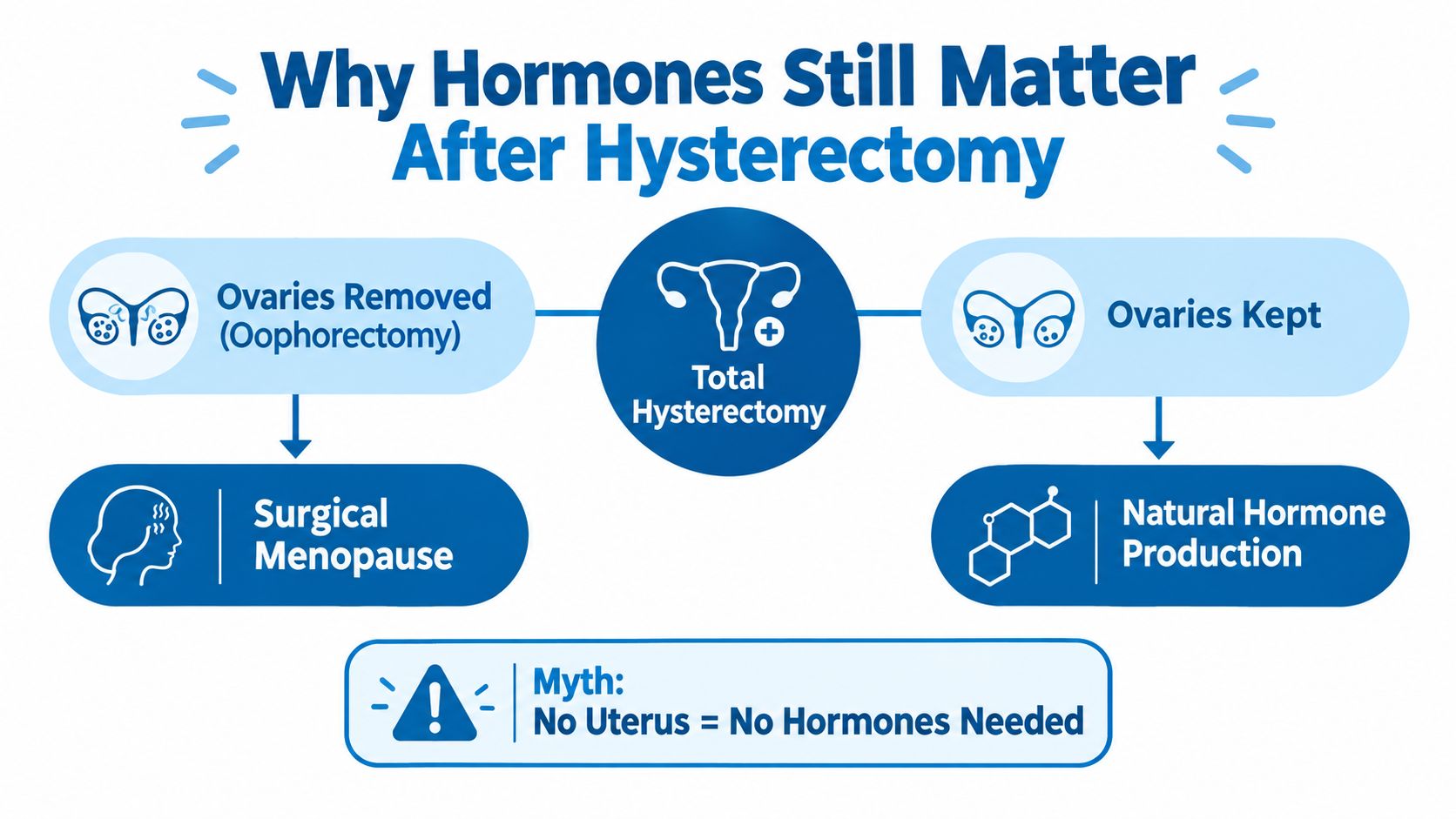
If a woman does not have a uterus , estrogen-only therapy may be an option. If a woman does have a uterus , estrogen is usually paired with a progestin or progesterone because unopposed estrogen can stimulate the uterine lining.
That detail matters. It isn't a technical footnote. It's one of the most important safety distinctions in menopause prescribing.
Delivery method matters too
Some women prefer a daily pill. Others want something they don't have to think about every day. Some need mostly local vaginal symptom relief, while others need systemic treatment for hot flashes, sleep disruption, and bone protection.
Here is a practical comparison.
| Method | How It Works | Key Benefits | Considerations |
|---|---|---|---|
| Oral pills | Hormones are swallowed and absorbed through the digestive system | Familiar, simple for many patients | May not be the best fit for every risk profile |
| Transdermal patches | Hormones absorb through the skin over time | Steady delivery, convenient, often preferred in modern practice | Skin sensitivity or patch adhesion can be an issue for some |
| Topical gels or creams | Hormones absorb through the skin after application | Flexible dosing, avoids swallowing a pill | Requires consistent application habits |
| Vaginal estrogen products | Local treatment placed in or near vaginal tissue | Useful for vaginal dryness and related discomfort | Doesn't replace systemic treatment when broader symptoms are the main issue |
| Vaginal ring | Delivers hormone through a placed device | Low-maintenance option for some patients | Comfort and fit vary by individual |
How clinicians help narrow the choice
A provider usually looks at several factors at once:
- Symptom pattern: Hot flashes and night sweats often point toward systemic treatment.
- Uterus status: This determines whether progesterone protection is needed.
- Lifestyle fit: A patch may be easier than remembering a daily pill.
- Medical history: Past clotting concerns, breast cancer risk, liver issues, and bleeding history all matter.
Some women also ask about pellets and whether they fit into a broader hormone strategy. If that's part of your research, this overview of hormone pellet therapy for women offers another treatment framework to discuss with a licensed clinician.
Why patches come up so often now
Many current menopause discussions focus on transdermal therapy for a reason. In modern use, non-oral options are often chosen when clinicians want a more individualized risk-benefit approach. Delivery method isn't just a convenience decision. It can be part of the safety strategy.
The right question usually isn't “Which form is best?” It's “Which form is best for me?”
The Evidence-Based Benefits Beyond Symptom Relief
A lot of menopause content stops at hot flashes. That's understandable, because symptom relief is often what brings women into care first. But hormone therapy can matter beyond day-to-day comfort.
Bone health matters earlier than many women realize

Systemic estrogen helps protect against osteoporosis, the bone-thinning process that becomes more important after menopause. The NCBI review on hormone replacement therapy notes that menopausal hormone therapy reduces bone loss and highlights its role in prevention, especially when used in appropriate candidates. That same review also notes a 23% decrease in breast cancer incidence in large trials with long-term follow-up and explains that for women under 65 with osteopenia, a T-score of -1.8 or lower can be a practical threshold for considering treatment.
This is one reason some women start asking about HRT even if their hottest symptom isn't an actual hot flash. They're thinking about fractures, posture, mobility, and healthy aging.
The overlooked metabolic angle
One of the most misunderstood topics in menopause care is weight gain. Many women are told to eat less and move more, then blamed when that doesn't fully solve the problem. But menopause-related metabolic change is not just behavioral.
According to Policy Lab's review of HRT for menopause and metabolic health, estrogen deficiency during menopause is linked to impaired insulin sensitivity and increased visceral fat accumulation. The same source states that a 2025 study found women who initiated HRT within 10 years of menopause reduced their risk of developing type 2 diabetes by 34% .
That doesn't mean HRT is a weight-loss drug. It does mean the hormone environment of menopause can affect body composition and glucose regulation in ways many women were never taught.
- Bone protection: Estrogen helps slow the accelerated bone loss that follows menopause.
- Metabolic support: Earlier initiation may help preserve insulin sensitivity.
- Body composition: Hormonal treatment may help address the biologic side of midlife fat redistribution.
Joint aches are another area women often connect with low estrogen, especially when sleep is poor and stiffness is creeping into daily life. For a movement-based perspective, Lake City PT's approach to joint pain is a useful companion read.
Better menopause care looks at the whole person. Sleep, bones, metabolism, movement, mood, and sexual health often intersect.
Understanding the Risks and Common Misconceptions
A common Pause Medical conversation starts like this. A woman in her early 50s has miserable night sweats, poor sleep, and rising frustration about midlife body changes, but she is afraid to even ask about HRT because she remembers hearing that hormones were dangerous.
That fear did not come from nowhere. Early headlines around the Women's Health Initiative changed public opinion fast, and many women were left with one simplified message: avoid hormones. The problem is that menopause care is more like tailoring a prescription lens than handing everyone the same pair of glasses. Age, time since menopause, route of delivery, whether progesterone is needed, and your personal medical history all change the picture.
Current guidance is much more specific. The American College of Obstetricians and Gynecologists on hormone therapy for menopause explains that for many healthy women who are younger than 60 or within 10 years of menopause, the benefits can outweigh the risks. That is one reason specialized clinics such as Pause Medical focus on individualized treatment instead of blanket rules.
Why the breast cancer question needs a nuanced answer
Breast cancer risk is often the first question, and it should be. Patients deserve a careful answer.
One helpful way to frame this is to separate "all HRT" from "a specific treatment plan for a specific person." Estrogen alone is not the same as combined estrogen and progestogen. A patch is not identical to a pill. A woman with an intact uterus has different safety considerations than a woman who has had a hysterectomy. Those differences matter because the risk discussion changes with the formulation and the person receiving it.
According to Breast Cancer Now's review of HRT and breast cancer risk, some types of HRT are linked with a small increase in breast cancer risk, especially with longer use, while other regimens carry different levels of risk. That is very different from saying every woman faces the same danger. It also helps explain why modern prescribing relies on dose, route, symptom burden, and follow-up, not fear alone.
For a broader myth-busting read on how common menopause narratives took hold, Momotaro Apotheca's menopause guide is a thoughtful resource.
Common misconceptions that confuse good decision-making
Several myths still get in the way.
- “HRT causes cancer.” The more accurate question is which type, at what dose, for how long, and in which patient.
- “If it has risks, it should never be used.” Nearly every effective treatment in medicine has tradeoffs. The goal is a favorable balance for you.
- “HRT is only about hot flashes.” It can also matter for sleep, bone health, genitourinary symptoms, and for some women, the metabolic strain that appears during menopause.
- “Natural means safer.” Many over-the-counter products are less studied, less regulated, and less personalized than prescription therapy.
That last point matters in Mississippi, where women often spend months trying supplements, cutting calories harder, or blaming themselves for changes that are partly biologic. At Pause Medical, we see how often menopause symptoms overlap with insulin resistance, abdominal fat gain, poor sleep, mood changes, and vaginal or urinary symptoms. A balanced HRT discussion should account for all of it, including the often-overlooked metabolic side of menopause care.
What a balanced risk discussion sounds like in clinic
A careful conversation usually includes your symptom pattern, your medical history, your family history, whether you still have a uterus, and which route may fit best. For example, transdermal therapy may be preferred in some women because delivery through the skin avoids part of the liver first-pass effect that comes with oral estrogen. That is one reason HRT is not one medicine. It is a group of treatment options.
The practical questions are straightforward. Do your symptoms justify treatment? Are there safer ways to deliver it? Do any parts of your history change the plan? Can we reassess as your body and goals change?
If you want a patient-friendly explanation of how clinicians sort through those questions, this hormone replacement therapy guidelines 2026 patient guide is a useful next read.
The safest menopause plan is the one fitted to the individual woman, reviewed regularly, and adjusted when the risk-benefit balance changes.
Is HRT Right for You A Personalized Decision
Some women are excellent candidates for HRT. Others need a different plan. Most fall somewhere in the middle, where the right answer comes from a careful conversation, not a social media post.
Who often benefits most
In general, current guidance is most favorable for healthy women who are within 10 years of menopause or under 60 , especially when symptoms are affecting quality of life. Women with significant hot flashes, night sweats, sleep disruption, vaginal symptoms, or early bone concerns often have the clearest reasons to consider treatment.

When more caution is needed
A clinician may advise against HRT, or recommend a very different approach, if you have a history that raises concern, such as hormone-sensitive cancer, blood clots, certain liver problems, unexplained vaginal bleeding, or other conditions that change the risk picture.
That doesn't automatically mean “nothing can be done.” It means the plan may rely more on non-hormonal treatment, local therapy, lifestyle support, symptom-specific medication management, or a narrow, highly supervised approach.
A lot of women also want to compare medical therapy with nonprescription support. If that's you, the 2026 menopause supplement guide from VitzAi offers a helpful overview of that side of the conversation.
A good decision starts with the right questions
Bring these to your appointment:
- What symptoms are most likely to improve with HRT in my case?
- Do I need estrogen alone or estrogen plus progesterone?
- Would a patch, pill, gel, or local vaginal option make the most sense for me?
- What risks matter most based on my history?
- How will we monitor whether it's helping?
If you're ready to move from research to a local evaluation, this Mississippi HRT consultation page can help you locate appropriate in-person care options.
Your Next Steps with Pause Medical
If you've been trying to decide whether HRT is worth exploring, the next step doesn't have to be complicated. A good menopause evaluation is less about rushing into treatment and more about getting a clear picture of what's happening in your body and what options fit your goals.
At Pause Medical in Mississippi, the process is designed to be straightforward and supportive.
What the process usually looks like
-
Schedule a consultation online
Start with an appointment that gives you space to discuss symptoms, timing, concerns, and health history. -
Meet with a board-certified provider in person Key decisions are made during this consultation. You can review hot flashes, sleep, low libido, fatigue, weight changes, metabolic concerns, and any questions about bioidentical hormones, medication management, or medical weight loss options such as GLP-1 weight loss treatment when appropriate.
-
Receive a personalized plan If HRT fits, the treatment plan is developed for your specific needs. If it doesn't, your provider can discuss alternatives for symptom relief, disease management, thyroid or diabetes concerns, and whole-person wellness.
Why this matters
Menopause care is better when it addresses root causes, not just isolated symptoms. That may include hormone replacement therapy, bioidentical hormones, medical weight loss, medication management, or a combination of approaches under medical supervision.
This article is for education only and isn't a substitute for personal medical advice, diagnosis, or treatment. Decisions about HRT should always be made with a licensed clinician who knows your medical history, current symptoms, and risk factors.
If you're in Mississippi and want clear, evidence-based guidance on hormone replacement therapy, bioidentical hormones, medical weight loss, GLP-1 weight loss, testosterone therapy, or medication management, Pause Medical offers patient-centered care with board-certified oversight, in-person evaluations, and personalized treatment plans. Schedule a consultation to talk through your symptoms, risks, goals, and next best step with a provider who takes menopause and metabolic health seriously.