Testosterone Optimization: A 2026 Guide for Mississippi Men
If you're reading this, you may already know the feeling. You sleep enough, but you still wake up tired. Your motivation feels flatter than it used to. Work gets done, but it takes more effort. Your sex drive isn't where it was, your workouts don't seem to pay off the same way, and you start wondering whether this is just aging.
Sometimes it is aging. Sometimes it isn't.
Testosterone optimization isn't just about getting a prescription for testosterone therapy. A good medical approach starts by asking a better question. Why do you feel off in the first place? In many men, the underlying issue may involve sleep, stress, weight gain, smoking, depression, medication effects, or another health condition that can look like low testosterone.
That distinction matters, especially if you want a plan that helps instead of one that only changes a lab number. Men in Mississippi often come in looking for answers about fatigue, low libido, mood changes, or stubborn weight gain. Those symptoms are real, and they deserve a thoughtful evaluation. A useful first step is learning more about the broader symptoms of hormonal imbalance, because testosterone is only one piece of the picture.
Feeling Off But Not Sure Why
Many men don't describe the problem as "low testosterone" at first. They say, "I'm just not myself." That's often the most accurate place to start.
You might notice less drive in the gym, less patience at home, or less interest in sex. Some men feel mentally dull. Others feel irritable or flat. Some gain abdominal weight even though their routine hasn't changed much. None of those symptoms prove low testosterone by themselves, but they can signal that your body needs a closer look.
Why symptoms get confusing
The hard part is that testosterone-related symptoms overlap with several common health problems.
A man with poor sleep or untreated sleep apnea may have low energy, low mood, and reduced libido. A man under chronic stress may feel exhausted and disconnected. A man carrying extra weight may notice changes in confidence, stamina, and sexual function. Those experiences can mimic hormone trouble, even when testosterone isn't the main issue.
Practical rule: Don't treat the label first. Treat the cause.
That is what makes testosterone optimization different from the online "low T" marketing many people see. Real optimization means looking at the whole person. It means reviewing symptoms, sleep, body composition, medications, mental health, and medical history before anyone talks seriously about treatment.
What optimization really means
In plain language, testosterone optimization means helping your body function as well as possible, safely and appropriately. For some men, that may involve lifestyle changes and medical weight loss support. For others, it may include testing that confirms a hormone deficiency. For a smaller group, it may lead to carefully monitored testosterone therapy under physician guidance.
That stepwise approach is more advantageous than it sounds. It gives you options. It also keeps you from chasing a single hormone when the actual problem may be more treatable than you think.
Understanding Testosterone's Role in Your Health
A lot of men hear "testosterone" and think only about sex drive. In medicine, we look at it more like a system hormone. It affects several parts of day-to-day health at the same time, which is why changes can feel broad and hard to pin down.

What testosterone affects
Testosterone works a bit like a thermostat for several body functions. It does not act alone, and it does not explain every symptom, but it helps regulate areas many men care about:
- Muscle mass and strength , which affect exercise performance and body composition
- Bone health , especially over time
- Sexual interest and function
- Mood and motivation
- Energy and stamina
- Concentration and mental clarity
That is why low testosterone can show up in different ways in different men. One person notices fewer morning erections. Another notices slower recovery in the gym. Someone else says, "I do not feel like myself."
If you want a clearer picture of how these changes can show up in real life, our guide to common low testosterone symptoms in men walks through the patterns clinicians watch for.
Why body weight and testosterone often affect each other
This part causes a lot of confusion. Men often assume weight gain means testosterone dropped first. Sometimes that is true. Sometimes the sequence goes the other way.
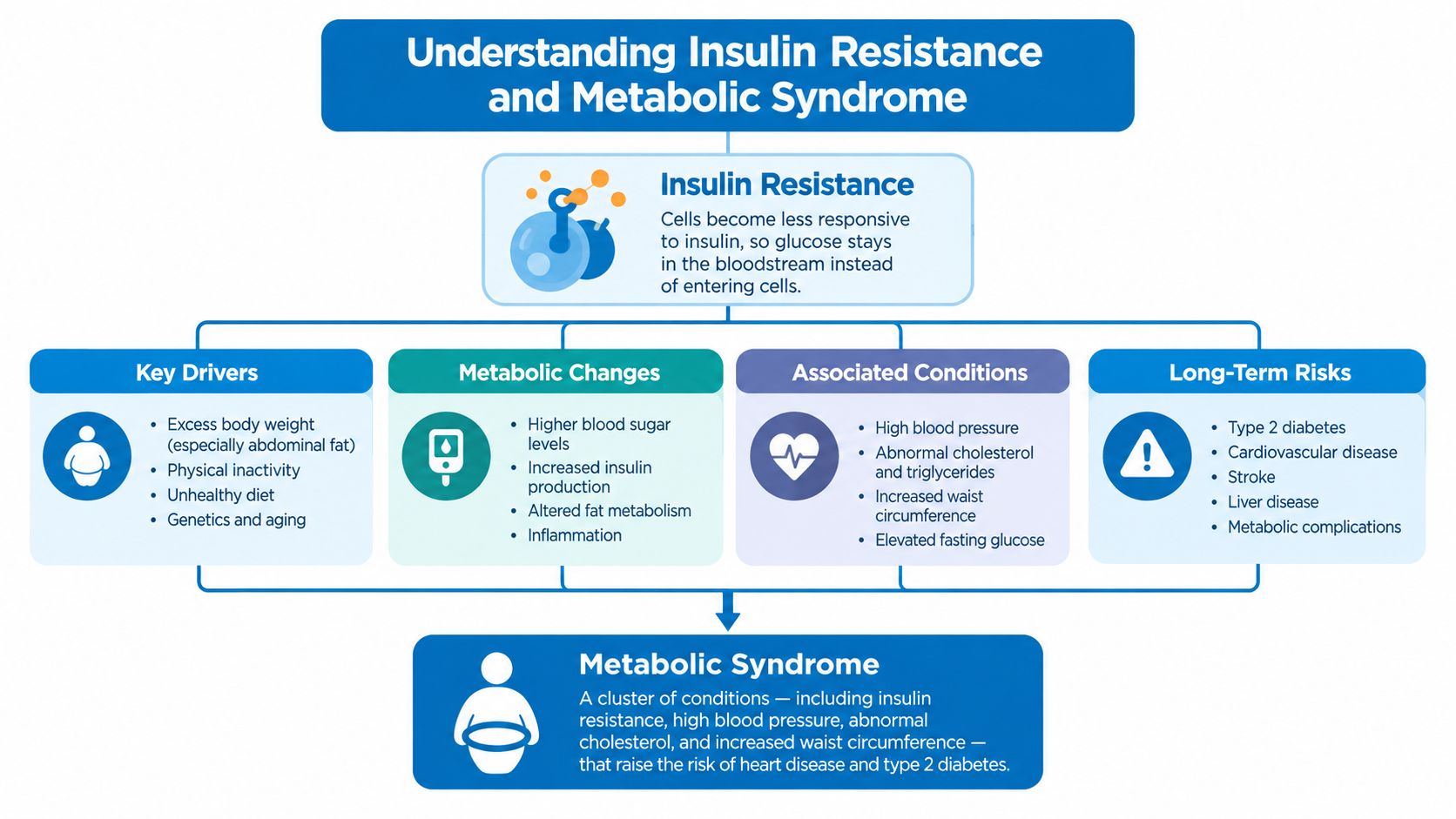
Extra body fat, poor sleep, insulin resistance, and inactivity can all place stress on hormone signaling. In plain terms, the body is an interconnected system. If metabolism, sleep, and recovery are off, testosterone may fall with them. That is one reason treatment should start by asking why levels changed, not just how to raise them.
For men who are also struggling with body composition, these strategies for hormonal weight loss can help explain how weight, insulin health, and hormones influence each other.
What changes with age
Testosterone usually runs higher in early adulthood and tends to decline gradually with age. That decline is not the same in every man, and age alone does not diagnose a hormone problem.
Lab interpretation requires a more nuanced approach. A result inside the reference range may still need context. Time of day, sleep quality, medications, body weight, medical conditions, and the pattern of symptoms all matter. A physician is not treating a lab sheet in isolation. We are trying to understand whether the number fits the person sitting in front of us.
Why optimization means getting the diagnosis right
The goal is not to chase the highest testosterone level possible. The goal is to restore healthy function safely and thoughtfully.
For some men in Mississippi, that means improving sleep, reducing excess weight, adjusting medications, or treating conditions such as diabetes or sleep apnea before considering testosterone therapy. For others, testing confirms a true deficiency, and medical treatment becomes appropriate. That patient-centered approach is how testosterone optimization should work. It starts with root causes, uses evidence, and reserves medication for men who are likely to benefit under careful clinical supervision.
Recognizing the Signs of Hormonal Imbalance
Symptoms are often the reason men start searching for answers, but symptoms don't diagnose the problem. They do help you know when it's time to have a serious conversation with a clinician.
A useful way to think about this is pattern recognition. One isolated symptom may mean very little. Several changes happening together deserve attention.
Symptoms of Testosterone Imbalance
| Symptom Area | Signs of Low Testosterone | Signs of High Testosterone (Less Common) |
|---|---|---|
| Energy | Ongoing fatigue, reduced stamina, feeling drained | Feeling unusually revved up or restless |
| Sexual health | Low libido, fewer morning erections, erectile dysfunction | Increased sexual drive in some cases |
| Mood | Low mood, irritability, less motivation | Irritability, agitation, mood swings |
| Body composition | Reduced muscle mass, easier fat gain, especially around the midsection | Acne or oily skin may appear in some men |
| Sleep | Poor sleep quality, nonrestorative sleep | Sleep disruption in some cases |
| Performance | Slower recovery, less strength, lower exercise capacity | Feeling overstimulated rather than better |
| General well-being | Sense of "not feeling like yourself" | Symptoms may be subtle or medication-related |
When weight gain is part of the picture
One of the most common areas of confusion is weight. Men often notice abdominal weight gain and assume low testosterone caused it. Sometimes it contributes. Sometimes the weight gain itself helps drive hormonal disruption.
If that's part of your story, these strategies for hormonal weight loss may help you think through the relationship between metabolism, appetite, and hormones. You can also review a more focused list of symptoms of low testosterone in men before your appointment so you can describe your concerns clearly.
A symptom checklist you can bring to a visit
Before you schedule testing, write down what has changed and for how long.
- Sexual symptoms: low libido, erection changes, reduced sexual interest
- Physical symptoms: less muscle, more belly fat, lower endurance
- Mental symptoms: reduced focus, low motivation, depressed mood
- Sleep symptoms: snoring, insomnia, frequent waking, waking unrefreshed
That short list gives a clinician better information than saying, "I think I have low T."
The First Step Accurate Testing and Diagnosis
Self-diagnosis is where a lot of men get misled. Online symptom checkers can't tell you whether testosterone is low, whether the result is temporary, or whether another medical issue is causing the same symptoms.
A proper diagnosis starts with timing, consistency, and context.

What proper testing requires
A clinical diagnosis of low testosterone requires at least two morning total serum testosterone measurements below 300 ng/dL, accompanied by valid symptoms , according to testosterone treatment guidelines. The same guidance states that before starting therapy, clinicians must also measure hemoglobin and hematocrit to screen for risks like polycythemia , with hematocrit greater than 52% identified as a concern.
Those morning labs matter because testosterone levels fluctuate. If you test at the wrong time, you can end up labeling someone incorrectly.
Why safety labs come before treatment
Men sometimes think the hard part is proving they're low. In reality, one of the most important parts is making sure treatment is safe if they do qualify.
Before treatment, clinicians need to know whether there are warning signs that deserve caution or more evaluation. That includes blood counts and symptoms that may point toward untreated sleep apnea, depression, stress overload, medication effects, or other endocrine problems.
Good hormone care doesn't begin with a syringe or a gel. It begins with a careful diagnosis.
If you're trying to figure out where to begin, start with medically supervised hormone testing and evaluation rather than retail lab shopping or internet quizzes.
What an evidence-based evaluation looks like
A thorough clinic visit usually includes:
- Symptom review: what changed, when it started, and how it affects daily life
- Medical history: medications, weight changes, sleep, chronic disease, and mental health
- Lab confirmation: repeat morning testing, not a one-off result
- Risk assessment: blood counts and other safety questions before any treatment plan
That process may feel slower than a quick-fix model, but it protects patients from being treated for the wrong problem.
Lifestyle Strategies for Natural Testosterone Support
A common Mississippi clinic visit goes like this. A man says he feels drained, has less interest in sex, and cannot build momentum in the gym like he used to. He assumes testosterone is the whole story. Sometimes it is. Often, the body is sending a broader signal first.

The idea of pseudo-low T
Some men have what clinicians often describe as pseudo-low T . Their symptoms are real, but the main driver may be poor sleep, chronic stress, excess body fat, smoking, or untreated sleep apnea. In that setting, low testosterone can be more like a warning light on a dashboard than the engine problem itself.
A MedicalXpress report on testosterone optimization highlights obesity and smoking as major contributors to low testosterone in middle-aged men, and notes that weight loss is often a first-line natural approach before medical treatment.
That perspective matters. If your body is under constant strain, improving the strain can improve hormone function too.
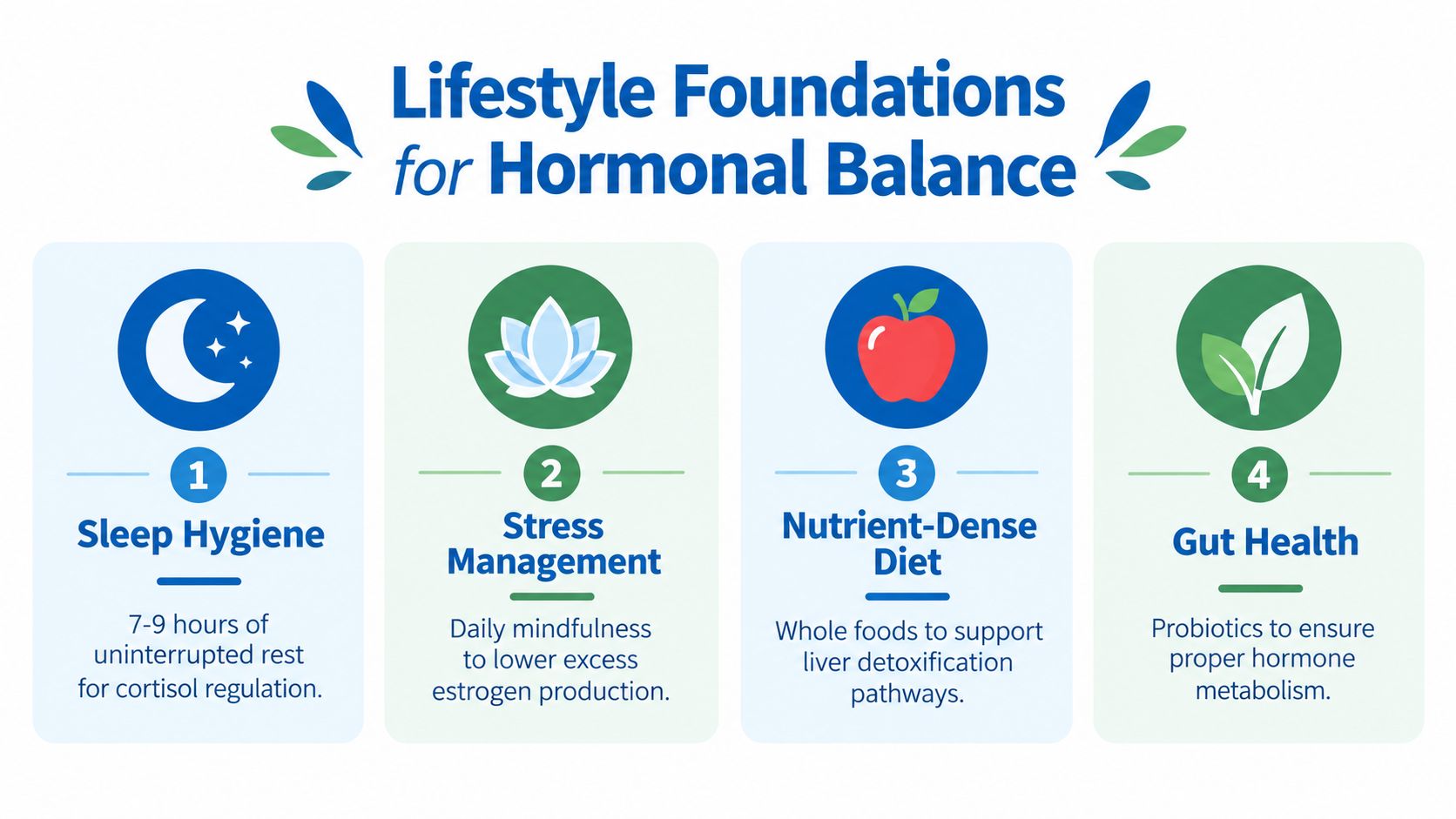
Four pillars that support healthier testosterone function
Sleep
Sleep is one of the first areas I examine when a man reports fatigue, brain fog, and lower sex drive. Testosterone production follows a daily rhythm, and poor sleep can disrupt that rhythm the way static disrupts a radio signal. If you snore, wake up often, feel sleepy during the day, or never feel restored in the morning, sleep quality deserves attention before assuming you need medication.
Body composition
Excess abdominal fat often travels with insulin resistance, inflammation, and lower testosterone levels. This is one reason weight gain and low T can feed into each other. As body fat rises, hormone signaling can become less efficient. As energy and muscle mass decline, staying active gets harder.
Careful nutrition planning, exercise, and medical weight loss support can improve that cycle.
Training
Resistance training helps preserve muscle, improve insulin sensitivity, and support healthier hormone function. The goal is not extreme workouts. It is regular training your body can recover from. Three good sessions each week usually beat a burst of hard effort followed by two weeks of soreness and skipped workouts.
Stress load
Chronic stress can affect sleep, appetite, concentration, and sexual interest. It can also make normal life feel heavier. A man carrying stress all day may feel hormonally depleted when his nervous system is overworked.
Clinical perspective: Lifestyle care is often the best early treatment for men with borderline symptoms or reversible causes of low testosterone.
For readers who want a broader wellness perspective, these expert tips on male hormone health can be a useful companion read. If you want practical habits you can start now, this guide to natural ways to boost testosterone offers a patient-friendly overview.
A short overview can also help you think through the basics before an appointment:
What lifestyle treatment can realistically do
Lifestyle treatment is not a quick fix, but it can produce meaningful change. Better sleep, weight loss, more consistent exercise, lower alcohol intake, and stress reduction can improve symptoms and support healthier testosterone levels in some men. For others, these steps may not fully correct the problem, but they still improve the foundation for any later treatment.
That is the key idea behind testosterone optimization at a responsible clinic. Start with root causes. Correct what can be corrected. Then decide, with proper medical guidance, whether testosterone therapy is necessary.
Medical Testosterone Therapy Options and Safety
When a man is a true candidate for treatment, testosterone therapy can be helpful. But it should be approached as medical care, not as a shortcut for every symptom that comes with aging.
Who TRT is really for
The FDA's position is narrower than many advertisements suggest. According to an AAFP review of FDA guidance and physician recommendations, TRT can significantly improve lean muscle mass, metabolic health, and sexual function in hypogonadal men , but the FDA has approved it only for men with low testosterone caused by specific medical disorders , not age-related decline. Use for aging is considered off-label and requires careful clinical judgment.
That distinction matters in practice. A man with pituitary disease, testicular injury, or another recognized medical cause is in a different category from a man with age-related decline and vague fatigue.
What benefits are supported
In the right patient, testosterone treatment can improve more than a lab result. A VA summary of research on testosterone therapy describes evidence that TRT improves muscle mass, strength, physical function, bone health, sexual function, and mood in hypogonadal men . It also describes findings from Villareal and colleagues showing body composition and metabolic benefits, including in some men above the usual treatment threshold.
That doesn't mean every man should be treated. It means treatment decisions should involve shared decision-making, clear symptoms, and careful follow-up.
Dosing and monitoring matter
Once treatment starts, the work isn't done. The American Urological Association states in its testosterone deficiency guideline that clinicians should adjust dosing to reach a total testosterone level of 450 to 600 ng/dL , with ongoing monitoring every 6 to 12 months after initial follow-up. The guideline also notes that if a patient reaches that target range but symptoms don't improve, continuing treatment is clinically futile.
That's one of the most important truths in this whole conversation. Testosterone is not successful just because the number rises. It has to help the person.
If treatment normalizes the lab but not the symptoms, the plan needs to be reconsidered.
Common forms of therapy
The specific product and route depend on the clinical setting and patient preference. Men may hear about:
- Injections: often chosen for predictable dosing and monitoring
- Gels or topical options: sometimes preferred for convenience
- Other physician-selected formulations: based on access, tolerance, and clinical goals
The key isn't the trendiest delivery method. The key is individualized prescribing, symptom tracking, and ongoing safety oversight.
Your Next Steps with Pause Medical in Mississippi
A common Mississippi story goes like this. A man has felt tired, less motivated, and less like himself for months. He assumes it is just age, stress, or poor sleep. By the time he finally asks for help, he is not looking for hype. He wants a careful answer.
If that sounds familiar, the next step is a medical visit that looks at the whole picture. Symptoms matter, but they are only one piece of the puzzle. Good care also examines sleep, weight changes, medications, stress, thyroid function, blood sugar, and other causes that can mimic low testosterone or worsen it.

That whole-body approach matters because testosterone is only one hormone in a larger system. If one part is off, the symptoms can spill into many others. Low energy may come from poor sleep. Low libido may be tied to diabetes, depression, relationship strain, or side effects from medication. Weight gain may be contributing to hormonal changes rather than solely resulting from them.
The American College of Physicians states in its guideline on age-related low testosterone that clinicians should consider testosterone for men with age-related low T only for sexual dysfunction, and should not start treatment to improve energy, vitality, or cognition because evidence does not support those uses. That helps patients avoid treatments that sound promising but do not match the medical evidence.
This is why a good clinic does more than write a prescription. It may involve medication review, support for weight loss, screening for insulin resistance or thyroid disease, and a plan to improve sleep and recovery. Some men ultimately qualify for testosterone therapy. Others feel better when the true driver is identified and treated first.
Men who are curious about broader hormone topics sometimes review outside educational material, including Testagen for hormonal regulation research. Resources like that can be a starting point for questions, but they should never replace physician-guided diagnosis and follow-up.
If you are in Oxford, Meridian, Tupelo, Flowood-Jackson, or Starkville, a practical next step is to find a Mississippi men's health specialist and schedule a consultation. The goal is simple. Figure out what is causing the symptoms, decide whether lifestyle changes, medical weight loss, hormone treatment, or another plan makes sense, and build that plan with careful follow-up.
This article is for education only. It is not personal medical advice and does not replace an in-person evaluation, diagnosis, or treatment plan from a licensed clinician.
If you are ready for a personalized plan, Pause Medical offers patient-centered care for hormone concerns, medical weight loss, and ongoing medication management across Mississippi. Schedule a consultation to review your symptoms, discuss your goals, and create a treatment plan that addresses root causes with board-certified medical oversight.