8 Natural Ways to Boost Testosterone: A Guide to Reclaiming Your Vitality

Fatigue, low libido, brain fog, and unexplained weight gain are not just inevitable signs of aging. They are often direct symptoms of declining testosterone, a critical hormone impacting vitality, mood, and metabolic health in both men and women. While medical treatments like testosterone therapy offer a powerful solution for significant imbalances, building a strong foundation through lifestyle and nutrition is an essential and empowering first step. Many individuals can significantly improve their hormone levels and overall well-being by implementing targeted, science-backed strategies.
This guide provides an actionable roadmap for anyone looking for natural ways to boost testosterone. We will move beyond generic advice to explore eight specific, evidence-based methods you can implement immediately. From the nuances of resistance training and strategic nutrition to the surprising impact of stress management and sleep quality, you will gain a comprehensive understanding of how your daily choices directly influence hormonal health.
At Pause Medical, our board-certified providers champion an integrative approach. We believe in empowering patients with knowledge to optimize their health naturally while offering advanced medical solutions when clinically appropriate. This article serves as a crucial educational resource, outlining the foundational pillars of hormonal balance. For those experiencing persistent symptoms, understanding these concepts is the first step toward reclaiming your energy and well-being. Let’s explore how to support your body’s own hormone production and unlock a higher level of performance and vitality.
1. Resistance Training and Progressive Strength Exercise
When searching for natural ways to boost testosterone, resistance training is one of the most powerful and scientifically-backed methods available. This form of exercise involves using weights, bands, or your own body weight to challenge your muscles, which creates mechanical tension and stimulates muscle protein synthesis. This process sends a powerful signal to your body to increase the production of anabolic hormones like testosterone to aid in repair and growth.
Studies consistently show that consistent, heavy resistance training can lead to significant increases in both acute and long-term testosterone levels. For example, a research review in the Journal of Strength and Conditioning Research highlighted that programs focusing on compound movements can elicit a strong hormonal response. This hormonal shift is crucial not just for building muscle but also for improving energy levels, metabolic function, and overall vitality, making it a cornerstone of a healthy lifestyle for both men and women dealing with symptoms of andropause or hormonal shifts.
How to Implement Resistance Training
To effectively use strength training to support your hormonal health, focus on structure and progression. Generic, aimless workouts are far less effective than a planned approach.
- Prioritize Compound Movements: Build your routine around multi-joint exercises that engage the largest muscle groups. These include squats, deadlifts, bench presses, overhead presses, and rows. These movements create the greatest hormonal response.
- Embrace Progressive Overload: This is the key to long-term results. Each week, aim to slightly increase the demand on your muscles by adding a small amount of weight, performing one more repetition, or adding an extra set.
- Ensure Adequate Recovery: Testosterone is released during periods of rest and recovery, not during the workout itself. Allow at least 48 hours before training the same muscle group again to facilitate muscle repair and hormonal adaptation.
- Fuel Your Body: Combine your training with adequate protein intake, aiming for 0.7-1.0 grams per pound of body weight, to provide the necessary building blocks for muscle and hormone synthesis.
While lifestyle changes like exercise are foundational, they work best as part of a comprehensive wellness strategy. For those struggling with persistent symptoms despite their efforts, it may be time to consider a more direct approach. At Pause Medical, our board-certified providers create personalized treatment plans that integrate lifestyle, nutrition, and, when appropriate, advanced medical therapies like testosterone therapy to address the root cause of hormonal imbalances and help you feel your best.
2. Intermittent Fasting and Metabolic Cycling
Another powerful and natural way to boost testosterone involves strategic eating patterns, specifically intermittent fasting (IF). This approach isn't a diet but a schedule, cycling between periods of eating and voluntary fasting. Common protocols include the 16:8 method (a 16-hour fast with an 8-hour eating window). The core mechanism behind its benefit lies in improving metabolic health, which is intricately linked to hormonal balance.
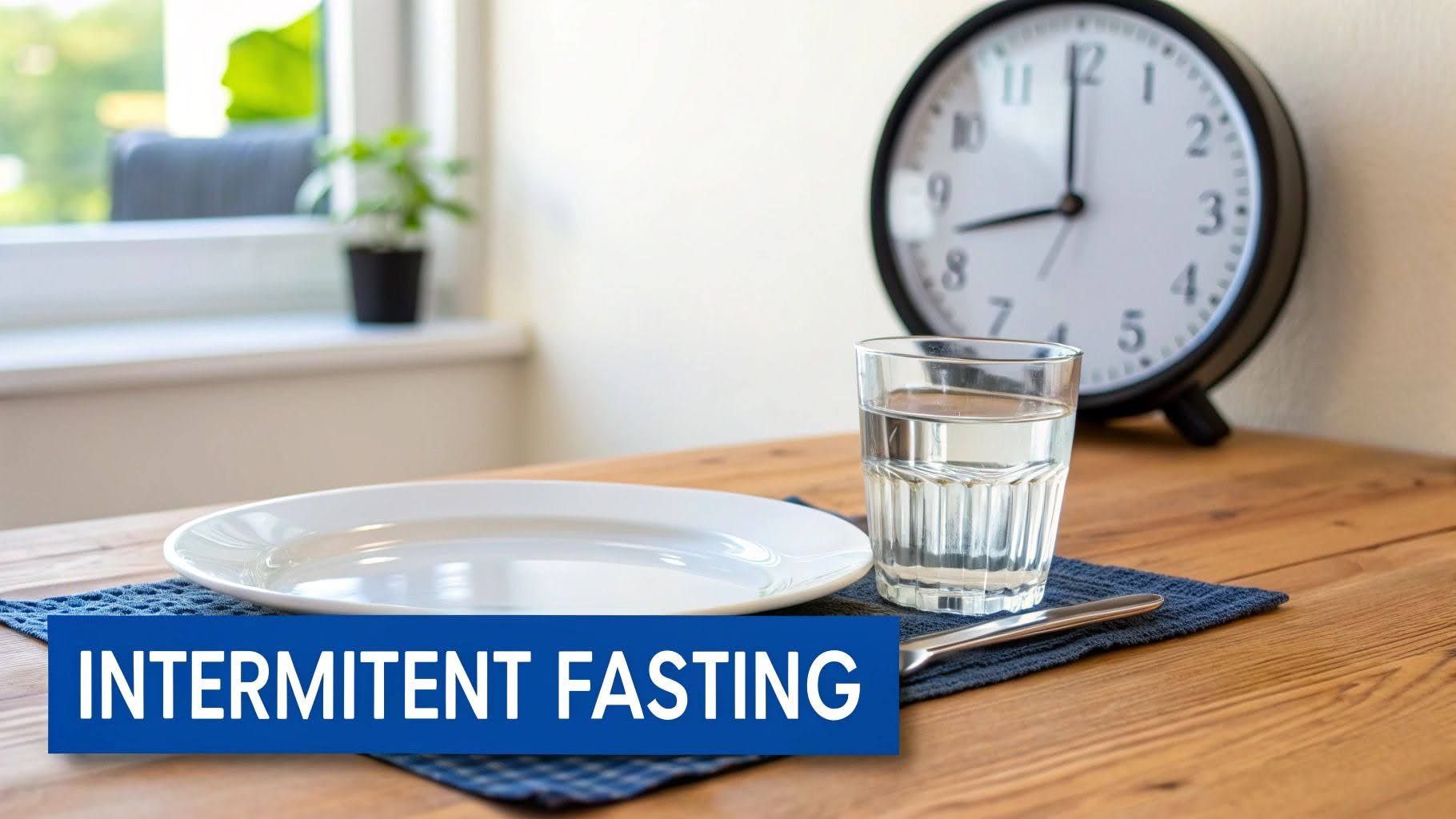
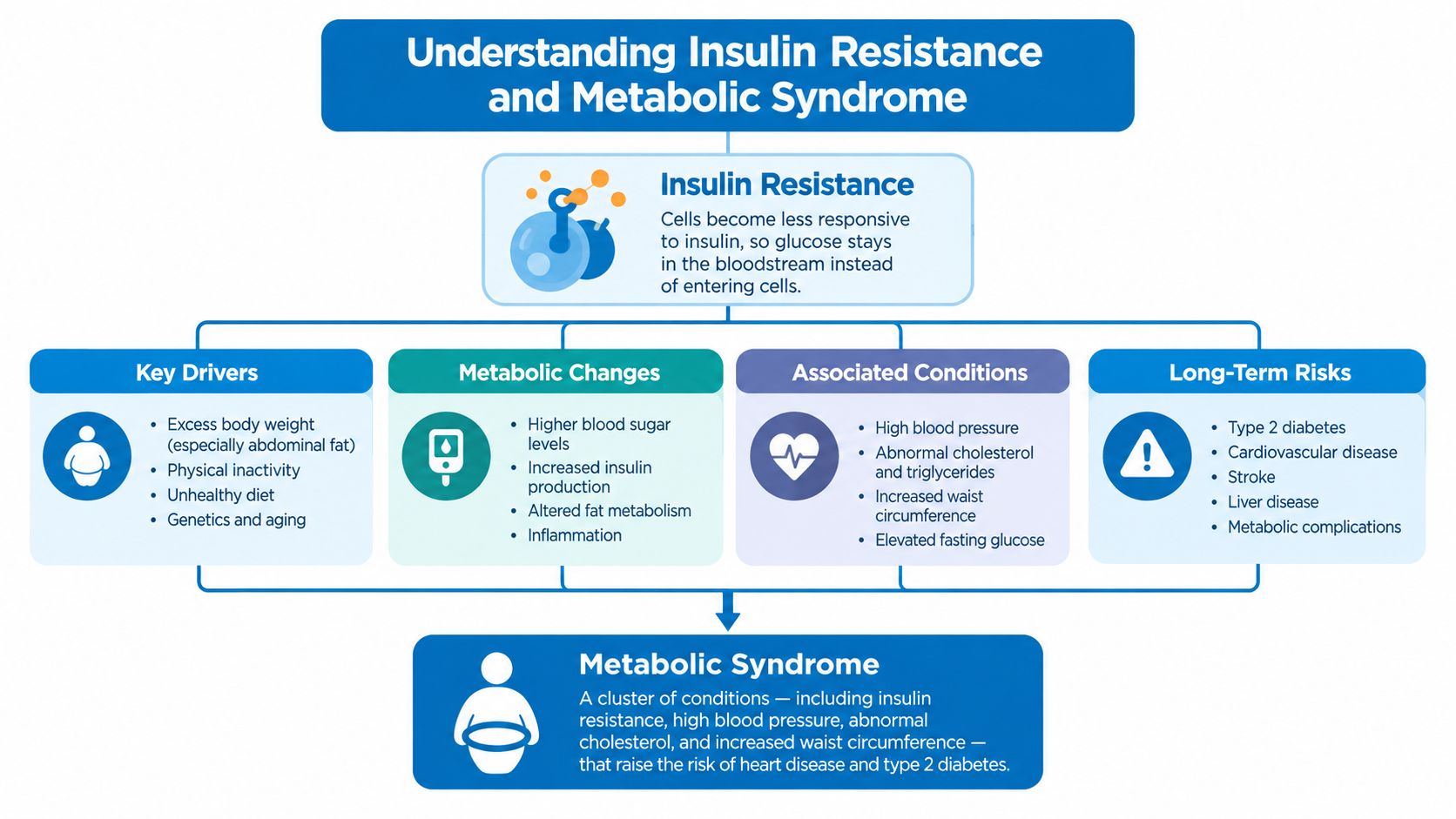
Research suggests that IF can positively influence testosterone by improving insulin sensitivity and increasing the secretion of luteinizing hormone (LH), the direct precursor signal for testosterone production. For instance, a study published in the Journal of Translational Medicine found that time-restricted eating improved several health markers linked to hormone function. Furthermore, by promoting fat loss and reducing inflammation—common issues in conditions like metabolic syndrome and hormone-related weight gain—IF creates a more favorable physiological environment for healthy testosterone synthesis.
How to Implement Intermittent Fasting
To successfully integrate intermittent fasting without causing undue stress on your body, a gradual and mindful approach is essential. The goal is metabolic flexibility, not deprivation.
- Start Gradually: If you're new to fasting, begin with a shorter window like 12:12 (12 hours fasting, 12 hours eating) and slowly extend the fasting period as your body adapts.
- Align with Your Circadian Rhythm: Try to align your eating window with daylight hours. For example, stop eating by 7 PM and break your fast around 11 AM the next day, which also utilizes your sleep time as part of the fast.
- Prioritize Nutrient Density: Break your fast with a meal rich in protein, healthy fats, and fiber. Avoid processed carbohydrates, which can spike insulin and negate some of the benefits of the fast.
- Stay Hydrated: During your fasting window, consume plenty of non-caloric fluids like water, black coffee, or herbal tea to stay hydrated and manage hunger.
- Combine with Resistance Training: For optimal results, schedule your workouts just before or within your eating window to provide your muscles with immediate fuel for recovery and growth, amplifying the hormonal benefits.
While lifestyle strategies like fasting are foundational for metabolic health, they work best within a comprehensive wellness plan. For those seeking structured, medically supervised support for weight management and hormone optimization, our team at Pause Medical offers personalized medical weight loss programs, including options like GLP-1 medications, to address the root causes of hormone-related weight gain and metabolic dysfunction.
3. Zinc and Magnesium-Rich Nutrition
Optimizing your micronutrient intake is another of the most effective natural ways to boost testosterone, and two minerals stand out: zinc and magnesium. These nutrients act as essential cofactors in the complex hormonal cascade that produces testosterone. Zinc is critical for the function of enzymes involved in testosterone synthesis and plays a key role in the pituitary gland's release of luteinizing hormone (LH). Magnesium helps regulate the hypothalamic-pituitary-adrenal (HPA) axis, reducing the production of the stress hormone cortisol, which directly competes with and suppresses testosterone.
Research consistently highlights the strong link between these minerals and hormonal health. A study in the journal Nutrients confirmed that zinc status is strongly correlated with testosterone levels in men. Similarly, research on magnesium shows that supplementation can increase testosterone levels in both sedentary individuals and athletes. Because modern diets are often high in processed foods and grown in nutrient-depleted soil, mild deficiencies in these key minerals are surprisingly common, making dietary focus a powerful and necessary strategy.
How to Implement a Zinc and Magnesium-Rich Diet
A food-first approach is the best way to ensure you're getting these critical minerals in their most bioavailable forms. A targeted supplementation strategy can fill in any gaps.
- Target Key Food Sources: Intentionally incorporate foods rich in these minerals. For zinc, prioritize oysters, beef, pumpkin seeds, and chickpeas. For magnesium, focus on leafy greens like spinach and Swiss chard, almonds, dark chocolate, and avocado.
- Know Your Daily Targets: Aim for the recommended daily allowance. For men, this is approximately 11 mg of zinc and 400-420 mg of magnesium. For women, it's 8 mg of zinc and 310-320 mg of magnesium.
- Supplement Smartly: If you choose to supplement, opt for highly absorbable forms. Look for zinc picolinate or citrate and magnesium glycinate or threonate. Taking magnesium in the evening can also promote better sleep.
- Avoid Over-Supplementation: More is not better. It's always best to consult with a healthcare provider before beginning a long-term, high-dose supplementation regimen.
While nutrition is a foundational pillar of hormonal health, it works synergistically with a comprehensive wellness plan. At Pause Medical, our board-certified providers can run diagnostic tests to identify specific deficiencies and create a personalized plan. Our integrative medicine approach addresses the root cause of any hormonal imbalances you may be experiencing, ensuring your body has the building blocks it needs to thrive.
4. Sleep Optimization and Circadian Rhythm Alignment
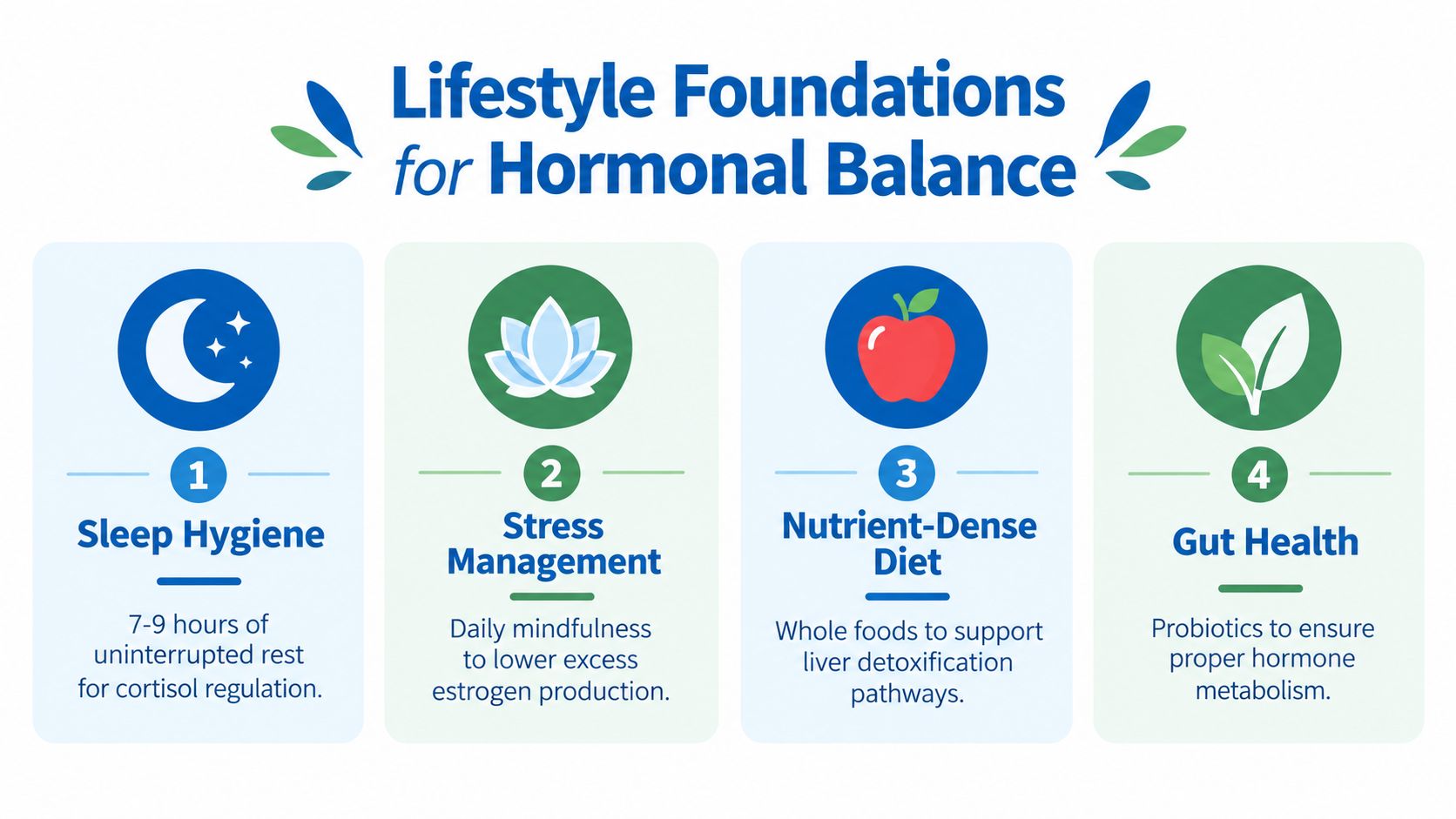
Of all the natural ways to boost testosterone, prioritizing sleep is arguably the most impactful yet frequently overlooked strategy. Your body's primary testosterone production occurs during the deep restorative stages of sleep, particularly during Rapid Eye Movement (REM) sleep. This hormonal synthesis peaks in the early morning hours, directly tied to your sleep cycles. Consistently poor sleep quality or insufficient duration can drastically suppress testosterone production.

The scientific link is undeniable: a study published in the Journal of the American Medical Association (JAMA) found that just one week of sleeping only five hours per night decreased daytime testosterone levels by 10-15% in healthy young men. This makes sleep optimization a foundational pillar for hormonal health. Aligning your sleep schedule with your natural circadian rhythm further enhances this effect, making it a critical focus for anyone experiencing symptoms of hormonal imbalance like fatigue, brain fog, or low libido.
How to Implement Sleep Optimization
Achieving restorative sleep requires a conscious effort to build consistent habits and create an environment conducive to rest. This is about improving sleep quality and efficiency.
- Target 7-9 Hours of Quality Sleep: Make this a non-negotiable priority. Treat your bedtime with the same importance as any other critical appointment.
- Maintain a Consistent Schedule: Go to bed and wake up within the same 30-minute window every day, including weekends. This stabilizes your circadian rhythm, which regulates hormone release.
- Manage Light Exposure: Get bright, natural sunlight in your eyes within 30-60 minutes of waking to set your internal clock. Conversely, dim the lights and avoid blue light from screens for 2-3 hours before bed.
- Create the Ideal Sleep Environment: Keep your bedroom cool (60-67°F or 15-19°C), dark (use blackout curtains), and quiet.
- Mind Your Evening Habits: Avoid caffeine after 2 PM and stop eating 2-3 hours before bed. Alcohol may make you feel sleepy, but it severely disrupts sleep architecture and should be avoided.
While optimizing sleep is a powerful tool, it's most effective when integrated into a holistic health plan. For those struggling with persistent sleep issues or other symptoms of hormonal imbalance despite lifestyle adjustments, professional guidance is essential. At Pause Medical, our board-certified providers specialize in identifying the root causes of these issues. We can create a personalized plan combining lifestyle strategies with advanced diagnostics and, if necessary, medical therapies like hormone replacement therapy to restore your vitality.
5. Stress Management and Cortisol Regulation
Chronic stress is a powerful yet often overlooked antagonist to healthy testosterone production. When you experience persistent stress, your body releases high levels of cortisol, the primary stress hormone. This elevation creates a direct hormonal conflict, as cortisol actively suppresses testosterone. It works by disrupting the hypothalamic-pituitary-adrenal (HPA) axis, which inhibits the secretion of luteinizing hormone (LH), the signal that tells the gonads to produce testosterone.
This hormonal see-saw effect is significant; individuals under chronic stress can have testosterone levels far below their optimal range. Effectively managing stress is one of the most impactful natural ways to boost testosterone because it removes a major roadblock to healthy production. Unlike other interventions, stress reduction complements every other effort and addresses a root cause of hormonal imbalance in modern life, including symptoms associated with andropause and menopause.
How to Implement Stress Management
A structured approach to downregulating your nervous system is key to lowering cortisol and allowing testosterone to recover. The goal is to activate the parasympathetic "rest-and-digest" state more frequently.
- Practice Mindfulness and Breathwork: These are direct tools for calming the nervous system. Start with 5-10 minutes of daily meditation. A simple and effective technique is box breathing: inhale for a 4-count, hold for 4, exhale for 4, and hold for 4.
- Prioritize Time in Nature: Research shows that even 20-30 minutes spent in a natural environment can significantly reduce cortisol levels. This can also help regulate your circadian rhythm.
- Incorporate Gentle Movement: Balance your high-intensity exercise with restorative activities like yoga or gentle stretching to activate the parasympathetic response and aid recovery.
- Establish Firm Boundaries: Modern stress is often driven by a lack of separation between work and life. Set clear rules, such as no work emails or notifications after a certain hour, and schedule downtime.
While these foundational lifestyle changes are crucial, they are most effective within a holistic wellness strategy. At Pause Medical, our integrative medicine approach focuses on identifying and addressing the root causes of your symptoms. Our board-certified providers help you build a personalized plan to manage stress and restore hormonal balance, ensuring all your efforts work in harmony for optimal health.
6. Vitamin D Optimization and Sun Exposure
Often called the "sunshine vitamin," Vitamin D is one of the most critical and overlooked natural ways to boost testosterone. This fat-soluble vitamin functions more like a steroid hormone in the body, and its receptors are found in the cells of the testes and the hypothalamus, areas crucial for testosterone production. This direct involvement means that your vitamin D status is intrinsically linked to your hormonal health.

The correlation between Vitamin D and testosterone is strong. A study published in Hormone and Metabolic Research found that overweight men who were given vitamin D supplements for a year had a significant increase in their testosterone levels. Given that the CDC reports a large percentage of the U.S. population has insufficient vitamin D levels, optimizing your levels is a foundational step for hormonal balance.
How to Implement Vitamin D Optimization
A systematic approach is essential for safely and effectively raising your vitamin D levels to support testosterone synthesis. Simply taking a supplement without a plan is less effective than targeted optimization.
- Get Your Levels Tested: Before supplementing, it is crucial to know your starting point. Ask your doctor for a 25-hydroxyvitamin D blood test to determine your baseline.
- Target the Optimal Range: Aim for a blood level of 40-60 ng/mL. This range is associated with the most significant benefits for hormonal and overall health.
- Utilize Sensible Sun Exposure: If possible, aim for 10-30 minutes of midday sun exposure daily with a significant amount of skin exposed. Your ability to produce vitamin D depends on your latitude, skin tone, and the season.
- Supplement Wisely with D3: For most people, especially during winter months, supplementation is necessary.
- Choose Vitamin D3 (cholecalciferol) over D2, as it is more bioavailable.
- Take a dose recommended by your healthcare provider, typically 2,000-5,000 IU daily with a meal containing healthy fats for better absorption.
- Retest After 8-12 Weeks: Once you begin a supplementation protocol, retest your blood levels to ensure you have reached the optimal range and can adjust your dose for maintenance.
While lifestyle changes are powerful, they are most effective within a comprehensive health strategy. At Pause Medical, our board-certified providers conduct thorough lab testing to identify the root cause of your issues and create a personalized plan that integrates lifestyle, nutrition, and, when medically appropriate, advanced hormone therapy options to restore your vitality.
7. Dietary Fat Quality and Cholesterol Optimization
Optimizing dietary fat intake is a fundamental, yet often overlooked, strategy for naturally boosting testosterone. Testosterone is a steroid hormone synthesized from cholesterol, meaning the fats you consume are the direct building blocks for its production. The outdated misconception that all dietary fat is harmful has led many to adopt restrictive, low-fat diets that can inadvertently suppress hormone synthesis.
Research demonstrates a strong link between fat intake and testosterone levels. A study in the Journal of Steroid Biochemistry found that men who switched from a high-fat diet (40% of calories) to a low-fat diet (25% of calories) experienced significant decreases in their circulating testosterone levels. Quality is key; healthy monounsaturated, polyunsaturated, and saturated fats from whole-food sources support hormone receptor function and cell membrane integrity, which are crucial for hormonal signaling.
How to Implement Fat Optimization
To leverage dietary fat for hormonal health, the focus must be on quality, quantity, and balance. A strategic approach is far more effective than simply eating more fat without consideration for its source or type.
- Target the Right Percentage: Aim for 25-35% of your daily calories to come from high-quality fats.
- Prioritize Whole-Food Sources: Build your diet around nutrient-dense fats found in avocados, nuts, seeds, fatty fish (like salmon and sardines), whole eggs, extra virgin olive oil, and coconut oil.
- Include Omega-3s: Make a point to consume omega-3-rich foods like salmon, mackerel, and walnuts at least two to three times per week to support anti-inflammatory pathways.
- Eliminate Harmful Fats: Completely avoid artificial trans fats found in fried foods, commercial baked goods, and margarine. Reduce intake of highly processed seed oils like soybean and canola oil, opting for olive, avocado, or coconut oil instead.
While lifestyle and nutrition are the cornerstones of hormonal health, they are most effective within a comprehensive wellness strategy. For individuals who have optimized their diet and still struggle with symptoms of hormonal imbalance, it may be time to seek expert guidance. At Pause Medical, our board-certified providers can conduct thorough diagnostics to create an integrative treatment plan, which may include advanced hormone therapy options to complement your efforts and address the root cause of your symptoms.
8. Cold Exposure and Thermal Stress Therapy
While less direct than resistance training or nutrition, incorporating cold exposure is an emerging and accessible strategy for supporting hormonal balance. This practice, also known as thermal stress therapy, involves brief encounters with cold temperatures through methods like cold showers or ice baths. The primary mechanism isn't a direct testosterone spike but an indirect cascade of benefits that create a more favorable environment for hormone production.
Cold exposure activates the sympathetic nervous system, increasing norepinephrine, a hormone and neurotransmitter that enhances focus and mood. More importantly, research suggests it stimulates brown adipose tissue (BAT), a type of fat that burns calories to generate heat, thereby improving metabolic health and insulin sensitivity. Better metabolic function is directly linked to healthier testosterone levels. This makes cold exposure one of the more unique natural ways to boost testosterone by optimizing the body's underlying systems.
How to Implement Cold Exposure
The key to leveraging cold exposure is to treat it as a hormetic stressor—a small, controlled stress that prompts a beneficial adaptive response. The goal is brief, intentional exposure.
- Start with Cold Shower Finishes: The easiest entry point is to end your regular warm shower with 30-60 seconds of cold water. Focus on maintaining steady, controlled breathing.
- Gradually Increase Duration: As your body adapts, you can gradually increase the duration to 90 seconds or up to 2-3 minutes. Consistency is more important than intensity.
- Time It Strategically: Cold exposure is best done in the morning to leverage its energizing effects. To avoid blunting muscle growth, wait at least 4-6 hours after a strength workout before cold immersion.
- Practice Controlled Breathing: Control your breath during exposure. Avoid gasping; instead, take long, steady exhales to activate your parasympathetic (rest-and-digest) nervous system.
While lifestyle strategies like thermal stress can build a strong foundation, they work best within a comprehensive wellness plan. At Pause Medical, our board-certified providers design personalized plans that integrate lifestyle, nutrition, and, when appropriate, medical therapies to address the root cause of hormonal imbalances and help you achieve your health goals. Our integrative approach ensures that all aspects of your health are working together for optimal results.
Frequently Asked Questions (FAQ) about Boosting Testosterone Naturally
Q: How long does it take to see results from these natural methods? A: While some benefits like improved energy from better sleep can be felt within days, significant changes in testosterone levels typically take time and consistency. With a dedicated approach to resistance training, nutrition, and sleep, you may notice measurable improvements in symptoms and lab values within 8 to 12 weeks.
Q: Can women also benefit from these testosterone-boosting strategies? A: Absolutely. Testosterone is a vital hormone for women, impacting energy, mood, bone density, and libido. While women produce it in smaller amounts, optimizing levels through these natural methods can help alleviate symptoms associated with hormonal imbalances, particularly during perimenopause and menopause.
Q: Are there any supplements that are proven to boost testosterone? A: The most effective "supplements" are correcting deficiencies in key nutrients like Vitamin D, zinc, and magnesium. Other popular supplements like Ashwagandha have shown some promise in reducing cortisol and supporting testosterone in stressed individuals, but results can vary. It is always best to consult with a healthcare provider before starting any new supplement regimen.
Q: At what age does testosterone start to decline? A: For men, testosterone levels typically peak in early adulthood and begin to decline gradually, by about 1% per year, starting around age 30. This process is known as andropause. For women, a more significant drop often occurs during perimenopause and menopause.
Q: If I implement these changes, will I need testosterone therapy? A: For many, a dedicated lifestyle approach can significantly improve symptoms and restore hormonal balance. However, for individuals with clinically low testosterone (hypogonadism) or severe symptoms from andropause or menopause, lifestyle changes alone may not be enough. In these cases, medical treatments like testosterone therapy, under the guidance of a board-certified provider, can be a safe and effective solution.
When Natural Ways Aren't Enough: Your Next Step with Pause Medical
Throughout this guide, we've explored a powerful toolkit of evidence-based strategies to naturally boost testosterone. You now have a comprehensive roadmap that goes far beyond generic advice, offering actionable steps to reclaim your vitality. From the hormonal cascade triggered by heavy resistance training to the metabolic precision of intermittent fasting and the foundational importance of micronutrients like zinc and magnesium, each method plays a crucial role in optimizing your endocrine system.
We've delved into aligning your circadian rhythm for restorative sleep, actively managing cortisol through stress-reduction techniques, and harnessing the power of Vitamin D and healthy dietary fats. These aren't just isolated tips; they are interconnected pillars of a holistic lifestyle designed to create an internal environment where your body can thrive. By implementing these practices, you are sending a clear signal to your body to enhance its natural hormone production, leading to improved energy, mood, cognitive function, and physical performance.
The Power of a Comprehensive, Integrative Approach
The true value of this journey lies in consistency and synergy. Optimizing one area, like your diet, while neglecting sleep or stress will only yield limited results. The most significant and lasting improvements come from integrating these strategies into a cohesive daily routine.
Think of it as building a house:
- Resistance Training & Nutrition: These are your strong foundation and structural beams.
- Sleep & Stress Management: These form the protective roof and insulated walls, guarding against external pressures.
- Micronutrients & Healthy Fats: These are the essential wiring and plumbing that ensure everything functions correctly.
When you diligently apply these principles, you are not just searching for natural ways to boost testosterone; you are fundamentally upgrading your body’s operating system. The benefits extend beyond hormone levels to encompass improved metabolic health, enhanced resilience, and a greater sense of overall vitality.
Knowing When to Seek Expert Guidance
However, it's crucial to recognize that lifestyle and nutrition have their limits, especially when facing significant hormonal decline from andropause, menopause, underlying health conditions, or genetic predispositions. If you've committed to these natural strategies for 3-6 months and still struggle with persistent symptoms like chronic fatigue, low libido, brain fog, or unexplained weight gain, it is not a reflection of your effort. It is a clear sign that it's time to seek a deeper, medically-guided solution.
This is where professional intervention becomes essential. Continuing to push against a physiological barrier without expert insight can lead to frustration and burnout. The next logical step is to partner with specialists who can provide a precise diagnosis and a more powerful, personalized treatment plan.
At Pause Medical, our board-certified providers specialize in integrative hormone health. We view the foundational work you've done as a critical first step. Our process begins with comprehensive lab testing and a detailed consultation to understand your unique physiology. This data-driven approach allows us to pinpoint the root cause of your hormonal imbalance. From there, we create a personalized treatment plan that may include advanced options like medically supervised testosterone therapy or bioidentical hormone replacement therapy (BHRT) to complement your healthy lifestyle and help you achieve optimal results.
Don't let unresolved symptoms dictate the quality of your life. The journey to hormonal balance is a partnership, and sometimes, you need an expert co-pilot.
Medical Disclaimer: This article is for informational purposes only and does not constitute medical advice. The content is not intended to be a substitute for professional medical advice, diagnosis, or treatment. Always seek the advice of your physician or other qualified health provider with any questions you may have regarding a medical condition. Never disregard professional medical advice or delay in seeking it because of something you have read in this article.
Ready to move beyond frustration and get definitive answers about your hormonal health? The team at
Pause Medical provides expert, data-driven evaluations and personalized treatment plans, including testosterone therapy, to help you restore your vitality.
Schedule your consultation today to build a comprehensive strategy that bridges the gap between natural efforts and a full recovery.