Weight Loss and Wellness Clinic: What to Expect
If you're in Mississippi and you've been doing “everything right” with food, movement, and willpower, but the scale still won't cooperate, the frustration can get personal fast. A lot of adults also notice the same pattern, they feel tired, their mood dips, clothes fit tighter, and the usual advice to “eat less and move more” starts sounding disconnected from real life.
A weight loss and wellness clinic is built for that gap between effort and results. It looks at the pieces that often get ignored in everyday diet culture, hormones, metabolism, medication needs, sleep, stress, and the follow-up support that helps people stay on track.
Why Patients Are Turning to Wellness Clinics
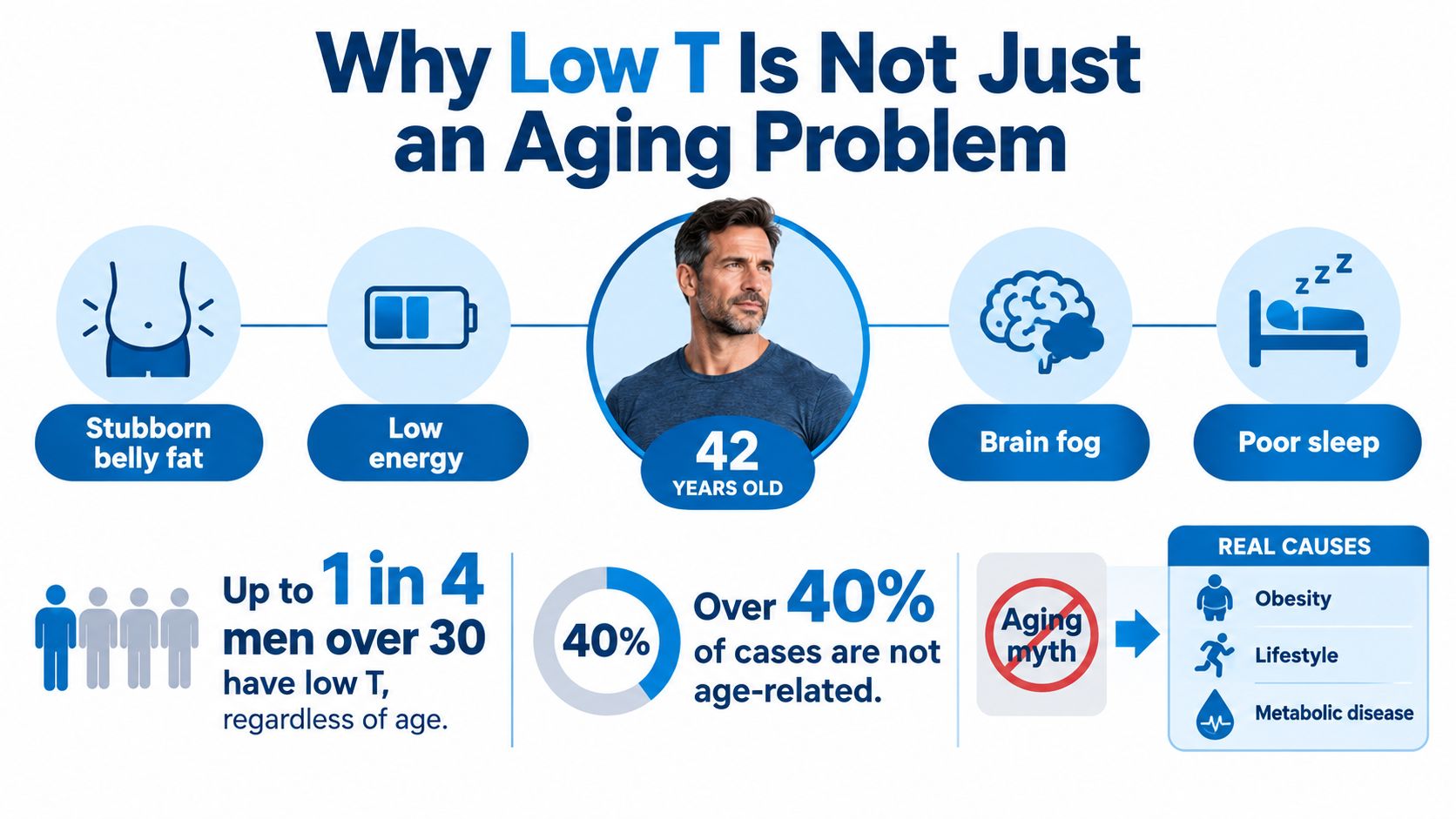
A woman in her 40s in Mississippi may come in saying she just wants to lose weight, but what she really means is that she's exhausted, she's struggling with hot flashes or sleep changes, and the scale keeps climbing even though her habits haven't changed much. A man may describe low energy, slower workouts, and creeping abdominal weight gain, then admit he's also dealing with stress, poor sleep, and maybe low libido. Those are not separate problems in real life. They tend to travel together.
That's why so many people start looking for a weight loss and wellness clinic instead of another quick-fix plan. The goal isn't to shame the body into shrinking. It's to ask what's driving the change in the first place, then address those drivers with medical oversight and a plan that fits the person, not just the symptom.
In practical terms, patients are often looking for care that doesn't stop at a food handout. They want someone to review labs, medications, hormone concerns, and real-world barriers like shift work, childcare, or trouble getting to appointments. They want a place that treats weight gain as a health issue, not a character flaw.
A clinic like this also appeals to people who've already tried standard advice and felt dismissed. They're not asking for miracles. They're asking for a plan that makes sense in their body and in their life, which is why many readers start with Pause Medical's medical weight loss clinics overview when they're trying to understand what this kind of care looks like locally.
What a Weight Loss and Wellness Clinic Is
Think of a weight loss and wellness clinic as a pit crew for your metabolism and hormones. A car doesn't win a race because someone told it to “drive better.” It wins because trained people inspect the engine, adjust the parts, monitor performance, and keep making small corrections while the race is still going. Medical weight loss works the same way.

A traditional gym or fad diet usually gives you a plan and sends you home. A clinic does more. It starts with medical oversight , then builds a personalized treatment plan , and keeps adjusting based on how your body responds. That matters because weight changes don't happen in a vacuum, they interact with hormones, medications, food access, sleep, and chronic conditions.
The market momentum backs up that shift. A major 2024 estimate valued the U.S. medical weight loss clinics market at USD 1.17 billion , and projected growth to USD 1.50 billion by 2030 with a 4.42% CAGR from 2025 to 2030, while also estimating USD 1.21 billion in 2025 ( Grand View Research). That doesn't prove every clinic is excellent. It does show that medically supervised weight care has moved well beyond the margins.
Practical rule: if a program can't explain how it tracks progress, adjusts treatment, and supports maintenance, it's probably selling motivation, not medicine.
Many patients also like having a simple way to understand the structure of care before they book. A useful external example is the Yuve wellness club form, which shows how some wellness programs organize entry into structured support. For a clinic model that stays focused on sustainability, readers can also review Pause Medical's guide to lasting results in medical weight management.
Services That Target Root Causes

A patient in Mississippi may walk into a clinic with one complaint on the surface, weight gain, but the underlying issue can be deeper. The stronger clinics do not treat every concern as if it starts from the same place. They sort the issue into layers, then match care to the layer that is driving the symptoms. One layer may involve appetite and weight regulation, another hormone shifts, and another metabolic risk. That is why modern care often combines several services instead of relying on a single tool.
Medically supervised weight loss
Many patients start with this piece because it gives the process some structure. For one person, that may mean nutrition coaching and behavior support. For another, it may include GLP-1 weight loss or another medication if the clinician decides it fits the person's history and goals. Medications tend to work best when they are paired with follow-up visits, because a prescription alone does not teach a patient how to eat through a work trip, a family event, or a week when motivation is low.
That matters because appetite, fullness, and habit loops are biological as well as behavioral. A medication can quiet the constant background hunger, but the clinic still has to help the patient build habits that hold up during ordinary life.
Hormone balance and symptom care
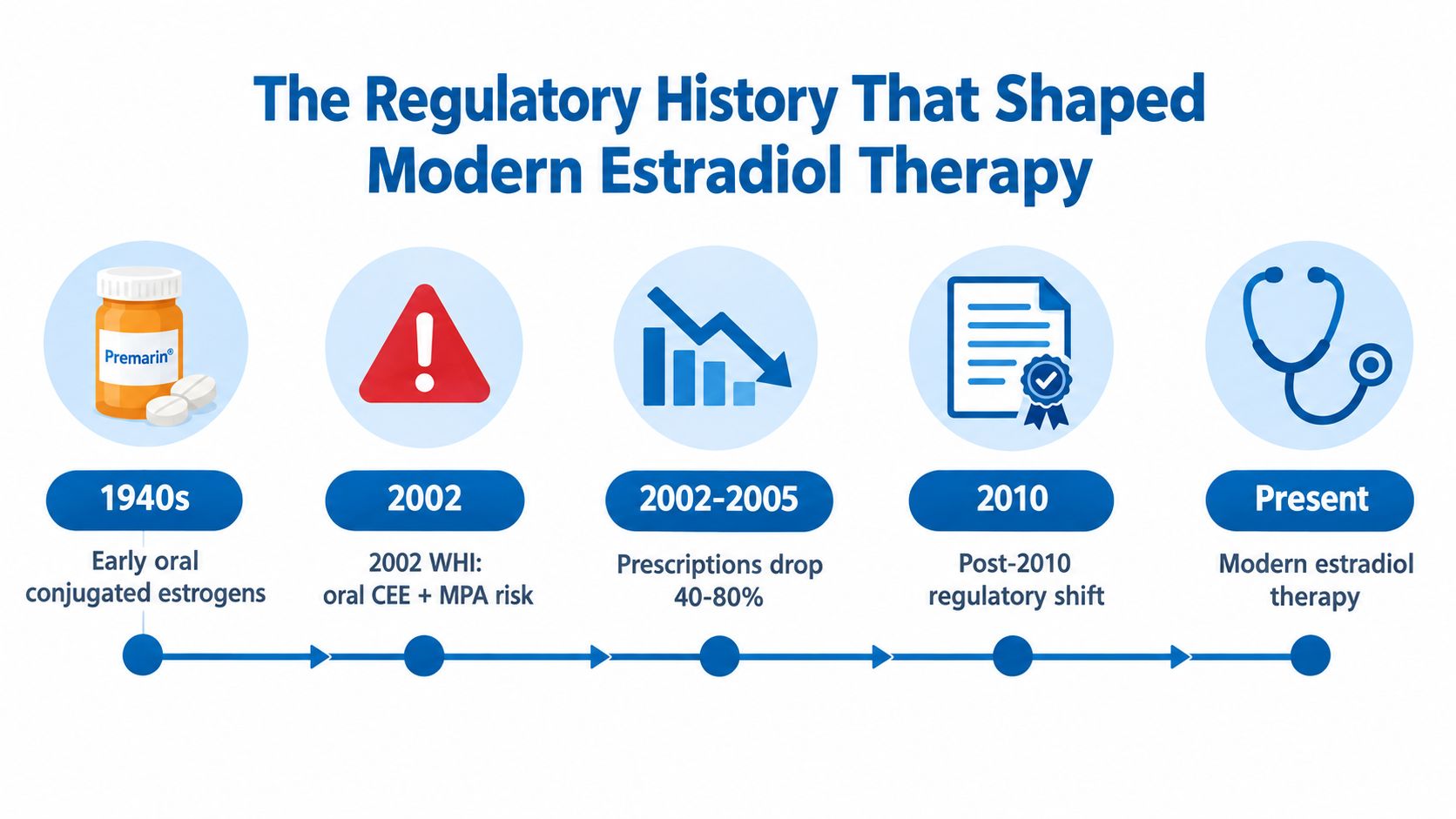
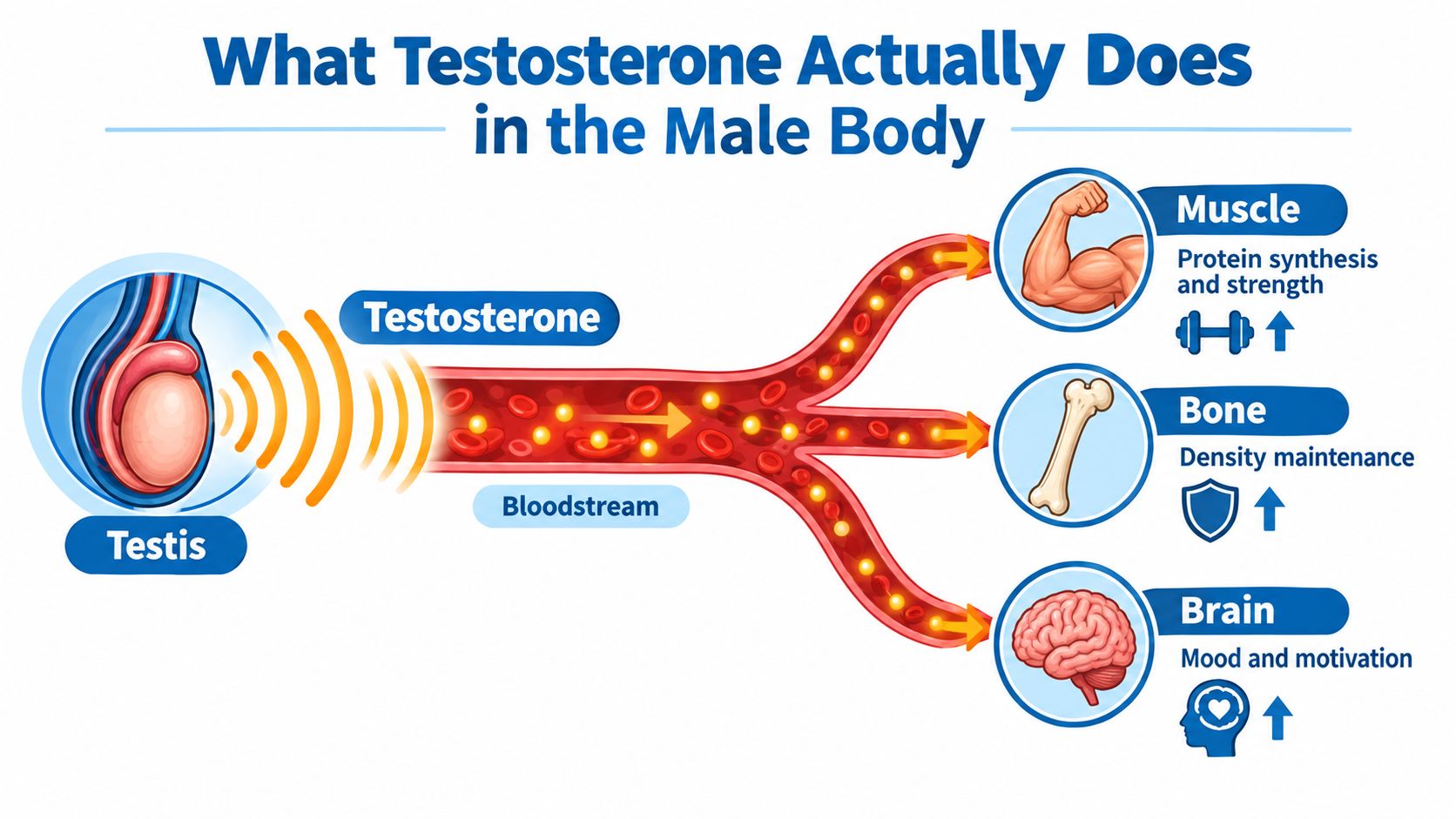
Hormone replacement therapy , including bioidentical hormones when appropriate, often enters the discussion for menopause, andropause, fatigue, low libido, sleep trouble, or hot flashes. Hormones are not a vanity issue. They shape energy, mood, recovery, and the way patients experience weight change.
Metabolic health and disease management
A clinic should also look for problems that make weight loss harder, including thyroid disorders, diabetes, and metabolic syndrome. That is why many patients seek medication management and testing that connects symptoms to physiology instead of guesswork.
For a closer look at the testing side, Pause Medical's insulin resistance guide is a useful companion resource. If you are also trying to understand nutrition support and absorption, the AloeCure nutrient absorption guide helps explain why “eating better” does not always lead to better results on its own.
The modern model also takes stigma more seriously than older weight-loss programs did. Recent evidence reviews describe team-based care, technology, group visits, respectful communication, and motivational interviewing as ways to extend access and keep patients involved in everyday life, as noted in a recent PMC review. That is a very different approach from the old “try harder” message.
Inside a Patient's Clinic Journey
A 48-year-old Mississippi patient might arrive after years of stop-start dieting, a thyroid diagnosis, and the sense that her body doesn't respond the way it used to. She doesn't need a lecture. She needs a process that turns symptoms into a plan.
The first visit usually starts with a conversation about goals, health history, past attempts, medications, and day-to-day barriers. That might sound basic, but it's where the clinical picture starts to come into focus. A good provider asks what's realistic, not just what sounds ideal.
The next step is assessment. Clinicians often review labs, body composition or weight trends, and symptoms that point toward hormone or metabolic issues. That's also when they decide whether medication, nutrition support, or hormone therapy belongs in the plan.
For many patients, the treatment plan includes a realistic calorie target, not a crash diet. A University of Colorado nutrition guideline recommends an individualized 500 to 1,000 kcal/day deficit and a pace of 1 to 2 pounds per week for sustainable fat loss ( University of Colorado guideline). That gives patients a concrete target without pretending every week will look identical.
A plan that can't survive a normal week usually won't survive a normal month.
Follow-up is where the plan gets real. A patient may need medication adjustments, food logging changes, or support around sleep and stress. The patient who expects one appointment to solve everything usually gets discouraged. The patient who understands that progress is monitored and refined tends to stay engaged longer, which is exactly why clinics build the relationship around repeated visits.
For readers who want a broader look at customization, Pause Medical's personalized treatment plans guide is a helpful next read.
The Evidence Behind Supervised Care
A clinic visit can feel straightforward at first. A clinician reviews your history, adjusts the plan, and sends you home with instructions. The part patients sometimes miss is that weight care works more like physical therapy than a one-time fix, because the follow-up visits are what help the plan hold up in real life.
The evidence keeps pointing to the same thing, follow-up matters . Short-term weight loss can happen quickly, but the long game is where medical supervision earns its place.
To make that clearer, here is the pattern seen in one Australian multidisciplinary clinic study, summarized from a PMC study:
| Follow-Up Frequency and Weight Loss Outcomes | Value |
|---|---|
| Mean weight change at last follow-up in an Australian multidisciplinary clinic study | -6.2 kg and -6.0% of total body weight |
| Patients maintaining at least 5% body-weight loss for 1 year | 20% |
| Increase in odds of clinically significant weight loss with each additional clinic follow-up | 21.4% |
| Increase in odds of clinically significant weight loss with each additional month of follow-up | 10.1% |
Those numbers help explain why a clinic cannot just hand out a prescription and hope for the best. Repeated visits are not busywork. They let the care team check whether appetite has changed, whether side effects are getting in the way, and whether the plan still fits the patient's schedule, budget, and eating patterns. A good clinic uses those return visits the way a mechanic uses a test drive, to spot what is working and what is not before the problem grows.
Another real-world program showed a different pattern. It reached a maximum weight loss of 15.3% at 4 months , but the long-term average at 5 years was -5.8% from baseline , with about 50% of participants maintaining at least 5% weight loss ( PMC study). That matters because 5% weight loss is widely used as a clinically meaningful threshold. The point is not that early progress does not matter. The point is that keeping the change is harder, and that is where supervised care has to stay involved.
A 2022 review in Frontiers in Endocrinology says lifestyle intervention for obesity typically aims for a 5% to 10% reduction in body weight because that range is associated with clinically meaningful cardiometabolic improvements ( A 2022 review in Frontiers in Endocrinology). That fits the clinic model well. The goal is health improvement that can last, not just a temporary dip on the scale. For patients in Mississippi who may be paying cash and juggling distance, work, and family demands, the follow-up structure matters just as much as the first prescription. A plan that can be revisited, adjusted, and explained clearly gives people a better chance of sticking with it.
How to Choose the Right Clinic
Patients usually don't need more options. They need a way to sort the good ones from the vague ones. The easiest filter is to ask direct questions before you schedule.
- Who is making the decisions? Ask whether the clinic uses board-certified clinicians and who reviews lab results and medication choices.
- What happens after the first visit? Good programs explain follow-up timing, adjustment visits, and what happens if progress stalls.
- How do you personalize care? The answer should mention symptoms, history, labs, and goals, not just a standard package.
- Do you help with hormone concerns and metabolic issues? That matters if your weight gain connects to menopause, andropause, thyroid problems, or blood sugar concerns.
- How do you handle respectful care? Patients should hear that the clinic takes stigma seriously and communicates in a way that supports engagement.
Access matters too. Research on obesity care disparities shows that transportation barriers, food insecurity, limited time, and low specialist access make it harder for underserved patients to stay in evidence-based programs. The median travel time to an obesity medicine physician is 43 minutes in low-income or rural counties versus 9 minutes in high-income counties ( PMC disparities review). For Mississippi patients, that gap is not abstract. It shapes whether people can keep appointments.
Useful test: if the clinic can't explain how it helps real patients manage work schedules, childcare, transportation, and follow-up, it may look medical on paper but feel impractical in practice.
Insurance-free care can also be an advantage when you want clarity instead of surprise billing. It doesn't erase cost concerns, but it can make the path easier to understand. The right clinic should feel organized, respectful, and specific about how it works.
Pause Medical Care in Mississippi
Pause Medical serves Mississippi patients who want structured, clinician-guided care for hormone replacement therapy , medical weight loss , and related metabolic concerns. The clinic's locations in Oxford, Meridian, Tupelo, Flowood-Jackson, and Starkville make in-person care more accessible, and the process is designed around quick online scheduling, board-certified providers, and no insurance required.
That matters for readers who've been putting off care because they expect a complicated referral maze or a rushed weight-loss pitch. A strong clinic should feel like a medical home for the problem you have, whether that problem is hormone-related weight gain, fatigue, or the frustration of starting over again and again. If you're comparing local options, the medical weight loss near me page is a practical place to start.
The biggest takeaway is simple. Sustainable change usually comes from assessment, personalization, and follow-up , not from one more generic plan. Mississippi patients deserve care that takes symptoms seriously, explains the process clearly, and keeps adjusting until the plan fits real life.
If you're ready to stop guessing and start with a plan that looks at hormones, metabolism, and follow-up care together, visit Pause Medical to schedule a consultation. You'll get a clearer picture of what's driving your weight changes and what a supervised plan can realistically do for your health.