Bioidentical Hormones and Weight Loss: What Doctors Say
The popular wellness claim is simple: balance your hormones, and the weight will fall off. For many people in Mississippi struggling with menopause-related weight gain, low energy, or changes in muscle mass, that promise sounds appealing. It also sets an expectation that hormone therapy usually can't meet.
Bioidentical hormones may support metabolic health, body composition, sleep, and treatment adherence, but they aren't a standalone weight-loss drug. The most useful question isn't whether hormones “burn fat.” It's whether a documented hormonal problem is making weight management harder, and whether treating that problem belongs in a broader plan that may include nutrition, movement, medication management, and medical weight loss.
The Truth About Bioidentical Hormones and Weight Loss
Bioidentical hormones are often sold as a direct route to dramatic weight loss. The clinical picture is narrower. Menopause hormone therapy may help attenuate central fat accumulation and preserve body composition , while its effect on total body weight is generally small and does not make it an obesity treatment (2026 clinical review).
That distinction matters during a consultation. A patient may see little change on the scale after beginning estrogen or progesterone, yet have fewer hot flashes, better sleep, greater comfort, or less abdominal fat redistribution. Those improvements may make nutrition, exercise, or a prescribed weight-loss plan easier to follow. They are different from the appetite reduction produced by medications designed to treat obesity.
What “bioidentical” means
“Bioidentical” means that a hormone has the same molecular structure as a hormone made by the human body. The term does not, by itself, explain how the product was manufactured, whether the FDA reviewed it, or whether it has a safer risk profile than other options. For more context, review the differences between bioidentical and synthetic hormones.
Some bioidentical hormones are regulated prescription medicines. Estradiol and progesterone were isolated and synthesized from natural sources in the 1930s. Estradiol patches received FDA approval in the mid-1980s, and micronized progesterone, marketed as Prometrium, received FDA approval in 1998 ( history of bioidentical hormones). Many compounded formulations are individualized products that are not separately FDA-approved.
Practical rule: If a clinic promises substantial weight loss from hormones alone, ask which outcome the treatment is meant to address and what evidence supports that promise.
The sounder approach treats hormones as metabolic support, not a standalone solution. Hormone replacement may be appropriate for selected symptoms or documented deficiencies. Medical weight management may require a separate plan that includes a GLP-1 medication, nutrition support, resistance training, and evaluation for conditions such as diabetes or thyroid disorders. The right combination depends on medical history, symptoms, laboratory findings, and physician supervision.
How Hormonal Decline Drives Weight Gain
Think of hormones as part of the body's metabolic thermostat. They don't determine weight by themselves, but they influence appetite, fat distribution, muscle maintenance, sleep, insulin response, and how much energy the body uses at rest. When hormone levels change, the same eating and activity pattern may produce a different result.
During perimenopause and menopause, declining estrogen is associated with a shift toward more abdominal fat storage and changes in body composition. Estrogen also interacts with appetite signaling and insulin sensitivity, so a patient may notice that weight gain feels concentrated around the middle even when daily habits haven't changed dramatically.
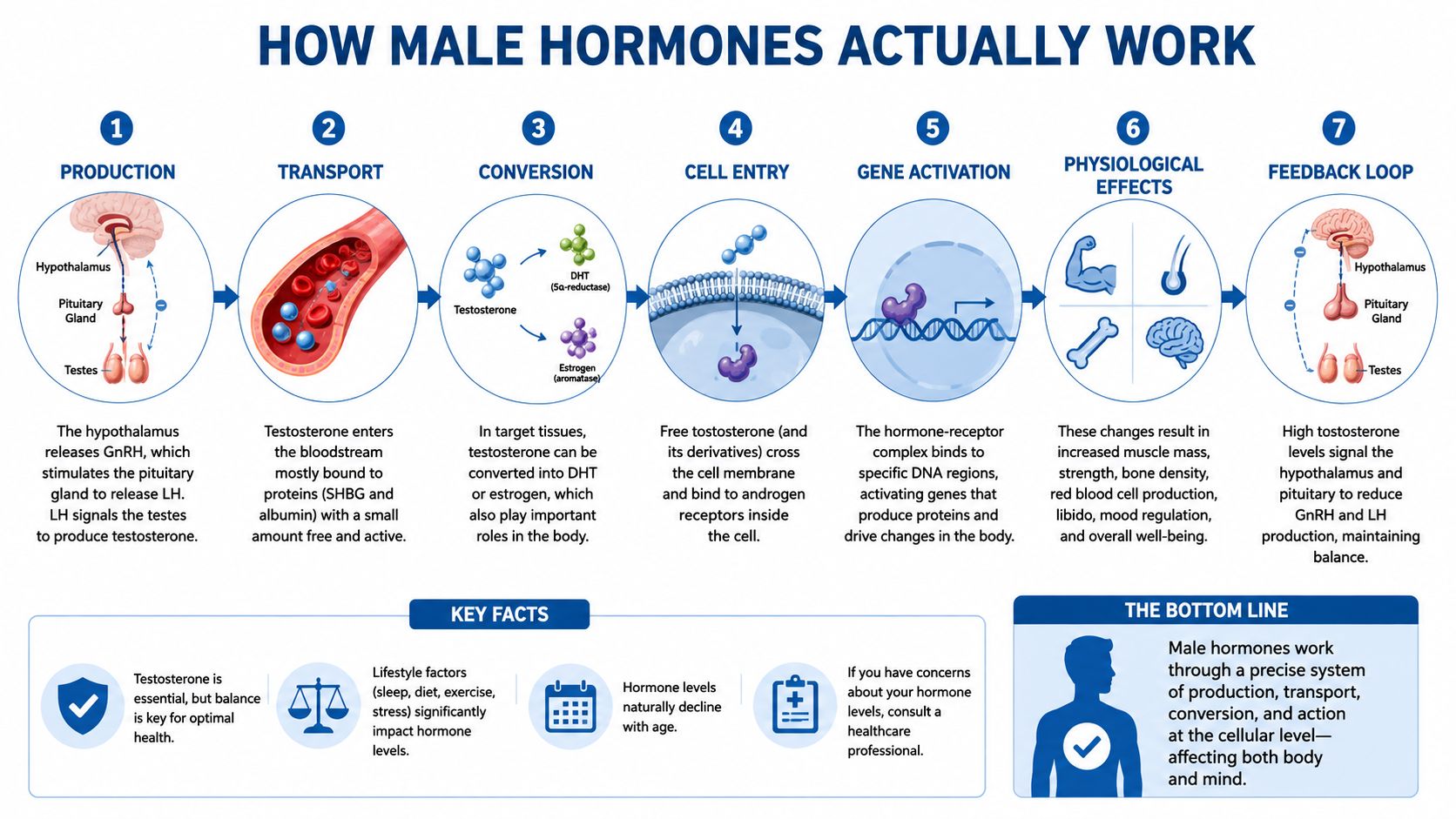
Men with clinically low testosterone face a different pathway. Testosterone supports lean muscle, and reduced muscle mass can lower the amount of energy the body uses at rest. Fat may increase while strength, exercise capacity, and recovery decline. These changes can make a familiar diet and exercise routine feel less effective, although the solution still requires more than hormone replacement alone.

Why the scale doesn't tell the whole story
Scale weight combines fat, muscle, water, bone, and digestive contents. Hormone therapy may influence where fat is stored or help preserve lean tissue without producing a dramatic change in total weight. A smaller waist, better strength, or improved sleep may represent meaningful progress even when the scale moves slowly.
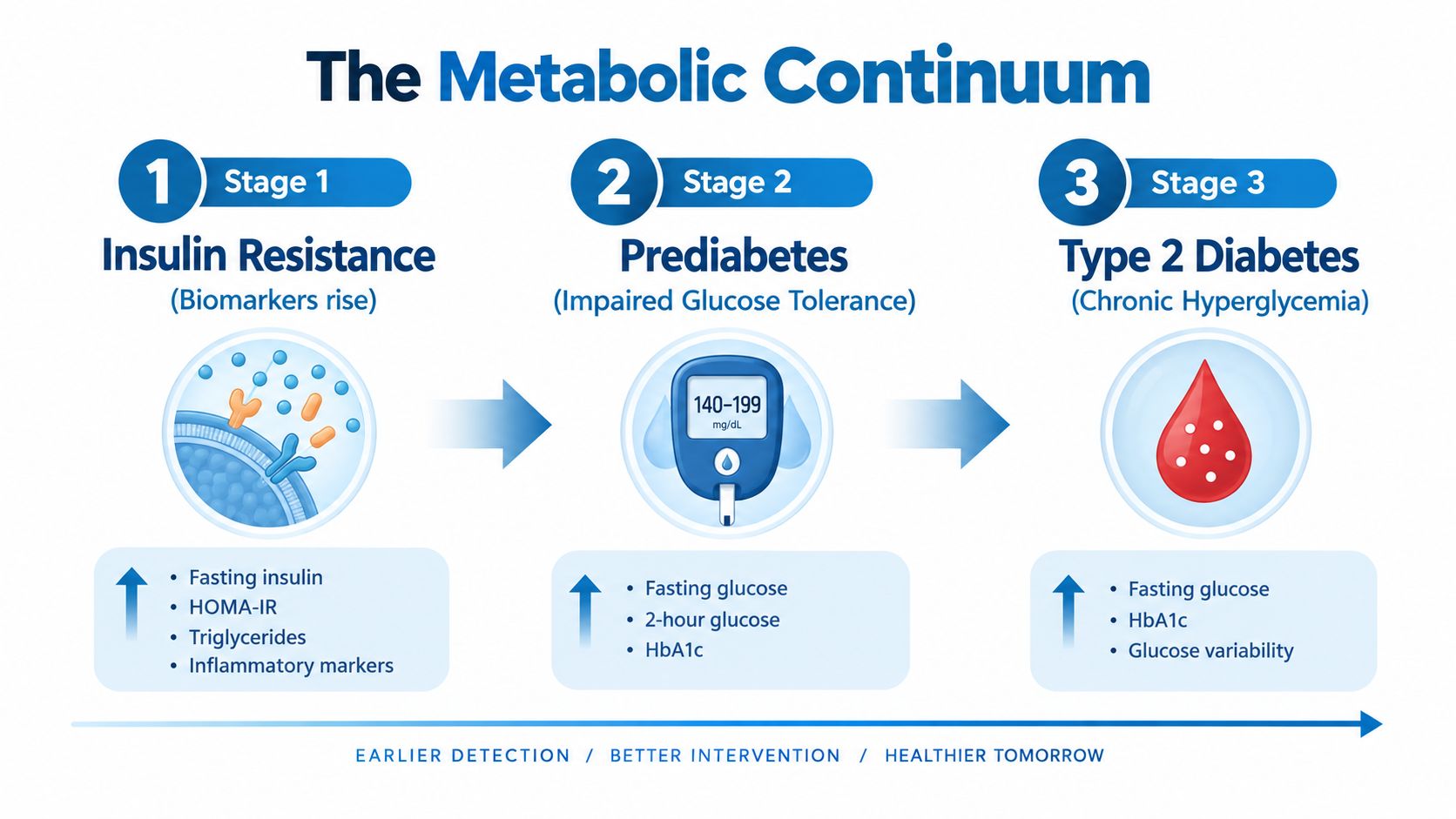
Other conditions can create similar symptoms. Thyroid dysfunction, insulin resistance, medication effects, sleep disruption, and chronic stress may contribute to fatigue and weight gain. A clinician should evaluate the full picture rather than assume every midlife change represents an estrogen or testosterone deficiency.
For accessible background on the relationship between hormone shifts and weight gain, readers can review how changing hormone signals may affect metabolism and fat storage. Patients who notice persistent abdominal weight gain alongside hot flashes, low libido, fatigue, or sleep problems can also review signs and solutions for hormone imbalance causing weight gain before discussing testing and treatment.
What Clinical Research Shows
Popular wellness claims often treat bioidentical hormones as a standalone weight-loss treatment. Clinical research supports a narrower conclusion. Hormone therapy may influence fat distribution, fat mass, and lean tissue, but those changes do not reliably produce large reductions in total body weight. It works more like a metabolic stabilizer than a primary weight-loss medication.
A 1999 clinical study found that combined hormone replacement therapy produced 2.1 ± 0.2 kg of fat loss over 3 months , while total body weight was unchanged in the control group. The study also reported an increase in lipid oxidation from 0.58 ± 0.06 to 0.75 ± 0.04 mg/kg/min , with P<0.05 ( clinical study data). These findings show a measurable physiological effect in a particular study setting. They do not predict the same result for every patient.
A major randomized dataset found that women assigned to active postmenopausal hormone therapy averaged about 1.0 kg less weight gain over 3 years than women receiving placebo. A Cochrane review found no difference in mean weight gain compared with non-HRT users, approximately 0.03 to 0.04 kg ( randomized and review evidence). Taken together, the evidence points to possible effects on fat redistribution and body composition, rather than the degree of weight loss expected from a dedicated obesity treatment.
How to interpret the evidence
| Outcome measure | Hormone therapy effect | Clinical significance |
|---|---|---|
| Total body weight | Usually little or no meaningful reduction | Hormone therapy should not be prescribed as an obesity treatment |
| Abdominal or central fat | May attenuate accumulation during menopause | May support body composition and metabolic risk management |
| Fat mass | Measurable reductions have appeared in some clinical settings | Results vary and do not guarantee scale-weight loss |
| Lean mass | May help preserve body composition | Nutrition and resistance training remain important |
| Symptoms affecting adherence | May improve menopause-related symptoms for appropriate patients | Better sleep or comfort may support a broader plan |
Regulatory status also matters. FDA-approved estradiol patches and micronized progesterone are prescription medicines with established approval milestones. Compounded products are individualized and are not separately FDA-approved. Patients researching treatment may encounter general wellness content, including our donation to Planned Parenthood, but charitable content is not a substitute for reviewing a hormone product's regulatory status.
For a focused explanation of approved and compounded products, review what the evidence says about compounded hormone safety. The practical conclusion is clear: hormone therapy may help stabilize some metabolic changes when clinically appropriate, while meaningful weight reduction usually requires a treatment designed specifically for weight management.
Combining Hormone Therapy with GLP-1 Medications
GLP-1 and GIP medications address a different part of the problem. They can reduce appetite, change food intake, and support a sustained calorie deficit. Hormone therapy, when clinically indicated, may address menopause or androgen-deficiency symptoms and help preserve a healthier foundation for movement, sleep, and body composition.
This combination is an emerging area rather than settled proof. In a 2025 Mayo Clinic-led real-world study , postmenopausal women using menopausal hormone therapy with tirzepatide had 35% greater weight loss than women using tirzepatide alone. Forty-five percent of the hormone-therapy group achieved at least 20% total body-weight loss , compared with 18% without hormone therapy ( Mayo Clinic study report).
The findings are important, but they show an association, not causation. The participants who used hormone therapy may have differed from those who didn't in ways that affected the result. No patient should interpret this study as evidence that adding hormones guarantees a particular outcome or that hormones replace an approved anti-obesity medication.

What each treatment contributes
A practical plan assigns each therapy a clear job:
- Hormone therapy: Treats an appropriate deficiency or menopause-related symptom pattern after medical evaluation.
- GLP-1 or GIP therapy: Supports appetite regulation and clinically meaningful weight reduction when prescribed for an appropriate patient.
- Resistance training: Helps protect strength and lean mass during weight loss. Patients can review practical guidance on how to avoid an “Ozempic body” with exercise.
- Monitoring: Tracks symptoms, weight trend, nutrition, side effects, and relevant laboratory markers.
For perspective, the STEP 1 obesity trial found that once-weekly semaglutide 2.4 mg produced mean body-weight reduction of 14.9% after 68 weeks , compared with 2.4% with placebo ( STEP 1 trial summary). In that same trial, 86.4% of semaglutide participants achieved at least 5% weight loss , compared with 31.5% receiving placebo ( STEP 1 outcome data). Those results illustrate why GLP-1 weight loss shouldn't be confused with the modest scale effects of hormone therapy.
This explanation of how semaglutide works can help patients understand why medication selection depends on medical history, not on a wellness trend.
Safety Considerations and FDA Warnings
“Bioidentical” doesn't mean risk-free. The first safety question is whether the product is an FDA-approved prescription medicine or a compounded preparation made for an individual patient.
Approved estradiol and micronized progesterone products have undergone FDA review for their specific formulation, manufacturing, dosing, and labeling. Compounded hormones can be appropriate in limited situations when a patient needs a formulation that isn't commercially available, but they don't carry the same product-level approval process. A customized prescription also doesn't eliminate the need to review contraindications, interactions, or monitoring requirements.
The FDA's concern about compounded products
The FDA has warned that compounded hormone products, including compounded bioidentical hormone pellets, may be associated with serious adverse outcomes. The warning lists endometrial cancer, prostate cancer, stroke, heart attack, deep vein thrombosis, cellulitis, and pellet extrusion among reported concerns ( FDA safety statement).
The FDA also notes that compounded hormone products don't carry the same required boxed warnings as approved estrogen products. That difference can make it harder for patients to compare risks and benefits using standardized labeling.

Timing and clinical supervision
For menopausal hormone therapy, the most favorable benefit-risk balance is generally described for women younger than 60 years old or within 10 years of menopause onset , particularly when treatment is used for appropriate symptoms and prevention considerations ( timing evidence). That timing isn't a blanket recommendation. A provider must still assess personal history, cancer risk, cardiovascular risk, clotting history, bleeding, medications, and the reason for treatment.
Testosterone therapy requires similarly careful evaluation. Evidence suggests it can improve body composition in men with androgen deficiency, but treatment should include follow-up of hematocrit, lipids, and insulin resistance rather than promises of dramatic scale change ( testosterone body-composition evidence). Patients should never adjust a dose, implant a pellet, or combine products without qualified medical oversight.
Who Should Consider Hormone Therapy for Weight Management
Hormone therapy may be worth discussing when weight gain appears alongside a documented hormonal problem and related symptoms. It isn't appropriate because the scale has increased.
Consider a consultation if you have:
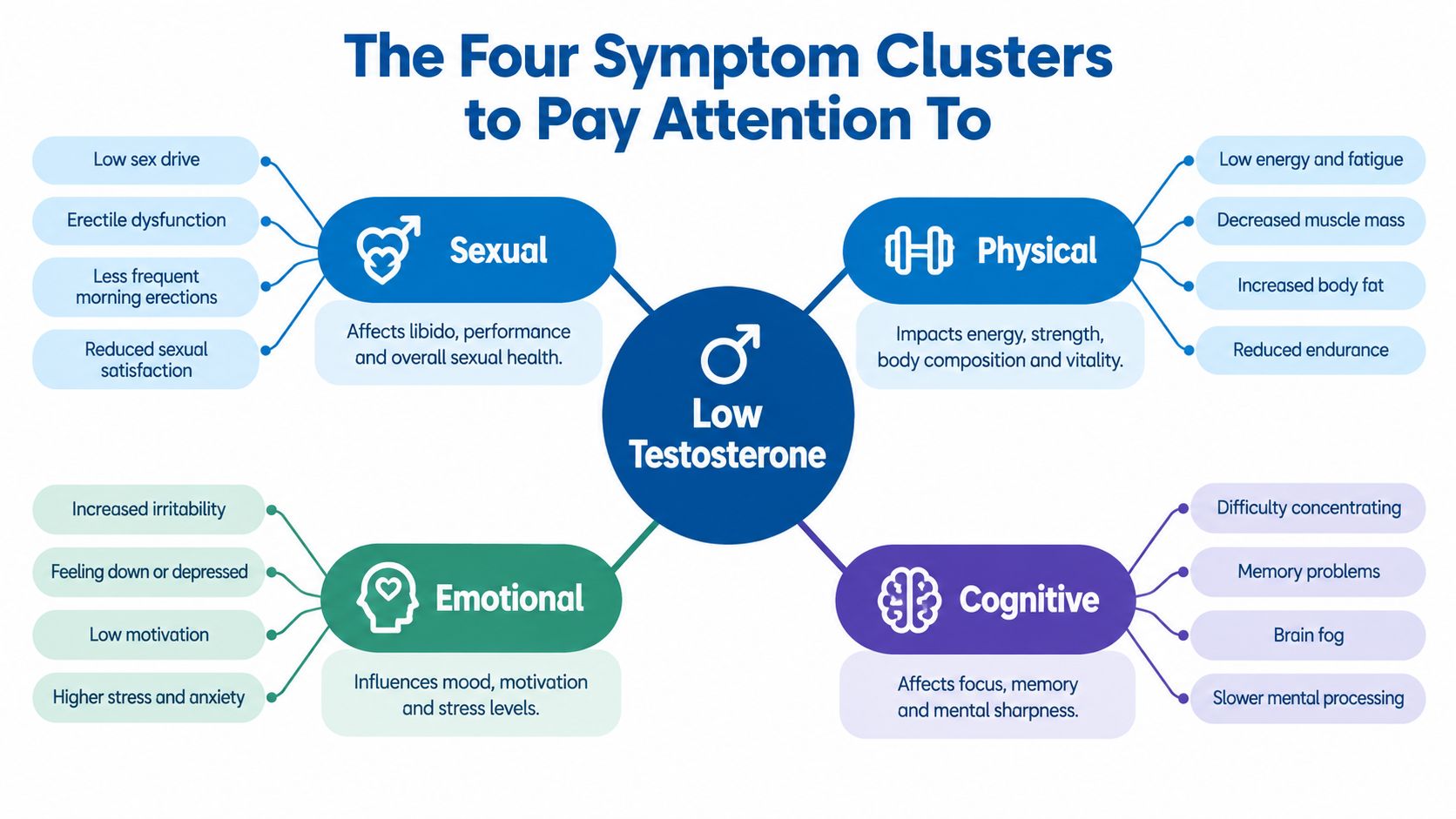
- A relevant symptom pattern: Menopause-related hot flashes, sleep disruption, mood changes, or low libido, or symptoms of low testosterone such as fatigue and reduced muscle mass.
- A persistent metabolic concern: Weight gain continues despite consistent nutrition and activity efforts, especially when abdominal fat, reduced strength, or declining energy accompanies it.
- A clinical reason for testing: Your provider suspects menopause-related hormone changes, androgen deficiency, thyroid dysfunction, diabetes, or another condition that can affect metabolism.
- A willingness to use more than one tool: Hormone therapy works best within a plan that may include nutrition coaching, resistance training, sleep support, and medical weight loss medication.
- A safety profile that permits treatment: Personal history of hormone-sensitive cancers, clotting disorders, cardiovascular disease, unexplained bleeding, and other risks must be reviewed before treatment.
- A commitment to follow-up: Dosing and medication management should be adjusted according to symptoms, examination findings, laboratory results, and adverse effects.

A man with low testosterone may need a different plan from a woman in menopause. Testosterone therapy can reduce fat mass and increase lean mass in controlled analyses, while producing little or no consistent change in body weight, waist circumference, or BMI ( testosterone therapy evidence). That makes strength, waist measurement, energy, and metabolic markers useful outcomes alongside the scale.
If your only goal is rapid weight reduction, hormone therapy probably isn't the right standalone tool. If weight gain is part of a broader pattern involving low energy, hot flashes, reduced libido, sleep disruption, or documented deficiency, a supervised evaluation can clarify whether hormones belong in your treatment plan.
Your Path to Personalized Treatment at Pause Medical
A medically supervised visit should feel like a clinical assessment, not a sales presentation. At Pause Medical, the process begins with online scheduling and an in-person physician evaluation focused on your symptoms, goals, health history, medications, and available laboratory information.
A provider may discuss hormone replacement therapy, medical weight loss, thyroid or diabetes management, and lifestyle support as separate but connected decisions. The plan may include bioidentical hormones when clinically appropriate, a GLP-1 medication when indicated, or neither until additional information is available. The purpose is to address contributing conditions rather than assume one prescription explains every symptom.
Pause Medical provides care for Mississippi patients through locations in Oxford, Meridian, Tupelo, Flowood-Jackson, and Starkville . The practice offers insurance-free care, convenient hours, and personalized treatment planning. You can learn more about how individualized care is structured through this guide to personalized treatment plans.
Medical information on this page is educational and doesn't replace diagnosis or treatment from a qualified clinician. Hormone therapy and weight-loss medications carry risks, require appropriate screening, and should be prescribed and monitored according to your individual health history.
Pause Medical offers physician-supervised hormone replacement therapy, GLP-1 medical weight loss, and medication management for Mississippi adults whose symptoms and metabolic goals require a personalized plan. Visit Pause Medical to schedule a consultation and discuss whether hormone evaluation, weight-loss medication, lifestyle support, or a combination makes sense for you.