Everything You Need to Know About Bioidentical Hormones vs. Synthetic Hormones

When you first start exploring hormone replacement therapy (HRT), the terms can feel overwhelming. One of the biggest questions that comes up is the difference between bioidentical hormones vs. synthetic hormones. It might sound technical, but the core distinction is actually quite simple, and it has profound implications for how you feel. It all comes down to their molecular shape and how your body recognizes them.
Bioidentical hormones are designed in a lab to be exactly the same, on a molecular level, as the hormones your own body produces—like estrogen, progesterone, and testosterone. Think of it like a key fitting perfectly into a lock. Synthetic hormones, on the other hand, are also created in a lab but have a slightly different chemical structure. They're designed to produce a similar effect, but they aren't a perfect match for your body's receptors. This one seemingly small difference can completely change how your body responds to treatment.
Understanding Your Hormone Replacement Therapy Options
Feeling lost in the world of HRT is normal, especially when you're struggling with symptoms of menopause or andropause. The first step to feeling in control is understanding the science behind your choices. Hormones are your body's messengers, controlling everything from your mood and metabolism to your energy levels and how well you sleep. As we age, levels of key hormones decline, leading to a cascade of symptoms that can disrupt your life. Hormone therapy is about restoring that delicate balance.
This is where the debate over bioidentical hormones vs. synthetic hormones really matters.
- Bioidentical Hormones: These hormones often start from plant sources, like yams or soy, and are then scientifically processed to become perfect molecular replicas of human hormones—estradiol, progesterone, and testosterone. Because they are structurally identical, your body's hormone receptors recognize and use them just like your own, leading to a more natural and predictable response.
- Synthetic Hormones: These are also created in a lab but have a molecular structure that's
similar to, but not a mirror image of, human hormones. This structural variation means they can interact with your body’s receptors in unpredictable ways, sometimes causing side effects that you wouldn’t get from your own natural hormones.
Quick Comparison: Bioidentical vs. Synthetic Hormones
To make things even clearer, let's break down the fundamental differences side-by-side. This quick overview can help you see why the molecular details are so important when choosing an HRT plan that aligns with your body's biology.
| Attribute | Bioidentical Hormones | Synthetic Hormones |
|---|---|---|
| Molecular Structure | Chemically identical to human hormones. | Structurally different from human hormones. |
| Source | Derived from plant sources (yams, soy). | Chemically created; some from non-human sources (e.g., pregnant mare urine). |
| Customization | Can be custom-compounded for individual needs or used in FDA-approved forms. | Typically available in standardized, mass-produced dosages. |
| Body's Recognition | Recognized and metabolized by the body just like its own hormones. | May bind differently to receptors, potentially leading to different effects and byproducts. |
Ultimately, both types of hormones aim to relieve symptoms of hormonal imbalance, but they go about it in very different ways. The "lock and key" model is a great way to visualize how your body will interact with them.
Here's a visual that helps drive the point home:
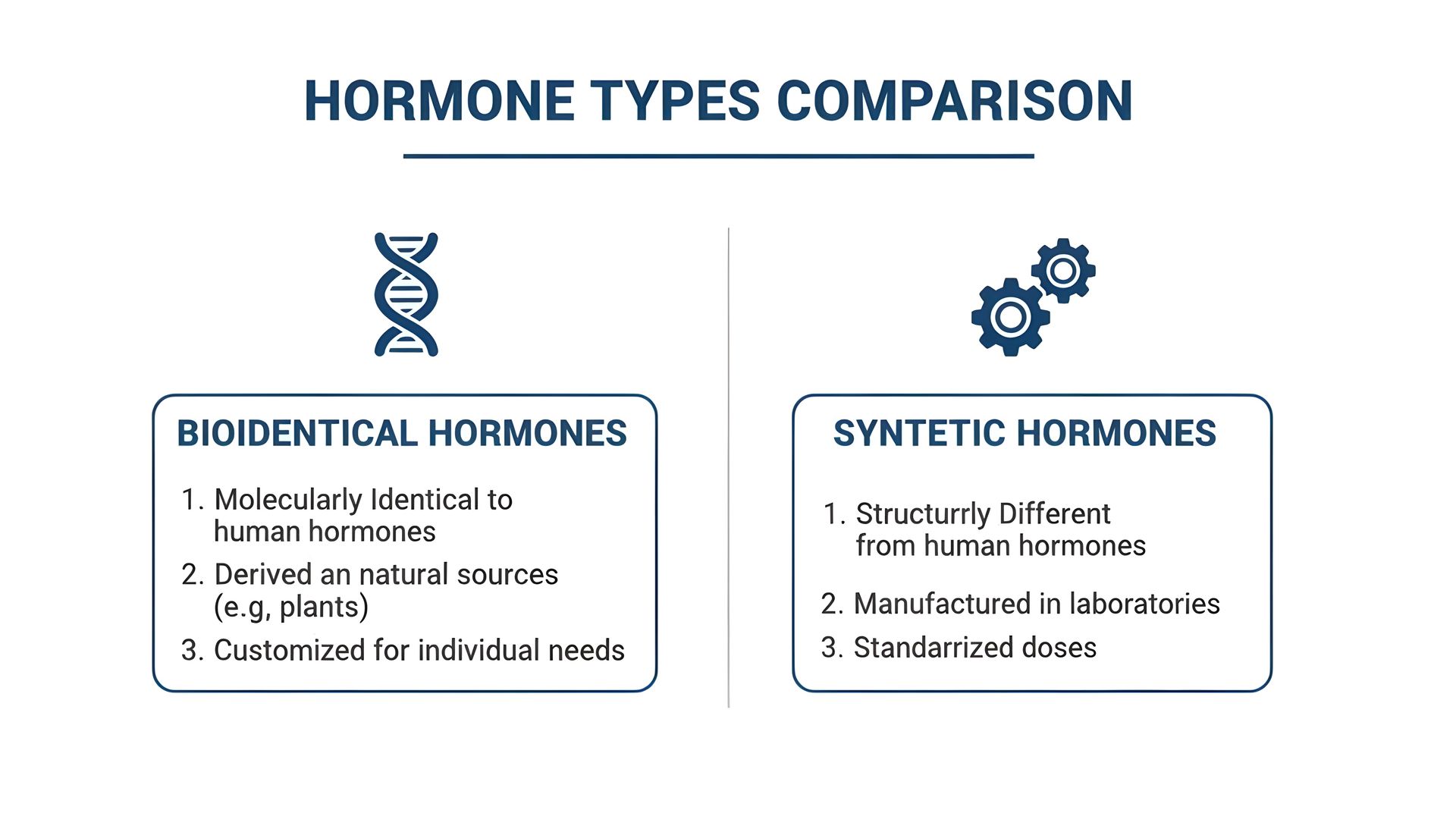
The takeaway here is that while both hormones are trying to accomplish a similar goal, their design dictates how they interact with your body on a cellular level. It’s a nuanced topic, and if you're looking for a deeper dive into all the hormone replacement therapy options, including peptides, it's always helpful to hear from a range of experts in the field.
At Pause Medical, our board-certified medical providers believe in a truly personalized plan that addresses the root cause of your symptoms. We start with a comprehensive evaluation to determine which therapy makes the most sense for your unique body and health goals. You can learn more about our approach to customized hormone therapy and how we put patient safety and education first.
How Molecular Structure Impacts Your Body's Response
To really get to the heart of the bioidentical hormones vs. synthetic hormones debate, we need to look at what's happening on a microscopic level. It all comes down to their molecular structure. This tiny detail might seem like a small point, but it fundamentally changes how your body recognizes, uses, and breaks down these hormones, directly influencing the results you feel.

The best way to think about this is to picture your body’s hormone receptors as highly specific locks. The hormones your body makes are the original, perfectly cut keys for those locks. When the right key fits, it turns effortlessly, sending a clear signal to the cell to do its job—whether that’s managing your mood, metabolism, or sleep cycle.
The Lock and Key Analogy in HRT
This "lock and key" model isn't just a simple analogy; it’s a pretty accurate picture of how cellular biology works.
- Bioidentical Hormones: The Perfect Key. Bioidentical hormones are engineered to be a mirror image of your body’s own hormones. Because their structure is
identical, your receptors recognize them as a perfect fit. The key slides in, turns smoothly, and prompts a natural, predictable biological response.
- Synthetic Hormones: A Slightly Different Key. Synthetic hormones, on the other hand, are like a key that’s been cut with a slightly different pattern. It might still jam into the lock and maybe even get it to turn, but the connection is clunky and imprecise. This imperfect fit can send a jumbled signal or even trigger other, unintended reactions.
This subtle mismatch is exactly why synthetic hormones, like medroxyprogesterone acetate (a common synthetic progestin), often come with a different set of side effects. The body doesn't quite recognize them, leading to different metabolic byproducts and off-target effects that you just don't see with bioidentical progesterone.
Key Takeaway: A hormone's structure dictates its function. Bioidentical hormones work seamlessly with your body's existing systems, while synthetic hormones force your cells to work with a foreign substance.
From Structure to Side Effects
How your body breaks down hormones is just as critical as how it uses them. Since bioidentical hormones are an exact match, your body metabolizes them through its normal, established pathways, creating byproducts that are familiar and can be processed safely.
Synthetic hormones have to be broken down differently due to their altered structure. This process can create metabolites—or leftover byproducts—that your body isn't equipped to handle. These unfamiliar metabolites are often the culprits behind the increased risks and side effects that have been highlighted in major studies on synthetic HRT. The science is becoming very clear: these structural differences have serious implications for long-term health, particularly when it comes to cardiovascular and breast health.
While we're talking about advanced therapies, it's interesting to see how peptide treatments can complement a wellness plan by also working to support cellular function in a very targeted manner.
At Pause Medical, our board-certified providers place immense importance on this molecular distinction. We believe in using therapies that are in sync with your body’s natural design to minimize the risk of adverse reactions and clear a path to true wellness. Our personalized treatment plans are always built on a foundation of solid science and a deep respect for your body's innate intelligence.
Comparing Efficacy and Patient-Reported Outcomes
While the molecular science is important, the real question on everyone's mind is simple: which one works better to help me feel like myself again? When we compare bioidentical hormones vs. synthetic hormones, we have to look past the lab reports and focus on how people actually feel and function in their day-to-day lives. After all, the whole point of hormone therapy is to get relief from disruptive symptoms—like fatigue, weight gain, and low libido—and get your quality of life back.
Both bioidentical and conventional synthetic hormones can be effective at tackling the big-ticket menopausal symptoms like hot flashes and night sweats. But the story doesn't end there. A growing body of clinical evidence and, just as importantly, patient-reported outcomes, show that the type of hormone used can make a world of difference in the breadth and depth of that relief.
Beyond Hot Flashes: A Look at Overall Symptom Relief
Effective hormone therapy should do more than just quiet down the most obvious symptoms. We're talking about the full picture: mood, brain fog, sleep quality, and sexual health. These are the areas where many patients report a huge advantage with bioidentical hormones.
Because bioidentical hormones are an exact match for what your body produces, the effect often feels more natural and complete. Patients don't just say their hot flashes are gone; they say they feel like "themselves" again. It's less about masking a symptom and more about restoring balance, often without the frustrating side effects that can come with a synthetic compound.
An evidence-based, personalized approach is everything. At Pause Medical, our board-certified providers dig deeper than just surface-level symptoms. We look at your complete hormonal profile to create a plan that truly restores your overall quality of life.
The Decisive Factor: Patient Satisfaction and Quality of Life
At the end of the day, the most important measure of any treatment is how the person receiving it feels. On this front, the data on patient satisfaction is pretty telling. Study after study shows bioidentical formulas scoring higher in satisfaction and providing better symptom relief across a wider range of issues.
For example, research consistently shows patients report greater satisfaction with therapies using bioidentical progesterone over those with synthetic progestins. One study that stands out found that a remarkable 78% of patients using compounded bioidentical hormone therapy reported relief from sexual symptoms. That's compared to just 33% of those on conventional therapy.
This massive gap in patient experience really shines a light on a few key differences:
- Fewer Side Effects: Patients on BHRT frequently report fewer of the classic disruptive side effects—bloating, mood swings, headaches—that are so common with synthetic progestins.
- Improved Mood and Sleep: Many find that bioidenticals do a much better job of supporting their mental and emotional well-being, which leads to more stable moods and, finally, a good night's sleep.
- Enhanced Sexual Health: The significant jump in sexual symptom relief suggests a more holistic restoration of hormonal function, which naturally impacts libido, comfort, and satisfaction.
The goal is to feel better all around, not trade one set of problems for another. This is precisely why so many people find lasting success with bioidentical options. While every person's journey is unique, this clinical trend is a powerful indicator. Men dealing with andropause often find similar principles at play, a topic we cover in our guide to at-home testosterone replacement therapy (TRT).
At Pause Medical, we put these patient outcomes first. Our entire process starts with listening to you—your specific struggles, your goals—to ensure the plan we create isn't just about managing symptoms, but helping you feel your best again.
Analyzing Safety Profiles and Long-Term Health Risks
When it comes to hormone therapy, nothing is more important than safety. For most people considering their options, this is the number one concern. The conversation around HRT safety has evolved over decades, shaped by major studies that have, at times, caused more confusion than clarity. To make a confident decision, you have to look at the evidence, and that evidence points to one crucial fact: not all hormones carry the same risk.
The long-term health concerns that often come up—specifically breast cancer and cardiovascular events—are deeply tied to the type of hormone being used.

Much of the historical fear surrounding HRT comes from older, large-scale studies that relied almost exclusively on synthetic hormones. While these studies raised valid red flags, their findings simply don't apply across the board. The molecular structure of the hormone is what matters, and the research now clearly shows that bioidentical and synthetic hormones have very different risk profiles.
The Critical Role of Progesterone vs. Synthetic Progestins
It turns out that a huge piece of the risk puzzle isn’t about estrogen—it’s about the progestogen paired with it. Many of the adverse effects identified in those older HRT studies were linked directly to synthetic progestins. Because progestins are molecularly different from the progesterone your body naturally produces, they can trigger different biological responses, especially in breast tissue and the cardiovascular system.
- Synthetic Progestins: Research has consistently linked certain synthetic progestins to a higher risk of blood clots and unfavorable changes in cholesterol. Their stimulating effect on breast cell growth has been a primary concern in long-term safety studies.
- Bioidentical Progesterone: On the other hand, bioidentical progesterone is often considered “breast-protective.” It simply doesn't seem to carry the same baggage. Studies show that when it's used alongside estrogen, it doesn't cancel out estrogen's heart-health benefits and may even offer a neutral or protective effect on breast tissue.
This isn't a small detail—it’s the heart of the safety debate. Using a hormone that your body recognizes and knows how to process is a cornerstone of modern, personalized hormone therapy.
A Deeper Look at Breast Cancer Risk
The link between hormone therapy and breast cancer is probably one of the most intensely studied topics in women's health. After more than thirty years of research, a much clearer picture has emerged, and it shows a stark difference in risk depending on the type of hormone used.
One comprehensive analysis of 61 different studies found that synthetic hormone replacement therapy was consistently tied to an increased risk of breast cancer, averaging 7.6% per year of use. This data underscores the impact that non-bioidentical hormones can have on cellular health.
In contrast, the research on bioidentical progesterone tells a very different story. Multiple studies have shown that bioidentical progesterone is associated with a diminished risk for breast cancer compared to the significantly increased risk tied to synthetic progestins. You can read the full research about these hormone therapy findings to review the data for yourself.
This evidence drives home a crucial point: not all hormones are created equal. The choice between a synthetic progestin and bioidentical progesterone can have profoundly different implications for your long-term breast health.
Protecting Your Cardiovascular Health
Heart health is another critical piece of the puzzle, especially during and after menopause. Estrogen naturally plays a protective role in the cardiovascular system by helping keep blood vessels flexible and managing cholesterol. The goal of any good hormone therapy is to ensure the progesterone component doesn't undo those benefits.
Here again, the difference is clear. Bioidentical progesterone works in sync with estrogen, allowing its positive effects on heart health to shine through. Synthetic progestins, however, can sometimes interfere with those benefits, potentially increasing the risk for cardiovascular problems down the road. This distinction becomes even more vital for anyone with pre-existing heart conditions or risk factors. Our integrative approach to disease state management always includes a complete evaluation of your health profile to ensure we select the safest, most effective therapy for you.
At Pause Medical, our board-certified providers are focused on your long-term wellness. We stick to the most current clinical evidence to design treatment plans that minimize risks and maximize benefits, making sure your journey to hormone balance is both safe and successful.
Regulation and Safety: FDA-Approved vs. Compounded Hormones
Navigating the world of hormone therapy can feel confusing, especially when you hear terms like "FDA-approved" and "compounded." A lot of the confusion in the bioidentical hormones vs. synthetic hormones debate stems from this very distinction. Let's clear this up, because it’s a critical piece of the puzzle for making a safe, informed decision about your health.
It's important to realize that "bioidentical" simply describes the hormone's molecular structure—it means it's a perfect match for the hormones your own body makes. It says nothing about its regulatory status or guaranteed safety.
What might surprise you is that many FDA-approved hormone therapies are, in fact, bioidentical. Think of the commonly prescribed estradiol patches, gels, and sprays, or the micronized progesterone capsules. These aren't synthetic; they are bioidentical. The key difference is that they've been through the FDA's rigorous testing gauntlet for safety, effectiveness, and consistent dosing. This gives us a reliable, standardized way to help you find hormonal balance.
Where Do Compounded Bioidentical Hormones Fit In?
So, if we have FDA-approved bioidenticals, why does compounded bioidentical hormone therapy (cBHT) even exist? The main draw is customization. Compounding pharmacies can mix up custom hormone formulas based on a doctor's prescription, often combining several hormones into a single dose, like a cream or a lozenge.
On the surface, a formula created "just for you" sounds like the perfect solution. But this level of personalization comes with some serious caveats that you need to be aware of. Compounded hormones are not regulated or approved by the FDA. This lack of oversight means there's no guarantee that they meet federal standards for safety, purity, or even potency.
Understanding the Risks Tied to Compounded Hormones
The biggest issue with compounded preparations is their inconsistency. Both quality control and dosage can be all over the map. One study highlighted a shocking level of variability: some compounded formulas had estradiol levels as much as 26% below what the label claimed, while progesterone levels were up to 31% above the stated dose.
This variability is a stark contrast to the precision of FDA-approved products. It's a major reason why The American College of Obstetricians and Gynecologists (ACOG) is so clear in its guidance, recommending that doctors prioritize FDA-approved therapies for menopause. You can read the full clinical consensus on ACOG's website to dig deeper into their reasoning.
This "dosing lottery" can create two significant problems:
- Underdosing: If your formula isn't strong enough, you won't get the relief you're looking for. More critically, if progesterone is underdosed, it can fail to provide the necessary protection for the uterine lining.
- Overdosing: If your dose is too high, you're at a greater risk for side effects and other potential health issues.
Provider Insight: When it comes to your health, safety and efficacy are simply non-negotiable. At Pause Medical, our philosophy is to stick with therapies that have been rigorously tested and proven to be both effective and consistent. This ensures you get a predictable and safe dose, every single time.
Making a Safe and Informed Choice
At Pause Medical, our commitment to your safety is the foundation of every recommendation we make. Our board-certified providers practice evidence-based medicine, crafting treatment plans that are truly personalized. We carefully weigh the pros and cons of every option, and while we strongly prefer FDA-approved bioidentical hormones for their proven safety and reliability, we evaluate all possibilities.
Our integrative approach means we don't just look at your hormones; we look at your whole health picture to map out the best path forward. We believe that an educated patient is an empowered one, and we will always take the time to explain our rationale so you feel confident in your care. You can learn more about our patient-first philosophy and why to choose Pause Medical for your care.
Ultimately, our goal is to partner with you to create a plan that safely restores your balance and helps you feel like yourself again.
Finding Your Personalized Path to Hormone Balance
Knowing the difference between bioidentical hormones vs. synthetic hormones is a great starting point. But the truly important part is figuring out what that science means for you and your health. At Pause Medical, we know there’s no single "best" answer for everyone—only the right one for your body. This idea of deep personalization is the cornerstone of everything we do.

Your journey with us won't start with a generic prescription pad. It starts with a real conversation. We take a comprehensive look at your unique physiology, not just to mask your symptoms, but to get to the root of what’s causing your discomfort and build a lasting plan for wellness.
Your Patient-First Journey with Pause Medical
We’ve created a straightforward, supportive process so you feel informed and confident every step of the way. Think of it as a partnership between you and our board-certified medical providers.
Here’s what to expect when you work with us:
- Comprehensive Lab Testing: First, we run detailed diagnostics to get a precise snapshot of your current hormone levels, metabolic function, and other key health markers.
- In-Depth Consultation: Next, you’ll have a thorough discussion with one of our board-certified providers. We'll cover your symptoms, health history, lifestyle, and what you want to achieve.
- Personalized Treatment Plan: Using your lab results and personal goals, we'll design a treatment plan just for you. This includes recommending the specific hormone type, dose, and delivery method that’s safest and most effective for your situation.
- Ongoing Monitoring and Adjustments: Your plan isn't set in stone. We'll have regular follow-ups to track your progress, listen to how you're feeling, and make small, precise adjustments to keep you feeling your best.
Our Philosophy: We practice integrative medicine, which means we look at the whole person. We work alongside you, offering the expert guidance and medical oversight you need to explore your options and feel like yourself again.
A crucial part of this process is understanding your starting point. This often involves interpreting female hormone blood test results, which gives us the data needed to build your custom plan.
Choosing the right hormone therapy is a big decision, but it's not one you have to make on your own. The expert team at Pause Medical is here to offer clarity, answer all your questions, and guide you toward a solution that fits your body and your life.
Your first step toward reclaiming your health and vitality starts here. Schedule a consultation today to begin your personalized path to hormone balance with a team that truly puts you first.
Frequently Asked Questions About Hormone Therapy
Navigating the world of hormone therapy can bring up a lot of questions. That’s completely understandable. Here, we’ll tackle some of the most common inquiries we hear from our patients, giving you clear, straightforward answers to help you feel more confident as you explore bioidentical hormones vs. synthetic hormones.
What Is the Main Difference in How They Are Made?
The real distinction comes down to their source and, more importantly, their final chemical structure. Bioidentical hormones are often derived from plant-based sources, like yams or soy, and are then scientifically processed to perfectly match the molecular structure of the hormones your body produces naturally.
Synthetic hormones, on the other hand, are also created in a lab. However, their chemical structure is intentionally different from the hormones native to the human body. This small difference can have big implications for how your body responds.
Are Bioidentical Hormones Safer Than Synthetic Ones?
The safety conversation is a nuanced one, and it’s a primary focus for our board-certified providers. What we’ve learned from decades of research is that the molecular structure of a hormone truly matters. Many of the large-scale studies that raised safety flags—like the Women's Health Initiative—specifically used synthetic progestins, which were linked to a higher risk of certain health issues.
In contrast, a growing body of evidence suggests that bioidentical progesterone does not carry the same risks. In fact, it may even offer protective benefits in some cases. Our approach is to always prioritize therapies that have the strongest and most well-established safety profiles.
At Pause Medical, your long-term health is our top priority. We rely on extensive clinical evidence to recommend therapies, preferring FDA-approved bioidentical hormones for their proven safety, consistency, and efficacy.
How Long Does It Take to Feel the Effects of HRT?
Everyone's body is different, so the timeline can vary. Some women notice a significant improvement in symptoms like hot flashes and sleep disturbances within just a few weeks. For others, it might take up to three months to experience the full benefits as your system adjusts to the new hormone levels.
This is precisely why we don't just write a prescription and send you on your way. Our process is built on careful, ongoing monitoring. Your provider will schedule follow-up appointments to track your progress, discuss how you're feeling, and make any necessary, precise adjustments to your personalized treatment plan. The goal is always to get you to your optimal balance and ensure you're getting the relief you deserve.
Ready to move past the confusion and find a clear path to feeling like yourself again? The board-certified providers at Pause Medical are here to provide expert guidance and a personalized plan rooted in the latest medical science. Schedule a consultation at one of our Mississippi locations today to start your journey.
Schedule Your Consultation with Pause Medical
Disclaimer: The information provided in this article is for educational purposes only and is not a substitute for professional medical advice, diagnosis, or treatment. Always seek the advice of your physician or other qualified health provider with any questions you may have regarding a medical condition. Never disregard professional medical advice or delay in seeking it because of something you have read in this article.