HRT San Antonio: Your Guide to Therapy & Providers
You wake up tired even after a full night in bed. By midafternoon, your focus slips. Your workouts feel harder, the scale may be moving in the wrong direction, and your patience is thinner than it used to be. If you live in San Antonio and have been telling yourself, “Something feels off, but I can't explain it,” you're not alone.
Hormonal change often shows up in ways people don't expect. It's not just hot flashes or low testosterone. It can look like brain fog, restless sleep, low libido, mood changes, stubborn weight gain, or a version of yourself that just doesn't feel familiar anymore. In many cases, hormone replacement therapy becomes part of a thoughtful plan to treat the cause rather than chase each symptom separately.
People searching for HRT San Antonio usually want more than a definition. They want straight answers. Is it safe now? What kinds of treatment exist? How do Texas telehealth rules affect care? Which clinics take an individualized approach instead of pushing the same plan on everyone? If you want a solid medical foundation before considering treatment, this overview of hormone therapy options is a good starting point.
Your Guide to Hormone Replacement Therapy in San Antonio
San Antonio patients often come in after months or years of trying to “push through” symptoms. They've improved sleep habits, changed diets, exercised more, or cut back on stress where they could. Yet they still feel depleted. That's often the moment hormone evaluation becomes worth discussing.
Hormone replacement therapy , or HRT, means replacing hormones your body no longer makes in the right amount for your needs. For some people, that's tied to menopause. For others, it's related to andropause, surgical hormone loss, or a broader endocrine imbalance. The treatment itself isn't one thing. It's a category of therapies that can involve estrogen, progesterone, testosterone, or a combination, delivered in different ways depending on your history and goals.
In San Antonio, the conversation also includes local realities. Texas has a distinct mix of in-person care, telehealth access, and clinic models that range from traditional medical offices to cash-pay wellness practices. That means the right question isn't only “Does this clinic offer HRT?” The better question is, “Does this clinic evaluate me carefully, explain the options clearly, and follow me closely over time?”
Practical rule: Good HRT care should feel personalized from the first visit. If the plan sounds identical for every patient, keep looking.
Many people also need reassurance that considering HRT doesn't mean taking a reckless shortcut. Modern hormone care, when done well, is based on symptoms, medical history, risk review, lab interpretation, and follow-up. It can be used for symptom relief, but it can also fit into a broader strategy for sleep, sexual health, energy, metabolic health, and long-term wellness.
What Is HRT and Why Consider It for Your Health
Hormones are chemical messengers. When estrogen, progesterone, or testosterone shift, the effects can ripple through the whole body. Sleep changes. Appetite changes. Mood changes. Sexual function changes. Some patients describe it as feeling like their body is no longer responding the way it used to.

What HRT actually treats
HRT supplements hormones that have fallen or become imbalanced . That sounds simple, but the clinical impact can be broad. Depending on the patient, treatment may address:
- Vasomotor symptoms such as hot flashes and night sweats
- Sleep disruption that starts or worsens during midlife hormone shifts
- Low libido and changes in sexual comfort or response
- Mood and cognitive symptoms including irritability, low motivation, and brain fog
- Body composition changes such as stubborn fat gain and reduced muscle resilience
For many patients, the appeal of HRT is that it targets the driver, not just the downstream effects. Instead of taking one treatment for sleep, another for mood, and another for sexual symptoms, hormone therapy may help unify the picture.
If you want a patient-friendly explanation of treatment goals and outcomes, this page on the benefits of hormone replacement therapy is helpful background reading.
Why this can matter beyond comfort
Some people think hot flashes are unpleasant but harmless. That's too simplistic. According to the Study of Women's Health Across the Nation, women with severe vasomotor symptoms after menopause had significantly higher levels of subclinical cardiovascular disease compared with women without those symptoms. The findings included greater aortic calcification, poorer endothelial function, and increased intima-media thickness.
That matters because it reframes the conversation. In the right patient, treating hormonal imbalance isn't only about comfort at work or getting through the night. It can be part of a larger effort to protect vascular health.
Severe hot flashes deserve a medical discussion. They're not always “just something to tolerate.”
A simple way to think about it
A thermostat analogy helps. If your home thermostat is off, every room feels wrong for a different reason. One is too warm, one too cold, one stuffy, one damp. Hormonal imbalance can work the same way. The symptoms look separate, but the control system is the issue.
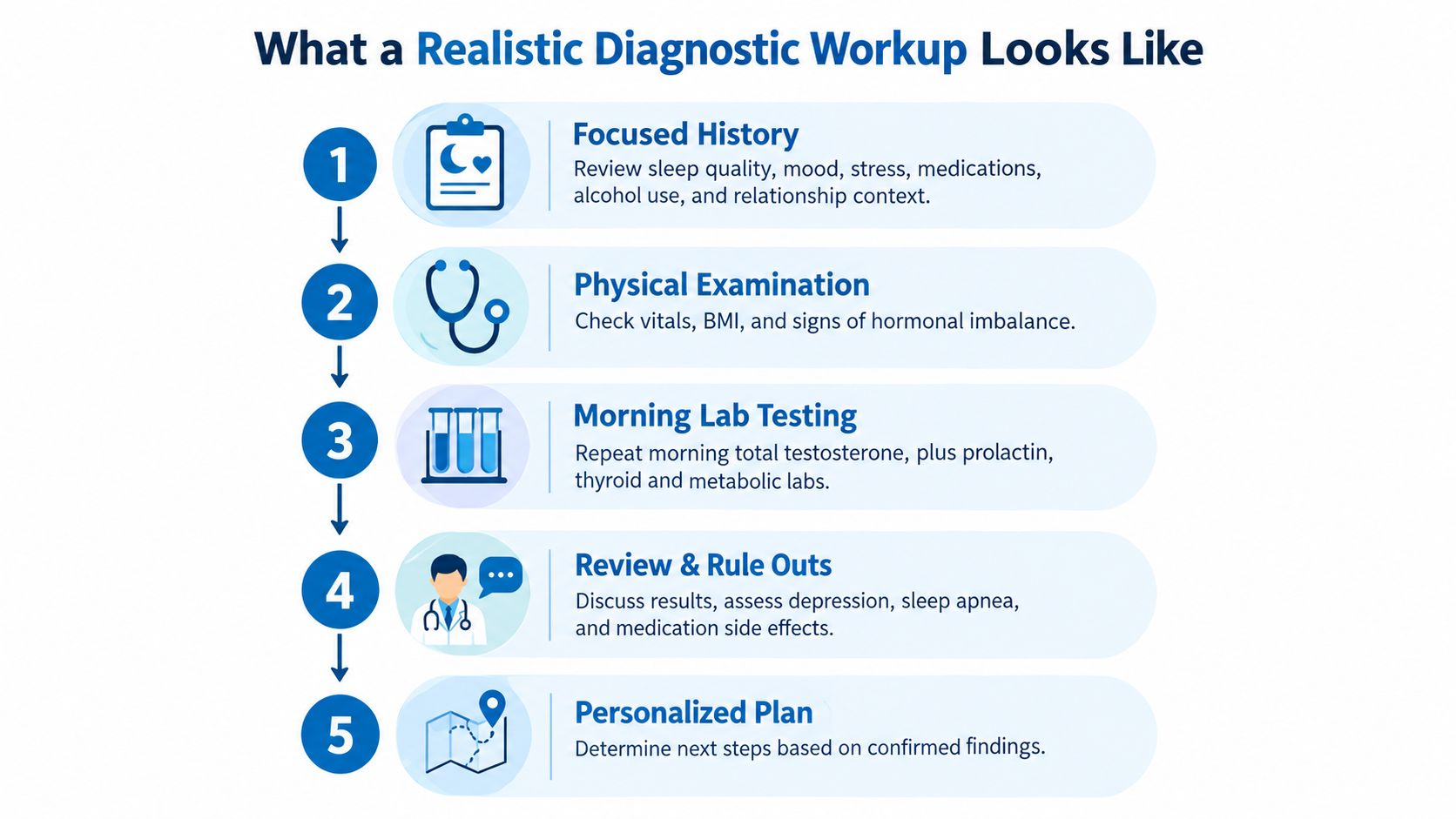
That's why a careful HRT conversation usually starts with patterns. When did symptoms begin? Do they cluster around sleep, weight, libido, and mood? Are they affecting daily function? A strong clinician uses those details to decide whether hormone therapy belongs in the plan, and if so, which hormone and delivery method make sense.
Exploring Your HRT Options and Therapies
Choosing an HRT method is a lot like choosing the right tool for a specific job. A hammer, drill, and screwdriver all work on home projects, but not in the same way. Hormone therapy is similar. The best option depends on your symptoms, risk factors, daily routine, and how steady you want hormone delivery to be.

Bioidentical hormones and what that term means
Bioidentical hormone replacement therapy , often called BHRT , refers to hormones that are structurally identical to those produced by the human body. Patients often hear the term in marketing, but it still needs clinical context. “Bioidentical” doesn't automatically mean “better for everyone,” and it doesn't remove the need for proper dosing, monitoring, and follow-up.
Comparing common delivery methods
| Option | How it's used | General considerations |
|---|---|---|
| Oral therapy | Taken by mouth | Simple for some patients, but daily adherence matters |
| Transdermal patches or gels | Applied to skin | Useful when steady absorption and easy adjustment are priorities |
| Injectables | Given on a schedule | Can fit some testosterone or estradiol plans well, depending on the patient |
| Pellet therapy | Inserted under the skin | Appeals to patients who want less frequent dosing |
San Antonio patients will also hear about Evexipel pellets . In that method, pellets provide a continuous, steady-state release of estrogen or testosterone over 3 to 6 months . Verified clinical details note that women typically require 1 to 3 pellets every 3 to 4 months , while men typically require 6 to 10 pellets every 4 to 6 months . The key selling point is consistency, because pellets are designed to avoid the serum fluctuations that can occur with oral or topical dosing.
How to decide what fits your life
A few practical questions make the decision clearer:
- Do you want a daily routine or less frequent treatment? Some people like daily control. Others prefer a longer-acting option.
- Are symptom swings a major issue? If your main complaint is fluctuation, steadier delivery may matter more.
- How comfortable are you with procedures or self-administration? A pellet insertion feels different from applying a gel or using an injection.
- Will your provider adjust based on labs and symptoms, not just habit? The method matters, but the follow-up matters more.
If you're comparing approaches and want a deeper safety discussion specific to BHRT, this guide on whether bioidentical hormone therapy is safe adds useful nuance.
Is HRT Safe A Modern Look at Risks and Benefits
Fear still shapes a lot of HRT decisions. Many patients have heard some version of the same story for years: hormones are dangerous, they cause cancer, and it's safer to avoid them. That fear didn't come out of nowhere. Early reactions to the Women's Health Initiative changed public perception and clinical practice for decades.

What has changed
The modern view is more individualized and more evidence-based. At the 2025 San Antonio Breast Cancer Symposium, new data reported that menopausal hormone therapy did not increase breast cancer risk in the study discussed there. In that comparison, the MHT group had 87 breast cancer cases , while the non-MHT group had 128 cases .
That doesn't mean HRT is right for every patient. It does mean the old blanket message, “all hormones are broadly unsafe,” no longer reflects the current conversation.
A major regulatory shift has also occurred. The same symposium coverage noted that the FDA recently removed long-standing warnings about cardiovascular disease, breast cancer, and dementia from MHT labels . That change matters because regulatory language strongly influences both prescribing habits and patient fear.
Old HRT advice often lingers long after the evidence has evolved. Ask your clinician what today's data says for someone with your age, history, and goals.
What safety actually means in real practice
Safety isn't one yes-or-no answer. It's a process. A good clinician looks at:
- Your personal history of clotting issues, cancer, migraines, liver disease, or cardiovascular risk
- Your symptom burden , because untreated symptoms can also affect health and quality of life
- Your formulation and route , since different methods fit different risk profiles
- Your follow-up plan , including when dose changes or reassessment are needed
For people who are also worried about body composition and symptom changes, Blue Haven RX's guide to hormone replacement offers a useful patient-oriented discussion of how hormone therapy and weight concerns can intersect.
If your biggest concern is adverse effects, review common hormone therapy side effects before your visit so you can ask focused questions instead of relying on outdated headlines.
How to Choose the Right HRT Provider in San Antonio
The difference between a strong HRT experience and a frustrating one usually comes down to the provider. Not the logo, not the ad, not the promise of “optimized hormones.” The provider.

Look for a personalized plan, not a preset package
A quality clinic doesn't start with a product. It starts with your symptoms, history, current medications, family history, and goals. That includes questions about menopause or andropause symptoms, sleep, libido, body composition, chronic disease risk, and whether weight changes may have hormonal or metabolic drivers.
A one-size-fits-all protocol is a red flag. So is a clinic that talks far more about selling pellets, testosterone, or supplements than about monitoring and reassessment.
Ask directly about inclusivity and transgender care
This matters more than many clinics acknowledge. Data from the Movement Advancement Project shows that 68% of transgender individuals in Texas report experiencing discrimination in healthcare settings , and a Trevor Project study found that only 15% of general HRT providers in San Antonio have explicit, publicly available LGBTQ+ inclusivity statements or trained staff . Those figures were provided in the verified data for this topic.
For transgender and nonbinary patients, “We also treat hormones” is not enough. Ask whether the clinic uses chosen names and pronouns consistently, whether staff are trained in gender-affirming care, and whether mental health support is integrated when needed.
A useful way to screen a clinic is to call and ask a few direct questions before booking.
- How does your team document chosen name and pronouns?
- Do you provide gender-affirming hormone care or only menopause and low testosterone treatment?
- How do you monitor labs and follow-up for transgender patients?
- Can you describe your process if a patient has both hormone concerns and mental health concerns?
This short video gives another perspective on what thoughtful provider selection should look like in practice.
Don't ignore long-term metabolic planning
Some clinics do well during the first stretch of treatment and then lose the thread. The patient feels better early, then hits a plateau, gains weight again, or stops treatment because no one helped them adapt the plan.
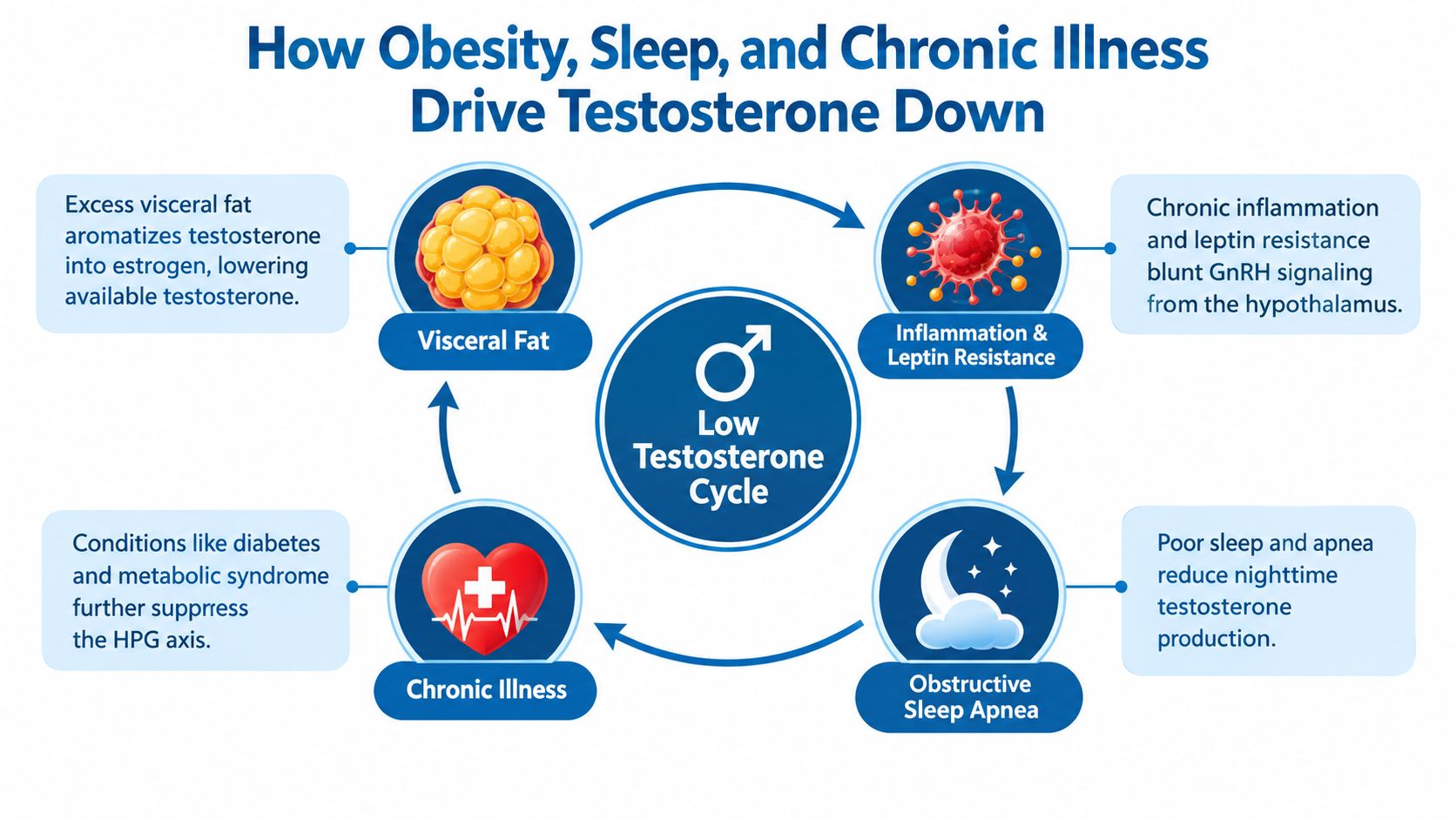
When you evaluate HRT San Antonio options, ask how the clinic handles the months after the initial adjustment period. Do they revisit nutrition, sleep, insulin resistance, thyroid issues, exercise, medication management, or GLP-1 weight loss options when appropriate? A provider who treats hormones in isolation may miss the bigger picture.
The best HRT clinics don't just prescribe. They interpret trends, adjust the plan, and stay engaged when progress becomes less linear.
Navigating the Process Texas Rules and Typical Costs
Texas patients often want two practical answers before anything else. Can this be done by telehealth, and what will it cost? Those are reasonable questions, especially because HRT care in San Antonio can range from traditional insurance-based medicine to membership or cash-pay models.
What the process often looks like
Most patients start with an intake visit that reviews symptoms, medical history, medications, and goals. Depending on the hormone being considered and the clinic's model, you may need lab work before treatment starts. Some therapies and prescribing decisions may still require an in-person component, especially if the clinic's protocol includes physical examination, procedures, or identity verification steps tied to Texas practice rules.
Follow-up care is where the quality gap often shows up. The strongest clinics explain in advance how they monitor symptoms, labs, side effects, and treatment response. That matters because a 2025 NIH study on San Antonio demographics found that 42% of patients seeking HRT for weight loss abandoned treatment after 9 months due to lack of integrated, long-term metabolic monitoring and lifestyle adjustments . That fact was provided in the verified data for this topic.
What patients should ask about money
Costs vary widely, and I won't invent price ranges where reliable local data isn't provided. Instead, ask each clinic to separate the expense into categories:
- Initial consultation fees so you know the cost of getting started
- Laboratory costs and whether those are billed separately
- Medication or hormone formulation costs , which can differ by route
- Procedure fees if pellet insertion or in-office administration is involved
- Follow-up visit costs and how often they typically occur
A transparent clinic should be able to walk you through the structure clearly. If the answer is vague, rushed, or bundled in a way that hides recurring costs, pause before committing.
Texas telehealth questions worth asking
A simple script helps: “Can my first visit be virtual? Which parts of care require in-person evaluation? How are prescriptions handled if I travel within Texas? What happens if my labs need repeating?” Those questions can prevent delays and frustration.
Your First Appointment A Checklist and FAQ
A good first visit starts before you arrive. The more specific you are, the easier it is for the clinician to connect the dots.
What to bring and prepare
Bring notes, not just memory. Small details matter in hormone medicine.
- Write down your symptoms and when they started. Include fatigue, sleep problems, hot flashes, low libido, mood changes, weight shifts, or mental fog.
- List current medications and supplements so your clinician can spot interactions or confounders.
- Bring personal and family history of clotting issues, cancer, cardiovascular disease, thyroid disease, or diabetes.
- Track menstrual or reproductive history if relevant, including cycle changes, menopause timing, surgeries, or pregnancies.
- Prepare your goals . Some patients want better sleep. Others want help with sexual health, testosterone therapy, medical weight loss, or medication management.
If you want to review a patient-friendly overview of tests needed before starting HRT, that can help you organize questions before your appointment.
Questions worth asking in the room
Some questions are more useful than “Am I a candidate?”
Ask things like:
- What diagnosis are you considering based on my symptoms and history?
- Which hormones are you evaluating, and why?
- What treatment options fit my goals and risk profile?
- How will you monitor whether treatment is working?
- What side effects or warning signs should make me contact the office?
If you're preparing for the first steps, this guide on how to start hormone replacement therapy can make the process feel more manageable.
FAQ for San Antonio patients
How long does it take to feel better on HRT
That depends on the symptom and the treatment used. Some people notice changes in hot flashes or sleep earlier than they notice changes in libido, mood, or body composition. What matters most is consistent follow-up rather than expecting every benefit at once.
Is HRT only for menopause
No. Hormone therapy can be used in several settings, including andropause, certain surgical or medical hormone deficiencies, and gender-affirming care. The key is proper evaluation rather than self-diagnosis.
What should transgender patients ask about feminizing therapy
Transgender patients deserve precise, respectful care. For feminizing hormone therapy, the verified data for this article notes that the Endocrine Society calls for monitoring total testosterone with a target of less than 55 ng/dL to suppress male secondary sex characteristics, along with specific monitoring protocols to support safety and efficacy. If you're seeking this care in San Antonio, ask exactly how the clinic follows testosterone targets, lab timing, and ongoing monitoring.
What if my main goal is weight loss
That's common, but it shouldn't be treated as a hormone-only issue. Ask whether the clinic also evaluates insulin resistance, thyroid disease, sleep quality, body composition, nutrition patterns, and whether medical weight loss tools such as GLP-1 medications might belong in a broader plan.
A first appointment goes better when you show up with patterns, priorities, and questions. You don't need to know the answer. You do need to describe what your body has been doing.
Hormone care can feel intimidating because the topic is personal and the information online is inconsistent. Still, patients do best when they ask direct questions, expect individualized care, and work with clinicians who explain both benefits and limitations plainly. This article is for education only and isn't a substitute for personal medical advice, diagnosis, or treatment.
If you're ready to move from guessing to a medically guided plan, Pause Medical offers patient-centered care focused on hormone replacement therapy, medical weight loss, and long-term metabolic health. Their team emphasizes physician oversight, personalized treatment plans, and clear education so you can make informed decisions with confidence. Schedule a consultation to discuss your symptoms, review your options, and build a plan that fits your health goals.