What Is Low Testosterone: Symptoms, Causes, & Treatments
You wake up tired after a full night in bed, rely on coffee to get through the morning, and notice that your motivation, concentration, or interest in sex isn't what it used to be. Maybe your clothes fit differently, your workouts feel harder, or your mood has become less predictable. In Mississippi, heat, demanding work, long commutes, family responsibilities, and chronic health conditions can all affect how you feel, so it isn't always obvious whether hormones are involved.
Understanding what is low testosterone starts with separating a possible medical condition from ordinary fatigue or the assumption that aging explains everything. Low testosterone, also called male hypogonadism , means the body isn't producing or making effective use of enough testosterone for its needs. It can be related to the testes, the brain's hormone signals, medications, obesity, diabetes, sleep problems, or other health conditions. A careful evaluation can identify the cause and help you choose a safe, personalized path forward.
Feeling Off Balance Is More Than Just a Feeling
A man may first notice low testosterone through small changes rather than one dramatic symptom. He may stop looking forward to activities he once enjoyed, lose strength despite continuing to exercise, or feel emotionally distant at home. His partner may notice reduced sexual interest before he recognizes it himself. These experiences deserve attention, but they don't prove that testosterone is the cause.
Low testosterone becomes more common with age, although prevalence varies depending on how clinicians define and measure it. Data from the European Male Ageing Study found hypogonadism in 2.1% of 3,219 men ages 40 to 79 , with prevalence ranging from 0.1% among men ages 40 to 49 to 5.1% among men ages 70 to 79 . U.S. clinical data cited in a review report low serum testosterone in about 10% of men in their 50s, 20% in their 60s, and up to 70% in their 70s and 80s . A primary-care study involving men seeking care found hypogonadism in nearly 39% of men over age 45 , demonstrating how much the estimate changes when symptomatic patients are included. These figures are discussed in this review of testosterone deficiency and aging.
Age may increase the likelihood, but low testosterone isn't automatically an inevitable part of getting older. Some men have a reversible suppression caused by weight gain, illness, medication, or poor sleep. Others have an underlying problem that requires a more specialized workup.
A useful starting point: Feeling tired or less interested in sex is a reason to ask questions, not a reason to self-diagnose.
A broader look at symptoms of hormonal imbalance can help you organize what you've noticed before speaking with a clinician. Your provider will consider the timing, severity, and combination of symptoms, then compare them with laboratory findings and your overall health.
Recognizing the Common Symptoms of Low Testosterone
Low testosterone symptoms often overlap with depression, thyroid disorders, sleep conditions, medication effects, and metabolic disease. Think of symptoms as clues that justify an evaluation, not as a diagnosis by themselves.

Physical changes
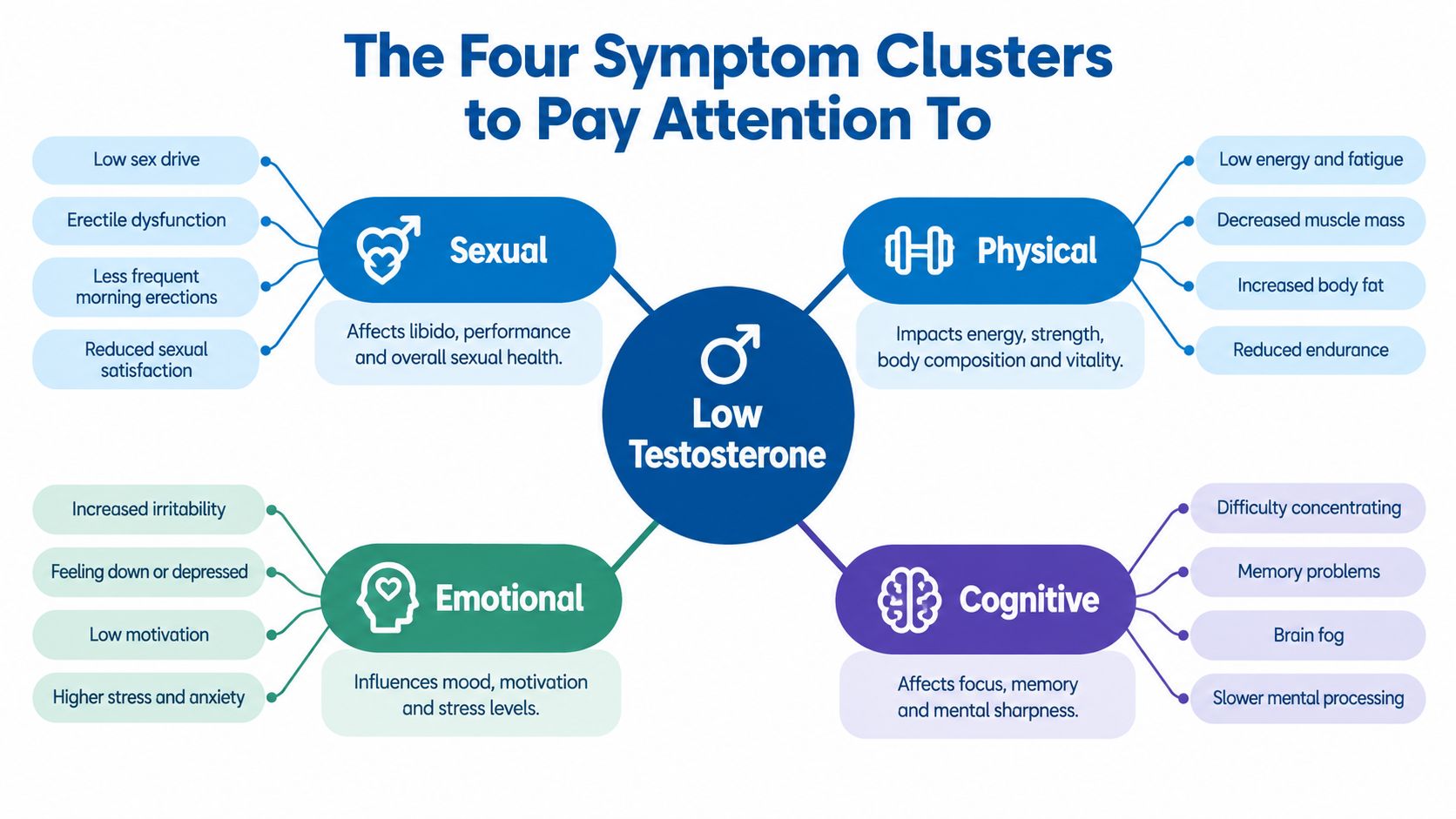
The physical pattern may include persistent fatigue, reduced muscle mass, difficulty maintaining strength, increased body fat, and reduced exercise tolerance. Some men notice less body or facial hair, changes in body composition, or slower recovery after activity. These changes can occur gradually, which makes them easy to blame on work, stress, or age.
Bone health can also matter because testosterone contributes to the body's broader androgen function. A clinician may ask about fractures, changes in height, or other signs that point beyond everyday tiredness.
Sexual symptoms
A noticeable reduction in libido is a common reason men seek care. Erectile dysfunction can occur, although it has many possible causes, including vascular disease, diabetes, medication effects, and psychological stress. Low testosterone may also affect fertility by reducing sperm production, so men hoping to father a child need a treatment discussion specific to that goal.
You can review additional information about symptoms of low testosterone in men, especially if several changes appeared together.
Emotional and cognitive effects
Some men describe irritability, a depressed mood, reduced confidence, poor concentration, or “brain fog.” They may have trouble finishing familiar tasks or feel less engaged in conversations. These symptoms are real, but they aren't specific to testosterone deficiency. A thoughtful assessment should also consider sleep quality, anxiety, depression, alcohol use, chronic pain, thyroid function, and blood sugar concerns.
Write down when each symptom began and whether it varies with sleep, stress, work, exercise, or illness. That record gives your provider a clearer picture than a single symptom viewed in isolation.
Exploring the Root Causes of Low Testosterone Levels
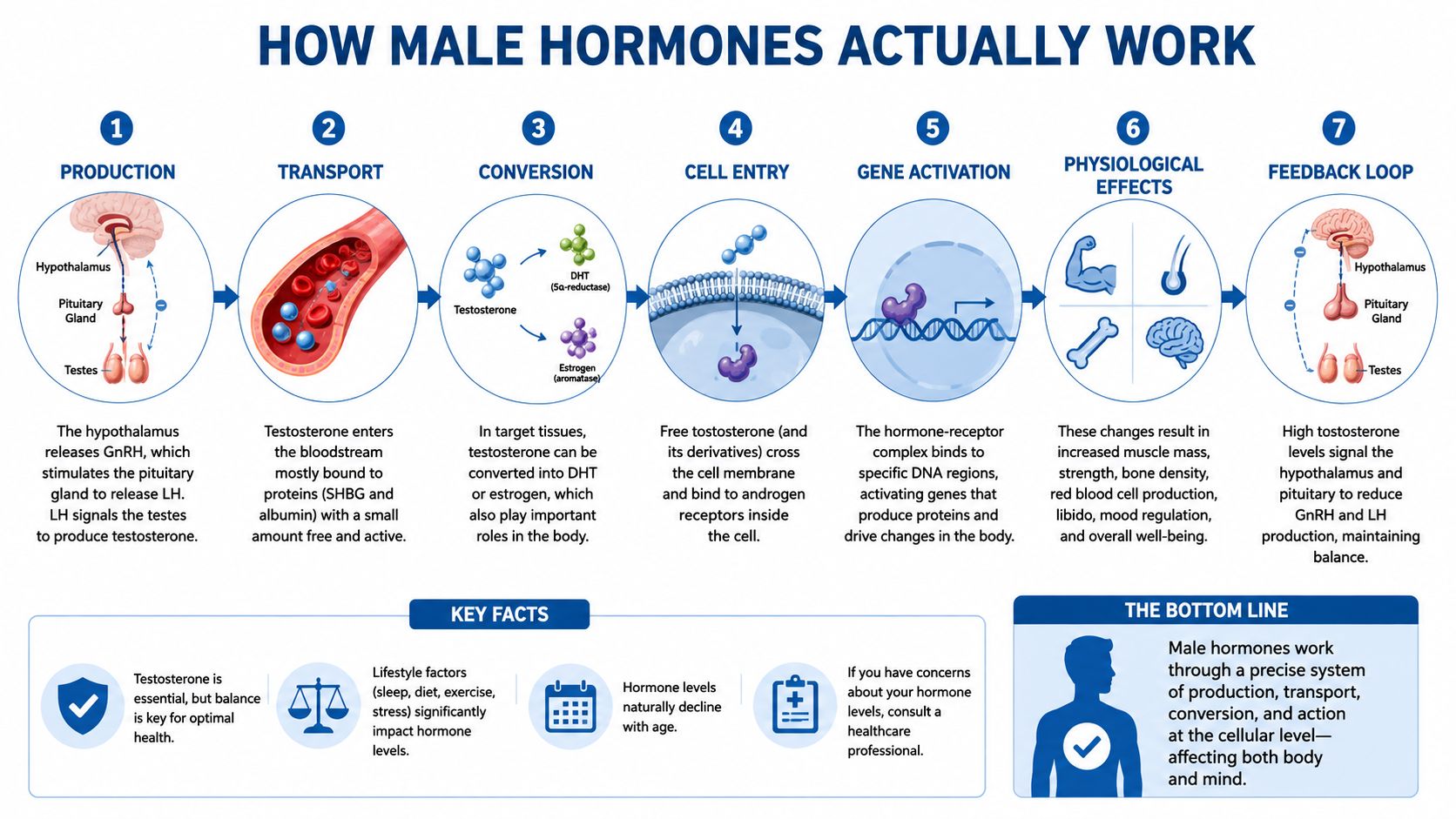
Testosterone production depends on communication between the hypothalamus, pituitary gland, and testes. The brain sends signals that stimulate the testes, and the testes produce testosterone. A problem at the testicular level is generally called primary hypogonadism , while a problem involving the hypothalamus or pituitary signaling is called secondary hypogonadism .

Primary causes
Primary hypogonadism originates in the testes. Possible contributors include testicular injury, certain genetic conditions, or damage from infections such as mumps. The testes may be unable to respond adequately even when the brain sends appropriate signals. Your medical history, physical examination, and hormone testing can help distinguish this pattern.
Secondary and functional causes
Secondary hypogonadism involves insufficient stimulation from the hypothalamus or pituitary gland. Certain tumors, systemic illness, chronic stress, and medications can interfere with this signaling pathway. Opioids and glucocorticoids are examples of medication classes that may suppress the hypothalamic-pituitary-gonadal axis.
The physiology is often functional rather than permanently structural . Guidance from the Endocrine Society's testosterone therapy recommendations identifies obesity, type 2 diabetes, systemic illness, and medication exposure as potentially reversible contributors. Failure to investigate these factors before replacing testosterone may leave the underlying problem untreated.
Metabolic health and testosterone
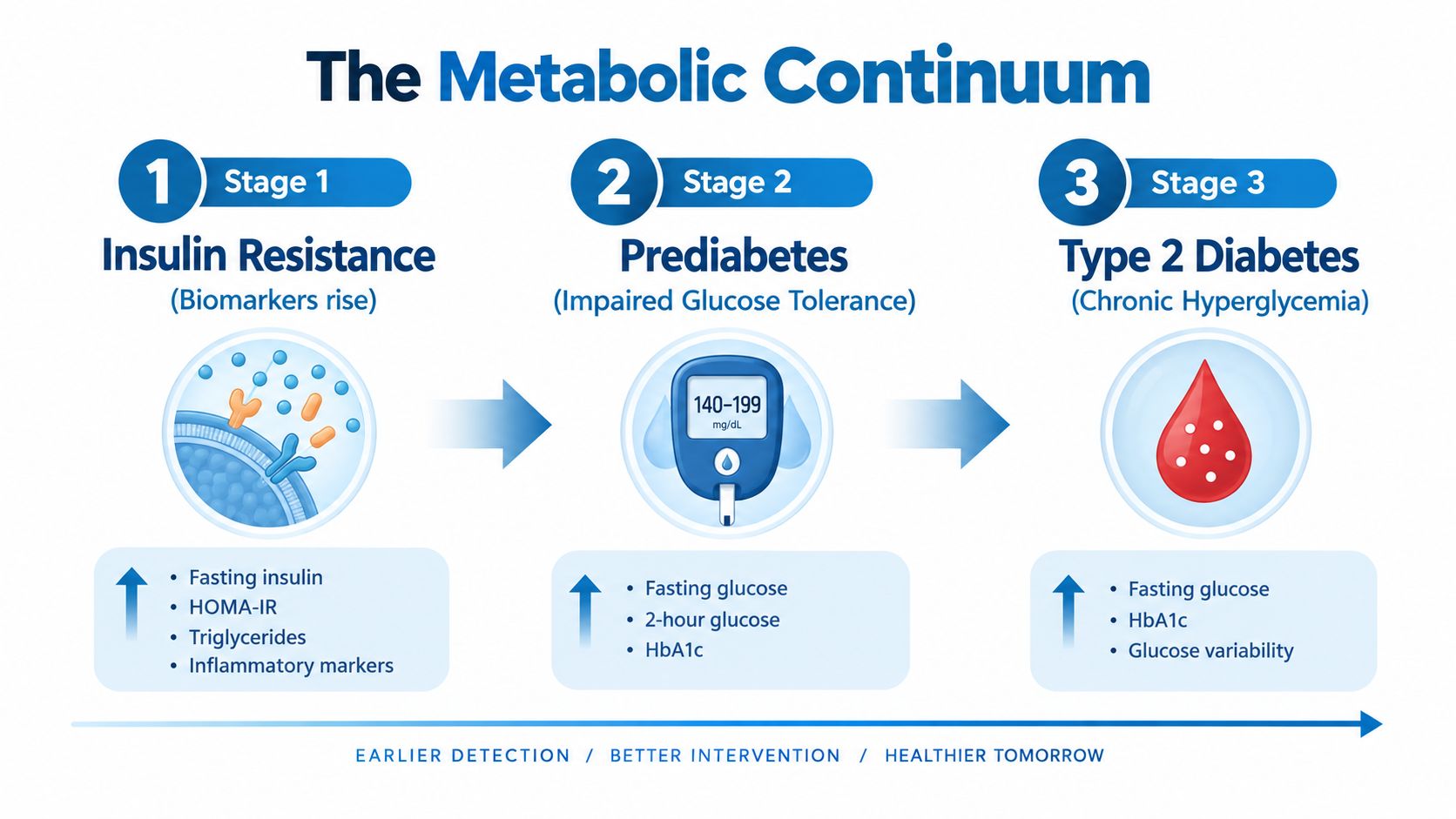
Weight gain and low testosterone can reinforce each other. Reduced activity and lower muscle mass may make weight management more difficult, while obesity and insulin resistance can interfere with normal hormone signaling. Type 2 diabetes, sleep disruption, and chronic inflammation can also produce symptoms that resemble testosterone deficiency.
That overlap is why an integrative evaluation may include medication management, metabolic screening, sleep assessment, nutrition, physical activity, and review of mental health. The right question isn't only, “How low is the testosterone?” It's also, “Why is it low, and what else is affecting this person's health?”
How Medical Experts Diagnose Low Testosterone
A diagnosis doesn't come from symptoms alone, and it shouldn't come from a single laboratory result. Major guidance requires compatible symptoms or signs and repeated low morning testosterone measurements on separate days .
The commonly used American Urological Association threshold is a total testosterone level below 300 ng/dL , confirmed on at least two early-morning blood tests and interpreted alongside symptoms. The American Urological Association guideline explains the clinical use of this cutoff. Other harmonized laboratory standards place the lower limit closer to 264 ng/dL in healthy non-obese men, while the European Association of Urology cites 12 nmol/L, or 3.5 ng/mL , as a reliable threshold for late-onset hypogonadism. Assay methods and reference populations can produce different numerical ranges.
Why timing and confirmation matter
Testosterone follows a daily rhythm and is generally higher earlier in the day. A late-day test, acute illness, poor sleep, or temporary hormonal suppression may produce a misleading result. The clinician may repeat testing with a validated assay and consider free testosterone when an abnormal sex hormone-binding globulin level could make total testosterone difficult to interpret.
A typical evaluation may include:
- A symptom review , including libido, erections, energy, mood, concentration, strength, sleep, and fertility goals.
- Two early-morning total testosterone tests , collected on separate days.
- Additional hormone testing , such as luteinizing hormone and follicle-stimulating hormone, to help distinguish testicular from pituitary or hypothalamic causes.
- Targeted testing , based on your history, medications, examination, and related health concerns.
| Level | Normal Range (ng/dL) |
|---|---|
| Total testosterone | Varies by laboratory, age, assay, and reference population |
| Diagnostic concern | Commonly below 300 ng/dL when confirmed with symptoms |
A laboratory number must be interpreted in context. You can learn what to expect from how to get your testosterone level checked, but testing and treatment decisions should be made with a qualified medical professional.
Personalized Treatment Plans for Restoring Balance
Treatment depends on the cause, your symptoms, your health history, and your goals. If obesity, uncontrolled diabetes, medication exposure, severe sleep disruption, or another condition is contributing to low testosterone, addressing that issue may be an essential part of care. Testosterone therapy may be appropriate for some men with confirmed deficiency, but it isn't a universal solution for fatigue or weight gain.
Choosing a delivery method
Testosterone replacement therapy can be delivered in several ways. Each option has practical advantages and limitations, so your provider should discuss how the method fits your routine and monitoring needs.

- Injections: Deliver testosterone through scheduled injections. They can be practical for people who prefer a defined dosing routine, but some patients dislike needles or experience changes in how they feel between doses.
- Gels: Apply testosterone to the skin. They avoid injections, though careful application and precautions are needed to reduce accidental transfer to another person.
- Patches: Provide transdermal delivery through an adhesive patch. Skin irritation can be a concern for some users.
- Pellets: A clinician places small pellets beneath the skin. They can reduce the need for daily application, but insertion and removal require a medical procedure.
- Oral tablets: Offer a convenient route for selected patients. The provider must choose an appropriate product and monitor its response carefully.
For an overview of treatment considerations, see this complete patient guide to testosterone therapy for men. Pause Medical provides testosterone evaluation and therapy planning as part of its hormone care services, with treatment selected according to clinical findings rather than a one-size-fits-all formula.
Nutrition and activity support the larger plan. A practical resource on zinc, fat, and vitamin D for testosterone may help you think through food choices before considering supplements. Supplements aren't automatically safe or necessary, especially when a deficiency hasn't been established.
Monitoring protects your health
Follow-up is part of treatment, not an optional add-on. The American Urological Association recommends measuring hematocrit every 6 to 12 months , or sooner when needed, and keeping it below 54% . PSA monitoring should be discussed for testosterone-deficient patients over age 40 and for men with a history of prostate cancer. These recommendations appear in the AUA follow-up laboratory testing table.pdf).
Your clinician may adjust the dose, change the delivery method, pause therapy, or investigate another cause when your symptoms and lab results don't align.
When to Schedule a Consultation in Mississippi
Schedule a medical consultation if persistent fatigue, reduced libido, erectile changes, mood symptoms, declining strength, or changes in body composition are affecting your daily life. You don't need to decide in advance whether testosterone therapy is right for you. The first visit should focus on your history, goals, medications, health conditions, and whether proper testing is appropriate.
A provider may also explore sleep problems, obesity, diabetes, thyroid concerns, and other factors that can imitate or contribute to low testosterone. That approach helps prevent a temporary or unrelated problem from being mislabeled as hormone deficiency.
Mississippi residents near Oxford, Meridian, Tupelo, Flowood-Jackson, and Starkville can begin by learning how to start hormone replacement therapy. Bring a list of medications, prior lab results, major symptoms, and fertility goals to make the conversation more useful.
Medical treatment must be individualized. Testosterone therapy isn't appropriate for everyone, and online symptom checklists can't replace an examination, repeated testing, or professional guidance.
Frequently Asked Questions About Low Testosterone
Can fatigue alone mean I have low testosterone?
No. Fatigue can result from sleep disorders, depression, thyroid disease, anemia, diabetes, medication effects, chronic pain, or many other conditions. Low testosterone becomes more likely when fatigue occurs with compatible symptoms and repeatedly low early-morning laboratory results.
Should I test testosterone in the afternoon?
Early-morning testing is preferred because testosterone changes throughout the day. Guidelines emphasize two separate early-morning measurements because variation can lead to misclassification. One guideline review notes that proper morning testing may reduce diagnostic errors by about 30% ; see the AUA testosterone deficiency guideline document.
Can weight gain be related to low testosterone?
It can be connected in both directions. Obesity and metabolic illness may suppress testosterone production, while low energy and reduced muscle mass can make activity and weight management harder. That relationship calls for evaluation of metabolic health rather than treating the hormone value in isolation.
Is testosterone therapy the same as taking a supplement?
No. Testosterone therapy uses a prescription hormone and requires medical assessment and monitoring. Over-the-counter products may contain ingredients that don't address the actual cause and can interact with medications or medical conditions.
Does low testosterone affect fertility?
It can. Testosterone treatment may not be appropriate for someone actively trying to conceive, because reproductive goals change the treatment discussion. Tell your provider about fertility plans before starting any hormone therapy.
Pause Medical offers medically supervised testosterone evaluation, hormone replacement therapy, personalized treatment planning, and ongoing monitoring for Mississippi patients with possible hormone and metabolic concerns. Visit Pause Medical to review services and schedule a consultation focused on your symptoms, health history, and goals.