Insulin Resistance vs Type 2 Diabetes: A Complete Guide
Approximately 97.6 million U.S. adults had prediabetes in 2021 , and more than one in three adults were affected. Many individuals with prediabetes are unaware of their condition, which makes early detection and intervention essential before type 2 diabetes develops.
Insulin resistance and type 2 diabetes aren't interchangeable terms. Insulin resistance is an underlying physiological problem and risk state , while type 2 diabetes is a diagnosed disease in which blood glucose remains abnormally high. A person can have substantial insulin resistance while glucose still appears normal, and progression to diabetes isn't inevitable. Understanding that difference helps you act during the intervention window, before long-term hyperglycemia creates additional health risks.
Understanding the Insulin Resistance and Diabetes Continuum
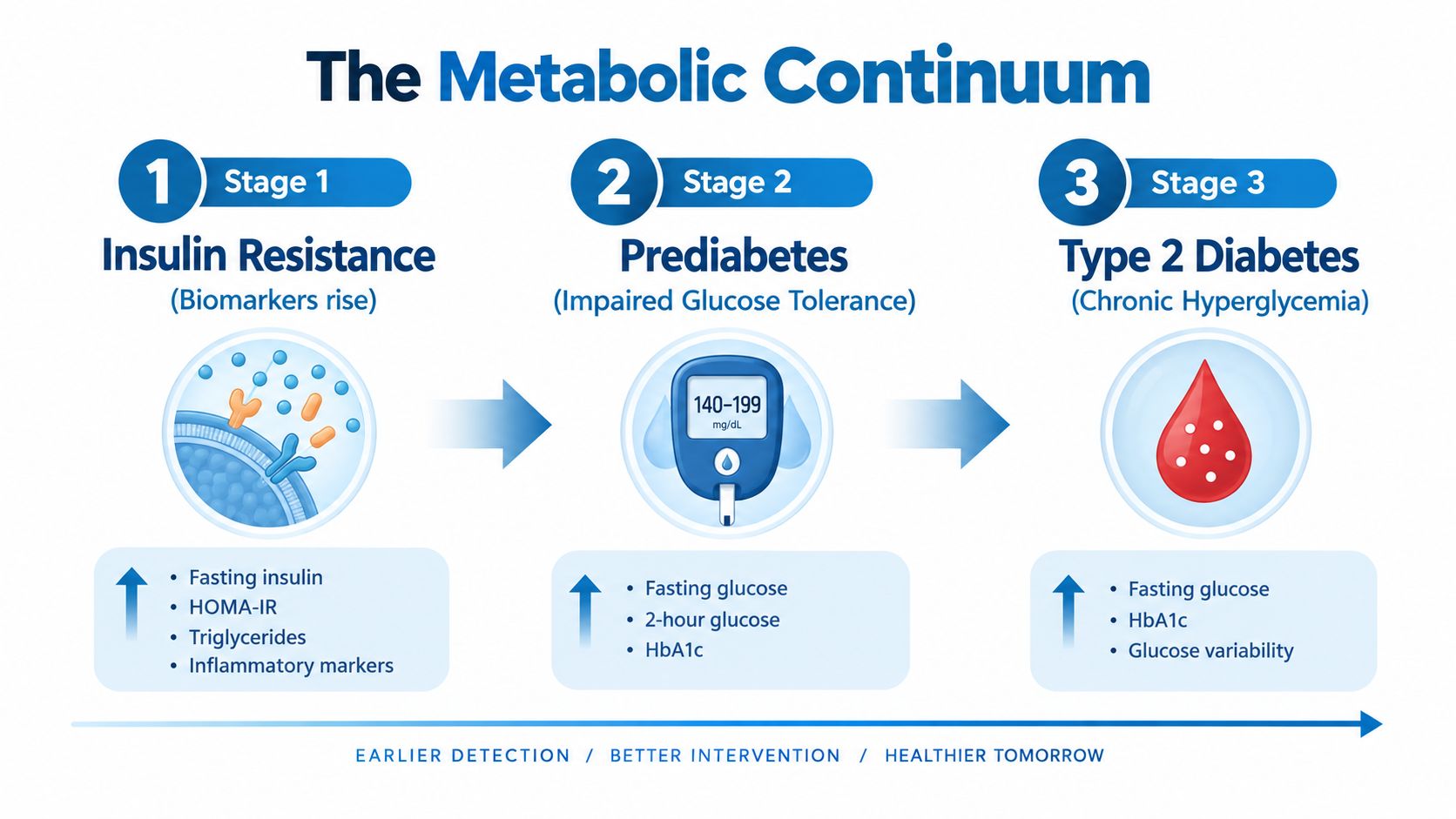
The simplest way to understand insulin resistance vs type 2 diabetes is to view them as stages along a metabolic continuum. Insulin is a hormone that helps glucose move from the bloodstream into muscle, fat, and liver cells. When those cells respond inadequately, the pancreas often compensates by releasing more insulin.
At first, this extra insulin can keep blood glucose within or near the normal range. The laboratory glucose result may look reassuring even though the body is working harder than it should. That hidden compensation is why insulin resistance can remain clinically silent.
How compensation eventually changes
If insulin resistance persists, pancreatic beta cells may gradually lose their ability to compensate. Blood glucose then begins to rise, first into the prediabetes range , and may eventually cross the diagnostic threshold for type 2 diabetes. The sequence is biologically connected, but it isn't automatic. The National Institute of Diabetes and Digestive and Kidney Diseases explains the relationship between prediabetes and insulin resistance and notes that not everyone with prediabetes develops type 2 diabetes.
This distinction matters because the stages require different clinical responses:
- Insulin resistance: Cells respond poorly to insulin, but glucose may remain normal.
- Prediabetes: Glucose regulation is abnormal but hasn't reached the diabetes range.
- Type 2 diabetes: Persistent hyperglycemia meets formal diagnostic criteria.
The global burden shows why the later diagnosis receives so much attention. The World Health Organization reports that the number of people living with diabetes rose from about 200 million in 1990 to 830 million in 2022 , while diabetes prevalence among adults aged 18 and older increased from 7% to 14% . More than 95% of people with diabetes have type 2 diabetes , but those figures describe diagnosed diabetes, not the larger and harder-to-measure population experiencing earlier insulin resistance.
Clinical perspective: A normal glucose result can mean that the pancreas is compensating successfully, not that metabolic health is fully normal.
Early evaluation can clarify where you are on this continuum. Readers who want a practical overview can also review this guide to managing insulin resistance naturally. For a Mississippi-focused discussion of weight and metabolic care, see Pause Medical's insulin resistance and weight loss medical guide.
Diagnostic Criteria Comparison Table
Routine diabetes testing is designed to diagnose abnormal glucose, not to directly measure insulin resistance. That difference explains why someone can have raised fasting insulin or other metabolic warning signs while their A1c hasn't reached the diabetes range.
The table below separates prediabetes and increased metabolic risk from established type 2 diabetes. These are laboratory thresholds, not diagnoses you should make from a single home reading.
Diagnostic thresholds
| Marker | Insulin Resistance / Prediabetes Range | Type 2 Diabetes Diagnostic Threshold |
|---|---|---|
| Hemoglobin A1c | 5.7% to 6.4% | At least 6.5% |
| Fasting plasma glucose | 100 to 125 mg/dL | At least 126 mg/dL after at least 8 hours without caloric intake |
| 2-hour oral glucose tolerance test | 140 to 199 mg/dL | At least 200 mg/dL |
| Random plasma glucose | Not used alone to define prediabetes | At least 200 mg/dL with classic hyperglycemia symptoms |
| Fasting insulin, HOMA-IR, triglyceride-to-HDL pattern | May help characterize insulin resistance and metabolic risk | Not a standalone diagnostic test for diabetes |
These thresholds come from the American Diabetes Association diagnostic guidance. In the absence of unequivocal hyperglycemia, an abnormal result generally needs confirmation with repeat testing or another accepted diagnostic test.
A1c estimates longer-term glucose exposure, while fasting glucose captures one point in time. An oral glucose tolerance test evaluates how the body handles a measured glucose load. Your clinician chooses among these tests based on symptoms, risk factors, prior results, and the question being investigated.
What the table doesn't show
Insulin resistance doesn't have one universally accepted routine diagnostic test. Clinicians may consider fasting insulin, a HOMA-IR calculation , triglyceride-to-HDL patterns, waist circumference, blood pressure, and indicators of liver fat when evaluating metabolic risk. These findings can support a broader assessment, but they shouldn't replace validated diabetes testing.
A person with high insulin and a normal A1c doesn't have diabetes based on that insulin result alone. Conversely, persistent glucose in the diagnostic range can indicate diabetes even when insulin levels remain high.
Keeping results together can help you and your provider recognize patterns rather than isolated values. A tool that helps patients track labs in one health app may make that review easier, but interpretation still belongs with a qualified clinician. Pause Medical also outlines the relevant markers in its metabolic health testing guide.
How to Detect Insulin Resistance Before Glucose Rises
The early stage often requires looking beyond A1c and fasting glucose. Your clinician may start with a fasting insulin level and pair it with fasting glucose to calculate HOMA-IR , a model that estimates insulin resistance. The result isn't a universal yes-or-no diagnosis, so it must be interpreted in the context of the laboratory method, medical history, and other findings.
A triglyceride-to-HDL pattern can provide another clue. Higher triglycerides, lower HDL cholesterol, increasing waist circumference, raised blood pressure, and indicators of liver fat may appear alongside declining insulin sensitivity. None of these findings proves insulin resistance alone, but together they can justify a more complete evaluation.

A practical evaluation sequence
-
Start with glucose testing. A1c, fasting plasma glucose, and, when appropriate, an oral glucose tolerance test determine whether glucose falls in the normal, prediabetes, or diabetes range.
-
Look for compensatory signals. Fasting insulin and HOMA-IR may reveal that the pancreas is producing more insulin to maintain glucose control. A high insulin level with a normal A1c signals risk, not diabetes.
-
Review the wider metabolic picture. Waist circumference, blood pressure, triglycerides, HDL, and liver-health indicators help place the laboratory findings in context.
-
Repeat testing when clinically appropriate. Metabolic health changes over time. Your provider may recommend follow-up testing based on your initial results and risk profile.
Practical rule: Don't use one “normal” glucose number to dismiss persistent weight gain, abnormal lipids, high blood pressure, or other metabolic concerns.
Symptoms can be absent, which is why waiting until excessive thirst or frequent urination appears may delay useful care. If you're preparing for an appointment, Pause Medical provides a patient-oriented resource on insulin resistance testing. Bring prior laboratory results, a medication list, family history, and specific concerns such as fatigue, sleep problems, or difficulty managing weight.
Why Early Intervention Changes Progression Outcomes
Waiting for a type 2 diabetes diagnosis before taking action misses an important opportunity. Insulin resistance and prediabetes are stages in which nutrition, activity, weight management, sleep, medication decisions, and cardiometabolic monitoring can address risk before chronic hyperglycemia becomes established.
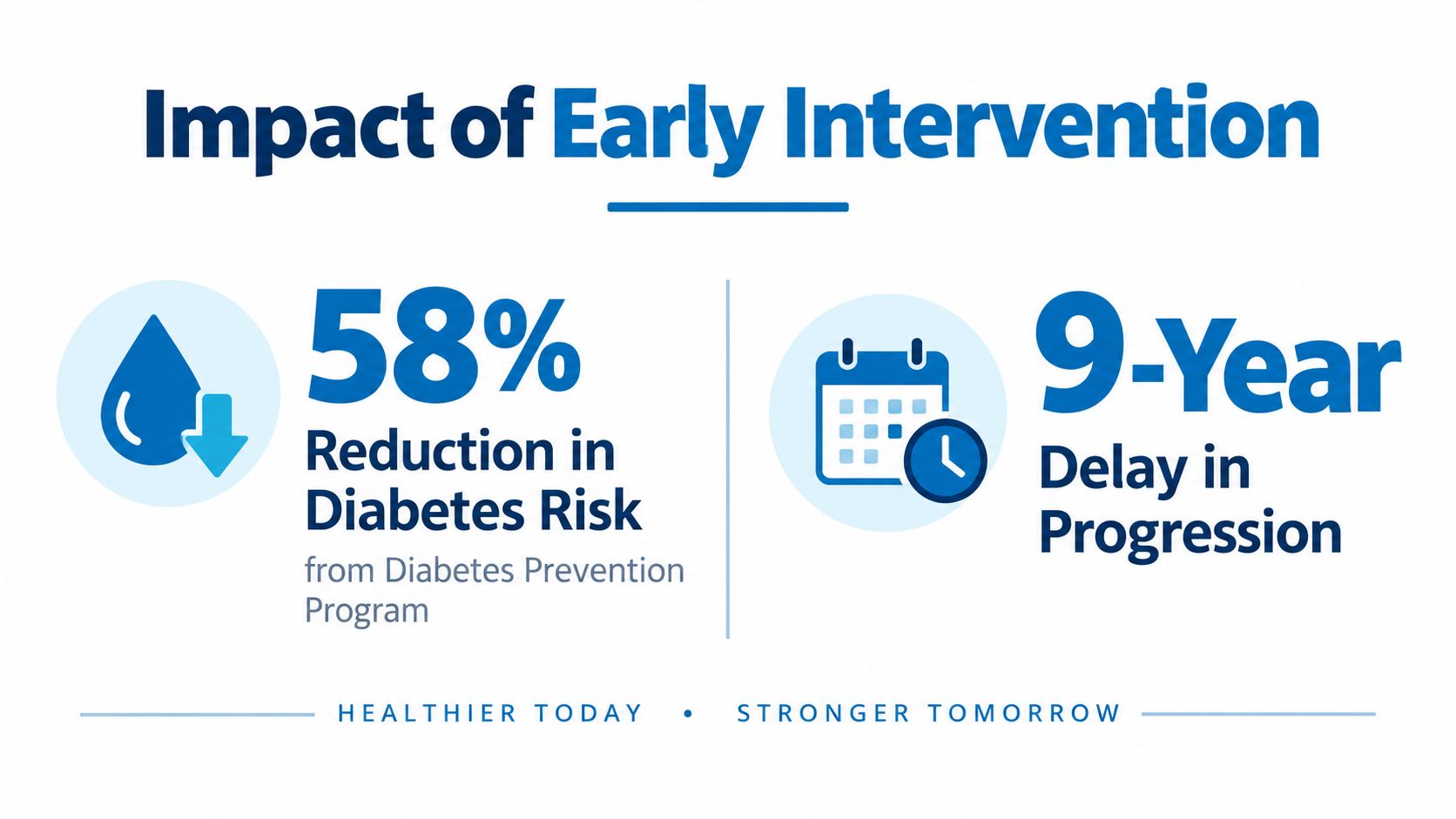
The Diabetes Prevention Program tested intensive lifestyle intervention, metformin, and placebo in adults at high risk. Over approximately three years, lifestyle intervention reduced diabetes incidence by 58% compared with placebo , with a 95% confidence interval of 48% to 66% , while metformin reduced incidence by 31% , with a 95% confidence interval of 17% to 43% . The landmark Diabetes Prevention Program study found that lifestyle intervention was significantly more effective overall.
What the intervention involved
The lifestyle program emphasized approximately 7% weight loss and at least 150 minutes per week of moderate physical activity . Those targets weren't intended as cosmetic goals. They were practical ways to improve glucose handling, reduce metabolic strain, and support healthier insulin action.
A plan might combine resistance training, walking, meals built around adequate protein and fiber, improved sleep routines, and regular follow-up. The right approach varies according to medications, mobility, eating patterns, kidney function, pregnancy considerations, and other medical conditions.
The result is a relative reduction in risk, not a guarantee. Some participants still progressed, and individual risk depends on factors such as age, adiposity, baseline fasting glucose, family history, and remaining beta-cell function. Metformin may be particularly useful for selected higher-risk people, including those with BMI at least 35 kg/m² or fasting glucose near 110 to 125 mg/dL , but a clinician must assess whether it's appropriate.
Why supervision can help
Self-directed changes can work, but many patients need help translating broad advice into a safe, repeatable plan. Medical supervision can identify contraindications, monitor laboratory trends, review medication effects, and adjust treatment when weight, appetite, glucose, or activity changes.
The aim also shouldn't be reduced to the scale. Better fitness, waist circumference, blood pressure, lipid patterns, liver health, medication burden, and glycemic stability can all represent meaningful progress. Pause Medical's educational material on reversing insulin resistance reflects this broader view of metabolic improvement.
Medically Supervised Weight Loss and Metabolic Programs
A medically supervised weight-loss program should begin with an assessment, not a predetermined prescription. The clinician needs to understand glucose status, medications, blood pressure, lipid patterns, sleep, activity, hormonal symptoms, eating behavior, and any conditions that could affect treatment safety.
For some patients, structured nutrition and activity changes provide the foundation. Others may qualify for medication support, including a GLP-1 medication, when the clinician determines that the potential benefits and risks fit their health profile. GLP-1 weight loss treatment isn't a substitute for monitoring , and it isn't appropriate for everyone.
Hormone-related concerns can complicate weight management. Menopause, andropause, thyroid disorders, sleep disruption, and changes in testosterone or other hormones may affect energy, appetite, body composition, and daily function. Hormone replacement therapy, bioidentical hormones, or testosterone therapy require individualized assessment and should never be used to promise diabetes prevention or automatic weight reduction.
Pause Medical offers medical weight loss, hormone replacement therapy, and disease-management support through personalized plans with provider oversight. Its approach can include metabolic testing, medication management, hormone evaluation, and ongoing follow-up for patients in Mississippi who want insurance-free care. People near Oxford, Meridian, Tupelo, Flowood-Jackson, or Starkville can review a general guide to medical weight loss while considering what questions to bring to a consultation.
A sound program measures more than pounds. Clinicians may follow glucose stability, blood pressure, lipid profiles, liver health, waist circumference, fitness, sleep, and medication tolerance. If A1c returns to the non-diabetes range, that doesn't necessarily mean the underlying susceptibility has disappeared. Remission generally means glucose remains below the diabetes range without glucose-lowering medication for a defined period, and relapse can occur.
For a practical explanation of what supervised care involves, see Pause Medical's medically supervised weight-loss program overview.
When to Seek Help and What to Expect at Pause Medical
You don't need to wait for a type 2 diabetes diagnosis to discuss insulin resistance. Consider scheduling an evaluation if you have abnormal glucose, a strong family history, persistent weight concerns, high blood pressure, abnormal lipids, signs of fatty liver, or symptoms such as fatigue and poor sleep.
A typical visit starts with your goals and concerns. You meet with a provider in person, review relevant history and laboratory results, discuss testing needs, and build a personalized plan. Follow-up then helps the care team assess response, address side effects, and adjust nutrition, activity, medications, or hormone-related treatment when appropriate.

A patient who discovers insulin resistance or prediabetes can begin with manageable changes, receive appropriate testing, and monitor progress before glucose reaches the diabetes range. That doesn't guarantee prevention, but it creates a medically informed opportunity to change the trajectory rather than react after diagnosis.
This article is educational and doesn't replace individualized medical advice. Diagnostic decisions, prescriptions, hormone treatment, and medication changes should be made with a qualified healthcare professional.
Pause Medical provides medically supervised weight loss, metabolic-health evaluations, hormone replacement therapy, and medication management for adults in Mississippi. Visit Pause Medical to schedule an in-person consultation, review your metabolic concerns with a provider, and develop a personalized plan before insulin resistance progresses.