How to Reverse Insulin Resistance: A Practical Guide to Better Metabolic Health
Reversing insulin resistance is absolutely achievable. It's not about a quick fix, but a series of deliberate, sustainable changes to how you eat, move, and live. The core idea is to help your cells become more receptive to insulin again. We understand this journey can feel overwhelming, especially when you're dealing with symptoms like persistent fatigue, stubborn weight gain, and intense cravings. At Pause Medical, our board-certified providers are here to guide you with an empathetic, evidence-based approach that addresses the root causes of your metabolic concerns.
What's Really Happening With Insulin Resistance?
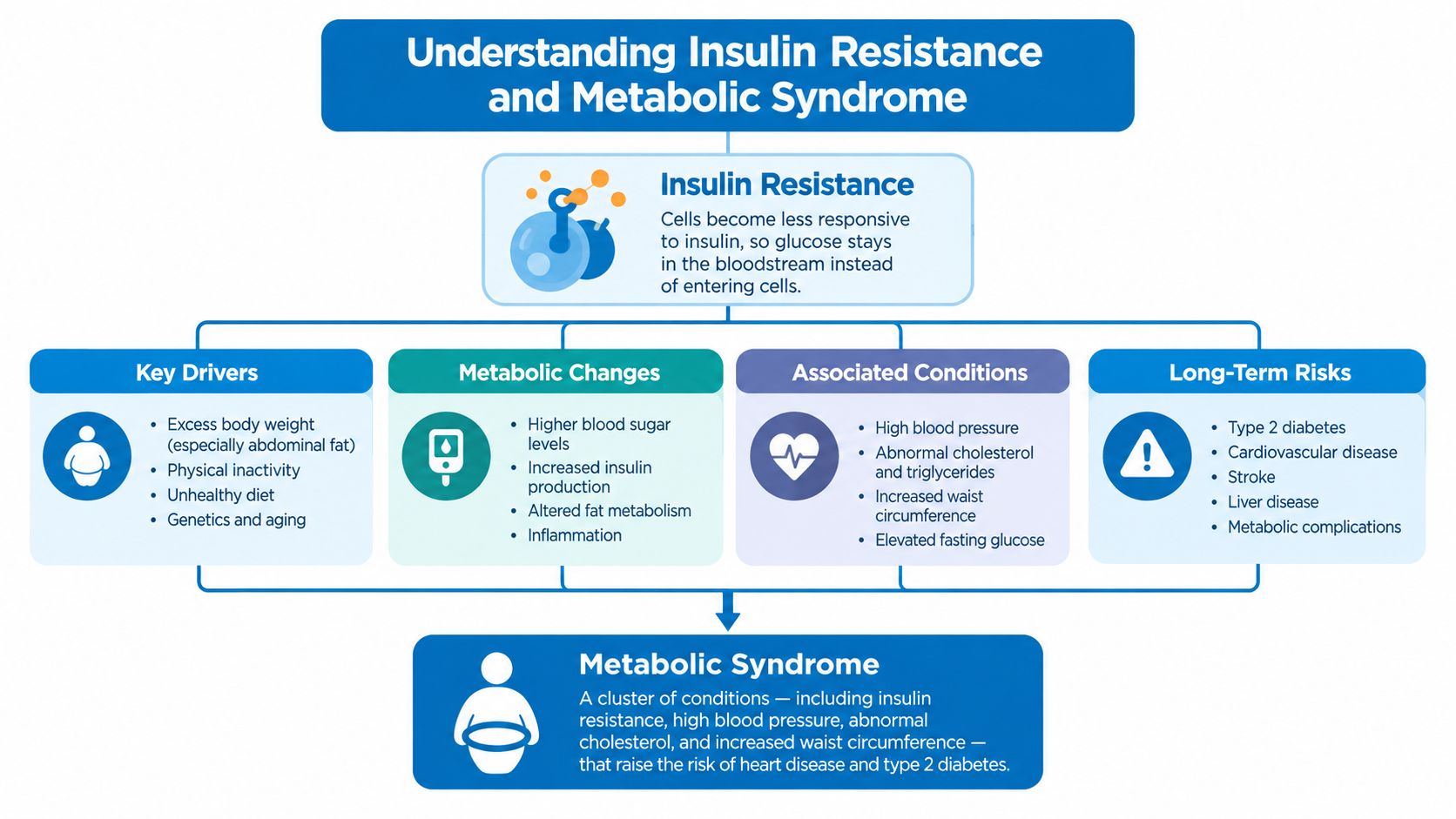
Insulin resistance is a condition where the cells in your muscles, fat, and liver start to ignore insulin's signal. Think of insulin as a key that’s supposed to unlock your cells, letting glucose (sugar) from your blood enter to be used for energy. When you have insulin resistance, the locks on your cells get sticky and don't work as well. The key has a hard time fitting.
To get the job done, your pancreas goes into overdrive, pumping out more and more insulin to force those stubborn cells to open up. This leads to constantly high levels of insulin in your blood, a state called hyperinsulinemia. For a while, this brute-force approach keeps your blood sugar in the normal range, but it's a temporary fix that comes with a cost. This is often the stage where you start noticing those nagging symptoms:
- Feeling wiped out, especially after eating a meal.
- Weight that just won't budge, particularly around your belly.
- Intense, hard-to-ignore cravings for carbs and sugary foods.
- A persistent "brain fog" that makes it tough to focus.
The Path to Chronic Disease
If this continues unchecked, your pancreas can eventually get worn out and struggle to produce the massive amounts of insulin your body is demanding. When that happens, your blood sugar levels start to creep up, first into the prediabetes range and then, potentially, to a diagnosis of type 2 diabetes.
But the problem goes far beyond blood sugar. This entire process is deeply connected to a whole host of other health issues, including heart disease, fatty liver disease, and disruptive hormonal imbalances like PCOS, which are common concerns we address in patients of all ages, including those dealing with menopause and andropause.
The most important thing to remember is that insulin resistance is often reversible. By getting to the root of the problem, you can help your body regain its natural sensitivity to insulin, get your energy back, and take a huge step toward preventing chronic disease.
A Widespread but Often Hidden Issue
This isn't some rare, obscure condition. Insulin resistance has become a massive public health issue, touching the lives of more than one-quarter of adults around the globe. A major analysis combining 87 different studies found that the worldwide prevalence of insulin resistance is a staggering 26.53%. That means about 1 in 4 adults is dealing with this, and a huge number of them have no idea.
Here's a high-level overview of the core strategies we'll explore in detail throughout this guide for restoring your body's insulin sensitivity.
Your Quick Guide to Reversing Insulin Resistance
| Strategy Area | Primary Goal | Key Actions |
|---|---|---|
| Nutrition | Reduce insulin spikes and inflammation. | Prioritize whole foods, fiber, and protein. Limit processed carbs and sugars. |
| Movement | Improve glucose uptake by muscles. | Combine resistance training with regular aerobic activity like walking or cycling. |
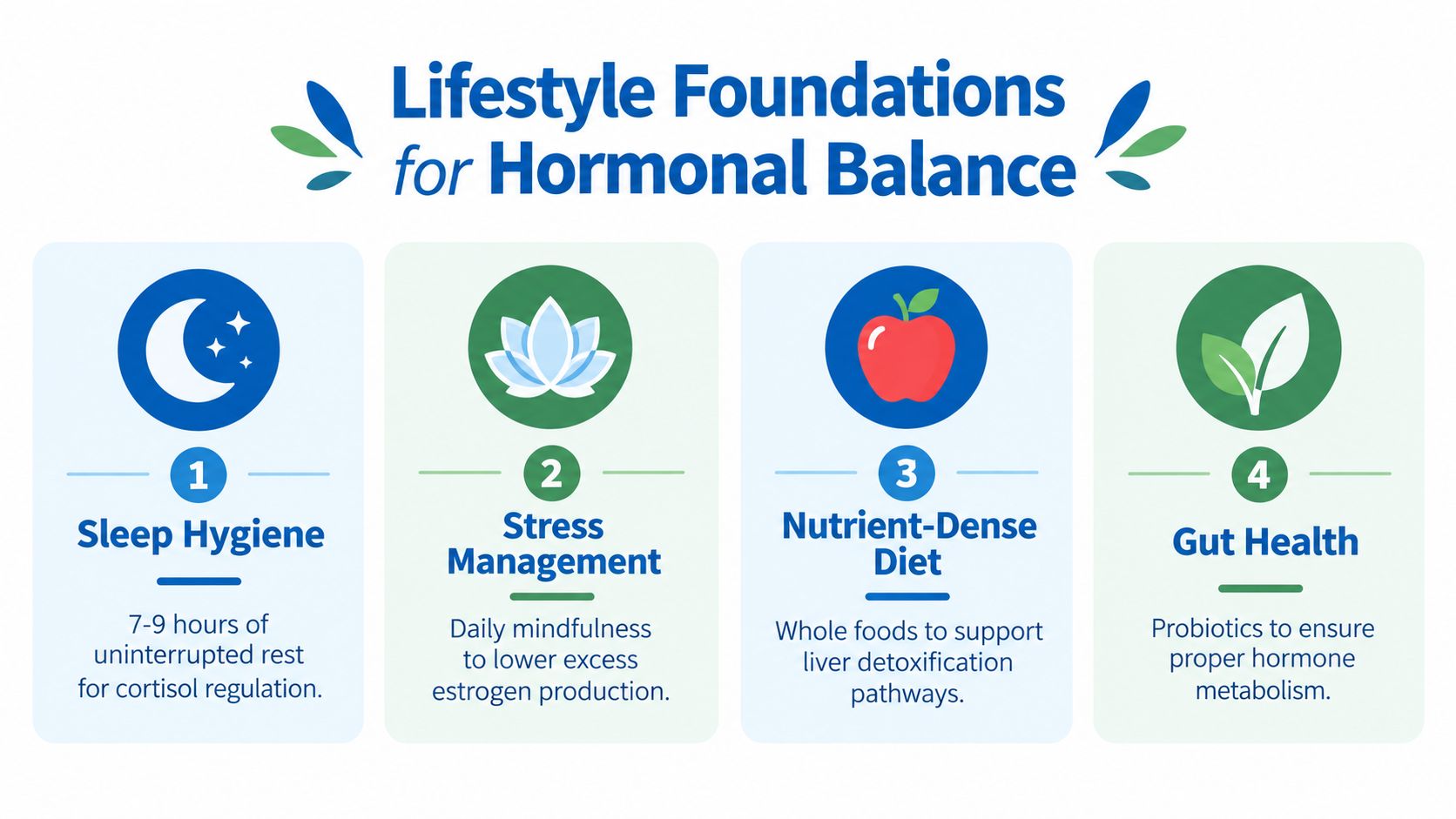
| Sleep | Regulate stress and appetite hormones. | Aim for 7-9 hours of consistent, quality sleep per night. |
| Stress Management | Lower cortisol levels that drive up blood sugar. | Practice mindfulness, meditation, or find hobbies that help you unwind. |
Each of these pillars plays a critical role. Making small, consistent improvements across all these areas is what truly creates lasting change.
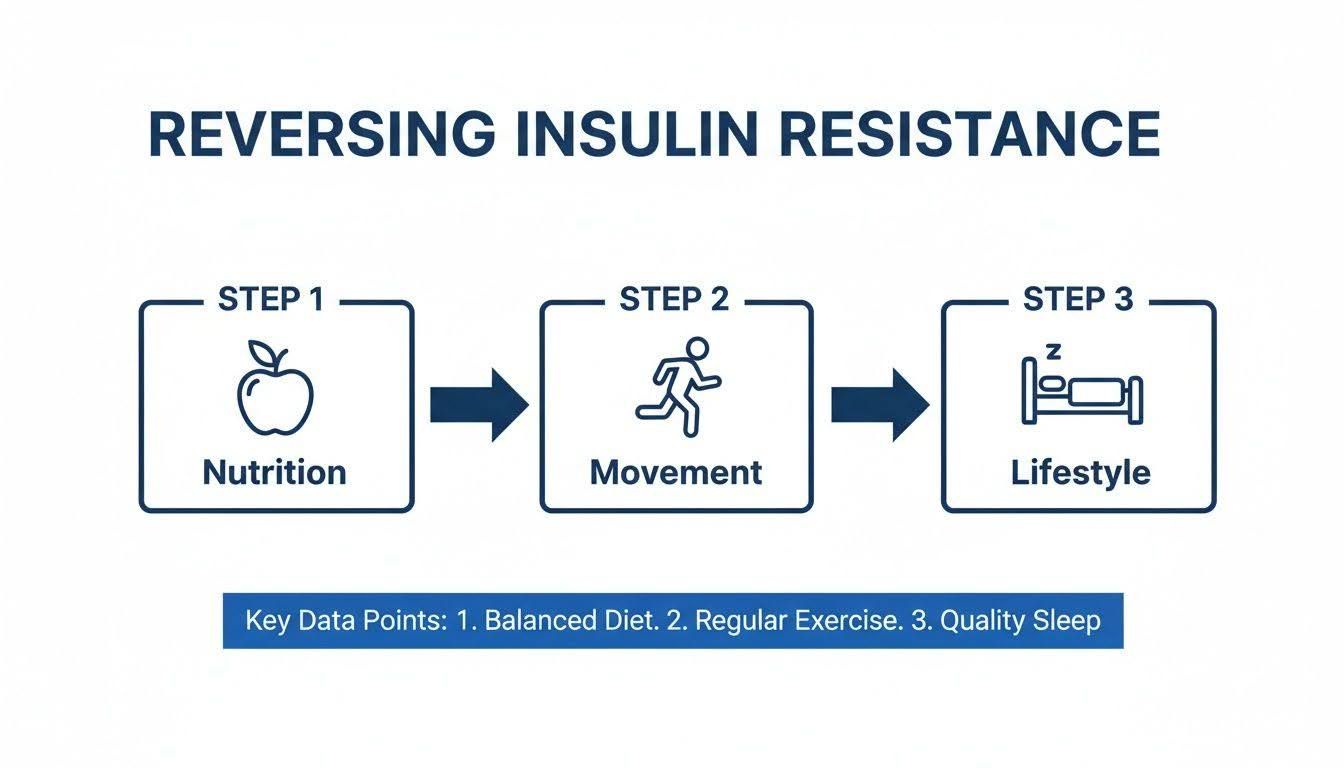
This simple graphic nails the core of a successful strategy: a thoughtful approach that combines nutrition, movement, and a healthy lifestyle.
At Pause Medical, our board-certified providers build personalized treatment plans that start with these foundational lifestyle changes and add advanced medical support when it’s needed. Our focus is always on tackling the root cause to help you build habits that last a lifetime. To learn more, feel free to explore more health and wellness topics on our blog and continue your journey.
Recognizing the Early Warning Signs
Insulin resistance doesn't just show up one day out of the blue. It’s a slow creep, a series of quiet signals your body sends that are all too easy to chalk up to stress, aging, or just being busy. But tuning into these whispers is the most important first step you can take. It’s how you get ahead of the problem before it becomes something more serious.
Many of our patients come to us describing the same thing. It often starts with a profound energy crash after lunch—that "food coma" that makes you want to curl up under your desk. Or it might be a nagging, near-constant craving for carbs and sugar, a hunger that just never feels satisfied no matter what you eat. These aren't just quirks of your personality; they're direct physiological cues that your body is struggling to manage blood sugar.
You might also notice a few physical clues popping up:
- Stubborn Belly Fat: When insulin levels are chronically high, your body gets very good at storing fat, especially around the abdomen. This isn't just a cosmetic issue; it's a hallmark sign.
- Skin Changes: Look for dark, velvety-feeling patches of skin, often in the creases of your neck, armpits, or groin. This condition is called acanthosis nigricans, and it's a very common outward sign of high insulin.
- Constant Hunger: Because your cells aren't getting the glucose they need for fuel, your brain gets stuck in a loop, telling you to eat more. This happens even if you've just finished a meal.
From Symptoms to a Clear Diagnosis
While paying attention to these symptoms is crucial, you can't rely on feelings alone. To truly understand what's happening with your metabolic health, we need to look under the hood with specific lab tests. At Pause Medical, our board-certified providers use a comprehensive lab panel to get a precise, data-driven picture. This is how we move past the guesswork and build a personalized treatment plan that's actually designed for your body.
Some of the key markers we look at are:
- Fasting Insulin: This is arguably the most direct way to measure insulin resistance. A high level shows us that your pancreas is in overdrive, pumping out extra insulin just to keep your blood sugar from spiking. It’s a classic sign that your cells are becoming less responsive.
- Hemoglobin A1c (HbA1c): This gives us a bigger-picture view, showing your average blood sugar over the last two to three months. It tells us if your body's efforts to control blood sugar are starting to fail, pushing you into the prediabetic or diabetic range.
- Full Lipid Panel: Insulin resistance can really mess with your cholesterol. We often see a pattern of high triglycerides and low HDL (the "good" cholesterol), which is a major red flag for cardiovascular risk.
HOMA-IR: Your Metabolic Scorecard To tie all this information together, we calculate your HOMA-IR (Homeostatic Model Assessment of Insulin Resistance) score. Using your fasting insulin and glucose numbers, this simple formula gives us a reliable estimate of your insulin sensitivity. It’s one of the best tools we have for quantifying where you stand and, just as importantly, for tracking your progress as you start to turn things around.
The statistics are pretty staggering. Global estimates suggest anywhere from 15.5% to 46.5% of adults worldwide have insulin resistance. In the United States, the situation is particularly concerning. One study found that a shocking 40% of young adults between 18 and 44 are insulin resistant. Knowing this isn't meant to scare you, but to empower you to be proactive. You can discover more about the global impact of insulin resistance and see how it connects to so many other health issues.
When you walk into a doctor's office armed with an understanding of your symptoms and your specific lab results, the entire conversation changes. Vague feelings of being "unwell" suddenly become concrete, actionable data. It gives you and your provider a clear starting line for the journey back to metabolic health. Ready to get a clear picture of your health? Schedule a consultation with our board-certified team today.
Your Foundational Nutrition Strategy
Let’s get one thing straight: food is not the enemy here. In fact, it's the most powerful tool you have for healing your metabolism. When we’re working to reverse insulin resistance, the goal isn't about white-knuckling it through some extreme diet or counting every last calorie. It’s about building a sustainable way of eating that calms your system down, helps your cells listen to insulin again, and gives you steady, reliable energy.
Forget all the complicated diet rules for a moment. The core principle is actually quite simple: focus on eating whole, nutrient-dense foods that keep your blood sugar stable. Every meal is an opportunity to send your body a signal of nourishment, not a signal of stress. This whole approach is about making intentional choices that will support your metabolic health for the long haul.
Taming Carbohydrates, Not Eliminating Them
The conversation around insulin resistance often gets hijacked by this all-or-nothing idea that you have to cut out every single carbohydrate. For most people, that’s not just miserable and unsustainable—it’s also completely unnecessary. The real key is to shift your focus from quantity to quality.
Refined carbohydrates—think white bread, sugary cereals, crackers, and most packaged sweets—are the main culprits. They digest incredibly quickly and hit your bloodstream like a tidal wave of sugar. This forces your already-overworked pancreas to pump out a flood of insulin to deal with it all. Consistently eating these foods is like constantly poking a sore spot; it keeps inflammation high and insulin resistance in overdrive.
Instead, we want to prioritize complex, high-fiber carbohydrates. Think of fiber as a brake pedal for sugar absorption. It slows everything down, leading to a gentle, gradual rise in blood sugar that your body can easily manage without panicking.
Smart Carbohydrate Swaps to Start Today:
- Instead of white rice: Choose quinoa, wild rice, or a small portion of basmati rice.
- Instead of sugary breakfast cereal: Opt for rolled oats, chia seed pudding, or a truly high-fiber option like bran flakes.
- Instead of white potatoes: Enjoy sweet potatoes, butternut squash, or parsnips. They're packed with more nutrients and fiber.
- Instead of regular pasta: Try protein-enriched pasta or ones made from lentils or chickpeas for a much more balanced meal.
Here's a great rule of thumb we give our patients: never eat a carbohydrate alone. Pairing it with a source of protein or healthy fat acts as an extra buffer, further blunting any potential blood sugar spike. An apple on its own is good, but an apple with a handful of almonds is a true metabolic superstar.
The Power of Protein and Healthy Fats
Protein is your best friend when it comes to feeling full and maintaining muscle. When you include a quality protein source at every meal, you feel satisfied for much longer. This naturally cuts down on cravings and that nagging urge to snack between meals—which is critical, since constant grazing keeps insulin levels persistently elevated all day.
Even more importantly, protein provides the building blocks for lean muscle. Your muscle tissue is a primary place for glucose disposal; it literally acts like a sponge, soaking up sugar from your blood. Because of this, maintaining or building muscle is a non-negotiable part of improving your insulin sensitivity. Aim for sources like lean poultry, fish, eggs, Greek yogurt, and legumes.
And let's not forget healthy fats. Found in delicious foods like avocados, olive oil, nuts, and seeds, they play a huge role in reducing the low-grade inflammation that almost always comes with insulin resistance. They also help you feel full and allow your body to absorb crucial fat-soluble vitamins, supporting your overall health.
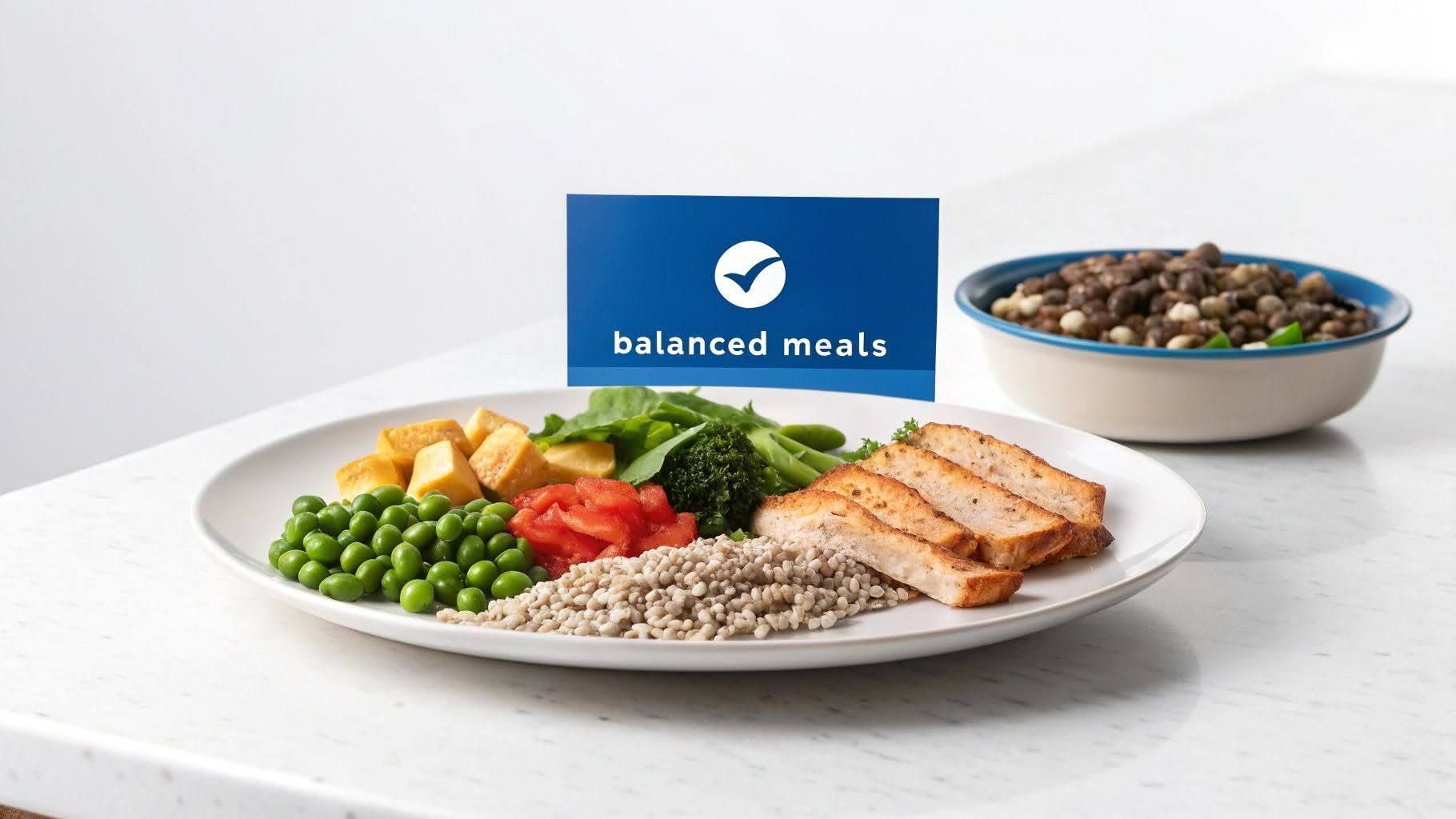
Remember, the goal is to build a plate that balances all three macronutrients. A well-constructed meal should include a source of fiber-rich carbs, lean protein, and healthy fats. This combination provides sustained energy and metabolic peace.
Structuring Your Meals for Success
How and when you eat can be just as important as what you eat. To give your system a much-needed break from constantly producing insulin, it’s far better to establish clear meal times rather than grazing all day.
Creating a natural fasting window overnight is a simple but incredibly effective strategy. Try to get at least a 12-hour break between your last bite of food in the evening and your first bite the next morning. So, if you finish dinner at 7 PM, you’d wait until at least 7 AM to eat breakfast. This gives your insulin levels a real chance to fall and stay low for a sustained period, which can significantly improve sensitivity over time.
While making these dietary shifts, certain micronutrients are also essential for proper insulin function. A balanced diet should always be your primary focus, but it can be beneficial to ensure you're getting enough of key nutrients like magnesium and chromium. You can learn more by exploring our overview of high-quality nutritional supplements that can support your metabolic goals when used under medical guidance.
Here at Pause Medical, we help you create a personalized nutrition plan that feels empowering, not restrictive. We know that lasting change comes from building new habits, one meal at a time.
How Movement Restores Metabolic Health
If smart nutrition is the foundation for reversing insulin resistance, think of physical activity as the engine that drives your progress forward. Your muscles are basically the body's biggest sugar-storage tank. When you move, you make them incredibly good at pulling glucose out of your bloodstream—often without needing much insulin to do the job.
This isn't about suddenly becoming a marathoner or a powerlifter. It's about consistently using your body in a way that helps restore its natural metabolic balance. Every step, lift, and stretch is a move in the right direction.
Cardio and Resistance Training: The Perfect Combination
For the best results, you'll want to combine two types of movement. Both aerobic exercise (cardio) and resistance training bring something unique and powerful to the table for your metabolic health.
Aerobic activities—think brisk walking, cycling, or swimming—are fantastic for your heart and improve how your body uses oxygen. Even better, they leave your cells more sensitive to insulin for hours after you've finished.
Resistance training, on the other hand, is the single most effective way to build and hold onto lean muscle. As we've covered, muscle is your primary destination for glucose. The more muscle you have, the more "parking spots" you have for blood sugar, keeping it from lingering in your circulation where it can cause trouble.
Here's a powerful tip we give our patients: A simple 10-minute walk after a meal can lower the resulting blood sugar spike by as much as 30%. This tiny habit puts your muscles to work right when you need them most.
Making Movement a Sustainable Habit
The best exercise plan is the one you actually stick with. It’s far more effective to walk for 20 minutes every single day than to try a brutal hour-long workout once a week, get discouraged, and then give up.
Here are a few practical ways to weave more movement into your life, no matter where you're starting from:
- Start by Walking: It’s free, you can do it anywhere, and it works. Aim for 30 minutes on most days. If that feels like too much, break it into three 10-minute walks.
- Embrace "Exercise Snacks": Can’t find a solid 30-minute block? No problem. Sprinkle short bursts of activity through your day. Do 20 air squats while your coffee brews or some push-ups against the kitchen counter before you make lunch.
- Find Something You Actually Enjoy: If you hate the gym, don't go. Try a dance class, hiking, gardening, or swimming instead. When movement feels like play instead of a chore, you’ll actually look forward to it.
The Power of Post-Meal Movement
One of the most impactful habits you can build is moving your body right after you eat. When you eat, carbohydrates break down into glucose and enter your bloodstream. A short walk or a few simple bodyweight exercises at this moment tells your muscles to grab that glucose for immediate fuel.
This simple action helps flatten the blood sugar spike from your meal, which means your pancreas doesn't have to work so hard pumping out insulin. It's a fantastic, real-time strategy for managing how your body responds to food.
Simple Post-Meal Movement Ideas:
- A brisk 10-15 minute walk around the neighborhood.
- 2-3 sets of 15-20 air squats.
- Marching in place while watching TV.
- Walking up and down a flight of stairs a few times.
Consistency is truly your greatest ally here. At Pause Medical, we focus on helping patients create realistic, personalized plans that fit their lives and goals. Movement should be a source of vitality, not a burden. You can learn more about our approach by exploring our preventative wellness solutions, which integrate lifestyle guidance with expert medical oversight to help you achieve lasting health.
Optimizing Sleep and Stress for Better Results
You can have the perfect diet and a consistent workout schedule, but if you’re ignoring sleep and stress, you're fighting this battle with one hand tied behind your back. Our clinical team has seen it time and again: these two factors are massive hormonal regulators. When they're out of sync, they can single-handedly sabotage your best efforts to reverse insulin resistance.
Think of chronic stress and poor sleep as putting your body in a constant state of high alert. This perpetual "fight-or-flight" mode keeps you primed for a crisis that never comes. It does this by flooding your system with hormones like
cortisol, which tells your liver to dump sugar into the bloodstream for fast energy. While that’s great for outrunning a predator, it’s a disaster when it happens day in and day out, keeping your blood sugar—and therefore your insulin—stubbornly high.

The Metabolic Cost of Poor Sleep
Even a single night of bad sleep can tank your insulin sensitivity the next day. When that becomes your new normal, the effects stack up, making it exponentially harder to get your blood sugar under control.
Sleep deprivation doesn’t just mess with cortisol. It also throws your appetite-regulating hormones completely out of whack. Your levels of ghrelin, the "I'm hungry" hormone, spike. At the same time, levels of leptin, the hormone that says "I'm full," plummet. This hormonal one-two punch leaves you feeling ravenous and specifically craving the sugary, carb-heavy foods that fuel the fire of insulin resistance.
Think of quality sleep as hitting the metabolic reset button each night. It’s when your body does its most important work: repairing tissue, balancing hormones, and prepping for the day ahead. Making it a priority is a non-negotiable part of any serious plan to reverse insulin resistance.
Improving your sleep doesn't require a total life overhaul. You can start building a better "sleep hygiene" routine tonight.
Actionable Tips for Better Sleep:
- Create a Wind-Down Routine: For the last 30-60 minutes before bed, put the screens away. Read a real book, take a warm bath, or listen to some calming music. Signal to your brain that it's time to power down.
- Optimize Your Environment: Your bedroom should be a cave—as dark, cool, and quiet as possible. Aim for a room temperature around 65°F (18°C), which many experts agree is ideal for sleep.
- Be Consistent: This is a big one. Try to go to bed and wake up around the same time every day, even on weekends. This consistency is key to regulating your body’s internal clock, or circadian rhythm.
Managing Stress for a Calmer Metabolism
Just like poor sleep, chronic stress is a direct driver of metabolic problems. The constant drip of cortisol doesn't just raise your blood sugar; it also encourages your body to store visceral fat. That's the dangerous, inflammatory fat deep in your abdomen that is a hallmark of insulin resistance.
The goal isn't to eliminate stress—that's impossible. The goal is to build a toolkit that keeps it from becoming a chronic, destructive force in your body. Learning to manage your body’s stress response is a skill that pays massive dividends for your metabolic health.
Simple, accessible techniques can make a world of difference. Things like mindfulness or controlled breathing exercises can quickly shift your nervous system out of that "fight-or-flight" panic mode and into a "rest-and-digest" state. This helps lower cortisol and improves your body's ability to handle blood sugar effectively.
A Simple Stress-Reduction Technique to Try Now (Box Breathing):
- Inhale: Slowly breathe in through your nose for a count of four.
- Hold: Gently hold that breath for a count of four.
- Exhale: Breathe out just as slowly through your mouth for a count of four.
- Hold: Hold your breath again at the end of the exhale for a count of four.
- Repeat this cycle for 2-5 minutes anytime you feel stressed or overwhelmed.
At Pause Medical, our board-certified providers know that health is about more than just what you eat and how you move. We use an integrative medicine approach to help you pinpoint and address all the underlying drivers of metabolic dysfunction, especially the crucial roles of sleep and stress.
When to Consider Medically Supervised Options
You’ve been doing everything right. You've dialed in your nutrition, you're moving more, and you're prioritizing sleep. But what if you still feel stuck? If the needle isn't moving on your lab work or the scale, it’s not a sign that you’ve failed. It’s simply a signal that your body might need a different kind of support to break through that metabolic gridlock.
Reversing insulin resistance is a big deal, and for many people, it’s a journey best taken with a medical professional who can offer more advanced strategies. This is especially true if you’re up against other challenges like hormonal imbalances during menopause or andropause, or just can't seem to lose weight no matter what you try.

Medically Supervised Weight Loss
When lifestyle changes alone aren’t enough to move stubborn weight, a medically supervised weight loss program can make all the difference. These aren't your typical diet plans; they are structured, accountable programs guided by board-certified providers.
One of the biggest advantages here is access to medications that can supercharge your efforts. GLP-1 receptor agonists—you might know them as semaglutide or tirzepatide—have been a real game-changer for medical weight loss. They work on multiple fronts to help reset your metabolism:
- Improve Insulin Sensitivity: They directly help your cells become more receptive to insulin again.
- Promote Satiety: They quiet the food noise by curbing appetite and cravings, which makes sticking to a healthy eating plan so much easier.
- Support Weight Loss: They are incredibly effective at helping you lose body fat, especially the dangerous visceral fat that’s a key driver of metabolic problems.
Addressing Underlying Hormonal Imbalances
Sometimes, insulin resistance is tangled up with other hormonal issues, creating a complex metabolic puzzle. For women navigating perimenopause and menopause or men going through andropause, the natural decline in estrogen, progesterone, and testosterone can make insulin sensitivity much worse and encourage weight gain.
In these situations, a personalized plan for Hormone Replacement Therapy (HRT) or Bioidentical Hormone Replacement Therapy (BHRT) can be the missing piece. By restoring hormonal equilibrium, we can often address one of the root causes of the metabolic decline. The global rise in insulin resistance is directly feeding the diabetes epidemic; right now, an estimated 589 million adults have diabetes, and that number is projected to hit 853 million by 2050.
At Pause Medical, we specialize in creating truly personalized plans. We don't just look at one piece of the puzzle. Our approach to integrative disease management combines in-depth lifestyle coaching with targeted medical interventions like GLP-1 therapy and hormone replacement therapy to make sure we’re addressing all the factors contributing to your metabolic health.
Common Questions About Reversing Insulin Resistance
Navigating your metabolic health journey naturally brings up a lot of questions. We understand the need for clear, medically sound answers to build the confidence you need to move forward.
Here are some of the most common concerns we hear from patients in our clinic.
How Long Does It Take to Reverse Insulin Resistance?
This is probably the number one question we're asked, and the honest answer is: it depends. Your timeline is unique to your body, your starting point, and how consistently you can stick with your personalized treatment plan. That said, with dedicated lifestyle changes, many of our patients start to see significant improvements in their lab markers—and more importantly, how they feel—within 3 to 6 months. A medically supervised program can often help you get there faster by providing structure, accountability, and targeted interventions.
Can I Fix This with Diet Alone?
Nutrition is without a doubt the most powerful lever you can pull, but relying on it alone is often not the most effective strategy. A comprehensive, integrative approach works best. Exercise, quality sleep, and stress management all play distinct and vital roles that diet simply can't fill. For example, exercise makes your muscles hungry for glucose, pulling it out of the bloodstream without needing extra insulin—a benefit you can't get from food choices alone. For some, medication becomes a necessary tool to get over the initial hump and see real progress.
Do I Have to Give Up All Carbs?
Absolutely not, and we would never recommend such an extreme and unsustainable approach. It’s about being smarter with the quality and quantity of the carbohydrates you eat. The real goal is to swap out highly processed options—like refined sugars and white flour—for complex, fiber-rich sources like vegetables, legumes, and specific whole grains. A balanced, sustainable approach will always win out over extreme restriction. The best plan is one you can see yourself following for life, not just for a few weeks to get a result.
Is Insulin Resistance the Same Thing as Type 2 Diabetes?
No, but insulin resistance is the primary condition that precedes prediabetes and type 2 diabetes. Think of it as a critical warning sign from your body that things are heading in the wrong direction. By addressing and reversing insulin resistance now, you can effectively prevent the progression to more serious chronic disease. That’s why taking action early is one of the most powerful things you can do for your long-term health.
To learn more about our patient-first philosophy and how our expert team can support you, read about
what makes Pause Medical different.
Taking back control of your metabolic health is one of the most powerful investments you can make in your future. If you’re ready to stop chasing symptoms and finally address the root cause of insulin resistance, the board-certified providers at Pause Medical are here to build a personalized plan just for you. Schedule your consultation today athttps://pausemedical.org and start your journey toward renewed health and vitality.
Disclaimer:
This blog post is for informational purposes only and does not constitute medical advice. Please consult with a qualified healthcare professional for diagnosis and treatment of any medical conditions.