Hormone Replacement Options Compared for Your Needs
You're waking up drenched, struggling to concentrate at work, and wondering why advice about hormone replacement therapy sounds so contradictory. One person recommends a patch, another mentions bioidentical hormones, and a third warns that every form of HRT carries the same risk. If you're also dealing with low libido, fatigue, weight gain, or sleep disruption, a single yes-or-no answer isn't enough.
Modern care treats hormone replacement options as four separate decisions : which hormone is needed, whether a progestogen is required, how the treatment enters the body, and what dose fits your health profile. Age, time since menopause, uterine status, clot risk, bone health, and personal goals all matter. The same principle applies to men considering testosterone therapy for symptoms of androgen deficiency, although the options and monitoring are different.
The history of HRT also explains why many people feel confused. The combined estrogen plus progestin arm of the Women's Health Initiative stopped early on July 9, 2002, after investigators found no overall benefit and higher risks involving invasive breast cancer, coronary heart disease, stroke, and pulmonary embolism. One report summarized the increases as 26% for breast cancer, 29% for heart attacks, and 41% for stroke . Afterward, HRT use fell by 46% in the United States and 28% in Canada , with similar declines in parts of Europe, according to the historical Women's Health Initiative report.
That history still matters, but it doesn't mean every current formulation has the same profile. This guide compares the choices so Mississippi patients can prepare for an informed consultation rather than self-prescribe. For a broader introduction, you can explore hormone replacement options before discussing an individualized plan with a qualified clinician.
Introduction to Hormone Replacement Options Today
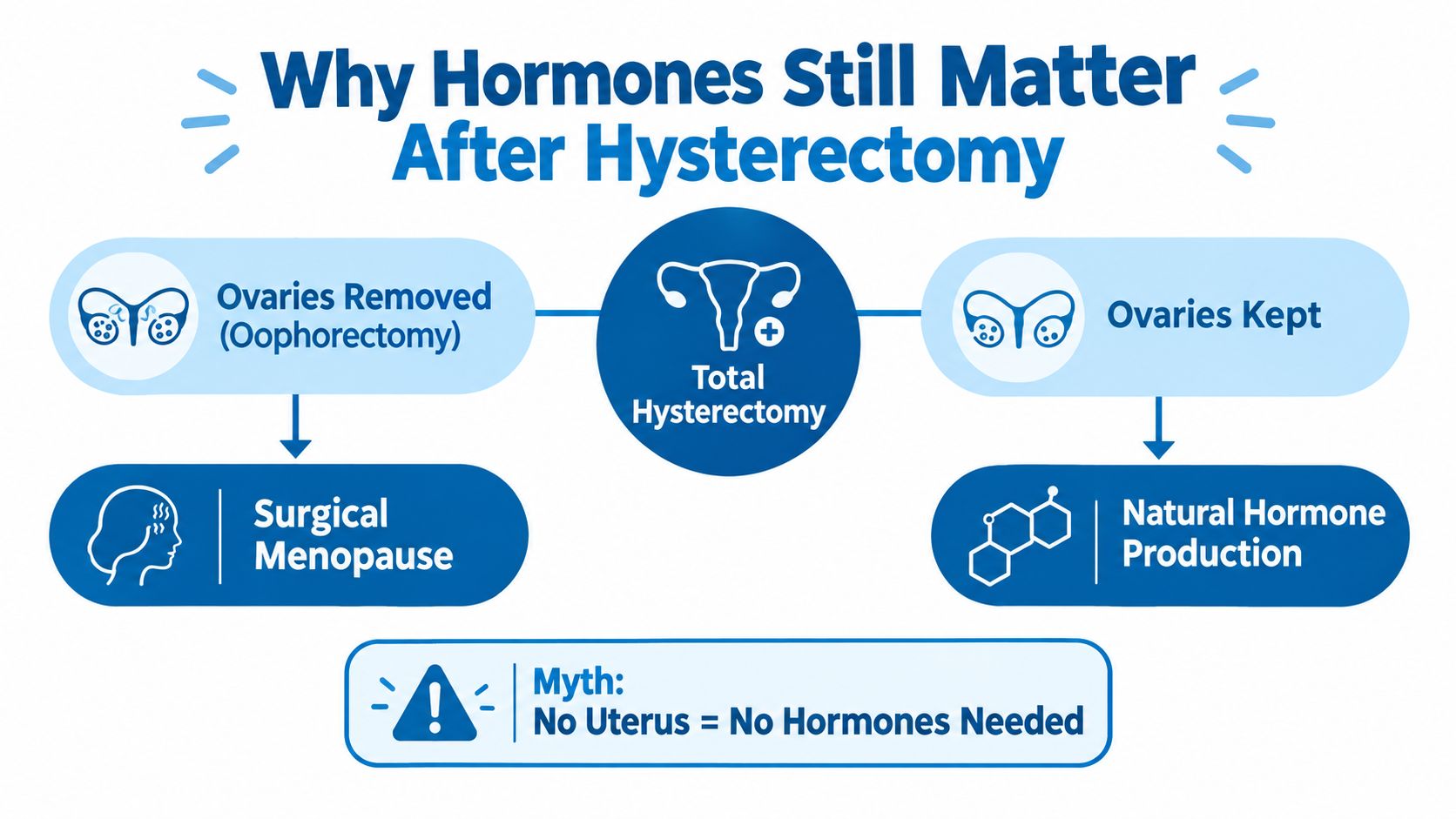
Consider two patients in Mississippi. A woman in her early fifties has frequent hot flashes, an intact uterus, and no known clotting history. She may need estrogen for symptoms, a progestogen for uterine protection, and a route that fits her daily routine. A different woman may have had a hysterectomy and experience mainly vaginal discomfort, making local treatment more relevant than systemic therapy.
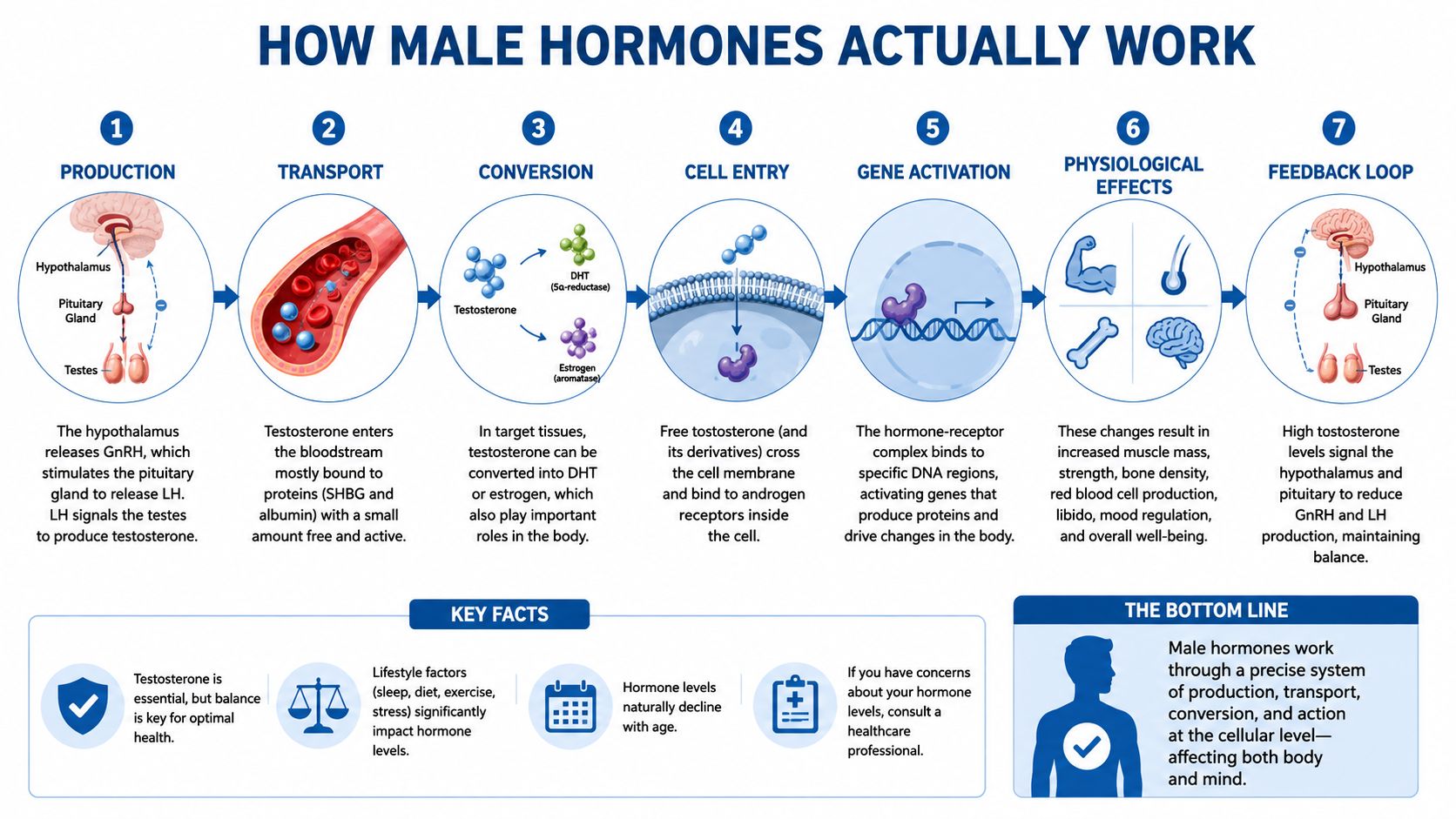
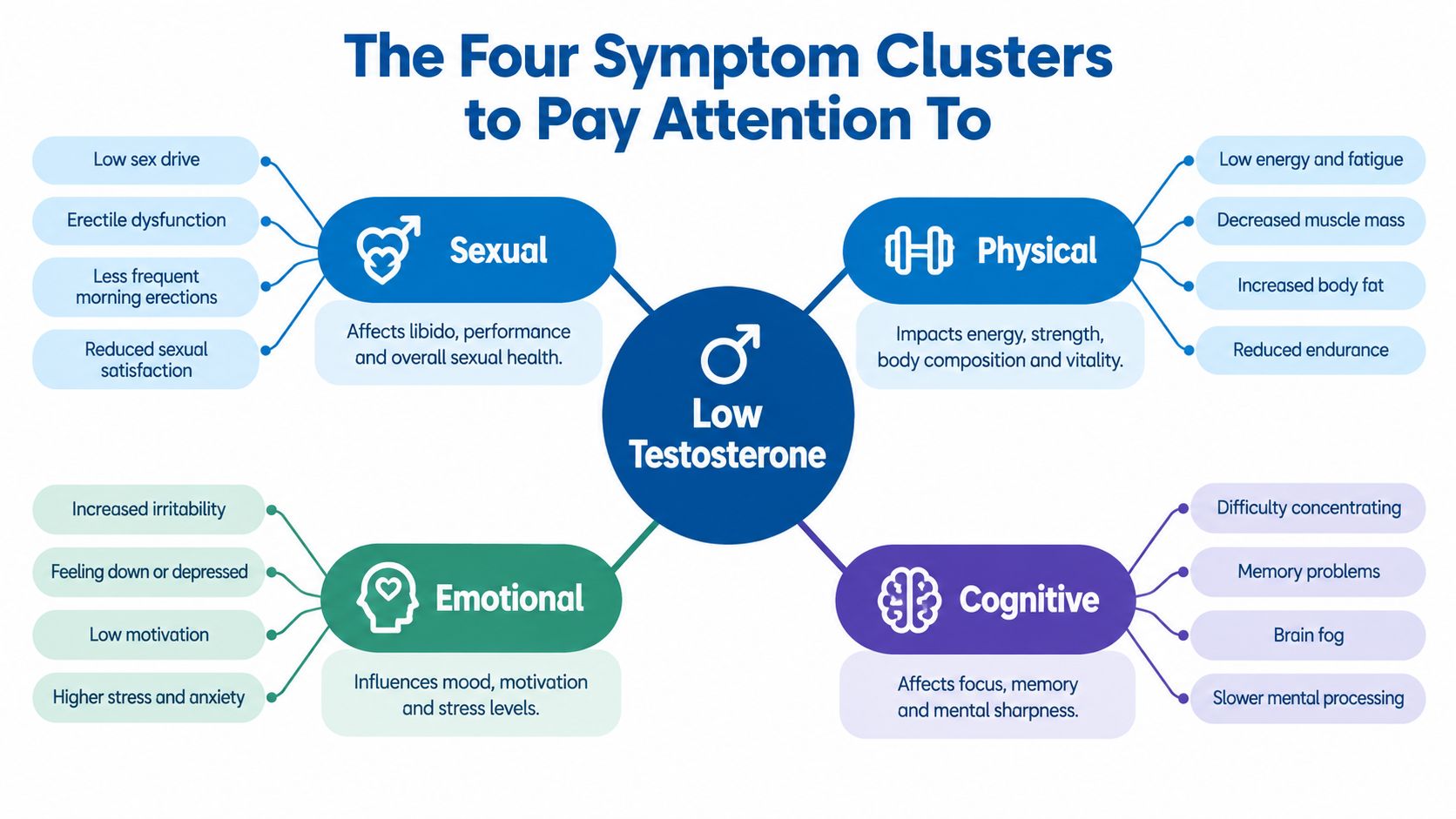
A man with low energy and reduced libido presents a different question. Testosterone therapy might be considered only after a clinician evaluates symptoms, medical history, and appropriate testing. It isn't interchangeable with estrogen therapy, and it shouldn't be treated as a general energy supplement.
These examples show why HRT isn't one product . The four decisions are:
| Decision | Why it matters |
|---|---|
| Hormone type | Estrogen, progestogen, testosterone, or a combination serve different purposes. |
| Progestogen need | An intact uterus usually changes the plan because estrogen can stimulate the uterine lining. |
| Delivery route | Patch, pill, gel, cream, and injection produce different absorption patterns and practical demands. |
| Dose and timing | Age, time since menopause, symptoms, and vascular risk influence the benefit-risk discussion. |
The term bioidentical hormones also causes confusion. Some FDA-approved products contain hormones structurally identical to those made by the body, while “bioidentical” marketing can also refer to compounded preparations with different quality and oversight considerations. The label alone doesn't tell you whether a treatment is appropriate.
Safety thinking has evolved since 2002 because clinicians now distinguish formulation, route, dose, age, timing, and baseline risk. That doesn't make HRT risk-free. It means the useful question is no longer, “Is HRT safe for everyone?” It's, “Which option, if any, has a reasonable benefit-risk profile for me?”
For patients in Oxford, Meridian, Tupelo, Flowood-Jackson, Starkville, and surrounding Mississippi communities, board-certified medical oversight can help turn a confusing list of products into a structured decision. Bring a symptom record, your medication list, surgical history, family history, and specific concerns about breast, heart, clotting, bone, or reproductive health.
What Hormone Replacement Therapy Treats and Who Benefits Most
Systemic hormone replacement therapy is designed primarily for symptoms and health effects associated with estrogen deficiency. The most established uses include vasomotor symptoms , such as hot flashes and night sweats, genitourinary syndrome of menopause , which may include vaginal dryness and urinary discomfort, and prevention of postmenopausal bone loss. Guideline summaries also identify early menopause and premature ovarian insufficiency, or POI, as situations where treatment may support bone and cardiovascular health until at least the average age of natural menopause. These indications are summarized in the menopause management review.

Start with the symptom pattern
First, identify what you're trying to treat. If hot flashes, night sweats, or sleep disruption are the main problems, systemic estrogen may be relevant. If symptoms are limited to vaginal dryness, irritation, painful sex, or urinary discomfort, a clinician may discuss local vaginal therapy rather than exposing the whole body to systemic treatment.
Bone protection can be an important consideration, particularly with early menopause or POI. HRT isn't a universal osteoporosis treatment, however, and your clinician may also consider bone density, fracture history, nutrition, activity, and other medications.
Mood changes, brain fog, fatigue, and low libido deserve careful evaluation. Hormone changes can contribute, but thyroid disease, anemia, depression, medication effects, sleep disorders, diabetes, and relationship or stress factors may produce similar symptoms. A symptom-based assessment is more useful than assuming every problem comes from a hormone imbalance.
Timing changes the discussion
The strongest benefit-risk profile for systemic MHT is generally described for women younger than 60 years or within 10 years of menopause onset , according to a 2026 evidence review from the American Academy of Family Physicians. This isn't an automatic approval. A healthy symptomatic patient still needs an individualized review of contraindications and goals.
An intact uterus is another essential checkpoint. Estrogen can stimulate the endometrium, so a progestogen must be added when the uterus is intact to help prevent endometrial hyperplasia and uterine carcinoma. Someone without a uterus may not need progestogen, although surgical history and the reason for hysterectomy still matter.
Clinical checkpoint: Before comparing brands or delivery devices, clarify the symptom being treated, whether treatment is systemic or local, whether the uterus is present, and how long it has been since menopause began.
Bioidentical vs Synthetic Hormones and Estrogen Progestogen Androgen Choices
A patient in Mississippi comparing hormone options is choosing more than a product name. The decision has four parts: hormone type, whether progestogen is needed, delivery route, and dose. Those choices should match the person's symptoms, risk profile, uterine status, and treatment goals.
The terms “natural,” “synthetic,” and “bioidentical” describe different features and are often used too broadly. Bioidentical usually means the hormone has the same molecular structure as one produced by the human body. It does not automatically mean compounded, safer, stronger, or more effective.
Estradiol is a bioidentical estrogen used in many approved products. Conjugated equine estrogens are a different preparation. Both may improve symptoms, but formulation, route, dose, quality control, and evidence affect how appropriate each option is. A useful comparison is bioidentical hormones versus synthetic hormones.

Estrogen
Estradiol is commonly chosen for menopausal symptoms because it matches the main estrogen made by premenopausal ovaries. It may be prescribed as a patch, gel, cream, or tablet. Local vaginal estrogen follows a different treatment plan when symptoms are limited to genitourinary tissues.
Conjugated equine estrogen is also an established formulation. A clinical review reported differences in thrombogenic potential between formulations, making the estrogen choice relevant to vascular-risk assessment. The evidence is discussed in the clinical review of estrogen formulation and vascular risk.
Progestogen
For a patient with an intact uterus, progestogen protects the uterine lining when systemic estrogen is prescribed. Micronized progesterone has the same molecular structure as human progesterone, while synthetic progestins have modified structures. These options may differ in bleeding patterns, sedation, mood effects, and tolerability.
A compounded prescription can be customized, but customization alone does not establish better quality or safety. Ask whether an approved product can meet the goal and how dosing and follow-up will be monitored.
Androgen
Testosterone occurs in women and men, but treatment requires a specific indication. In women, clinicians may consider it for persistent low sexual desire after other contributors have been assessed. In men, evaluation includes symptoms, appropriate repeat testing when indicated, prostate and cardiovascular considerations, fertility goals, and follow-up.
Supplements may support a broader wellness plan, but they should not replace diagnosis or medication review. Information about natural perimenopause support can be a starting point for discussion, including possible interactions with prescribed treatment.
Delivery Methods Compared Patch Pill Cream Gel and Injection
The delivery route determines how a hormone is absorbed and how much the liver is involved. A pill travels through the digestive system and undergoes first-pass hepatic metabolism. A patch or gel enters through the skin and avoids that first-pass pathway, which can matter for patients with increased thrombotic risk.
A large population-based study found that oral MHT carried an almost twofold risk of venous thromboembolism compared with transdermal MHT within 60 days, with an odds ratio of 1.92 , while transdermal therapy didn't increase risk compared with no exposure. The study is available through PubMed's analysis of oral and transdermal MHT.

Match the route to daily life
| Route | Practical strengths | Important considerations |
|---|---|---|
| Patch | Provides steady transdermal absorption and avoids first-pass metabolism. | Adhesion, skin sensitivity, and application schedule can affect adherence. |
| Pill | Simple, familiar, and easy to carry. | Oral estrogen has a stronger clotting signal than transdermal therapy. |
| Cream | Useful for flexible application and, in some cases, local symptoms. | Absorption can vary, and transfer precautions may apply to topical products. |
| Gel | Daily transdermal delivery without a patch adhesive. | It must dry properly, and skin-to-skin transfer needs attention. |
| Injection | Can reduce the need for daily administration. | Hormone levels may fluctuate, and administration requires careful dosing and follow-up. |
A patient who forgets daily medication may prefer a patch. Someone who dislikes adhesives might choose a gel. A person with symptoms limited to vaginal tissues may need a local cream instead of systemic therapy. These are practical examples, not prescriptions.
Pellet therapy is another option some clinics discuss, but it requires careful consideration of dose control, reversibility, monitoring, and the specific product used. Patients considering this route can review hormone pellet therapy for women as part of a clinician-led conversation.
The route also affects adherence. A theoretically effective product won't help if you can't use it consistently or safely. Tell your provider about work routines, skin conditions, travel, bathing habits, medication preferences, and whether another person or child could contact a topical product.
This video offers an additional visual introduction to delivery approaches:
Side Effects Dosing and Safety Differences That Matter
Safety becomes easier to assess when dose , formulation, and delivery route are considered separately. Oral estrogen has a higher VTE signal than non-users, and oral menopausal hormone therapy has shown nearly twice the thrombotic risk of transdermal treatment in one large study. Oral conjugated equine estrogen also appears more thrombogenic than estradiol in guideline summaries. These differences do not make one option universally right or wrong. They help clinicians match treatment to a patient's risk profile.
For someone who needs systemic therapy and has increased baseline clot risk, transdermal estradiol may be a reasonable route to discuss. A low-dose patch around 50 micrograms per day has not shown increased stroke risk above background in the cited guidance, while doses above that threshold have been associated with higher risk. Dose changes should follow symptoms, response, and clinical factors, rather than a goal of producing a stronger effect.
| Formulation and route | VTE and vascular signal | Clinical implication |
|---|---|---|
| Oral estrogen | Higher thrombotic signal than non-users, with oral MHT nearly twice the transdermal risk in one large study. | Review clot history, obesity, smoking, migraine, age, and other vascular factors carefully. |
| Oral conjugated equine estrogen | Appears more thrombogenic than estradiol in guideline summaries. | Formulation choice matters even among oral products. |
| Low-dose transdermal estradiol | Around 50 micrograms per day has not shown increased stroke risk above background in the cited guidance. | May be considered when reducing vascular risk is a priority. |
| Higher-dose transdermal estradiol | Doses above that threshold have been associated with higher stroke risk. | Use the lowest effective dose and reassess instead of escalating automatically. |
Cognition needs honest counseling
Patients often ask whether HRT prevents dementia or preserves long-term cognition. The 2025 European Society of Endocrinology guideline reports no consistent data supporting MHT for dementia prevention . Some forms may increase dementia risk when started after age 65, as described in the European Society of Endocrinology menopause guideline.
HRT may still improve sleep or concentration indirectly when hot flashes and night sweats lessen. That improvement is different from evidence that treatment prevents dementia. If hormone therapy is unsuitable, a clinician can review non-hormonal options. The same guideline describes fezolinetant as reducing vasomotor symptoms by about 50% to 65% in suitable patients.
The four decisions are related but separate: hormone type, whether a progestogen is needed, delivery route, and dose. Uterine status, symptoms, age, timing, and vascular risk can change each choice.
Dose matters as much as the label: “Estrogen therapy” does not describe one uniform exposure. Route, formulation, dose, uterine status, and timing all shape the decision.
For a balanced review of possible benefits and harms, see this guide to hormone therapy risks and benefits.
Choosing the Right Option by Age Timing and Health Profile
A practical decision starts with conditional questions rather than product shopping.
If you're younger than 60 or within 10 years of menopause onset , and symptoms are affecting quality of life, a clinician may find that systemic therapy has a more favorable benefit-risk profile. That still requires screening for contraindications and a discussion of treatment goals.
If you have an increased VTE risk , transdermal estradiol is generally preferred over oral estrogen in guideline summaries because it avoids first-pass hepatic metabolism and has a lower thrombotic signal. Your provider should still review personal clot history, smoking, weight, blood pressure, migraine, immobility, and relevant family history.
If your uterus is intact , systemic estrogen generally needs a progestogen to protect the endometrium. If you've had a hysterectomy , estrogen alone may be considered, depending on the surgical details and clinical context.
Endometriosis changes the conversation. Recent guideline summaries recommend continuous combined therapy for women with a history of endometriosis who use systemic HRT, because unopposed estrogen may be inappropriate in that setting. This is a specialist decision, particularly if pain, residual disease, or prior surgery is involved.
If you have POI or early menopause , treatment may be continued until at least the average age of natural menopause to support bone and cardiovascular health, unless a medical reason prevents it. The plan should include appropriate follow-up rather than stopping only because symptoms change.
If you're considering starting after age 60 , initiation is generally discouraged unless there is a compelling, clinically justified reason. Late initiation can carry a different vascular and cognitive risk profile than treatment started closer to menopause.
Use this checklist before an appointment:
- Timing: Record your age and when menstrual changes or menopause began.
- Uterus: Note hysterectomy, oophorectomy, endometriosis, or abnormal bleeding history.
- Vascular risk: Include prior clots, stroke, migraine, smoking, high blood pressure, and immobility.
- Treatment goal: Separate hot flashes, vaginal symptoms, sleep, libido, bone protection, and mood.
- Medication review: Bring prescriptions, supplements, thyroid medication, diabetes medication, and prior HRT details.
The guide to the best age to start HRT can help you organize timing questions before a consultation.
Next Steps With Personalized Care at Pause Medical in Mississippi
A safe consultation should feel like a clinical assessment, not a product selection exercise. Start by describing the symptoms that interfere with your sleep, work, relationships, exercise, or daily comfort. Then share your reproductive history, surgeries, clotting history, blood pressure concerns, breast and heart history, current medications, and goals.
A provider may discuss whether systemic or local treatment makes sense, whether estrogen needs to be paired with a progestogen, and whether a patch, pill, gel, cream, injection, or another option fits your risk profile and routine. If you're asking about testosterone therapy, the evaluation should also address the specific symptom, fertility goals, appropriate testing, and monitoring.
Pause Medical provides hormone replacement therapy, medical weight loss, disease management, and medication management with clinician-guided treatment plans. Its Mississippi process includes scheduling, an in-person provider evaluation, personalized treatment planning, and follow-up support. Patients seeking nearby care can review hormone replacement therapy near me.
Follow-up is part of treatment, not an optional extra. The British Menopause Society guide recommends that women established on HRT receive review at least annually , and current guidance says there is no universally fixed duration or requirement for routine discontinuation at age 60 or 65. Continued treatment should be reassessed according to symptoms, benefits, risks, and changing health circumstances, as outlined in the British Menopause Society HRT guide.
This article is educational and doesn't diagnose conditions or replace medical care. Don't start, stop, combine, or adjust hormones, GLP-1 medications, supplements, or other prescriptions without discussing the decision with a qualified healthcare professional.
Pause Medical offers clinician-guided hormone replacement therapy, bioidentical hormone options, testosterone evaluation, medication management, and medically supervised weight loss for Mississippi adults. Visit Pause Medical to schedule a consultation and discuss the hormone type, progestogen need, delivery route, and dose that fit your health profile.