Testosterone Therapy Risks: A Patient Safety Guide
The largest modern cardiovascular safety trial found 7.0% of men receiving testosterone and 7.3% receiving placebo experienced the primary cardiovascular endpoint over a mean follow-up of 33.0 months , with a hazard ratio of 0.96. That result is reassuring about major heart attacks and strokes, but it doesn't make testosterone therapy risk-free. The safety decisions that matter in daily practice often involve hematocrit, sleep apnea, blood pressure, fertility, pulmonary embolism, and atrial fibrillation.
Testosterone therapy can help appropriately selected men with confirmed hypogonadism. It can also create avoidable harm when prescribed for vague symptoms, used at excessive doses, or continued without laboratory and clinical surveillance. For Mississippi patients considering treatment, the practical question isn't just whether testosterone is “safe” or “unsafe.” It's whether the diagnosis is sound, the delivery method and dose fit the patient, and the monitoring plan can detect problems early.
The Real Safety Picture of Testosterone Therapy
The headline cardiovascular question has dominated testosterone discussions since the U.S. Food and Drug Administration's regulatory warnings in 2014 and 2015 . In January 2014, the FDA issued a safety communication about reported stroke, heart attack, and death risks. In March 2015, it required labeling changes and warned that testosterone products might increase heart attack and stroke risk in men treated for low testosterone attributed to aging. The regulatory history is documented in this FDA testosterone warning overview.
TRAVERSE changed the center of that conversation. In men with hypogonadism and existing or high cardiovascular risk, the primary endpoint occurred in 7.0% of the testosterone group versus 7.3% of the placebo group over a mean 33.0-month follow-up , supporting noninferiority for major adverse cardiovascular events, as reported in the TRAVERSE trial publication.

That finding answers one narrow question. It doesn't settle every testosterone therapy risk. Older evidence included a 2013 analysis with an odds ratio of 1.54 and a 2014 meta-analysis reporting adjusted hazard ratios of 1.41 for cardiovascular events and 1.51 for all-cause mortality , so patients and clinicians still need to interpret the full evidence rather than rely on one headline.
The risks that change clinical decisions
The most reproducible technical concern is erythrocytosis , an abnormal rise in red blood cells that can increase blood viscosity. Other important concerns include worsening obstructive sleep apnea, high blood pressure, fertility suppression, venous thromboembolism, and rhythm signals such as atrial fibrillation.
Practical rule: A reassuring major-event result doesn't replace a complete safety plan. It makes precise monitoring more important, not less.
Treatment-related harm often depends on dose, formulation, baseline health, and whether follow-up catches a problem before it becomes serious. Patients can review the broader hormone therapy risks and benefits, but individualized decisions still require a clinician who can interpret symptoms, examination findings, laboratory results, and personal risk together.
What Testosterone Therapy Actually Is and Who It Is For
Testosterone therapy is prescription treatment with exogenous testosterone , meaning testosterone supplied from outside the body. Common delivery methods include intramuscular injections, transdermal gels, patches, and subcutaneous pellets. Each method produces a different exposure pattern, and that pattern affects convenience, symptom control, and risks such as hematocrit elevation.
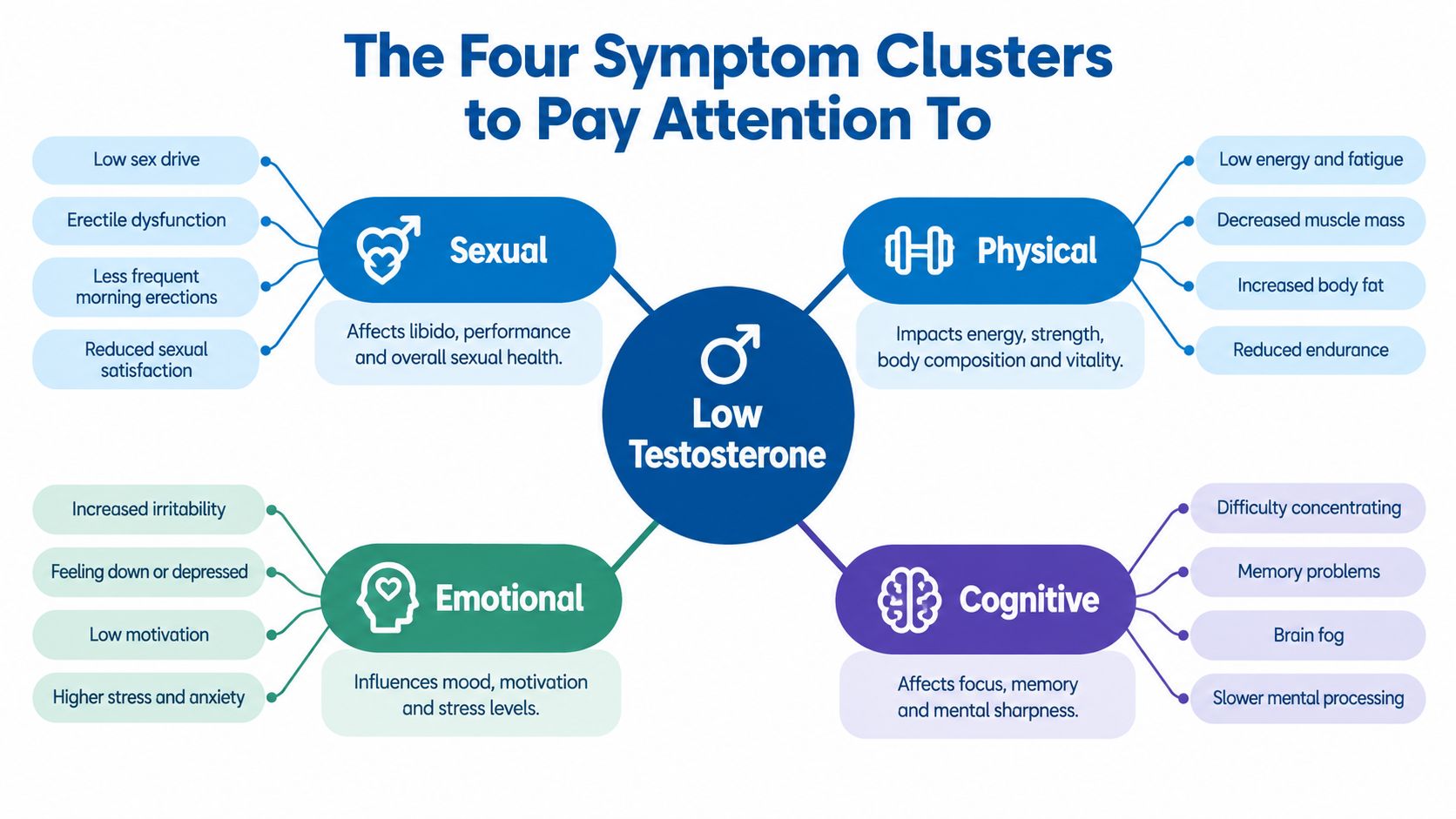
A sound diagnosis usually requires consistently low serum testosterone confirmed by two morning lab draws below 300 ng/dL , together with compatible symptoms such as fatigue, reduced libido, or loss of muscle mass. A single low result isn't enough. Testosterone varies with sleep, illness, nutrition, medication use, and the timing of the blood draw.
Diagnosis changes the risk-benefit calculation
The clearest indication is documented hypogonadism, where the body isn't producing adequate testosterone and symptoms fit the laboratory findings. This differs from using testosterone as a general anti-aging product for normal or borderline levels, where expected benefits are less certain and safety is less well characterized.
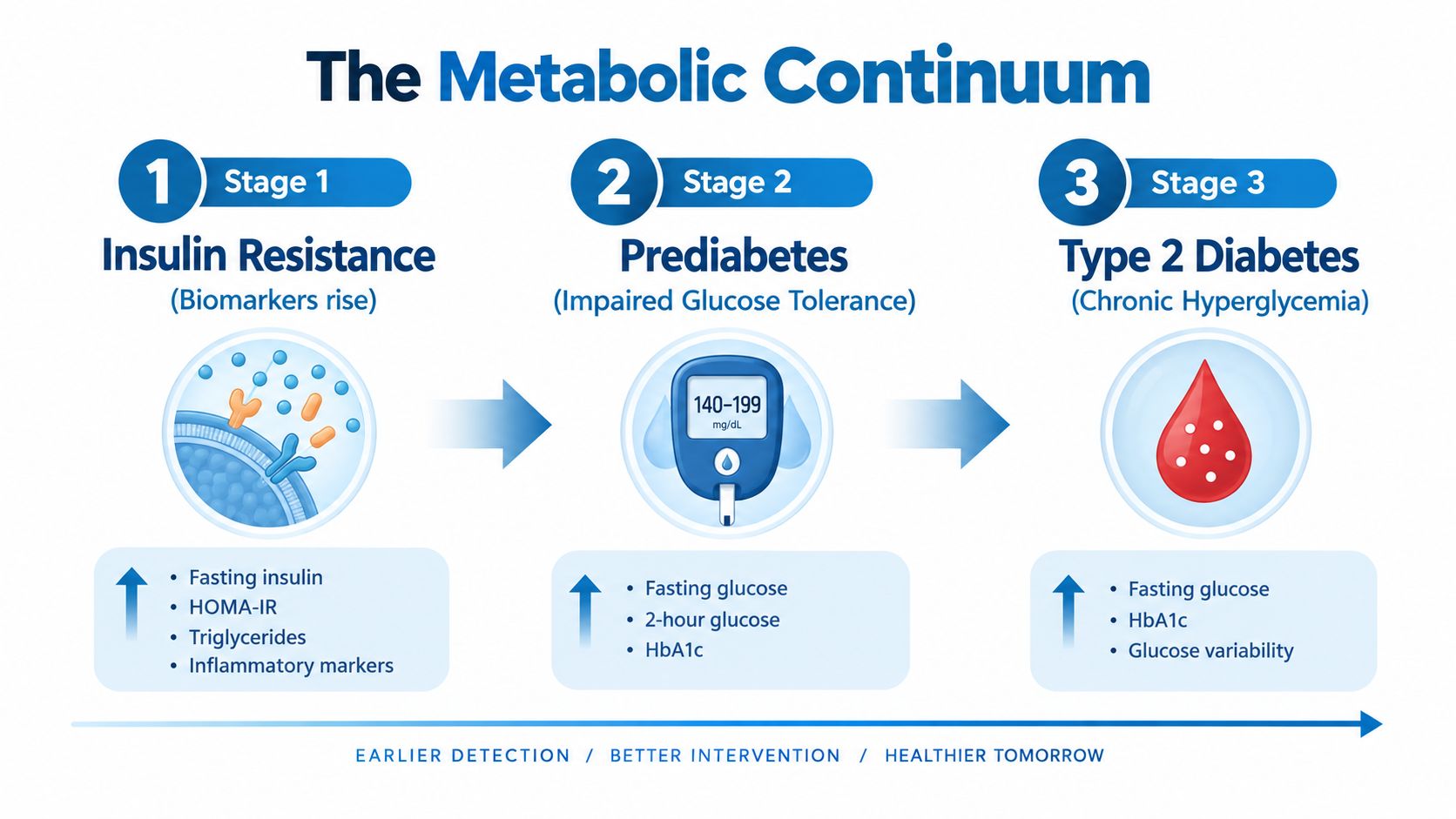
The distinction is similar to the difference between insulin for type 1 diabetes and metformin for prediabetes . Insulin replaces a hormone the body can't produce adequately. Metformin may address metabolic risk, but it isn't replacing a missing hormone. Testosterone can be appropriate replacement therapy for a man with genuine deficiency, but it shouldn't be treated as a universal solution for ordinary aging, poor sleep, excess weight, stress, or depression.
The complete patient guide to testosterone therapy for men can help patients understand the treatment process. The next step should be a diagnostic evaluation, not an automatic prescription.
Cardiovascular Events and What the Largest Trials Show
The cardiovascular record is mixed because the studies asked different questions and produced different signals. Earlier observational and meta-analytic evidence raised concern, including a 2013 analysis with an odds ratio of 1.54 and a 2014 meta-analysis with adjusted hazard ratios of 1.41 for cardiovascular events and 1.51 for all-cause mortality . Those findings helped drive the regulatory focus in the United States.
TRAVERSE provided the most influential modern randomized evidence. It enrolled 5,200 men with hypogonadism and existing or high cardiovascular risk and followed them for a mean of 33.0 months . The primary result was noninferior, meaning testosterone didn't produce a higher rate of the trial's major cardiovascular endpoint than placebo within the study's design and follow-up period.
| Endpoint | Testosterone Group | Placebo Group | Difference |
|---|---|---|---|
| Primary cardiovascular endpoint | 7.0% | 7.3% | Testosterone 0.3 percentage points lower |
| Atrial fibrillation | 3.5% | 2.4% | Testosterone 1.1 percentage points higher |
| Acute kidney injury | 2.3% | 1.5% | Testosterone 0.8 percentage points higher |
| Pulmonary embolism | 0.9% | 0.5% | Testosterone 0.4 percentage points higher |
The TRAVERSE adverse-event figures are summarized by the Cleveland Clinic's review of the trial. The atrial fibrillation difference was described in the plan as a 0.75 percentage-point absolute increase , while the pulmonary embolism difference was approximately 0.30 percentage points . Differences can appear slightly different depending on the analysis population and rounding, so patients shouldn't treat the table as proof that every individual faces the same risk.
What remains unsettled
The best-supported conclusion is narrow: appropriately indicated testosterone therapy didn't increase the primary major adverse cardiovascular endpoint in TRAVERSE. The unresolved question concerns specific events , particularly atrial fibrillation and pulmonary embolism, and which patients are more vulnerable.
The FDA stated in February 2025 that ambulatory blood pressure monitoring studies confirmed a class-wide blood pressure increase with all testosterone products. Blood pressure monitoring is therefore part of responsible prescribing, not an optional wellness add-on. Patients can also review this guide to testosterone and heart problems before discussing their personal cardiovascular history with a prescriber.
A 2024 meta-analysis of 30 randomized controlled trials found no significant difference in cardiovascular events, stroke, myocardial infarction, or mortality between testosterone replacement therapy and placebo, while a separate 2026 meta-analysis reported increased cardiac arrhythmias in men aged 40 and above receiving TRT, as indexed in this 2024 cardiovascular meta-analysis. The practical interpretation is cautious reassurance, not a blank safety certificate.
Blood Pressure, Hematocrit, and Sleep Apnea Risks
The three physical risks I want patients to understand early are erythrocytosis, blood pressure increase, and obstructive sleep apnea . They can interact. A rising hematocrit may increase blood viscosity, untreated sleep apnea can worsen oxygen stress and stimulate red blood cell production, and high blood pressure adds cardiovascular strain.
Erythrocytosis refers to an excessive increase in red blood cell concentration, often identified through hematocrit. Evidence shows testosterone significantly raises hematocrit compared with placebo and increases the frequency of values above 52% or 54% . Major clinical guidelines use hematocrit above 54% as an intervention threshold. At that point, the prescriber should reduce the dose, change the formulation, or temporarily stop treatment, with repeat testing.
Real-world data reinforce why this matters. Men who developed polycythemia while taking testosterone had a first-year rate of major adverse cardiovascular events and venous thromboembolism of 5.15% versus 3.87% among men who maintained normal hematocrit, with an odds ratio of 1.35 and a 95% confidence interval of 1.13 to 1.61 , according to this review of testosterone-related erythrocytosis.

Symptoms deserve a response
The FDA's February 2025 labeling update established higher blood pressure as a class-wide labeled risk. A patient may not feel a modest rise, so home readings and measurements at visits matter. New morning headaches, loud snoring, a ruddy complexion, unusual daytime sleepiness, or repeatedly high readings should prompt contact with the prescribing clinician.
Randomized placebo-controlled evidence in older men found that high-dose testosterone shortened sleep, worsened sleep apnea, and increased sleep-related hypoxemia. Testosterone can affect ventilatory control and upper-airway stability, so a patient with untreated or borderline obstructive sleep apnea may deteriorate after treatment, particularly when exposure exceeds physiologic replacement.
The relationship between sleep apnea and cardiovascular strain is explained further in this resource on sleep apnea risk for heart disease. Report witnessed apneas, resistant hypertension, morning headaches, and new daytime somnolence rather than waiting for the next routine appointment.
Fertility and Reproductive Effects Most Articles Miss
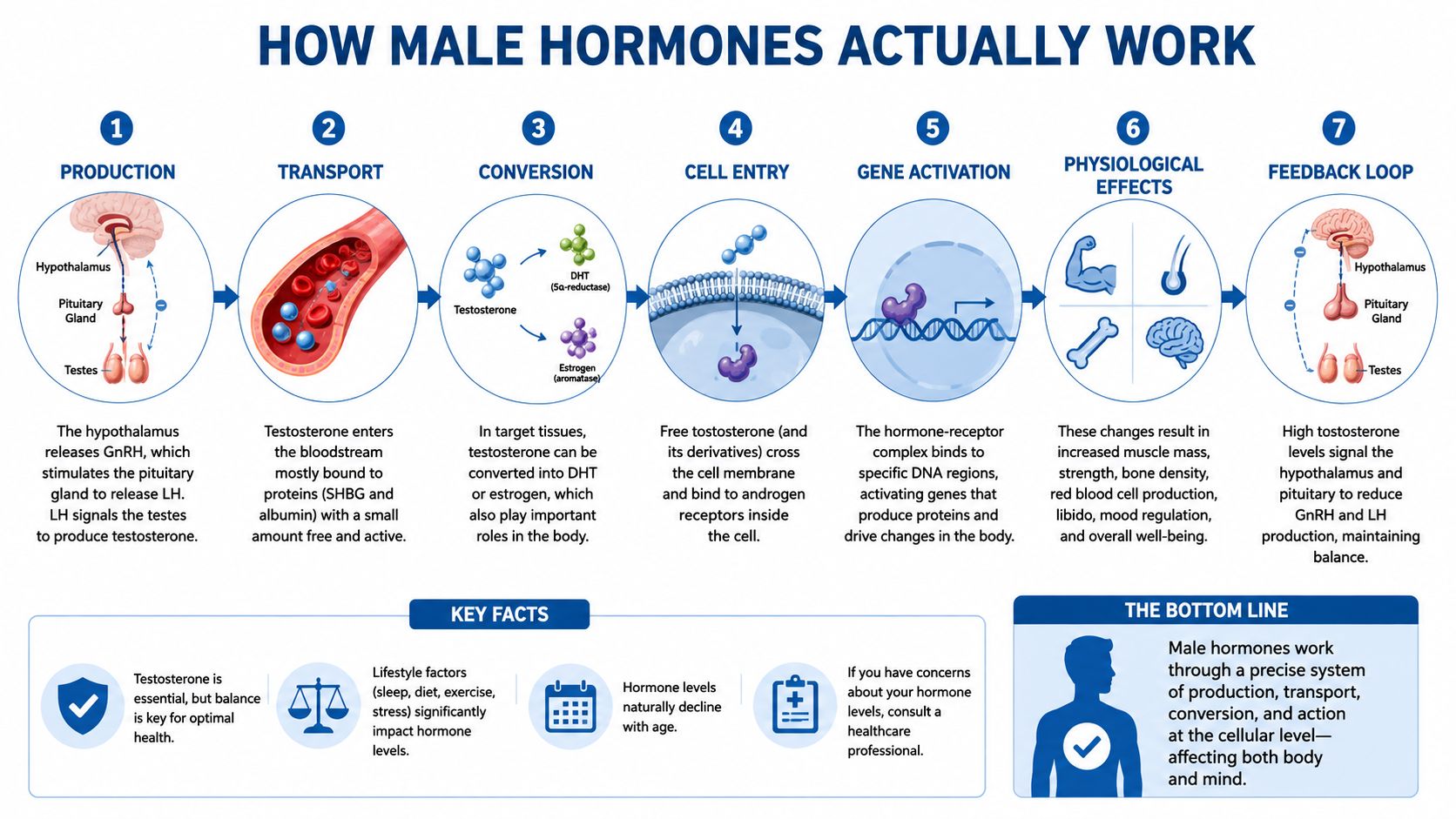
Fertility is often treated as a footnote, but it should be discussed before the first injection. Exogenous testosterone suppresses the hypothalamic-pituitary-gonadal axis, reducing the signals that stimulate the testes. Intratesticular testosterone falls, sperm production can decline, and testicular volume may decrease.
The effect can be particularly important for men who view TRT as a reversible wellness treatment. Higher dose, longer duration, and greater exposure increase concern, and some reproductive consequences may not fully reverse after treatment stops. Neutral medical information on this issue is available in the National Library of Medicine review of testosterone and male fertility.
| Parameter | Effect on TRT | Recovery After Stopping |
|---|---|---|
| Sperm production | Often suppressed, sometimes profoundly | May recover, but recovery isn't guaranteed |
| Intratesticular testosterone | Reduced by external testosterone | Requires restoration of normal hormonal signaling |
| Testicular volume | May shrink during suppression | May improve, with the extent varying by patient |
| Family planning | Conception may become more difficult | Timing and completeness of recovery are individual |
Fertility planning changes the treatment choice
A man who has completed family planning may accept reproductive suppression after informed counseling. A man under 40 who still hopes to have children should discuss alternatives or fertility-preserving strategies before starting TRT. Depending on the clinical situation, a specialist may consider approaches such as human chorionic gonadotropin, or hCG, rather than treating external testosterone as the only option.
Testosterone can also complicate a fertility workup because it suppresses the very hormones and sperm production clinicians need to assess. The right question isn't merely whether fertility might return. It's whether delaying treatment, preserving sperm, or selecting a different hormonal strategy better fits the patient's family-planning timeline.
Fertility counseling belongs before treatment begins, not after a semen analysis unexpectedly comes back abnormal.
Who Should Approach Testosterone Therapy With Caution
Testosterone isn't automatically inappropriate for every man with cardiovascular disease, but certain conditions require stabilization, specialist input, or a different treatment plan. The clinician should identify those conditions before prescribing rather than discovering them after symptoms worsen.

Situations that call for extra caution
- Recent or unstable cardiovascular disease: A prior myocardial infarction, stroke, or unstable heart failure changes the risk discussion, particularly when other thrombotic risks are present.
- High baseline hematocrit: Men with a baseline hematocrit above the normal range or polycythemia vera may not tolerate standard dosing safely. The source of the elevation should be evaluated first.
- Untreated sleep apnea: Severe or untreated obstructive sleep apnea should be addressed before initiation because testosterone may worsen nocturnal breathing and oxygenation.
- Active fertility goals: Men who still want children, especially those under 40, should consider deferring TRT or discussing fertility-preserving protocols.
- Hormone-sensitive cancer: Active prostate or breast cancer is a contraindication. Elevated PSA or active prostatic disease warrants urology consultation before treatment.
- Unstable mood or sleep disorders: Severe untreated depression or uncontrolled sleep problems should be stabilized because symptoms can overlap with low testosterone and may change after treatment.
The decision isn't based on age alone. It depends on the diagnosis, disease stability, treatment objective, baseline laboratory findings, fertility intentions, and whether the patient can participate in structured follow-up.
A Practical Monitoring Protocol for Safe Treatment
A safety-first protocol begins before the prescription. The clinician should confirm symptoms and obtain two morning total testosterone measurements , then investigate why levels are low rather than assuming aging is the explanation.
Baseline checkpoints
A reasonable baseline evaluation may include:
- Hormonal confirmation: Two morning total testosterone tests, with additional interpretation using LH, FSH, and estradiol when clinically appropriate.
- Blood safety: Complete blood count with hematocrit, because treatment-related erythrocytosis is one of the most actionable testosterone therapy risks.
- Prostate assessment: PSA and a prostate history, followed by urology input when findings are concerning.
- Metabolic context: Metabolic panel and lipid panel, interpreted alongside blood pressure and overall cardiovascular risk.
- Sleep screening: Questions about snoring, witnessed apneas, daytime sleepiness, morning headaches, and resistant hypertension. A STOP-BANG questionnaire can help identify patients who need formal assessment.
- Long-term planning: Bone density testing when prolonged therapy is planned and the clinical context supports it.
| Timepoint | Labs | Vitals and Screening | Action Triggers |
|---|---|---|---|
| Before treatment | Testosterone confirmation, CBC, PSA, selected hormone and metabolic tests | Blood pressure, cardiovascular review, sleep apnea questions, fertility discussion | Unconfirmed diagnosis, high hematocrit, concerning PSA, uncontrolled disease |
| 6 weeks | Testosterone and hematocrit | Blood pressure, adverse-effect review, sleep symptoms | Excess exposure, rising hematocrit, worsening apnea or pressure |
| 3 months | Testosterone and hematocrit | Blood pressure, symptom and safety review | Adjust dose or formulation when targets or safety markers are not acceptable |
| First year, quarterly | Continued surveillance based on clinical need | Blood pressure, sleep, mood, urinary and reproductive concerns | Pause, reduce, change, or investigate treatment when risks emerge |
| Long-term follow-up | Ongoing selected labs and prostate monitoring | Periodic cardiovascular and sleep assessment | Reassess whether benefits continue to justify treatment |
The actionable hematocrit threshold is above 54% . Management may involve dose reduction, changing delivery method, temporarily stopping therapy, or therapeutic phlebotomy when clinically appropriate. Risk rises most during the first 3 to 6 months , so early follow-up shouldn't be postponed.
Patients should keep a home blood pressure log and bring the actual readings to visits. A plain-language guide to reading lab results in 2026 may help, but online interpretation can't replace clinical judgment about trends, symptoms, and treatment dose.
The guide to reading hormone blood test results can help patients prepare questions. Monitoring works only when someone reviews the results and acts on them.
Making an Informed Decision About Starting Therapy
A responsible decision can be organized around four questions.
First, is the diagnosis secure? Symptoms such as low energy, reduced libido, mood changes, poor sleep, obesity, medication effects, thyroid disease, and depression can overlap. Testosterone should be consistently low on two morning tests, and the symptoms should fit the laboratory picture.
Second, what personal risks change the equation? Review cardiovascular history, blood pressure, hematocrit, sleep apnea symptoms, prostate findings, clotting history, and reproductive goals. TRAVERSE offers reassurance about the primary major cardiovascular endpoint in appropriately selected men, but its atrial fibrillation and pulmonary embolism signals still support individualized monitoring.
Third, will the treatment be supervised? A prescription without a follow-up plan is incomplete care. Ask who will check testosterone and hematocrit, how blood pressure will be tracked, what happens if hematocrit rises above 54%, and when the dose or delivery method will be reconsidered.
Fourth, does the goal justify external testosterone? Treatment for diagnosed hypogonadism differs from using TRT to pursue general energy, muscle gain, or age-related optimization. Lifestyle measures, sleep treatment, weight management, medication review, and management of thyroid or metabolic disease may address the actual cause of symptoms in some patients.
For adults in Mississippi, an in-person evaluation with Pause Medical can provide a structured setting to review symptoms, labs, fertility intentions, cardiovascular concerns, and follow-up needs. Testosterone therapy risks are managed through accurate diagnosis, conservative dosing, and transparent surveillance. Indefinite hesitation isn't the only safe choice, and unsupervised treatment isn't a reasonable shortcut.
Pause Medical provides in-person hormone replacement therapy evaluations, individualized treatment planning, and ongoing monitoring for Mississippi patients considering testosterone therapy. Visit Pause Medical to schedule a consultation and discuss whether testing, treatment, or another approach best fits your symptoms and health goals.