Weight Loss Program for Women Over 60: A Safe Medical Guide
A woman in her sixties may recognize the pattern immediately. Her meals haven't changed dramatically, yet clothes fit differently, energy feels less reliable, and the scale no longer responds to the same walks or dietary adjustments that worked years ago. She may be eating less while becoming weaker, especially if menopause symptoms, thyroid disease, diabetes, or medication effects are also part of the picture.
A safe weight loss program for women over 60 shouldn't treat body weight as the only outcome. The more useful question is whether a plan helps reduce excess fat while preserving muscle, bone health, balance, and independence. In Mississippi, women considering medical weight loss should receive individualized guidance that accounts for current medications, chronic conditions, mobility, and menopause-related changes.
Why Generic Diet Plans Fail After Menopause
The old advice to just “eat less and move more” leaves out the most important part of the equation. After menopause, changes in hormones, body composition, appetite, and insulin sensitivity can make a familiar diet produce a very different result. A large calorie reduction may lower scale weight, but it can also reduce lean tissue when protein intake and resistance exercise aren't properly managed.
Obesity remains common among older women. U.S. data found obesity in 43.3% of women aged 60 and over , compared with 43.3% of women aged 40 to 59 and 39.7% of women aged 20 to 39 during 2013 to 2014, according to this review of obesity in older adults. The same source reports that obesity among U.S. women aged 65 and older rose from 24% to 42% between 1988 to 1994 and 2015 to 2018.
What changes after menopause
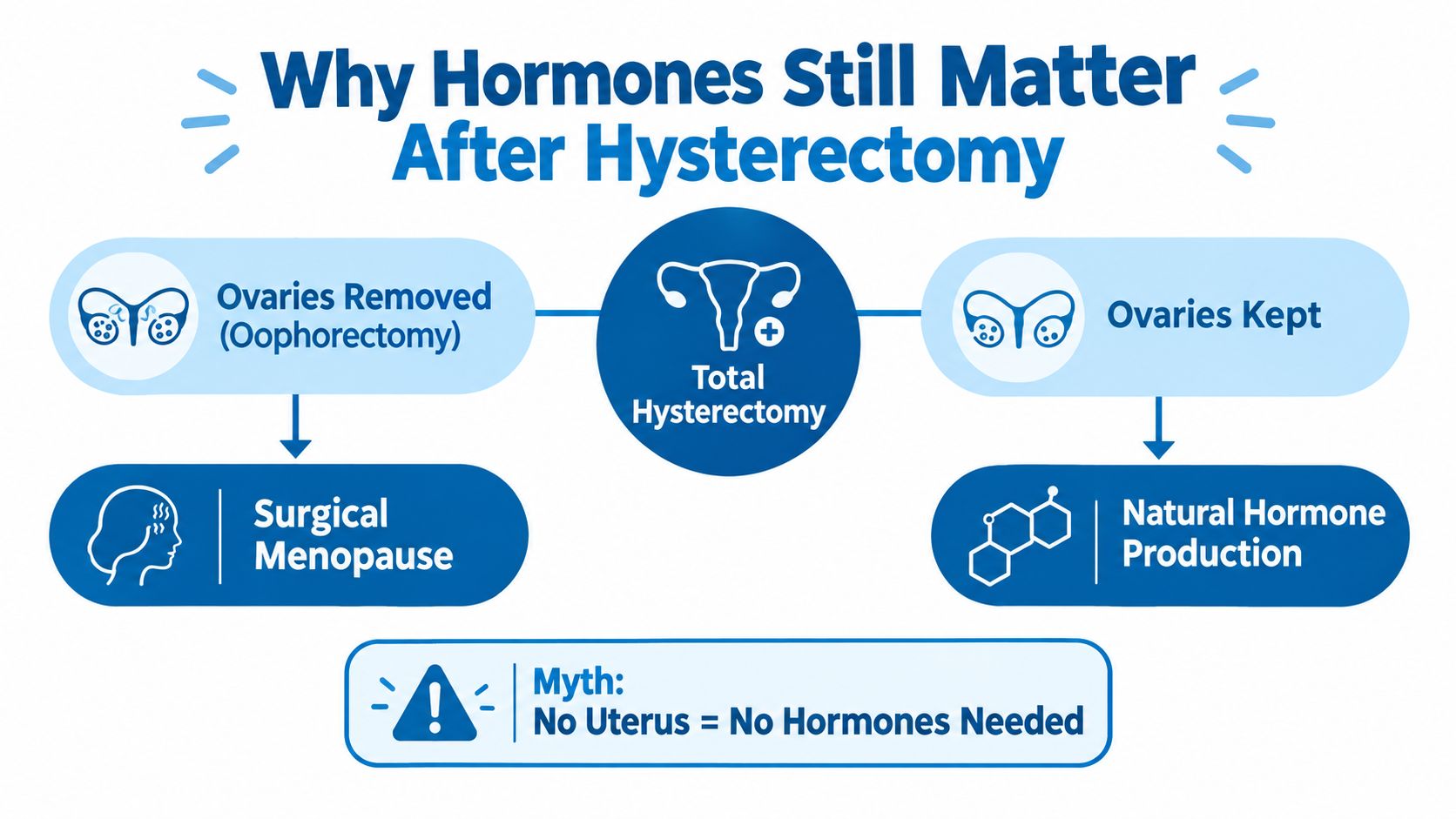
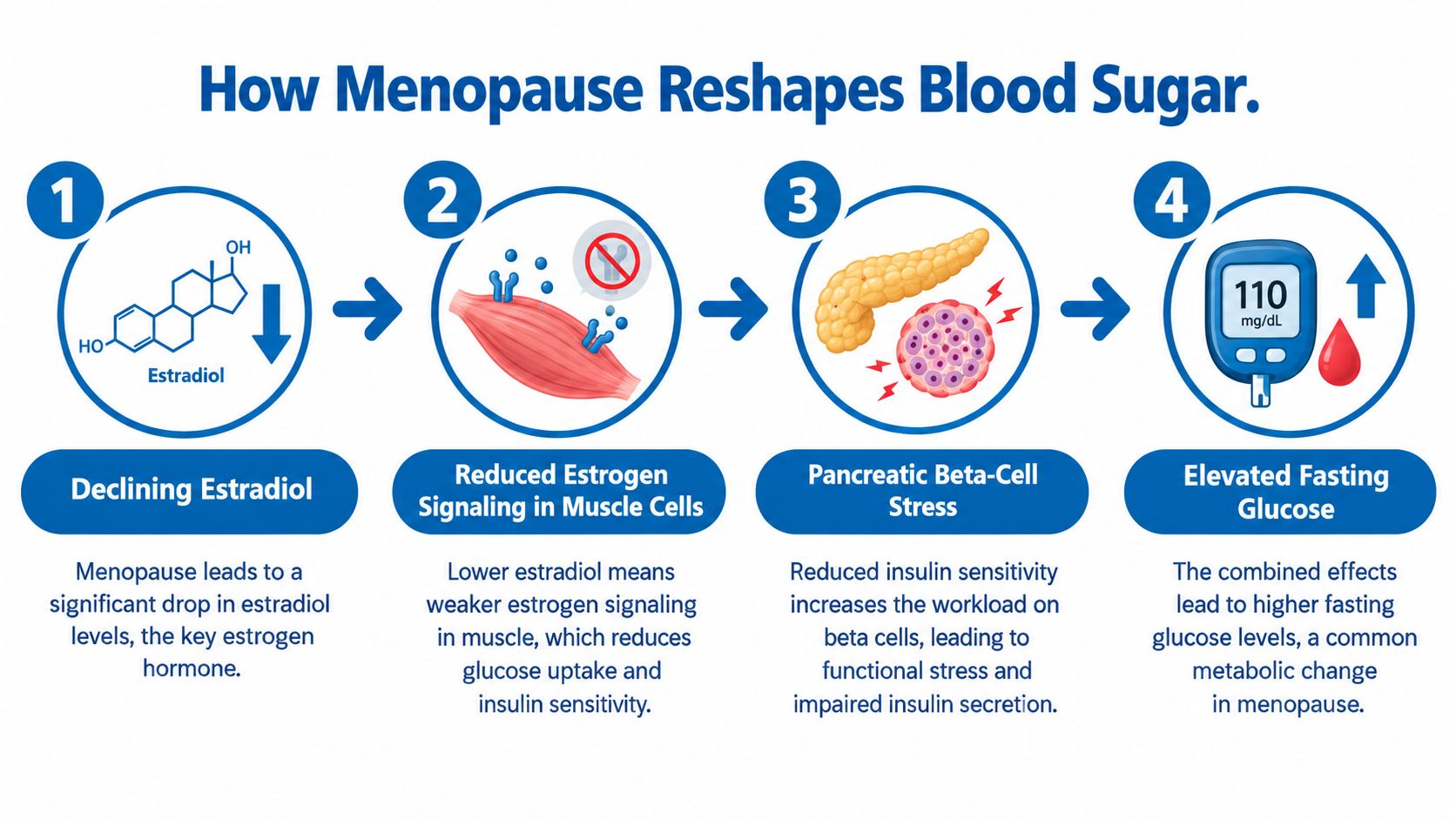
Lower estrogen levels can influence where the body stores fat, how the body responds to insulin, and how appetite and satiety feel from day to day. Muscle mass also tends to decline with age unless a person actively challenges it through resistance exercise and adequate nutrition. That means a restrictive diet without strength training may create a smaller body without creating a stronger one.
The goal should be body recomposition , meaning less fat with as much muscle and function retained as possible. For practical education on menopause, protein intake, bloating, and related women's health concerns, episode 103 of podcast offers useful context.
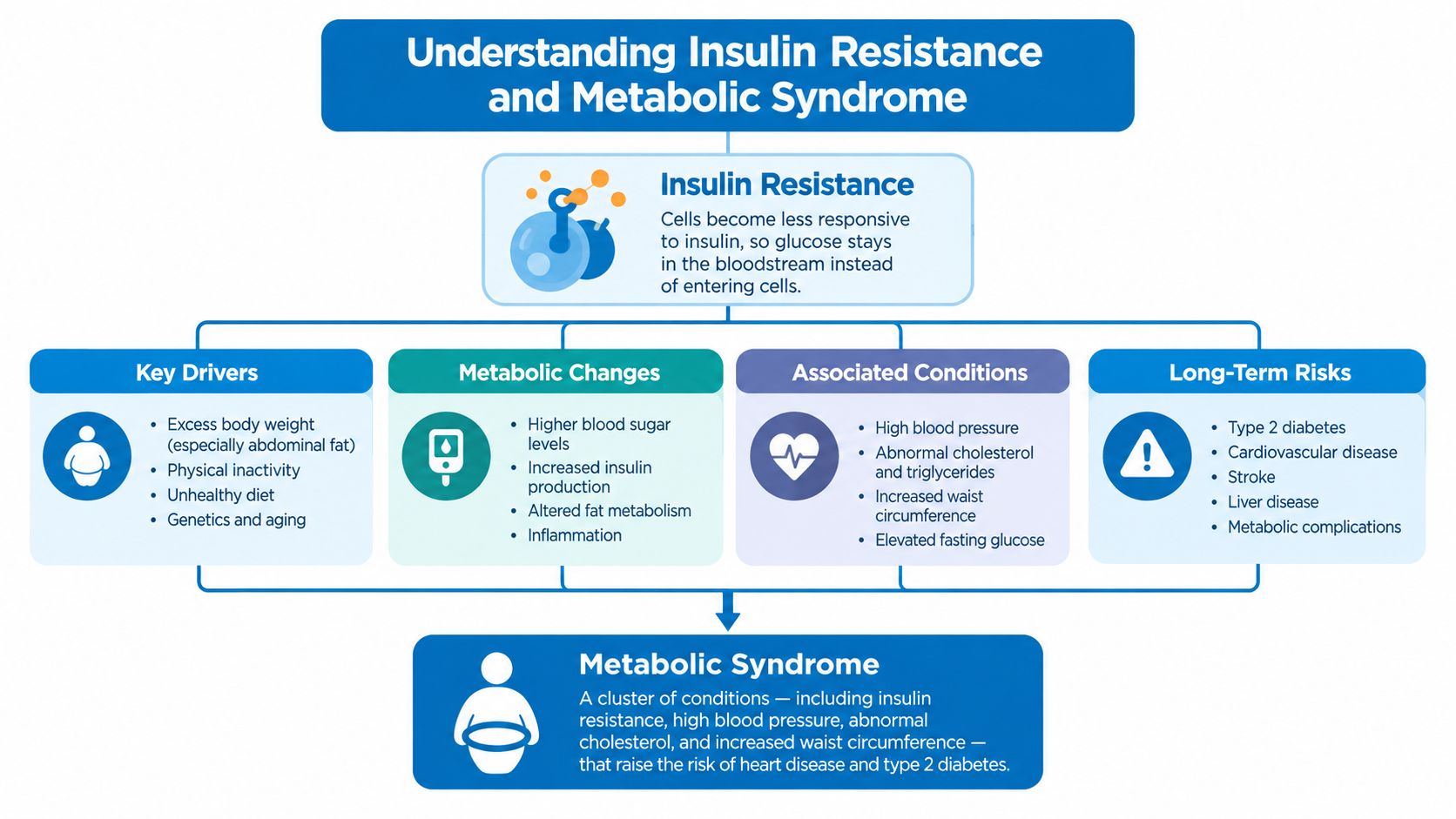
Women who notice increased abdominal weight, cravings, fatigue, or difficulty losing weight may also need an evaluation for insulin resistance rather than another generic meal plan. The guide to insulin resistance and menopause explains why metabolic health deserves attention alongside food choices.
Medical Assessment Before Starting Your Program
A responsible plan starts with information, not an aggressive calorie target. Before changing food intake or exercise, a clinician should review your medical history, current prescriptions, menopause symptoms, sleep, mobility, and previous weight-loss attempts. This helps distinguish a lifestyle challenge from a condition that needs treatment.
Establish a safe baseline
A useful assessment may include:
- Metabolic health: Review blood pressure, blood sugar, lipid levels, kidney function, and waist measurements when clinically appropriate.
- Thyroid function: Thyroid disorders can affect energy, temperature tolerance, bowel habits, and weight management. Testing should be interpreted alongside symptoms and medication history.
- Hormone therapy review: If you're considering hormone replacement therapy or already use it, discuss the type, route, dose, duration, and expected benefits with a qualified provider.
- Muscle and bone status: A history of falls, fractures, weakness, height loss, or back pain may change the exercise plan. Bone-density testing and body-composition assessment can be considered when clinically indicated.
- Medication effects: Diabetes medications, steroids, some psychiatric drugs, and other prescriptions may influence appetite, weight, blood sugar, or exercise tolerance.
Clinical guidance favors modest, individualized targets for older adults. One review recommends 5% to 10% weight loss within one year for healthy older adults with obesity, while another clinical review recommends limiting loss to no more than 5% to 10% of baseline body weight at six months , with an initial pace of about 0.25 to 1 kilogram per week . These recommendations are summarized in the CDC National Center for Health Statistics data brief.
A medically supervised weight loss program can provide the follow-up needed to adjust nutrition, exercise, and medication decisions as your response becomes clearer. Don't begin a severe diet or demanding exercise routine without clinical clearance if you have osteoporosis, heart disease, diabetes, kidney disease, balance problems, or multiple prescriptions.
Nutrition and Exercise for Fat Loss Without Muscle Loss
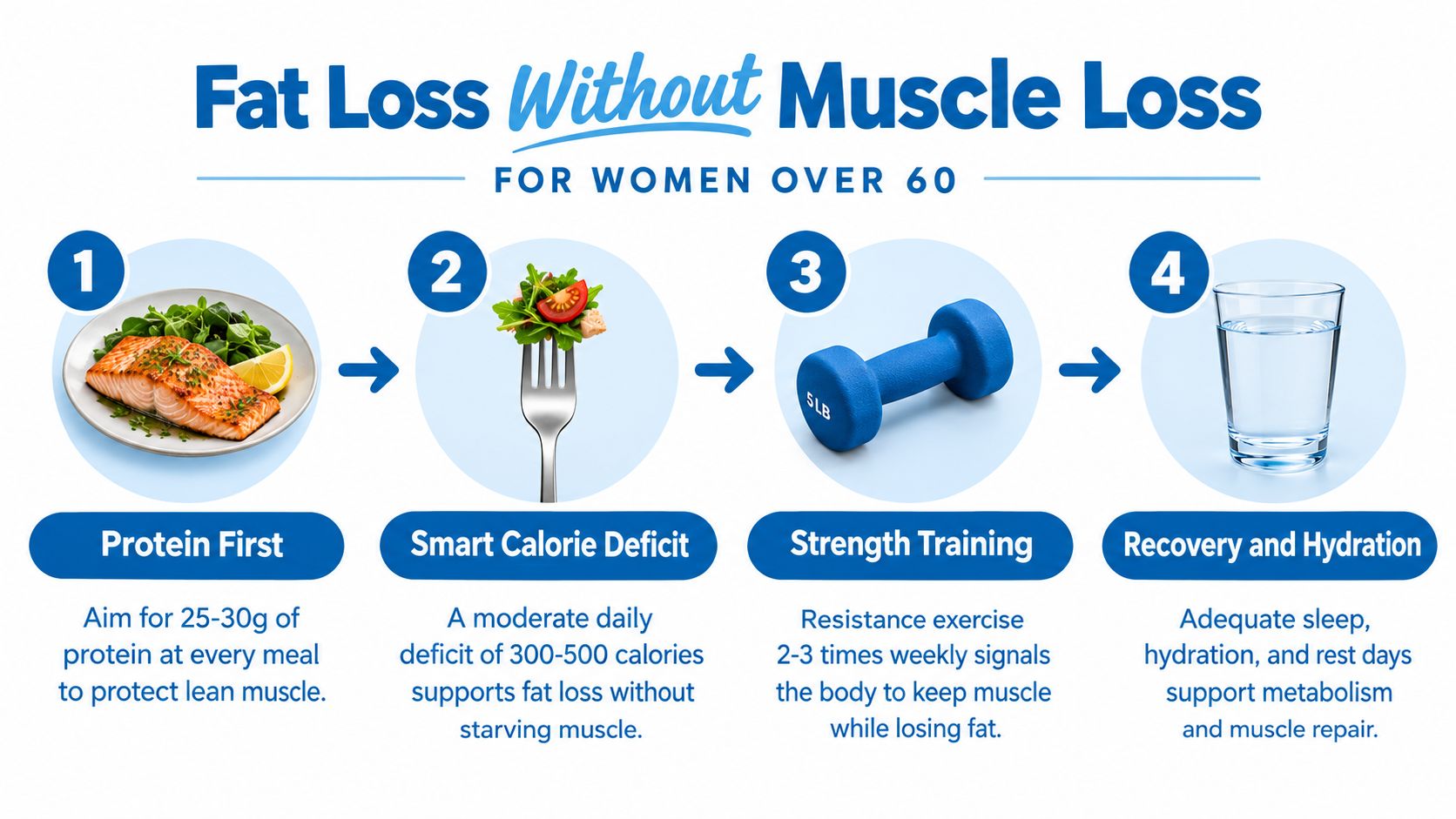
Fat loss and muscle preservation depend on the same coordinated strategy. Protein supplies building material, while resistance exercise tells the body that muscle remains necessary. A calorie deficit without either one can make weight loss look successful on the scale while weakening daily function.
Menopause-focused guidance commonly recommends approximately 1.0 to 1.2 grams of protein per kilogram of body weight per day , paired with resistance exercise, to help preserve fat-free mass during weight loss. Your clinician or dietitian can adapt that target for kidney disease, digestive conditions, medication use, or other individual concerns.
Build meals around protein
Choose foods such as fish, eggs, poultry, Greek yogurt, cottage cheese, tofu, beans, or other suitable protein sources. Pair protein with vegetables, fiber-rich carbohydrates when appropriate, and enough dietary fat to make meals satisfying. A low-carbohydrate approach may suit some people, but it isn't automatically safer or more effective for every older woman, particularly if diabetes medication or kidney disease is involved.
A moderate calorie deficit is generally more appropriate than severe restriction. European and ESPEN-aligned guidance emphasizes a deficit of about 500 calories per day when obesity is present, along with adequate protein and resistance exercise to reduce the risk of sarcopenia. Older adults who are merely overweight may not need intentional weight loss at all, so the decision should reflect health, function, and medical risk rather than appearance alone.
Make strength work the foundation
Walking, swimming, and other cardiovascular activities support heart health and endurance, but cardio alone doesn't provide the same muscle-preserving signal as progressive resistance exercise. A program might use chair sit-to-stands, supported squats, resistance bands, wall push-ups, rowing movements, light dumbbells, and balance work. Begin with movements you can control, then progress gradually under professional guidance.
In a randomized trial involving adults aged 60 and older with obesity and mobility limitations, a 12-week supervised high-intensity resistance and impact program was paired with a diet reducing intake by 750 to 1,000 calories per day . The intervention directly compared supervised training with self-directed home activity, supporting structured exercise plus calorie restriction rather than diet alone. The trial is described in this study of weight loss and function in older adults.
A meta-analysis in older females with sarcopenic obesity found that body-fat percentage was lower in the resistance-training group by a weighted mean difference of 2.83 percentage points , with a 95% confidence interval of 1.12 to 4.55 percentage points and p = 0.001. Another review found exercise reduced BMI by about 1.01 kilograms per square meter and waist circumference by 3.09 centimeters , as reported in this review of resistance training and body composition.
For women with osteoporosis concerns, fracture history, or limited mobility, ask about safe loading and whether a physical therapist should guide the initial program. Information about bone health house calls may also help women who have difficulty traveling for an evaluation.
The body composition analysis resource explains why waist measurements, lean mass, and functional strength can add useful information beyond the scale.
The Role of HRT and Medications in Weight Management
Hormone replacement therapy and anti-obesity medication serve different purposes. HRT may help manage symptoms such as hot flashes, sleep disruption, and vaginal symptoms, while a GLP-1 medication targets appetite regulation and metabolic pathways. Neither replaces protein, resistance training, or regular clinical review.
HRT shouldn't be prescribed solely as a weight-loss drug. However, untreated menopause symptoms can disrupt sleep, activity, mood, and eating patterns, which may make weight management harder. NICE recommends discussing the distinctions between combined and estrogen-only therapy, transdermal and oral routes, different estrogen and progestogen types, sequential and continuous regimens, and treatment dose and duration. Benefits and risks should be reassessed at each review, as explained in the NICE menopause recommendations.
Where GLP-1 treatment fits
GLP-1 receptor agonists may be considered for adults with obesity, or for people with overweight and related health conditions, when lifestyle measures alone aren't sufficient. A 2025 meta-analysis of 47 randomized controlled trials found that GLP-1 receptor agonists significantly reduced weight, BMI, and waist circumference in patients with overweight or obesity. The analysis also reported that the effect may be greater in people without diabetes than in those with diabetes, according to this Diabetes Care meta-analysis of GLP-1 receptor agonists.
The trade-off is that rapid or substantial weight loss can include lean-mass loss. A 2025 review notes that anti-obesity medications are indicated in older adults with BMI over 30, or over 27 with comorbidities, when lifestyle change alone isn't enough. It also reports that, in a randomized trial involving postmenopausal women, approximately 0.26 kilograms of lean mass was lost for every kilogram of fat lost . The review is available through this analysis of obesity medications in older adults.
That doesn't make GLP-1 weight loss inappropriate. It means medication should be combined with sufficient protein, resistance training, hydration, and monitoring for nausea, poor intake, weakness, and changes in other medications. Information about GLP-1 weight loss medication can help patients prepare for a clinician discussion.
For broader reading on the relationship between hormones and body weight, balance hormones for weight loss provides an additional perspective, but treatment decisions should remain individualized.
Common Mistakes to Avoid When Trying to Lose Weight
A familiar pattern appears in clinical conversations. A woman starts eating very little, adds long cardio sessions, and avoids weights because she worries they may cause injury. The scale drops initially, but she becomes tired, stops climbing stairs comfortably, and struggles to maintain the routine. The problem isn't a lack of commitment. The plan is asking an older body to give up tissue and energy without providing enough support.
The mistakes that create setbacks
- Using cardio as the entire plan: Walking is valuable, but it doesn't replace strength work when the priority is preserving muscle and function.
- Cutting protein with calories: Smaller portions should still contain adequate protein. A salad and a small snack may be low in calories but insufficient for recovery.
- Choosing an extreme deficit: Severe restriction can worsen fatigue, reduce training quality, and increase the chance of lean-tissue loss. Older-adult guidance generally favors moderate, monitored loss.
- Ignoring pain or balance changes: Knee pain, dizziness, or repeated instability isn't a signal to push harder. It calls for an assessment and an appropriate modification.
- Treating every plateau as a discipline problem: Thyroid disease, sleep disruption, menopause symptoms, medication effects, and metabolic disease can all change the response to a plan.
Metabolic syndrome deserves particular attention because it can signal high cardiometabolic risk. The NIH definition requires at least three of five criteria : waist circumference over 40 inches in men or 35 inches in women, triglycerides of 150 mg/dL or higher, HDL below 40 mg/dL in men or below 50 mg/dL in women, fasting blood sugar of 100 mg/dL or higher, and blood pressure of 130/85 mm Hg or higher. The criteria are listed by the National Heart, Lung, and Blood Institute.
Don't respond to a plateau by automatically removing another food group or doubling your exercise. Recheck the diagnosis, the medication list, protein intake, recovery, and actual functional progress first.
Monitoring Progress and Adjusting Your Plan
A good plan changes when your body gives new information. Track more than body weight, because the scale can't show whether you lost fat, muscle, water, or a combination of the three.
Use a simple monitoring routine:
- Record body weight consistently: Weigh under similar conditions if scale data feels emotionally manageable. Look for a pattern rather than reacting to one reading.
- Measure function: Note how easily you rise from a chair, climb stairs, carry groceries, walk, or maintain balance. These are meaningful outcomes for women over 60.
- Review nutrition: Check whether meals still contain adequate protein and whether appetite suppression, nausea, or dental issues are making intake too low.
- Assess strength and symptoms: New weakness, persistent dizziness, unusual shortness of breath, severe constipation, or recurrent falls warrants prompt medical review.
- Schedule follow-ups: A clinician can review blood pressure, blood sugar, medication effects, menopause symptoms, and progress toward the agreed target.
Body-composition testing may be useful when the result will change management. A waist measurement, strength assessment, or clinically appropriate scan can help determine whether the program is producing favorable recomposition rather than just reducing total weight.
If weight loss stalls, the answer may be a small adjustment to meal structure, activity, medication, or sleep support. If strength declines, the plan may need more protein, less restriction, different exercises, or a temporary recovery phase. A successful program protects the patient's ability to continue.
Building a Sustainable Lifestyle for Long-Term Health
Long-term weight management works better when it becomes a health routine rather than a short challenge. Meals should support strength, exercise should protect movement, and medical treatment should address conditions that interfere with energy, appetite, sleep, or metabolism.
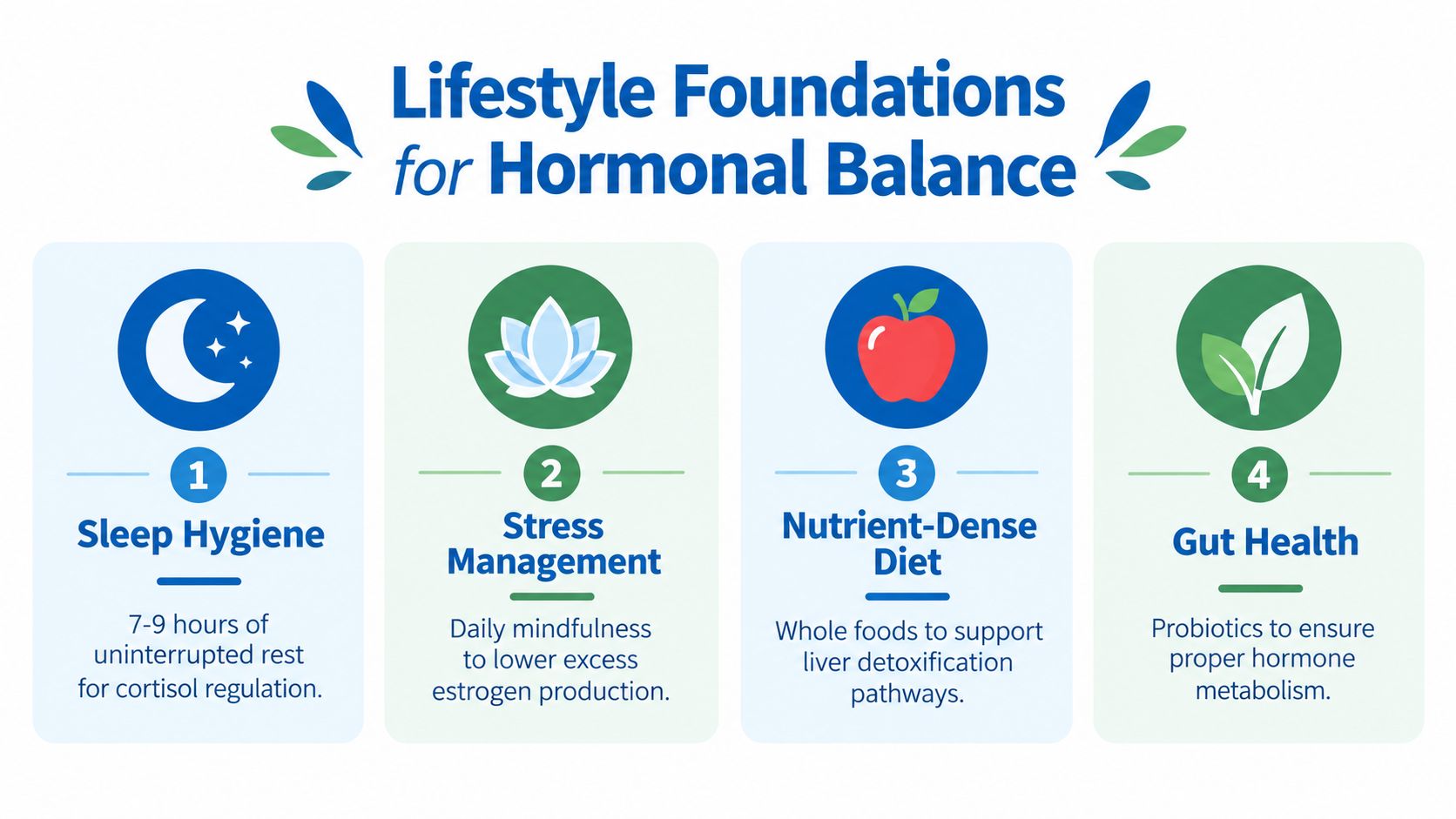
A sustainable plan may include protein-rich meals, regular resistance training, walking or other enjoyable movement, recovery days, hydration, and periodic clinical review. It should also leave room for social meals and personal preferences. If a plan is so restrictive that it can't survive ordinary life, it needs redesigning.
Practical rule: A smaller body isn't the finish line if standing, walking, lifting, and living independently become harder.
Hormone replacement therapy may be appropriate for selected menopause symptoms after an individualized discussion of risks and benefits. GLP-1 medication may be appropriate for selected patients with obesity or overweight-related health conditions. Both options require attention to muscle preservation, nutrition, and medication safety rather than a narrow focus on rapid scale changes.
The guide to losing weight sustainably can help you think beyond a temporary diet. Medical disclaimers matter here: online education can't diagnose disease or replace an in-person evaluation. Speak with a qualified healthcare professional before starting HRT, GLP-1 medication, a restrictive diet, or a new exercise program, especially if you have chronic disease, take prescription medication, or have bone-density or balance concerns.
For women in Mississippi who want a practical plan, schedule a consultation with Pause Medical to discuss medically supervised weight loss, nutrition support, hormone-related concerns, GLP-1 medication when appropriate, and progress monitoring. A provider can help you pursue fat loss while protecting muscle, mobility, and long-term health.