Weight Loss Clinic Flowood MS: Your Complete Guide
You're sitting at your kitchen table in Flowood, scrolling through conflicting weight-loss advice. One program promises rapid results, another recommends supplements with unclear ingredients, and a third offers prescription medication without explaining whether you're medically eligible. After another diet attempt has stalled, it's reasonable to want a clearer path.
A medically supervised program starts with evaluation rather than a sales promise. A qualified provider reviews your medical history, current medications, weight pattern, symptoms, laboratory findings, and treatment goals before recommending medical weight loss , GLP-1 therapy , nutrition support, or another pathway. This guide explains what to expect from a weight loss clinic in Flowood, MS , including eligibility, safety, realistic timelines, and questions to ask before booking.
Why Flowood Residents Are Choosing Medically Supervised Weight Loss
Weight management can become especially frustrating when effort doesn't produce the expected result. A Flowood resident may be eating more carefully, walking regularly, and still dealing with fatigue, appetite changes, sleep problems, or gradual weight gain. Those symptoms don't prove a hormonal or metabolic disorder, but they do justify a careful medical review instead of another generic diet sheet.
Mississippi has a substantial need for structured weight-management care. In 2024, more than 40% of adults in Mississippi were obese , and CDC reporting placed the state among only two states at or above that prevalence level, according to the Mississippi State Department of Health's obesity data. The same source describes a persistent burden over time, including an estimated 35.2% adult obesity prevalence and 13.0% severe obesity prevalence during 2021 to 2023 .

Why local context matters
Rankin County, which includes Flowood, also reports high adult obesity levels. County profiles place adult obesity at 36.3% and 36.4% , respectively, while a Mississippi survey found that 72.1% of adults were overweight or obese in 2022 , compared with 69.3% in 2013 , as summarized in Rankin County's health profile.
These figures don't tell a provider what your individual treatment should be. They do explain why residents search for accessible, clinically supervised care close to home. A Flowood clinic can offer an option between an unsupervised online purchase and a hospital-based bariatric pathway, with evaluation and follow-up built into the process.
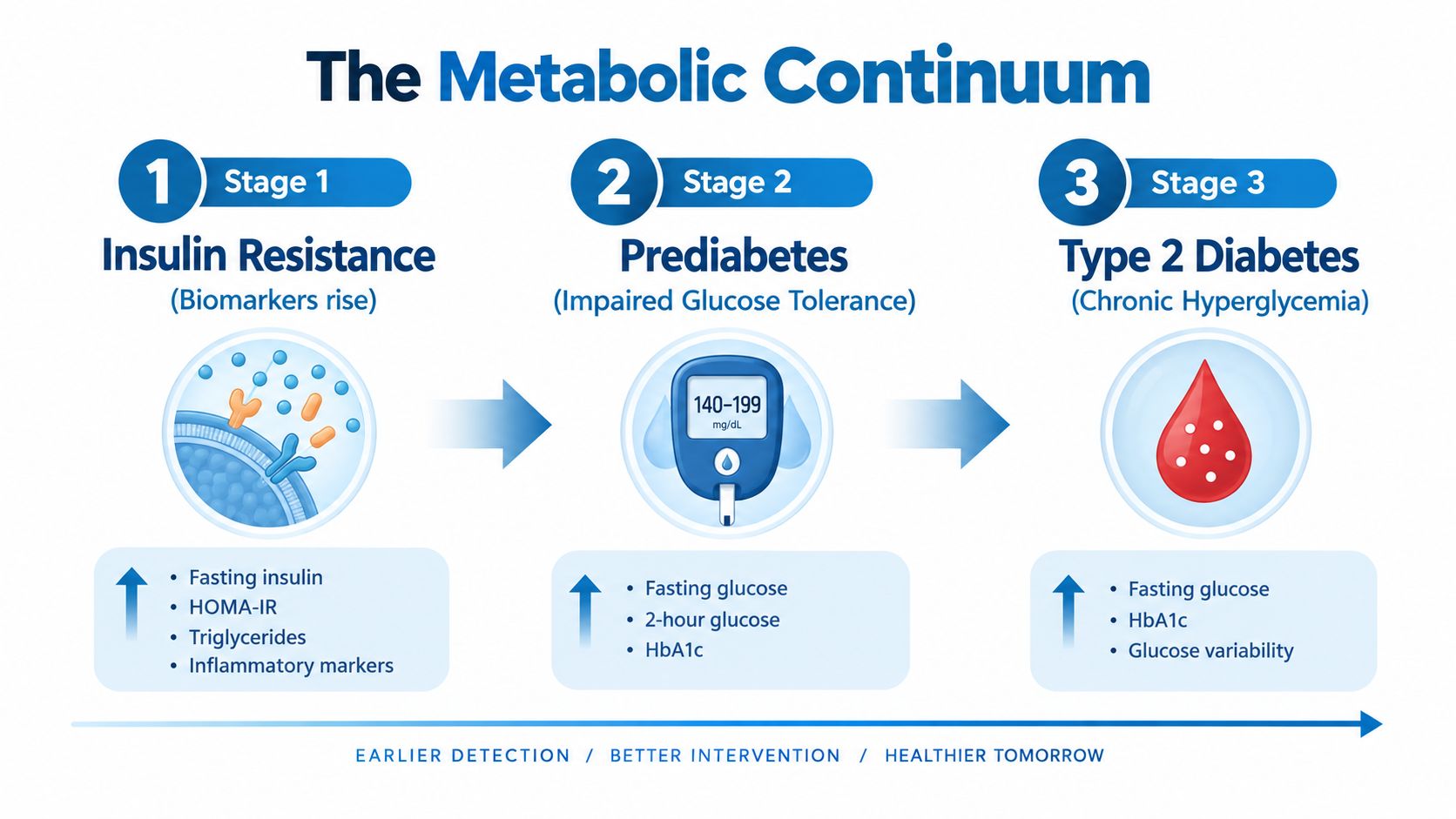
Medical weight-loss programs may include prescription medication when appropriate, but medication is only one part of responsible care. A board-certified provider may also investigate insulin resistance, thyroid dysfunction, sleep-related concerns, medication effects, or hormone-related symptoms. The purpose is to understand what may be making weight management difficult and create a plan you can follow safely.
Services Offered at Pause Medical in Flowood
Pause Medical provides hormone replacement therapy , medically supervised weight loss, and disease-management support for Mississippi adults dealing with weight gain, menopause, andropause, chronic conditions, or preventative wellness concerns. The clinical value lies in combining assessment with treatment, rather than placing every patient into the same medication package.
A medical weight-loss evaluation may consider GLP-1 receptor agonists such as semaglutide or tirzepatide. These medications can influence appetite regulation, gastric emptying, and glucose-related processes, but the appropriate choice depends on your health history, eligibility, medication risks, and treatment goals. They're prescribed as an adjunct to a reduced-calorie eating plan, physical activity, and behavioral support, not as a replacement for them, as described in clinical guidance on obesity pharmacotherapy.

How the services can work together
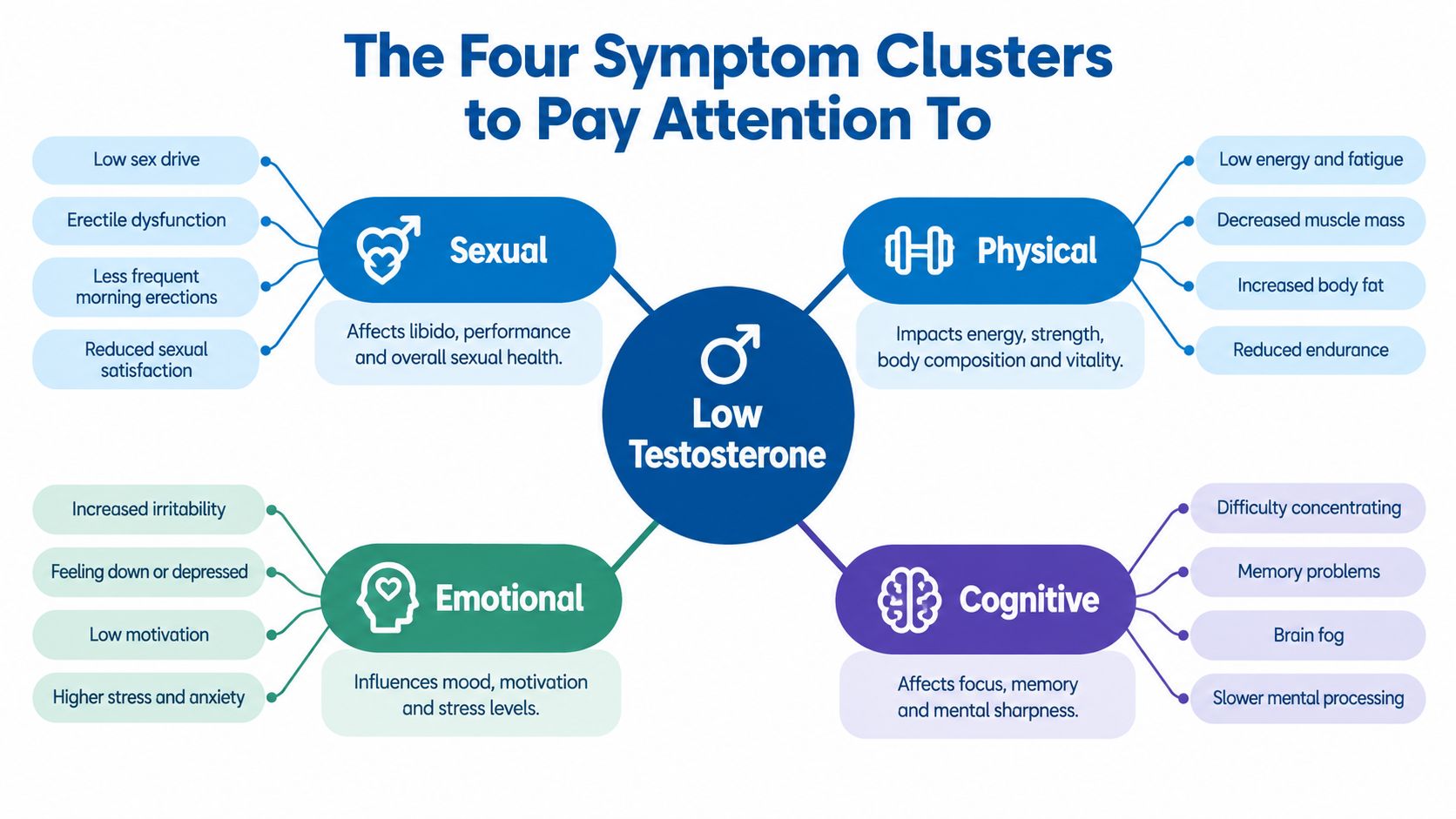
HRT may be relevant when symptoms and testing support a hormone-related diagnosis. For some men, testosterone therapy may be considered when clinically confirmed low testosterone is accompanied by compatible symptoms and no contraindication. For some women, bioidentical hormones may be discussed in the context of menopause-related symptoms, with treatment decisions based on individual risks and benefits.
The overlap with weight management is practical. A patient with documented low testosterone, insulin resistance, and appetite-related difficulty might need more than nutritional advice alone. Their care could involve hormone evaluation, a GLP-1 medication if eligible, nutritional counseling, and monitoring of metabolic markers. That doesn't mean HRT or GLP-1 treatment is appropriate for everyone.
What an assessment may include
Providers may review thyroid-related testing, metabolic markers, vitamin status, and other laboratory findings that fit your symptoms and medical history. The exact tests should be clinically selected, because broad testing without a reason can create confusion rather than clarity.
Medication management also matters. A provider needs to know about prescriptions, over-the-counter products, supplements, prior weight-loss medications, allergies, and relevant conditions before recommending treatment. For questions about prescription options and patient considerations, review what patients should know about compounded weight-loss medications. A treatment plan should be prescribed and monitored by qualified medical professionals, not sold as a one-size-fits-all package.
Your Step-by-Step Patient Journey
The first appointment should reduce uncertainty. You should leave knowing what was reviewed, what remains unknown, whether a medication is appropriate, and what the next step will be.
Step one involves scheduling and preparation
Book online or by phone, then complete the health intake carefully. Include your current medications, allergies, weight history, previous diet attempts, relevant diagnoses, symptoms, and goals. If you're hoping to discuss GLP-1 weight loss , bring the questions that concern you most, such as side effects, eligibility, monitoring, and what happens if progress slows.
Step two is the clinical evaluation
The in-person consultation is designed to connect your goals with your health profile. The planned visit may include a 60-minute consultation , vital signs, body-composition analysis, blood work, and a detailed medical-history review. These visit details are part of the clinic's described process, while the provider determines which assessments are appropriate for you.
The conversation should cover realistic expectations, possible contraindications, medication interactions, and whether another specialist or treatment pathway is more suitable. You may qualify for medical weight loss, need additional testing first, or benefit initially from nutrition and lifestyle coaching.

Step three begins after the results are reviewed
Once laboratory results are available, the provider can create a plan based on your findings and routine. It may include a prescription, dosing instructions, nutrition guidance, activity goals, side-effect education, and a follow-up schedule.
The plan should make clear what to do if you miss a dose, experience gastrointestinal symptoms, or have questions between visits. You can read more about the weight-loss clinic visit experience before scheduling.
Step four is ongoing support
Follow-up may occur biweekly or monthly, depending on the medication, clinical needs, and stage of treatment. These visits help the provider monitor response, adjust dosing when appropriate, review side effects, and address plateaus.
Practical rule: A prescription is the beginning of supervised treatment, not the end of the clinical relationship.
Who Qualifies for Medical Weight Loss Programs
Eligibility depends on more than wanting to lose weight. Common clinical guidance supports considering anti-obesity medication for adults with a BMI of at least 30 kg/m² , or a BMI of at least 27 kg/m² with an obesity-related condition , alongside diet, exercise, and behavioral modification. The provider must still review your complete history before prescribing.
Conditions that may affect eligibility or treatment planning include high blood pressure, type 2 diabetes, sleep apnea, abnormal cholesterol, and other weight-related complications. A BMI threshold helps organize the evaluation, but it doesn't replace clinical judgment.
| Patient Profile | BMI Range | Comorbidities | Recommended Pathway |
|---|---|---|---|
| Adult with obesity and no documented related condition | At least 30 kg/m² | May be absent | Medical evaluation, lifestyle plan, and medication discussion if appropriate |
| Adult with overweight and a related condition | At least 27 kg/m² | May include hypertension, type 2 diabetes, or sleep apnea | Clinical assessment for medication plus structured lifestyle support |
| Adult below common medication thresholds | Below 27 kg/m² | Individual review required | Nutrition counseling, activity planning, symptom evaluation, or another pathway |
| Patient with possible medication risk or unclear diagnosis | Any range | Depends on medical history | Additional assessment, medication review, or referral before prescribing |
The table describes commonly used criteria, not an automatic approval system. Recent guidance describes access to tirzepatide as limited to higher-risk patients who meet strict BMI and comorbidity requirements, while GLP-1 availability can vary between healthcare systems. The Mississippi metabolic weight-loss guide can help you prepare questions, but only an evaluation can determine your personal pathway.
Some patients won't need medication. They may benefit from nutrition coaching, sleep support, medication review, strength-focused activity, or evaluation for thyroid and hormonal concerns. Choosing a different pathway isn't a rejection. It's part of matching treatment intensity to medical need.
Safety and Evidence-Based Results You Can Trust
A first follow-up visit may feel like checking a dashboard rather than receiving a single score. Your provider can review appetite, eating patterns, blood pressure, glucose-related concerns, symptoms, medication tolerance, and laboratory findings. Together, these details show whether treatment is helping, needs adjustment, or should stop.
One commonly used early benchmark is 5% to 10% of total body weight loss . Weight-management clinical guidance associates this range with measurable improvements in insulin resistance, blood-pressure control, and lipid profile. It is a discussion point, not a promise or deadline. The goal is to judge progress without waiting for a dramatic scale change.
What the evidence can and can't tell you
The STEP 1 trial studied adults with obesity, or overweight with at least one weight-related condition. Participants using semaglutide 2.4 mg with lifestyle intervention had mean body-weight loss of 14.9% at 68 weeks , compared with 2.4% with placebo , according to the trial summary. In the same study, 86.4% achieved at least 5% weight loss , 69.1% achieved at least 10% , and 50.5% achieved at least 15% . To understand the medication's action before your visit, review how semaglutide works.
A trial result is a map of group response, not a prediction for one patient. Your plan may involve gradual dose changes, nutrition support, and time. Nausea and other gastrointestinal symptoms can occur, so education and follow-up help the clinician respond safely.
Oral semaglutide also produced clinically significant weight reduction in adults without type 2 diabetes. In a randomized obesity trial, the placebo-adjusted mean reduction was 13% at 68 weeks , according to the reported trial results.
A realistic plan values tolerability and health improvements, not just speed.
HRT may complement weight care when a diagnosed hormone problem contributes to symptoms or metabolic concerns. It is not a general-purpose weight-loss shortcut. Board-certified oversight, medication management, and regular reassessment keep treatment centered on safety.
Local Logistics and What to Expect at Your Visit
Before booking a Flowood appointment, confirm the clinic's current address, operating hours, parking instructions, and whether your preferred visit type is available. Clinic details can change, so use the practice's current scheduling information rather than relying on an old directory listing.
Ask for a written explanation of charges before treatment begins. Confirm the cost of the initial consultation, follow-up visits, laboratory work, medication refills, and any services that may be separate from the visit. Pause Medical's model is described as insurance-free care , so ask how out-of-pocket payment works and whether your insurance may apply to any laboratory or prescription expenses handled outside the clinic.
Bring practical information that helps the provider make a safer decision:
- Medication list: Include prescription drugs, supplements, injections, and nonprescription products.
- Medical records: Bring recent laboratory results and information about diabetes, thyroid disease, blood pressure, sleep apnea, or prior treatments.
- Weight history: Note previous programs, medications, meaningful changes, and reasons a plan ended.
- Insurance details: Bring them if the clinic requests them for coordination, even when the consultation itself doesn't require insurance.
- Questions: Write down concerns about side effects, eligibility, dosing, nutrition, follow-up, and treatment duration.
Wear comfortable clothing if body-composition measurements are planned. Arrive with enough time to complete paperwork rather than rushing through medical-history questions. Ask whether telehealth follow-ups, flexible scheduling, and between-visit messaging are available for your treatment plan.
Common Questions About Weight Loss Treatment
Are GLP-1 medications a standalone fix?
No. Evidence-based care pairs medication with reduced-calorie nutrition support, physical activity, behavioral strategies, and monitoring. Medication may help regulate appetite, but it doesn't replace skills for meals, movement, sleep, and long-term maintenance.
How quickly should I expect meaningful change?
Don't judge the entire program after a single dose or visit. Some people notice appetite changes earlier, while meaningful progress generally requires continued treatment, follow-up, and adjustments over time. A provider should discuss your personal timeline without promising rapid results.
Is medical weight loss only for people with extreme obesity?
No. Common guidance considers medication at a BMI of 30 kg/m² or higher , or 27 kg/m² or higher with an obesity-related condition , after clinical assessment. Your symptoms, health risks, previous efforts, and medication safety also matter.
Can I continue my current medications?
Possibly, but the provider must review every medication and supplement first. Don't stop or change prescriptions on your own. Bring an accurate list so the clinical team can identify interactions, duplications, or monitoring needs.
What if insurance doesn't cover treatment?
Ask about self-pay costs, prescription options, laboratory charges, and follow-up fees before starting. Coverage decisions can differ, and the clinic can explain which expenses are handled by the practice and which may involve an outside pharmacy or healthcare system.
How does HRT relate to weight management?
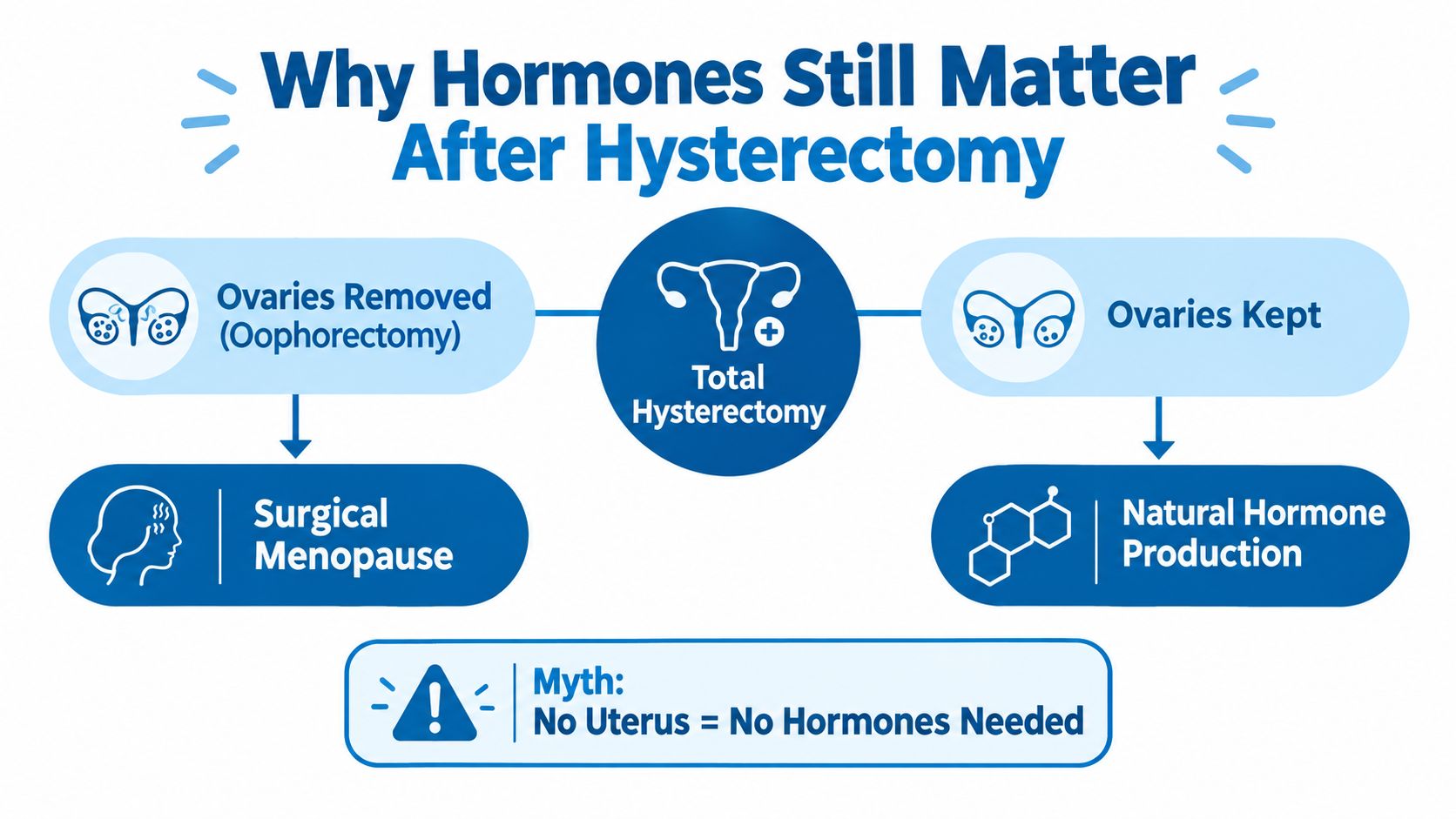
HRT may address documented menopause or andropause-related symptoms when treatment is medically appropriate. It isn't a substitute for obesity treatment, but evaluating hormone-related concerns can help clarify fatigue, sleep disruption, low libido, or other symptoms that affect lifestyle changes.
Will I regain weight after stopping medication?
Weight maintenance requires a plan beyond the prescription. Your provider can discuss gradual transitions, nutrition and activity strategies, symptom monitoring, and ongoing follow-up so that stopping or changing medication becomes a clinical decision rather than an abrupt loss of support.
Pause Medical offers physician-supervised medical weight loss, GLP-1 medication management when appropriate, hormone replacement therapy, and personalized wellness care at its Flowood location. Visit Pause Medical to schedule a consultation, bring your medication and health history, and discuss an evidence-based plan for your goals.