Medical Weight Management: A Guide to Lasting Results
You may be in a familiar place right now. You've cut carbs, counted points, skipped dessert, started over on Monday, and watched the scale move just enough to raise hope before it drifted back up again. After a while, it stops feeling like a plan and starts feeling personal.
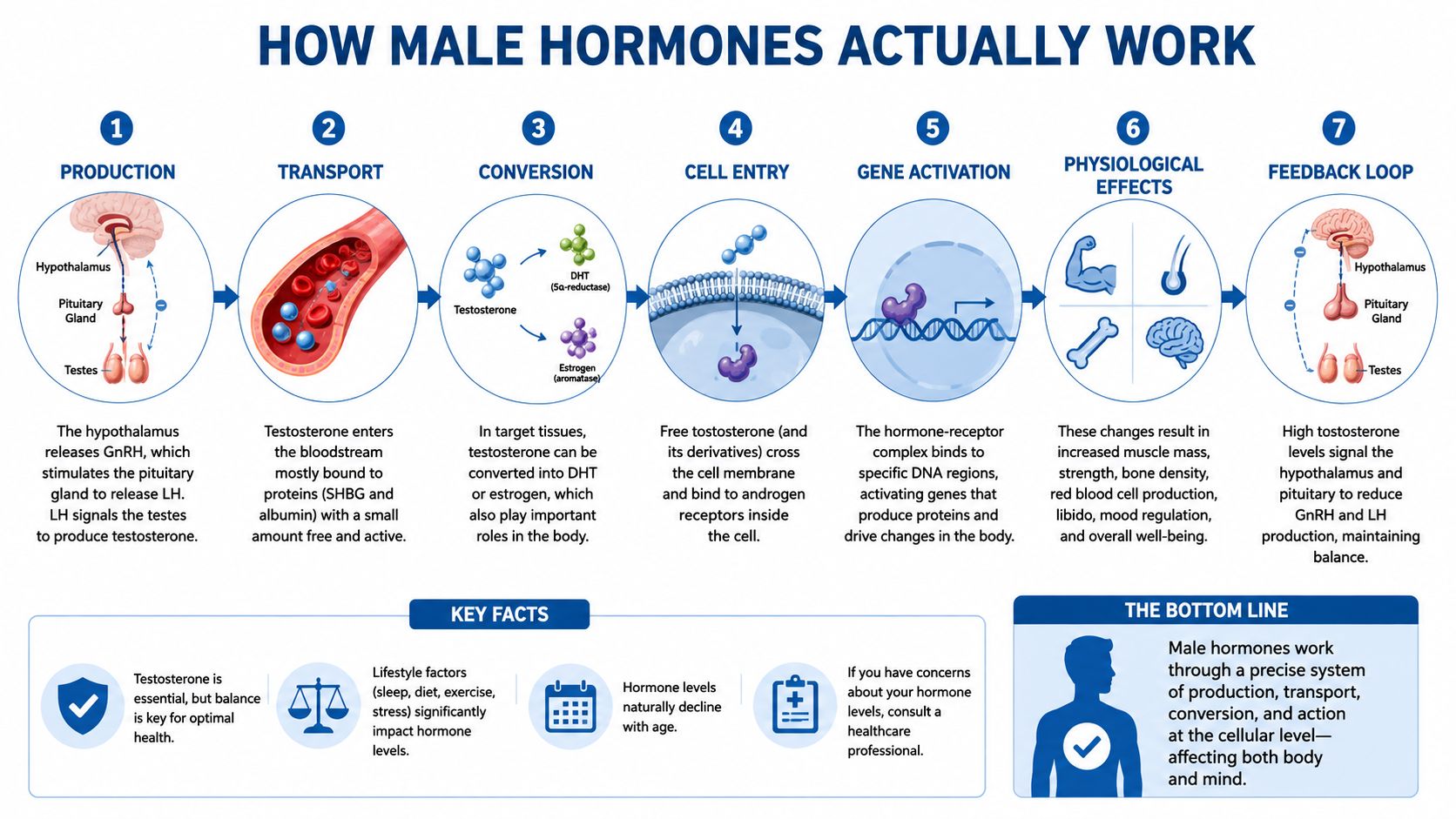
For many adults in Mississippi, that frustration has less to do with discipline than with biology. Weight gain during menopause, andropause, thyroid dysfunction, insulin resistance, poor sleep, medication side effects, and chronic stress can all change how your body responds to food, activity, and appetite cues. If those root causes aren't addressed, even a “perfect” diet can feel like pushing against a locked door.
A modern approach to medical weight management treats weight gain as a health issue that deserves proper evaluation, not blame. It looks at hormones, metabolism, medications, eating patterns, and long-term health goals together. That's often the missing piece for people who've tried hard and still feel stuck.
Beyond Dieting Why Traditional Methods Fail
You eat less for two weeks. You feel hungry all the time. You lose a little weight. Then life happens. A birthday dinner, a stressful workweek, one bad night of sleep, and suddenly the plan feels impossible to maintain. Soon you're not just back where you started. You're also carrying the shame of “failing” one more time.

That cycle is common because traditional dieting usually focuses on one lever only. Eat less. Move more. Those habits matter, but they aren't the whole story. A woman in menopause may notice that the plan that worked in her thirties doesn't work now. A man dealing with andropause, low energy, or poor sleep may find that his appetite is harder to control and his recovery is slower. Someone with insulin resistance may feel intense hunger and cravings that make standard dieting miserable.
When effort and biology don't match
The problem isn't always motivation. The problem is often that the strategy doesn't match the body in front of it.
A person can follow a low-calorie plan and still struggle if thyroid issues, blood sugar swings, medication effects, or hormonal changes are driving fatigue and appetite. Another person may be doing “everything right” on paper but eating in response to stress, loneliness, or years of all-or-nothing food rules.
Traditional diets often ask people to overpower biology. Medical care asks why biology is resisting in the first place.
That's also why many patients feel relief when they learn about a more flexible, less punitive framework for food. For some people, understanding intuitive eating benefits can help reduce the guilt-and-restriction cycle that keeps weight concerns emotionally charged.
Why lasting change usually needs more than a meal plan
A sustainable plan has to work on a regular Tuesday, not just during a burst of motivation. That means looking at hunger, fullness, sleep, stress, medications, hormone shifts, and metabolic health together. It also means accepting that the right goal isn't eating as little as possible. It's building a treatment plan your body can tolerate and maintain.
If you've been stuck in the lose-regain-repeat pattern, a more realistic next step is to learn how to lose weight sustainably. Lasting results usually come from better matching the treatment to the cause.
Defining Medical Weight Management
Medical weight management is a physician-supervised approach to treating obesity and weight-related metabolic problems as chronic medical conditions. It isn't a commercial challenge, a generic app, or a one-size-fits-all meal template. It's closer to how a cardiologist manages high blood pressure. Assess the cause, review risk factors, use evidence-based tools, monitor progress, and adjust treatment over time.

What makes it medical
Medical weight management starts with evaluation. A clinician looks at your history, symptoms, current medications, eating patterns, activity level, sleep, stress, and possible contributors such as menopause, andropause, thyroid disease, diabetes, or metabolic syndrome. That medical lens matters because weight gain is often tangled up with other health conditions.
One especially important point is hormonal health. The Obesity Action Coalition medical weight management fact sheet notes that 40 to 60% of patients with obesity have at least one identifiable hormonal or metabolic disorder contributing to treatment failure . That helps explain why many people feel stuck on standard plans that never investigate endocrine issues.
What it usually includes
A true medical program may involve several connected parts:
- Diagnostic review to look for underlying contributors such as thyroid dysfunction, insulin resistance, cortisol dysregulation, medication-related weight gain, or hormone shifts
- Nutrition counseling built around realistic eating patterns instead of crash dieting
- Behavior support for emotional eating, habit change, and consistency
- Prescription treatment when appropriate, including GLP-1 weight loss medications or other medically indicated options
- Medication management to reduce conflicts between your weight goals and the medicines you already take
A broader overview of Medical weight loss treatment can be helpful if you want to see how clinical programs are often structured across evaluation, treatment, and follow-up.
For readers who want a visual overview before going deeper, this short explainer is useful:
What it is not
It's not a promise of fast results with no effort. It's not just phentermine. It's not a lecture to “try harder.” And it's not separate from hormone health. For many adults dealing with menopause symptoms, low testosterone, fatigue, poor sleep, or thyroid issues, the safest and most effective route is one that combines weight care with a careful medical workup.
If you're comparing your options, it helps to first understand how to lose weight safely. Safety matters as much as the number on the scale.
The Core Components of Your Treatment Plan
Good medical weight management doesn't rely on a single tool. It works best when several parts support each other. Think of it as a blueprint rather than a diet. Each piece helps solve a different part of the problem.

Comprehensive medical evaluation
The plan becomes personal. A clinician reviews your medical history, symptoms, lab work if indicated, medications, and patterns that could be interfering with progress. That can include fatigue, low libido, hot flashes, poor sleep, blood sugar issues, or thyroid concerns.
The goal isn't to label every struggle as hormonal. It's to avoid missing a genuine driver of weight gain. Someone with untreated hypothyroid symptoms, insulin resistance, or menopause-related body composition changes needs a different strategy than someone whose main issue is convenience eating.
Practical rule: If your weight changed alongside shifts in energy, sleep, mood, cycles, libido, or blood sugar, those clues deserve medical attention.
Personalized pharmacotherapy
Medication can be an appropriate part of treatment, especially when appetite regulation, blood sugar control, or repeated regain has been a major obstacle. That includes newer conversations around GLP-1 weight loss options, as well as older anti-obesity medications when clinically appropriate.
The evidence for medication is not based on wishful thinking. The NIH obesity treatment evidence review states that pharmacological therapy for obesity, when combined with lifestyle modification, yields significant weight loss in obese adults over a 6- to 12-month period , with agents such as dexfenfluramine, sibutramine, orlistat, and phentermine/fenfluramine supported by strong evidence in that review. The names in older evidence summaries reflect the era of the data, but the larger principle still matters. Medication works best as one part of a broader clinical plan.
For patients using semaglutide or learning about it, practical nutrition questions come up fast. Some people find a tool that helps determine calories on Ozempic useful as a starting point, though individual calorie targets should still be reviewed in a clinical context.
Nutrition guidance that's livable
A medical plan doesn't have to mean extreme restriction. In fact, extreme plans often backfire. Nutrition support usually focuses on food quality, protein intake, meal timing, hunger awareness, blood sugar stability, and consistency.
A few examples make this clearer:
- For menopause-related hunger changes: meals may need more protein and structure
- For insulin resistance: reducing large swings in refined carbs can help with appetite control
- For busy parents or shift workers: convenience and repeatable meals matter more than perfection
Behavioral support and habit change
Individuals don't need more nutrition trivia. They need help applying good advice in real life.
This part of treatment can involve identifying emotional triggers, planning around travel or late shifts, improving sleep routines, setting realistic activity goals, and reducing the all-or-nothing mindset that turns one off-plan meal into a lost week.
Common targets include:
- Stress eating: building non-food coping tools before the hard moment arrives
- Weekend drift: planning for restaurant meals, gatherings, and alcohol without abandoning the week
- Self-criticism: replacing shame with data, because shame rarely improves adherence
Ongoing monitoring and adjustment
Bodies change. Menopause progresses. Work schedules shift. Medications cause side effects. Hunger levels rise and fall. That's why follow-up matters.
A strong plan includes check-ins, medication management, symptom review, and course correction. If semaglutide is causing nausea, the answer may be changing dose timing, meal composition, or the medication strategy itself. If a patient is exhausted, sleeping poorly, and losing motivation, the next step may involve addressing hormone balance, not just doubling down on restriction.
People who want a deeper look at medication-based care can review how semaglutide works. The important point is that medication is a tool, not the entire treatment.
Medical Programs vs Commercial Diets A Comparison
Commercial programs often market convenience, accountability, and community. Some people do find them helpful. But they aren't the same as medical care, and that difference matters when weight gain is tied to hormones, chronic disease, medication side effects, or metabolic health.
The key difference
A commercial diet usually starts with a program. Medical weight management starts with a patient.
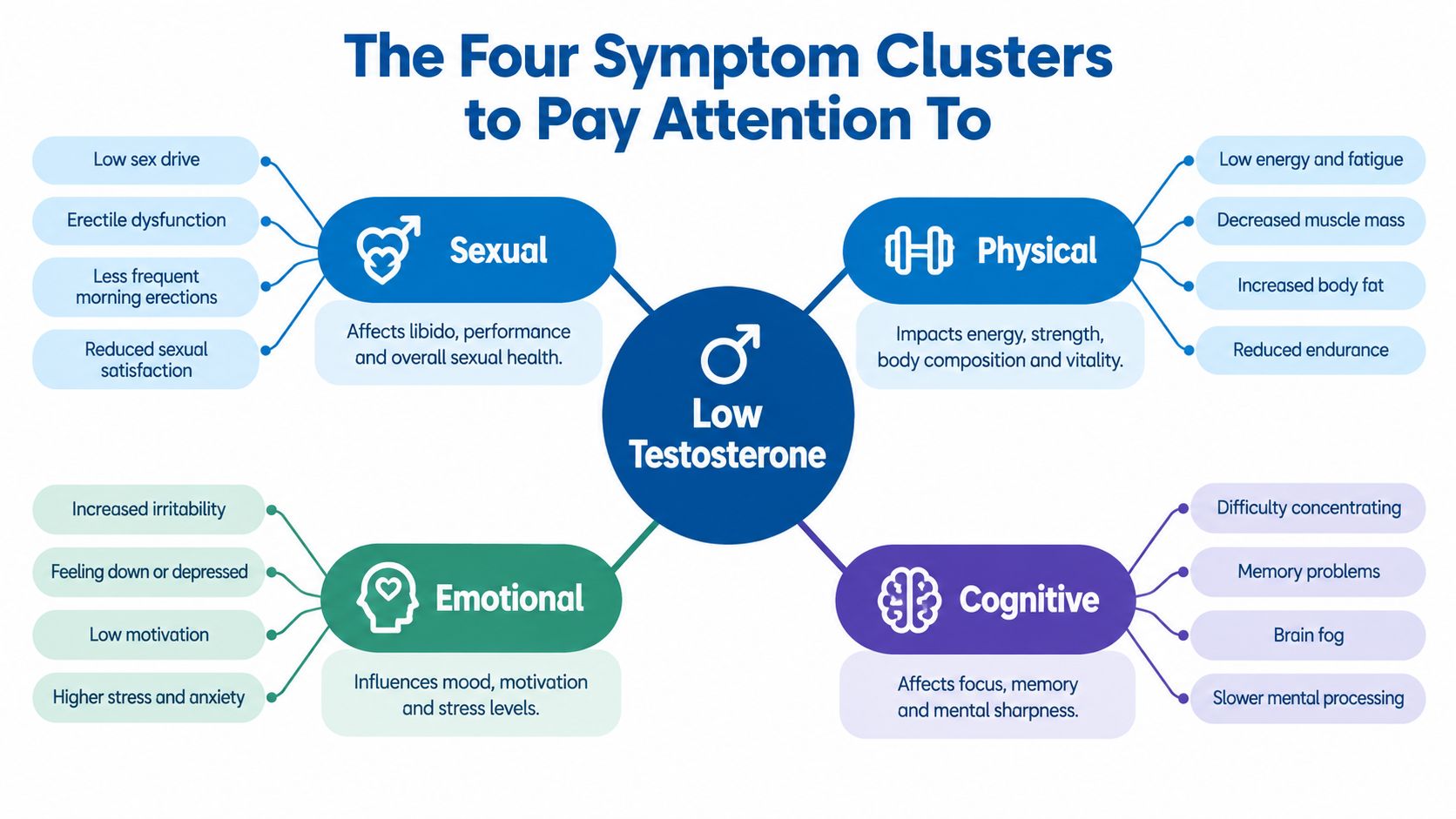
That means the questions are different. A commercial plan may ask what foods you ate. A medical clinician may also ask whether you snore, whether your cycles changed, whether your antidepressant coincided with weight gain, whether your fasting sugars are rising, or whether low testosterone symptoms are affecting body composition and energy.
| Feature | Medical Weight Management | Commercial Diet Programs |
|---|---|---|
| Supervision | Board-certified or licensed medical oversight with clinical evaluation | Coaching model or app-based support |
| Personalization | Built around symptoms, history, medications, and lab review when needed | Usually based on broad templates, points, or algorithms |
| Tools used | May include prescription medication, hormone evaluation, disease management, and nutrition counseling | Typically food tracking, packaged plans, habit coaching, or meal systems |
| Safety | Reviews contraindications, side effects, and interactions | Limited medical screening unless separate physician care is involved |
| Goal | Sustainable metabolic health and long-term function | Short-term weight loss and plan adherence |
| Complex cases | Can address menopause, andropause, thyroid issues, diabetes, sleep problems, and medication management | Often not designed to diagnose or treat medical drivers |
A consumer program can support habits. It can't diagnose why those habits stopped working.
Who may need the medical route
Medical care is especially worth considering if any of the following sound familiar:
- Weight gain started with a health shift: menopause, low testosterone symptoms, thyroid problems, diabetes, or a medication change
- You're dealing with multiple symptoms: fatigue, poor sleep, hot flashes, low libido, cravings, or brain fog
- You've regained repeatedly: short-term losses happen, but maintenance keeps slipping despite real effort
If you're weighing the difference between lifestyle coaching and clinical treatment, this guide to weight loss medical clinics helps clarify what medical oversight adds.
Your Treatment Pathway at Pause Medical
For many Mississippi patients, the hardest part isn't deciding they want help. It's figuring out what help will look like in real life. A good care pathway should feel clear, local, and manageable.

Step one is simple
The process begins with scheduling a consultation. That first visit gives you time to discuss your history, symptoms, goals, and prior attempts without getting reduced to a number on a scale. If your weight gain overlaps with menopause, andropause, fatigue, low libido, hot flashes, sleep issues, diabetes, or thyroid concerns, those symptoms belong in the conversation.
This matters in Mississippi because access can be uneven. A study discussed in PMC9783786 found that 55% of patients in group medical visits lost at least 7% of body weight versus 11% in individual visits, yet 70% of rural patients lacked access because of travel distance and limited clinic hours . For patients outside major urban centers, convenience isn't a luxury. It can determine whether treatment is realistic.
The visit is about pattern recognition
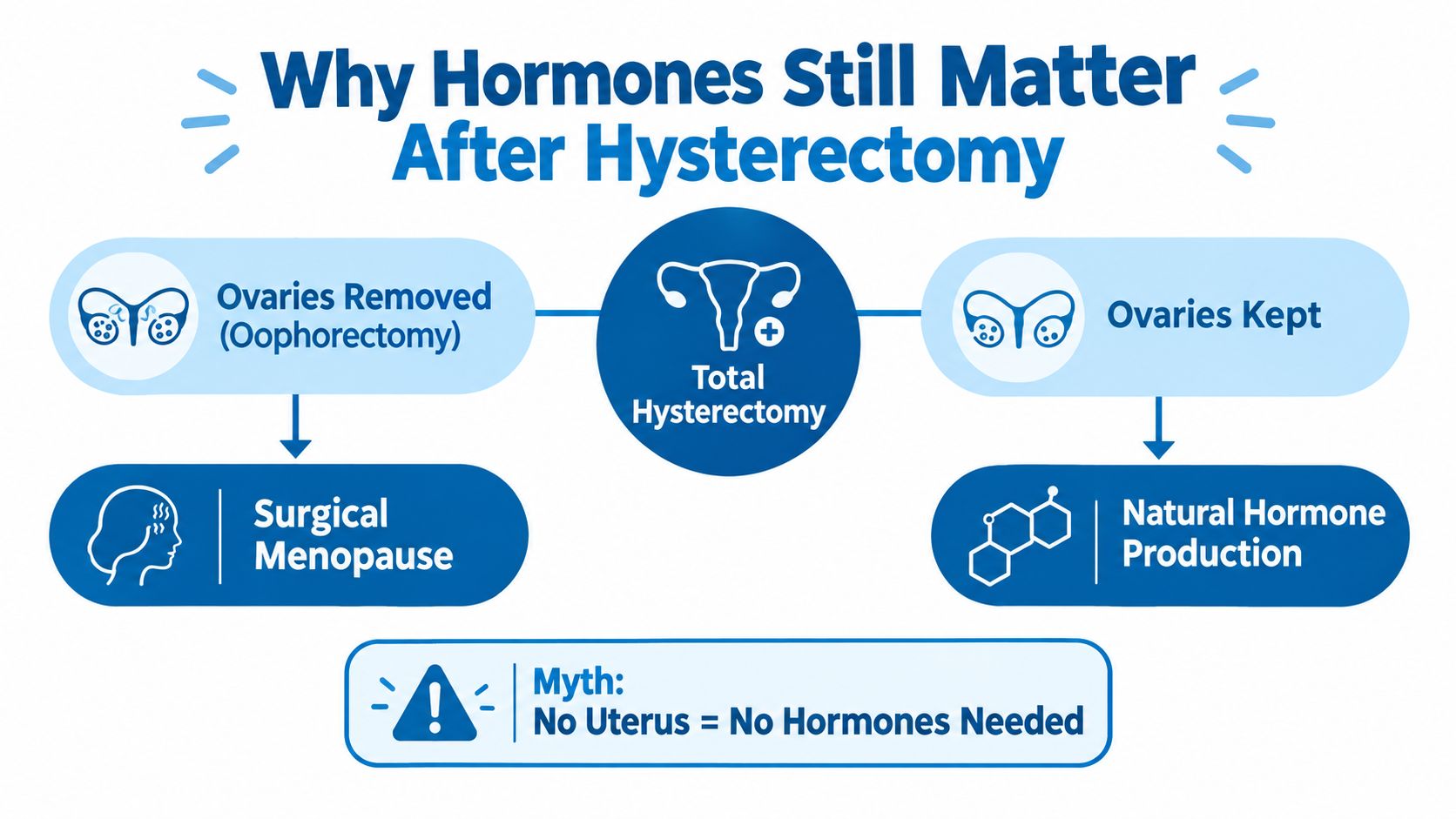
During the in-person appointment, a provider looks for the story behind the weight. Did the gain begin after a pregnancy, hysterectomy, shift-work schedule, antidepressant, perimenopause symptoms, or declining energy? Have cravings increased? Are you skipping meals all day and overeating at night? Are your sleep and stress making appetite harder to control?
Those questions shape treatment far more effectively than a generic handout.
A personalized plan may include:
- Hormone-focused evaluation: especially when symptoms suggest menopause, andropause, thyroid dysfunction, or another endocrine issue
- Medical weight loss tools: which can include nutrition changes, prescription options, and careful medication management
- Disease management support: if diabetes, prediabetes, thyroid disease, or metabolic syndrome is part of the picture
Follow-up is where precision happens
The first plan is rarely the final plan. Follow-up visits allow the clinician to assess side effects, appetite patterns, energy, adherence, and symptom response. That's where many patients start feeling that care is finally personalized for them instead of borrowed from someone else's success story.
A patient in Tupelo may need a strategy that fits long drives and limited lunch breaks. A patient in Oxford may need a plan that works around campus life or rotating shifts. A patient near Meridian, Starkville, or Flowood-Jackson may be balancing chronic disease treatment with hormone symptoms. Clinical care works best when it respects those details.
Good treatment plans fit your actual life in Mississippi, not an idealized routine you can only follow for five days.
Long-term support keeps the results meaningful
The goal isn't just losing weight. It's improving metabolic health, energy, mobility, confidence, and day-to-day function without living in a constant state of restriction. That often means periodic plan changes as your body changes.
Patients searching for local options can start with medical weight loss near me. Access matters, especially when ongoing care is part of success.
Common Questions About Medical Weight Management
What kind of results should I expect
Expect a process, not a crash. Some people respond well to nutrition and behavior changes alone. Others need prescription support, hormone evaluation, or medication adjustments before progress becomes steady. The most useful outcome isn't only a lower number on the scale. It's a plan that improves health markers, energy, hunger control, and sustainability.
Is medical weight management the same as taking a GLP-1
No. GLP-1 weight loss medication can be one tool inside a larger program. Medical weight management also includes evaluation, nutrition guidance, activity planning, behavioral support, and monitoring. If you stop at the prescription and ignore sleep, protein intake, hormone symptoms, or side effects, you may miss the reason progress stalls.
Does this matter if I'm on hormone replacement therapy
Yes. Hormone replacement therapy, including bioidentical hormones or testosterone therapy when medically appropriate, may change symptoms that affect weight such as energy, sleep, body composition, and appetite regulation. But HRT isn't a substitute for weight treatment, and weight treatment isn't a substitute for careful hormone care. The best approach looks at both when symptoms and history suggest they're connected.
Is this only for people with severe obesity
No. Many adults seek care because they've noticed a pattern. Their body has changed. Their old strategies stopped working. They're dealing with menopause, andropause, insulin resistance, thyroid symptoms, diabetes, or fatigue and want a medically sound plan before the problem worsens.
Is insurance required
Not always. Many patients prefer direct, straightforward care because it simplifies scheduling, follow-up, and treatment planning. What matters most is understanding the clinic's model, what services are included, and how medication costs are handled.
What should I bring to a consultation
Bring a list of current medications, supplements, symptoms, past dieting attempts, and your main questions. If your concerns include hot flashes, low libido, sleep problems, fatigue, blood sugar issues, or thyroid symptoms, mention them early. Those details can change the whole treatment direction.
Medical weight management is often most helpful for people who feel discouraged because they've already tried hard. A careful, modern plan doesn't assume you failed. It asks what was missed, then builds from there.
If you're in Mississippi and you're tired of guessing, Pause Medical offers board-certified medical oversight, personalized treatment plans, hormone-aware care, and ongoing support for adults dealing with weight gain, menopause, andropause, metabolic concerns, and related symptoms. Schedule a consultation to discuss your goals, review possible root causes, and get a plan built for your health, not someone else's diet rules. This article is for education only and isn't a diagnosis or individual medical advice. Always discuss symptoms, medications, and treatment options with a qualified clinician.