Progesterone and Water Retention: Expert Answers 2026
If you've ever started hormone therapy, stepped on the scale, and thought, "Progesterone is making me puffy," you're not alone. I hear that fear often from patients across Mississippi who feel tight in their rings, swollen in the lower belly, or suddenly heavier by the end of the day.
The surprising part is that the most common advice on this topic often gets the biology backward. Many people blame progesterone first, when in practice the fuller story usually involves hormone balance, formulation choice, sodium intake, and timing . That distinction matters, because it changes how you respond and whether you get relief.
Feeling Bloated? The Hormone Connection You Need to Understand
A patient might tell me she felt fine until she began hormone treatment, then within days her jeans felt snug and her abdomen seemed distended by evening. She assumed the new progesterone was the problem. That conclusion makes sense on the surface, especially when the symptom appears soon after a prescription change.
But symptoms don't always point to the true cause.

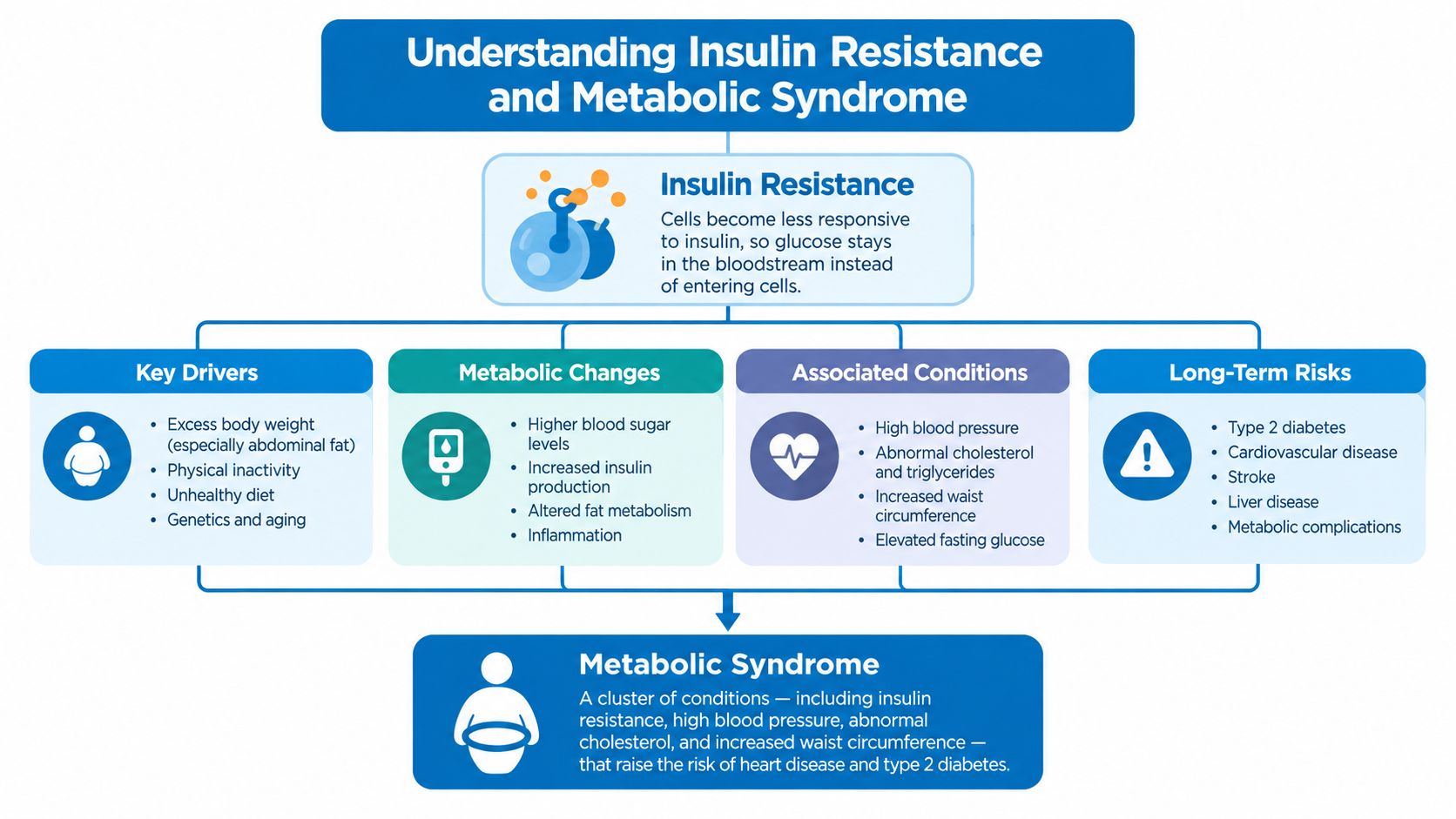
Bloating can come from several hormone-related shifts at once. Estrogen can influence fluid balance. Progesterone can feel different depending on the dose, the delivery method, and whether the product is bioidentical or synthetic. Appetite can also change, which alters sodium intake and carbohydrate intake, both of which can affect how much fluid your body hangs onto. If you'd like a broader primer on how hormones affect metabolism, that overview helps connect why swelling, hunger, energy, and weight can show up together.
What patients often confuse
People tend to group three very different experiences under one phrase: "weight gain."
- Water weight can appear quickly and fluctuate through the day.
- Digestive bloating often feels like pressure, gas, or fullness.
- Body fat changes usually happen more gradually.
That difference matters because the fix isn't the same. If the issue is fluid balance, the question isn't just "Am I taking progesterone?" It's "What else is happening around it?"
Your symptoms are real, even if the first explanation you heard wasn't accurate.
A lot of concern also comes from previous experiences with birth control, older HRT regimens, or oral medications that were labeled in ways that sounded similar. Patients often assume all progesterone-related medications behave the same way in the body. They don't.
When someone is trying to sort through fatigue, bloating, cravings, hot flashes, poor sleep, and changing body composition at the same time, the picture gets muddy fast. That's why individualized evaluation matters more than internet myths. If you want a patient-friendly starting point on balancing hormones naturally, that resource can help frame the bigger picture before you make assumptions about one hormone alone.
How Progesterone Actually Fights Water Retention
The core fact that surprises most patients is this: at therapeutic and bio-identical doses, progesterone physiologically acts as a natural diuretic due to its potent antagonism of aldosterone; by blocking aldosterone receptors in the kidneys, progesterone promotes the excretion of sodium and, consequently, excess water. Any observed bloating is more likely driven by estrogen dominance or excessive sodium intake , as described in this review of progesterone and dose-dependent weight effects.

The kidney gatekeeper analogy
Think of aldosterone as a very strict storage manager in the kidney. Its job is to help the body hold onto sodium. When the body keeps more sodium, it also keeps more water.
Progesterone can act like a gatekeeper who tells that storage manager to stand down. When progesterone blocks aldosterone's action, the kidneys are more willing to let sodium leave. Water follows sodium, so extra fluid is less likely to linger.
That is why the phrase progesterone and water retention is so confusing. The physiology points in the opposite direction from the myth.
Step by step in plain language
-
Aldosterone signals sodium retention .
Sodium retained in the kidneys pulls water with it. -
Progesterone competes at the mineralocorticoid receptor .
This limits aldosterone's ability to keep sodium locked in. -
More sodium can be excreted .
When sodium goes out, excess water tends to go out too. -
The result is often less fluid buildup .
In the right setting, progesterone supports a drier, less puffy state rather than a swollen one.
Practical rule: If someone feels bloated on progesterone, don't assume progesterone is the direct cause before looking at estrogen balance, sodium intake, and the specific product used.
This is one reason experienced clinicians look at the whole hormonal pattern instead of treating one symptom in isolation. The interaction between estrogen, progesterone, stress hormones, and nutrition can shape what patients feel week to week. For a deeper look at hormone balance for women and optimal health, it's helpful to think in terms of balance, not blame.
Why Not All Progesterones Are Created Equal
One major source of confusion is the word itself. Patients hear "progesterone" and assume all forms are interchangeable. In medicine, that isn't true.
Bioidentical progesterone is chemically identical to the progesterone your body makes. Synthetic progestins are different compounds that may act differently in tissues and can produce a different side effect pattern. That distinction helps explain why one patient says progesterone helped her feel less swollen, while another says a prior medication made her feel worse.

A simple comparison
| Type | What it is | Why patients may react differently |
|---|---|---|
| Bioidentical progesterone | Matches the hormone the body naturally produces | Often discussed in the context of more physiologic hormone replacement |
| Synthetic progestins | Lab-modified compounds that are similar, but not identical | Can have different pharmacologic effects and side effects |
| Oral formulations | Swallowed and processed through the liver first | May feel different from non-oral routes |
| Non-oral options | Delivery avoids the same first-pass pathway | Sometimes used when side effects are a concern |
A short explainer can help make the distinction easier to visualize:
Why oral progesterone may feel harder for some people
A real but underrecognized issue is progesterone intolerance . Approximately one in three women experience progesterone intolerance, with symptoms like bloating and mood changes, often linked to the first-pass liver metabolism of oral formulations. Alternative administration methods or switching to bioidentical progesterone can mitigate these issues , according to this discussion on progesterone intolerance and formulation differences.
That doesn't mean progesterone is "bad" for one in three women. It means some patients don't tolerate certain forms well, especially oral products that pass through the liver before reaching the rest of the body.
Questions worth asking your prescriber
- What form am I taking . Is it bioidentical progesterone or a synthetic progestin?
- How am I taking it . Oral capsules can feel different from other routes.
- When did symptoms start . Timing often helps identify whether the issue is the hormone itself, the route, or something else.
- What changed at the same time . Dose adjustments, estrogen changes, and even diet shifts matter.
If you've wondered whether a more personalized hormone plan is safer or better tolerated, this guide to bioidentical hormone therapy safety in 2026 is a useful next read.
Water Retention in Different Hormonal Contexts
The same symptom can mean different things depending on where you are in the menstrual cycle, whether you're newly starting therapy, or whether estrogen has changed more than progesterone. That's why hormone complaints often feel inconsistent. The context shifts.
During the luteal phase
The luteal phase is the part of the cycle after ovulation, when progesterone naturally rises. This is the moment when many people feel thrown off, because they assume high progesterone should mean no bloating at all.
In reality, during the luteal phase or when starting supplementation, the body may temporarily hold onto fluid, resulting in a weight fluctuation of 2 to 5 pounds of water weight. This is typically transient and resolves as the body adjusts or hormone levels stabilize , based on this review of progesterone and temporary weight fluctuation.
That temporary puffiness doesn't automatically mean body fat gain. It often reflects a short-lived fluid shift.
When starting hormone therapy
Starting HRT can feel like changing the settings on a thermostat that has been unstable for a long time. The body sometimes needs time to recalibrate.
Early bloating may show up even when the eventual long-term effect is improved fluid handling. Patients often panic during that adjustment window and stop treatment before the body has settled. That's understandable, but it's one reason follow-up matters.
A fast change in how you feel doesn't always mean a treatment is wrong. Sometimes it means your body is adapting.
Estrogen's role in the background
Research also shows that hormones affect fluid regulation through more than one pathway. In healthy young women, changes in water and sodium retention during estradiol and or progesterone administration are present but small, and clinical practice requires monitoring the estrogen-to-progesterone ratio and sodium intake to manage fluid balance, rather than attributing retention solely to progesterone therapy , as discussed in this review of estrogen, progesterone, and fluid regulation.
That ratio matters. A patient may think, "Progesterone made me bloat," when what's really happening is a mismatch between estrogen and progesterone, plus a little extra sodium from convenience foods, restaurant meals, or stress eating.
Menopause and weight concerns
For women in midlife, fluid retention can overlap with slower recovery, changing body composition, and abdominal weight concerns. Those are separate issues, but they often travel together and can be hard to sort out without a clear framework. If you're exploring medical options for that broader picture, this article on GLP-1 and menopause weight loss offers a useful overview.
If menopause-related bloating and scale fluctuations are part of your bigger struggle, this resource on menopause and weight gain solutions may help you understand what to evaluate next.
Practical Strategies for Finding Relief and Balance
Relief usually starts with one mindset shift. Bloating after starting hormone therapy does not mean your body is “failing,” and it does not automatically mean progesterone is the wrong treatment. In clinic, I encourage patients to treat bloating like a dashboard warning light. It is a signal to look more closely at the full hormone picture, your dose, your formulation, your salt intake, your stress load, and your timing.

What to focus on first
Start with patterns, not panic.
A few simple observations can tell your clinician much more than a single bad day on the scale. If your bloating changes from morning to night, shows up after restaurant meals, worsens after a dose increase, or clusters around certain parts of your cycle, those details help separate fluid shifts from other problems such as constipation, true weight gain, or an estrogen-heavy regimen.
Here are the first areas I would review with a patient:
- Your formulation and route. Oral hormones, compounded products, and synthetic progestins can feel different in the body. The label matters.
- Your symptom timing. Note when the bloating started and whether it matches a new prescription, dose change, or cycle phase.
- Your sodium exposure. Soups, sauces, deli foods, takeout, and packaged snacks can increase puffiness quickly, even when your meals seem “healthy.”
- Your hydration. Holding back on water often makes swelling feel worse because the body becomes more protective of fluid.
- Your digestion and appetite. Slower digestion, cravings, or constipation can create the same “puffy” feeling patients often blame on progesterone.
That last point trips people up all the time. A stretched, uncomfortable abdomen can feel like water retention even when the main driver is digestion or temporary hormonal adjustment.
Lifestyle Support That Makes Sense
The goal is to reduce noise so the underlying pattern becomes easier to see.
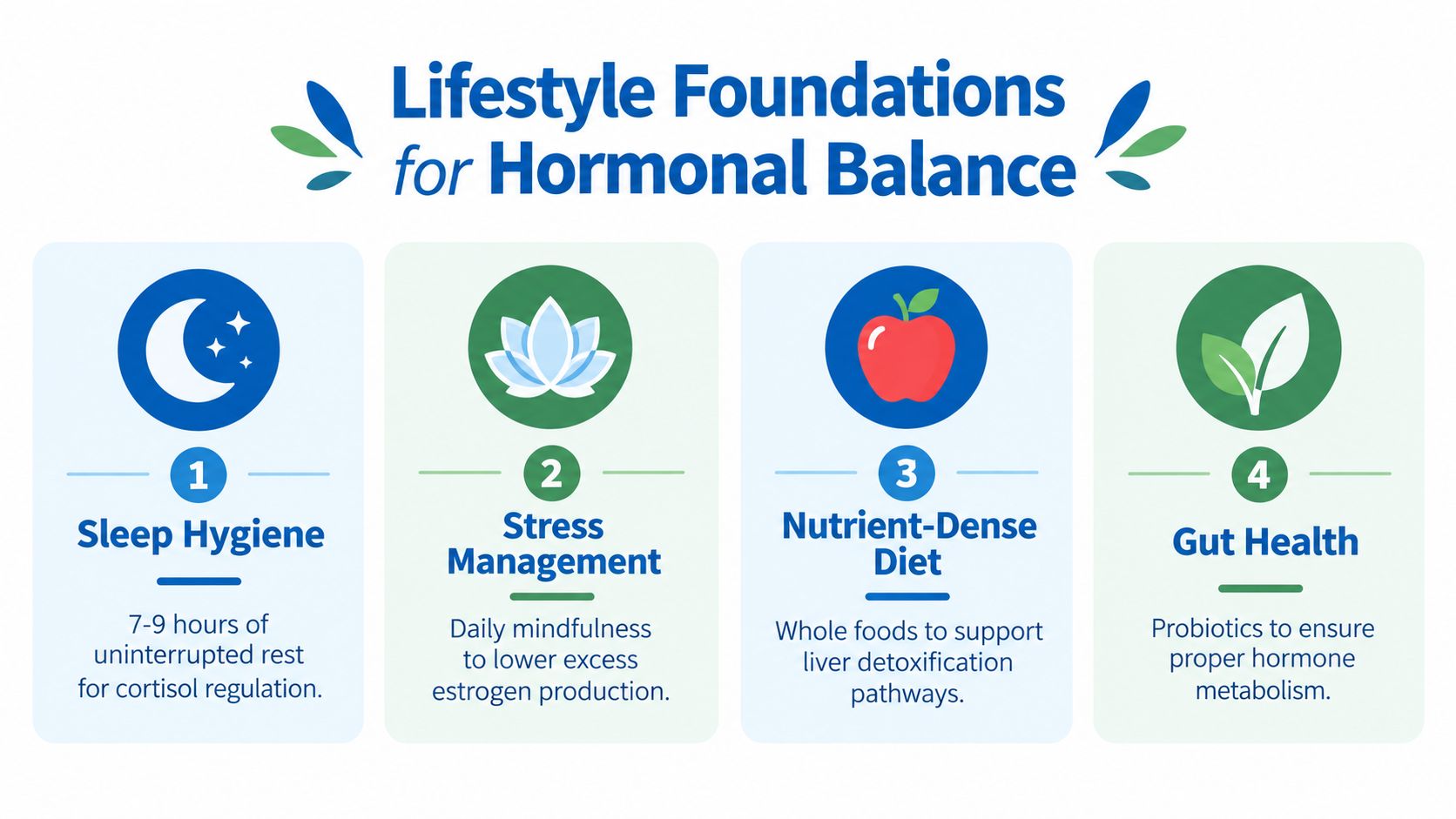
Gentle daily walks, steady hydration, consistent sleep, and fewer high-sodium convenience foods can make a meaningful difference while your treatment plan is being adjusted. Stress management matters too. Higher stress can change food choices, sleep quality, and cortisol patterns, all of which can make bloating feel more dramatic.
A helpful companion read on strategies for women's hormonal health can add context around sleep, stress, nutrition, and cycle support.
When medical adjustment is worth considering
Sometimes the body needs time to adapt. Sometimes the prescription needs fine-tuning.
Contact your clinician if bloating is persistent, worsening, or paired with sedation, dizziness, headaches, breast tenderness, mood changes, or blood pressure concerns. In those cases, the answer may be a dose adjustment, a change in delivery route, or a closer look at whether you are using bioidentical progesterone versus a synthetic progestin.
If you need help sorting through those options, working with a clinician who offers personalized hormone replacement therapy care near you can make the process much clearer.
The hopeful part is this. Bloating has a cause, and causes can be identified. With the right formulation, the right balance, and a little pattern tracking, many patients feel much better than they expect.
Your Questions About Progesterone Therapy Answered
If I feel bloated after starting HRT, what should I do
Don't panic and don't assume you've gained body fat overnight. Start by noting when the bloating began, where you feel it, whether your rings or ankles are tighter, and whether your appetite or sodium intake changed at the same time. Then contact your prescribing clinician.
Research supports looking closely at estrogen in this situation. Clinical research demonstrates that estrogen, both alone and combined with progesterone, increases overall body water retention by enhancing the arginine vasopressin response, a key hormone regulating fluid balance , according to this summary of estrogen and body water retention research.
How long does water retention last after starting progesterone
Some people notice an adjustment period early on. Others don't. If your bloating is part of a temporary fluid shift, it may settle as hormone levels stabilize.
If it doesn't improve, the right question isn't just "How long should I wait?" It's "Am I on the right formulation, dose, and balance for my body?"
Can progesterone cause actual fat gain
Progesterone is more commonly blamed for water weight, appetite changes, or temporary bloating than for direct fat gain. If body fat is increasing over time, it's usually more helpful to assess the larger picture, including estrogen balance, sleep, insulin resistance, thyroid function, stress, and nutrition.
That's especially true in menopause and andropause, when several systems can shift at once.
Is bioidentical progesterone the same as synthetic progestin
No. They aren't interchangeable terms. That difference matters because side effects and tissue responses can differ. If you've had a bad experience in the past, it's worth confirming exactly what you took rather than assuming all "progesterone" products will affect you the same way.
When should I seek an in-person evaluation
Seek medical guidance if bloating is severe, persistent, or comes with other concerning symptoms such as dizziness, major mood changes, rising blood pressure, or swelling that doesn't improve. Patients in Mississippi who want a closer evaluation can explore options for hormone replacement therapy near home.
Hormone therapy should never feel like guesswork. The best care plans account for formulation, dosing, symptom timing, metabolic health, and life details that shape how your body responds.
This article is for education only and isn't a substitute for personal medical advice, diagnosis, or treatment. Hormone therapy, bioidentical hormones, testosterone therapy, GLP-1 weight loss medications, and medication management should be overseen by a qualified clinician who can evaluate your individual history, symptoms, and risks.
If you're in Mississippi and you're struggling with bloating, hormone imbalance symptoms, menopause changes, low energy, weight gain, or questions about bioidentical hormones, Pause Medical offers board-certified medical oversight, personalized treatment plans, and integrative care that looks for root causes instead of masking symptoms. You can schedule a consultation to discuss hormone replacement therapy, medical weight loss, GLP-1 weight loss support, testosterone therapy, and medication management with a provider who will help you sort out what's fluid, what's hormonal, and what to do next.