A Medically Proven Guide on How to Lose Weight Safely
Losing weight the right way isn’t about chasing quick fixes or trying the latest extreme diet. It's about embarking on a
personalized, medically-guided journey that gets to the root causes of weight gain. At Pause Medical, we believe the only approach that works for the long haul is one that combines proven science with a plan built specifically for your unique biology, ensuring results that last without putting your health on the line.
Why Sustainable Weight Loss Starts With a Medical Partner
Have you ever felt defeated by the endless cycle of dieting, losing a few pounds, and then gaining it all back? If so, you're not alone. So many popular weight loss programs fail because they push a one-size-fits-all solution for what is a deeply personal health issue. They often overlook critical factors like hormonal imbalances, your individual metabolic rate, and underlying medical conditions that can make losing weight feel like an uphill battle.
This is precisely where a medical approach changes the game. True, sustainable success in weight management comes from an integrative strategy that addresses the root cause of your struggle, guided by a board-certified provider who understands your body's specific needs and challenges.
The Inevitable Failure of Fad Diets
Fad diets are notorious for promising dramatic results through severe restriction. And while you might see the number on the scale drop quickly, this almost always comes at a cost. That initial "success" is often just a loss of water and, more importantly, essential muscle mass—not fat. This process can slow your metabolism, making it even easier to regain weight the moment you stop the diet.
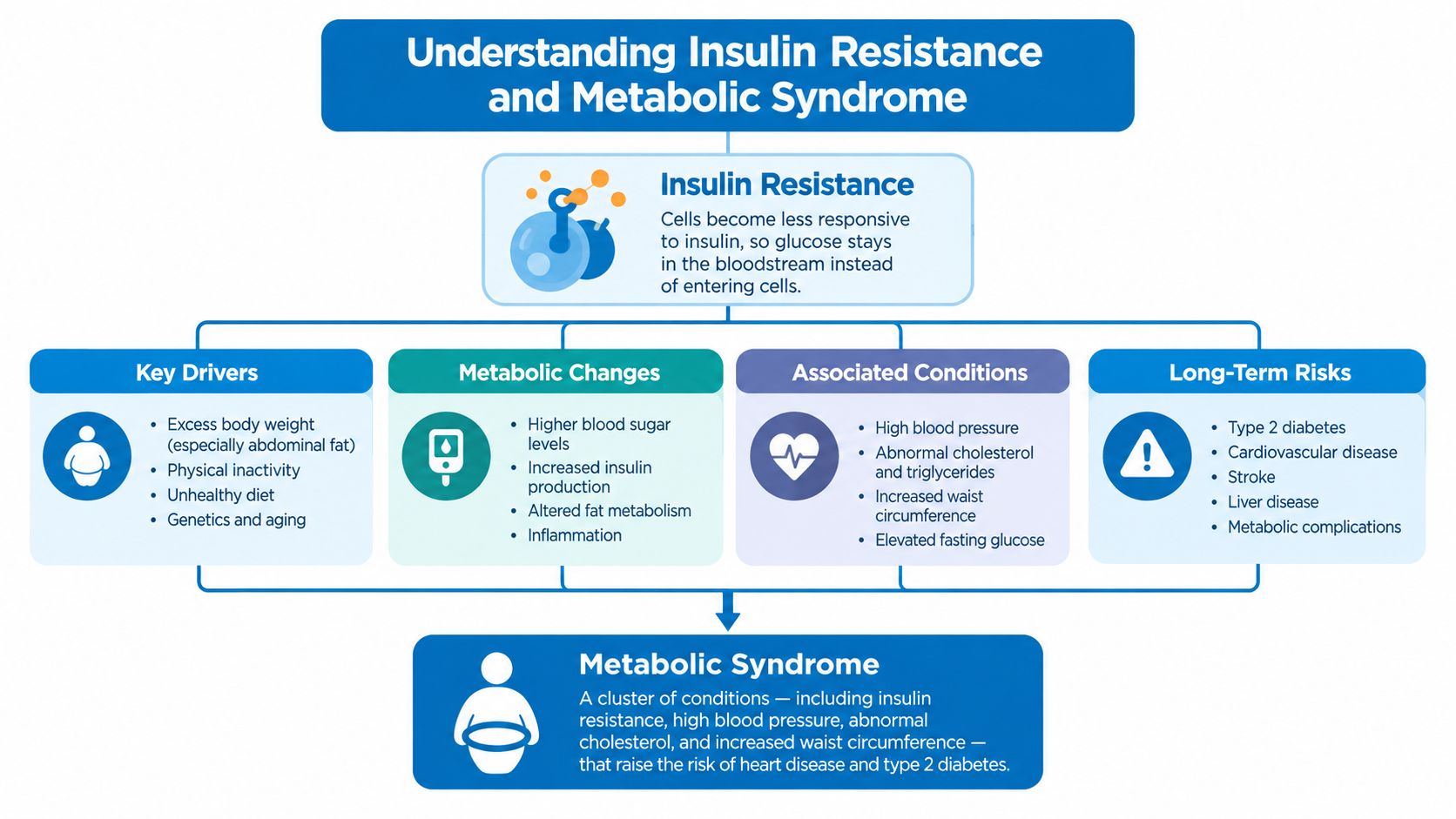
These plans almost never consider the complex dance of hormones that regulate our hunger, metabolism, and fat storage. For example, chronic stress can spike cortisol levels, a hormone that directly encourages your body to store fat around your midsection. Similarly, imbalances in thyroid hormones or sex hormones like estrogen and testosterone during menopause or andropause can bring weight loss progress to a screeching halt.
A medically supervised plan from Pause Medical goes far beyond just counting calories. It’s a complete, integrative strategy designed to diagnose and treat the real reasons you’ve been struggling, setting you up for success that sticks.
A Clearer Path to Lasting Results
At Pause Medical, we see a better way forward—one built on science, empathy, and total personalization. Our approach starts with a simple but powerful question: why? Why has weight loss been such a struggle for you? We begin with a comprehensive evaluation by a board-certified provider to uncover the complete picture of your health.
This guide will walk you through the core pillars of a truly safe and effective weight loss program:
- A Thorough Medical Evaluation: How we pinpoint hormonal imbalances and other health conditions standing in your way.
- Truly Personalized Nutrition: Creating a sustainable eating plan based on your body's specific caloric and macronutrient needs.
- Advanced Integrative Treatments: Understanding when options like GLP-1 medications or hormone replacement therapy (HRT) are a safe and appropriate part of your personalized plan.
- A Strategy for the Long Haul: Building healthy habits with ongoing support and monitoring to ensure your results last a lifetime.
When you partner with a medical team, you get access to the expertise and tools required to finally break through the biological barriers that have held you back. Learn more about our patient-first philosophy and why choosing a medical partner like Pause Medical can make all the difference.
Building the Foundation for Safe Weight Loss
If you want to know how to lose weight safely, it starts with one core scientific principle: the
calorie deficit. It sounds simple, but this concept is often twisted into something extreme. This isn't about starving yourself. It's about consistently giving your body slightly less energy than it needs, encouraging it to tap into its fat stores for fuel.
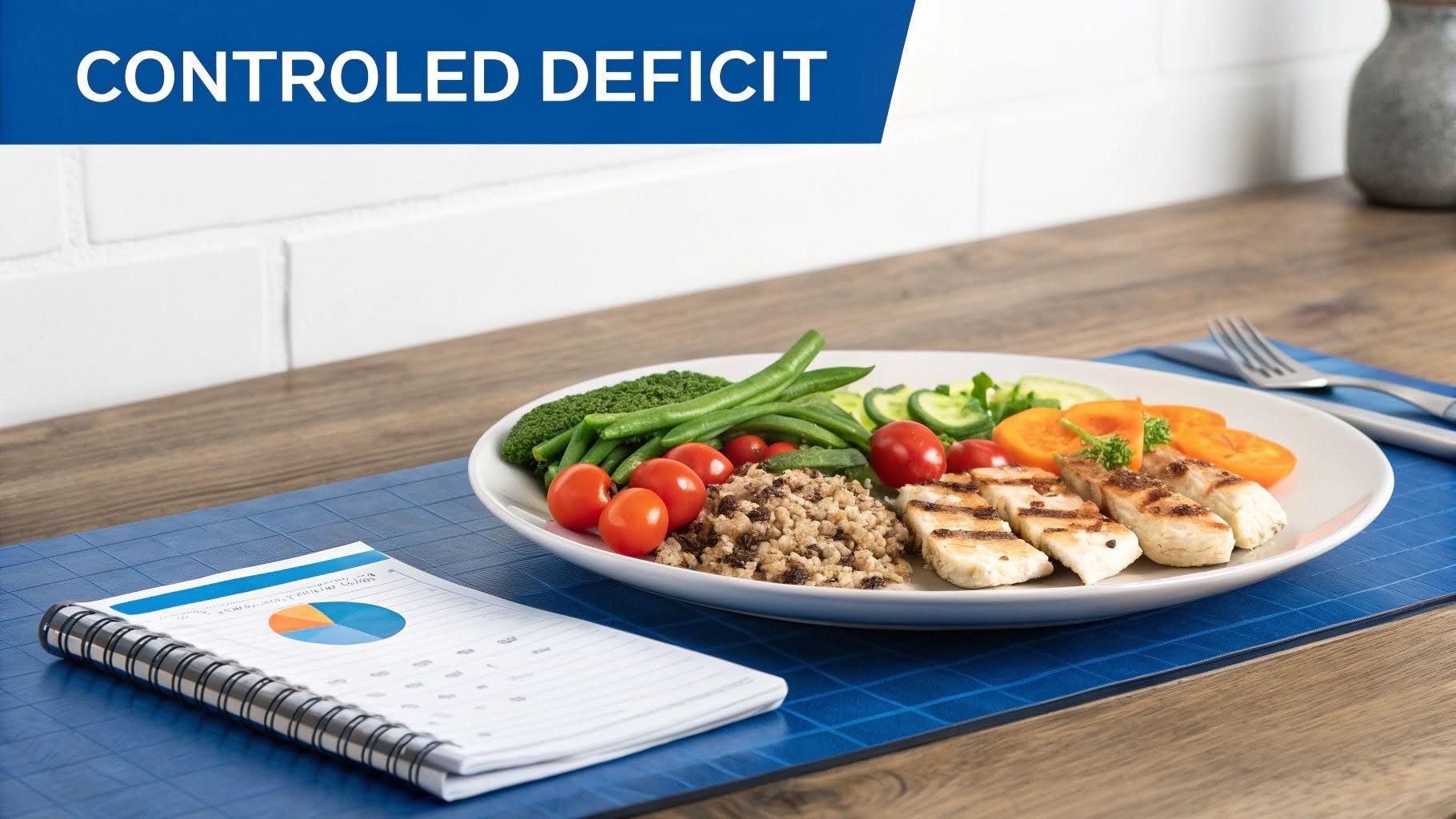
When you create this gentle, controlled deficit, you’re shedding excess fat while holding onto precious muscle that keeps your metabolism humming. That's the secret to effective, lasting weight loss.
Finding Your Caloric Sweet Spot
From years of clinical experience, we know the sweet spot for most people is a modest deficit of 500 to 1,000 calories per day. This generally leads to losing about 1 to 2 pounds per week—a pace your body can handle without triggering the metabolic slowdown and rebound weight gain seen with crash diets.
This isn't just theory; it's backed by solid research. One landmark study, the Diabetes Prevention Program, found that participants who cut about 500 calories a day and exercised for 150 minutes weekly achieved a 7% reduction in body weight over six months. More importantly, this modest change lowered their risk of developing type 2 diabetes by an incredible 58%.
At Pause Medical, we know that number isn't one-size-fits-all. A 45-year-old woman in perimenopause has different caloric needs than an active 50-year-old man. Your age, gender, activity level, and underlying health all play a role. Our board-certified providers go beyond generic calculators to determine your precise needs.
A medically determined calorie target ensures you’re not just losing weight, but doing so in a way that respects your body's unique biology and sets you up for lasting success.
Understanding the difference between a responsible, medically guided plan and a quick-fix diet is crucial. The table below breaks down what sets these two approaches apart.
Comparing Safe vs. Unsafe Weight Loss Strategies
| Characteristic | Safe, Medically Supervised Approach | Unsafe Crash Dieting |
|---|---|---|
| Pace of Loss | Gradual: 1-2 lbs per week | Rapid: 3+ lbs per week |
| Calorie Deficit | Moderate: 500-1,000 calories/day | Extreme: Often <1,200 calories/day |
| Nutrition Focus | Balanced macronutrients, whole foods | Eliminates entire food groups |
| Muscle Mass | Aims to preserve muscle | Leads to significant muscle loss |
| Sustainability | Teaches long-term healthy habits | Impossible to maintain, leads to yo-yo effect |
| Medical Oversight | Regular check-ins and adjustments under board-certified care | None, based on trends or misinformation |
As you can see, the path to sustainable health isn't about speed; it's about strategy. A safe approach builds you up, while a crash diet can break your metabolism down.
The Critical Role of Macronutrients
Counting calories only gets you so far. The quality of those calories—your balance of macronutrients—is what truly determines how you feel during your weight loss journey.
Think of them as your body's energy-providing team:
- Protein: Essential for protecting your muscle mass as you lose fat. It’s also a powerhouse for satiety, keeping you feeling full and satisfied, which helps tremendously with cravings.
- Carbohydrates: Your body's preferred fuel source. We focus on complex, high-fiber carbs from whole foods that provide steady, sustained energy.
- Fats: Absolutely critical for producing hormones and absorbing key vitamins. Healthy fats from sources like avocados and nuts also help you feel full after meals.
A common pitfall of generic diets is a poor macronutrient balance, leaving people feeling exhausted, hungry, and losing muscle instead of fat. Our medically designed nutrition plans give your body the optimal ratio of protein, carbs, and fats to protect your metabolism and keep your energy levels stable. To learn more about our philosophy, you can explore our guide to overall patient wellness.
This personalized approach is what makes a weight loss plan truly safe and effective. It's about giving your body the right fuel to thrive, turning a difficult process into an empowering path toward better health.
The Hidden Driver of Weight Gain: Uncovering Hormones
Have you ever done everything right—diligently counting calories, hitting the gym—only to have the scale mock you by not moving? It’s a maddeningly common experience. More often than not, this points to a powerful, hidden force that most diet plans completely miss: your hormones.
Think of hormones as your body's internal command center. These chemical messengers dictate everything from your mood and energy to your metabolism and how you store fat. When they're out of balance, even the most disciplined weight loss efforts can feel impossible.
When Your Body Starts Working Against You
Your hormones are the traffic controllers of your metabolism. When everything is in sync, energy flows efficiently. But an imbalance can cause a major metabolic gridlock.
A perfect example is a woman in perimenopause. She might be eating clean and exercising consistently, yet she's suddenly battling stubborn belly fat. This is often a direct result of declining estrogen and progesterone, which can slow her metabolism and signal her body to store fat around her midsection.
It's a similar story for men going through andropause. They might find it nearly impossible to build muscle or shed fat, no matter how hard they train. This is a classic sign of low testosterone, a hormone critical for maintaining muscle mass—the engine of a healthy metabolism. These aren't just hypothetical scenarios; they're patient stories we hear and treat every single day at Pause Medical.
Hormonal imbalances can quietly sabotage your best efforts, turning your body's fat-burning furnace down and its fat-storing mechanisms up. Rebalancing them is often the missing key to unlocking weight loss.
Common Hormonal Culprits Behind Weight Gain
Several key hormonal issues are notorious for interfering with safe and effective weight loss.
- Thyroid Disorders: An underactive thyroid (hypothyroidism) is a major culprit. It can dramatically slow your metabolism, leading to frustrating weight gain and persistent fatigue.
- High Cortisol: Constant stress keeps cortisol levels elevated, which signals your body to store visceral fat—the dangerous kind that wraps around your organs.
- Estrogen Dominance: When estrogen levels are too high relative to progesterone, the result can be bloating, water retention, and weight gain, especially around the hips and thighs.
- Low Testosterone: In both men and women, low testosterone causes muscle loss. Since muscle burns more calories than fat, losing it directly tanks your body's calorie-burning capacity.
Getting your hormones right is a game-changer. The estrogen drop during menopause can lead to an average gain of one to two pounds every year. Data from trials published in JAMA show that testosterone replacement can lead to 5-10% fat loss in men over 12 months. For women, rebalancing progesterone and estrogen can curb cravings, with some studies showing an 8-12% drop in weight for perimenopausal participants. The World Obesity Federation's website offers more global insights on these pervasive issues.
Pinpointing the Problem with Precision
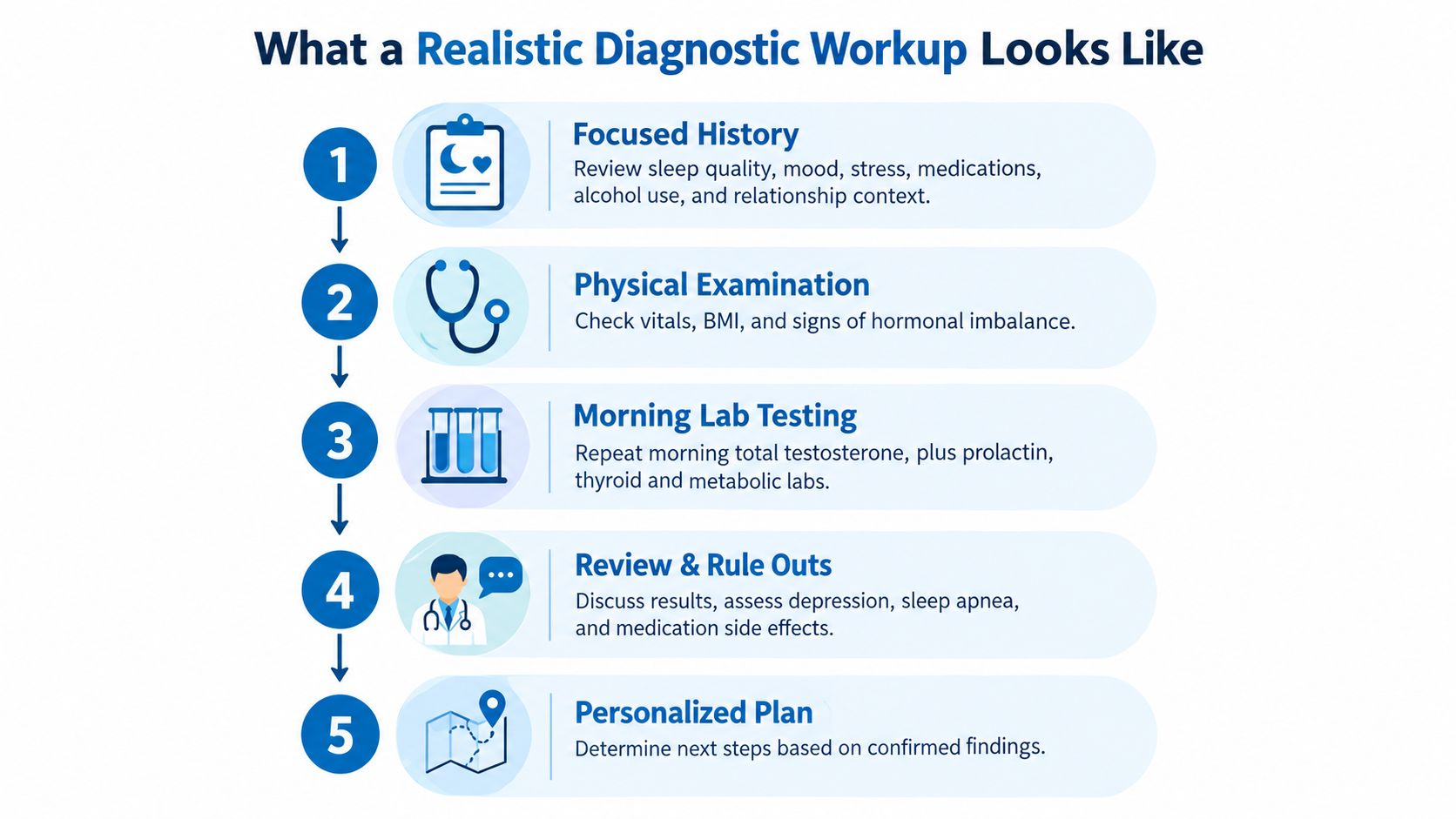
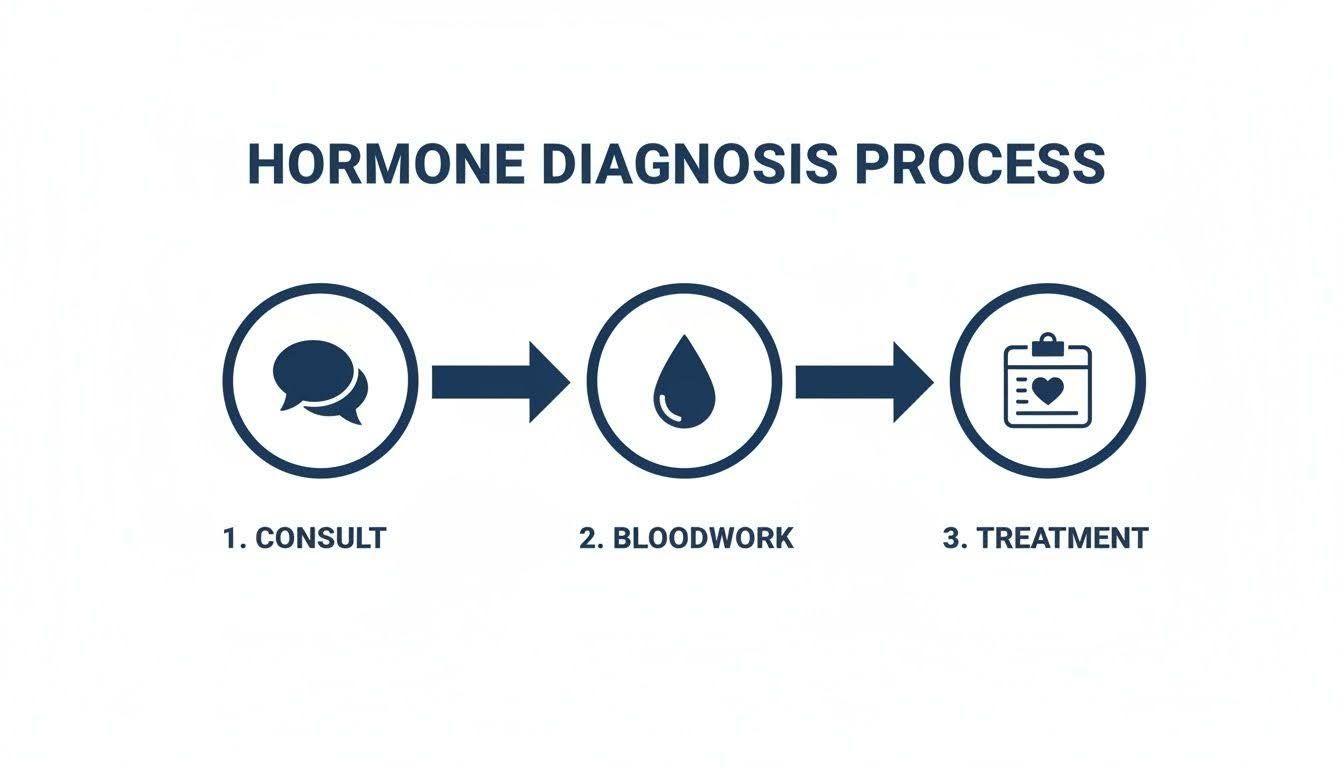
Guesswork has no place in your health journey. Instead of telling you to “try harder,” our first step is to uncover the root cause of your weight loss struggle. At Pause Medical, we start with a thorough diagnostic process to get a complete picture of your hormonal health.
It begins with an in-depth consultation where one of our board-certified providers listens to your story—your symptoms, frustrations, and goals. From there, we order comprehensive blood work. This isn’t a basic screening; we run a full panel to analyze your hormone levels and spot imbalances.
By pinpointing the exact issue—whether it's an underperforming thyroid or low testosterone—we can build a targeted plan. This ensures your body is finally primed to respond to your healthy habits. For many patients, restoring metabolic function through treatments like Bioidentical Hormone Replacement Therapy (BHRT) is the key that finally unlocks their progress. Explore our approach to balancing hormones for better health to see how we can help you.
Crafting Your Personalized Medical Weight Loss Plan
With a clear picture of any hormonal or metabolic factors at play, we can move from diagnosis to a concrete action plan. At Pause Medical, we skip one-size-fits-all templates. Instead, we build a comprehensive, integrative plan that’s as unique as you are, weaving together personalized nutrition, sustainable exercise, and advanced medical treatments when appropriate.
This is a collaborative partnership between you and your board-certified provider. Together, we’ll build a strategy that gets to the root causes of weight gain, making sure your body is fully supported every step of the way.
Our process is methodical and clear, moving from an in-depth consultation and precise bloodwork to a carefully crafted, medically sound treatment strategy.
Integrating Advanced Medical Tools
For many people, diet and exercise alone aren't enough to overcome powerful biological hurdles. This is where modern medical science can be a game-changer. One of the most effective tools in our arsenal today are GLP-1 receptor agonists, such as Semaglutide.
These medications were first developed to manage type 2 diabetes but have proven incredibly effective for weight loss. They work by mimicking a natural hormone that regulates appetite and insulin.
- Curbs Appetite: GLP-1s send a signal to your brain that you're full, which dramatically cuts down on hunger and cravings. You feel satisfied with less food, without the struggle of feeling deprived.
- Slows Digestion: By slowing how quickly food leaves your stomach, they help prevent blood sugar spikes and keep you feeling full much longer.
- Boosts Insulin Efficiency: This helps your body process sugar more effectively and encourages it to burn fat for energy.
These medications are not a shortcut. They are a powerful medical tool that we only prescribe after a thorough evaluation confirms you’re a good candidate. Your board-certified provider will review your entire health history to ensure a GLP-1 is a safe and appropriate part of your plan, always under strict medical supervision. Learn more about how we use these innovative treatments by exploring our services for peptides and medical weight loss.
Building a Sustainable Exercise Routine
Movement is a cornerstone of safe weight loss, but it’s about more than just burning calories. A sustainable exercise routine should protect your metabolism and build strength for long-term health.
A common mistake is focusing only on cardio. While running or biking is great for your heart, if you neglect resistance training, you risk losing precious muscle mass along with fat.
Losing muscle slows down your metabolism, making it harder to keep the weight off for good. That’s why our providers champion a balanced approach.
Your personalized plan will likely include a mix of:
- Cardiovascular Exercise: Activities like brisk walking, cycling, or swimming to boost heart health. We’ll help you find activities you genuinely enjoy to ensure consistency.
- Resistance Training: Using weights, bands, or your body weight to build and maintain lean muscle. This keeps your metabolic engine revving, even at rest.
Our goal isn’t to turn you into a pro athlete overnight. It’s to help you build consistent, enjoyable habits that support your body’s transformation. This integrated approach—combining smart nutrition, targeted exercise, and advanced medical support when needed—is what makes a true medical weight loss plan so effective.
Navigating Your Journey for Long-Term Success
Getting to your goal weight is a huge accomplishment, but the real challenge is maintaining it. The true measure of success isn't just what you lose; it's the lifelong health you gain. This is where a continuous, supportive partnership with your medical provider makes all the difference.
At Pause Medical, our commitment to you doesn't stop when you hit a number on the scale. We shift with you into a maintenance phase focused on careful monitoring, fine-tuning your plan, and offering the rock-solid support you need to handle life's challenges.
Consistent Monitoring for Lasting Health
Once your plan is underway—especially if it involves treatments like hormone replacement therapy (HRT) or GLP-1 medications—regular check-ins are crucial. These follow-up appointments ensure your plan remains effective and, most importantly, safe.
During these sessions, we'll:
- Review Your Progress: We look beyond the scale at changes in body composition, energy levels, and your overall sense of well-being.
- Monitor Health Markers: For patients on HRT or specific medications, we order periodic bloodwork to confirm your hormone levels are optimal and your body is responding as intended.
- Fine-Tune Your Plan: As your body adapts, your needs will shift. We may need to tweak medication dosages, update nutrition guidance, or suggest changes to your fitness routine.
This hands-on, integrative approach means we can spot potential issues early and make precise adjustments before they become problems, keeping your path forward as smooth as possible.
Breaking Through Weight Loss Plateaus
It happens to almost everyone. After weeks of consistent progress, the scale stops moving. A weight loss plateau can be incredibly frustrating and is often the point where motivation dips.
With a medical partner in your corner, a plateau isn't a dead end—it's new information. Our board-certified providers can help you figure out why things have stalled.
A plateau doesn’t mean you’ve failed. It usually means your body has adapted and is ready for a new challenge. It’s a signal to adjust your strategy, not abandon it.
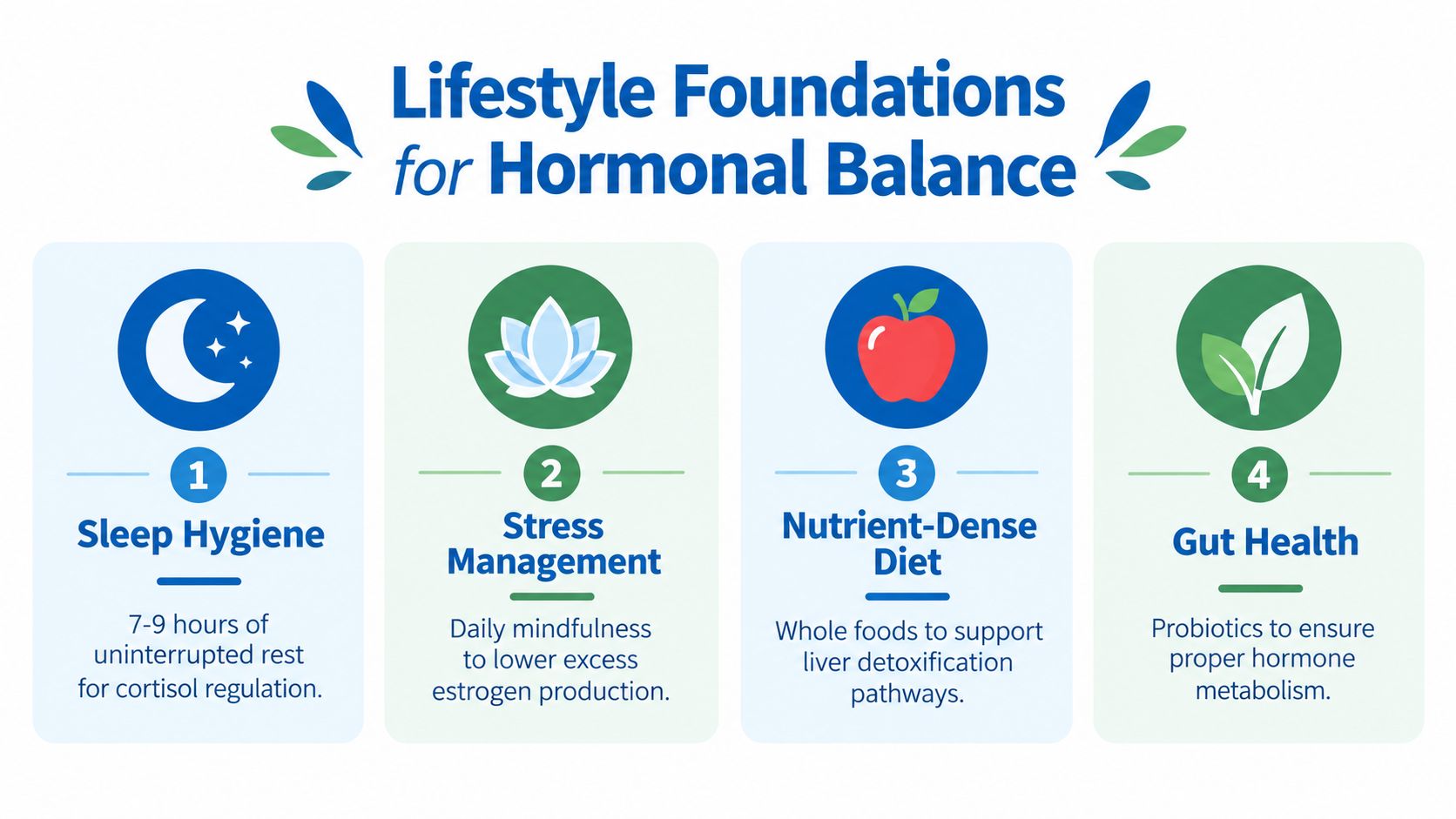
We'll work together to find a way forward. This might mean adjusting your macronutrient ratios, introducing a new type of exercise, or looking at outside factors like stress or sleep that could be getting in the way. This expert guidance turns a roadblock into a launchpad for your next phase of success.
Building Habits That Endure
Ultimately, the goal is to create healthy habits that feel like second nature. This is where behavioral coaching plays a powerful role. We help you move beyond just following rules to truly understanding the "why" behind your choices.
This means building real-world skills for:
- Mindful Eating: Learning to listen to your body and recognize the difference between true hunger and a passing craving.
- Stress Management: Finding healthy ways to cope with stress that don't involve turning to food.
- Consistency Over Perfection: Understanding that one "off" meal or a missed workout doesn't derail your progress.
By focusing on these deep-seated behaviors, we help you build a resilient and positive relationship with food and fitness that will last a lifetime. This commitment to your long-term wellness is at the core of our practice and ties directly into how we help with chronic conditions. You can learn more about our integrated approach through our disease state management programs.
Our partnership is designed to empower you long after the initial weight comes off, setting you up for a future of vibrant health.
Your Top Questions About Medical Weight Loss, Answered
Taking the first step toward a medically guided weight loss plan is a big deal, and it's normal to have questions. At Pause Medical, we believe clear, honest answers are the foundation of a great partnership. Here are some of the most common questions we hear.
How quickly should I expect to lose weight safely?
While rapid results are tempting, the most sustainable approach is slow and steady. We aim for a healthy loss of 1 to 2 pounds per week. This pace ensures you're losing actual body fat, not just water weight or precious muscle. Crash diets often backfire by slowing your metabolism, leading to rebound weight gain. Our goal is to help you build a new, healthier normal that lasts.
Are medical weight loss medications like GLP-1s safe?
GLP-1 medications can be incredibly effective, but they are not a one-size-fits-all solution. This is where professional medical oversight is non-negotiable. Before considering a prescription, our board-certified providers perform a thorough health evaluation, including a review of your medical history and detailed bloodwork. We only prescribe these medications when it's medically appropriate and monitor you closely with regular follow-ups to ensure safety and efficacy.
What if I have a condition like a thyroid disorder or PCOS?
This is a fantastic question and gets to the heart of why our integrative medical approach is so important. Conditions like hypothyroidism or Polycystic Ovary Syndrome (PCOS) create real hormonal and metabolic roadblocks to weight loss. Our entire process is built to uncover and manage these root causes. By addressing the underlying medical issue first, we help create the right internal environment for your body to finally respond to diet and exercise. Your weight loss plan becomes part of a complete health strategy.
Does medical weight loss mean I can never eat my favorite foods again?
Not at all. A plan built on total deprivation is designed to fail. We are here to help you build a positive, lifelong relationship with food, not a fearful one.
The only diet that truly works is the one you can stick with for the long haul. That's why we champion an "all foods fit" approach, where enjoying a treat isn't a failure—it's a normal part of a balanced life.
Instead of a long list of "don'ts," we focus on practical skills:
- Mastering Portion Sizes: Enjoy almost anything when you understand how to size it right.
- Balancing Your Plate: Combine protein, healthy fats, and carbs to stay full and energized.
- Building Healthy Habits: Focus on making smart choices most of the time, not being perfect all the time.
We work with you to design a flexible plan that fits your real life, so you can reach your goals without giving up the joy of food.
Medical Disclaimer: The information in this article is for educational purposes only and is not a substitute for professional medical advice, diagnosis, or treatment. Always seek the advice of your physician or another qualified health provider with any questions you may have regarding a medical condition.
Ready to move past the guesswork and start a weight loss plan grounded in medical science? The expert team at Pause Medical is here to provide the support and personalized guidance you deserve.