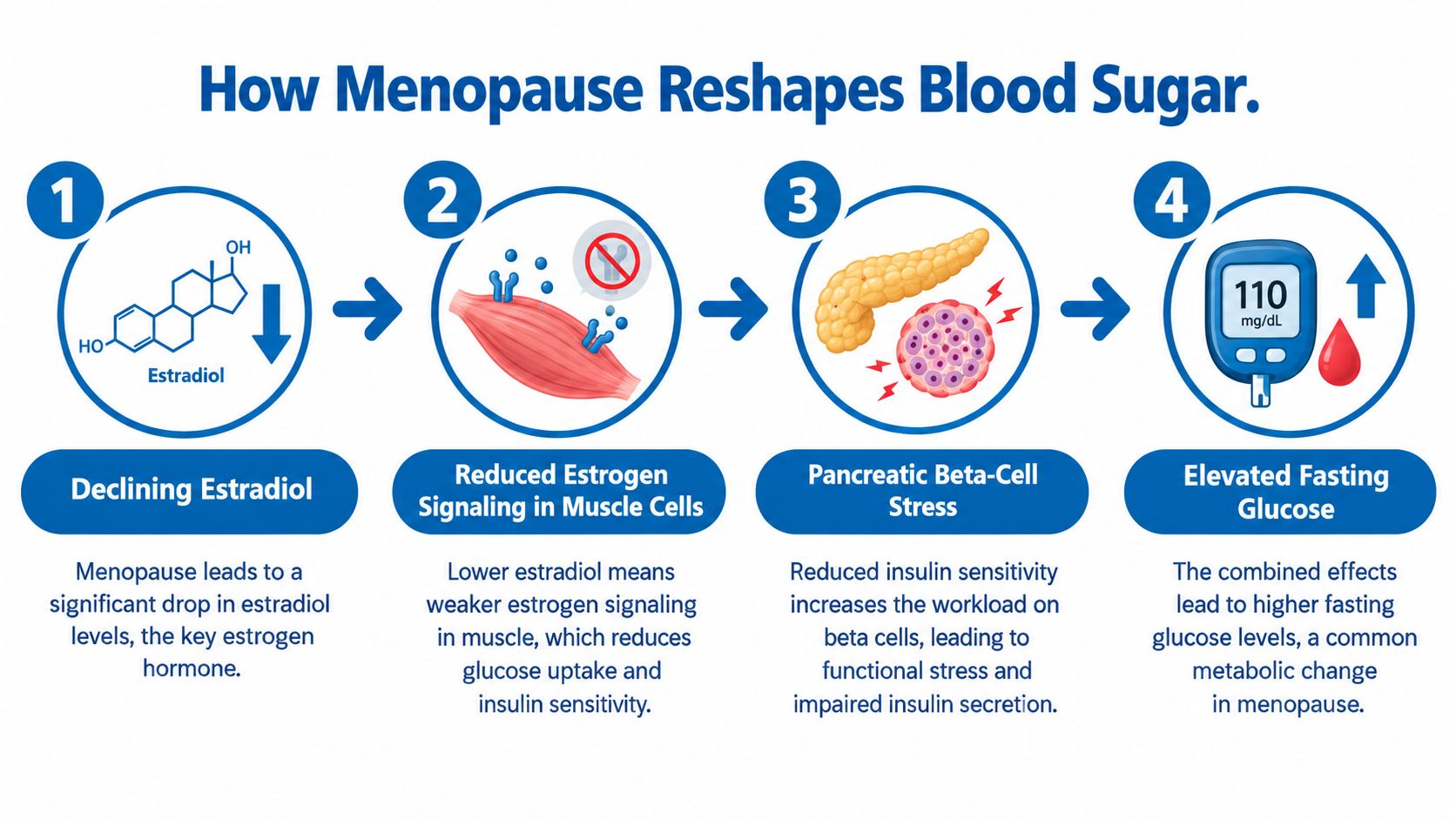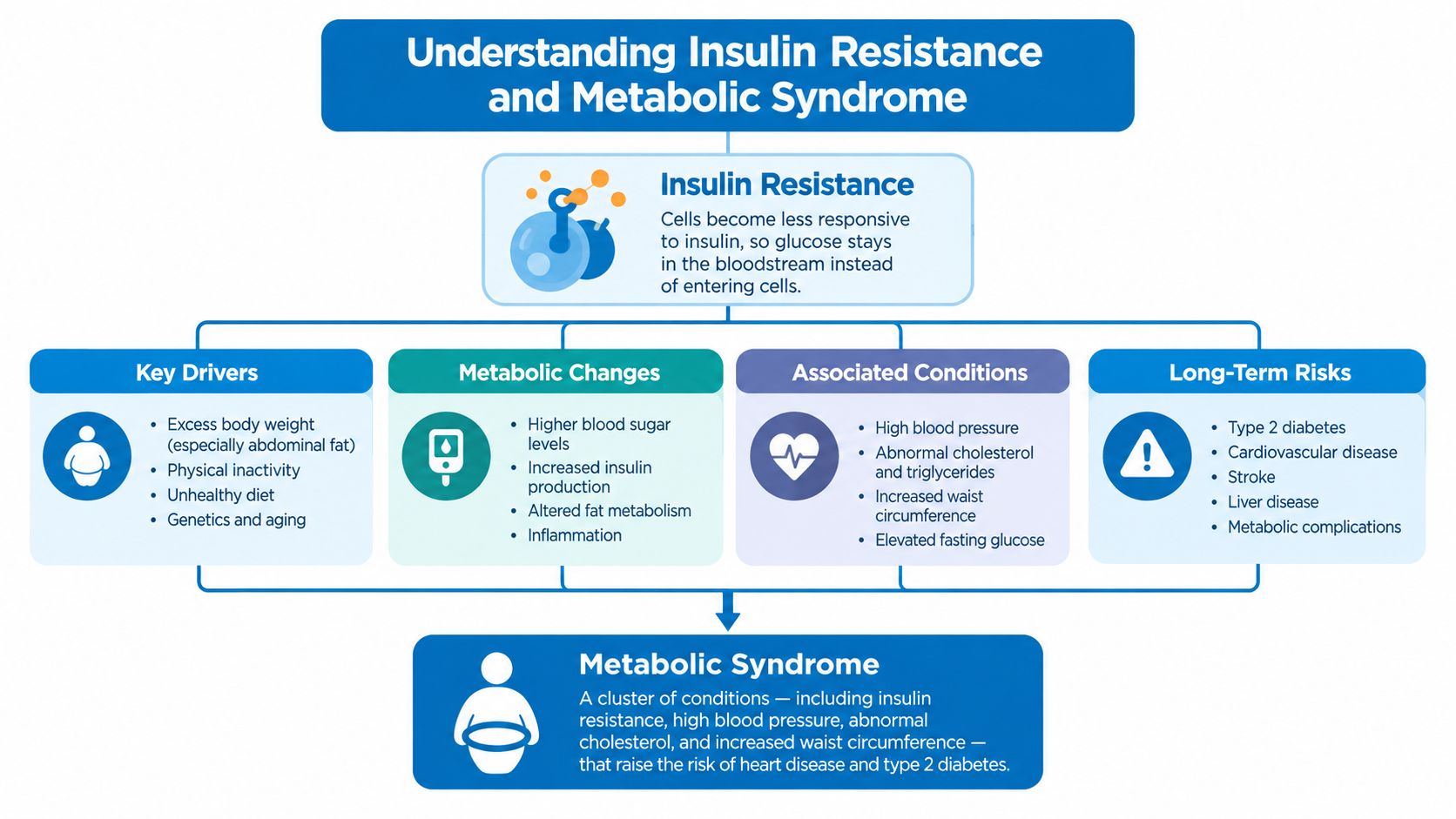
A Patient's Guide to the Testosterone Level Lab Test

A testosterone level lab test is a simple blood draw that provides a clear picture of your body's testosterone levels. For anyone struggling with nagging symptoms like constant fatigue, low libido, brain fog, or stubborn weight gain, this test is the essential first step toward getting answers and building an effective, personalized treatment plan.
We understand that dealing with these kinds of symptoms can be frustrating and isolating. At Pause Medical, our compassionate, board-certified medical team is here to guide you, turning confusing symptoms into a clear diagnosis and a concrete path toward feeling like yourself again.
Why Your Testosterone Level Lab Test Is a Crucial First Step
If you're dealing with symptoms that are dragging you down—whether it's persistent exhaustion, brain fog, or a noticeable drop in motivation—it's often more than just a sign of "getting older." These are frequently your body's way of signaling a hormonal imbalance. A testosterone level lab test is the critical first move to turn those vague feelings into a concrete diagnosis, providing the hard data needed to see what's really going on inside.
This simple blood test gives us far more than just a number on a lab report; it's a detailed map of your hormonal health. It helps our board-certified providers pinpoint the root cause of your problems, separating a potential hormone imbalance from other health issues. For both men and women, testosterone is a key player in regulating mood, energy levels, muscle mass, and overall vitality. When those levels are off, you feel it in every part of your life.
From Symptoms to Solutions
Getting to the bottom of your health concerns starts with getting accurate information. Without testing, trying to fix symptoms is just a shot in the dark. A lab test provides a clear, reliable baseline, which allows our medical team to create a personalized treatment plan that’s targeted, effective, and tailored to your unique biology.
Here at Pause Medical, we view this test as the beginning of a partnership. Our board-certified providers don't just look at the numbers in isolation; they connect them with your specific symptoms, lifestyle, and health goals. This integrative, evidence-based approach ensures we aren't just treating a lab value—we're treating you as a whole person.
By connecting your lab results directly to your lived experiences, we can create a personalized treatment plan that truly addresses the source of your struggles and helps you reclaim your energy and focus.
The entire process is designed to empower you. Instead of feeling confused or having your concerns brushed aside, you get real clarity and a clear, hopeful path forward. This guide will walk you through every step, from recognizing the signs that it's time for a test to understanding your results and exploring your treatment options.
Understanding Your Testosterone Testing Journey
| Stage | Key Focus | Why It Matters |
|---|---|---|
| Symptom Recognition | Identifying and tracking signs like fatigue, low libido, or mood changes. | Connects your daily experience to a potential underlying hormonal cause. |
| The Lab Test | A simple blood draw to measure total, free, and bioavailable testosterone. | Provides the objective data needed for an accurate diagnosis. |
| Interpreting Results | Your board-certified provider compares your levels against optimal ranges and your personal symptoms. | Turns raw numbers into meaningful insights about your health. |
| Developing a Plan | Discussing treatment options like hormone replacement therapy. | Creates a targeted, personalized strategy to restore balance and well-being. |
This table outlines the path from feeling unwell to finding real solutions. Learn more about how we integrate testing into personalized hormone replacement therapy to help patients of all ages achieve their wellness goals.
Decoding the Numbers: What Your Testosterone Test Actually Measures
When you get the results back from a testosterone level lab test, you might be expecting just one number. In reality, a comprehensive test tells a much bigger story about your hormonal health. It’s not just about the total amount of testosterone you have; it’s about how much your body can actually use.
Think of it like having a full pantry. The total amount of food on the shelves is one thing, but what really matters is the food you can easily grab and eat. Some of it might be locked away in containers you can't open. It's the same with testosterone.
Total Testosterone: The Big Picture
Total Testosterone is exactly what it sounds like—it’s the measurement of all the testosterone in your bloodstream. This includes the testosterone that's actively working in your cells and the portion that's "bound" to proteins, making it temporarily inactive.
This number gives us a good starting point, a high-level view. But it can be misleading on its own. It's entirely possible to have a "normal" total testosterone level and still feel all the classic symptoms of low testosterone. That's because most of that testosterone might be unavailable for your body to access.
Free Testosterone: Your Immediately Usable Supply
This is where the details become critical. Free Testosterone is the powerhouse. It's the portion of the hormone that isn't bound to any proteins, meaning it's free to enter your cells and get to work.
This is the testosterone that fuels your libido, helps build and maintain muscle, keeps bones strong, and supports mood and mental clarity. Since it’s the form your body can use on the spot, the free testosterone level is often the most critical indicator of whether you’re experiencing a true hormonal deficiency.
For many patients struggling with symptoms, a low free testosterone level is the real culprit, even when their total testosterone looks perfectly fine on paper.
This is precisely why a basic testosterone level lab test that only looks at the total number can completely miss the mark. At Pause Medical, our board-certified providers always order a comprehensive panel to ensure we're seeing the full, accurate picture of your hormonal health.
Bioavailable Testosterone and the Role of SHBG
There's one more piece to this puzzle: Bioavailable Testosterone. This measurement includes your free testosterone plus the testosterone that is loosely attached to a protein called albumin. Think of this albumin-bound testosterone as being on standby—it can easily break away and become active whenever your body needs it.
So, what’s locking up the rest of your testosterone? The main player here is a protein called Sex Hormone-Binding Globulin (SHBG). You can picture SHBG as a powerful magnet that latches onto testosterone and holds on tight, rendering it inactive. When your SHBG levels are high, more of your testosterone gets locked up, leaving less available for your body and triggering low T symptoms.
Here’s a quick recap of what we’re looking at:
- Total Testosterone: All testosterone in your blood (both bound and free).
- Free Testosterone: Unbound and ready for immediate action (often the most important number for how you feel).
- Bioavailable Testosterone: The combination of free and weakly-bound (albumin) testosterone.
Understanding how these numbers relate to each other is the key to getting a proper diagnosis. As the diagram below illustrates, a hormonal imbalance can set off a chain reaction, where fatigue leads to brain fog, which in turn impacts your libido and mood.
This demonstrates how interconnected your systems are, and why a detailed lab test is non-negotiable for finding the root cause. If you're interested in learning more, we have plenty of other deep dives on the Pause Medical blog. By carefully analyzing your total, free, and bioavailable testosterone levels, our board-certified providers can build a personalized treatment plan that truly addresses what’s going on inside your body.
How to Prepare for the Most Accurate Results

Getting a reliable reading from your testosterone level lab test really comes down to proper preparation. An inaccurate result can lead you and your medical provider down the wrong path, resulting in a misdiagnosis or a treatment plan that doesn't work.
Think of it this way: you're trying to capture a snapshot of your body's true, baseline hormone levels. The goal is to eliminate all the "noise" from daily life that can temporarily throw your numbers off. When your provider sees that lab report, they need to trust it’s a true reflection of your typical hormonal state, not just a fluke.
The Gold Standard Timing for Your Blood Draw
Your body doesn't produce testosterone at a steady rate all day long. It follows a natural daily cycle, called a diurnal rhythm, peaking in the morning and then tapering off as the day goes on.
To catch your levels at their highest and get the most accurate picture, your blood draw needs to happen early. The ideal window is typically between 7 AM and 10 AM. If you get tested in the afternoon, your results could come back looking artificially low, which might lead to an incorrect conclusion about your health. This early morning timing is the single most important factor for an accurate test.
On top of that, it's standard practice to be in a fasted state. This simply means no food or drinks (other than water) for 8 to 12 hours before your appointment. Eating a meal, especially one high in fat or sugar, can cause a temporary dip in your testosterone, which is exactly the kind of interference we want to avoid.
Factors That Can Temporarily Skew Your Results
Beyond timing and fasting, a few other factors can temporarily alter your hormone levels. Being aware of them helps ensure your test results reflect your long-term health, not just a reaction to something you did yesterday.
Your lab test should reflect your baseline—not the hormonal impact of a sleepless night or a grueling workout. Avoiding these temporary stressors is essential for getting clear, actionable results.
Here are the key things to watch out for in the days leading up to your test:
- Intense Exercise: Pushing yourself with heavy lifting or high-intensity interval training can temporarily lower your testosterone. It’s a good idea to skip these kinds of workouts for at least 24 to 48 hours before your blood draw.
- Poor Sleep: Even one night of poor sleep can significantly lower your testosterone levels the next morning. Do your best to get a full, restful night's sleep before your test.
- Acute Illness: If you're fighting off a cold, the flu, or any other infection, your body is under stress, and that stress can suppress testosterone production. It’s always best to reschedule until you’re fully recovered.
- Medications and Supplements: Some prescription drugs (like opioids and corticosteroids) and even certain over-the-counter supplements can influence your hormones. Be sure to provide your doctor with a complete list of everything you're taking.
Following these simple steps gives your healthcare provider the clearest data possible. This precision is the first step toward creating a personalized plan with preventative wellness solutions that truly helps you feel your best.
Understanding Your Lab Report and Reference Ranges

Getting your testosterone level lab test results back can feel like you've been handed a document in a foreign language. It's a wall of numbers, acronyms, and ranges that, without the right context, can be more confusing than helpful. Making sense of it all requires connecting those numbers to how you actually feel, with the guidance of a medical expert.
The first thing most people notice on their report is the reference range. This is the spectrum of values the lab has flagged as "normal" for a supposedly healthy person. But this is where things get tricky, because the concept of "normal" is anything but one-size-fits-all.
The Problem with "Normal"
A significant challenge in hormone testing is that there's no single, universally accepted reference range. The "normal" range at one lab can be different from another, leading to confusion and contradictory advice.
For example, a review of different facilities found that the low end of "normal" testosterone could be anywhere from 160 ng/dL to 300 ng/dL. The high end was just as chaotic, ranging from 726 ng/dL up to 1,130 ng/dL. This massive gap highlights why simply being "in the range" doesn't tell the whole story about your health.
While a major 2017 study aimed to standardize this, establishing a range of 264-916 ng/dL for healthy young men, inconsistencies between labs are still common. This is precisely why having an experienced medical expert in your corner is non-negotiable.
The All-Important Difference: Normal vs. Optimal
At Pause Medical, our board-certified providers draw a hard line between a "normal" lab value and an "optimal" one. The standard reference range is just a statistical average, often based on a population that includes many people who are far from peak health. Falling inside that range simply means you’re not considered clinically deficient by that lab's specific statistical model.
Your goal isn't just to be "not sick"—it's to feel your absolute best. We focus on finding the optimal hormonal level where your symptoms resolve and your vitality returns, regardless of where that number falls within a generic "normal" range.
Think of it this way: if the speed limit on the highway is 70 mph, driving at 40 mph is technically legal, but it’s hardly optimal for getting where you want to go. The same logic applies to your hormones. A testosterone level of 310 ng/dL might be stamped as "normal," but it’s far from optimal if you’re still battling fatigue, brain fog, and a non-existent libido. Our providers focus on you, the person, not just the number on the page.
How We Build Your Personalized Plan from Your Results
Decoding your lab report is a collaborative effort between you and your provider. We look at the complete picture, connecting the dots between the data on the page and the symptoms you're experiencing. It’s this integrative, evidence-based approach that allows us to build a plan that gets to the root cause of your health issues.
Here’s a look at our process:
- Analyze the Full Panel: We don’t just glance at one number. We analyze your total, free, and bioavailable testosterone, along with SHBG and other critical markers like estradiol and DHEA, to get a 360-degree view of your hormonal health.
- Connect Labs to Your Life: We listen empathetically to your struggles. How is your energy? Your sleep? Your mental clarity? Your lab values are a tool we use to explain and validate the symptoms you're experiencing every day.
- Define Your Optimal Range: Working together, we identify a therapeutic target—the level where you feel vibrant, sharp, and strong. This becomes our shared goal.
- Create a Tailored Plan: With this complete picture, we develop your personalized treatment plan. This could involve bioidentical hormone replacement therapy (BHRT), targeted lifestyle changes, or nutritional support.
To support your journey, we often integrate targeted nutritional strategies. You can explore our curated selection of physician-grade supplements to see how we provide comprehensive solutions for your wellness goals. Your lab report isn't the final verdict; it's the starting line for a journey back to optimal health, and we’re here to guide you every step of the way.
Why Accurate Testosterone Testing Is More Important Than Ever
If you’re dealing with the classic symptoms of low testosterone—fatigue, a tanking mood, and a general loss of vitality—it’s easy to feel like you’re the only one going through it. But you are far from alone. Now, more than ever, getting an accurate testosterone level lab test has become a critical first step for countless individuals searching for answers.
This isn’t just a personal battle; it's part of a much larger public health conversation. Understanding that your experience fits into a well-documented pattern can be empowering. It validates what you're feeling and underscores why getting help from a medical provider who specializes in hormone health is so important for your long-term well-being.
The Growing Need for Clear Answers
Over the past few decades, there has been a sharp rise in diagnoses of testosterone deficiency (TD). This isn't a random spike. It’s the result of several key factors coming together, all of which make precise testing more crucial than ever.
- Aging Population: As people live longer, more individuals reach the age where testosterone naturally declines, meaning more are feeling the effects of andropause and menopause.
- Increased Awareness: People are finally realizing that constant exhaustion and low libido aren't just an inevitable "part of getting older." Thanks to better health education, more patients are connecting the dots and asking their doctors for real answers.
- Modern Lifestyle Factors: Our lifestyles play a huge role. Rising rates of obesity, metabolic syndrome, and chronic stress are directly linked to hormonal imbalance, and low testosterone is often a consequence.
When you add it all up, it’s clear why we need testing that is both accurate and interpreted by an expert. Without that, millions are left struggling without a diagnosis or a clear plan to feel better.
A Widespread Global Concern
The scope of this issue is staggering. Research indicates that the global prevalence of testosterone deficiency (TD) is estimated to be between 10% and 40%, affecting millions of men worldwide, particularly as they age.
In the United States, studies suggest that 24% to 39% of middle-aged and older men have low testosterone. However, when the diagnostic criteria are tightened to include both low total testosterone and at least three specific symptoms, that number narrows to about 6%. You can dive deeper into these global testosterone deficiency statistics to see the full picture.
This data proves that a real diagnosis isn't just about a number on a lab report. It’s about how that number lines up with how you actually feel, which is why working with a knowledgeable, board-certified provider is so critical.
Why Expert Interpretation Is Non-Negotiable
With these complexities, there's simply no room for error. A poorly interpreted or incomplete testosterone level lab test can mean missed diagnoses, the wrong treatment, and months or even years of unnecessary frustration. The gap between a broad statistic and your personal diagnosis is where a skilled medical expert makes all the difference.
At Pause Medical, our board-certified providers specialize in these nuances. We don’t just glance at a lab value; we see a whole person dealing with real symptoms that are impacting their life. We connect your story to the bigger medical picture to give you the clarity you need for an effective, personalized treatment plan. This ensures your path back to feeling your best is built on a solid foundation of precision, empathy, and proven medical science.
Your Next Steps After Getting Your Test Results
Once you get the results from your testosterone level lab test, you’ve traded guesswork for real data. That’s a huge first step. But those numbers on the report don't tell the whole story.
Your most critical move now is to discuss the results with a board-certified medical provider who can translate that data into a personalized action plan that makes sense for you.
Creating Your Personalized Path Forward
This is where the expertise of the Pause Medical team truly shines. We don't just treat lab values; we treat people. During your consultation, we'll go over your report line by line, but we’ll do it while listening empathetically to your experiences.
Are you tired of feeling drained all the time? Frustrated with hitting a wall at the gym? This conversation is how we connect the dots between the lab report and your real life to build a plan that truly fits your needs and goals. Our integrative approach aims to get to the root cause of your symptoms, not just mask them.
The best treatment plans are never one-size-fits-all. They’re built by weaving together your lab results, your symptoms, and your lifestyle to create a clear roadmap to your health goals.
Based on our thorough evaluation, your path forward might include a mix of strategies, all designed to work synergistically for the best possible outcome.
Your personalized plan could involve:
- Bioidentical Hormone Replacement Therapy (BHRT): If your labs show a clear hormonal imbalance, a custom BHRT plan can restore your levels to an optimal range, directly tackling issues like fatigue, low libido, and mood changes.
- Lifestyle and Nutritional Guidance: Small changes can have a big impact. We might suggest specific tweaks to your diet, new exercise routines, or stress-management techniques that naturally support your hormone health.
- Medical Weight Loss Programs: Excess weight can significantly impact testosterone levels. If appropriate, we can integrate our specialized medical weight loss services, including GLP-1 medications, to improve your overall metabolic health.
Take Control of Your Health Today
Those lab results are the key to unlocking a healthier, more energetic you. But they’re only as powerful as the action you take next. Don't let that report gather dust.
Ready to see what a structured plan looks like? You can learn more about our approach by exploring our at-home testosterone replacement therapy (TRT) options.
Schedule a consultation with our expert team at Pause Medical. Together, we'll turn your testosterone test results into the personalized, effective plan you deserve.
Your Testosterone Testing Questions, Answered
It's completely normal to have a lot of questions when you start looking into hormone health. To provide clarity, here are straightforward answers to the questions we hear most often about getting your testosterone levels checked.
How Much Does a Testosterone Lab Test Cost?
The price for a testosterone level lab test depends on the specific panel your provider recommends and the lab you use. While Pause Medical does not perform lab work in-house, we have established relationships with major labs to help our patients access affordable cash-pay prices. During your initial consultation, our board-certified provider will determine exactly which tests are needed to get a complete picture of your hormonal health and guide you toward the most cost-effective options.
Should Women Get Their Testosterone Levels Tested?
Absolutely. Testosterone is a crucial hormone for women's health, significantly impacting energy, mood, libido, muscle tone, and bone density. For women experiencing symptoms of perimenopause and menopause, testing testosterone is often a critical step in understanding the full hormonal picture. Many women are surprised to learn that their persistent fatigue or low sex drive is directly linked to low testosterone. At Pause Medical, we provide comprehensive hormone replacement therapy for patients of all ages, and this test is a cornerstone of our care.
Understanding your testosterone level is just as important for a woman experiencing hormonal symptoms as it is for a man. It provides a crucial piece of the puzzle needed to restore balance and vitality.
What Happens If My Testosterone Levels Are Borderline?
This is where the expertise of a board-certified provider makes all the difference. We don't just treat numbers on a lab report; we treat the whole person. If your results are in the "borderline" range but you are still experiencing significant symptoms, we will dig deeper. We will assess your unique situation to determine the next steps. This might involve lifestyle modifications, further testing to identify underlying issues, or a carefully monitored trial of hormone therapy. Our goal is to help you reach an optimal range where you feel your best and your symptoms resolve.
How Long Do Testosterone Test Results Take?
You can typically expect your results within
2 to 5 business days after your blood draw. As soon as we receive the report, we will contact you to schedule a follow-up consultation. During that appointment, your provider will walk you through the results line by line, explaining what each number means and how it connects to your health. We will also present our recommended treatment plan, ensuring you are never left to interpret complex medical data on your own.
Medical Disclaimer: The information in this article is for educational purposes only and is not a substitute for professional medical advice, diagnosis, or treatment. Always seek the advice of your physician or another qualified health provider with any questions you may have regarding a medical condition.**
At Pause Medical, we believe that understanding your body is the first step toward reclaiming your health. Our compassionate, board-certified team is here to guide you through every step of the process, from testing to creating a personalized treatment plan that gets to the root cause of your symptoms and helps you feel like yourself again.
Ready to get clear answers and start your journey back to wellness?
Schedule your consultation with Pause Medical today.